

Punakha-Wangdue Valley, Bhutan Travel Guide
Discover the tranquil beauty and rich cultural heritage of Punakha-Wangdue Valley, a serene escape in the heart of Bhutan with stunning landscapes and historical marvels.
Nestled in the heart of Bhutan, the Punakha-Wangdue Valley is a picturesque destination that offers a blend of natural beauty and rich cultural heritage. Surrounded by lush greenery and crisscrossed by glistening rivers, the valley is renowned for its tranquil atmosphere and stunning landscapes. Visitors can immerse themselves in the serene environment, exploring rolling hills and vibrant rice paddies that paint a perfect picture of rural Bhutan. Punakha, once the capital of Bhutan, is home to the magnificent Punakha Dzong, an architectural marvel that sits at the confluence of the Pho Chhu and Mo Chhu rivers. This historical fortress is not only a symbol of Bhutan's enduring culture but also a stunning example of traditional Bhutanese architecture. The dzong is particularly breathtaking during the jacaranda bloom in spring, when the surrounding trees burst into vibrant purple flowers. Wangdue Phodrang, located nearby, offers its own unique charm. The town is known for its dzong, which, despite suffering a fire in 2012, remains a significant site of cultural importance. The valley is also a gateway to the Phobjikha Valley, a glacial valley famous for the endangered black-necked cranes that migrate here during the winter months. This makes the Punakha-Wangdue Valley not just a scenic retreat, but also a haven for bird watchers and nature enthusiasts.

Know before you go
Hi, I'm Eve. Here are a few practical things to know before exploring Punakha-Wangdue Valley.
- Visit Punakha Dzong in spring to see the jacaranda trees in full bloom.
- Plan a trip to the Phobjikha Valley to witness the black-necked cranes in winter.
- Wear comfortable shoes for exploring the hilly terrain and valleys.
- Respect local customs and traditions, especially when visiting religious sites.
- Hire a local guide to gain deeper insights into the history and culture of the region.
Top City Travel Guides in Punakha-Wangdue Valley
The cities of Punakha-Wangdue Valley, and the easiest places to base yourself.


Destinations in Punakha-Wangdue Valley
Resorts, valleys and scenic spots worth a trip of their own.


Explore Punakha-Wangdue Valley: Things to Do, Places to Eat, Hotels & More
Handpicked recommendations for top attractions, local dining, accommodations, and more

Top Attractions & Sightseeing in Punakha-Wangdue Valley
Top-rated picks
Best Attractions

Punakha Dzong སྤུ་ན་ཁ་རྫོང་།
Explore the architectural splendor and serene beauty of Punakha Dzong, a must-see fortress and Buddhist temple in the heart of Bhutan.

Suspension Bridge, Punakha
Cross the longest suspension bridge in Bhutan and embrace breathtaking views of Punakha's stunning landscapes.

Punakha Suspension Bridge
Explore the breathtaking Punakha Suspension Bridge, Bhutan’s architectural gem offering stunning views and a glimpse into local culture.

Simtokha Dzong སེམས་རྟོགས་ཁ་རྫོང་།
Explore the cultural heart of Bhutan at Simtokha Dzong, a historic fortress offering stunning architecture, rich traditions, and breathtaking views.

Best landmarks in Punakha-Wangdue Valley
Top-rated picks
Best Landmarks
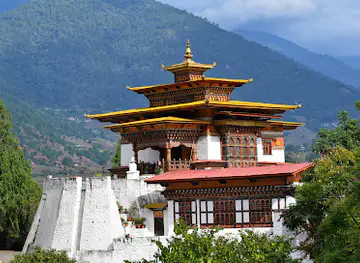
Punakha Dzong སྤུ་ན་ཁ་རྫོང་།
Explore the stunning Punakha Dzong, a historical and spiritual fortress nestled in the heart of Bhutan, where culture and breathtaking scenery unite.

Punakha Suspension Bridge
Explore the breathtaking Punakha Suspension Bridge, a stunning architectural marvel and cultural icon nestled in the heart of Bhutan's picturesque landscape.
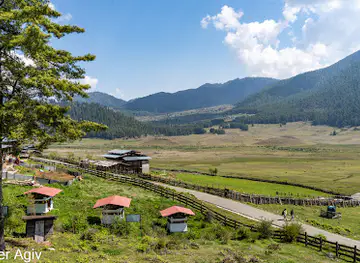
Phobjikha Valley
Explore the breathtaking Phobjikha Valley, a serene retreat in Bhutan, offering stunning landscapes, unique wildlife, and rich cultural experiences.

Chimi Lhakhang
Discover the spiritual heart of Bhutan at Chimi Lhakhang, the Fertility Temple nestled in the stunning Punakha Valley, a must-see for every traveler.

Best restaurants in Punakha-Wangdue Valley
Top-rated picks
Best Restaurants

Punakha Suspension Bridge
Explore breathtaking views from Bhutan's longest suspension bridge – a perfect blend of adventure and culture awaits at Punakha Suspension Bridge.

Zhingkham Resort ཞིང་ཁམས་སྐྱིད་གནས།
Discover tranquility at Zhingkham Resort in Punakha - where stunning landscapes meet traditional Bhutanese hospitality.
Punakha Residency
Discover comfort and authentic Bhutanese hospitality at Punakha Residency in Khuruthang - your gateway to Bhutan's breathtaking landscapes.
Punakha Dragon Nest Resort
Discover tranquility at Punakha Dragon Nest Resort – your gateway to exploring Bhutan's breathtaking landscapes and rich cultural heritage.

Best bars in Punakha-Wangdue Valley
Top-rated picks
Best Bars

Mojo Park
Discover the lively Mojo Park in Thimphu, a vibrant bar and live music venue offering delicious food, refreshing drinks, and unforgettable performances.
RKPO GREEN RESORT
Experience tranquility and breathtaking views at RKPO Green Resort in Punakha, Bhutan's serene retreat for nature lovers and adventurers alike.
Punatshangchhu cottages
Experience authentic Bhutanese cuisine and serene landscapes at Punatshangchhu Cottages, the perfect blend of relaxation and local culture.

MERENGMA' Bistro
Indulge in a delightful culinary experience at MERENGMA' Bistro, where local flavors meet international cuisine in the heart of Khuruthang.

Best nightclubs in Punakha-Wangdue Valley
Top-rated picks
Best Nightclubs

Ugyen bar
Experience the vibrant atmosphere and local culture at Ugyen Bar in Punakha, where refreshing drinks and friendly faces await.

Ñìmæ wangdi
Discover the vibrant nightlife of Punakha at Ñìmæ Wangdi, the ultimate night club experience for tourists seeking fun and entertainment.

Best shops in Punakha-Wangdue Valley
Top-rated picks
Best Shops

Punakha Dzong སྤུ་ན་ཁ་རྫོང་།
Discover the architectural marvel of Punakha Dzong, a historical fortress and monastery in Bhutan, surrounded by stunning landscapes and rich culture.

Punakha Suspension Bridge
Discover breathtaking views and adventure at the Punakha Suspension Bridge, Bhutan's stunning attraction that connects nature and culture.

Phobjikha Valley
Discover the serene beauty of Phobjikha Valley, a hidden paradise in Bhutan known for its stunning landscapes and rich cultural heritage.
Zhingkham Resort ཞིང་ཁམས་སྐྱིད་གནས།
Discover tranquility and breathtaking views at Zhingkham Resort in the enchanting Punakha Valley, Bhutan.

Explore Punakha-Wangdue Valley on the Map
A handpicked selection of must-see spots in Punakha-Wangdue Valley, mapped for you.
Punakha-Wangdue Valley Essentials
-
Punakha-Wangdue Valley can be accessed via Paro International Airport, the only international airport in Bhutan. From Paro, you can take a scenic drive to Punakha-Wangdue Valley, which takes approximately 3-4 hours. Alternatively, you can fly into Bhutan's capital, Thimphu, and then make the 2-3 hour drive to the valley.
-
Within Punakha-Wangdue Valley, taxis are the most common form of transportation and are readily available. For a more immersive experience, consider renting a bicycle or hiring a local guide for a walking tour. Public buses also operate between major towns and villages, providing an affordable option for travel.
-
The official currency in Bhutan is the Ngultrum (BTN). Credit cards are accepted in some hotels and larger establishments, but it is advisable to carry cash, especially for smaller shops and rural areas. ATMs are available in Punakha and Wangdue, but it is wise to withdraw sufficient cash in Thimphu or Paro before traveling to the valley.
-
Punakha-Wangdue Valley is generally safe for tourists. While crime rates are low, it is recommended to take standard precautions such as not leaving your belongings unattended and avoiding isolated areas at night. There are no specific high-crime areas targeting tourists.
-
In case of emergency, dial 113 for police assistance or 112 for medical emergencies. Punakha Hospital and Wangdue Hospital provide medical services. It is advisable to have travel insurance that covers medical emergencies. Pharmacies are available in the valley for over-the-counter medications.
-
Fashion: Do dress modestly, especially when visiting religious sites. Avoid wearing revealing clothing. Religion: Do show respect for local customs and traditions. Always remove your shoes and cover your head when entering dzongs and monasteries. Public Transport: Do be respectful and give up your seat to elderly passengers. Don't eat or drink on public transport. Greetings: Do greet people with a slight bow and the traditional 'Kuzuzangpola'. Eating & Drinking: Do try local delicacies and accept food offerings graciously. Don't refuse hospitality, as it is considered impolite.
-
To experience Punakha-Wangdue Valley like a local, visit local markets and engage with artisans who are known for their traditional crafts. Participate in a local festival if your visit coincides with one, as these are vibrant displays of Bhutanese culture. Don't miss visiting the Punakha Dzong, which is one of the most beautiful and significant dzongs in Bhutan, and take a leisurely walk across the Punakha Suspension Bridge for stunning views.
When is the best time to visit Punakha-Wangdue Valley?
Useful Local Phrases for Punakha-Wangdue Valley
You don't need to speak the language perfectly. Even learning a few simple words can make conversations warmer—and locals usually appreciate the effort.
— Eve

Here are the phrases I use most often in Punakha-Wangdue Valley. Try a few—you'll be surprised how far they go! 😊
❤️
-
- Helloབཀྲ་ཤིས་
[Kuzuzangpo] - Goodbyeབཀྲ་ཤིས་
[Kuzuzangpo] - Yesཨ་རེད་
[Ared] - Noམེད་
[Med] - Please/You're welcomeཡོད་མི་འདོད་
[Yoe-mi-doe] - Thank youཐུགས་རྗེ་ཆེ་
[Thukje che] - Excuse me/Sorryཁྱེད་ལ་ངག་དབང་བཏང་
[Khyed-la ngakdang] - How are you?ཁྱེད་ལ་ངོ་སྤྱོད་བྱེད་?
[Khyed-la ngo-nyo-jey?] - Fine. And you?ང་བདེ་བ་ཡིན་, ཁྱེད་ལ་གང་བདེ་བ་ཡིན་?
[Nga dewa yin, Khyed-la gang dewa yin?] - Do you speak English?ཁྱེད་ལ་ཨང་གི་སྐད་གཏོང་ཡིན་?
[Khyed-la ang-gi khed tong-yin?] - I don't understandང་ངོ་མ་ཟད་
[Nga ngo ma zey]
- Helloབཀྲ་ཤིས་
-
- I'd like to see the menu, pleaseང་ལ་འབད་རེད་, ཡོད་མི་འདོད་
[Nga-la abda-re, yo-mi-doe] - I don't eat meatང་རིག་མ་བཞུགས་ཡིན་
[Nga rig ma zhug-yin] - Cheers!དམངས་གཤོས་!
[Dangsho!] - I would like to pay, pleaseང་ལ་བདེ་བར་རྩེ་དུས་ཡོད་
[Nga-la dewar ze-yu]
- I'd like to see the menu, pleaseང་ལ་འབད་རེད་, ཡོད་མི་འདོད་
-
- Help!དོན་ལམ་ཡོད་!
[Don-lam-yu!] - Go away!འབྲི་སོང་!
[Drik-so!] - Call the Police!དངོས་པོ་གཏོག་!
[Ngoppo-tok!] - Call a doctor!དགེ་བཤད་བརྒྱབ་!
[Ge-shed gyab!] - I'm lostང་གཟིགས་སོང་
[Nga zigsong] - I'm illང་བཀའ་བལྟ་ཡིན་
[Nga ka-balta-yin]
- Help!དོན་ལམ་ཡོད་!
-
- I'd like to buy...ང་ལ་བཀྲ་ཤིས་བཟོད་...
[Nga-la kuzi zoy...] - I'm just lookingང་བལྟ་ཡིན་
[Nga bal-ta-yin] - How much is it?འདི་ག་ཚད་ཡིན་?
[Di ga tshed-yin?] - That's too expensiveདེ་ལོག་མདོག་འདོད་
[De log dod-yu] - Can you lower the price?ཁྱེད་ལ་བཀའ་བདག་ཡོད་?
[Khyed-la ka-dak-yu?]
- I'd like to buy...ང་ལ་བཀྲ་ཤིས་བཟོད་...
-
- What time is it?དུས་ཚོད་ག་ཚད་ཡིན་?
[Du-tsho ga-tshed-yin?] - It's one o'clockདུས་ཚོད་གཅིག་རེད་
[Du-tsho gchig-yu] - Half past (10)ཆུ་ཚོད་བཅོ་ལྔ་
[Chhu-tsho bcho-ng] - Morningདགོངས་
[Gong] - Afternoonཉིན་ལྟོགས་
[Nin-tog] - Eveningདགོངས་དུས་
[Gong-du] - Yesterdayལོ་ཙཱུང་
[Lo-tsung] - Todayདེ་རེས་
[De-re] - Tomorrowདེ་སོང་
[De-song] - 1གཅིག
[Gchig] - 2གཉེའོ
[Gnye] - 3གསུམ་
[Gsum] - 4བཞི་
[Bzhi] - 5ལྔ་
[Nga] - 6དྲུག་
[Drug] - 7བདྲུའི་
[Dru] - 8དྲུག་
[Dru] - 9དགུ་
[Dgu] - 10བཅོ་
[Bcho]
- What time is it?དུས་ཚོད་ག་ཚད་ཡིན་?
-
- Where's a/the...?འདུལ་ལམ་བྷང་ཡིན་?
[Dul-lam mang-yin?] - What's the address?དངོས་རིག་ཁྱབ་ཡིན་?
[Ngoppo-rig khyab-yin?] - Can you show me (on the map)?ཁྱེད་ལ་འདུལ་བཏང་འདུལ་ཡིན་?
[Khyed-la dul-tang-yin?] - When's the next (bus)?རྗེས་བདྲེན་ཡིན་?
[Jey-dren-yin?] - A ticket (to ....)རྒྱབ་དོན་ཡིན་
[Gyab-don-yin]
- Where's a/the...?འདུལ་ལམ་བྷང་ཡིན་?
History of Punakha-Wangdue Valley
-
Punakha Dzong, also known as the 'Palace of Great Happiness,' was constructed in 1637-38 by Ngawang Namgyal, the 1st Zhabdrung Rinpoche. This majestic fortress at the confluence of the Pho Chhu and Mo Chhu rivers served as the administrative center and the seat of the government of Bhutan until the mid-1950s. It remains one of the most significant and stunning examples of Bhutanese architecture.
-
In 1639, Punakha Dzong played a crucial role in the defense of Bhutan against Tibetan invasions. The fortress was able to withstand the siege due to its strategic location and robust fortifications, cementing its place as a symbol of Bhutanese resilience and sovereignty.
-
In 1907, Punakha Dzong was the site of the coronation of Ugyen Wangchuck, marking the establishment of the Wangchuck dynasty. He was crowned the first Druk Gyalpo (Dragon King) of Bhutan, ushering in a new era of unified governance and modernisation for the country.
-
The Punakha Drubchen and Tshechu are two of Bhutan’s most important religious festivals, held annually at Punakha Dzong. The Drubchen commemorates the victories over Tibetan invaders, featuring re-enactments of battles with traditional music and dance. The Tshechu, on the other hand, celebrates Guru Rinpoche and is marked by days of vibrant mask dances and religious rituals, drawing locals and tourists alike.
-
Connecting the villages surrounding Punakha Dzong, the Punakha Suspension Bridge is one of the longest suspension bridges in Bhutan. Its construction was not only a feat of engineering but also a symbol of the community's dedication to improving connectivity and fostering unity among the local populace.
-
In 1897, a devastating earthquake struck Bhutan, causing significant damage to many structures, including Punakha Dzong. The rebuilding efforts that followed reflected the resilience and determination of the Bhutanese people, as they restored the dzong to its former glory while incorporating improvements to withstand future natural disasters.
-
Constructed in 1638 by the 1st Zhabdrung Rinpoche, Wangdue Phodrang Dzong was strategically located to control the routes to Trongsa, Punakha, Dagana, and Thimphu. It served as a crucial military stronghold and administrative center. Despite suffering from fires and natural disasters over the centuries, it remains a vital part of Bhutan's historical and cultural landscape.
-
In June 2012, a catastrophic fire engulfed Wangdue Phodrang Dzong, causing extensive damage. The incident was a significant loss for Bhutan's cultural heritage. Reconstruction efforts have since been underway, showcasing the nation's commitment to preserving its historical monuments and cultural identity.
Neighbouring Regions of Punakha-Wangdue Valley
The closest regions to Punakha-Wangdue Valley, if you have time for more than one.



Your all‑in‑one travel companion app
Explore expert travel guides, compare and book tours, experiences, hotels, and more—all from the palm of your hand. Download now for seamless trip planning wherever your wanderlust takes you.


Explore More of Bhutan

Looking beyond Punakha-Wangdue Valley? Discover Bhutan for broader travel guides, local hot-spots, and regional highlights.
Explore BhutanPunakha-Wangdue Valley in Photos
Browse through our photo collection highlighting the charm and character of the destination.


The Serene Punakha-Wangdue Valley
Nestled in the heart of Bhutan, the Punakha-Wangdue Valley is a picturesque destination that offers a blend of natural beauty and rich cultural heritage. Surrounded by lush greenery and crisscrossed by glistening rivers, the valley is renowned for its tranquil atmosphere and stunning landscapes. Visitors can immerse themselves in the serene environment, exploring rolling hills and vibrant rice paddies that paint a perfect picture of rural Bhutan. Punakha, once the capital of Bhutan, is home to the magnificent Punakha Dzong, an architectural marvel that sits at the confluence of the Pho Chhu and Mo Chhu rivers. This historical fortress is not only a symbol of Bhutan's enduring culture but also a stunning example of traditional Bhutanese architecture. The dzong is particularly breathtaking during the jacaranda bloom in spring, when the surrounding trees burst into vibrant purple flowers. Wangdue Phodrang, located nearby, offers its own unique charm. The town is known for its dzong, which, despite suffering a fire in 2012, remains a significant site of cultural importance. The valley is also a gateway to the Phobjikha Valley, a glacial valley famous for the endangered black-necked cranes that migrate here during the winter months. This makes the Punakha-Wangdue Valley not just a scenic retreat, but also a haven for bird watchers and nature enthusiasts.