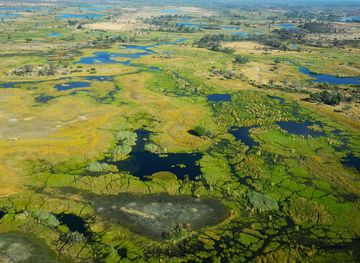
Free Ghanzi District Travel Guide & Mobile App
Explore Ghanzi District with free travel guides. Discover regional history, expert tips, proposed trips, and audio guides on web or mobile app.


Explore Ghanzi District: A Journey Through Botswana's Wild Heart, Blending Rich Cultural Heritage with Untamed Natural Beauty.
Read more about Ghanzi District
When is the best time to visit Ghanzi District?
Best: April, August–September · 23–27°C| Month | High (°C) | Rainfall (mm) |
|---|---|---|
| January | 31 | 50 |
| February | 30 | 40 |
| March | 29 | 30 |
| April (best) | 26 | 20 |
| May | 22 | 15 |
| June | 19 | 5 |
| July | 20 | 5 |
| August (best) | 23 | 5 |
| September (best) | 27 | 10 |
| October | 31 | 20 |
| November | 31 | 40 |
| December | 32 | 60 |
Getting to and around Ghanzi District
How to get there
Transportation
Top city travel guides in Ghanzi District
The cities of Ghanzi District, and the easiest places to base yourself.

Swipe for more cities
Destinations in Ghanzi District
Resorts, valleys and scenic spots worth a trip of their own.
-
 Moremi Game Reserve
Discover Moremi Game Reserve: A wildlife haven in Botswana's Okavango Delta, teeming with diverse species and breathtaking landscapes.
Moremi Game Reserve
Discover Moremi Game Reserve: A wildlife haven in Botswana's Okavango Delta, teeming with diverse species and breathtaking landscapes.
-
 Makgadikgadi Pans National Park
Discover the surreal beauty and rich cultural history of Makgadikgadi Pans National Park, where vast salt flats meet incredible wildlife migrations in Botswana.
Makgadikgadi Pans National Park
Discover the surreal beauty and rich cultural history of Makgadikgadi Pans National Park, where vast salt flats meet incredible wildlife migrations in Botswana.
-
 Central Kalahari Game Reserve
Immerse yourself in the pristine wilderness of the Central Kalahari Game Reserve, Botswana's largest and most remote wildlife haven, teeming with diverse flora and fauna.
Central Kalahari Game Reserve
Immerse yourself in the pristine wilderness of the Central Kalahari Game Reserve, Botswana's largest and most remote wildlife haven, teeming with diverse flora and fauna.
-
 Nxai Pan National Park
Experience the majesty of Botswana's Nxai Pan National Park, where ancient baobabs, diverse wildlife, and serene landscapes create an unforgettable adventure.
Nxai Pan National Park
Experience the majesty of Botswana's Nxai Pan National Park, where ancient baobabs, diverse wildlife, and serene landscapes create an unforgettable adventure.
-
 Tsodilo Hills
Discover Tsodilo Hills, Botswana's UNESCO World Heritage Site, home to ancient rock art and mythical landscapes in the heart of the Kalahari Desert.
Tsodilo Hills
Discover Tsodilo Hills, Botswana's UNESCO World Heritage Site, home to ancient rock art and mythical landscapes in the heart of the Kalahari Desert.
Swipe for more destinations
Best attractions in Ghanzi District
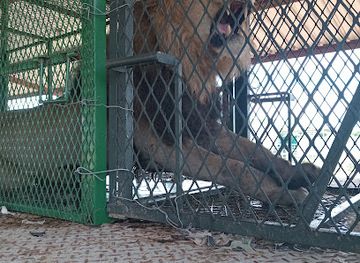
Ghanzi District, often referred to as the 'Gateway to the Kalahari,' offers a mesmerizing blend of cultural richness and natural beauty. Visitors can immerse themselves in the unique traditions of the San people through interactive village tours and captivating storytelling sessions. The area is a haven for wildlife enthusiasts, featuring the Central Kalahari Game Reserve, where you can witness majestic creatures like lions, elephants, and the elusive African wild dog in their natural habitat. The endless horizons of the Kalahari Desert provide a stunning backdrop for unforgettable safaris and night skies illuminated with stars like you've never seen before. Adventure seekers can also engage in thrilling activities such as bushwalking and traditional hunting demonstrations, making Ghanzi District a must-visit for those craving an authentic and diverse African experience.
Best landmarks in Ghanzi District
Ghanzi District in Botswana is a mesmerizing blend of cultural richness and natural beauty, offering visitors a unique opportunity to immerse themselves in the traditional lives of the San people at the Kuru Art Project, where you can witness their incredible artistic talents. Venture into the heart of the Kalahari Desert for a thrilling safari in the Central Kalahari Game Reserve, home to an array of wildlife including lions, cheetahs, and the elusive brown hyena. The Dqae Qare San Lodge provides an authentic experience where you can participate in bush walks and traditional dance performances, while the Ghanzi Craft Centre showcases exquisite local handicrafts, perfect for those looking to take a piece of Botswana home. The district's diverse landscapes, from sprawling grasslands to enchanting desert scenes, promise breathtaking views and unforgettable adventures.
Explore Ghanzi District on the map
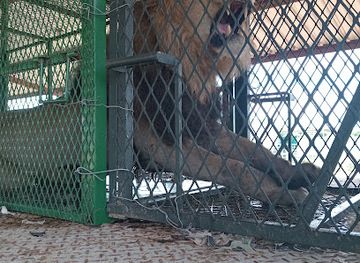
Plan your trip on one map. See where the top cities, national parks and sights are, and book hotels and experiences in a few clicks.
Best hotels in Ghanzi District
Best restaurants in Ghanzi District
Ghanzi District's dining scene is a tantalizing fusion of traditional Tswana cuisine and modern culinary innovation, offering a diverse gastronomic adventure for any visitor. Expect to savor hearty dishes such as seswaa, a flavorful shredded beef stew, paired with staple sides like pap (a thick maize porridge) and morogo (wild spinach). The district's restaurants and lodges often incorporate locally-sourced ingredients, including game meat like kudu and impala, providing an authentic taste of Botswana's rich wildlife. For those seeking variety, international options are also available, with chefs skillfully blending local flavors with global cuisines. Whether dining under the vast, starlit Kalahari sky or in rustic, thatched-roof establishments, each meal in Ghanzi District promises not just nourishment, but an immersive cultural experience.
-
Lodge
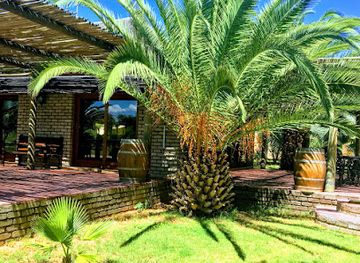
Palm Afrique Lodge 3-Star
Discover comfort in nature at Palm Afrique Lodge - your gateway to Botswana's wilderness and cultural treasures.
-
Restaurant
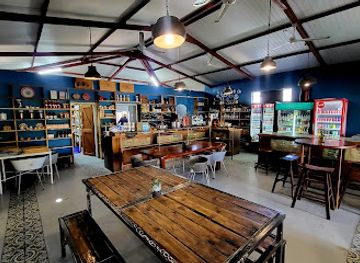
Hollandia Trading
Experience the culinary artistry at Hollandia Trading – where homemade ice cream meets local creativity in Ghanzi.
-
Restaurant
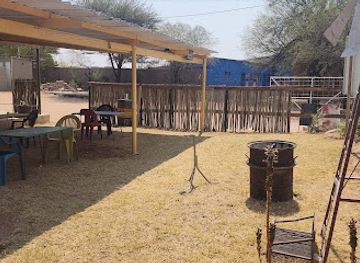
Ghanzi Bar and Grill
Discover delicious cuisine and vibrant nightlife at Ghanzi Bar and Grill – your go-to spot in Ghanzi for food, fun, and relaxation.
Best bars in Ghanzi District
Ghanzi District, often hailed as the 'Gateway to the Kalahari,' offers a nightlife scene that is as unique as it is enchanting. As the sun sets over the sprawling savannah, visitors can look forward to a blend of cultural immersion and modern entertainment. Local bars and nightclubs come alive with the rhythms of traditional Tswana music and contemporary African beats, creating an atmosphere that is both vibrant and reflective of the area's rich heritage. Outdoor venues under the starlit desert sky provide an unparalleled backdrop for socializing and dancing, while intimate lounges offer a more laid-back experience with local brews and handcrafted cocktails. For those looking to dive deeper into the local culture, evening storytelling sessions and traditional dance performances are often on the agenda, offering a captivating glimpse into the life and lore of the San people. Ghanzi's nightlife is not just about the revelry; it's an invitation to connect with the heart of Botswana's cultural tapestry.
-
Restaurant
Bull & Bush
Discover the rich flavors of Gaborone at Bull & Bush, where culinary creativity meets a warm and inviting atmosphere.
-
 Hotel
HotelKalahari Arms Hotel
Discover the charm of Ghanzi at Kalahari Arms Hotel, a perfect blend of comfort and local culture in Botswana's stunning landscapes.
-
Supermarket
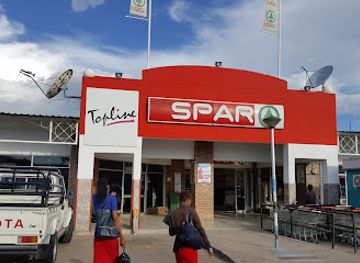
SPAR Ghanzi
Explore SPAR Ghanzi for a delightful shopping experience with fresh produce and local delicacies in the heart of Botswana.
-
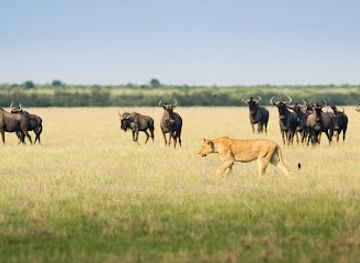
National park
Central Kalahari Game Reserve
Discover the wild heart of Botswana at Central Kalahari Game Reserve – a national park teeming with wildlife and stunning landscapes.
Best nightclubs in Ghanzi District
Ghanzi District, often hailed as the 'Gateway to the Kalahari,' offers a nightlife scene that is as unique as it is enchanting. As the sun sets over the sprawling savannah, visitors can look forward to a blend of cultural immersion and modern entertainment. Local bars and nightclubs come alive with the rhythms of traditional Tswana music and contemporary African beats, creating an atmosphere that is both vibrant and reflective of the area's rich heritage. Outdoor venues under the starlit desert sky provide an unparalleled backdrop for socializing and dancing, while intimate lounges offer a more laid-back experience with local brews and handcrafted cocktails. For those looking to dive deeper into the local culture, evening storytelling sessions and traditional dance performances are often on the agenda, offering a captivating glimpse into the life and lore of the San people. Ghanzi's nightlife is not just about the revelry; it's an invitation to connect with the heart of Botswana's cultural tapestry.
-
Restaurant
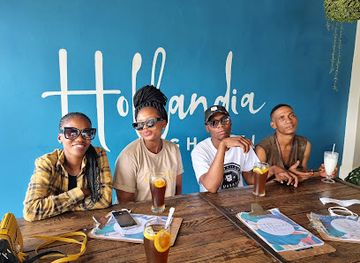
Hollandia Trading
Discover the culinary and artistic charm of Hollandia Trading in Ghanzi, offering delicious homemade ice cream, cocktails, and a vibrant atmosphere.
-
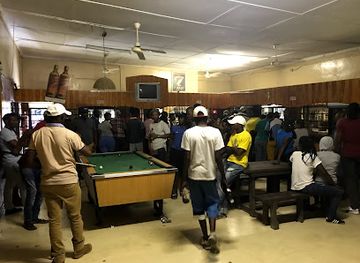
Bar
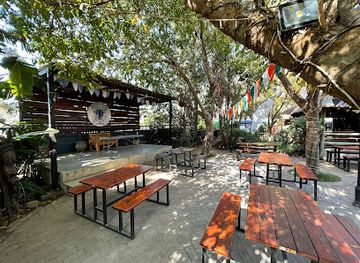
Sexaxana Bar
Experience the vibrant nightlife at Sexaxana Bar in Ghanzi, where refreshing drinks and lively entertainment await every visitor.
-
Bar
Thiites Bar
Experience the laid-back vibe of Thiites Bar in Ghanzi, where local culture and community come alive in a cozy setting.
-
Night club
Trekkers Night Club
Discover the electrifying nightlife of Gaborone at Trekkers Night Club, where music, dance, and fun await every visitor.


Best shops in Ghanzi District
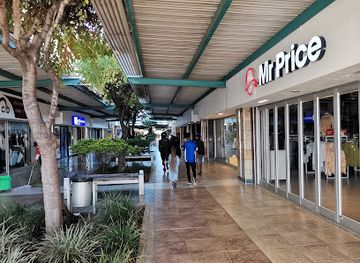
Exploring the shopping scene in Ghanzi District offers visitors a unique blend of local culture, traditional crafts, and modern conveniences. Wander through bustling markets where you can find exquisite handwoven baskets, intricate beadwork, and stunning leather goods crafted by the San people, reflecting their rich cultural heritage. Small boutiques and shops dotting the town provide an array of locally-made products, from organic skincare items to delicious homemade preserves. For those seeking a more contemporary shopping experience, there are several supermarkets and general stores that cater to everyday needs, ensuring you have everything you need during your stay. The shopping experience in Ghanzi is not just about buying items; it’s a journey through the heart of Botswana’s craftsmanship and community spirit.
-
Shopping mall
Airport Junction Shopping Centre
Experience shopping, dining, and entertainment at the Airport Junction Shopping Centre in Gaborone – a must-visit for every traveler.
-
Shopping mall
Riverwalk Mall
Explore the dynamic Riverwalk Mall in Gaborone for shopping, dining, and entertainment in a lively atmosphere.
-
Hotel
Kalahari Arms Hotel
Experience the charm and comfort of Kalahari Arms Hotel in Ghanzi, Botswana, where local culture meets modern hospitality.
-
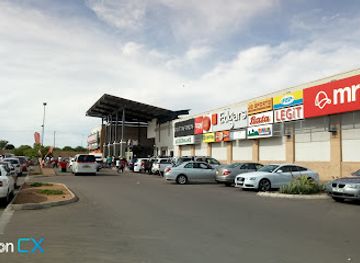
Supermarket
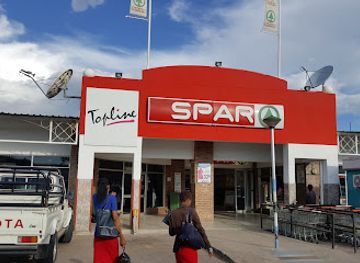
SPAR Ghanzi
Experience the essence of Botswana at SPAR Ghanzi, your one-stop supermarket for local and international groceries.
Get your free copy of our complete guide to Ghanzi District, delivered straight to you.
Everything on this page, from attractions and restaurants to essentials and local phrases, in one PDF you can read offline, print or share.
Already have an account? Sign in
Your Ghanzi District guide is ready.
We'll send it to · Not you? Sign out

Getting your guide ready…
We are putting together a fresh copy of the Ghanzi District guide. This can take up to a minute.
This can take a few moments. If your browser asks, choose Allow so the download can start. You'll find the guide in your Downloads folder.
Nothing happened? Download it again
Sorry, the guide is taking longer than usual. Please try again in a minute, or get it by email instead.
Ghanzi District essentials
Currency and Payment
Safety
Emergency Situations
Do's and Don'ts
Local Tips
From Eve
Local phrases worth knowing
You don't need to get them perfect. A few words go a long way, and locals appreciate the effort.
Basics
| English | Local | Say it |
|---|---|---|
| Hello | Dumela | [Doo-meh-lah] |
| Goodbye | Tsamaya sentle | [Tsah-mah-yah sen-tleh] |
| Yes | Ee | [Eh] |
| No | Nna | [Nnah] |
| Please/You're welcome | O kgotso | [Oh kgo-tso] |
| Thank you | Ke a leboga | [Kay ah leh-boh-gah] |
| Excuse me/Sorry | Ntshwarele | [Nts-hwah-reh-leh] |
| How are you? | O kae? | [Oh kah-eh?] |
| Fine. And you? | Ke a siama. Wena? | [Kay ah see-ah-mah. Weh-nah?] |
| Do you speak English? | A o bua Seesana? | [Ah oh boo-ah Seh-sah-nah?] |
| I don't understand | Ke sitwa go tlhaloganya | [Kay sit-wah go thla-loh-gah-nyah] |
Eating & Drinking
| English | Local | Say it |
|---|---|---|
| I'd like to see the menu, please | Ke batla go bona menu, tshepa | [Kay baht-lah go boh-nah meh-noo, tseh-pah] |
| I don't eat meat | Ke sitwa go ja nama | [Kay sit-wah go jah nah-mah] |
| Cheers! | Tshelete! | [Tseh-leh-teh!] |
| I would like to pay, please | Ke batla go lefa, tshepa | [Kay baht-lah go leh-fah, tseh-pah] |
Emergencies
| English | Local | Say it |
|---|---|---|
| Help! | Thusa! | [Too-sah!] |
| Go away! | Tshwaranang! | [Ts-hwah-rah-nang!] |
| Call the Police! | Fono maphephe! | [Foh-no mah-peh-peh!] |
| Call a doctor! | Fono ngaka! | [Foh-no ngah-kah!] |
| I'm lost | Ke sitwa go itlhophela | [Kay sit-wah go eet-lho-peh-lah] |
| I'm ill | Ke na le bolwetse | [Kay nah leh bohl-weh-tseh] |
Shopping
| English | Local | Say it |
|---|---|---|
| I'd like to buy... | Ke batla go reka... | [Kay baht-lah go reh-kah...] |
| I'm just looking | Ke le fa go lebelela | [Kay leh fah go leh-beh-leh-lah] |
| How much is it? | Ke bokae? | [Kay boh-kah-eh?] |
| That's too expensive | Seo se a boima | [Sey-oh seh ah boh-ee-mah] |
| Can you lower the price? | A o ka fokotseletsa price? | [Ah oh kah fo-koh-tseh-leh-tsa price?] |
Time & Numbers
| English | Local | Say it |
|---|---|---|
| What time is it? | Ke nako e kae? | [Kay nah-koh eh kah-eh?] |
| It's one o'clock | Ke ngwaga ya borai | [Kay n-gwah-gah yah bo-rai] |
| Half past (10) | A le borai | [Ah leh bo-rai] |
| Morning | Bosigo | [Boh-see-goh] |
| Afternoon | Mantsibanye | [Mahnt-see-bah-nyay] |
| Evening | Mokhutswane | [Moh-khut-swah-neh] |
| Yesterday | Maabane | [Mah-ah-bah-neh] |
| Today | Kajeno | [Kah-yeh-no] |
| Tomorrow | Kamoso | [Kah-moh-so] |
| 1 | Nngwe | [Nngweh] |
| 2 | Pedi | [Pe-dee] |
| 3 | Tharo | [Thah-roh] |
| 4 | Nne | [Nneh] |
| 5 | Tlhatlhwa | [Tlah-tlhwah] |
| 6 | Thatlhwa | [Thah-tlhwah] |
| 7 | Ntshebe | [Ntsheh-beh] |
| 8 | Borai | [Boh-rai] |
| 9 | Nye | [Nyeh] |
| 10 | Lesome | [Leh-soh-meh] |
Transport & Directions
| English | Local | Say it |
|---|---|---|
| Where's a/the...? | E kae mo...? | [Eh kah-eh mo...?] |
| What's the address? | Ke ngwaga e kae? | [Kay n-gwah-gah eh kah-eh?] |
| Can you show me (on the map)? | A o ka ntlhophela (mo mapeng)? | [Ah oh kah nt-lho-peh-lah (mo mah-peh-ng)?] |
| When's the next (bus)? | Nako e kae ya (bese)? | [Nah-koh eh kah-eh yah (beh-seh)?] |
| A ticket (to ....) | Tikit (go....) | [Tee-kit (go....)] |
History of Ghanzi District
Early Inhabitants and the San People
Ghanzi District is home to one of the oldest cultures in the world, the San people. Also known as the Bushmen, the San have lived in the Kalahari Desert for thousands of years. They are renowned for their hunting and gathering skills, as well as their profound knowledge of the region's flora and fauna. Traditional San rock paintings and engravings found in the area offer a glimpse into their ancient way of life.
Colonial Era and the Establishment of Ghanzi Farms
The late 19th and early 20th centuries saw the arrival of European settlers in the Ghanzi District. The region was particularly attractive due to its relatively fertile lands within the arid Kalahari Desert. These settlers established large cattle farms, which became the backbone of the local economy. The presence of these farms significantly altered the landscape and had a profound impact on the indigenous San communities.
Independence and Modern Developments
After Botswana gained independence from British colonial rule in 1966, Ghanzi District underwent several transformations. The district saw the development of infrastructure such as roads, schools, and healthcare facilities. Efforts were made to integrate the San people into the broader socio-economic framework of the country, although challenges remain.
Cultural Festivals and the Revival of San Traditions
In recent years, there has been a resurgence of interest in preserving and celebrating San culture. Ghanzi District hosts several cultural festivals that showcase traditional San music, dance, and crafts. These events not only serve to preserve the heritage of the San people but also attract tourists from around the world, providing an economic boost to the region.
The Role of Wildlife and Conservation Efforts
Ghanzi District is part of the Kalahari ecosystem, which is home to a diverse range of wildlife including lions, elephants, and various antelope species. Conservation efforts have been initiated to protect these species and their habitats. Community-based natural resource management programs involve local communities in conservation activities, thereby promoting sustainable development.
Ghanzi District in Photos
Browse through our photo collection highlighting the charm and character of the destination.
Neighbouring regions of Ghanzi District
The closest regions to Ghanzi District, if you have time for more than one.
-
 Kalahari Desert
Explore the vast and captivating Kalahari Desert in Botswana, where unique wildlife, rich culture, and breathtaking landscapes await adventurous travelers.
Kalahari Desert
Explore the vast and captivating Kalahari Desert in Botswana, where unique wildlife, rich culture, and breathtaking landscapes await adventurous travelers.
-
 North-West District
Discover the pristine wilderness and rich cultural heritage of North-West District, Botswana – a paradise for nature lovers and adventure seekers.
North-West District
Discover the pristine wilderness and rich cultural heritage of North-West District, Botswana – a paradise for nature lovers and adventure seekers.
-
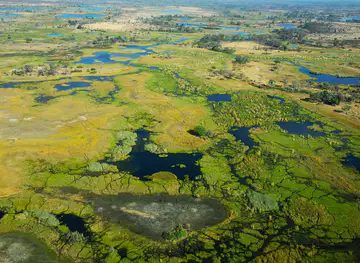
 Okavango Delta
Discover the Okavango Delta, Botswana's pristine wilderness where the Kalahari Desert meets a lush oasis teeming with wildlife and breathtaking landscapes.
Okavango Delta
Discover the Okavango Delta, Botswana's pristine wilderness where the Kalahari Desert meets a lush oasis teeming with wildlife and breathtaking landscapes.
-
 Kgalagadi District
Discover the rugged beauty and rich cultural heritage of Kgalagadi District in Botswana, where the wild landscapes and ancient traditions promise an unforgettable adventure.
Kgalagadi District
Discover the rugged beauty and rich cultural heritage of Kgalagadi District in Botswana, where the wild landscapes and ancient traditions promise an unforgettable adventure.
-
 Kweneng District
Discover the cultural heart and natural beauty of Kweneng District in Botswana, where tradition, wildlife, and history come together in a breathtaking landscape.
Kweneng District
Discover the cultural heart and natural beauty of Kweneng District in Botswana, where tradition, wildlife, and history come together in a breathtaking landscape.
Swipe for more regions