

Free North-West District Travel Guide & Mobile App
Explore North-West District with free travel guides. Discover regional history, expert tips, proposed trips, and audio guides on web or mobile app.


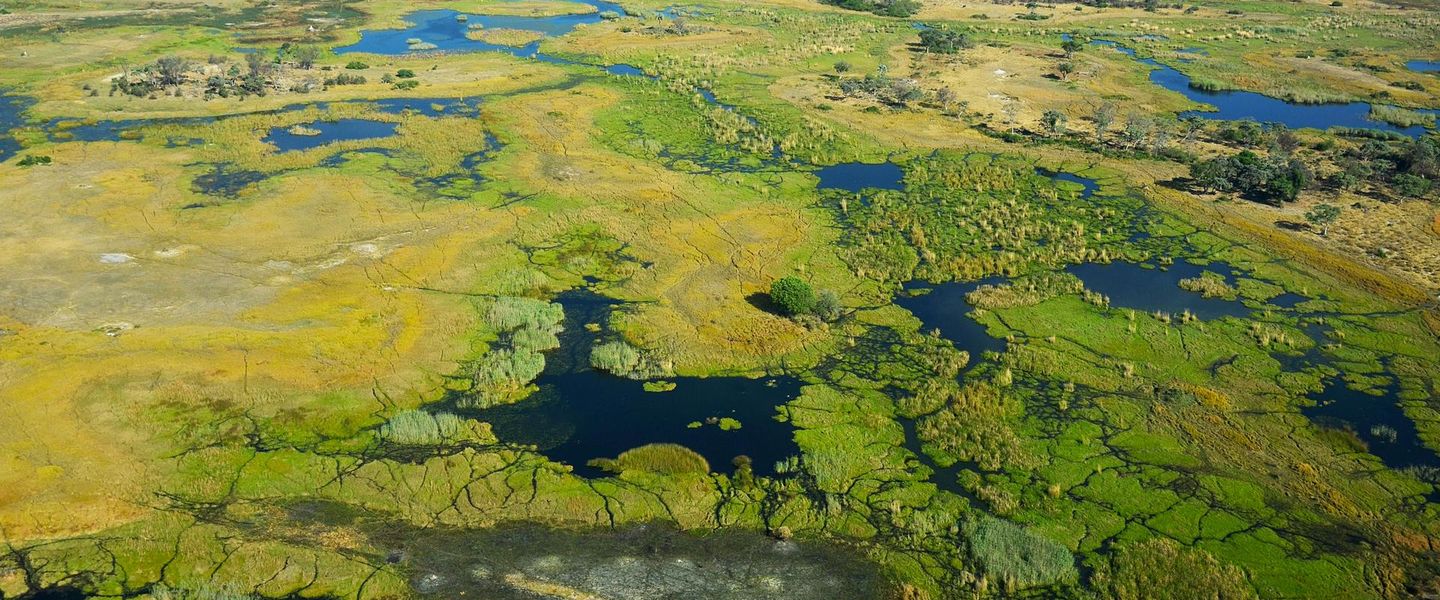


Explore Botswana’s North-West District for the Okavango Delta, Maun’s safari gateway, Moremi wildlife and the ancient rock art of Tsodilo Hills.
Read more about North-West District
When is the best time to visit North-West District?
Best: May, August–September · 22–27°C| Month | High (°C) | Rainfall (mm) |
|---|---|---|
| January | 31 | 100 |
| February | 31 | 95 |
| March | 30 | 75 |
| April | 28 | 50 |
| May (best) | 23 | 25 |
| June | 20 | 5 |
| July | 20 | 5 |
| August (best) | 22 | 7 |
| September (best) | 27 | 15 |
| October | 30 | 30 |
| November | 31 | 50 |
| December | 32 | 80 |
Getting to and around North-West District
How to get there
Transportation
Top city travel guides in North-West District
The cities of North-West District, and the easiest places to base yourself.
-

-


Swipe for more cities
Destinations in North-West District
Resorts, valleys and scenic spots worth a trip of their own.
-

-

-

-

-

-


Swipe for more destinations
Best attractions in North-West District
The Okavango Delta is the district’s defining attraction, offering mokoro journeys through papyrus-lined channels, motorboat trips across open lagoons, guided walks on islands and game drives in drier areas. Experiences vary according to flood levels and the location of each camp, so visitors should read itineraries carefully rather than assuming that every lodge offers the same activities. Moremi Game Reserve, on the delta’s eastern side, is noted for a wide range of wildlife and combines floodplains, woodland, open grassland and seasonal watercourses. Maun provides access to river excursions, cultural activities, craft shopping and flights into remote safari areas, although its character is that of a busy regional town rather than a theme-park resort. Tsodilo Hills offers a very different experience: guided walks lead to rock-art panels, archaeological sites and viewpoints across the surrounding Kalahari landscape. Birdwatching is rewarding across the delta, particularly where permanent water attracts large and varied bird populations. Community-based tourism, fishing traditions and village visits can add context when arranged respectfully, while the district’s broad landscapes make early-morning and evening travel especially atmospheric.
-
Art center
Botswana Craft
Discover Botswana's artistic soul: handmade crafts, cultural events, and local cuisine in the heart of Gaborone.
-
Water park
Lion Park Resort
Experience thrilling water slides, amusement rides, and majestic lions at Gaborone's premier entertainment destination.
-
Wetland
Okavango Delta
Explore the Okavango Delta: A unique Botswana safari destination with diverse wildlife, tranquil waterways, and stunning landscapes.
-
Tourist attraction
Helicopter Horizons
Experience Botswana's breathtaking landscapes and abundant wildlife from a unique aerial perspective with Helicopter Horizons in Maun.


Best landmarks in North-West District
-
 Lodge
Chobe Safari Lodge
Experience Botswana's wildlife at Chobe Safari Lodge: comfortable accommodations, thrilling safaris, and unforgettable river cruises on the Chobe River.
-
Indoor lodging
Maun Lodge
Your comfortable base for exploring the Okavango Delta, offering genuine hospitality and diverse accommodation options.
-
Lodge
Cresta Mowana Safari Resort and Spa
Experience luxury on the Chobe River at Cresta Mowana Safari Resort & Spa, your gateway to Botswana's untamed wilderness and unforgettable wildlife encounters.
-
Lodge
Chobe Marina Lodge
Experience luxury and adventure at Chobe Marina Lodge, your gateway to Chobe National Park and the stunning Chobe River in Botswana.

Explore North-West District on the map
Plan your trip on one map. See where the top cities, national parks and sights are, and book hotels and experiences in a few clicks.
Best hotels in North-West District
Best restaurants in North-West District
Dining in North-West District ranges from practical cafés and takeaways in Maun to lodge restaurants serving international dishes alongside Botswana-inspired cooking. Menus may include beef, goat, chicken, freshwater fish where locally sourced, seasonal vegetables, rice, maize-based staples and seswaa, a slow-cooked shredded meat dish associated with Botswana more broadly. In Maun, visitors can find informal eateries, bakeries, supermarkets and restaurants catering to safari travellers, residents and workers from the tourism sector. Safari lodges usually provide set meals or menus designed around their location, with packed breakfasts and lunches for excursions. Local produce and traditional foods are more likely to be encountered through community activities or carefully arranged cultural visits than through a formal restaurant district. Botswana’s wider food culture also includes bogobe, a soft sorghum or maize porridge, and vetkoek-style fried dough sold in informal settings. Ask about dietary requirements before travelling into remote camps, where supplies arrive by air or long road transfer and choice is necessarily limited.
-
Restaurant
Bull & Bush
Experience authentic Botswanan cuisine with international flair at Bull & Bush in Gaborone.
-
Chicken
Nando's Maun
Experience the best flame-grilled chicken at Nando's Maun - where Portuguese flavors meet South African hospitality in Botswana.
-
Restaurant
Two Six Seven
Experience authentic Botswana cuisine at Two Six Seven, where vibrant flavors meet stunning riverside views.
-
Cafe
Dusty Donkey Café
Experience delightful local cuisine at Dusty Donkey Café in Maun – where every bite tells a story.


Best bars in North-West District
Evening life is concentrated in Maun, where visitors can find hotel bars, informal drinking spots, restaurants with outdoor seating and occasional live music rather than a large, dedicated nightclub scene. The town’s nightlife serves residents and safari visitors alike, and the atmosphere can change considerably between busy weekends and quieter periods. In the delta, lodges generally offer a drink around a fire, a quiet bar or an evening meal after guided activities; noise and lighting are often deliberately limited to reduce disturbance to wildlife. Remote camps are not places to wander independently after dark, and staff guidance should be followed. Smaller settlements and rural areas have fewer visitor-oriented venues, so travellers should not expect late-night services outside Maun. Breweries, spirits and wine may feature at established lodges, but local evening culture is not defined solely by alcohol: storytelling, music, community gatherings and early starts for wildlife activities are equally important parts of a stay.
-
Bar
Phase 4 Bar
Explore Gaborone's nightlife at Phase 4 Bar, where lively vibes, great drinks, and local music create an unforgettable experience.
-
Grill
Lunar Bar
Discover the vibrant flavors of Botswana at Lunar Bar, a premier grill venue in Maun offering delicious food and a lively atmosphere.
-
Bar
Duck & Scrum
Experience the vibrant nightlife of Orapa at Duck & Scrum, where lively music and refreshing drinks create unforgettable memories.
-
Brewery
Okavango Craft Brewery
Discover the vibrant flavors of Botswana at Okavango Craft Brewery, where craft beer meets local culinary delights in a welcoming atmosphere.


Best nightclubs in North-West District
Evening life is concentrated in Maun, where visitors can find hotel bars, informal drinking spots, restaurants with outdoor seating and occasional live music rather than a large, dedicated nightclub scene. The town’s nightlife serves residents and safari visitors alike, and the atmosphere can change considerably between busy weekends and quieter periods. In the delta, lodges generally offer a drink around a fire, a quiet bar or an evening meal after guided activities; noise and lighting are often deliberately limited to reduce disturbance to wildlife. Remote camps are not places to wander independently after dark, and staff guidance should be followed. Smaller settlements and rural areas have fewer visitor-oriented venues, so travellers should not expect late-night services outside Maun. Breweries, spirits and wine may feature at established lodges, but local evening culture is not defined solely by alcohol: storytelling, music, community gatherings and early starts for wildlife activities are equally important parts of a stay.
-
Grill
Lunar Bar
Experience the vibrant nightlife of Maun at Lunar Bar, where delicious grilled dishes and a lively atmosphere await you.
-
Bar
Masters Bar
Experience the vibrant local culture at Masters Bar in Maun, where refreshing drinks and friendly faces await in a lively atmosphere.
-
Lounge
Absolut Lounge
Experience the vibrant atmosphere of Absolut Lounge in Gaborone, offering delicious drinks and live entertainment in a stylish setting.
-
Bar
KANANA BAR
Discover the vibrant nightlife at Kanana Bar in Maun, where locals and travelers unite over drinks and good times.



Best shops in North-West District
Maun is the principal shopping centre in North-West District, with supermarkets, practical high-street shops, craft outlets, galleries and small markets serving both residents and safari visitors. Basketry is among the most recognisable local crafts, with woven vessels and mats often made from indigenous grasses and shaped by regional traditions; quality and provenance vary, so buying directly from reputable makers or community organisations is preferable. Carvings, textiles, paintings, jewellery and safari clothing are also available, though visitors should confirm that natural materials and cultural objects can be legally exported before purchasing. Farmers’ stalls and food shops may offer fresh produce, dried goods and locally familiar staples, while lodges often stock curated crafts at higher prices. Outside Maun, retail is sparse and villages should not be treated as open-air souvenir markets. Cash is useful for small purchases, and respectful bargaining may be appropriate in informal settings but should not undermine the value of time-intensive craftwork.
-
Shopping mall
Game City Shopping Mall
Experience the excitement and diversity of Game City Shopping Mall in Gaborone, Botswana's premier shopping and entertainment destination.
-
Shopping mall
Airport Junction Shopping Centre
Experience the best shopping and dining at Airport Junction Shopping Centre in Gaborone, Botswana - a hub of entertainment and culture.
-
Shopping mall
Riverwalk Mall
Discover the lively Riverwalk Mall in Gaborone - a shopping paradise blending local culture with international flair.
-
Shopping mall
Main Mall
Discover the bustling Main Mall in Gaborone - your ultimate shopping and dining destination in Botswana's vibrant capital.


Get your free copy of our complete guide to North-West District, delivered straight to you.
Everything on this page, from attractions and restaurants to essentials and local phrases, in one PDF you can read offline, print or share.
Already have an account? Sign in
Your North-West District guide is ready.
We'll send it to · Not you? Sign out

Getting your guide ready…
We are putting together a fresh copy of the North-West District guide. This can take up to a minute.
This can take a few moments. If your browser asks, choose Allow so the download can start. You'll find the guide in your Downloads folder.
Nothing happened? Download it again
Sorry, the guide is taking longer than usual. Please try again in a minute, or get it by email instead.
North-West District essentials
Currency and Payment
Safety
Emergency Situations
Do's and Don'ts
Local Tips
From Eve
Local phrases worth knowing
You don't need to get them perfect. A few words go a long way, and locals appreciate the effort.
Basics
| English | Local | Say it |
|---|---|---|
| Hello | Hello | [Hello] |
| Goodbye | Goodbye | [Goodbye] |
| Yes | Yes | [Yes] |
| No | No | [No] |
| Please/You're welcome | Please/You're welcome | [Please/You're welcome] |
| Thank you | Thank you | [Thank you] |
| Excuse me/Sorry | Excuse me/Sorry | [Excuse me/Sorry] |
| How are you? | How are you? | [How are you?] |
| Fine. And you? | Fine. And you? | [Fine. And you?] |
| Do you speak English? | Do you speak English? | [Do you speak English?] |
| I don't understand | I don't understand | [I don't understand] |
Eating & Drinking
| English | Local | Say it |
|---|---|---|
| I'd like to see the menu, please | I'd like to see the menu, please | [I'd like to see the menu, please] |
| I don't eat meat | I don't eat meat | [I don't eat meat] |
| Cheers! | Cheers! | [Cheers!] |
| I would like to pay, please | I would like to pay, please | [I would like to pay, please] |
Emergencies
| English | Local | Say it |
|---|---|---|
| Help! | Help! | [Help!] |
| Go away! | Go away! | [Go away!] |
| Call the Police! | Call the Police! | [Call the Police!] |
| Call a doctor! | Call a doctor! | [Call a doctor!] |
| I'm lost | I'm lost | [I'm lost] |
| I'm ill | I'm ill | [I'm ill] |
Shopping
| English | Local | Say it |
|---|---|---|
| I'd like to buy... | I'd like to buy... | [I'd like to buy...] |
| I'm just looking | I'm just looking | [I'm just looking] |
| How much is it? | How much is it? | [How much is it?] |
| That's too expensive | That's too expensive | [That's too expensive] |
| Can you lower the price? | Can you lower the price? | [Can you lower the price?] |
Time & Numbers
| English | Local | Say it |
|---|---|---|
| What time is it? | What time is it? | [What time is it?] |
| It's one o'clock | It's one o'clock | [It's one o'clock] |
| Half past (10) | Half past (10) | [Half past (10)] |
| Morning | Morning | [Morning] |
| Afternoon | Afternoon | [Afternoon] |
| Evening | Evening | [Evening] |
| Yesterday | Yesterday | [Yesterday] |
| Today | Today | [Today] |
| Tomorrow | Tomorrow | [Tomorrow] |
| 1 | 1 | [1] |
| 2 | 2 | [2] |
| 3 | 3 | [3] |
| 4 | 4 | [4] |
| 5 | 5 | [5] |
| 6 | 6 | [6] |
| 7 | 7 | [7] |
| 8 | 8 | [8] |
| 9 | 9 | [9] |
| 10 | 10 | [10] |
Transport & Directions
| English | Local | Say it |
|---|---|---|
| Where's a/the...? | Where's a/the...? | [Where's a/the...?] |
| What's the address? | What's the address? | [What's the address?] |
| Can you show me (on the map)? | Can you show me (on the map)? | [Can you show me (on the map)?] |
| When's the next (bus)? | When's the next (bus)? | [When's the next (bus)?] |
| A ticket (to ....) | A ticket (to ....) | [A ticket (to ....)] |
History of North-West District
Early settlement and San rock art
Tsodilo Hills preserves one of the most important archaeological and cultural landscapes in southern Africa. Rock paintings, engravings and occupation evidence show that people have used the hills and their surrounding country over many thousands of years. San communities attach spiritual significance to the landscape, while archaeological research records changing patterns of hunting, gathering, ritual activity and settlement. The paintings are not simply decorative attractions: they form part of a living cultural inheritance and should be approached with respect. Tsodilo’s exceptional concentration of rock art and archaeological remains led to its inscription as a UNESCO World Heritage Site in 2001.
Migration and settlement around the Okavango
The modern cultural landscape of the district was shaped by the movement and interaction of several communities, including Bayei, Hambukushu, Batawana, Basarwa and others. The Okavango’s channels and floodplains supported fishing, hunting, livestock keeping and small-scale cultivation, while seasonal movement was central to making use of changing water and grazing. These histories are not reducible to a single settlement story: different communities developed distinctive relationships with the delta and its resources. Their presence remains visible in villages, languages, craft traditions, guiding knowledge and local approaches to wetland life.
The Bechuanaland Protectorate
In the late nineteenth century, the area became part of the Bechuanaland Protectorate established by Britain. Colonial administration was comparatively light in the remote Okavango, but it affected taxation, borders, public authority and relations between local rulers and the state. Maun grew in importance as an administrative and commercial centre, although the region remained distant from the main railway corridor in the south. The protectorate’s boundaries also helped create the territorial framework inherited by modern Botswana, even though local economic and cultural connections long crossed those lines.
Maun and the development of a regional centre
Maun developed from a settlement associated with the Batawana and the wider Okavango region into the district’s principal service town. Its growth accelerated after Botswana’s independence in 1966 as roads, air links, government services, tourism businesses and conservation organisations expanded. Maun now combines an urban population with strong connections to nearby villages, cattle posts and safari operations. The town’s importance reflects its strategic position at the edge of the delta: it is a supply base, employment centre, transport hub and point where international tourism meets everyday regional commerce.
Conservation and the creation of protected areas
Growing concern about wildlife conservation and the pressures of hunting, settlement and resource use contributed to the creation of protected areas in the Okavango region. Moremi Game Reserve was established in 1963 through the initiative of the Batawana, making it an important example of locally influenced conservation history. Later wildlife management areas and private concessions extended protection and supported safari tourism, although conservation has also raised difficult questions about access to land, livelihoods and the distribution of tourism income. The present landscape therefore reflects both ecological protection and continuing negotiations with resident communities.
Tourism, wetlands and international recognition
The Okavango Delta became an internationally recognised destination as improved air access, safari infrastructure and wildlife protection brought visitors to its seasonal waterways. In 2014, the Okavango Delta was inscribed as a UNESCO World Heritage Site in recognition of its ecological importance as an inland delta that does not reach the sea. Tourism has become a major part of the regional economy, creating guiding, hospitality, transport and craft opportunities while also making the district sensitive to environmental pressure and fluctuations in international travel. Current debates include sustainable water use, community benefit and the long-term resilience of the wetland.
North-West District in Photos
Browse through our photo collection highlighting the charm and character of the destination.
Neighbouring regions of North-West District
The closest regions to North-West District, if you have time for more than one.
-

-

-

-

-


Swipe for more regions
Explore more
Explore more of Botswana
Explore Botswana: A land of stunning contrasts, rich wildlife, and cultural heritage. Discover the Okavango Delta, Kalahari Desert, and immerse in sustainable tourism.
Explore Botswana