

Central Kalahari Game Reserve, Botswana Travel Guide
Immerse yourself in the pristine wilderness of the Central Kalahari Game Reserve, Botswana's largest and most remote wildlife haven, teeming with diverse flora and fauna.
The Central Kalahari Game Reserve in Botswana is one of the largest and most remote reserves in the world. Covering over 52,800 square kilometers, it offers a unique and thrilling experience for adventurers and nature enthusiasts alike. The reserve is home to a diverse array of wildlife, including lions, cheetahs, elephants, and an array of bird species. The vast open plains, sand dunes, and ancient river valleys create a stunning and varied landscape that changes with the seasons. Visiting the Central Kalahari Game Reserve is like stepping into a different world. The reserve's isolation means that it remains largely untouched and pristine. This allows visitors to experience the true wilderness in its rawest form. The local San people, also known as Bushmen, have lived in the Kalahari for thousands of years. Their knowledge of the land and its inhabitants adds a rich cultural layer to your visit. Engaging with the San people and learning about their traditional way of life is a highlight for many visitors. Unlike many other safari destinations, the Central Kalahari Game Reserve offers a sense of solitude and tranquility. The limited number of visitors at any given time ensures a peaceful and intimate wildlife experience. Whether you are camping under the stars, exploring the reserve on a guided safari, or simply soaking in the breathtaking views, the Central Kalahari Game Reserve promises an unforgettable adventure.

Know before you go
Hi, I'm Eve. Here are a few practical things to know before exploring Central Kalahari Game Reserve.
- Visit during the rainy season (December to March) for the best wildlife sightings.
- Book guided tours with local guides to enhance your understanding of the area and its wildlife.
- Pack plenty of water and sun protection; the Kalahari can get extremely hot.
- Respect the local San culture and engage with them to learn about their traditional way of life.
- Ensure your vehicle is well-equipped for remote travel, including spare tires and extra fuel.
Explore Central Kalahari Game Reserve: Things to Do, Places to Eat, Hotels & More
Handpicked recommendations for top attractions, local dining, accommodations, and more

Best attractions in Central Kalahari Game Reserve
Top-rated picks
Best Attractions

Tau Pan Camp
Experience the Kalahari's stark beauty at Tau Pan Camp, offering exceptional game viewing, luxurious accommodations, and unique cultural experiences.

Central kalahari Game reserve
Discover the raw beauty and untamed wilderness of the Central Kalahari Game Reserve, a sanctuary for wildlife and San culture in the heart of Botswana.

Deception Valley
Discover Deception Valley: A Kalahari gem where mirages meet diverse wildlife and ancient landscapes whisper tales of the past.

Haina veld Game Farms
Explore accessible Kalahari wilderness: wildlife encounters, San culture, and stunning desert landscapes on the border of the Central Kalahari Game Reserve.

Best landmarks in Central Kalahari Game Reserve
Top-rated picks
Best Landmarks

Kgalagadi Transfrontier Park
Discover the untamed beauty of Kgalagadi Transfrontier Park, a sanctuary for wildlife and a paradise for nature lovers in the heart of the Kalahari.

Kalahari Plains
Experience the magic of Botswana's Kalahari Plains Camp: Luxury tents, stunning views, and incredible wildlife encounters in a remote desert paradise.

Central kalahari Game reserve
Explore the vast, untamed beauty of Botswana's Central Kalahari Game Reserve, a haven for wildlife and the ancient San culture.

Evolve Back, Kalahari
Experience the Kalahari in luxury: Explore wildlife, San culture, and stunning landscapes at Evolve Back, a unique Botswana safari lodge.

Best restaurants in Central Kalahari Game Reserve
Top-rated picks
Best Restaurants

Bull & Bush
Savor delicious ribs and local flavors at Bull & Bush, Gaborone's favorite dining destination offering a vibrant atmosphere and exquisite cuisine.

News Cafe Botswana Gaborone
Discover Gaborone's culinary delight at News Cafe Botswana - where exquisite dining meets vibrant nightlife in an inviting atmosphere.
Kalahari Arms Hotel
Discover comfort and local charm at Kalahari Arms Hotel in Ghanzi – your gateway to Botswana's wilderness and culture.

Two Six Seven
Discover Two Six Seven in Gaborone - where innovative cuisine meets stunning riverside views for an unforgettable dining experience.

Best bars in Central Kalahari Game Reserve
Top-rated picks
Best Bars
Kalahari Arms Hotel
Experience the essence of Botswana at Kalahari Arms Hotel, a perfect blend of comfort and adventure in Ghanzi's scenic landscape.

Central Kalahari Game Reserve
Discover the untouched wilderness of Central Kalahari Game Reserve, Botswana's stunning national park teeming with wildlife and breathtaking landscapes.

Kalahari Rest
Discover the tranquil charm of Kalahari Rest, a perfect lodge in Botswana offering comfort amid the stunning Kalahari Desert landscape.

The PRINCETON LOUNGE
Discover the vibrant atmosphere of The Princeton Lounge in Gaborone, Botswana's favorite bar for cocktails, music, and unforgettable experiences.

Best nightclubs in Central Kalahari Game Reserve
Top-rated picks
Best Nightclubs

Central Kalahari Game Reserve
Discover the stunning wildlife and breathtaking landscapes of Central Kalahari Game Reserve, a true gem in Botswana's wilderness.

Kalahari Flying Club
Experience the thrill of aviation while enjoying drinks and karaoke at the Kalahari Flying Club in Gaborone, Botswana.

Cigar Lounge
Discover the electrifying nightlife at Cigar Lounge in Gaborone, where vibrant music and a lively atmosphere await every visitor.

Lagoon Lounge
Discover tranquility at Lagoon Lounge in Tshabong, Botswana, a perfect spot for relaxation with refreshing drinks and a welcoming atmosphere.

Best shops in Central Kalahari Game Reserve
Top-rated picks
Best Shops

Riverwalk Mall
Explore Riverwalk Mall in Gaborone: Botswana's premier shopping destination with diverse shops, dining options, and vibrant entertainment.

Central Kalahari Game Reserve
Explore the vast wilderness of Central Kalahari Game Reserve, a breathtaking national park in Botswana rich in wildlife and stunning landscapes.

KALAHARI ART SUPPLIERS (PTY) LTD
Explore creativity at Kalahari Art Suppliers in Gaborone, a premier art supply store catering to artists of all levels with quality materials and workshops.

Evolve Back, Kalahari
Discover the ultimate luxury lodge experience at Evolve Back, Kalahari, where nature meets elegance in the heart of Botswana's wilderness.

Explore Central Kalahari Game Reserve on the Map
A handpicked selection of must-see spots in Central Kalahari Game Reserve, mapped for you.
Central Kalahari Game Reserve Essentials
-
The Central Kalahari Game Reserve is situated in the heart of Botswana. The nearest airport is Maun International Airport, approximately 250 kilometers away. From Maun, you can either rent a 4x4 vehicle for a self-drive adventure or book a guided tour. Another option is to fly into Sir Seretse Khama International Airport in Gaborone and then take a domestic flight to Maun. It's highly recommended to arrange transportation in advance, as the reserve is remote and not easily accessible by public transport.
-
Within the Central Kalahari Game Reserve, a 4x4 vehicle is essential due to the rugged terrain. Several reputable companies in Maun offer 4x4 rentals equipped for off-road driving. Guided tours are another excellent option, providing both transportation and expert knowledge. Self-driving is possible, but ensure you are well-prepared with sufficient fuel, water, and supplies as services are sparse. Always inform someone about your travel itinerary.
-
The official currency of Botswana is the Botswana Pula (BWP). Credit cards are accepted in major hotels and some lodges, but it is advisable to carry cash for smaller establishments and remote areas. ATMs are available in Maun and Gaborone, but not within the reserve, so make sure to withdraw enough cash before entering the park. Ensure you have some smaller denominations for tips and minor purchases.
-
The Central Kalahari Game Reserve is generally safe for tourists. However, always adhere to park regulations and guidelines to ensure your safety and that of the wildlife. Stay in designated campsites and avoid walking alone, especially at night. There are no specific high-crime areas targeting tourists within the reserve, but always secure your belongings and remain vigilant. Be cautious of wildlife and never approach animals too closely.
-
In case of emergency, contact the nearest park ranger or lodge staff immediately. The reserve is remote, so response times may vary. It is highly recommended to have a satellite phone and a first-aid kit. For medical emergencies, the closest hospitals are in Maun. Ensure you have comprehensive travel insurance that covers medical evacuation. Familiarize yourself with basic first-aid procedures and know the location of the nearest ranger stations.
-
Fashion: Do wear neutral-colored, lightweight clothing suitable for the hot climate. Avoid bright colors that can attract wildlife. Religion: Botswana is predominantly Christian, but always respect local customs and traditions. Public Transport: Public transport is not available within the reserve. Always use designated 4x4 vehicles and guided tours. Greetings: Do greet people with a handshake and a smile. Basic Setswana phrases are appreciated. Eating & Drinking: Do try local dishes and respect mealtimes. Always carry enough water and stay hydrated.
-
To experience the Central Kalahari Game Reserve like a local, consider engaging with the San people, the indigenous inhabitants of the region. Participate in a guided bush walk to learn about their traditional hunting and survival skills. Visit during the rainy season (November to April) to witness the dramatic transformation of the landscape and the abundance of wildlife. Always carry binoculars and a camera to capture the breathtaking scenery and diverse animal life.
When is the best time to visit Central Kalahari Game Reserve?
Useful Local Phrases for Central Kalahari Game Reserve
You don't need to speak the language perfectly. Even learning a few simple words can make conversations warmer—and locals usually appreciate the effort.
— Eve

Here are the phrases I use most often in Central Kalahari Game Reserve. Try a few—you'll be surprised how far they go! 😊
❤️
-
- HelloDumela
[doo-MEH-lah] - GoodbyeTsamaya sentle
[tsa-MAH-ya sen-tleh] - YesEe
[ee] - NoNnyaa
[nyah] - Please/You're welcomeNako
[nah-koh] - Thank youKea leboga
[keh-ah leh-BOH-gah] - Excuse me/SorryRobala sentle
[roh-BAH-lah sen-tleh] - How are you?O kae?
[oh kah-eh] - Fine. And you?Ke gona. Le wena?
[keh goh-nah. leh weh-nah] - Do you speak English?O bua se se tsenng?
[oh boo-ah seh seh tseng] - I don't understandGa ke itse
[gah keh eet-seh]
- HelloDumela
-
- I'd like to see the menu, pleaseKe kopa go bona setlhare, le kamoso
[keh koh-pah goh boh-nah set-lah-reh, leh kah-moh-soh] - I don't eat meatGa ke itse nyama
[gah keh eet-seh nyah-mah] - Cheers!Phapha!
[PAH-pah] - I would like to pay, pleaseKe kopa go fola, le kamoso
[keh koh-pah goh foh-lah, leh kah-moh-soh]
- I'd like to see the menu, pleaseKe kopa go bona setlhare, le kamoso
-
- Help!Thuso!
[too-soh] - Go away!Tshameka!
[tsah-MEH-kah] - Call the Police!Bula Borwa!
[boo-lah bor-wah] - Call a doctor!Bula nkgono!
[boo-lah n-koh-noh] - I'm lostKe tshwerwe
[keh tshweh-rweh] - I'm illKe bethe
[keh beh-teh]
- Help!Thuso!
-
- I'd like to buy...Ke kopa go itse...
[keh koh-pah goh eet-seh...] - I'm just lookingKe na le tlhapi
[keh nah leh tlah-pee] - How much is it?Ke bokae?
[keh boh-kah-eh] - That's too expensiveEnngwe e nyatsa
[ehng-weh eh nyah-tsa] - Can you lower the price?O ka sebetsa bogosi?
[oh kah seh-bet-sah boh-goh-see]
- I'd like to buy...Ke kopa go itse...
-
- What time is it?Ke nako mang?
[keh nah-koh mahng] - It's one o'clockKe nako ya kgarebe
[keh nah-koh yah kga-reh-beh] - Half past (10)Sengwe le lebete
[seng-weh leh leh-beh-teh] - MorningBobedi
[boh-beh-dee] - AfternoonNtlogele
[n-tloh-geh-leh] - EveningKgale
[kga-leh] - YesterdayNnyaa
[nyah] - TodayNako
[nah-koh] - TomorrowSehloho
[seh-loh-hoh] - 1Moja
[mo-hah] - 2Pele
[peh-leh] - 3Tharo
[tah-roh] - 4Nne
[nneh] - 5Tlhano
[tlhah-noh] - 6Tlhano tse ntlha
[tlhah-noh tseh n-tlah] - 7Supa
[soo-pah] - 8Robedi
[roh-beh-dee] - 9Roraro
[roh-rah-roh] - 10Lesome
[leh-soh-meh]
- What time is it?Ke nako mang?
-
- Where's a/the...?Kae?
[kah-eh] - What's the address?Kae aterese?
[kah-eh ah-teh-reh-seh] - Can you show me (on the map)?O ka nka go bona (ka map?),
[oh kah ng-kah goh boh-nah (kah mahp)] - When's the next (bus)?Lekana le le kamoso le mang?
[leh-kah-nah leh leh kah-moh-soh leh mahng] - A ticket (to ....)Litshepe (mo ....)
[leet-she-peh (moh ....)]
- Where's a/the...?Kae?
History of Central Kalahari Game Reserve
-
Established in 1961, the Central Kalahari Game Reserve (CKGR) was created by the British colonial government to serve as a refuge for the San people, also known as Bushmen, and to protect the area's unique wildlife. Covering over 52,800 square kilometers, it is the second-largest game reserve in the world.
-
The San people have lived in the Kalahari Desert for thousands of years, practicing a hunter-gatherer lifestyle perfectly adapted to their harsh environment. Their deep understanding of the land and its resources is evident in their ability to find water and food in one of the world's most arid regions.
-
In the late 20th and early 21st centuries, the Botswana government began relocating the San people from the CKGR to settlements outside the reserve. This move was highly controversial and faced international criticism. The government cited reasons such as the need for modern development and wildlife conservation, while critics argued it was a violation of the San people's rights.
-
In 2006, a historic legal case resulted in the Botswana High Court ruling in favor of the San people, allowing them the right to return to their ancestral lands within the CKGR. The case, led by San leader Roy Sesana, was a significant victory for indigenous rights and highlighted the tensions between development and cultural preservation.
-
The CKGR is home to a diverse range of wildlife, including gemsbok, giraffes, lions, cheetahs, and hyenas. Conservation efforts have been ongoing to protect these species and their habitats. The reserve plays a crucial role in maintaining the ecological balance of the region and serves as an important area for scientific research.
-
In recent years, the CKGR has become a popular destination for eco-tourism. Lodges and tour operators emphasize sustainable practices to minimize environmental impact. Visitors are drawn to the reserve's pristine wilderness, opportunities for game viewing, and the chance to learn about the San culture and way of life.
Cities in Central Kalahari Game Reserve
Browse our curated selection of top destinations, scenic points, and must-visit spots in the area.


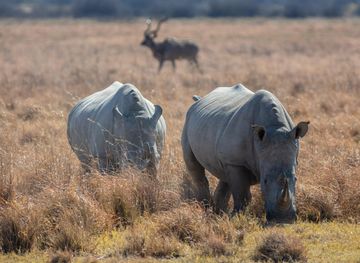

Neighbouring destination travel guides
Browse our curated selection of top destinations, scenic points, and must-visit spots in the area.


Your all‑in‑one travel companion app
Explore expert travel guides, compare and book tours, experiences, hotels, and more—all from the palm of your hand. Download now for seamless trip planning wherever your wanderlust takes you.


Explore More of Kalahari Desert

Looking beyond Central Kalahari Game Reserve? Discover Kalahari Desert for broader travel guides, local hot-spots, and regional highlights.
Explore Kalahari DesertExplore More of Botswana
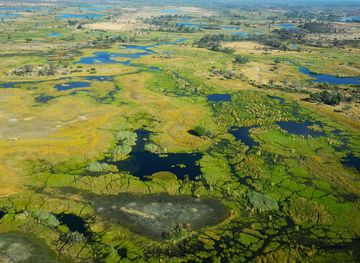
Looking beyond Central Kalahari Game Reserve? Discover Botswana for broader travel guides, local hot-spots, and regional highlights.
Explore BotswanaCentral Kalahari Game Reserve in Photos
Browse through our photo collection highlighting the charm and character of the destination.
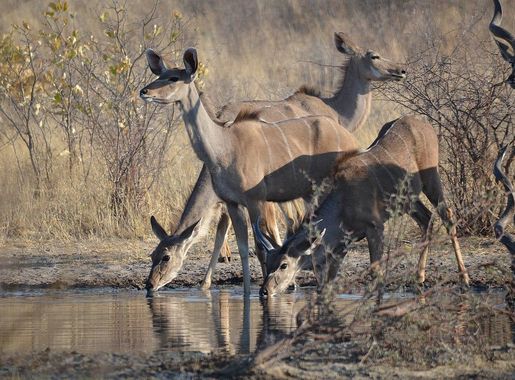


The Untamed Beauty of the Central Kalahari Game Reserve
The Central Kalahari Game Reserve in Botswana is one of the largest and most remote reserves in the world. Covering over 52,800 square kilometers, it offers a unique and thrilling experience for adventurers and nature enthusiasts alike. The reserve is home to a diverse array of wildlife, including lions, cheetahs, elephants, and an array of bird species. The vast open plains, sand dunes, and ancient river valleys create a stunning and varied landscape that changes with the seasons. Visiting the Central Kalahari Game Reserve is like stepping into a different world. The reserve's isolation means that it remains largely untouched and pristine. This allows visitors to experience the true wilderness in its rawest form. The local San people, also known as Bushmen, have lived in the Kalahari for thousands of years. Their knowledge of the land and its inhabitants adds a rich cultural layer to your visit. Engaging with the San people and learning about their traditional way of life is a highlight for many visitors. Unlike many other safari destinations, the Central Kalahari Game Reserve offers a sense of solitude and tranquility. The limited number of visitors at any given time ensures a peaceful and intimate wildlife experience. Whether you are camping under the stars, exploring the reserve on a guided safari, or simply soaking in the breathtaking views, the Central Kalahari Game Reserve promises an unforgettable adventure.