
Elephant Skull and Bones: A Memento Mori in Savuti
Witness nature's cycle in Savuti: An elephant skeleton tells a silent story of survival in Botswana's untamed wilderness.
The scattered remains of an elephant skeleton serve as a stark reminder of the circle of life and the harsh realities of survival in Botswana's Savuti region. This poignant site offers a unique, if sobering, glimpse into the natural processes of the African wilderness.
A brief summary to Elephant Skull and Bones
- C3M9+5WV, Savuti, BW
Local tips
- Remember that this is a natural site, not a formal exhibit; approach with respect and sensitivity.
- Keep a safe distance from the remains and avoid disturbing the surrounding environment.
- Bring binoculars for a closer look at the bones and to scan the surrounding area for other wildlife.
- Be prepared for a potentially emotional experience, as the sight of the skeleton can be quite moving.
- Consider the broader context of Savuti's ecosystem and the challenges faced by its inhabitants.

Getting There
-
Self-Drive
The elephant remains are located within the Savuti region of Chobe National Park. Access is typically via self-drive 4x4. From the town of Kasane, allow at least 3-4 hours to reach Savuti, depending on road conditions. Roads can be sandy and challenging, so high clearance and four-wheel drive are essential. Park entry fees are approximately BWP 270 per person per day, plus BWP 115 per vehicle per day for foreign visitors. These fees are payable in BWP cash or by card at the DWNP offices in Maun or Kasane, or in cash at the park gates. Camping fees, if applicable, are additional. Be sure to have sufficient fuel and supplies, as facilities within the park are limited.
Discover more about Elephant Skull and Bones
Iconic landmarks you can’t miss

andBeyond Savute Under Canvas
0.3 km
Experience an intimate safari in Botswana's Chobe National Park at andBeyond Savute Under Canvas, with exceptional wildlife and dramatic landscapes.
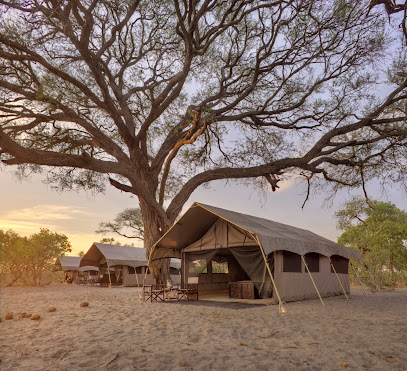
Savute Safari Lodge desert and delta
1.3 km
Experience the magic of Botswana's Chobe National Park at Savute Safari Lodge, where luxury meets the untamed African wilderness.

Savute Elephant Lodge, A Belmond Safari, Botswana
1.7 km
Experience untamed Africa at Savute Elephant Lodge in Botswana's Chobe National Park. Luxury safari, exceptional wildlife, and natural beauty.
Savuti canal
26.7 km
Experience the ever-changing landscape of Botswana's Savuti Canal, a haven for wildlife and a place of mystery in Chobe National Park.
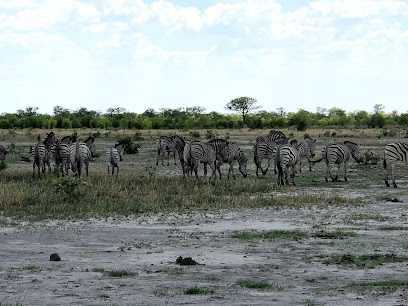
Linyanti Tented Camp
34.0 km
Experience an authentic Botswana safari in the remote Linyanti Wildlife Reserve, with exceptional game viewing and comfortable tented accommodations.
Chobe Under Canvas
35.6 km
Experience an authentic mobile safari in Botswana's Chobe National Park, with intimate wildlife encounters and comfortable tented accommodations.
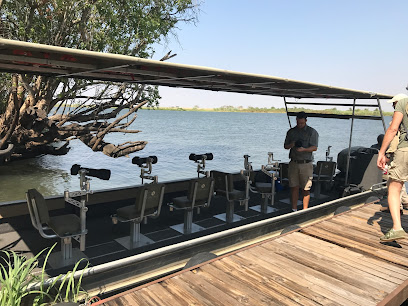
Linyanti Bush Camp & Ebony
37.5 km
Experience an intimate Botswana safari at Linyanti Ebony Camp, where luxury meets the wild in the heart of Chobe National Park's Linyanti Marsh.
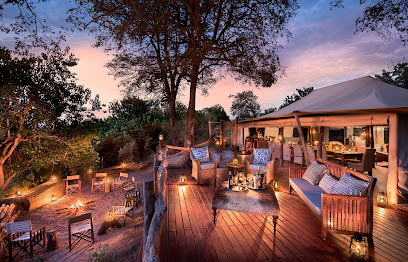
King's Pool Camp
40.9 km
Experience unparalleled luxury and exceptional wildlife viewing at King's Pool Camp in Botswana's pristine Linyanti Wildlife Reserve.
Linyanti Expeditions
44.1 km
Experience an authentic Botswana safari at Linyanti Expeditions, where luxury meets the untamed wilderness in the heart of the Linyanti Concession.
Camp Savuti
46.7 km
Experience an intimate Botswana safari at Camp Savuti, Chobe National Park: exceptional game viewing and tented accommodation await.
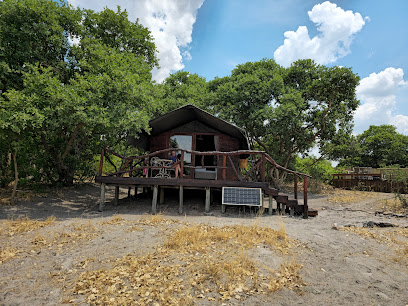
Wilderness DumaTau
52.0 km
Experience unparalleled wildlife viewing at this luxury safari camp in Botswana's Linyanti, nestled between elephant corridors and pristine riverfront.
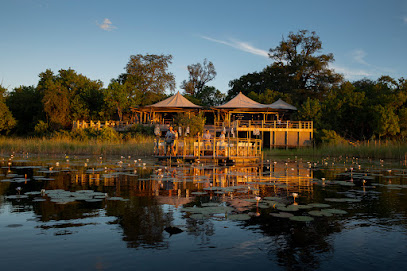
Hyena Pan Botswana
57.5 km
Experience an intimate Botswana safari at Hyena Pan, where wildlife encounters are authentic and the natural beauty of the Okavango Delta unfolds.
SELINDA EXPLORERS CAMP
61.7 km
Experience an authentic Botswana safari at Selinda Explorers Camp, blending classic style with exceptional wildlife viewing in a private reserve.
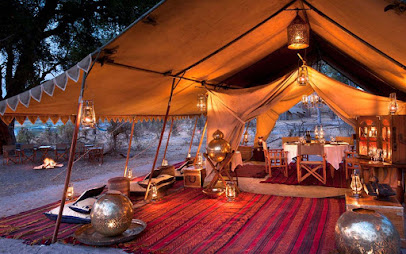
Machaba Camp - Machaba Safaris
67.4 km
Experience an authentic Botswana safari in the heart of the Okavango Delta at Machaba Camp, offering exceptional wildlife viewing and cultural experiences.
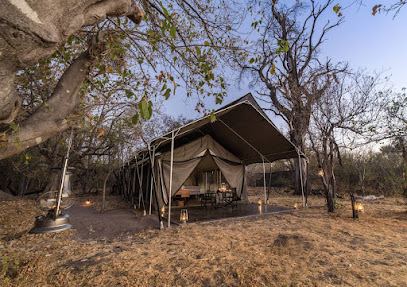
Nokanyana
68.9 km
Experience Botswana's beauty at Nokanyana Lodge in Maun, offering luxury, nature, and unforgettable safari adventures near the Okavango Delta.
Unmissable attractions to see

Savuti
0.3 km
Explore Savuti: Botswana's remote wilderness, famed for dramatic landscapes, diverse wildlife, and the mystery of the Savuti Channel.
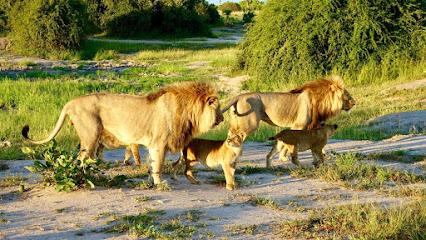
Paradise Campsite, Savuti
0.9 km
Experience the untamed beauty of Botswana's Savuti at Paradise Campsite: wildlife encounters, stunning landscapes, and unforgettable adventures.
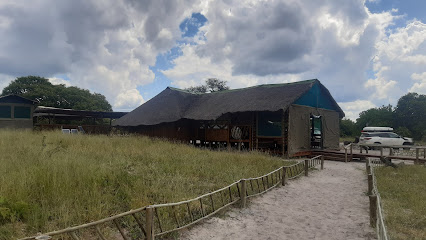
Bushman Art
3.1 km
Explore ancient San Bushman rock art in Savuti, Botswana, and discover the rich cultural heritage of this unique wilderness area.
Baobab Gallery
5.1 km
Discover the majestic Baobab Gallery in Savuti, Botswana, a unique collection of ancient trees in the heart of Chobe National Park.
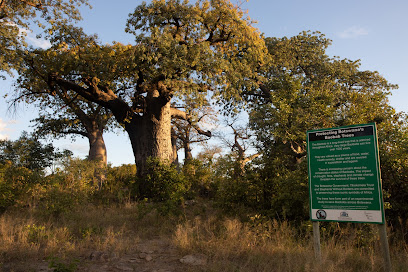
Ghoha Hills Savuti Lodge
21.2 km
Experience unparalleled luxury and breathtaking wildlife views at Ghoha Hills Savuti Lodge in the heart of Chobe National Park's Savuti region.
Savuti Chobe NP
25.5 km
Experience Savuti in Chobe National Park: a land of dramatic landscapes, diverse wildlife, and thrilling predator encounters.
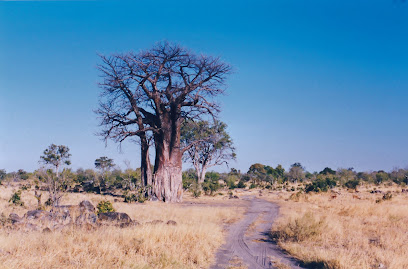
Chobe National Park
33.6 km
Discover Botswana's Chobe National Park: Home to massive elephant herds, diverse wildlife, and stunning riverfront scenery. A must-see safari destination.
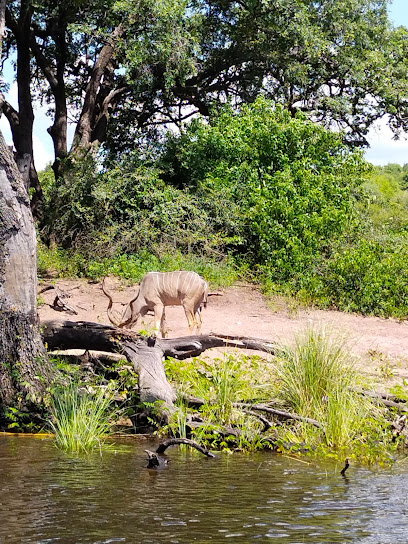
Linyanti Wildlife Reserve
34.7 km
Discover Botswana's best-kept secret: Linyanti Wildlife Reserve, a pristine wilderness offering unparalleled safari experiences and abundant wildlife.
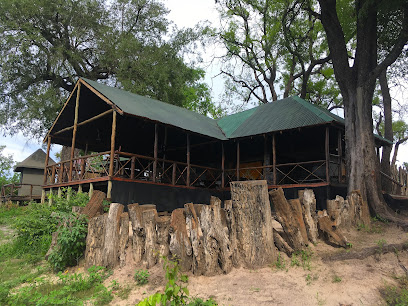
NG/15 (Linyanti Sable Safaris)
44.1 km
Explore Botswana's untamed Linyanti: a premier wildlife reserve with stunning landscapes, diverse habitats, and exceptional safari adventures.
Chobe Forest Reserve
49.7 km
Explore Botswana's Chobe Forest Reserve: a haven for wildlife, birdwatching, and immersive natural beauty.
Wuparo Conservancy
52.5 km
Experience the breathtaking landscapes and rich biodiversity of Wuparo Conservancy, Namibia's premier nature preserve for eco-tourism.
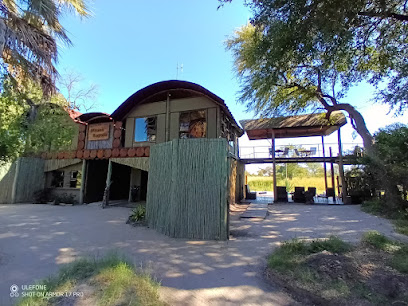
Moae Campsite
53.1 km
Experience Botswana's wilderness at Moae Campsite: Serene campground with wildlife, stargazing, and authentic outdoor adventures.
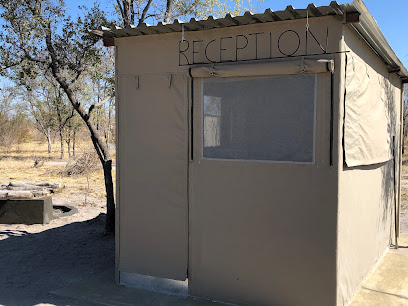
Mbakisa - WildRiver Mokoro Station
56.8 km
Experience the Chobe River's wildlife and landscapes with authentic mokoro tours at Mbakisa - WildRiver Station. An unforgettable Botswana adventure awaits!
Wild River Boating Adventures
57.0 km
Experience the thrill of wildlife encounters on the Chobe River with personalized boating adventures in the heart of Botswana's natural beauty.
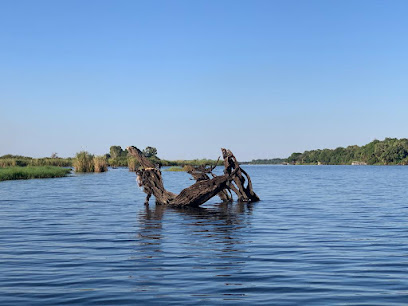
Vanthuyne Ridge Research Camp & Hyenas Howl campsite
57.0 km
Discover Botswana's wild side at this research camp and campsite in the heart of the Chobe Enclave.
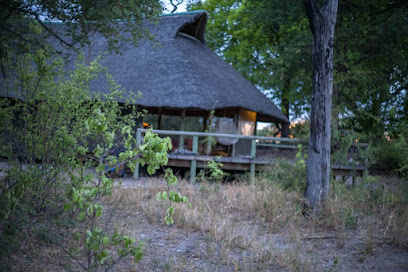
Markets, malls and hidden boutiques

Mulife Night Club Linyanti
55.4 km
Discover the vibrant nightlife at Mulife Night Club Linyanti, where local music and dance create an unforgettable atmosphere in Namibia.
Corner shop Linyanti
55.4 km
Explore the charming Corner Shop Linyanti in Namibia for local groceries and an authentic cultural experience.
Chobe Craft Center Kachikau
63.9 km
Discover the vibrant arts and crafts of Botswana at Chobe Craft Center in Kachikau, a hub of local artistry and cultural heritage.
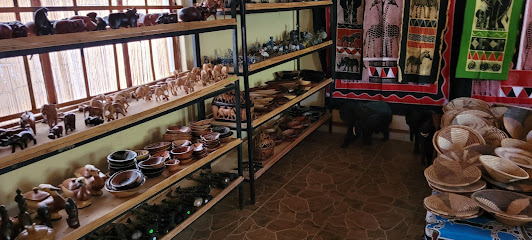
Chinchimani Mini Market CC
65.9 km
Discover local flavors at Chinchimani Mini Market CC, your go-to supermarket in Chinchimane, Namibia for fresh produce and unique snacks.
Water Lilly Tuck Shop
72.7 km
Explore the local culture and find unique treasures at Water Lilly Tuck Shop in Khwai, Botswana, a charming general store for all your travel needs.
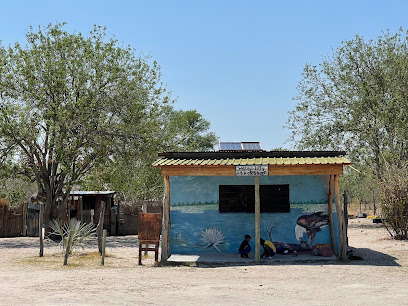
Afro Ville
73.8 km
Experience local flavors at Afro Ville, a unique grocery store and breakfast spot in Khwai, perfect for tourists seeking a taste of Botswana.
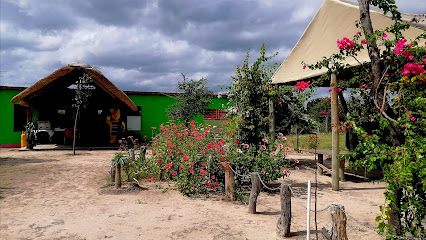
James's Trading Enterprises cc
86.7 km
Experience the vibrant local culture and flavors at James's Trading Enterprises in Katima Mulilo, your go-to grocery store for fresh produce and Namibian specialties.

Lumbamba trading store
90.8 km
Explore local culture and unique handcrafted treasures at Lumbamba Trading Store in Sibbinda, Namibia - a hidden gem for tourists.
Halfway bottle store and shop
92.7 km
Discover the charm of Namibia at Halfway Bottle Store, a delightful bar offering local drinks in a relaxed atmosphere. Perfect for unwinding after adventures.
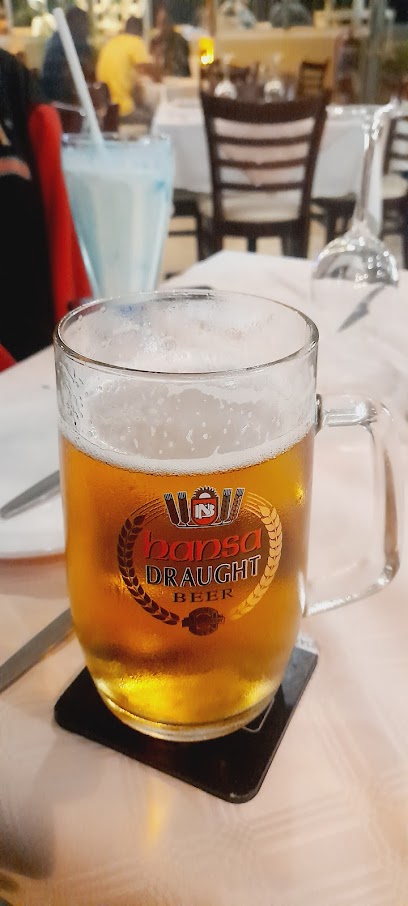
Rise & Shine Bar
94.2 km
Experience the vibrant atmosphere and local flavors at Rise & Shine Bar in Lizauli, your premier destination for relaxation and connection.
Sankuyo village Kuka shop 1
97.8 km
Experience the heart of Botswana at Sankuyo Village Kuka Shop, a vibrant bar blending local culture and community spirit.
Essential bars & hidden hideouts

Chobe Hideaway
52.9 km
Experience the beauty of Botswana's wildlife at Chobe Hideaway, the ultimate campground for nature lovers and adventure seekers.
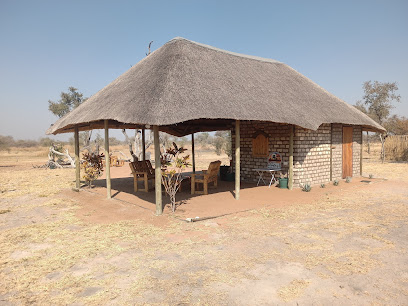
Pick good Trading cc
54.9 km
Discover the vibrant atmosphere and local flavors of Linyanti at Pick Good Trading cc, the perfect bar for a unique Namibian experience.
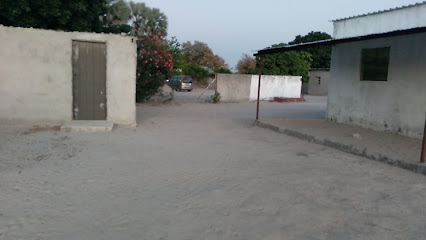
Zarafa Camp
56.9 km
Experience the epitome of luxury and adventure at Zarafa Camp, nestled in Botswana's breathtaking Selinda Reserve.
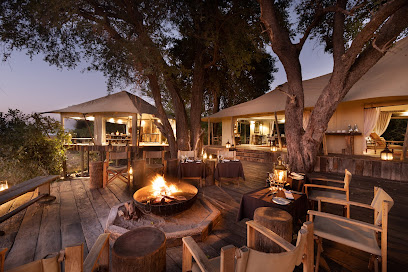
Khwai Lediba
72.3 km
Experience luxury and adventure at Khwai Lediba, a serene lodge in Botswana’s Northern Moremi Game Reserve surrounded by stunning wildlife and natural beauty.
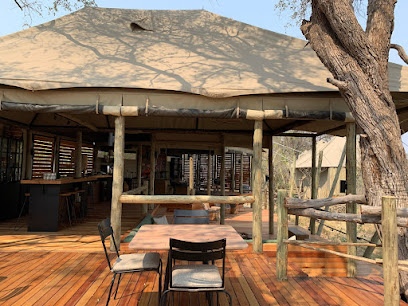
Dizhaana Bush Bar
75.9 km
Discover the enchanting Dizhaana Bush Bar in Botswana, where relaxation meets the beauty of nature. Savor local drinks amidst stunning landscapes.
Best Restaurant
84.0 km
Savor the authentic taste of Namibia at Sibbinda's Best Restaurant, where local cuisine meets warm hospitality.
Marasburg
97.8 km
Discover the vibrant Marasburg bar in Ngoma, Namibia, where locals and travelers unite for an unforgettable nightlife experience.
Lukulu Bar
99.0 km
Experience the vibrant local culture and savor unique Namibian drinks at Lukulu Bar in Ngoma.
Ngoma General Dealer
99.2 km
Discover the heart of Ngoma at Ngoma General Dealer - a bar brimming with local culture and lively atmosphere.


