

Free Southern District Travel Guide & Mobile App
Explore Southern District with free travel guides. Discover regional history, expert tips, proposed trips, and audio guides on web or mobile app.


Explore Southern District, Botswana, for Kanye’s heritage, Manyana’s rock art, Lobatse’s history, dryland scenery and village culture.
Read more about Southern District
When is the best time to visit Southern District?
Best: April, September–October · 23–27°C| Month | High (°C) | Rainfall (mm) |
|---|---|---|
| January | 29 | 90 |
| February | 29 | 80 |
| March | 27 | 60 |
| April (best) | 24 | 30 |
| May | 20 | 20 |
| June | 17 | 10 |
| July | 16 | 10 |
| August | 19 | 10 |
| September (best) | 23 | 20 |
| October (best) | 27 | 30 |
| November | 29 | 60 |
| December | 29 | 80 |
Getting to and around Southern District
How to get there
Transportation
Top city travel guides in Southern District
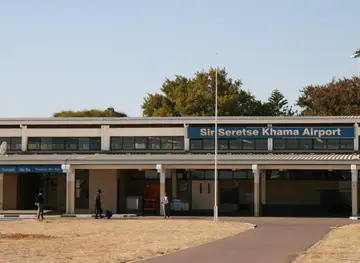
The cities of Southern District, and the easiest places to base yourself.
-

-
-


Swipe for more cities
Best attractions in Southern District
Southern District’s attractions are principally cultural, historical and landscape-based rather than concentrated in large purpose-built complexes. Kanye offers insight into Bangwaketse history through its chiefly setting, local heritage displays and hill landscapes, while Moshupa provides another perspective on established Tswana settlement and community life. Manyana is especially notable for its rock paintings and historic religious associations, although visitors should confirm access and conservation rules before arriving. Lobatse presents a contrasting experience, with the town’s railway-era development, public institutions and cattle-processing history forming the basis of its appeal. Across the district, village walks, churches, kgotla spaces, small museums and craft activities can be more informative than formal sightseeing alone when approached with local guidance. The surrounding semi-arid countryside adds opportunities for birdwatching, landscape photography and short walks, particularly after summer rain when vegetation changes quickly. Travellers should not expect a conventional safari destination within the district; its value lies in the relationship between dryland scenery, living communities and the historical processes that shaped southern Botswana.
-
Nature preserve
Moremi Game Reserve
Explore Botswana's Moremi Game Reserve: a diverse landscape teeming with wildlife in the heart of the Okavango Delta.
-
Animal park
Khama Rhino Sanctuary
Discover Botswana's Khama Rhino Sanctuary: A community-driven conservation success, protecting rhinos and offering unforgettable wildlife encounters.
-
Park
Tsholofelo Park / Park 27
Escape to Gaborone's tranquil heart: Tsholofelo Park offers a refreshing blend of nature, recreation, and community spirit in a vibrant urban oasis.
-
Park
Kgale Hill Public Park
Hike Gaborone's 'Sleeping Giant' for panoramic views, nature trails, and a refreshing escape from the city bustle.


Best landmarks in Southern District
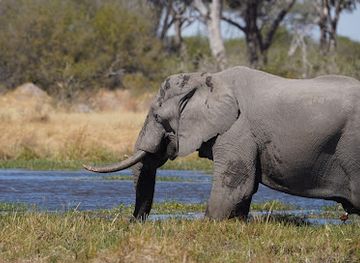
Kanye’s hills are among Southern District’s most recognisable natural and cultural landmarks, rising above a settlement that has long served as the centre of Bangwaketse political life. Their importance is not limited to views: the surrounding landscape reflects the relationship between settlement, defence, chiefly authority and water in southern Botswana. Manyana’s rock-art sites are significant archaeological landmarks, preserving images created by earlier communities on exposed rock surfaces; they require careful treatment and should never be touched. The historic church and associated buildings at Manyana represent the nineteenth-century meeting of missionary activity and established local society. Lobatse has a different visual identity, shaped by railway-era planning, government buildings, industrial facilities and the cattle economy. Dams, rocky outcrops and broad dryland horizons complete the district’s landmark landscape, revealing the practical importance of water, transport and livestock to its development.
-
 Resort hotel
Peermont, The Grand Palm
Experience luxury and comfort at Peermont, The Grand Palm in Gaborone, Botswana, with exquisite accommodations, diverse dining, and vibrant local culture.
-
Art center
Botswana Craft
Discover Botswana's vibrant culture through authentic crafts, traditional cuisine, and captivating cultural events in the heart of Gaborone.
-
Water park
Lion Park Resort
Experience thrilling water slides, amusement rides, and a relaxing campground at Lion Park Resort, Gaborone's ultimate family fun destination.
-
Nature preserve
Moremi Game Reserve
Discover Botswana's wildlife haven: Moremi Game Reserve, offering premier safaris and breathtaking Okavango Delta landscapes.


Explore Southern District on the map
Plan your trip on one map. See where the top cities, national parks and sights are, and book hotels and experiences in a few clicks.
Best hotels in Southern District
Best restaurants in Southern District
Dining in Southern District is generally informal and closely connected to everyday Botswana food culture. In Kanye, Lobatse and other larger settlements, visitors can find cafés, takeaway counters, hotel restaurants and small eateries serving grilled meat, stews, rice, chips, sorghum or maize-based dishes and simple baked goods. Traditional foods such as seswaa, a slow-cooked shredded meat dish, may appear alongside more familiar regional fare, while seasonal produce and dairy products are more often encountered through local shops or community markets than formal farm-to-table restaurants. Roadside food can be convenient, but choose busy vendors with good food turnover and sensible hygiene. Lobatse’s long association with cattle gives meat a particular local significance, although menus also reflect Botswana’s national culinary patterns rather than a sharply separate Southern District cuisine. Carry snacks and water when travelling between villages, as cafés and restaurants are less frequent outside the main towns.
-
Hotel
Avani Gaborone Resort & Casino
Discover unparalleled luxury and entertainment at Avani Gaborone Resort & Casino – where comfort meets adventure in Botswana's capital.
-
Restaurant
Bull & Bush
Discover delightful dining at Bull & Bush in Gaborone—where local flavors meet international flair for an unforgettable culinary experience.
-
Restaurant
Botswana Craft
Discover the essence of Botswana at Botswana Craft: where traditional cuisine meets local artistry in Gaborone.
-
Restaurant
Table50Two
Discover the rich flavors of Botswana at Table50Two - where local meets international cuisine in Gaborone's vibrant dining scene.



Best bars in Southern District
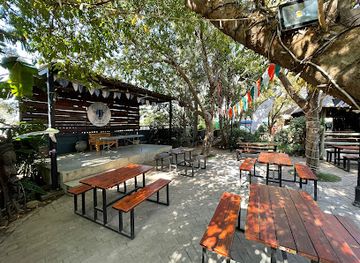
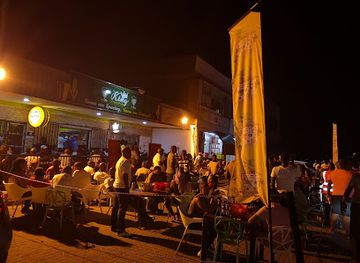
Nightlife in Southern District is modest and town-focused. Lobatse and Kanye have the widest choice of pubs, taverns, hotel bars, casual restaurants and venues where local music or televised sport provides the evening focus. In smaller settlements, social life usually centres on neighbourhood drinking places, family gatherings, community events and informal conversation rather than dedicated nightclub districts. Some venues may become busier at weekends or around special occasions, but opening arrangements and entertainment can change, so local advice is more reliable than assuming a fixed programme. Visitors should dress appropriately for the venue, arrange transport before drinking and avoid treating alcohol consumption as the sole way to engage with local culture. Evenings in rural parts of the district are often quiet, making sunset drives, stargazing from suitable accommodation and early starts more practical than late-night entertainment.
-
Restaurant
Bull & Bush
Experience the vibrant flavors of Gaborone at Bull & Bush, a must-visit restaurant for every tourist.
-
Restaurant
Two Six Seven
Experience the flavors of Botswana at Two Six Seven, where local cuisine meets a vibrant dining atmosphere along Gaborone's Riverwalk.
-
Bar
Leobah's Pub - Gaborone
Discover the relaxed atmosphere and vibrant energy of Leobah's Pub in Gaborone, the perfect spot for a casual drink with friends.
-
Bar
The PRINCETON LOUNGE
Discover the lively atmosphere of The Princeton Lounge in Gaborone, a perfect blend of local culture and nightlife for every tourist.



Best nightclubs in Southern District
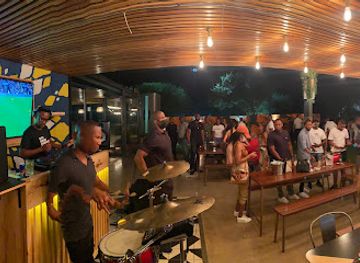
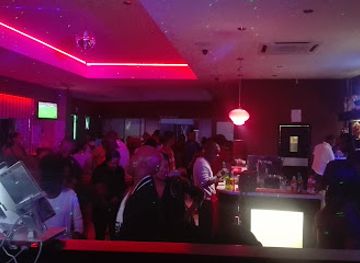
Nightlife in Southern District is modest and town-focused. Lobatse and Kanye have the widest choice of pubs, taverns, hotel bars, casual restaurants and venues where local music or televised sport provides the evening focus. In smaller settlements, social life usually centres on neighbourhood drinking places, family gatherings, community events and informal conversation rather than dedicated nightclub districts. Some venues may become busier at weekends or around special occasions, but opening arrangements and entertainment can change, so local advice is more reliable than assuming a fixed programme. Visitors should dress appropriately for the venue, arrange transport before drinking and avoid treating alcohol consumption as the sole way to engage with local culture. Evenings in rural parts of the district are often quiet, making sunset drives, stargazing from suitable accommodation and early starts more practical than late-night entertainment.
-
Bar
Phase 4 Bar
Phase 4 Bar in Gaborone: A lively nightlife destination with a diverse drink menu and vibrant atmosphere, perfect for socializing.
-
Bar
Leobah's Pub - Gaborone
Experience the vibrant nightlife and relaxed atmosphere at Leobah's Pub in Gaborone, Botswana - the perfect spot to unwind and socialize.
-
Night club
Cigar Lounge
Discover Gaborone's Cigar Lounge – a sophisticated escape for cigar lovers and nightlife seekers in Botswana's vibrant capital.
-
Lounge
Absolut Lounge
Experience the vibrant atmosphere of Absolut Lounge in Gaborone, a top spot for relaxation and socializing amidst the city’s hustle.

Best shops in Southern District
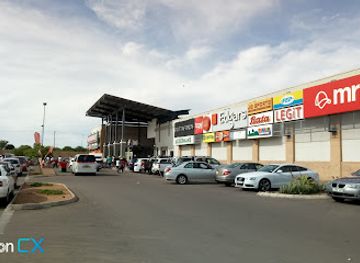
Shopping in Southern District is concentrated in the high streets, supermarkets, small shopping areas and informal markets of Lobatse, Kanye and other larger settlements. Visitors will find practical supplies, clothing, household goods and food more readily than specialist tourist retail. Local shops and market stalls may offer woven items, beadwork, decorative crafts and Botswana-made food products, although selection varies by town and season. Kanye is a useful place to look for locally connected cultural goods, while Lobatse’s commercial character reflects its role as a service and industrial centre. Regional staples, dried foods and baked goods can make useful gifts when packed appropriately for travel. Bargaining should not be assumed in ordinary shops, and asking permission before photographing craftspeople or market stalls is courteous. For a broader selection of contemporary retail, international brands and services, visitors generally travel to Gaborone outside the district.
-
Shopping mall
Airport Junction Shopping Centre
Discover the vibrant Airport Junction Shopping Centre in Gaborone, Botswana, with diverse shops, dining, and entertainment options for a perfect shopping experience.
-
Shopping mall
Riverwalk Mall
Explore Riverwalk Mall in Gaborone for an unforgettable shopping experience with diverse retail, dining, and entertainment options.
-
Shopping mall
Main Mall
Experience the lively atmosphere of Main Mall in Gaborone, where local culture meets modern shopping in the heart of Botswana's capital.
-
Department store
Game Gaborone
Discover a diverse shopping experience at Game Gaborone, a leading department store offering everything from electronics to local souvenirs.


Get your free copy of our complete guide to Southern District, delivered straight to you.
Everything on this page, from attractions and restaurants to essentials and local phrases, in one PDF you can read offline, print or share.
Already have an account? Sign in
Your Southern District guide is ready.
We'll send it to · Not you? Sign out

Getting your guide ready…
We are putting together a fresh copy of the Southern District guide. This can take up to a minute.
This can take a few moments. If your browser asks, choose Allow so the download can start. You'll find the guide in your Downloads folder.
Nothing happened? Download it again
Sorry, the guide is taking longer than usual. Please try again in a minute, or get it by email instead.
Southern District essentials
Currency and Payment
Safety
Emergency Situations
Do's and Don'ts
Local Tips
From Eve
Local phrases worth knowing
You don't need to get them perfect. A few words go a long way, and locals appreciate the effort.
Basics
| English | Local | Say it |
|---|---|---|
| Hello | Howdy | [haʊdi] |
| Goodbye | See ya | [si jə] |
| Yes | Yup | [jʌp] |
| No | Nope | [noʊp] |
| Please/You're welcome | No problem | [noʊ ˈprɑːbləm] |
| Thank you | Thanks | [θæŋks] |
| Excuse me/Sorry | Pardon me | [ˈpɑːrdən mi] |
| How are you? | How's it going? | [haʊz ɪt ˈɡoʊɪŋ] |
| Fine. And you? | Good. You? | [ɡʊd ju] |
| Do you speak English? | Do ya speak English? | [du jə spiːk ˈɪŋɡlɪʃ] |
| I don't understand | I don't get it | [aɪ doʊnt ɡɛt ɪt] |
Eating & Drinking
| English | Local | Say it |
|---|---|---|
| I'd like to see the menu, please | Can I see the menu? | [kæn aɪ si ðə ˈmɛnju] |
| I don't eat meat | I don't do meat | [aɪ doʊnt du miːt] |
| Cheers! | Cheers! | [ʧɪrz] |
| I would like to pay, please | Can I get the check? | [kæn aɪ ɡɛt ðə ʧɛk] |
Emergencies
| English | Local | Say it |
|---|---|---|
| Help! | Help! | [hɛlp] |
| Go away! | Leave me alone! | [liːv mi əˈloʊn] |
| Call the Police! | Call the cops! | [kɔl ðə kɑps] |
| Call a doctor! | Get a doctor! | [ɡɛt ə ˈdɑktər] |
| I'm lost | I'm lost | [aɪm lɔst] |
| I'm ill | I'm sick | [aɪm sɪk] |
Shopping
| English | Local | Say it |
|---|---|---|
| I'd like to buy... | I want to buy... | [aɪ wɑnt tə baɪ] |
| I'm just looking | Just browsing | [dʒʌst ˈbraʊzɪŋ] |
| How much is it? | What’s the price? | [wʌts ðə praɪs] |
| That's too expensive | That’s too pricey | [ðæts tu ˈpraɪsi] |
| Can you lower the price? | Can you cut the price? | [kæn jə kʌt ðə praɪs] |
Time & Numbers
| English | Local | Say it |
|---|---|---|
| What time is it? | What time is it? | [wʌt taɪm ɪz ɪt] |
| It's one o'clock | It's one o'clock | [ɪts wʌn əˈklɑk] |
| Half past (10) | Half past ten | [hæf pæst tɛn] |
| Morning | Morning | [ˈmɔrnɪŋ] |
| Afternoon | Afternoon | [ˌɑːftərˈnuːn] |
| Evening | Evening | [ˈiːvnɪŋ] |
| Yesterday | Yesterday | [ˈjɛstədeɪ] |
| Today | Today | [təˈdeɪ] |
| Tomorrow | Tomorrow | [təˈmɔroʊ] |
| 1 | One | [wʌn] |
| 2 | Two | [tuː] |
| 3 | Three | [θriː] |
| 4 | Four | [fɔr] |
| 5 | Five | [faɪv] |
| 6 | Six | [sɪks] |
| 7 | Seven | [ˈsɛvən] |
| 8 | Eight | [eɪt] |
| 9 | Nine | [naɪn] |
| 10 | Ten | [tɛn] |
Transport & Directions
| English | Local | Say it |
|---|---|---|
| Where's a/the...? | Where’s the...? | [wɛrz ðə] |
| What's the address? | What’s the address? | [wʌts ði əˈdrɛs] |
| Can you show me (on the map)? | Can you show me on the map? | [kæn jə ʃoʊ mi ɒn ðə mæp] |
| When's the next (bus)? | When's the next bus? | [wɛn ðə nɛkst bʌs] |
| A ticket (to ....) | A ticket to... | [ə ˈtɪkɪt tə] |
History of Southern District
Early settlement and rock-art heritage
Southern District contains evidence of long human occupation, including the rock paintings associated with Manyana. These images belong to the wider archaeological record of southern Africa and provide clues about earlier hunter-gatherer communities, their environments and symbolic practices. The paintings should not be treated as isolated curiosities: they form part of a broader cultural landscape in which later settlement, oral tradition and sacred places developed. Their survival also highlights the need for careful conservation, since weathering, touching and unregulated visitation can permanently damage exposed rock surfaces.
The rise of the Bangwaketse kingdom
Kanye became the principal centre of the Bangwaketse, one of the major Tswana-speaking polities of the region. Political authority was organised through chiefly leadership, wards, kinship networks and the kgotla, where public matters could be discussed. The hills around Kanye offered a defensible and symbolically important setting, while control of people, livestock and water shaped the kingdom’s influence. The Bangwaketse story remains central to the cultural identity of Southern District and is visible in local traditions, chiefly institutions and heritage collections.
Missionaries, Christianity and Manyana
During the nineteenth century, Christian missionaries travelled through the communities of what is now Southern District, contributing to changes in education, religious practice and written communication. Manyana retains associations with this period through its historic church and related traditions. Missionary activity did not replace existing social structures overnight; it interacted with chiefly authority, local belief systems and established community life. The resulting religious landscape, with churches standing alongside traditional institutions, reflects the layered history of southern Botswana rather than a single, uniform transformation.
Colonial administration and the railway era
The construction of the railway through southern Botswana strengthened Lobatse’s importance during the colonial period. Rail connections linked the territory more closely with the wider regional economy and encouraged the growth of administrative, commercial and service functions. Lobatse subsequently developed a character different from the older chiefly centres such as Kanye: its history is associated with transport, government, industry and the movement of livestock and goods. Historic buildings and the town’s layout provide reminders of this period, although much of its significance is institutional rather than monumental.
The cattle economy and Lobatse’s meat industry
Cattle have long been central to livelihoods, status and exchange in southern Botswana. In the twentieth century, formal meat-processing infrastructure in Lobatse connected pastoral production with regional and overseas markets, while also influencing employment and town development. The Botswana Meat Commission became an important part of the country’s modern economic history. This industrial legacy helps explain why Lobatse occupies a distinctive place in Southern District: it is not only a historic settlement but also a centre shaped by the regulation, processing and export of livestock.
Independence and the modern district
Botswana’s independence in 1966 brought new national institutions, expanded public services and a gradual rebalancing of economic activity towards Gaborone and the growing towns of the south-east. Southern District retained its importance through agriculture, livestock, public administration and established cultural centres, while roads and modern communications made its villages more closely connected. The region today combines national institutions and contemporary commerce with chiefly traditions, historic settlements and rural livelihoods that remain important to local identity.
Southern District in Photos
Browse through our photo collection highlighting the charm and character of the destination.
Neighbouring regions of Southern District
The closest regions to Southern District, if you have time for more than one.
-

-

-

-

-


Swipe for more regions
Explore more
Explore more of Botswana
Explore Botswana: A land of stunning contrasts, rich wildlife, and cultural heritage. Discover the Okavango Delta, Kalahari Desert, and immerse in sustainable tourism.
Explore Botswana