

Free South-East District Travel Guide & Mobile App
Explore South-East District with free travel guides. Discover regional history, expert tips, proposed trips, and audio guides on web or mobile app.


Explore Botswana’s South-East District for Mokolodi wildlife, village heritage, rocky hills and easy access to Gaborone’s culture and services.
Read more about South-East District
When is the best time to visit South-East District?
Best: April–May, September · 21–25°C| Month | High (°C) | Rainfall (mm) |
|---|---|---|
| January | 30 | 75 |
| February | 30 | 60 |
| March | 28 | 50 |
| April (best) | 25 | 35 |
| May (best) | 21 | 20 |
| June | 18 | 10 |
| July | 17 | 10 |
| August | 20 | 20 |
| September (best) | 24 | 30 |
| October | 27 | 50 |
| November | 29 | 60 |
| December | 31 | 75 |
Getting to and around South-East District
How to get there
Transportation
Top city travel guides in South-East District
The cities of South-East District, and the easiest places to base yourself.
-

-


Swipe for more cities
Best attractions in South-East District
South-East District’s attractions are varied for its modest size, combining accessible wildlife, community heritage and outdoor landscapes. Mokolodi Nature Reserve is the principal nature destination, with bushveld habitats, guided drives, walking opportunities and environmental programmes subject to current conservation arrangements. Around Tlokweng, Ramotswa and Otse, visitors encounter living villages rather than staged heritage sites, with opportunities to understand local history, traditional leadership and contemporary Botswana when visits are arranged respectfully. The rocky hills around Otse and the wider Gaborone area offer viewpoints and short hikes, although hot conditions and limited waymarking call for preparation. Gaborone, outside the district, adds museums, galleries, cultural institutions and restaurants, making it a useful companion to rural excursions. The area is not a substitute for Botswana’s large northern wildlife reserves, but its proximity to the capital makes it well suited to a first wildlife outing, a half-day nature trip or an introduction to the country’s urban-rural connections.
-
Non-profit organization
Mokolodi Nature Reserve
Experience Botswana's wildlife and conservation efforts up close at Mokolodi Nature Reserve, just a short drive from Gaborone.
-
Art center
Botswana Craft
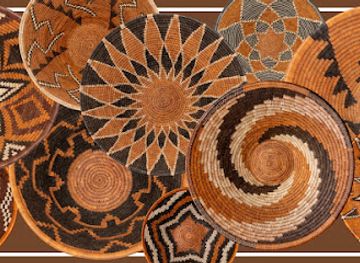
Discover Botswana's artistic soul: Handmade crafts, cultural events, and traditional cuisine await at Botswana Craft in Gaborone.
-
Water park
Lion Park Resort
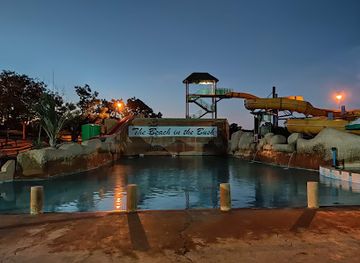
Experience thrilling water slides, amusement rides, and majestic lions at Lion Park Resort, Gaborone's ultimate destination for family fun and adventure!
-
Tourist attraction
Tsholofelo Park
Escape to Gaborone's tranquil Tsholofelo Park: a green oasis with playgrounds, walking paths, and a vibrant community atmosphere.


Best landmarks in South-East District
The clearest landmarks of South-East District are its hills, villages and conservation landscapes rather than a long sequence of monumental buildings. The rocky Otse Hills form a conspicuous natural backdrop and help define the character of the southern part of the district, where exposed stone and dry woodland contrast with the built-up capital region. Tlokweng and Ramotswa are important cultural landmarks in a broader sense: their settlement patterns, kgotla institutions and community histories express the continuing presence of Botswana’s traditional societies within a modern state. Mokolodi Nature Reserve is also a recognisable regional landmark because its protected bushveld survives close to Gaborone and has become associated with accessible conservation. Gaborone’s major civic and cultural buildings should be treated as nearby capital sights rather than district landmarks, since the city has separate administrative status. The most meaningful way to read the landscape is to connect the hills and villages with the roads, cattle areas and expanding urban edge that have shaped the south-east over time.
-
Non-profit organization
Mokolodi Nature Reserve
Experience Botswana's wildlife and conservation efforts at Mokolodi Nature Reserve, a convenient safari escape near Gaborone.
-
Art center
Botswana Craft
Discover Botswana's artistic soul: handmade crafts, traditional cuisine, and cultural experiences await at Botswana Craft in Gaborone.
-
Memorial
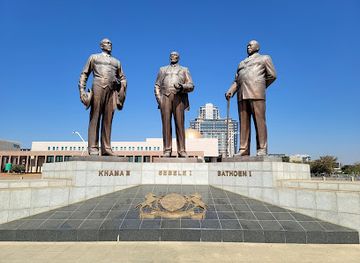
The Three Dikgosi Monument
Honoring Botswana's founding fathers: a landmark commemorating the three chiefs who secured the nation's independence.
-
Park
Tsholofelo Park
Escape to Gaborone's tranquil heart: Tsholofelo Park, where nature, culture, and community converge for a refreshing experience.
Explore South-East District on the map
Plan your trip on one map. See where the top cities, national parks and sights are, and book hotels and experiences in a few clicks.
Best hotels in South-East District
Best restaurants in South-East District
Dining in South-East District is closely tied to Gaborone, which lies just outside the district and provides the broadest choice of restaurants, cafés and international food. In the district’s villages and along major roads, look for straightforward local meals, casual eateries and establishments serving Botswana staples such as seswaa, a slow-cooked shredded meat dish, bogobe or pap, morogo greens and grilled meat. Chicken, beef and goat are common, while South African culinary influences are also evident. Mokolodi-area outings may involve pre-arranged meals or refreshments rather than a dense restaurant scene, so visitors should check what is available before setting out. Markets and small food sellers can offer a more everyday perspective, though opening arrangements vary. For a fuller contemporary dining experience, return to Gaborone for cafés, bakeries and restaurants reflecting the capital’s cosmopolitan population, while treating regional dishes as part of Botswana’s wider national food culture rather than exclusive specialities of the district.
-
Hotel
Avani Gaborone Resort & Casino
Experience luxury and entertainment at Avani Gaborone Resort & Casino - your ultimate getaway in Botswana's capital.
-
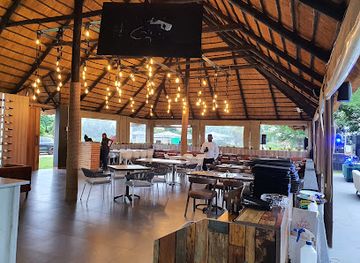
Restaurant
Bull & Bush
Experience authentic Botswanan cuisine at Bull & Bush in Gaborone—a vibrant restaurant offering delicious meals in a lively atmosphere.
-
Hamburger
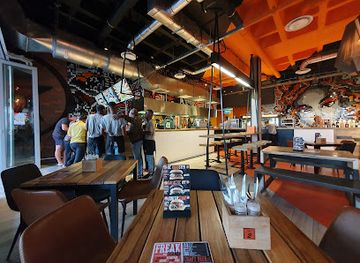
RocoMamas Botswana
Discover the vibrant flavors of gourmet burgers and barbecue at RocoMamas Botswana—where every bite is a celebration of taste.
-
Coffee shop
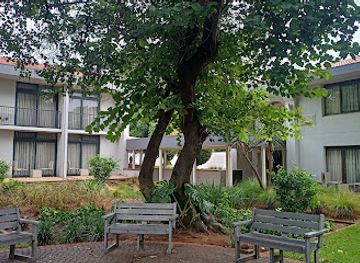
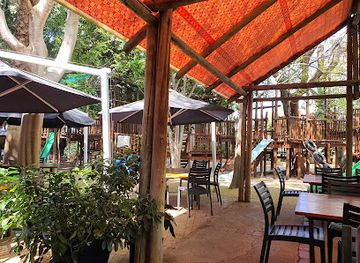
Sanitas Tea Garden
Discover tranquility at Sanitas Tea Garden in Gaborone - where delightful breakfasts meet lush garden views.

Best bars in South-East District
Nightlife in South-East District itself is generally quiet and community-oriented, centred on local pubs, casual restaurants and social venues rather than a concentrated club district. The greatest choice is in Gaborone, outside the district, where visitors find hotel bars, contemporary lounges, live music and late-evening restaurants. Tlokweng and other settlements may have informal evening venues, but facilities and opening arrangements change, so local advice is useful. In rural areas, evenings are more likely to revolve around a lodge, guesthouse or private gathering than a public nightlife circuit. Botswana’s licensed alcohol venues operate within national regulations, and sensible transport planning is important because walking between scattered venues is rarely practical. Some lodges near nature areas offer an evening drink or quiet outdoor setting, but wildlife rules and darkness should be respected.
-
Restaurant
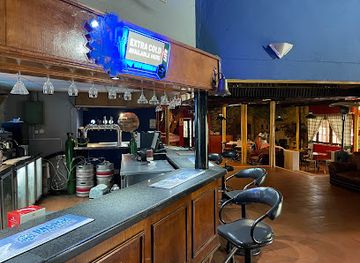
Bull & Bush
Discover the vibrant culinary scene at Bull & Bush in Gaborone, where local flavors meet international tastes in a lively atmosphere.
-
Restaurant
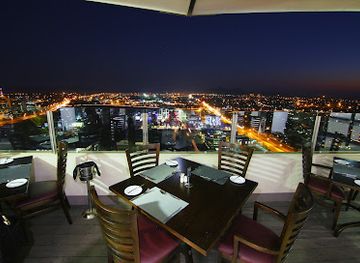
Table50Two
Experience the vibrant flavors of Gaborone at Table50Two, where local cuisine meets international flair in a welcoming atmosphere.
-
Restaurant
Two Six Seven
Experience the best of local and international cuisine at Two Six Seven, a culinary gem along Gaborone's picturesque Riverwalk.
-
Grill
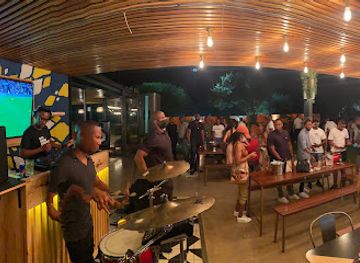
Park 27
Experience the vibrant grilling scene at Park 27, Gaborone's go-to destination for succulent meals and a lively atmosphere.
Best nightclubs in South-East District
Nightlife in South-East District itself is generally quiet and community-oriented, centred on local pubs, casual restaurants and social venues rather than a concentrated club district. The greatest choice is in Gaborone, outside the district, where visitors find hotel bars, contemporary lounges, live music and late-evening restaurants. Tlokweng and other settlements may have informal evening venues, but facilities and opening arrangements change, so local advice is useful. In rural areas, evenings are more likely to revolve around a lodge, guesthouse or private gathering than a public nightlife circuit. Botswana’s licensed alcohol venues operate within national regulations, and sensible transport planning is important because walking between scattered venues is rarely practical. Some lodges near nature areas offer an evening drink or quiet outdoor setting, but wildlife rules and darkness should be respected.
-
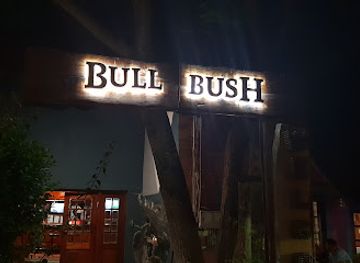
Restaurant
Bull & Bush
Experience the vibrant culinary scene of Gaborone at Bull & Bush, where local flavors meet international cuisine in a lively setting.
-
Restaurant
Gaborone Yacht Club
Discover the Gaborone Yacht Club, where serene views, delicious dining, and vibrant social scenes meet in Botswana's capital.
-
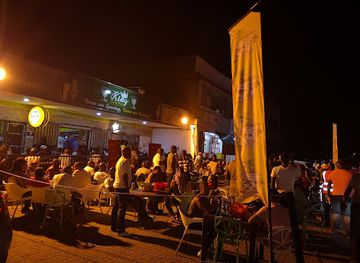
Bar
Phase 4 Bar
Discover the vibrant nightlife at Phase 4 Bar in Gaborone, where great drinks and a lively atmosphere await you.
-
Bar
Rasmatazz
Experience the vibrant nightlife of Gaborone at Rasmatazz, a lively bar offering a diverse drink selection and an energetic atmosphere.
Best shops in South-East District
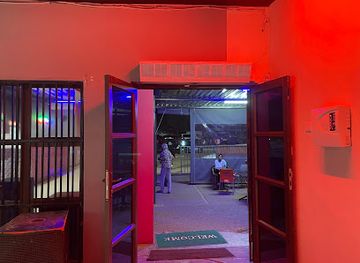
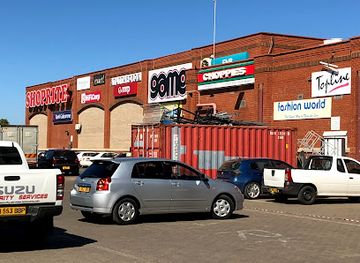
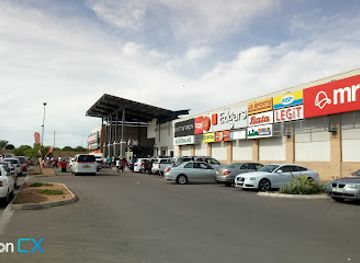
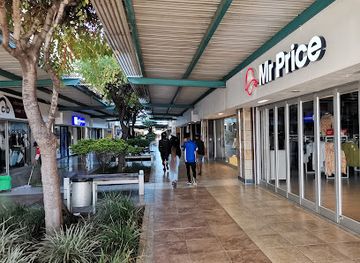
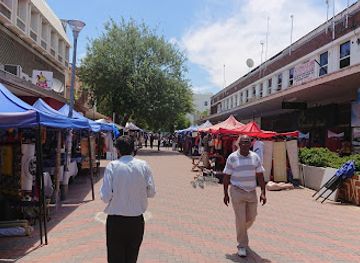
Shopping in South-East District is primarily practical and local, with small village shops, roadside traders and services concentrated in settlements such as Tlokweng and Ramotswa. For a wider choice of crafts, books, clothing, groceries and contemporary retail, Gaborone, outside the district, is the main destination. Visitors may find woven goods, beadwork, carved items and other Botswana-made crafts through established retailers, markets or cultural outlets, although stock varies and not every item labelled as local is made nearby. Regional food shopping can include dried produce, baked goods and everyday Botswana ingredients, while larger supermarkets in the capital are useful for provisions before a reserve excursion. Buy crafts thoughtfully, ask about materials where wildlife products are involved and avoid purchasing items whose legal origin is uncertain. The district is better suited to small-scale local purchases and craft encounters than to luxury shopping or a dedicated retail itinerary.
-
Shopping mall
Game City Shopping Mall
Explore the vibrant Game City Shopping Mall in Gaborone, a hub of shopping, dining, and entertainment that offers something for every visitor.
-
Shopping mall
Airport Junction Shopping Centre
Experience style and convenience at Airport Junction Shopping Centre, Gaborone's premier shopping destination with diverse brands and dining options.
-
Shopping mall
Riverwalk Mall
Explore Riverwalk Mall in Gaborone for a unique shopping, dining, and entertainment experience that highlights local culture and global brands.
-
Shopping mall
Main Mall
Discover the bustling Main Mall in Gaborone, a vibrant shopping destination with local flavors and cultural experiences waiting for you.
Get your free copy of our complete guide to South-East District, delivered straight to you.
Everything on this page, from attractions and restaurants to essentials and local phrases, in one PDF you can read offline, print or share.
Already have an account? Sign in
Your South-East District guide is ready.
We'll send it to · Not you? Sign out

Getting your guide ready…
We are putting together a fresh copy of the South-East District guide. This can take up to a minute.
This can take a few moments. If your browser asks, choose Allow so the download can start. You'll find the guide in your Downloads folder.
Nothing happened? Download it again
Sorry, the guide is taking longer than usual. Please try again in a minute, or get it by email instead.
South-East District essentials
Currency and Payment
Safety
Emergency Situations
Do's and Don'ts
Local Tips
From Eve
Local phrases worth knowing
You don't need to get them perfect. A few words go a long way, and locals appreciate the effort.
Basics
| English | Local | Say it |
|---|---|---|
| Hello | Dumelang | [Doo-meh-lahng] |
| Goodbye | Tsamaya sentle | [Tsa-mah-yah sen-tleh] |
| Yes | Ee | [Ee] |
| No | Aowa | [A-oh-wah] |
| Please/You're welcome | O kgotsofe | [O kgo-tso-feh] |
| Thank you | Ke a leboga | [Keh ah leh-boh-gah] |
| Excuse me/Sorry | Ntshwarele | [Nts-hwa-reh-leh] |
| How are you? | O kae? | [O kah-eh?] |
| Fine. And you? | Ke teng, wena o kae? | [Keh teng, weh-nah o kah-eh?] |
| Do you speak English? | A o bua Senyesemane? | [Ah o boo-ah Sen-ye-seh-mah-neh?] |
| I don't understand | Ke sitwa go utlwa | [Keh sit-wah go oot-lwah] |
Eating & Drinking
| English | Local | Say it |
|---|---|---|
| I'd like to see the menu, please | Ke kopa go bona menu, tsweetswee | [Keh ko-pah go boh-nah meh-noo, tswee-tswee] |
| I don't eat meat | Ke sitwa go ja nama | [Keh sit-wah go jah nah-mah] |
| Cheers! | A re kgotsofe! | [Ah reh kgo-tso-feh!] |
| I would like to pay, please | Ke kopa go lefa, tsweetswee | [Keh ko-pah go leh-fah, tswee-tswee] |
Emergencies
| English | Local | Say it |
|---|---|---|
| Help! | Thusang! | [Thoo-sahng!] |
| Go away! | Tsamaya! | [Tsa-mah-yah!] |
| Call the Police! | Calla mapolesa! | [Kah-lah mah-poh-leh-sah!] |
| Call a doctor! | Calla ngaka! | [Kah-lah ngah-kah!] |
| I'm lost | Ke a sitwa | [Keh ah sit-wah] |
| I'm ill | Ke a bolawa | [Keh ah boh-lah-wah] |
Shopping
| English | Local | Say it |
|---|---|---|
| I'd like to buy... | Ke kopa go reka... | [Keh ko-pah go reh-kah...] |
| I'm just looking | Ke just go lebelela | [Keh just go leh-beh-leh-lah] |
| How much is it? | E bokae? | [Eh boh-kah-eh?] |
| That's too expensive | Seo se a senya | [Sey-oh seh ah sen-yah] |
| Can you lower the price? | O ka kgona go fokotsa theko? | [O kah kho-nah go fo-kot-sah teh-koh?] |
Time & Numbers
| English | Local | Say it |
|---|---|---|
| What time is it? | Ke nako e kae? | [Keh nah-koh eh kah-eh?] |
| It's one o'clock | Ke ngwaga e le nngwe | [Keh ng-wah-gah eh leh ng-wah] |
| Half past (10) | Haf e feta (10) | [Haf eh feh-tah] |
| Morning | Mosong | [Moh-sohng] |
| Afternoon | Mantsibanye | [Mahn-tsee-bah-nyay] |
| Evening | Mafelo a motshegare | [Mah-feh-loh ah mo-tseh-gah-reh] |
| Yesterday | Maabane | [Mah-ah-bah-neh] |
| Today | Kajeno | [Kah-yeh-noh] |
| Tomorrow | Kamoso | [Kah-moh-soh] |
| 1 | Nngwe | [Nn-gweh] |
| 2 | Pedi | [Pe-dih] |
| 3 | Tharo | [Thah-roh] |
| 4 | Nne | [Nn-eh] |
| 5 | Tshela | [Tseh-lah] |
| 6 | Ntsatsi | [Nn-tsah-tsee] |
| 7 | Nkhwe | [Nn-khweh] |
| 8 | Borai | [Boh-rah-ee] |
| 9 | Borai | [Boh-rah-ee] |
| 10 | Lesome | [Leh-soh-meh] |
Transport & Directions
| English | Local | Say it |
|---|---|---|
| Where's a/the...? | Kgorong e kae...? | [Kho-roh-ng eh kah-eh?] |
| What's the address? | Kgang e kae? | [Kah-ng eh kah-eh?] |
| Can you show me (on the map)? | O ka nthusa go bontsha (mo mapeong)? | [O kah n-thoo-sah go bon-chah (mo mah-peh-ohng)?] |
| When's the next (bus)? | Nako ya bus e latelang ke eng? | [Nah-koh yah bus eh lah-teh-lang keh eng?] |
| A ticket (to ....) | Tiket (go ....) | [Tee-ket (go ....)] |
History of South-East District
Early settlement and archaeological landscapes
The hills and open country of south-eastern Botswana preserve evidence of long human occupation, including Stone Age activity and later Iron Age settlement patterns. Communities used seasonal water sources, grazing areas and elevated ground in ways adapted to a dry environment. Archaeological interpretation across the region points to changing movements, technologies and livelihoods rather than a single uninterrupted population. Today, the district’s rocky outcrops, village surroundings and bushveld offer reminders that the modern road network and capital city occupy a much older human landscape.
The BaLete and Ramotswa
Ramotswa is closely associated with the BaLete, a Tswana-speaking community whose settlement history forms an important part of the district’s identity. Like other communities in south-eastern Botswana, the BaLete developed political and social institutions centred on the village, the kgotla and the authority of traditional leadership. Ramotswa’s continuing importance lies not only in its past but also in its role as a living settlement, where customary structures, family histories, farming and modern economic life exist alongside one another.
Tlokweng and regional community history
Tlokweng, east of Gaborone, has its own community history and remains associated with the BaTlokwa. Its position near the capital has brought extensive urban growth, but the settlement retains village institutions and cultural landmarks that distinguish it from the capital’s administrative and commercial core. The area illustrates a wider pattern in Botswana: traditional communities were not replaced by modern state structures, but continue to operate alongside local government, churches, schools, businesses and expanding metropolitan development.
The Bechuanaland Protectorate and colonial change
During the period of the Bechuanaland Protectorate, established in the late nineteenth century, south-eastern Botswana became increasingly connected to colonial administrative routes, railways and commercial networks linking the interior with southern Africa. Colonial rule altered patterns of taxation, labour migration, land administration and transport without eliminating the authority of local communities. The railway and later roads strengthened the importance of settlements in the south-east, helping create the geographic conditions for the rise of the modern capital region.
Railways, roads and the emergence of Gaborone
Transport infrastructure transformed this part of Botswana during the twentieth century. Rail connections and improved roads linked the south-east with South Africa and other parts of the protectorate, while new administrative planning gave growing weight to the area around Gaborone. Gaborone was selected as the capital before independence because of its central position within the populated south-east, access to transport and available space for expansion. The capital’s growth subsequently reshaped neighbouring villages and rural districts.
Independence and the modern capital region
Botswana became independent in 1966, with Gaborone as its national capital. The event began a period of rapid institution-building, urbanisation and economic development that affected South-East District as well as the separately administered capital. Villages such as Tlokweng and Ramotswa became increasingly connected to metropolitan employment, education and services, while roads and tourism facilities improved access to nearby landscapes. Contemporary South-East District reflects this continuing transition between traditional community life, conservation, agriculture and the expanding capital economy.
Mokolodi and community-minded conservation
Mokolodi Nature Reserve represents a modern conservation response to the pressures of development and habitat loss around Gaborone. Established as a private, non-profit reserve in the 1990s, it combined wildlife protection with environmental education, research and public access. Its significance lies in showing that meaningful conservation landscapes can exist close to a major city. The reserve has also helped make the South-East District an accessible place for visitors seeking wildlife without travelling to Botswana’s more distant northern parks.
South-East District in Photos
Browse through our photo collection highlighting the charm and character of the destination.
Neighbouring regions of South-East District
The closest regions to South-East District, if you have time for more than one.
-

-

-

-

-


Swipe for more regions
Explore more
Explore more of Botswana
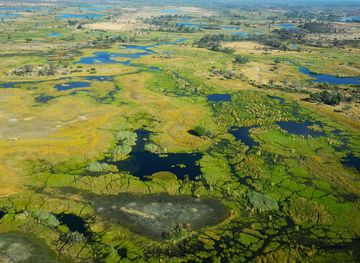
Explore Botswana: A land of stunning contrasts, rich wildlife, and cultural heritage. Discover the Okavango Delta, Kalahari Desert, and immerse in sustainable tourism.
Explore Botswana