

Free Chapada dos Guimarães Travel Guide & Mobile App
Explore Chapada dos Guimarães with free travel guides. Discover regional history, expert tips, proposed trips, and audio guides on web or mobile app.


Chapada dos Guimarães combines Brazil's cerrado, sandstone cliffs, waterfalls and cave trails with a relaxed highland town near Cuiabá.
Read more about Chapada dos Guimarães
When is the best time to visit Chapada dos Guimarães?
Best: May–July · 26–27°C| Month | High (°C) | Rainfall (mm) |
|---|---|---|
| January | 30 | 200 |
| February | 31 | 150 |
| March | 30 | 130 |
| April | 29 | 110 |
| May (best) | 27 | 80 |
| June (best) | 26 | 50 |
| July (best) | 26 | 50 |
| August | 28 | 70 |
| September | 30 | 90 |
| October | 30 | 110 |
| November | 30 | 150 |
| December | 31 | 170 |
Getting to and around Chapada dos Guimarães
How to get there
Transportation
Destinations in Chapada dos Guimarães
Resorts, valleys and scenic spots worth a trip of their own.

Swipe for more destinations
Best attractions in Chapada dos Guimarães
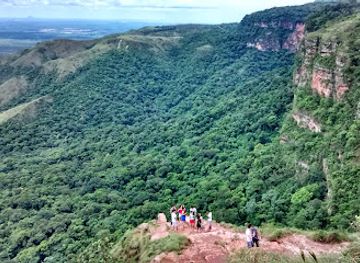
Chapada dos Guimarães is primarily an outdoor destination, with attractions spread across a plateau of sandstone cliffs, ravines, caves and cerrado. Within and around Chapada dos Guimarães National Park, viewpoints such as Véu de Noiva and Portão do Inferno provide accessible introductions to the escarpment landscape, while Cidade de Pedra presents weathered rock formations and wide views across the interior. Morro de São Jerônimo is a more demanding hiking objective, and the Circuito das Cachoeiras links several waterfalls for visitors prepared for uneven terrain and changing conditions. Outside the park, guided excursions may reach the Aroe Jari cave system and other private natural areas, where access rules and fees are separate. The town itself contributes a slower cultural dimension through its church, historic streets, cafés and small museums or cultural spaces. Birdwatching, photography, geology-focused walks and scenic drives are especially rewarding, but the attraction landscape is seasonal: rain can transform cascades and roads, while dry weather favours clearer viewpoints but increases heat and fire precautions.
-
Tourist attraction
Park entrance
Discover breathtaking waterfalls, canyons, and unique Cerrado landscapes at the entrance to Chapada dos Veadeiros National Park near São Jorge.
-
Tourist attraction
Complexo Turístico Balneário Salgadeira
Discover crystal-clear waters, scenic trails, and family fun at this natural attraction between Cuiabá and Chapada dos Guimarães.
-
Tourist attraction
Mirante Geodésico
Discover breathtaking panoramic views from the geodesic center of South America in Chapada dos Guimarães, Mato Grosso.
-
Tourist attraction
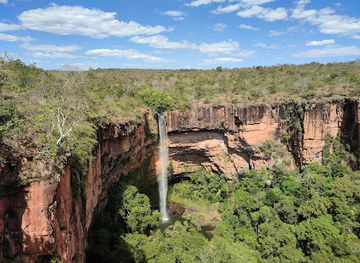
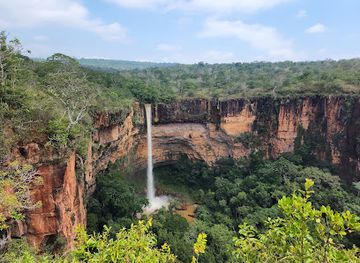
Cachoeira Véu de Noiva
Witness the breathtaking beauty of Cachoeira Véu de Noiva, a majestic waterfall nestled in the heart of Chapada dos Guimarães National Park.
Best landmarks in Chapada dos Guimarães
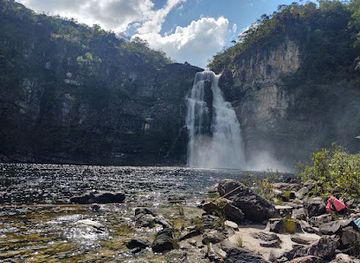
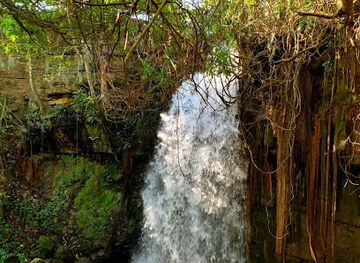
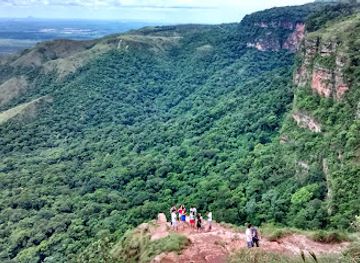
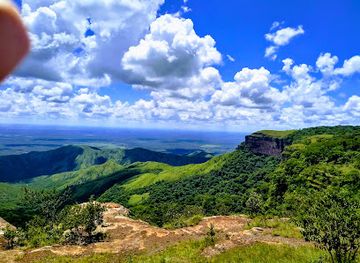
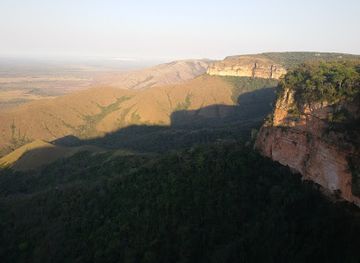
The escarpments of Chapada dos Guimarães are the region's defining landmarks, giving the plateau a strong visual identity above the surrounding Mato Grosso lowlands. Véu de Noiva is the most recognisable waterfall, plunging from a sandstone rim into a forested gorge, while the Portão do Inferno viewpoint marks a dramatic road-side break in the cliffs and exposes the scale of the eroded landscape. Cidade de Pedra is notable for its ranks of weathered sandstone pillars and natural forms, and Morro de São Jerônimo stands as a prominent high point for experienced walkers. Near the town, the monument commonly identified as the geographical centre of South America reflects Chapada dos Guimarães' place in regional geographical imagination, although continental-centre calculations vary according to methodology. The parish church and historic centre provide a human-scale landmark contrasting with the natural formations, linking the modern tourism town to its colonial-era settlement history.
-
 National park
Parque Nacional da Chapada dos Veadeiros
Explore Brazil's ancient plateau, a UNESCO site with stunning canyons, waterfalls, and rich cultural history in the heart of the Cerrado biome.
-
National park
Chapada dos Guimarães National Park
Explore dramatic cliffs, stunning waterfalls, and unique rock formations in Brazil's breathtaking Chapada dos Guimarães National Park.
-
Scenic spot
Mirante Geodésico
Discover breathtaking panoramic views at the Mirante Geodésico, the geographical heart of South America, in Chapada dos Guimarães, Brazil.
-
Resort hotel
Malai Manso Resort Yacht Convention & Spa
Experience luxury and adventure at Malai Manso Resort, the only all-inclusive resort in Mato Grosso's stunning Chapada dos Guimarães.
Explore Chapada dos Guimarães on the map
Plan your trip on one map. See where the top cities, national parks and sights are, and book hotels and experiences in a few clicks.
Best hotels in Chapada dos Guimarães
Best restaurants in Chapada dos Guimarães
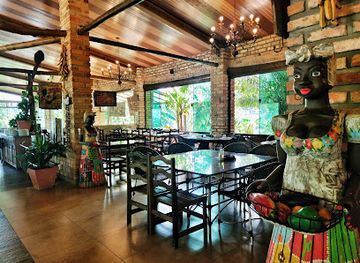
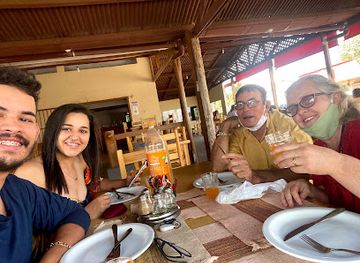
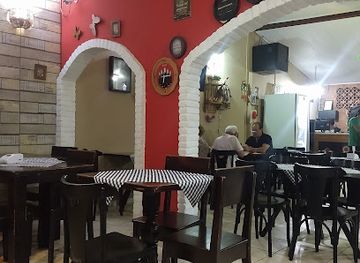
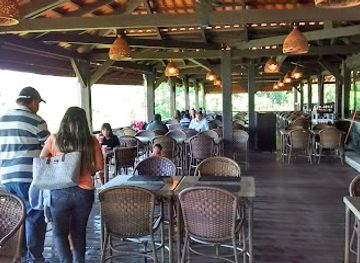
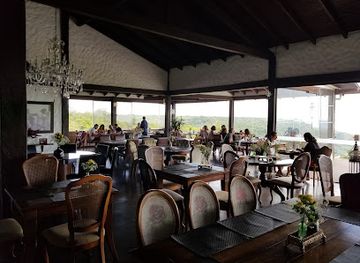
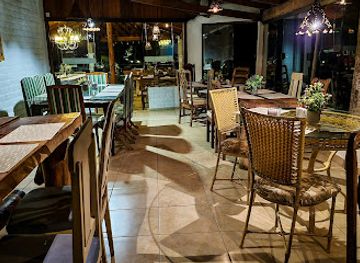
Dining in Chapada dos Guimarães reflects the food culture of Mato Grosso while making use of the plateau's rural setting. Restaurants and pousadas commonly serve Brazilian comfort food, grilled meats, chicken, rice, beans, cassava and freshwater fish, with regional ingredients such as corn, pequi and cerrado fruits appearing in savoury dishes, sweets or drinks when in season. The town has cafés and informal eateries suited to a day between excursions, as well as restaurants offering more considered regional and contemporary menus. Rural properties and inns may provide home-style cooking, often by arrangement rather than through a conventional walk-in service. Weekend demand can be noticeably higher because of visitors from Cuiabá, so booking is sensible for dinner during holidays. Food markets and small shops are useful for fruit, snacks and water before trail outings, but visitors should not assume that every remote attraction has refreshments available.
-
Restaurant
Restaurant Windy Hill
Experience authentic Brazilian cuisine with breathtaking views at Restaurant Windy Hill in Chapada dos Guimarães.
-
Restaurant
Restaurante Popular
Experience authentic Brazilian cuisine at Restaurante Popular in Chapada dos Guimarães – affordable meals in a vibrant setting.
-
Italian
Pomodori Trattoria
Discover the essence of Italy in Chapada dos Guimarães at Pomodori Trattoria – where every meal is a celebration of flavor.
-
Dessert
Restaurante Penhasco
Experience the best of desserts and fresh salads at Restaurante Penhasco in beautiful Chapada dos Guimarães.
Best bars in Chapada dos Guimarães
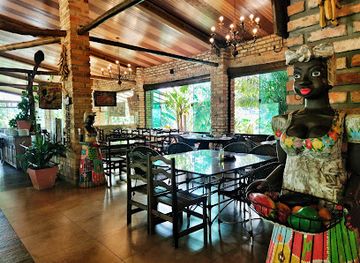
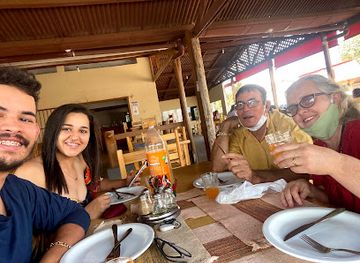
Nightlife in Chapada dos Guimarães is modest and centred on the town rather than on a large club circuit. Evenings typically involve restaurants, Brazilian-style bars, cafés and informal venues where residents and visitors meet over beer, cachaça-based drinks or non-alcoholic refreshments. At weekends and during holiday periods, the central streets can become busier, with occasional live music and later dining, while weekdays are generally quieter. The region's rural accommodation tends to offer conversation, stargazing and relaxed evening meals rather than organised nightlife. Visitors should not rely on late transport between isolated lodgings and the town, and should arrange a return journey in advance. Drinking is not necessary to enjoy the destination, particularly for travellers leaving early for hikes, and responsible consumption is important on winding roads and outdoor excursions.
-
Restaurant
Restaurant Windy Hill
Experience the flavors of Brazil at Restaurant Windy Hill, where exquisite cuisine meets breathtaking views in Chapada dos Guimarães.
-
Restaurant
Restaurante Popular
Experience authentic Brazilian cuisine in a vibrant atmosphere at Restaurante Popular, a must-visit spot for tourists in Chapada dos Guimarães.
-
Restaurant
Atmã Restaurante & Pousada
Discover the flavors of Brazil at Atmã Restaurante & Pousada, a serene retreat in the stunning Chapada dos Guimarães offering exquisite dining and accommodations.
-
Bistro
Bistrô da Mata
Experience the best of Brazilian cuisine at Bistrô da Mata, a hidden gem in Chapada dos Guimarães surrounded by nature's beauty.
Best nightclubs in Chapada dos Guimarães
Nightlife in Chapada dos Guimarães is modest and centred on the town rather than on a large club circuit. Evenings typically involve restaurants, Brazilian-style bars, cafés and informal venues where residents and visitors meet over beer, cachaça-based drinks or non-alcoholic refreshments. At weekends and during holiday periods, the central streets can become busier, with occasional live music and later dining, while weekdays are generally quieter. The region's rural accommodation tends to offer conversation, stargazing and relaxed evening meals rather than organised nightlife. Visitors should not rely on late transport between isolated lodgings and the town, and should arrange a return journey in advance. Drinking is not necessary to enjoy the destination, particularly for travellers leaving early for hikes, and responsible consumption is important on winding roads and outdoor excursions.
-
Tourist attraction
High Heaven Lookout
Experience the stunning beauty of High Heaven Lookout in Chapada dos Guimarães, where breathtaking views and serene nature await.
-
Festival
Praça de Festival
Discover the heart of Chapada dos Guimarães at Praça de Festival, where vibrant culture meets local traditions in a picturesque setting.
-
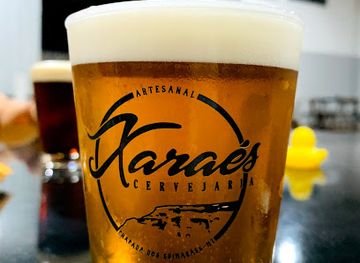
Brewery
Cervejaria Xaraés - Fábrica, Bar e Delivery - Chapada dos Guimarães
Experience the best of local craft beer at Cervejaria Xaraés, a premier brewery and brewpub in the stunning Chapada dos Guimarães.
-
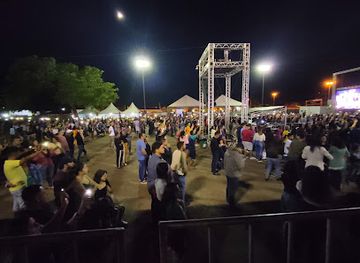
Festival hall
Festival de Inverno de Chapada dos Guimarães
Discover the cultural richness and breathtaking scenery at the Festival de Inverno de Chapada dos Guimarães, an unforgettable celebration in Brazil.
Best shops in Chapada dos Guimarães
Shopping in Chapada dos Guimarães is concentrated around the town's central streets rather than large commercial complexes. Small shops, galleries and craft stalls may offer locally made ceramics, textiles, woodwork, jewellery, decorative objects and artwork inspired by sandstone formations or cerrado flora. Regional food products, including sweets, preserves, coffee, spirits and ingredients associated with Mato Grosso, make practical souvenirs, although availability is seasonal and varies between businesses. Cafés and delicatessens are useful places to find provisions for rural excursions, while local markets and fairs, when operating, provide a more direct view of produce and small-scale commerce. The town is not a major fashion-shopping destination, and visitors seeking a broad range of international brands will find more choice in Cuiabá, outside the region. Buy crafts from responsible sellers and avoid purchasing archaeological objects, protected plants or wildlife products.
-
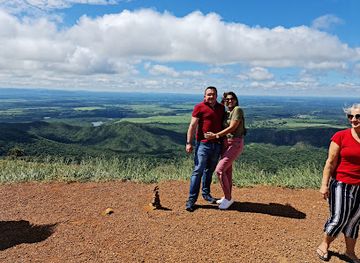
Scenic spot
Mirante Geodésico
Experience the grandeur of nature at Mirante Geodésico in Chapada dos Guimarães, where breathtaking views and tranquility await every visitor.
-
Chocolate artisan
Villa do Chocolate - A Casa das Sobremesas
Discover the enchanting world of artisanal chocolate at Villa do Chocolate, a must-visit destination in Chapada dos Guimarães for dessert lovers.
-
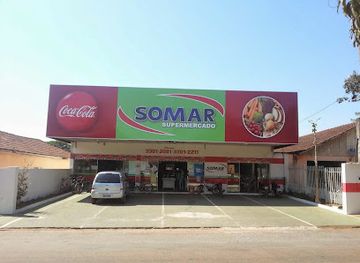
Supermarket
Supermercado Somar - Rede União
Discover the vibrant flavors of Chapada dos Guimarães at Supermercado Somar - your go-to supermarket for local delicacies and fresh produce.
-
Bar
Bodega da Chapada
Experience the vibrant flavors of Chapada dos Guimarães at Bodega da Chapada, where gourmet meets community in a cozy bar atmosphere.

Get your free copy of our complete guide to Chapada dos Guimarães, delivered straight to you.
Everything on this page, from attractions and restaurants to essentials and local phrases, in one PDF you can read offline, print or share.
Already have an account? Sign in
Your Chapada dos Guimarães guide is ready.
We'll send it to · Not you? Sign out

Getting your guide ready…
We are putting together a fresh copy of the Chapada dos Guimarães guide. This can take up to a minute.
This can take a few moments. If your browser asks, choose Allow so the download can start. You'll find the guide in your Downloads folder.
Nothing happened? Download it again
Sorry, the guide is taking longer than usual. Please try again in a minute, or get it by email instead.
Chapada dos Guimarães essentials
Currency and Payment
Safety
Emergency Situations
Do's and Don'ts
Local Tips
From Eve
Local phrases worth knowing
You don't need to get them perfect. A few words go a long way, and locals appreciate the effort.
Basics
| English | Local | Say it |
|---|---|---|
| Hello | Olá | [oh-LAH] |
| Goodbye | Adeus | [ah-DEH-oos] |
| Yes | Sim | [seem] |
| No | Não | [now] |
| Please/You're welcome | Por favor/De nada | [por fah-VOR/deh NAH-dah] |
| Thank you | Obrigado/Obrigada | [oh-bree-GAH-do/oh-bree-GAH-dah] |
| Excuse me/Sorry | Desculpe | [des-KOOL-peh] |
| How are you? | Como você está? | [KOH-moo voh-SEH es-TAH] |
| Fine. And you? | Bem. E você? | [BANG. EE voh-SEH] |
| Do you speak English? | Você fala inglês? | [voh-SEH FAH-lah een-GLEZ] |
| I don't understand | Eu não entendo | [eh-oo now en-TEN-do] |
Eating & Drinking
| English | Local | Say it |
|---|---|---|
| I'd like to see the menu, please | Gostaria de ver o menu, por favor | [goh-stah-REE-ah jeh veh-ROH meh-NOO, por fah-VOR] |
| I don't eat meat | Eu não como carne | [eh-oo now KOH-moo KAH-nee] |
| Cheers! | Saúde! | [sah-OO-jee] |
| I would like to pay, please | Gostaria de pagar, por favor | [goh-stah-REE-ah jeh pah-GAR, por fah-VOR] |
Emergencies
| English | Local | Say it |
|---|---|---|
| Help! | Socorro! | [soh-KOH-roh] |
| Go away! | Vá embora! | [vah em-BOH-rah] |
| Call the Police! | Chame a polícia! | [SHAH-mee ah poh-LEE-syah] |
| Call a doctor! | Chame um médico! | [SHAH-mee oom MEH-jee-koh] |
| I'm lost | Estou perdido | [es-TOH pehr-DEE-doh] |
| I'm ill | Estou doente | [es-TOH do-EHN-chee] |
Shopping
| English | Local | Say it |
|---|---|---|
| I'd like to buy... | Gostaria de comprar... | [goh-stah-REE-ah jeh kom-PRAR] |
| I'm just looking | Estou só olhando | [es-TOH so OHL-yahn-do] |
| How much is it? | Quanto custa? | [KWAN-toh KOOS-tah] |
| That's too expensive | Isso é muito caro | [EE-soh eh MOY-toh KAH-roh] |
| Can you lower the price? | Você pode baixar o preço? | [voh-SEH POH-jee bye-SHAHR oh PREH-soh] |
Time & Numbers
| English | Local | Say it |
|---|---|---|
| What time is it? | Que horas são? | [kee OH-ras sah-o] |
| It's one o'clock | É uma hora | [eh OO-mah OH-rah] |
| Half past (10) | Dez e meia | [dehz ee MAY-ah] |
| Morning | Manhã | [mahn-YAH] |
| Afternoon | Tarde | [TAHR-jee] |
| Evening | Noite | [NOY-chee] |
| Yesterday | Ontem | [ON-teng] |
| Today | Hoje | [OH-zhee] |
| Tomorrow | Amanhã | [ah-mahn-YAH] |
| 1 | Um | [oom] |
| 2 | Dois | [doyz] |
| 3 | Três | [trehz] |
| 4 | Quatro | [KWAH-troh] |
| 5 | Cinco | [SEEN-koh] |
| 6 | Seis | [says] |
| 7 | Sete | [SEH-chee] |
| 8 | Oito | [OY-toh] |
| 9 | Nove | [NOH-vee] |
| 10 | Dez | [dehz] |
Transport & Directions
| English | Local | Say it |
|---|---|---|
| Where's a/the...? | Onde fica...? | [ON-jee FEE-kah] |
| What's the address? | Qual é o endereço? | [kwow eh oh in-deh-REH-soh] |
| Can you show me (on the map)? | Você pode me mostrar (no mapa)? | [voh-SEH POH-jee me mohs-TRAR (noh MAH-pah)] |
| When's the next (bus)? | Quando é o próximo (ônibus)? | [KWAN-doh eh oh PROH-seem-oh (OH-nee-boos)] |
| A ticket (to ....) | Um bilhete (para...)? | [oom bee-LYEH-chee (PAH-rah...)] |
History of Chapada dos Guimarães
Indigenous landscapes and archaeological traces
Long before Portuguese settlement, the plateau and surrounding cerrado were used and shaped by Indigenous peoples, including communities connected with the Bororo cultural region of central Mato Grosso. Rock shelters, stone tools and other archaeological evidence indicate a much older human presence than the colonial history suggests. The cliffs, caves and seasonal watercourses were practical features of the landscape as well as places with cultural significance. Visitors should regard archaeological sites as protected heritage: removing artefacts, touching rock art or entering restricted areas damages evidence that remains important to the understanding of the region.
Portuguese expeditions and the colonial interior
During the eighteenth century, Portuguese expeditions pushed into the interior of Mato Grosso in search of mineral wealth, new routes and control over territory. Their movement brought military, religious and administrative institutions into landscapes already occupied and used by Indigenous peoples. The high plateau became connected to the wider colonial network centred on Cuiabá and other settlements along routes through the interior. This period established the foundations for later occupation, while also bringing conflict, displacement and profound changes to Indigenous societies.
Sant'Ana da Chapada and gold-era settlement
The settlement that developed as Sant'Ana da Chapada emerged during the colonial mining era and was associated with the movement of people, supplies and religious life through the Chapada highlands. Gold extraction in the broader Cuiabá region helped sustain early occupation, although the local economy was never simply a mining story. Farming, livestock and small-scale trade also supported the community. The parish church and the town's modest historic centre preserve elements of this period, when religious institutions provided a focus for an isolated inland settlement.
Agriculture, livestock and regional connections
After the initial mining impetus weakened, agriculture and livestock became increasingly important to the local economy. Chapada dos Guimarães remained connected to Cuiabá through rough roads and long overland journeys, with the plateau supplying food and serving as a cooler rural retreat from the lowland capital. The cerrado was used for grazing and cultivation, while seasonal streams and fertile pockets supported farming. These economic patterns shaped dispersed rural communities and remain visible in the relationship between the town, surrounding properties and the major roads crossing the municipality.
The modern municipality and changing access
Chapada dos Guimarães developed administratively within Mato Grosso as roads and state infrastructure gradually made the highlands more accessible from Cuiabá. Improved road connections changed the town's role, encouraging weekend visits, rural tourism and the movement of agricultural goods while reducing its former isolation. The modern destination therefore rests on two overlapping identities: a historic inland settlement and a gateway to a distinctive plateau landscape. Tourism has brought new services, but much of the surrounding area remains rural and dependent on careful road and land management.
Creation of Chapada dos Guimarães National Park
Chapada dos Guimarães National Park was created in 1989 to protect an area of sandstone escarpments, canyons, waterfalls, caves, cerrado vegetation and important watersheds. Its establishment marked a shift from viewing the plateau mainly as an extractive or agricultural landscape towards recognising its geological and ecological value. Conservation also introduced rules governing trails, vehicles, fire and access to sensitive sites. The park is central to the region's contemporary identity, although not every attraction associated with Chapada dos Guimarães lies inside its boundaries.
Tourism, conservation and present-day identity
Since the late twentieth century, Chapada dos Guimarães has become one of Mato Grosso's principal nature and adventure destinations, particularly for residents and visitors based in Cuiabá. Viewpoints, waterfalls, caves, guided hikes and rural accommodation have expanded the local tourism economy. At the same time, seasonal fires, erosion, road pressure and careless use of watercourses underline the environmental limits of the destination. The region's contemporary character depends on balancing visitor access with the protection of its sandstone geology, cerrado habitats and archaeological heritage.
Chapada dos Guimarães in Photos
Browse through our photo collection highlighting the charm and character of the destination.
Neighbouring regions of Chapada dos Guimarães
The closest regions to Chapada dos Guimarães, if you have time for more than one.
-
-

-

-

-


Swipe for more regions
Explore more

Explore more of Brazil
Discover Brazil: a land of samba, stunning landscapes, and rich history. From the Amazon to Rio, explore diverse cultures, world-class cuisine, and vibrant festivals.
Explore Brazil