

Free Central-West Region Travel Guide & Mobile App
Explore Central-West Region with free travel guides. Discover regional history, expert tips, proposed trips, and audio guides on web or mobile app.


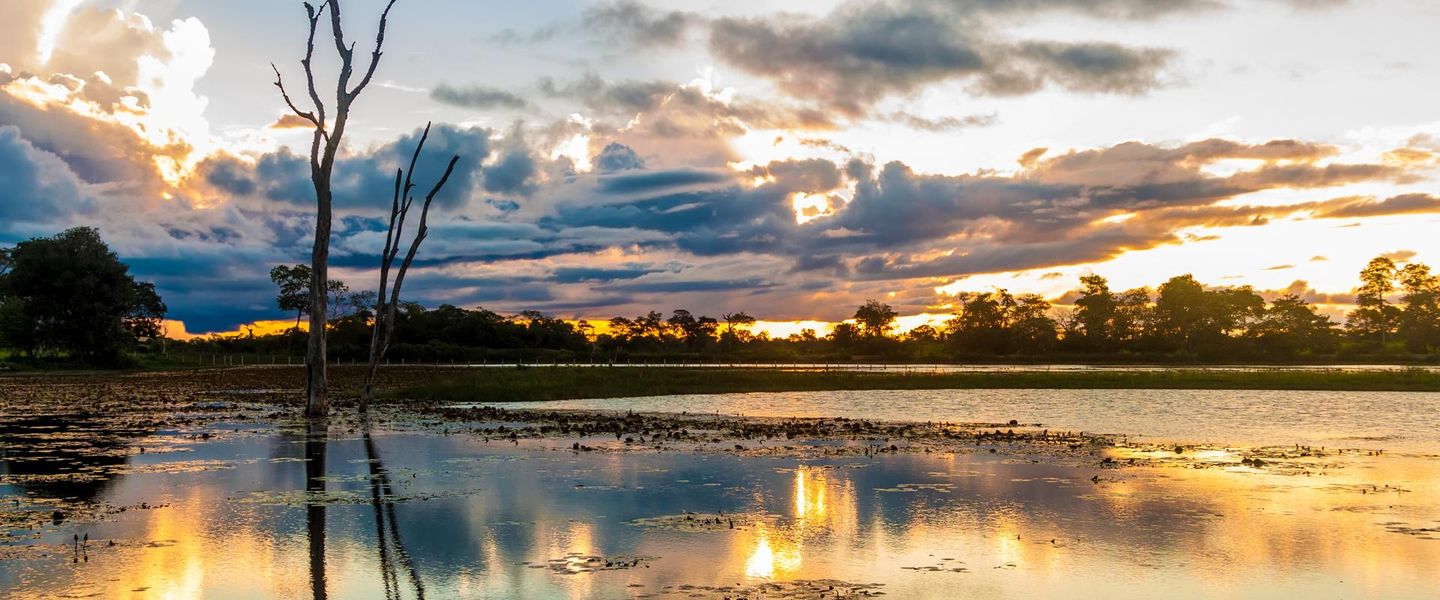


Explore Central-West Brazil for Brasília’s modernism, Goiás’s historic towns, cerrado plateaux, Pantanal wildlife and clear rivers around Bonito.
Read more about Central-West Region
When is the best time to visit Central-West Region?
Best: June–August · 26–27°C| Month | High (°C) | Rainfall (mm) |
|---|---|---|
| January | 30 | 250 |
| February | 31 | 200 |
| March | 30 | 170 |
| April | 29 | 140 |
| May | 28 | 110 |
| June (best) | 26 | 80 |
| July (best) | 26 | 70 |
| August (best) | 27 | 90 |
| September | 30 | 110 |
| October | 31 | 150 |
| November | 31 | 190 |
| December | 31 | 230 |
Getting to and around Central-West Region
How to get there
Transportation
Top city travel guides in Central-West Region
The cities of Central-West Region, and the easiest places to base yourself.
-

-

-

-


Swipe for more cities
Destinations in Central-West Region
Resorts, valleys and scenic spots worth a trip of their own.
-
-

-

-

-

-


Swipe for more destinations
Best attractions in Central-West Region
Central-West Brazil’s attractions fall into three broad groups: modern civic culture, historic settlements and large-scale natural environments. Brasília is the region’s most distinctive urban experience, with the National Congress, Praça dos Três Poderes, the Metropolitan Cathedral, the Palácio da Alvorada and cultural institutions arranged within a planned modernist landscape. The historic towns of Goiás and Pirenópolis offer a contrasting experience of colonial churches, narrow streets, religious festivals and preserved houses. In Mato Grosso, Chapada dos Guimarães National Park combines cliffs, waterfalls, caves and highland scenery, while Chapada dos Veadeiros National Park in Goiás protects cerrado plateaux, canyons and spring-fed streams. The Pantanal, reached through different gateways in Mato Grosso and Mato Grosso do Sul, is the region’s great wildlife destination, with guided safaris, boat excursions and seasonal floodplain landscapes. Bonito and the Serra da Bodoquena are known for clear-water floating, caves and limestone rivers. Brasília National Park, Emas National Park and other protected areas provide additional opportunities for walking, birdwatching and observing cerrado habitats, though access, guides and road conditions vary considerably.
-
Monument
Monumento à Bíblia - Centro Geodésico do Brasil
Discover the Monumento à Bíblia in Palmas, a cultural landmark in the heart of Brazil, symbolizing faith and national identity.
-
Tourist attraction
Andorinhas Waterfall
Discover the breathtaking Andorinhas Waterfall in Chapada dos Guimarães National Park, a perfect blend of adventure and natural beauty.
-
 Historical landmark
Verdadeiro Centro Geodésico do Brasil (ponto médio entre os quatro quadrantes do país)
Discover Brazil's geographical heart at the Verdadeiro Centro Geodésico in Primavera do Leste, Mato Grosso. A serene landmark of unity and natural beauty.


Best landmarks in Central-West Region
Brasília’s monumental core is the Central-West’s most recognisable built landmark landscape. The Praça dos Três Poderes, Palácio do Planalto, National Congress, Supreme Federal Court and Metropolitan Cathedral express the bold modernism that made the capital internationally significant, while the Brasília TV Tower provides a prominent city viewpoint. In Goiás, the historic centre of Goiás preserves colonial streets, churches and houses associated with the former gold-mining capital, and Pirenópolis is marked by its churches, stone-paved lanes and traditional architecture. Mato Grosso’s Chapada dos Guimarães is a major natural landmark, with sandstone escarpments and elevated viewpoints above the surrounding plateau. In Mato Grosso do Sul, the immense wetlands of the Pantanal are more geographical than architectural landmarks, defined by seasonal waters, gallery forests and open floodplains. The clear rivers and pale limestone formations around Bonito and the Serra da Bodoquena form another distinctive natural landscape. These places are best understood through their setting: the region’s most important landmarks often reveal the relationship between planned urbanism, historic frontier settlement and powerful seasonal environments.
-
Park
Ibirapuera Park
Discover São Paulo's iconic urban park: a blend of culture, nature, and recreation in the heart of the city.
-
Tourist attraction
Iguazu Falls
Experience the breathtaking beauty of Iguazu Falls, a UNESCO World Heritage Site in Argentina, renowned for its stunning waterfalls and lush rainforest.
-
Cultural landmark
Christ the Redeemer
Visit the iconic Christ the Redeemer statue in Rio de Janeiro for breathtaking views and a symbol of peace atop Corcovado Mountain.
-
National park
Iguazú National Park
Experience the awe-inspiring power and beauty of Iguazú Falls, a UNESCO World Heritage site and one of the world's most spectacular natural wonders.


Explore Central-West Region on the map
Plan your trip on one map. See where the top cities, national parks and sights are, and book hotels and experiences in a few clicks.
Best hotels in Central-West Region
Best restaurants in Central-West Region
Central-West cuisine reflects cerrado ingredients, cattle-ranching traditions, river fisheries and the culinary influences brought by migrants from across Brazil. In Goiás, pequi gives rice, chicken and sauces a strongly regional flavour, while guariroba, a bitter palm heart, appears in local dishes; visitors should take care with the hard fibres inside whole pequi fruit. Goiás-style empadão, pamonha, fresh cheeses, cassava and maize-based preparations are widely encountered in homes, markets, cafés and traditional restaurants. Cuiabá and other Mato Grosso centres serve freshwater fish such as pacu and pintado, often with rice, cassava or regional sauces, while Pantanal lodges adapt meals to their remote setting. Campo Grande and Bonito offer a broad mixture of Brazilian cooking alongside fish, beef and Japanese-Brazilian influences. Goiânia and Brasília have the region’s widest range of contemporary dining, bakeries, cafés and international food. Farmers’ markets and municipal markets are useful places to find fruit, sweets, flour, preserves and local snacks, although exact offerings vary by town and season.
-
Meat
A Figueira Rubaiyat
Experience fine dining at A Figueira Rubaiyat: where exquisite meat and seafood meet under a magnificent fig tree in São Paulo's Jardins district.
-
Steak
Churrascaria Palace
Experience authentic Brazilian barbecue at Churrascaria Palace in Copacabana - where succulent meats meet vibrant culture.
-
Restaurant
Aprazível
Discover Aprazível: A culinary gem in Santa Teresa offering exquisite Brazilian cuisine with breathtaking views of Rio de Janeiro.
-
Restaurant
D.O.M.
Experience the pinnacle of Brazilian cuisine at D.O.M., where tradition meets innovation in every exquisite dish.


Best bars in Central-West Region
Evening life differs sharply between the region’s capitals, historic towns and rural destinations. Brasília has the broadest range of bars, live-music venues, restaurants and cultural programming, with nightlife spread across planned districts rather than concentrated in one traditional centre. Goiânia is strongly associated with sertanejo music and has numerous casual bars, music venues and restaurants, while Cuiabá and Campo Grande combine regional food, beer halls, live music and late-night establishments. In Goiás and Pirenópolis, evenings often centre on restaurants, small bars, cafés and historic-town social life rather than large clubs. Bonito’s nightlife is modest and generally focused on dinner, informal bars and post-excursion relaxation. Pantanal lodges and rural fazendas offer quiet evenings, sometimes with communal meals and nocturnal wildlife outings, but they are not nightclub destinations. Check current listings locally, as opening patterns and seasonal programming change.
-
Beer hall
GALPÃO 17 DF
Experience the heart of Brasília's culinary scene at GALPÃO 17 DF, a lively beer hall with delicious barbecue, pizza, and vibrant atmosphere.
-
Bar
Rio Scenarium
Experience the vibrant nightlife of Rio de Janeiro at Rio Scenarium, a unique bar and live music venue offering delicious cuisine and unforgettable performances.
-
Live music bar
Bourbon Street Music Club
Discover the dynamic atmosphere of Bourbon Street Music Club, São Paulo's premier destination for live blues, jazz, and culinary delights.
-
Beer hall
Choperia Bier Vila
Experience the best of Central European brews and cuisine at Choperia Bier Vila, a vibrant beer hall in Blumenau, Brazil.


Best nightclubs in Central-West Region
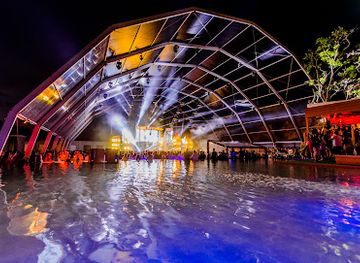
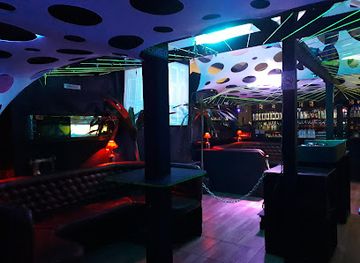
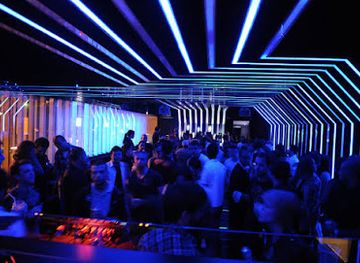
Evening life differs sharply between the region’s capitals, historic towns and rural destinations. Brasília has the broadest range of bars, live-music venues, restaurants and cultural programming, with nightlife spread across planned districts rather than concentrated in one traditional centre. Goiânia is strongly associated with sertanejo music and has numerous casual bars, music venues and restaurants, while Cuiabá and Campo Grande combine regional food, beer halls, live music and late-night establishments. In Goiás and Pirenópolis, evenings often centre on restaurants, small bars, cafés and historic-town social life rather than large clubs. Bonito’s nightlife is modest and generally focused on dinner, informal bars and post-excursion relaxation. Pantanal lodges and rural fazendas offer quiet evenings, sometimes with communal meals and nocturnal wildlife outings, but they are not nightclub destinations. Check current listings locally, as opening patterns and seasonal programming change.
-
Night club
Laroc Club
Experience the electrifying nightlife at Laroc Club, Valinhos – a true haven for electronic music lovers and party enthusiasts.
-
Disco club
Santa Club Lagoa Nightclub
Discover the electrifying nightlife of Santa Club Lagoa, a premier disco club and bar in the heart of Florianópolis, perfect for an unforgettable night out.
-
Night club
Madame Underground Club
Dive into São Paulo's nightlife at Madame Underground Club, where music, dance, and vibrant energy create unforgettable nights.
-
Night club
D-Edge
Experience the electrifying nightlife at D-Edge, São Paulo's premier night club, where music, design, and energy converge.
Best shops in Central-West Region
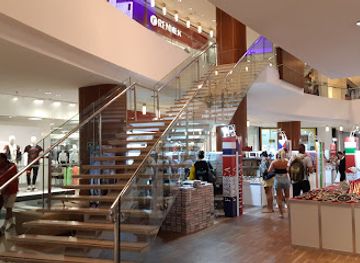
Shopping in the Central-West ranges from Brasília’s formal commercial districts and shopping centres to the markets and independent shops of Goiás, Mato Grosso and Mato Grosso do Sul. Brasília is the strongest destination for contemporary fashion, design, books, art and national brands, while Goiânia has extensive retail areas and a notable market culture. Historic Goiás and Pirenópolis are good places to browse small galleries, handicrafts, religious objects, regional sweets and locally made decorations, with the character of individual shops varying by season. Municipal markets in Cuiabá, Campo Grande and smaller towns sell fruit, spices, flours, dried goods, preserves, sweets and regional ingredients such as pequi. Visitors may also find leather goods, woven items, pottery, jewellery and arts connected to local makers, but should ask about provenance when buying Indigenous crafts. Practical regional gifts include coffee, cachaça, sweets, sauces and shelf-stable cerrado products; fresh foods and wildlife-derived items should not be removed from protected or regulated areas.
-
Shopping mall
Internacional Shopping Guarulhos
Discover the vibrant shopping and dining experiences at Internacional Shopping Guarulhos, where retail therapy meets entertainment in São Paulo.
-
Shopping mall
Shopping RioSul
Explore Shopping RioSul, the ultimate shopping destination in Botafogo, Rio de Janeiro, featuring top brands, delicious dining, and family-friendly entertainment.
-
Shopping mall
ParkShopping
Explore the vibrant ParkShopping in Brasília, a premier destination for shopping, dining, and entertainment in the heart of the city.
-
Shopping mall
Shopping Conjunto Nacional
Explore the vibrant Shopping Conjunto Nacional in Brasília, a premier shopping mall with diverse stores, delightful dining options, and lively entertainment.



Get your free copy of our complete guide to Central-West Region, delivered straight to you.
Everything on this page, from attractions and restaurants to essentials and local phrases, in one PDF you can read offline, print or share.
Already have an account? Sign in
Your Central-West Region guide is ready.
We'll send it to · Not you? Sign out

Getting your guide ready…
We are putting together a fresh copy of the Central-West Region guide. This can take up to a minute.
This can take a few moments. If your browser asks, choose Allow so the download can start. You'll find the guide in your Downloads folder.
Nothing happened? Download it again
Sorry, the guide is taking longer than usual. Please try again in a minute, or get it by email instead.
Central-West Region essentials
Currency and Payment
Safety
Emergency Situations
Do's and Don'ts
Local Tips
From Eve
Local phrases worth knowing
You don't need to get them perfect. A few words go a long way, and locals appreciate the effort.
Basics
| English | Local | Say it |
|---|---|---|
| Hello | Olá | [oh-LAH] |
| Goodbye | Adeus | [ah-DEH-oos] |
| Yes | Sim | [seem] |
| No | Não | [naw] |
| Please/You're welcome | Por favor/De nada | [por fah-VOR/deh NAH-dah] |
| Thank you | Obrigado/Obrigada | [oh-bree-GAH-do/oh-bree-GAH-dah] |
| Excuse me/Sorry | Desculpe | [des-KOOL-peh] |
| How are you? | Como você está? | [KOH-moo voh-SEH es-TAH?] |
| Fine. And you? | Bem. E você? | [beng. ee voh-SEH?] |
| Do you speak English? | Você fala inglês? | [voh-SEH FAH-lah een-GLEZ?] |
| I don't understand | Eu não entendo | [ay-ooh nah-ooh en-TEN-doo] |
Eating & Drinking
| English | Local | Say it |
|---|---|---|
| I'd like to see the menu, please | Eu gostaria de ver o menu, por favor | [ay-ooh gos-tah-REE-ah jee vehr oo meh-NOO, por fah-VOR] |
| I don't eat meat | Eu não como carne | [ay-ooh nah-ooh KOH-moo KARN-ee] |
| Cheers! | Saúde! | [sah-OO-deh] |
| I would like to pay, please | Eu gostaria de pagar, por favor | [ay-ooh gos-tah-REE-ah jee pah-GAR, por fah-VOR] |
Emergencies
| English | Local | Say it |
|---|---|---|
| Help! | Ajuda! | [ah-JOO-dah] |
| Go away! | Vá embora! | [vah em-BOH-rah] |
| Call the Police! | Chame a polícia! | [SHAH-meh ah poh-LEE-syah] |
| Call a doctor! | Chame um médico! | [SHAH-meh oom MEH-jee-co] |
| I'm lost | Estou perdido | [es-TOH per-JEE-doo] |
| I'm ill | Estou doente | [es-TOH do-EHN-chee] |
Shopping
| English | Local | Say it |
|---|---|---|
| I'd like to buy... | Eu gostaria de comprar... | [ay-ooh gos-tah-REE-ah jee kom-PRAR...] |
| I'm just looking | Estou apenas olhando | [es-TOH ah-PEH-nas oh-LYAHN-doo] |
| How much is it? | Quanto custa? | [KWAN-toh KOOS-tah?] |
| That's too expensive | Isso é muito caro | [EE-soh eh MOY-toh KAH-roh] |
| Can you lower the price? | Você pode baixar o preço? | [voh-SEH PAW-jee bye-SHAH oo PREH-soh?] |
Time & Numbers
| English | Local | Say it |
|---|---|---|
| What time is it? | Que horas são? | [kee OH-ras sow?] |
| It's one o'clock | É uma hora | [eh OO-mah OH-rah] |
| Half past (10) | Dez e meia | [dez ee MAY-ah] |
| Morning | Manhã | [mahn-YAH] |
| Afternoon | Tarde | [TAR-deh] |
| Evening | Noite | [NOY-chee] |
| Yesterday | Ontem | [ON-tem] |
| Today | Hoje | [OH-zhee] |
| Tomorrow | Amanhã | [ah-mahn-YAH] |
| 1 | Um | [oom] |
| 2 | Dois | [doyz] |
| 3 | Três | [trays] |
| 4 | Quatro | [KWAH-tro] |
| 5 | Cinco | [SEEN-co] |
| 6 | Seis | [says] |
| 7 | Sete | [SEH-chee] |
| 8 | Oito | [OY-toh] |
| 9 | Nove | [NOH-vee] |
| 10 | Dez | [dez] |
Transport & Directions
| English | Local | Say it |
|---|---|---|
| Where's a/the...? | Onde fica um/a...? | [ON-jee FEE-kah oom/ah...?] |
| What's the address? | Qual é o endereço? | [kwow eh oo en-deh-REH-soh?] |
| Can you show me (on the map)? | Você pode me mostrar (no mapa)? | [voh-SEH PAW-jee mee mohs-TRAR (no MAH-pah)?] |
| When's the next (bus)? | Quando é o próximo (ônibus)? | [KWAN-doo eh oo PROH-see-mo (OH-nee-boos)?] |
| A ticket (to ....) | Um bilhete (para ....) | [oom bee-LYEH-chee (PAH-rah ....)] |
History of Central-West Region
Indigenous territories and ancient landscapes
Long before Portuguese settlement, the Central-West was inhabited by numerous Indigenous peoples whose territories extended across the cerrado, river basins and wetlands. Communities developed detailed knowledge of seasonal water, native plants, fish, game and fire-managed landscapes. Archaeological evidence in parts of Goiás and Mato Grosso records ancient occupation, rock art and changing patterns of settlement, though many sites remain sensitive and are not generally open for casual visitation. Indigenous peoples continue to live in the region, including within legally recognised territories, and their cultural and political presence is an essential part of Central-West history rather than a purely pre-colonial subject.
Colonial expansion and the gold cycle
Portuguese expeditions and bandeirantes pushed inland from the seventeenth century, followed by gold discoveries in Goiás and Mato Grosso during the early eighteenth century. Mining settlements developed along routes linking the interior to coastal colonial centres, while missionaries, settlers and enslaved Africans became part of the region’s complex colonial society. Goiás, formerly known as Vila Boa, preserves some of the clearest architectural traces of this period, and Pirenópolis also grew from the gold economy. The mines declined, but the roads, churches, administrative traditions and rural settlements established during the colonial era shaped later regional development.
Cattle ranching and frontier economies
As gold production diminished, cattle raising, agriculture and trade became increasingly important across the Central-West. The region’s open cerrado and extensive grasslands supported ranching, while rivers and overland routes connected isolated settlements. In Mato Grosso do Sul, the Pantanal developed a distinctive fazenda economy adapted to seasonal flooding, with cattle moved across large properties and raised alongside wetlands rather than replacing them entirely. These frontier economies brought wealth and infrastructure to some centres but also involved land concentration, displacement and conflict. Ranching, crop production and their environmental consequences remain central to contemporary regional debates.
The construction of Brasília, 1956–1960
The decision to build Brazil’s capital in the interior was intended to encourage national integration and shift political focus away from the Atlantic coast. President Juscelino Kubitschek’s government commissioned Lúcio Costa’s urban plan and Oscar Niemeyer’s principal buildings, and Brasília was inaugurated in 1960. The planned city’s monumental axis, superquadras, broad avenues and expressive civic architecture represented an ambitious vision of modern Brazil. The capital transformed transport, migration and public administration throughout the Central-West, although its planned core developed alongside satellite cities and unequal patterns of urban growth.
Roads, migration and agricultural transformation
From the mid-twentieth century, highways, new towns and government-backed development schemes accelerated migration into the Central-West. Mechanised agriculture expanded rapidly across parts of Goiás and Mato Grosso, turning the region into one of Brazil’s major producers of soy, maize, cotton and cattle. The construction of roads such as routes connecting Brasília to the interior reduced isolation and integrated regional markets, while attracting workers and businesses from many parts of Brazil. This transformation produced economic growth and new cities but also placed considerable pressure on cerrado habitats, river systems, Indigenous territories and traditional communities.
Conservation and the Pantanal’s international significance
Growing recognition of the cerrado and Pantanal as ecologically important led to the creation and expansion of protected areas, ecological reserves and sustainable tourism initiatives. Sites including Chapada dos Veadeiros National Park, Chapada dos Guimarães National Park, Brasília National Park and the Pantanal Matogrossense National Park protect different environments within the region. The Pantanal’s flood pulse supports an extraordinary concentration of wildlife, while the cerrado acts as a major source of rivers feeding several Brazilian watersheds. Conservation remains complicated by fires, deforestation, agricultural expansion, water management and the effects of changing rainfall patterns.
Contemporary regional identity
Modern Central-West culture is shaped by several overlapping histories: Indigenous survival and political organisation, colonial towns, Afro-Brazilian traditions, sertanejo music, ranching, agricultural migration and Brasília’s cosmopolitan public life. Goiânia became an important centre of music, commerce and services, while Campo Grande and Cuiabá developed as gateways to different ecological and economic zones. The region’s cuisine reflects this mixture through ingredients such as pequi, guariroba, cassava, maize and freshwater fish. Today, debates about land, conservation, urban inequality and sustainable tourism are as important to the region’s identity as its historic monuments and natural scenery.
Central-West Region in Photos
Browse through our photo collection highlighting the charm and character of the destination.
Neighbouring regions of Central-West Region
The closest regions to Central-West Region, if you have time for more than one.
-

-

-

-

-


Swipe for more regions
Explore more

Explore more of Brazil
Discover Brazil: a land of samba, stunning landscapes, and rich history. From the Amazon to Rio, explore diverse cultures, world-class cuisine, and vibrant festivals.
Explore Brazil