

Free Cerrado Travel Guide & Mobile App
Explore Cerrado with free travel guides. Discover regional history, expert tips, proposed trips, and audio guides on web or mobile app.


Explore Brazil’s Cerrado through Brasília, highland parks, waterfalls, wildlife, red-earth trails and distinctive inland food traditions.
Read more about Cerrado
When is the best time to visit Cerrado?
Best: June–August · 25–26°C| Month | High (°C) | Rainfall (mm) |
|---|---|---|
| January | 29 | 200 |
| February | 29 | 180 |
| March | 29 | 150 |
| April | 28 | 120 |
| May | 26 | 60 |
| June (best) | 25 | 20 |
| July (best) | 25 | 20 |
| August (best) | 26 | 20 |
| September | 28 | 50 |
| October | 30 | 100 |
| November | 30 | 150 |
| December | 29 | 180 |
Getting to and around Cerrado
How to get there
Transportation
Top city travel guides in Cerrado
The cities of Cerrado, and the easiest places to base yourself.
-

-

-

-

-

-


Swipe for more cities
Destinations in Cerrado
Resorts, valleys and scenic spots worth a trip of their own.
-
-

-

-

-

-


Swipe for more destinations
Best attractions in Cerrado
The Cerrado’s attractions are dispersed across a large inland territory and are best experienced through its protected landscapes. Chapada dos Veadeiros in Goiás combines quartzite plateaux, deep valleys, swimming holes and waterfalls, while Jalapão in Tocantins offers dunes, springs, rivers and remote tracks that are usually explored by 4WD. Brasília provides a contrasting urban experience, with modernist civic architecture set within native savanna and nature reserves. Serra da Canastra in Minas Gerais is known for highland scenery, waterfalls, river headwaters and opportunities to see cerrado wildlife. Chapada dos Guimarães near Cuiabá presents sandstone cliffs, caves and broad viewpoints, and Emas National Park protects open habitat, termite mounds and a notable variety of birds and mammals. Grande Sertão Veredas National Park introduces visitors to the dry grasslands, gallery forests and river country associated with Brazil’s sertão literature. Across the region, walking, birdwatching, off-road travel, photography and swimming in designated natural pools are more characteristic than dense concentrations of conventional visitor attractions.
-
Tourist attraction
Hito Tres Fronteras (Argentina)
Experience the convergence of Argentina, Brazil, and Paraguay at this tri-border landmark with stunning views and cultural experiences.
-
Tourist attraction
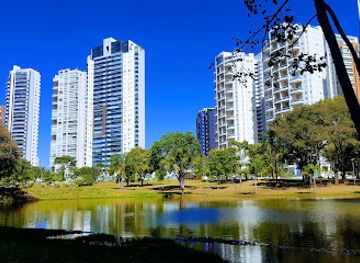
Parque Flamboyant
Escape to Parque Flamboyant, Goiânia's green heart: lakes, trails, and nature in the city's vibrant Jardim Goiás neighborhood.
-
Tourist attraction
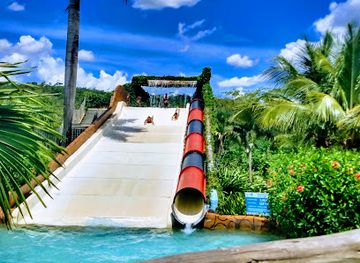
Lagoon Spa Park
Experience thrilling water adventures and serene wellness retreats at Lagoon Spa Park in Caldas Novas, Brazil.
-
Plaza
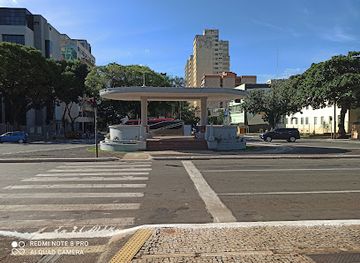
Square Pedro Ludovico
Explore Goiânia's vibrant heart at Square Pedro Ludovico: history, culture, and relaxation in a lush urban oasis.
Best landmarks in Cerrado
Brasília’s monumental axis, including the National Congress, the Supreme Federal Court, the Palácio do Planalto and the Metropolitan Cathedral, is the Cerrado’s most recognisable architectural landmark landscape and a defining work of twentieth-century modernism. In Goiás, the quartzite escarpments and high valleys of Chapada dos Veadeiros form a natural landmark system shaped by ancient geology and waterways rather than a single monument. Jalapão’s pale dunes, surrounded by cerrado vegetation, provide one of the region’s most visually distinctive natural scenes, while its spring-fed fervedouros are notable for buoyant water and delicate surrounding vegetation. Serra da Canastra’s high plateau and the Casca d’Anta waterfall mark the dramatic source region of the São Francisco River. Chapada dos Guimarães is distinguished by red sandstone formations, cliffs and the Véu de Noiva waterfall. In the north of Minas Gerais, the landscapes protected by Grande Sertão Veredas carry both geographical importance and a strong literary association with the sertão described by João Guimarães Rosa.
-
Tourist attraction
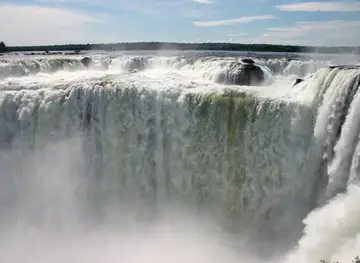
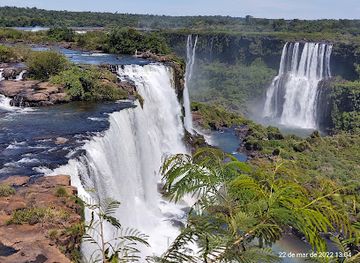
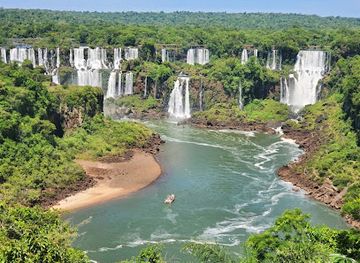
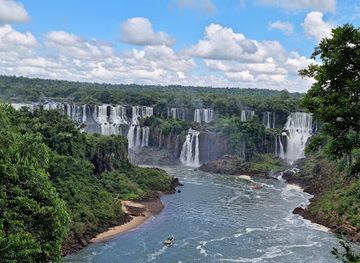
Iguazu Falls
Experience the awe-inspiring power and breathtaking beauty of Iguazu Falls, a natural wonder on the border of Argentina and Brazil.
-
Cultural landmark
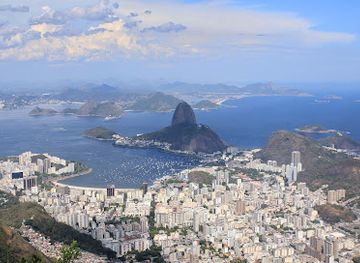
Christ the Redeemer
Visit Christ the Redeemer, Rio's iconic landmark: panoramic views, rich history, and a symbol of peace atop Corcovado Mountain.
-
National park
Iguazú National Park
Experience the awe-inspiring power and beauty of Iguazú Falls, a UNESCO World Heritage site surrounded by Argentina's lush rainforest.
-
Shopping mall
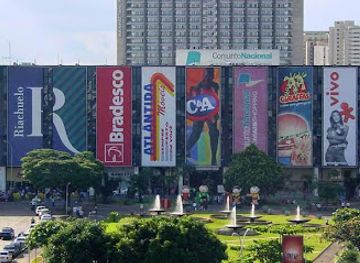
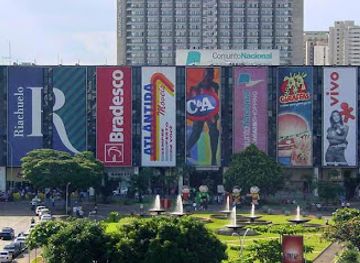
Shopping Conjunto Nacional
Brasília's first shopping mall, a landmark since 1971, offering a wide variety of stores, dining, and services in the heart of the city.
Explore Cerrado on the map
Plan your trip on one map. See where the top cities, national parks and sights are, and book hotels and experiences in a few clicks.
Best hotels in Cerrado
Best restaurants in Cerrado
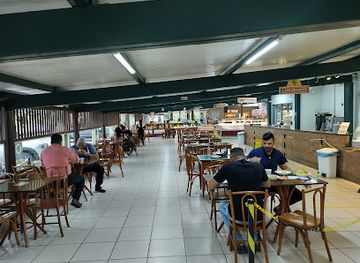
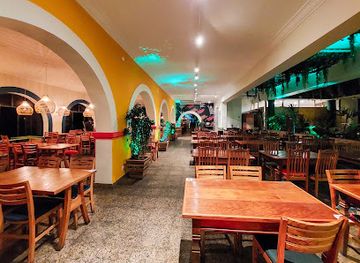
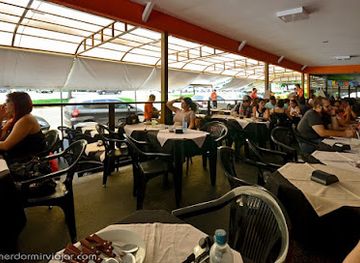
Food in the Cerrado reflects the meeting of Indigenous knowledge, rural farming, cattle raising and the cuisines of Goiás, Minas Gerais, Mato Grosso and the Federal District. Pequi is the best-known native ingredient in Goiás and neighbouring areas, commonly used in rice, chicken and sauces; it should be eaten carefully because the fruit contains hard spines around the stone. Baru nuts, manioc, corn, beans, pumpkin and locally produced dairy also appear in regional cooking. Minas Gerais contributes a strong tradition of cheeses, breads, preserves and generous home-style meals, while inland restaurants increasingly reinterpret native fruits and savanna plants. In smaller towns, look for self-service restaurants, bakeries, simple family kitchens and rural inns rather than a concentrated fine-dining scene. Farmers’ markets provide an opportunity to find seasonal produce, sweets and regional cheeses, although availability varies between communities and seasons. Brasília and the larger inland cities offer the widest range of contemporary Brazilian and international dining.
-
Snack bar
Jerivá sentido Goiânia
Discover authentic Brazilian flavors at Jerivá Sentido Goiânia - your go-to snack bar in Abadiânia offering delicious homemade dishes.
-
Restaurant
Terra Brasilis
Experience authentic Brazilian cuisine at Terra Brasilis in Urca, where delicious buffet options meet live music in a vibrant atmosphere.
-
Restaurant
Carne de Sol 1008
Discover authentic Brazilian flavors at Carne de Sol 1008 in Goiânia - where tradition meets culinary creativity.
-
Australian
Restaurante Outback Steakhouse
Savor authentic Australian flavors at Outback Steakhouse in Goiânia—where hearty meals meet a vibrant atmosphere.
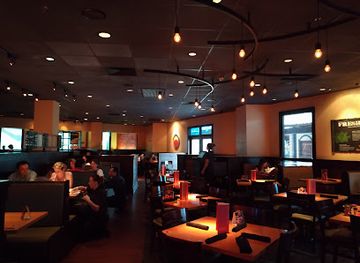
Best bars in Cerrado
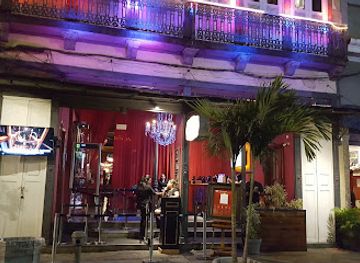
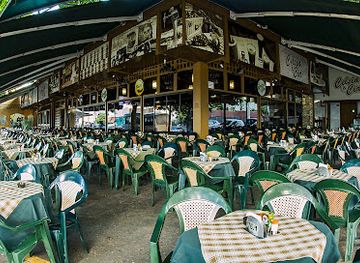
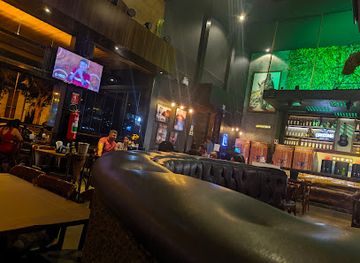
Evening life varies sharply across this enormous region. Brasília has the broadest selection of bars, restaurants, live-music venues and late-night options, with different scenes spread through its planned districts rather than concentrated in one traditional centre. Goiânia is known nationally for a strong music culture and has a substantial choice of bars, concert venues and restaurants, while Cuiabá, Campo Grande and other larger cities provide lively urban evenings without representing the character of the whole Cerrado. In smaller Goiás, Minas Gerais and Tocantins towns, nightlife generally centres on relaxed bars, cafés, square-side socialising, local music and restaurants. Near national parks, evenings are often quiet after trail activities, with pousadas and guide-led groups providing the main social setting. Rural communities may have occasional festivals or dances, but dates and arrangements change, so local advice is more dependable than assuming a permanent club scene.
-
Bar
Rio Scenarium
Discover Rio Scenarium - a vibrant bar and live music venue in Rio de Janeiro, where eclectic decor meets the rhythm of samba and delicious cuisine.
-
Bar
Celsin Bar e Restaurante
Experience the vibrant culinary scene of Goiânia at Celsin Bar e Restaurante, where delicious meals and craft beers await in a lively atmosphere.
-
Grill
Velho Texas - Steak and Drinks
Discover Velho Texas in Goiânia, where savory steaks and vibrant atmosphere come together for an unforgettable dining experience.
-
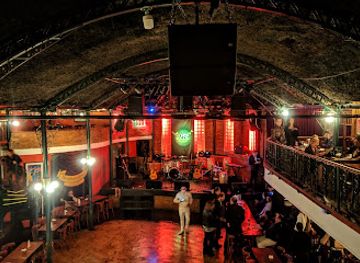
Live music bar
Bourbon Street Music Club
Discover the magic of live music at Bourbon Street Music Club, where every night is a celebration of rhythm, taste, and culture in São Paulo.
Best nightclubs in Cerrado
Evening life varies sharply across this enormous region. Brasília has the broadest selection of bars, restaurants, live-music venues and late-night options, with different scenes spread through its planned districts rather than concentrated in one traditional centre. Goiânia is known nationally for a strong music culture and has a substantial choice of bars, concert venues and restaurants, while Cuiabá, Campo Grande and other larger cities provide lively urban evenings without representing the character of the whole Cerrado. In smaller Goiás, Minas Gerais and Tocantins towns, nightlife generally centres on relaxed bars, cafés, square-side socialising, local music and restaurants. Near national parks, evenings are often quiet after trail activities, with pousadas and guide-led groups providing the main social setting. Rural communities may have occasional festivals or dances, but dates and arrangements change, so local advice is more dependable than assuming a permanent club scene.
-
Night club
Rio Scenarium
Discover the heart of Rio's nightlife at Rio Scenarium, an enchanting venue with vibrant decor, live music, and a taste of Brazilian culture.
-
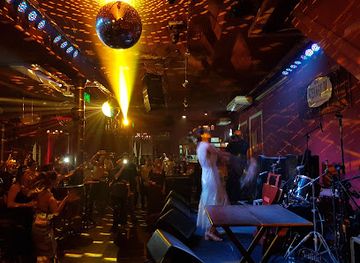
Night club
Madame Underground Club
Dive into São Paulo's nightlife at Madame Underground Club, where electrifying music and vibrant energy create unforgettable nights.
-
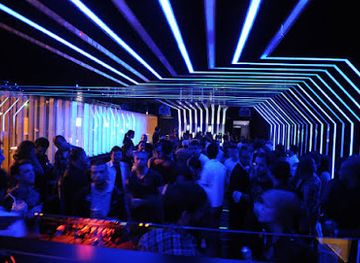
Night club
D-Edge
Experience the vibrant nightlife of São Paulo at D-Edge, a premier night club known for its top DJs and stunning atmosphere.
-
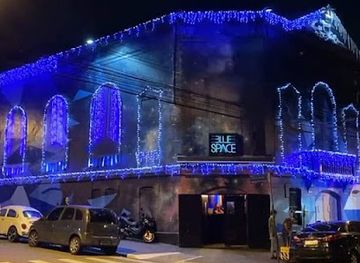
Night club
Blue Space
Discover the electrifying nightlife at Blue Space in São Paulo, where great music and spectacular shows create unforgettable experiences.

Best shops in Cerrado
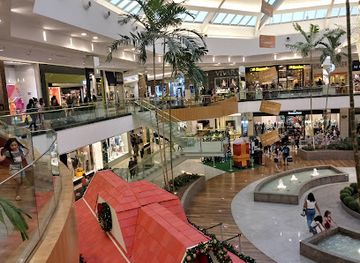
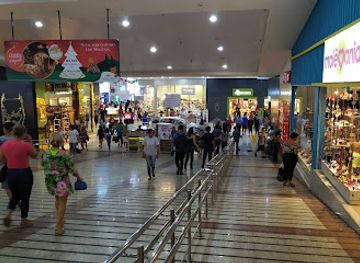
Shopping in the Cerrado is usually centred on inland city districts, market halls, high streets and small producers rather than a single region-wide retail tradition. Brasília offers the broadest range of modern shopping centres, specialist shops, galleries and contemporary Brazilian design, while Goiânia has extensive urban retail and a strong market culture. In Goiás and Minas Gerais, smaller towns are good places to seek regional cheeses, sweets, preserves, coffee, ceramics, woven goods and locally made crafts. Markets may also sell baru nuts, pequi products and other seasonal foods, though visitors should check packaging and transport rules before carrying fresh produce across long distances or borders. Near protected areas, purchase crafts and food directly from established community businesses where possible, and avoid products made from protected plants, wildlife or archaeological material. Rural roadside stalls can be rewarding but operate informally, so carry cash and do not assume card payment or consistent opening days.
-
Shopping mall
Shopping RioSul
Experience the ultimate shopping adventure at Shopping RioSul, where fashion meets fun in the heart of Botafogo, Rio de Janeiro.
-
Shopping mall
ParkShopping
Discover the ultimate shopping and entertainment experience at ParkShopping, Brasília's premier shopping mall with diverse stores and dining options.
-
Shopping mall
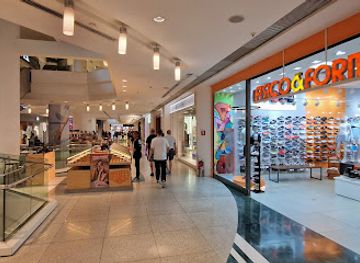
Shopping Conjunto Nacional
Explore Shopping Conjunto Nacional, Brasília's vibrant shopping mall offering diverse retail, dining, and entertainment options for an unforgettable experience.
-
Shopping mall
Araguaia Shopping
Experience the ultimate shopping and entertainment haven at Araguaia Shopping in Goiânia, where style meets leisure.
Get your free copy of our complete guide to Cerrado, delivered straight to you.
Everything on this page, from attractions and restaurants to essentials and local phrases, in one PDF you can read offline, print or share.
Already have an account? Sign in
Your Cerrado guide is ready.
We'll send it to · Not you? Sign out

Getting your guide ready…
We are putting together a fresh copy of the Cerrado guide. This can take up to a minute.
This can take a few moments. If your browser asks, choose Allow so the download can start. You'll find the guide in your Downloads folder.
Nothing happened? Download it again
Sorry, the guide is taking longer than usual. Please try again in a minute, or get it by email instead.
Cerrado essentials
Currency and Payment
Safety
Emergency Situations
Do's and Don'ts
Local Tips
From Eve
Local phrases worth knowing
You don't need to get them perfect. A few words go a long way, and locals appreciate the effort.
Basics
| English | Local | Say it |
|---|---|---|
| Hello | Oi | [oy] |
| Goodbye | Tchau | [chow] |
| Yes | Sim | [seem] |
| No | Não | [now] |
| Please/You’re welcome | Por favor/De nada | [por fah-vor/ji nah-dah] |
| Thank you | Obrigado | [oh-bree-gah-doo] |
| Excuse me/Sorry | Desculpe | [des-kool-peh] |
| How are you? | Como você está? | [koh-moh voh-seh es-tah] |
| Fine. And you? | Bem. E você? | [bang. eh voh-seh] |
| Do you speak English? | Você fala inglês? | [voh-seh fah-lah een-gles] |
| I don't understand | Não entendo | [now en-ten-doo] |
Eating & Drinking
| English | Local | Say it |
|---|---|---|
| I’d like to see the menu, please | Eu gostaria de ver o menu, por favor | [eh-oo goh-stah-ree-ah jeh veh-ree o men-oo, por fah-vor] |
| I don’t eat meat | Eu não como carne | [eh-oo now koh-moh kar-nee] |
| Cheers! | Saúde! | [sah-oo-deh] |
| I would like to pay, please | Eu gostaria de pagar, por favor | [eh-oo goh-stah-ree-ah jeh pah-gar, por fah-vor] |
Emergencies
| English | Local | Say it |
|---|---|---|
| Help! | Socorro! | [soh-koh-roh] |
| Go away! | Vá embora! | [vah em-boh-rah] |
| Call the Police! | Chame a Polícia! | [sha-mee ah poh-lee-siah] |
| Call a doctor! | Chame um médico! | [sha-mee oom meh-jee-koh] |
| I’m lost | Estou perdido | [es-toh pehr-jee-doh] |
| I’m ill | Estou doente | [es-toh doh-ehn-chee] |
Shopping
| English | Local | Say it |
|---|---|---|
| I’d like to buy... | Eu gostaria de comprar... | [eh-oo goh-stah-ree-ah jeh kom-prahr] |
| I’m just looking | Estou apenas olhando | [es-toh ah-peh-nahs oh-lan-doh] |
| How much is it? | Quanto custa? | [kwahn-toh koos-tah] |
| That’s too expensive | Isso é muito caro | [ee-so eh mwee-toh kah-roh] |
| Can you lower the price? | Você pode baixar o preço? | [voh-seh poh-jee bye-shar o preh-soh] |
Time & Numbers
| English | Local | Say it |
|---|---|---|
| What time is it? | Que horas são? | [keh oh-ras sah-ooh] |
| It’s one o’clock | É uma hora | [eh oo-mah oh-rah] |
| Half past (10) | Dez e meia | [deh-ees eh meh-yah] |
| Morning | Manhã | [man-yah] |
| Afternoon | Tarde | [tahr-jee] |
| Evening | Noite | [noy-chee] |
| Yesterday | Ontem | [on-tem] |
| Today | Hoje | [oh-zhee] |
| Tomorrow | Amanhã | [ah-mahn-yah] |
| 1 | Um | [oom] |
| 2 | Dois | [doyz] |
| 3 | Três | [trehz] |
| 4 | Quatro | [kwah-tro] |
| 5 | Cinco | [seen-koh] |
| 6 | Seis | [says] |
| 7 | Sete | [seh-chee] |
| 8 | Oito | [oy-toh] |
| 9 | Nove | [noh-vee] |
| 10 | Dez | [dehz] |
Transport & Directions
| English | Local | Say it |
|---|---|---|
| Where's a/the...? | Onde fica um/a...? | [on-jee fee-kah oom/ah] |
| What's the address? | Qual é o endereço? | [kwahl eh oo en-deh-reh-soo] |
| Can you show me (on the map)? | Você pode me mostrar (no mapa)? | [voh-seh poh-jee mee mohs-trar (noh mah-pah)] |
| When's the next (bus)? | Quando é o próximo (ônibus)? | [kwan-doh eh oo proh-see-moh (oh-nee-boos)] |
| A ticket (to ....) | Um bilhete (para....) | [oom bee-lyeh-chee (pah-rah....)] |
History of Cerrado
Indigenous Landscapes Before Colonisation
The Cerrado has been inhabited and shaped by Indigenous peoples for thousands of years. Communities developed detailed knowledge of seasonal water, edible plants, medicinal species, hunting grounds and routes across what can appear to outsiders to be an open, uniform landscape. Archaeological evidence across central Brazil records long human occupation, while Indigenous languages, food knowledge and territorial practices remain part of the region’s living history. The biome was not an untouched wilderness before European expansion; it was a cultural landscape managed through varied forms of cultivation, movement and fire.
Gold, Expeditions and Colonial Expansion
From the late seventeenth century, Portuguese expeditions and bandeirantes moved into the interior in search of Indigenous labour, mineral wealth and new routes. Gold discoveries in Goiás and Minas Gerais encouraged the establishment of colonial settlements and administrative centres, linking the central plateau more closely to Brazil’s coastal colonies. Mining reshaped rivers, roads and settlement patterns, while cattle raising became important in areas less suited to intensive agriculture. Towns such as Goiás, formerly Vila Boa, preserve architectural evidence of this colonial interior, although the expansion brought profound displacement and violence for Indigenous populations.
Cattle, Agricultural Frontiers and Inland Trade
After the principal gold rushes declined, cattle ranching, subsistence farming and regional trade became central to much of the Cerrado economy. Seasonal movement, river crossings and overland routes connected isolated settlements with markets in Minas Gerais, Goiás and São Paulo. Rural traditions developed around dairy production, corn, beans, fruit gathering and cattle, while towns expanded slowly along roads and river corridors. This period helped forge the inland cultural identities associated with Goiás, Minas Gerais and the São Francisco hinterland, even though the region remained less densely populated than Brazil’s coastal areas.
Brasília and the National Interior
The construction of Brasília in the late 1950s transformed the central plateau and gave practical expression to Brazil’s long-standing ambition to integrate its interior. Planned by Lúcio Costa and shaped architecturally by Oscar Niemeyer, the new capital opened in 1960 within the Cerrado landscape. Its roads, administrative functions and associated infrastructure stimulated migration, construction and urban growth across the Federal District and neighbouring Goiás. Brasília’s modernist core is internationally recognised, while the surrounding Cerrado remains essential to understanding the ecological setting in which the capital was built.
Roads, Mechanised Agriculture and Rapid Transformation
From the second half of the twentieth century, highways, agricultural research, irrigation and improved soil management enabled large-scale cultivation across parts of the Cerrado. Soybeans, maize, cotton and cattle production expanded rapidly, strengthening Brazil’s position as a major agricultural power and generating new inland cities and logistics corridors. The same transformation caused extensive habitat loss, altered river systems and increased pressure on traditional communities. The contrast between productive farmland, expanding urban centres and remaining native vegetation is one of the defining contemporary realities of the biome.
Conservation and the Cerrado Today
Recognition of the Cerrado’s exceptional plant diversity and importance as a source of major Brazilian rivers has encouraged the creation of national parks, ecological stations and other protected areas. Chapada dos Veadeiros, Emas, Grande Sertão Veredas, Serra da Canastra and Chapada dos Guimarães protect different expressions of the biome, from highland grasslands to canyons and river headwaters. Conservation remains complex because protected areas coexist with agriculture, mining, tourism and established communities. Contemporary travel increasingly introduces visitors to this ecological significance through guided walks, interpretation and locally based tourism.
Cerrado in Photos
Browse through our photo collection highlighting the charm and character of the destination.
Neighbouring regions of Cerrado
The closest regions to Cerrado, if you have time for more than one.
-

-

-

-
-


Swipe for more regions
Explore more

Explore more of Brazil
Discover Brazil: a land of samba, stunning landscapes, and rich history. From the Amazon to Rio, explore diverse cultures, world-class cuisine, and vibrant festivals.
Explore Brazil