

Free Pantanal Travel Guide & Mobile App
Explore Pantanal with free travel guides. Discover regional history, expert tips, proposed trips, and audio guides on web or mobile app.


Explore Brazil’s Pantanal through wildlife lodges, river safaris, seasonal floodplains and working ranches between Cuiabá, Corumbá and Campo Grande.
Read more about Pantanal
When is the best time to visit Pantanal?
Best: June–August · 25–27°C| Month | High (°C) | Rainfall (mm) |
|---|---|---|
| January | 31 | 150 |
| February | 31 | 140 |
| March | 31 | 130 |
| April | 30 | 110 |
| May | 27 | 90 |
| June (best) | 25 | 70 |
| July (best) | 25 | 60 |
| August (best) | 27 | 70 |
| September | 29 | 90 |
| October | 31 | 110 |
| November | 32 | 130 |
| December | 31 | 150 |
Getting to and around Pantanal
How to get there
Transportation
Destinations in Pantanal
Resorts, valleys and scenic spots worth a trip of their own.
-

-


Swipe for more destinations
Best attractions in Pantanal
The Pantanal’s attractions are primarily ecological and experiential rather than architectural. Guided drives along the Transpantaneira in the northern Pantanal pass over wooden bridges, open grassland and channels lined with caiman, while boat trips on the Cuiabá River and other waterways reveal bird colonies, floating vegetation and riverine forest. Around Porto Jofre, specialised wildlife excursions focus on the possibility of seeing jaguars, although sightings depend on season, water conditions and patience. In the southern Pantanal, pousadas near Miranda, Aquidauana and Corumbá combine open-sided vehicle safaris, horseback riding, walking trails, canoeing and nocturnal outings. Birdwatching is rewarding throughout the wetland, with jabiru storks, herons, hawks, parrots and kingfishers among the conspicuous species. Ranch stays also introduce visitors to cattle work and flood-adapted rural life. The Pantanal Matogrossense National Park, reached by water from the northern sector, protects an important wetland landscape, while private reserves and conservation-oriented fazendas provide much of the region’s accessible wildlife tourism. Experiences vary strongly between flooded and dry periods, so season and lodge position matter as much as the nominal destination.
-
Wildlife refuge
Pantanal Discovery tour to Pantanal and Bonito.
Experience the best of Brazil's Pantanal and Bonito with expertly guided tours, wildlife encounters, and unforgettable adventures.
-
Tourist attraction
Parque Temático Histórico do Pantanal
Discover the history and culture of Coxim and the Pantanal through art and nature at this unique open-air museum.
-
Tourist attraction
Pantanal Experiência
Experience the authentic Pantanal lifestyle with horseback riding, hiking, and farm tours at this unique cultural and ecological destination.
-
State park
the Pantanal of Rio Negro State Park
Explore the Pantanal of Rio Negro State Park: a biodiverse paradise with jaguars, birds, and stunning wetlands in Brazil's Mato Grosso do Sul.
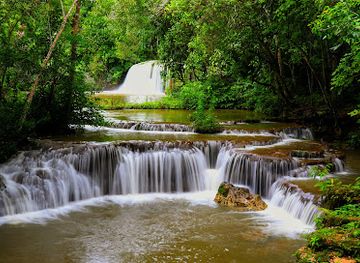
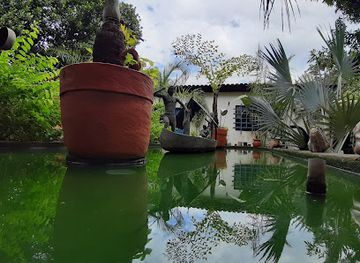
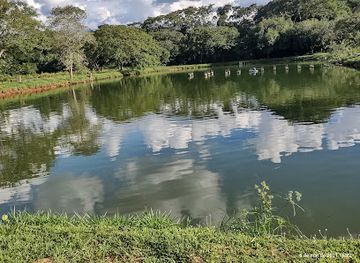
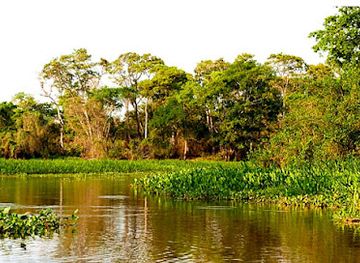
Best landmarks in Pantanal
The Transpantaneira is the Pantanal’s most recognisable human-made route: a long, mostly unpaved road from Poconé towards Porto Jofre, marked by bridges, floodplain vistas and changing water levels. In the southern Pantanal, the Paraguay River and the riverfront of Corumbá express the region’s historic connection with inland navigation, trade and frontier settlement. Corumbá’s historic centre contains surviving civic and religious architecture associated with its nineteenth-century commercial importance, while nearby Fort Coimbra, on the Paraguay River, represents the strategic history of Brazil’s western frontier and is reached by river rather than ordinary road travel. The Pantanal Matogrossense National Park is a major natural landmark of the northern wetland, protecting a mosaic of waterways, marshes and seasonally flooded forests. The raised tracks, wooden bridges and cattle routes around rural fazendas are less monumental but equally characteristic, showing how infrastructure has been adapted to a landscape that periodically becomes a vast inland sea. The region’s strongest landmarks are therefore often combinations of water, road, river port and open horizon rather than isolated buildings.
-
Tourist attraction
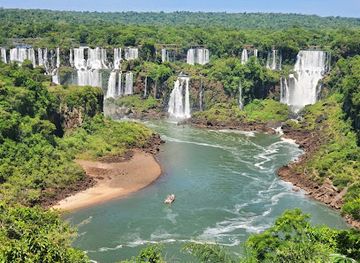
Iguazu Falls
Experience the awe-inspiring power of nature at Iguazu Falls, a UNESCO World Heritage site on the Argentina-Brazil border.
-
Tourist attraction
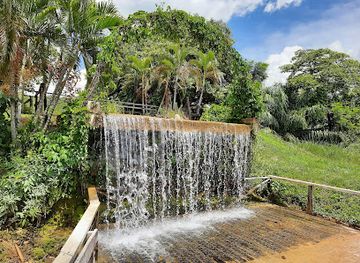
Nascente Azul
Experience the breathtaking beauty of Nascente Azul, an ecological paradise with crystal-clear waters, diverse wildlife, and endless adventure in Bonito, Brazil.
-
Cultural center
Sítio Roberto Burle Marx - IPHAN
Discover the landscape masterpiece of Roberto Burle Marx in Rio de Janeiro, a UNESCO World Heritage site blending art and tropical nature.
-
 Hotel
HotelFazenda San Francisco Agro Ecoturismo Safari e Passeio de Chalana
Discover the Pantanal's wildlife and rural charm at this working farm offering safaris, boat tours, and authentic Brazilian experiences.

Explore Pantanal on the map
Plan your trip on one map. See where the top cities, national parks and sights are, and book hotels and experiences in a few clicks.
Best hotels in Pantanal
Best restaurants in Pantanal
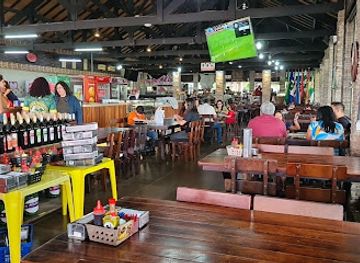
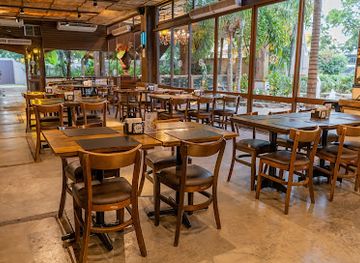
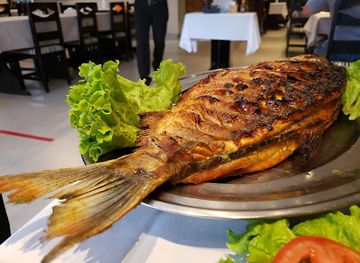
Dining in the Pantanal is closely linked to fazenda life, river travel and the food traditions of Mato Grosso and Mato Grosso do Sul. Lodge meals are often hearty and practical, combining rice, beans, cassava, salads, grilled meats and regional freshwater fish, with recipes varying between properties and local communities. In gateway towns such as Cuiabá, Corumbá, Miranda and Aquidauana, visitors can find restaurants serving fish from the wider river basin, including preparations influenced by the region’s cattle-ranching culture. Local produce may include cassava, pumpkin, tropical fruit and pequi, a strongly flavoured fruit used in central Brazilian cooking, though availability is seasonal. Rural inns and fazendas commonly serve set meals rather than extensive menus, and dietary requirements should be communicated in advance because supplies may arrive from distant towns. Cafés and simple eateries in the gateways are useful places to sample regional snacks before heading into remote areas, where dining is generally part of the accommodation package rather than an independent restaurant scene.
-
Restaurant
Vinhos Sinuelo
Experience authentic Brazilian cuisine and local wines at Vinhos Sinuelo in Cuiabá - a culinary gem for every traveler.
-
Restaurant
Talavera Bar e Restaurante
Experience the vibrant culinary scene at Talavera Bar e Restaurante in Cuiabá - where Brazilian flavors meet Mediterranean flair.
-
Fish store
Restaurante e Peixaria Okada - CPA
Discover fresh seafood delights at Restaurante e Peixaria Okada in Cuiabá - where family dining meets Brazilian culinary traditions.
-
Restaurant
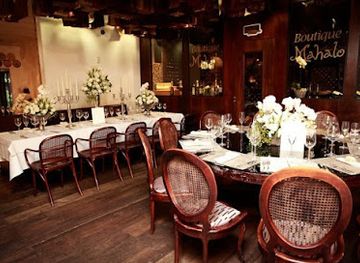
Mahalo Cozinha Criativa
Experience innovative Brazilian cuisine at Mahalo Cozinha Criativa in Cuiabá - where tradition meets creativity in every dish.
Best bars in Pantanal
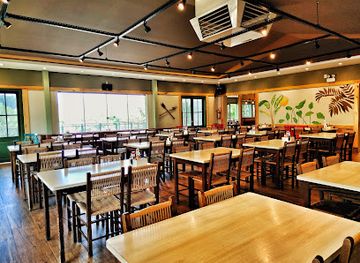
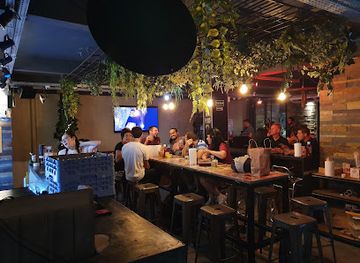
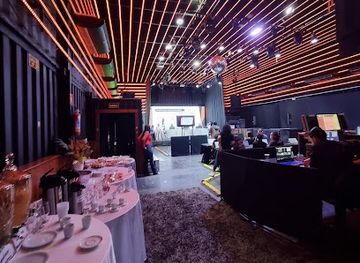
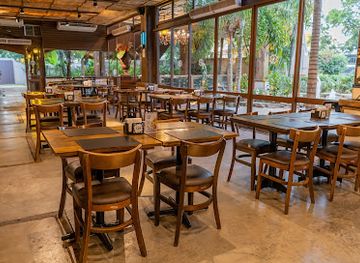
Evening life in the Pantanal is quiet and closely shaped by distance, wildlife schedules and rural accommodation. In remote pousadas, the usual social setting is a dining room, veranda or simple bar where guests discuss the day’s sightings, watch the sunset and sometimes join an informal caipirinha or beer after excursions. Night drives and walks often replace conventional nightlife, revealing owls, insects, frogs and other nocturnal species under a guide’s supervision. Gateway towns provide a broader choice of Brazilian bars, casual restaurants and live music, particularly in central areas of Cuiabá, Campo Grande and Corumbá, but these cities are access points rather than a single Pantanal nightlife district. Miranda, Aquidauana and Poconé have modest evening scenes centred on local bars and restaurants, with quieter rhythms than Brazil’s major coastal cities. Opening arrangements and transport back to accommodation can be limited, so visitors staying outside town should plan evenings through their lodge and avoid walking unfamiliar rural roads after dark.
-
Restaurant
Restaurante Peixe Frito Pantanal
Discover the culinary gem of Toledo, Restaurante Peixe Frito Pantanal, serving fresh seafood and authentic tapas in a cozy, inviting atmosphere.
-
Restaurant
Afonso Burger Bar
Discover the best burgers and cocktails at Afonso Burger Bar in Florianópolis, blending American flavors with a local twist.
-
Bar
Malcom Pub
Experience vibrant nightlife at Malcom Pub in Cuiabá, where craft beer meets live music in an electrifying atmosphere.
-
Bar
Talavera Bar e Restaurante
Discover the rich flavors of Brazil and Mediterranean cuisine at Talavera Bar e Restaurante, a culinary hotspot in Cuiabá's Santa Rosa.
Best nightclubs in Pantanal
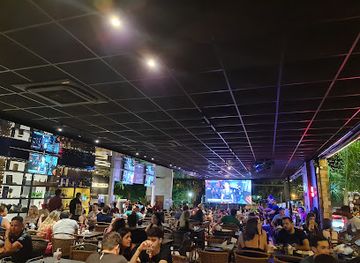
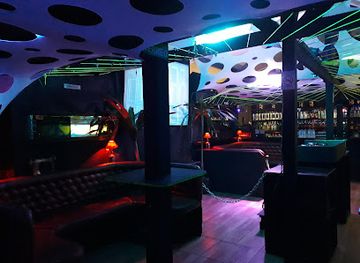
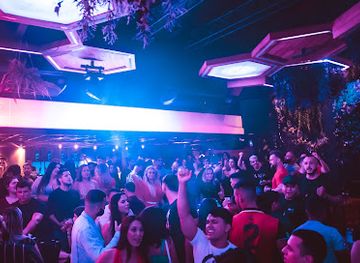
Evening life in the Pantanal is quiet and closely shaped by distance, wildlife schedules and rural accommodation. In remote pousadas, the usual social setting is a dining room, veranda or simple bar where guests discuss the day’s sightings, watch the sunset and sometimes join an informal caipirinha or beer after excursions. Night drives and walks often replace conventional nightlife, revealing owls, insects, frogs and other nocturnal species under a guide’s supervision. Gateway towns provide a broader choice of Brazilian bars, casual restaurants and live music, particularly in central areas of Cuiabá, Campo Grande and Corumbá, but these cities are access points rather than a single Pantanal nightlife district. Miranda, Aquidauana and Poconé have modest evening scenes centred on local bars and restaurants, with quieter rhythms than Brazil’s major coastal cities. Opening arrangements and transport back to accommodation can be limited, so visitors staying outside town should plan evenings through their lodge and avoid walking unfamiliar rural roads after dark.
-
Disco club
Geronimo West Music
Discover the vibrant nightlife of Cuiabá at Geronimo West Music, where the rhythms never stop and the dance floor awaits.
-
Disco club
Santa Club Lagoa Nightclub
Discover the exhilarating nightlife at Santa Club Lagoa, a premier disco club in Florianópolis, where music and celebration come alive.
-
Disco club
Nuun Garden
Discover the electrifying nightlife at Nuun Garden, Cuiabá's premier disco club, featuring pulsating music and a vibrant atmosphere.
-
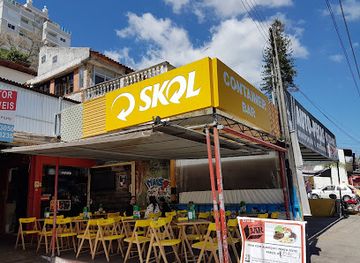
Bar
Container Bar Pantanal
Discover the lively Container Bar Pantanal in Florianópolis - a vibrant bar offering affordable drinks and a welcoming atmosphere for all.
Best shops in Pantanal
Shopping in the Pantanal is concentrated in gateway towns rather than at remote lodges. Cuiabá, Campo Grande and Corumbá offer the broadest selection of clothing, outdoor equipment, food products, crafts and practical supplies, while Poconé, Miranda and Aquidauana have smaller high streets and local shops serving residents and travellers. Look for regional foods such as packaged sweets, cassava-based products, preserves and locally produced drinks, subject to transport and agricultural restrictions when crossing borders or flying. Craft outlets and cultural centres may sell leatherwork, woven goods, carved objects and decorative pieces associated with the wider centre-west, but ask about provenance and buy only from reputable sellers. Lodge gift shops, where present, tend to stock books, clothing, photographs and wildlife-themed souvenirs rather than a large range of goods. A useful purchase is often practical equipment for the journey, such as a hat, dry bag or insect protection, while locally made items can support artisans and rural communities when their origin is clearly identified.
-
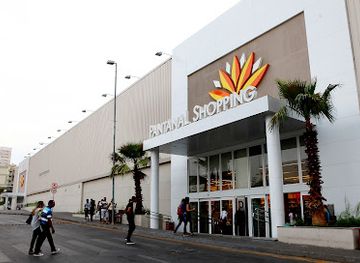
Shopping mall
Pantanal Shopping
Explore Pantanal Shopping in Cuiabá for a unique blend of shopping, dining, and entertainment in a vibrant atmosphere.
-
Department store
Havan Cuiabá
Explore Havan Cuiabá, a vibrant department store offering diverse shopping experiences from fashion to home goods in the heart of Mato Grosso.
-
Clothing store
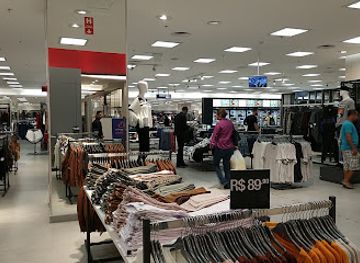
Renner
Explore Renner in Cuiabá for a diverse range of fashion, from beachwear to trendy apparel, ensuring a stylish visit to Brazil.
-
Gift shop
O Boticário
Explore O Boticário: Your destination for luxurious cosmetics and fragrances in the heart of Cuiabá, celebrating Brazilian beauty and craftsmanship.
Get your free copy of our complete guide to Pantanal, delivered straight to you.
Everything on this page, from attractions and restaurants to essentials and local phrases, in one PDF you can read offline, print or share.
Already have an account? Sign in
Your Pantanal guide is ready.
We'll send it to · Not you? Sign out

Getting your guide ready…
We are putting together a fresh copy of the Pantanal guide. This can take up to a minute.
This can take a few moments. If your browser asks, choose Allow so the download can start. You'll find the guide in your Downloads folder.
Nothing happened? Download it again
Sorry, the guide is taking longer than usual. Please try again in a minute, or get it by email instead.
Pantanal essentials
Currency and Payment
Safety
Emergency Situations
Do's and Don'ts
Local Tips
From Eve
Local phrases worth knowing
You don't need to get them perfect. A few words go a long way, and locals appreciate the effort.
Basics
| English | Local | Say it |
|---|---|---|
| Hello | Oi | [oy] |
| Goodbye | Tchau | [chau] |
| Yes | Sim | [seem] |
| No | Não | [now] |
| Please/You're welcome | Por favor | [poor fah-vor] |
| Thank you | Obrigado | [oh-bree-gah-doo] |
| Excuse me/Sorry | Desculpe | [des-kool-peh] |
| How are you? | Como você está? | [koh-moo voh-seh es-tah?] |
| Fine. And you? | Bem. E você? | [beng. ee voh-seh?] |
| Do you speak English? | Você fala inglês? | [voh-seh fah-lah een-glez?] |
| I don't understand | Eu não entendo | [eh-ooh now en-ten-doo] |
Eating & Drinking
| English | Local | Say it |
|---|---|---|
| I'd like to see the menu, please | Gostaria de ver o menu, por favor | [goh-stah-ree-ah jeh veh-ooh meh-noo, poor fah-vor] |
| I don't eat meat | Eu não como carne | [eh-ooh now koh-moo kar-nee] |
| Cheers! | Saúde! | [sah-oo-dee] |
| I would like to pay, please | Gostaria de pagar, por favor | [goh-stah-ree-ah jeh pah-gar, poor fah-vor] |
Emergencies
| English | Local | Say it |
|---|---|---|
| Help! | Ajuda! | [ah-zhoo-dah] |
| Go away! | Vá embora! | [vah em-boh-rah] |
| Call the Police! | Chame a polícia! | [sha-mee ah poh-lee-syah] |
| Call a doctor! | Chame um médico! | [sha-mee oom meh-dee-koh] |
| I'm lost | Estou perdido | [eh-stoh pehr-dee-doo] |
| I'm ill | Estou doente | [eh-stoh do-ehn-chee] |
Shopping
| English | Local | Say it |
|---|---|---|
| I'd like to buy... | Gostaria de comprar... | [goh-stah-ree-ah jeh kom-prahr] |
| I'm just looking | Estou só olhando | [eh-stoh so oh-lhan-doo] |
| How much is it? | Quanto custa? | [kwan-toh koos-tah?] |
| That's too expensive | É muito caro | [eh moon-toh kah-roh] |
| Can you lower the price? | Você pode baixar o preço? | [voh-seh poh-jee bah-ee-shar ooh preh-soh?] |
Time & Numbers
| English | Local | Say it |
|---|---|---|
| What time is it? | Que horas são? | [kee oh-rahz sah-ooh?] |
| It's one o'clock | É uma hora | [eh oo-mah oh-rah] |
| Half past (10) | Dez e meia | [dez ee may-ah] |
| Morning | Manhã | [mahn-yah] |
| Afternoon | Tarde | [tahr-jee] |
| Evening | Noite | [noy-chee] |
| Yesterday | Ontem | [on-tem] |
| Today | Hoje | [oh-zhee] |
| Tomorrow | Amanhã | [ah-mahn-yah] |
| 1 | Um | [oom] |
| 2 | Dois | [doyz] |
| 3 | Três | [trez] |
| 4 | Quatro | [kwah-tro] |
| 5 | Cinco | [seen-ko] |
| 6 | Seis | [says] |
| 7 | Sete | [seh-chee] |
| 8 | Oito | [oy-toh] |
| 9 | Nove | [noh-vee] |
| 10 | Dez | [dez] |
Transport & Directions
| English | Local | Say it |
|---|---|---|
| Where's a/the...? | Onde fica um/a...? | [on-jee fee-kah oom/ah...?] |
| What's the address? | Qual é o endereço? | [kwow eh oo en-deh-reh-soo?] |
| Can you show me (on the map)? | Você pode me mostrar (no mapa)? | [voh-seh poh-jee meh mos-trar (noo mah-pah)?] |
| When's the next (bus)? | Quando é o próximo (ônibus)? | [kwan-doo eh oo proh-see-moo (oh-nee-boos)?] |
| A ticket (to ....) | Um bilhete (para ...) | [oom bee-lye-tchee (pah-rah ...)] |
History of Pantanal
Indigenous stewardship before European expansion
The Pantanal has long been inhabited and used by Indigenous peoples, including communities whose knowledge of rivers, seasonal water levels, fish, plants and wildlife was adapted to the floodplain’s changing conditions. The region was never an empty wilderness: travel routes, fishing grounds, hunting areas and cultural landscapes were shaped through generations of observation and management. Later colonial maps and accounts often reduced this complexity, but Indigenous presence remains an essential part of the Pantanal’s human history and contemporary identity.
Colonial frontier and the Paraguay River
From the colonial period onwards, Portuguese expansion into the interior brought missionaries, explorers, traders and military interests into contact with Indigenous societies and with territories contested by Spain. The Paraguay River became a crucial route through the wetlands, linking the interior with markets and settlements farther south. Movement was difficult because of floods, marshes and shifting channels, yet the river system provided the most practical means of communication and helped draw the Pantanal into the political and commercial orbit of Portuguese America.
Corumbá and the opening of inland trade
Corumbá, on the Paraguay River in Mato Grosso do Sul, grew as a port and frontier settlement during the nineteenth century. Its position connected the interior of Brazil with river traffic towards the Río de la Plata basin, encouraging trade in livestock, hides and other goods. The town’s historic centre and riverfront architecture reflect this commercial era, although changing transport networks later reduced the importance of long-distance river commerce. Corumbá remains one of the Pantanal’s principal urban gateways and a key place for understanding its relationship with regional trade.
The Paraguayan War and frontier militarisation
The Paraguayan War, fought from 1864 to 1870, brought major disruption to the Paraguay River corridor and the settlements of the southern Pantanal. Corumbá was occupied during the conflict before being retaken by Brazilian forces, and the war strengthened the military and strategic importance of Brazil’s western frontier. Fortifications, military routes and later garrisons contributed to the region’s political integration, while the conflict left a lasting mark on local memory and on Brazil’s relationship with Paraguay.
Cattle ranching adapted to the flood cycle
Large-scale cattle ranching expanded across the Pantanal during the nineteenth and twentieth centuries, becoming one of the region’s defining economic activities. Ranchers developed seasonal practices suited to a landscape where pastures may be flooded for months and dry routes can become dusty and isolated. Cattle drives, raised tracks, horses and fazendas remain part of the cultural landscape, although modern pressures have altered land use in some areas. The Pantanal’s ranching tradition is significant because much of the wetland’s open habitat has remained outside intensive cultivation.
Transport, tourism and conservation
Road building and improved air connections gradually made the Pantanal more accessible to visitors, particularly through the Transpantaneira in the north and gateways such as Miranda, Aquidauana and Corumbá in the south. From the late twentieth century, wildlife tourism grew alongside conservation initiatives, private reserves and research programmes. This development has brought income and employment but also exposes the wetland to pressures from fires, deforestation in surrounding uplands, altered water regimes and climate change. Contemporary debates increasingly centre on balancing ranching, tourism, local livelihoods and ecological protection.
Pantanal in Photos
Browse through our photo collection highlighting the charm and character of the destination.
Neighbouring regions of Pantanal
The closest regions to Pantanal, if you have time for more than one.
-

-
-

-

-


Swipe for more regions
Explore more

Explore more of Brazil
Discover Brazil: a land of samba, stunning landscapes, and rich history. From the Amazon to Rio, explore diverse cultures, world-class cuisine, and vibrant festivals.
Explore Brazil