

Free Serra do Roncador Travel Guide & Mobile App
Explore Serra do Roncador with free travel guides. Discover regional history, expert tips, proposed trips, and audio guides on web or mobile app.


Explore Serra do Roncador in Mato Grosso for cerrado trails, sandstone hills, Rio Araguaia scenery, Indigenous history and Barra do Garças hospitality.
Read more about Serra do Roncador
When is the best time to visit Serra do Roncador?
Best: June–August · 27–28°C| Month | High (°C) | Rainfall (mm) |
|---|---|---|
| January | 31 | 150 |
| February | 31 | 130 |
| March | 31 | 120 |
| April | 30 | 100 |
| May | 29 | 80 |
| June (best) | 28 | 60 |
| July (best) | 27 | 40 |
| August (best) | 28 | 40 |
| September | 30 | 60 |
| October | 31 | 90 |
| November | 32 | 110 |
| December | 32 | 140 |
Getting to and around Serra do Roncador
How to get there
Transportation
Destinations in Serra do Roncador
Resorts, valleys and scenic spots worth a trip of their own.
-

-


Swipe for more destinations
Best attractions in Serra do Roncador
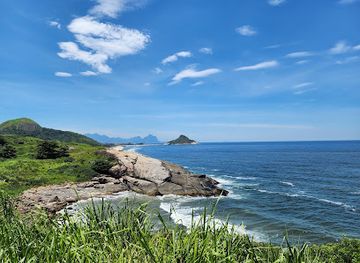
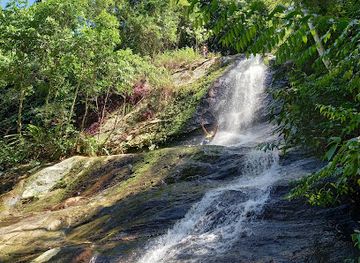
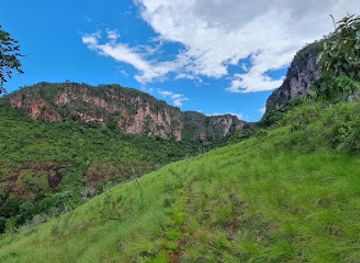
The Serra do Roncador's attractions are primarily outdoor and dispersed across a broad plateau-and-river landscape. Near Barra do Garças, Parque Estadual da Serra Azul offers access to cerrado vegetation, steep terrain, viewpoints and walking routes that reveal the geological character of the range; route conditions and access rules should be checked locally. The Rio Araguaia provides a contrasting setting, with riverbanks, seasonal sand beaches and opportunities for guided boating, fishing and wildlife observation where conditions permit. Around the wider range, visitors may encounter waterfalls, caves, rock shelters, springs and unusual sandstone formations, but many are on private land or reached by unmarked tracks. Local guides are important for permissions, navigation and safe interpretation. Barra do Garças itself adds thermal-water leisure facilities, riverside recreation and basic cultural services, making it a useful base rather than merely a transit point. Birdwatching, photography and short walks suit the open cerrado, while longer excursions require heat management and dependable transport. The area's famous stories of lost cities and unexplained phenomena form part of its popular culture, but the stronger travel experience lies in its documented landscapes, river ecology and Indigenous and frontier histories.
-
Tourist attraction
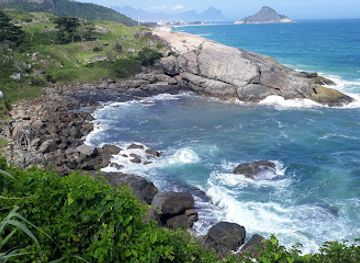
Mirante do Roncador
Experience breathtaking panoramic views of Rio de Janeiro's coastline from Mirante do Roncador, a perfect blend of natural beauty and tranquility.
-
State park
Parque Estadual da Serra Azul
Explore the natural beauty and unique mysteries of Parque Estadual da Serra Azul, a protected paradise in the heart of Brazil's Mato Grosso.
-
Tourist attraction
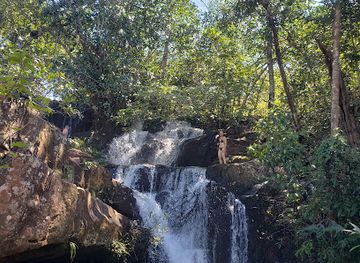
Cachoeira do Roncador
Discover the serene beauty of Cachoeira do Roncador in Saquarema, Brazil, where cascading waterfalls meet lush landscapes for an unforgettable escape.
-
Farm
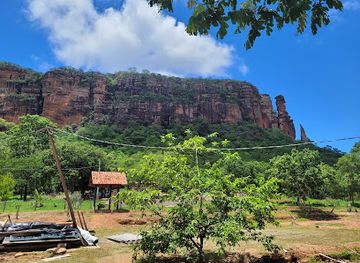
Park Portais Do Roncador
Discover tranquility and natural beauty at Park Portais Do Roncador, your gateway to the mystical Serra do Roncador in Brazil's Vale dos Sonhos.
Best landmarks in Serra do Roncador
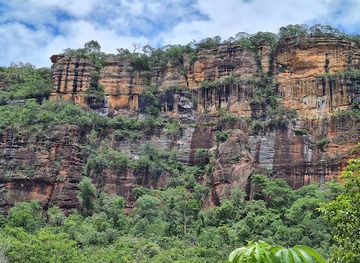
The most recognisable natural landmark is the Serra Azul sector near Barra do Garças, where a raised sandstone landscape and abrupt slopes form a dramatic edge of the wider Roncador terrain. Parque Estadual da Serra Azul gives this geological setting a protected status and provides some of the region's clearest viewpoints, although access to individual routes is subject to local rules and conditions. The Rio Araguaia is another defining landmark, marking the eastern edge of Barra do Garças and separating Mato Grosso from Goiás across the water; its broad channel, seasonal sandbanks and changing levels are central to the area's identity. On the urban side, the Cristo Redentor monument on the Serra Azul slopes is a prominent visual reference above Barra do Garças and reflects the town's religious and civic landscape. Rock shelters, escarpments and isolated formations throughout the range are often locally named, but many are not formal public monuments and may lie on private land. Their significance is geological and cultural, while legends attached to them should be distinguished from verified history.
-
Tourist attraction
Mirante do Roncador
Discover panoramic ocean views and serene beaches at Mirante do Roncador, a must-visit destination in Rio de Janeiro's Recreio dos Bandeirantes.
-
Tourist attraction
Cachoeira do Roncador
Discover the beauty of Cachoeira do Roncador in Saquarema: a perfect blend of nature, adventure, and tranquility.
-
Farm
Park Portais Do Roncador
Escape to Park Portais Do Roncador for a serene nature retreat in the mystical Serra do Roncador region.
-
Tourist attraction
Santuário das Araras
Discover a hidden paradise in Barra do Garças, where vibrant macaws soar through the sky in a breathtaking natural sanctuary.
Explore Serra do Roncador on the map
Plan your trip on one map. See where the top cities, national parks and sights are, and book hotels and experiences in a few clicks.
Best hotels in Serra do Roncador
Best restaurants in Serra do Roncador
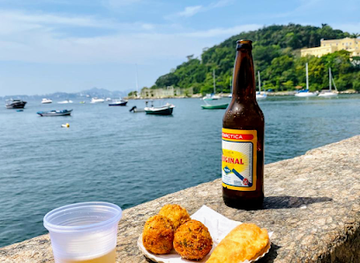
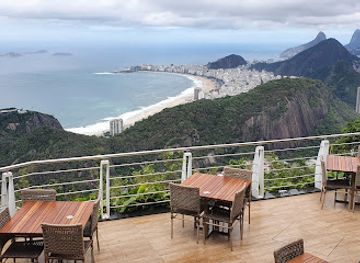
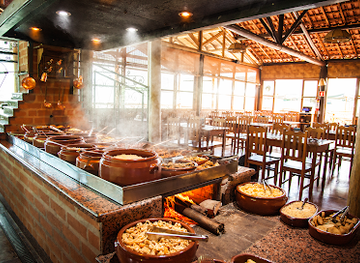
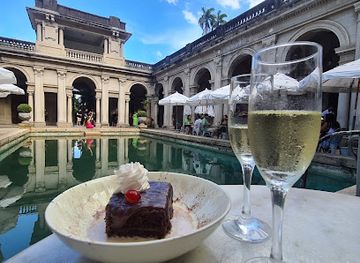
Dining in the Serra do Roncador area is centred on Barra do Garças and reflects the food of Brazil's Central-West rather than a narrowly defined mountain cuisine. Restaurants and simple eateries commonly serve rice, beans, cassava, grilled meats, chicken, salads, filled pastries and fresh juices, while freshwater fish from the Araguaia and other regional rivers may appear on menus. Fish dishes, when available, are best chosen through reputable establishments that follow local and environmental rules. Breakfast cafés and bakeries provide practical food before early excursions, and rural stops may offer straightforward plates rather than extensive menus. Regional fruit, including pequi in season, can appear in savoury dishes or preserves, though availability varies. Visitors staying outside town should arrange meals in advance, since remote attractions rarely have dependable food services. Markets and supermarkets in Barra do Garças are useful for water, fruit, snacks and picnic supplies. Dining is generally informal, with lunch often the main meal; ask about portion sizes and payment methods before ordering in smaller establishments.
-
Bar
Bar e Restaurante Urca
Experience authentic Brazilian flavors at Bar e Restaurante Urca in Rio de Janeiro – where great food meets stunning views.
-
Restaurant
Clássico Beach Club - Urca
Experience breathtaking views and exquisite flavors at Clássico Beach Club in Urca - your ultimate beachside retreat in Rio de Janeiro.
-
Restaurant
Restaurante Pedra do Baú
Experience exquisite dining with breathtaking views at Restaurante Pedra do Baú in São Bento do Sapucaí.
-
Cafeteria
Plage Café
Experience serene dining at Plage Café - your go-to spot for breakfast delights amidst nature's beauty in Rio de Janeiro.
Best bars in Serra do Roncador
Evening life in the Serra do Roncador area is concentrated in Barra do Garças rather than in the rural mountain landscape. The town has ordinary Brazilian bars, casual restaurants, cafés and venues where residents gather for conversation, televised sport and occasional live music. Riverside areas and the neighbouring town of Aragarças in Goiás can have seasonal activity, particularly during periods of higher visitor numbers, but they remain distinct from the Mato Grosso side of the region. Nightclubs and late-night entertainment are limited compared with Brazil's major cities and may vary considerably by season and by day of the week. In smaller settlements, evening culture generally centres on simple eateries and community spaces. Visitors returning from remote excursions should not expect reliable late transport or extensive nightlife, and should arrange their journey back to accommodation in advance. Local drinks and familiar Brazilian beer and soft drinks are widely available, but alcohol is not necessary for enjoying the area's after-dark atmosphere.
-
Live music bar
Jângal
Jângal: A lively live music bar in Belo Horizonte offering delicious food, cocktails, and electrifying performances for an unforgettable night out.
-
 Hotel
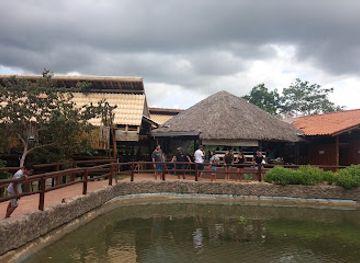
HotelHotel Serra do Roncador
Discover the tranquility and beauty of Mato Grosso at Hotel Serra do Roncador, where comfort meets nature in an unforgettable experience.
-
Restaurant
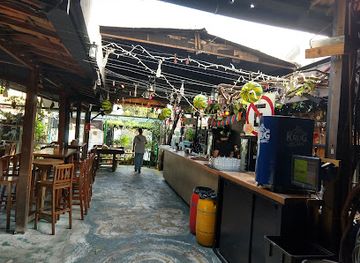
Lago da Serra
Experience the flavors of Mato Grosso at Lago da Serra, a picturesque restaurant blending local cuisine with stunning natural views.
-
Brazilian
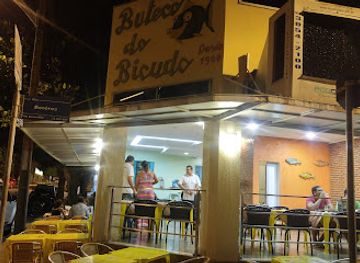
Restaurante Buteco do Bicudo
Discover the authentic taste of Brazil at Restaurante Buteco do Bicudo in Barra do Garças, where flavor meets tradition in a cozy setting.
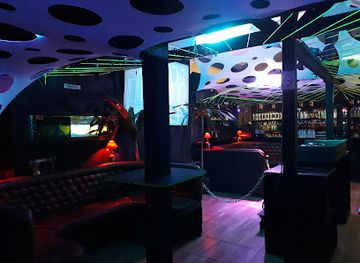
Best nightclubs in Serra do Roncador
Evening life in the Serra do Roncador area is concentrated in Barra do Garças rather than in the rural mountain landscape. The town has ordinary Brazilian bars, casual restaurants, cafés and venues where residents gather for conversation, televised sport and occasional live music. Riverside areas and the neighbouring town of Aragarças in Goiás can have seasonal activity, particularly during periods of higher visitor numbers, but they remain distinct from the Mato Grosso side of the region. Nightclubs and late-night entertainment are limited compared with Brazil's major cities and may vary considerably by season and by day of the week. In smaller settlements, evening culture generally centres on simple eateries and community spaces. Visitors returning from remote excursions should not expect reliable late transport or extensive nightlife, and should arrange their journey back to accommodation in advance. Local drinks and familiar Brazilian beer and soft drinks are widely available, but alcohol is not necessary for enjoying the area's after-dark atmosphere.
-
Club
Laroc Club
Discover the electrifying nightlife at Laroc Club in Valinhos, a premier destination for music lovers and party enthusiasts in Brazil.
-
Cocktail bar
Lookout Sunset Bar
Experience breathtaking sunsets and exquisite cocktails at Lookout Sunset Bar, a premier cocktail bar in Praia da Pipa, Brazil.
-
Disco club
Santa Club Lagoa Nightclub
Experience the electrifying nightlife at Santa Club Lagoa in Florianópolis, where music, dance, and stunning views come together for an unforgettable night.
-
Hotel
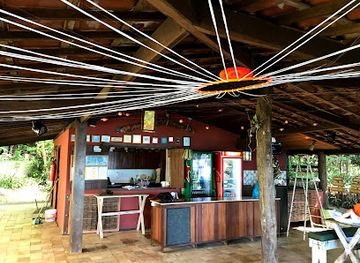
Hotel Serra do Roncador
Discover the perfect blend of comfort and nature at Hotel Serra do Roncador, your gateway to the wonders of Mato Grosso.

Best shops in Serra do Roncador
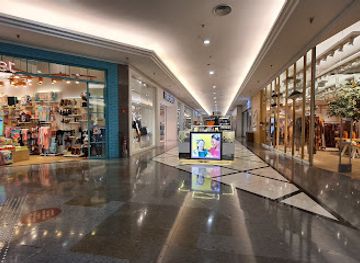
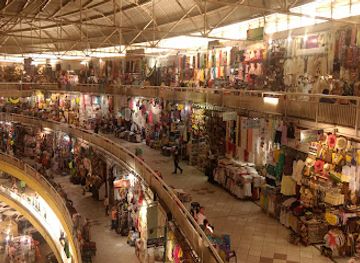
Shopping in the Serra do Roncador area is primarily practical and local, with Barra do Garças providing the broadest choice of supermarkets, pharmacies, clothing shops, bakeries and everyday supplies. Small retail streets and markets are useful for assembling food and water before rural excursions, while riverside and tourist-oriented stalls may sell handicrafts, clothing, decorative objects and souvenirs connected with the Araguaia and cerrado. Availability changes, so visitors should not expect a permanent specialist craft scene comparable with Brazil's major cultural cities. Regional food products, sweets, cassava-based goods, coffee, fruit preserves and bottled drinks can make more useful souvenirs than generic merchandise, provided transport and customs rules are considered. Artisans and small producers may sell work through local fairs or seasonal events, but ask about materials and provenance before buying anything made from plants, feathers, shells or archaeological-looking objects. Aragarças across the river offers additional shops in Goiás, though it is outside Mato Grosso and the Serra do Roncador's principal visitor base.
-
Shopping mall
Shopping Eldorado
Discover the ultimate shopping experience at Shopping Eldorado, where style meets convenience in the heart of São Paulo.
-
Shopping mall
RioMar Recife
Experience the ultimate shopping and dining adventure at RioMar Recife, where culture and modernity blend seamlessly.
-
Shopping mall
Shopping RioSul
Discover Shopping RioSul, a premier shopping destination in Rio de Janeiro with diverse shops, dining, and entertainment for everyone.
-
Market
Mercado Central de Fortaleza
Explore the Mercado Central de Fortaleza, a vibrant market where culture, crafts, and culinary delights come together in the heart of Ceará.


Get your free copy of our complete guide to Serra do Roncador, delivered straight to you.
Everything on this page, from attractions and restaurants to essentials and local phrases, in one PDF you can read offline, print or share.
Already have an account? Sign in
Your Serra do Roncador guide is ready.
We'll send it to · Not you? Sign out

Getting your guide ready…
We are putting together a fresh copy of the Serra do Roncador guide. This can take up to a minute.
This can take a few moments. If your browser asks, choose Allow so the download can start. You'll find the guide in your Downloads folder.
Nothing happened? Download it again
Sorry, the guide is taking longer than usual. Please try again in a minute, or get it by email instead.
Serra do Roncador essentials
Currency and Payment
Safety
Emergency Situations
Do's and Don'ts
Local Tips
From Eve
Local phrases worth knowing
You don't need to get them perfect. A few words go a long way, and locals appreciate the effort.
Basics
| English | Local | Say it |
|---|---|---|
| Hello | Oi | [Oy] |
| Goodbye | Tchau | [Chow] |
| Yes | Sim | [Seem] |
| No | Não | [Now] |
| Please/You're welcome | Por favor/De nada | [Por fah-vor/Deh nah-dah] |
| Thank you | Obrigado | [Oh-bree-gah-do] |
| Excuse me/Sorry | Desculpe | [Deh-scool-pay] |
| How are you? | Como você está? | [Koh-moh voh-seh es-tah?] |
| Fine. And you? | Bem. E você? | [Beng. Ee voh-seh?] |
| Do you speak English? | Você fala inglês? | [Voh-seh fah-lah een-glez?] |
| I don't understand | Eu não entendo | [Eh-ooh now en-ten-doh] |
Eating & Drinking
| English | Local | Say it |
|---|---|---|
| I'd like to see the menu, please | Eu gostaria de ver o menu, por favor | [Eh-ooh goh-stah-ree-ah jee veh o menu, por fah-vor] |
| I don't eat meat | Eu não como carne | [Eh-ooh now koh-moh kar-nee] |
| Cheers! | Saúde! | [Sah-oo-jee] |
| I would like to pay, please | Eu gostaria de pagar, por favor | [Eh-ooh goh-stah-ree-ah jee pah-gar, por fah-vor] |
Emergencies
| English | Local | Say it |
|---|---|---|
| Help! | Socorro! | [Soh-koh-ro] |
| Go away! | Vá embora! | [Vah em-boh-rah] |
| Call the Police! | Chame a polícia! | [Shah-meh ah poh-lee-see-ah] |
| Call a doctor! | Chame um médico! | [Shah-meh oong meh-dee-koh] |
| I'm lost | Estou perdido | [Es-toh pehr-jee-do] |
| I'm ill | Estou doente | [Es-toh do-en-chee] |
Shopping
| English | Local | Say it |
|---|---|---|
| I'd like to buy... | Eu gostaria de comprar... | [Eh-ooh goh-stah-ree-ah jee kohm-prahr...] |
| I'm just looking | Estou apenas olhando | [Es-toh ah-peh-nas oh-lhan-do] |
| How much is it? | Quanto custa? | [Kwan-toh koos-tah?] |
| That's too expensive | Isso é muito caro | [Ee-so eh mwee-toh kah-ro] |
| Can you lower the price? | Você pode baixar o preço? | [Voh-seh poh-jee bye-shar o preh-so?] |
Time & Numbers
| English | Local | Say it |
|---|---|---|
| What time is it? | Que horas são? | [Keh oh-ras sah-o?] |
| It's one o'clock | É uma hora | [Eh oo-mah oh-rah] |
| Half past (10) | Dez e meia | [Dez ee may-ah] |
| Morning | Manhã | [Mahn-yah] |
| Afternoon | Tarde | [Tar-jee] |
| Evening | Noite | [Noy-chee] |
| Yesterday | Ontem | [On-tem] |
| Today | Hoje | [Oh-zhee] |
| Tomorrow | Amanhã | [Ah-mahn-yah] |
| 1 | Um | [Oom] |
| 2 | Dois | [Doyz] |
| 3 | Três | [Treys] |
| 4 | Quatro | [Kwah-tro] |
| 5 | Cinco | [Seen-co] |
| 6 | Seis | [Says] |
| 7 | Sete | [Seh-chee] |
| 8 | Oito | [Oy-toh] |
| 9 | Nove | [Noh-vee] |
| 10 | Dez | [Dez] |
Transport & Directions
| English | Local | Say it |
|---|---|---|
| Where's a/the...? | Onde fica um/uma...? | [On-deh fee-kah oong/oo-mah...?] |
| What's the address? | Qual é o endereço? | [Kwahl eh o en-deh-reh-so?] |
| Can you show me (on the map)? | Você pode me mostrar (no mapa)? | [Voh-seh poh-jee meh mos-trar (noh mah-pah)?] |
| When's the next (bus)? | Quando é o próximo (ônibus)? | [Kwan-doh eh o proh-see-moh (oh-nee-boos)?] |
| A ticket (to ....) | Um bilhete (para ....) | [Oom bee-lyeh-tchee (pah-rah ....)] |
History of Serra do Roncador
Indigenous Histories of Eastern Mato Grosso
Long before the arrival of Portuguese-speaking settlers, eastern Mato Grosso was inhabited and travelled by Indigenous peoples including the Bororo and Xavante, among other communities. Their histories are connected to river systems, cerrado resources, seasonal movement and extensive knowledge of local plants and terrain. The Serra do Roncador should therefore not be treated as an empty wilderness or frontier discovered by outsiders. Contemporary Indigenous territories in the wider region remain living communities with their own authorities, cultural practices and rules governing access.
Colonial Expeditions and Inland Frontiers
Portuguese colonial expansion into the interior of Brazil brought expeditions, missionaries, traders and military interests into the wider Mato Grosso hinterland from the eighteenth century onwards. River corridors and routes from Goiás helped connect settlements with mining zones and later agricultural frontiers. These movements were frequently accompanied by conflict, displacement and the spread of disease among Indigenous populations. The remote nature of the Roncador landscape limited dense settlement, but it became part of the broader history of Brazil's interior expansion.
Nineteenth-Century River and Cattle Economies
During the nineteenth century, rivers such as the Araguaia served as routes for communication, trade and movement through a sparsely settled interior. Cattle raising gradually became an important economic activity across the cerrado, using extensive pasture rather than dense urban settlement. Small river communities and travelling networks connected eastern Mato Grosso with Goiás. The modern regional economy still reflects this combination of ranching, long-distance transport and dependence on a small number of service centres.
Rondon and the Mapping of the Interior
The work of Cândido Mariano da Silva Rondon and the Strategic Telegraph Commission in the late nineteenth and early twentieth centuries helped map, connect and administratively incorporate large portions of western and central Brazil. Telegraph lines, surveying parties and later roads changed how the interior was represented by the national government. Although the Serra do Roncador was not created by this work, the wider process helped transform remote landscapes into mapped territories linked to national communications and state-building.
The Percy Fawcett Legend
The British explorer Percy Fawcett disappeared in 1925 during an expedition in central Brazil, and later retellings associated his search for a supposed lost city with the Serra do Roncador and other parts of Mato Grosso. The exact route and fate of the expedition remain unresolved, while the extravagant stories that grew around it are not established historical evidence for lost civilisations in the range. The legend nonetheless became a lasting part of the region's popular image and tourism mythology.
Roads, Settlement and the Central-West Frontier
Twentieth-century road building, public investment and agricultural expansion encouraged the growth of towns in eastern Mato Grosso. Barra do Garças developed as a regional commercial and transport centre beside the Araguaia, while ranching and later mechanised agriculture altered the surrounding cerrado. Better road access brought schools, health services and markets, but also intensified land pressure, habitat loss and disputes over Indigenous territory. The region's present character is the product of both improved connectivity and continuing environmental challenges.
Conservation and Nature-Based Tourism
Growing recognition of the ecological value of cerrado plateaux, river corridors and sandstone formations led to protected areas such as Parque Estadual da Serra Azul near Barra do Garças. Conservation has helped preserve representative vegetation and scenic terrain close to the principal visitor base, although protection does not remove the pressures created by fire, land conversion, informal access and water use. Tourism in the Roncador area increasingly depends on balancing recreation with local guidance, Indigenous rights and the long-term care of fragile dryland environments.
Serra do Roncador in Photos
Browse through our photo collection highlighting the charm and character of the destination.
Neighbouring regions of Serra do Roncador
The closest regions to Serra do Roncador, if you have time for more than one.
-
-

-

-

-


Swipe for more regions
Explore more

Explore more of Brazil
Discover Brazil: a land of samba, stunning landscapes, and rich history. From the Amazon to Rio, explore diverse cultures, world-class cuisine, and vibrant festivals.
Explore Brazil