

Free Planalto Central Travel Guide & Mobile App
Explore Planalto Central with free travel guides. Discover regional history, expert tips, proposed trips, and audio guides on web or mobile app.


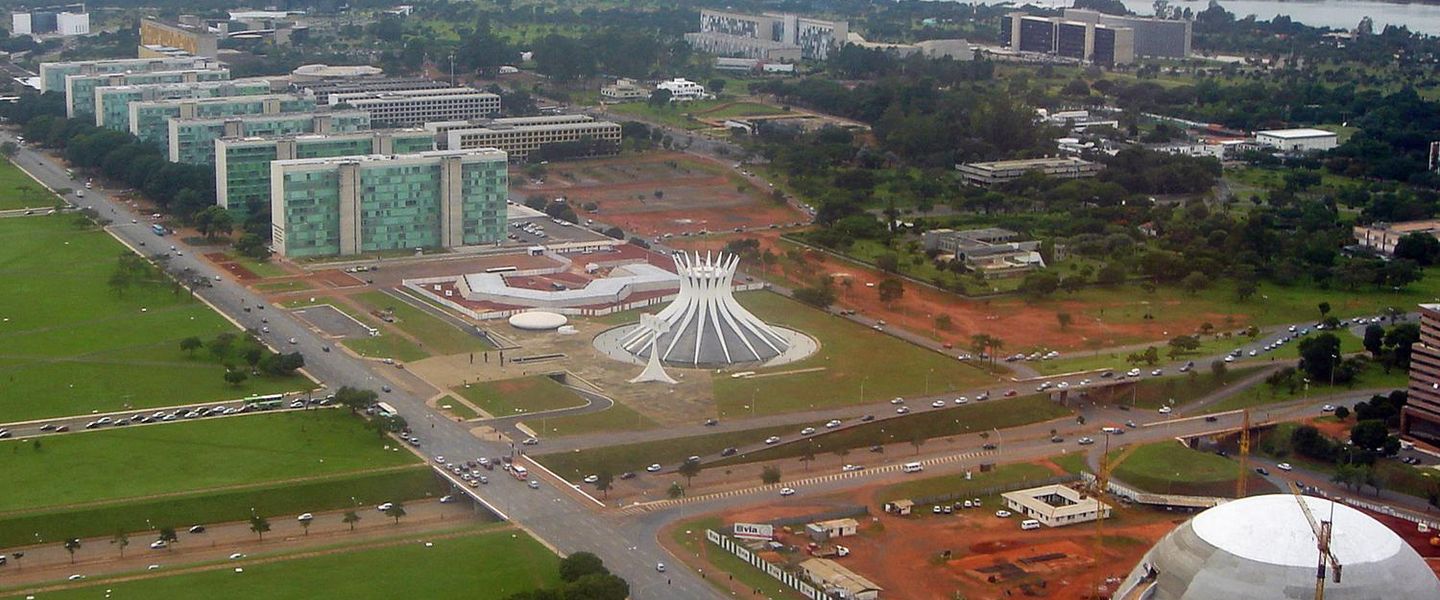


Explore Planalto Central for Brasília’s modernist architecture, Goiás’s historic towns and the cerrado landscapes of Chapada dos Veadeiros.
Read more about Planalto Central
When is the best time to visit Planalto Central?
Best: July–September · 23–26°C| Month | High (°C) | Rainfall (mm) |
|---|---|---|
| January | 27 | 240 |
| February | 28 | 220 |
| March | 28 | 200 |
| April | 27 | 140 |
| May | 25 | 70 |
| June | 23 | 30 |
| July (best) | 23 | 20 |
| August (best) | 24 | 20 |
| September (best) | 26 | 40 |
| October | 28 | 120 |
| November | 28 | 180 |
| December | 27 | 220 |
Getting to and around Planalto Central
How to get there
Transportation
Top city travel guides in Planalto Central
The cities of Planalto Central, and the easiest places to base yourself.

Swipe for more cities
Best attractions in Planalto Central
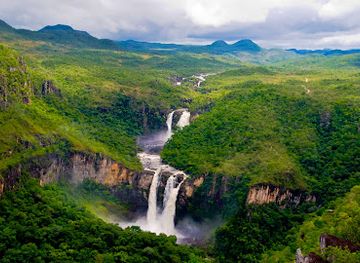
The Planalto Central offers a marked contrast between Brasília’s planned urban landscape and the open, biologically rich scenery of the cerrado. In Brasília, visitors can explore the monumental civic core, museums, cultural centres, parks and the shores of Lago Paranoá, while the city’s superblocks and satellite districts provide a broader view of its urban experiment. Pirenópolis adds colonial churches, a preserved historic centre, craft traditions and access to the Serra dos Pireneus. North of Brasília, the Chapada dos Veadeiros is the region’s principal nature destination, with high plateaux, quartzite formations, canyons, springs and waterfalls reached from communities including Alto Paraíso de Goiás, São Jorge and Cavalcante. Hiking, birdwatching and bathing in designated natural pools are popular, but routes vary in difficulty and some require guides. Smaller rural properties, viewpoints and river landscapes add variety, although visitor infrastructure becomes more limited away from established towns. The attraction landscape is therefore defined less by a dense chain of conventional sights than by the relationship between modernist architecture, historic Goiás settlements and protected cerrado environments.
-
Ecological park
Don Bosco Chapel
Find serenity at Don Bosco Chapel in Brasília: a pyramid-shaped marvel by Paranoá Lake, perfect for peaceful reflection and nature walks.
-
National park
Parque Nacional da Chapada dos Veadeiros
Discover the ancient landscapes, stunning waterfalls, and rich biodiversity of Brazil's Chapada dos Veadeiros National Park, a UNESCO World Heritage site.
-
Natural history museum
Zoobotanical Park - Emílio Goeldi Museum
Explore Amazonian biodiversity and culture at Belém's historic Zoobotanical Park Emílio Goeldi Museum, a unique urban rainforest experience.
-
Park
Parque da Cidade Sarah Kubitschek
Discover Brasília's expansive green space: Parque da Cidade Sarah Kubitschek, offering recreation, culture, and a refreshing escape for all visitors.
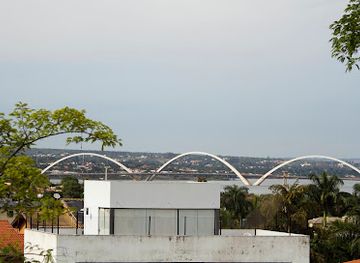
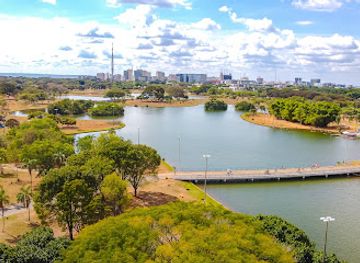
Best landmarks in Planalto Central
Brasília’s monumental core is the most recognisable landmark landscape of the Planalto Central. The National Congress, the Supreme Federal Court and the Palácio do Planalto frame Praça dos Três Poderes, while the Metropolitan Cathedral and the Alvorada Palace demonstrate Oscar Niemeyer’s expressive use of concrete, curves and light. The broad geometry of Lucio Costa’s Pilot Plan gives these buildings their wider architectural meaning and explains Brasília’s UNESCO World Heritage status. Beyond the capital, the historic centre of Pirenópolis is marked by colonial churches, traditional houses and cobbled streets associated with the gold-era settlement and later regional development. The Serra dos Pireneus provides a natural counterpoint, rising above the surrounding cerrado with rocky ridges and wide views. Farther north, the plateaux, canyons and waterfalls of Chapada dos Veadeiros form a landmark landscape rather than a single monument; their significance lies in the geological history and ecological importance of the high cerrado. Together, these places show the region’s defining contrast between planned modernity, colonial Goiás and ancient natural terrain.
-
Tourist attraction
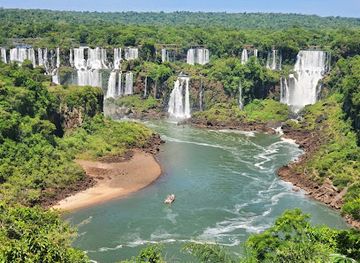
Iguazu Falls
Experience the awe-inspiring power and beauty of Iguazu Falls, a UNESCO World Heritage site in Misiones Province, Argentina.
-
Cultural landmark
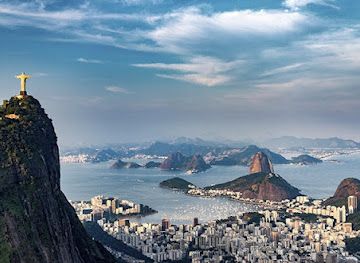
Christ the Redeemer
Visit Christ the Redeemer, an iconic symbol of Rio de Janeiro, offering stunning views and a glimpse into Brazilian history and culture.
-
Tourist attraction
Escadaria Selarón
Discover Rio's iconic Escadaria Selarón: A vibrant mosaic staircase and a lasting tribute to the Brazilian people by Jorge Selarón.
-
Recreation center
Pontão do Lago Sul
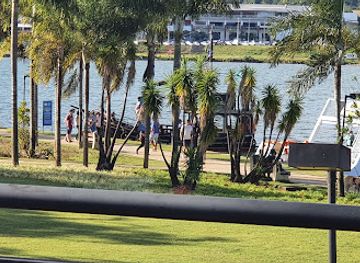
Experience Brasília's vibrant lakeside scene at Pontão do Lago Sul: dining, recreation, and stunning views await!
Explore Planalto Central on the map
Plan your trip on one map. See where the top cities, national parks and sights are, and book hotels and experiences in a few clicks.
Best hotels in Planalto Central
Best restaurants in Planalto Central
Food in the Planalto Central combines the metropolitan range of Brasília with the regional traditions of Goiás and the produce of the cerrado. Brasília has restaurants representing cuisines from across Brazil, alongside contemporary dining and cafés serving office workers, students and diplomatic communities. In Goiás towns, look for empadão goiano, a substantial savoury pie, along with pamonha, fresh cheeses, cassava-based dishes, corn preparations and food flavoured with pequi or guariroba. Pequi has a distinctive taste and a stone that should not be bitten. Pirenópolis and Alto Paraíso de Goiás have a selection of informal restaurants, bakeries and small eateries, while rural areas may offer simpler menus based on seasonal produce. Farmers’ markets and local food stalls are useful places to encounter fruit, preserves, sweets and regional ingredients. The region’s dining identity is strongest when Goiás recipes and cerrado products are treated as living traditions rather than merely decorative additions to a modern menu.
-
Barbecue
Fogo de Chão Brasília
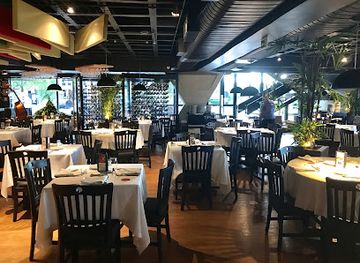
Experience authentic Brazilian barbecue at Fogo de Chão Brasília - where flavors meet tradition in a vibrant dining atmosphere.
-
Restaurant
Sallva Bar e Ristorante - Pontão Lago Sul - Brasília DF
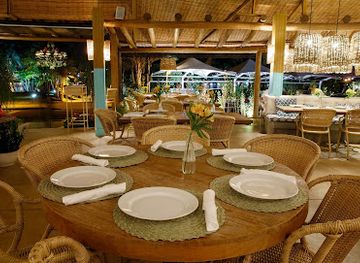
Experience exquisite Mediterranean cuisine at Sallva Bar e Ristorante in Brasília's scenic Lago Sul—where flavor meets vibrant nightlife.
-
Seafood
O Rei do Camarão Beira Lago
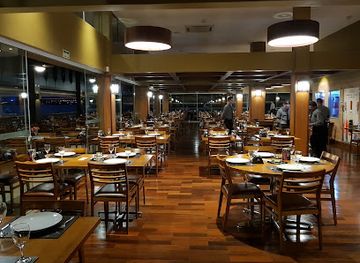
Discover fresh seafood delights at O Rei do Camarão Beira Lago, where exquisite flavors meet stunning lakeside views in Brasília.
-
Argentinian
Caminito Parrilla Asa Norte
Experience authentic Argentinian flavors at Caminito Parrilla Asa Norte, Brasília's premier barbecue restaurant offering delicious meats and vibrant atmosphere.
Best bars in Planalto Central
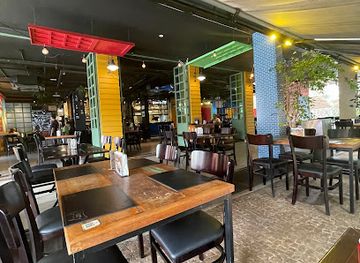
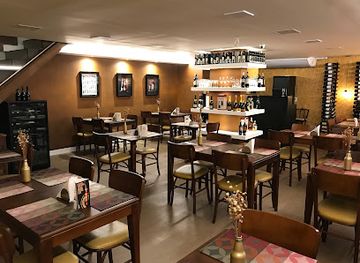
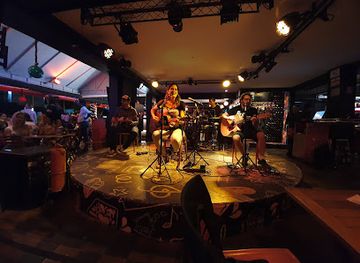
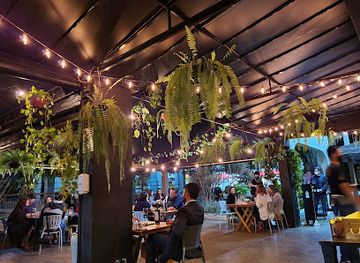
Nightlife is concentrated in Brasília and differs markedly from the quieter evening culture of Goiás’s smaller towns. In Brasília, the Asa Sul and Asa Norte areas contain many established restaurants, bars and live-music venues, while other districts around Lago Paranoá and the city’s cultural areas offer evening dining and drinks. The capital’s nightlife reflects its large student, professional and diplomatic population, but venues and schedules change regularly. Pirenópolis has a more relaxed scene centred on historic streets, restaurants, cafés, pousadas and occasional live music rather than a large club circuit. Alto Paraíso de Goiás and São Jorge likewise favour small bars, music, conversation and early starts for outdoor activities. In rural parts of the Planalto Central, evening entertainment generally means a local restaurant, inn or community event, so visitors should not expect continuous late-night services between towns.
-
Restaurant
Ticiana Werner Restaurante & Wine Bar
Experience the essence of Italian cuisine at Ticiana Werner Restaurante & Wine Bar, where culinary artistry meets a delightful buffet experience.
-
Live music bar
Primeiro Cozinha de Bar
Discover Primeiro Cozinha de Bar in Brasília, where exquisite cuisine meets live music in a vibrant atmosphere for an unforgettable dining experience.
-
Bar
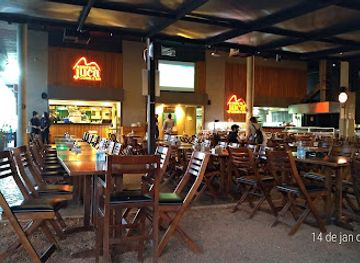
Boteco do Juca
Discover the vibrant flavors of Brazil at Boteco do Juca, a lively bar and restaurant in Brasília offering authentic dishes and a festive atmosphere.
-
Grill
Brazolia Cozinha E Bar
Experience authentic Brazilian cuisine at Brazolia Cozinha E Bar, a vibrant grill in Brasília with a diverse menu and lively atmosphere.
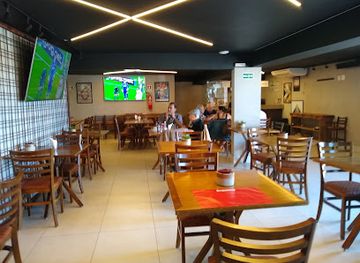
Best nightclubs in Planalto Central
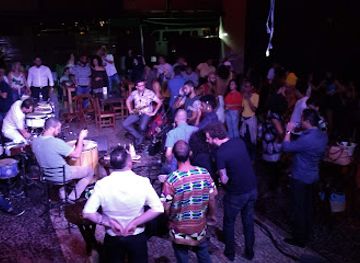
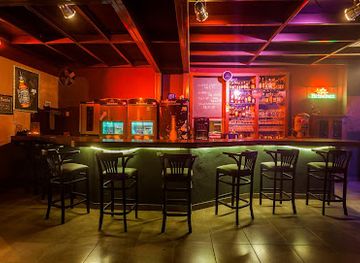
Nightlife is concentrated in Brasília and differs markedly from the quieter evening culture of Goiás’s smaller towns. In Brasília, the Asa Sul and Asa Norte areas contain many established restaurants, bars and live-music venues, while other districts around Lago Paranoá and the city’s cultural areas offer evening dining and drinks. The capital’s nightlife reflects its large student, professional and diplomatic population, but venues and schedules change regularly. Pirenópolis has a more relaxed scene centred on historic streets, restaurants, cafés, pousadas and occasional live music rather than a large club circuit. Alto Paraíso de Goiás and São Jorge likewise favour small bars, music, conversation and early starts for outdoor activities. In rural parts of the Planalto Central, evening entertainment generally means a local restaurant, inn or community event, so visitors should not expect continuous late-night services between towns.
-
Bar
Calaf
Discover the vibrant nightlife of Brasília at Calaf, a bar and live music venue where great drinks meet unforgettable performances.
-
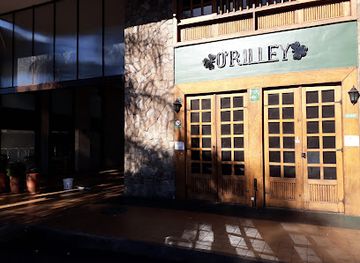
Irish pub
O'Rilley
Discover the vibrant atmosphere and authentic cuisine of O'Rilley, an Irish pub in Brasília, perfect for food lovers and socializers alike.
-
Irish pub
UK Music Hall
Discover the lively UK Music Hall, where Irish pub charm meets electrifying disco vibes in the heart of Brasilia's nightlife.
-
Restaurant
IVV Swinebar
Discover the best tapas and exquisite wines at IVV Swinebar, a must-visit culinary destination in Brasília's Asa Norte.
Best shops in Planalto Central
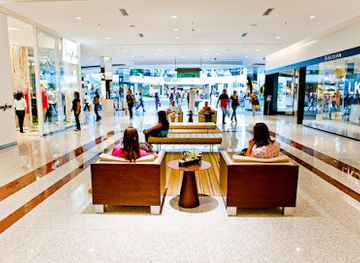
Shopping in the Planalto Central ranges from Brasília’s modern commercial districts and shopping centres to the craft and food markets of Goiás. Brasília’s Feira da Torre de TV is a longstanding place to browse handicrafts, clothing, souvenirs and regional foods, while the city’s neighbourhood commerce offers books, design goods, fashion and everyday services. The capital’s shopping is generally urban and national in character, reflecting its diverse population rather than a single local craft tradition. Pirenópolis is known for small galleries, studios and shops selling jewellery, decorative pieces, textiles and handmade goods, though stock and opening arrangements vary. In Alto Paraíso de Goiás and nearby communities, visitors may find art, natural-product cosmetics, crystals and crafts inspired by the cerrado, but provenance and environmental responsibility are worth considering. Food markets provide practical souvenirs such as sweets, preserves, coffee, cachaça and regional ingredients including pequi products. Bargaining is not expected in most formal shops, while modest negotiation may be customary in some informal markets.
-
Shopping mall
ParkShopping
Discover the ultimate shopping experience at ParkShopping in Brasília, where fashion, dining, and entertainment blend seamlessly.
-
Shopping mall
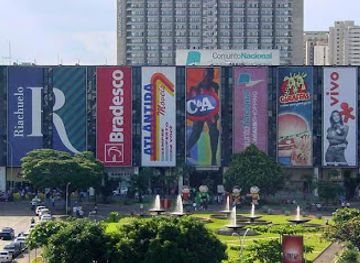
Shopping Conjunto Nacional
Discover the vibrant shopping experience at Shopping Conjunto Nacional in Brasília, where fashion meets flavor in a lively atmosphere.
-
 Shopping mall
Pátio Brasil Shopping
Discover a vibrant shopping experience at Pátio Brasil Shopping, where local culture meets modern retail and delightful dining in Brasília.
-
Tourist attraction
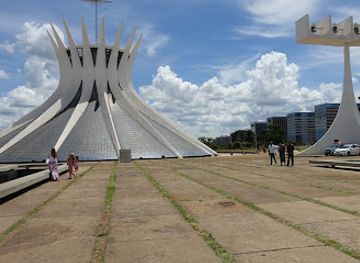
Catedral Metropolitana Nossa Senhora Aparecida
Explore the architectural wonder of Catedral Metropolitana Nossa Senhora Aparecida, a stunning blend of modern design and spiritual depth in Brasília.
Get your free copy of our complete guide to Planalto Central, delivered straight to you.
Everything on this page, from attractions and restaurants to essentials and local phrases, in one PDF you can read offline, print or share.
Already have an account? Sign in
Your Planalto Central guide is ready.
We'll send it to · Not you? Sign out

Getting your guide ready…
We are putting together a fresh copy of the Planalto Central guide. This can take up to a minute.
This can take a few moments. If your browser asks, choose Allow so the download can start. You'll find the guide in your Downloads folder.
Nothing happened? Download it again
Sorry, the guide is taking longer than usual. Please try again in a minute, or get it by email instead.
Planalto Central essentials
Currency and Payment
Safety
Emergency Situations
Do's and Don'ts
Local Tips
From Eve
Local phrases worth knowing
You don't need to get them perfect. A few words go a long way, and locals appreciate the effort.
Basics
| English | Local | Say it |
|---|---|---|
| Hello | Olá | [oh-LAH] |
| Goodbye | Adeus | [ah-DEH-us] |
| Yes | Sim | [seem] |
| No | Não | [now] |
| Please/You're welcome | Por favor/De nada | [por fah-VOR/deh NAH-dah] |
| Thank you | Obrigado/Obrigada | [oh-bree-GAH-do/oh-bree-GAH-dah] |
| Excuse me/Sorry | Desculpe | [dehs-KOOL-peh] |
| How are you? | Como você está? | [KOH-moh voh-SEH eh-STAH] |
| Fine. And you? | Estou bem. E você? | [eh-STOH behm. eh voh-SEH] |
| Do you speak English? | Você fala inglês? | [voh-SEH FAH-lah een-GLEZ] |
| I don't understand | Não entendo | [now en-TEN-do] |
Eating & Drinking
| English | Local | Say it |
|---|---|---|
| I'd like to see the menu, please | Gostaria de ver o cardápio, por favor | [goh-stah-REE-ah djee vehr oo car-DAHP-yoo, por fah-VOR] |
| I don't eat meat | Não como carne | [now KOH-moh KAR-nee] |
| Cheers! | Saúde! | [sah-OO-jee] |
| I would like to pay, please | Gostaria de pagar, por favor | [goh-stah-REE-ah djee pah-GAR, por fah-VOR] |
Emergencies
| English | Local | Say it |
|---|---|---|
| Help! | Socorro! | [soh-KOH-roh] |
| Go away! | Vá embora! | [vah em-BOH-rah] |
| Call the Police! | Chame a polícia! | [SHAH-mee ah poh-LEE-syah] |
| Call a doctor! | Chame um médico! | [SHAH-mee oom MEH-dee-koh] |
| I'm lost | Estou perdido | [eh-STOH pehr-DEE-doh] |
| I'm ill | Estou doente | [eh-STOH doo-EHN-chee] |
Shopping
| English | Local | Say it |
|---|---|---|
| I'd like to buy... | Gostaria de comprar... | [goh-stah-REE-ah djee kohm-PRAR] |
| I'm just looking | Estou apenas olhando | [eh-STOH ah-PEN-as oh-LYAHN-do] |
| How much is it? | Quanto custa? | [KWAN-toh KOOS-tah] |
| That's too expensive | Isso é muito caro | [EE-soh eh MOY-toh KAH-roh] |
| Can you lower the price? | Você pode baixar o preço? | [voh-SEH POH-jee bye-SHAR oo PREH-soh] |
Time & Numbers
| English | Local | Say it |
|---|---|---|
| What time is it? | Que horas são? | [kee OH-ras sah-o] |
| It's one o'clock | É uma hora | [eh OO-mah OH-rah] |
| Half past (10) | Dez e meia | [dehz ee MAY-ah] |
| Morning | Manhã | [mahn-YAH] |
| Afternoon | Tarde | [TAHR-jee] |
| Evening | Noite | [NOY-chee] |
| Yesterday | Ontem | [OHN-tem] |
| Today | Hoje | [OH-zhee] |
| Tomorrow | Amanhã | [ah-mahn-YAH] |
| 1 | Um | [oom] |
| 2 | Dois | [doyz] |
| 3 | Três | [trehz] |
| 4 | Quatro | [KWAH-troh] |
| 5 | Cinco | [SEEN-koh] |
| 6 | Seis | [sayz] |
| 7 | Sete | [SEH-chee] |
| 8 | Oito | [OY-toh] |
| 9 | Nove | [NOH-vee] |
| 10 | Dez | [dehz] |
Transport & Directions
| English | Local | Say it |
|---|---|---|
| Where's a/the...? | Onde fica um/a...? | [OHN-jee FEE-kah oom/ah] |
| What's the address? | Qual é o endereço? | [kwahl eh oo en-deh-REH-soh] |
| Can you show me (on the map)? | Você pode me mostrar (no mapa)? | [voh-SEH POH-jee mee mohs-TRAR (no MAH-pah)] |
| When's the next (bus)? | Quando é o próximo (ônibus)? | [KWAN-doh eh oo PROH-see-moh (OH-nee-boos)] |
| A ticket (to ....) | Um bilhete (para....) | [oom bee-LYEH-chee (PAH-rah....)] |
History of Planalto Central
Indigenous Landscapes Before Colonisation
Long before Portuguese settlement, the central Brazilian plateau was occupied and travelled by Indigenous peoples whose knowledge of seasonal water, edible plants, fire and wildlife shaped life in the cerrado. Different communities maintained hunting, gathering, cultivation and exchange practices adapted to the region’s marked wet and dry seasons. Archaeological evidence across central Brazil records ancient occupation, although the histories of living Indigenous peoples should not be reduced to pre-colonial remains. Today, Indigenous presence and knowledge remain part of the wider cultural context of the Cerrado, even as land conversion and urban expansion have transformed many traditional landscapes.
Gold and the Formation of Goiás
From the early eighteenth century, Portuguese expeditions moved into the interior in search of gold, opening routes through what became the captaincy and later province of Goiás. Mining settlements grew around streams and river valleys, while colonial administration, Catholic institutions and enslaved labour accompanied the extraction economy. Gold production declined over time, but the period established many of Goiás’s early administrative and religious centres and encouraged the development of cattle raising and regional trade. The surviving colonial architecture of Goiás’s historic towns reflects this period, although much of the Central Plateau remained sparsely settled compared with Brazil’s coastal zones.
Cattle, Agriculture and Inland Connections
After the decline of easily accessible gold, cattle raising became an important basis of the interior economy. Herds required extensive land and helped connect Goiás with markets in other parts of Brazil, while small-scale farming supplied local communities. Roads, mule routes and later improved highways gradually tied the plateau more closely to coastal and southeastern centres. This rural economy persisted alongside new agricultural frontiers, and its legacy remains visible in food traditions, livestock landscapes and the continuing importance of long-distance road travel across central Brazil.
The Idea of a New Capital
The transfer of Brazil’s capital from Rio de Janeiro to the interior had been proposed in the nineteenth century, partly for strategic, geographic and nation-building reasons. The 1892 Cruls Commission surveyed the Central Plateau, helping define the area later associated with the future capital. The constitutional idea remained dormant for decades before President Juscelino Kubitschek made Brasília a central element of his programme of rapid national development. The choice of an inland site gave the project symbolic importance: it represented an effort to connect Brazil’s coast and interior through a new political and economic centre.
Brasília’s Construction and Inauguration
Brasília was built with remarkable speed between 1956 and 1960 under the urban plan of Lucio Costa and the architecture of Oscar Niemeyer. Workers arrived from many parts of Brazil, and the construction process created satellite settlements beyond the monumental core, revealing the social contrasts behind the capital’s planned image. Brasília was inaugurated on 21 April 1960 and became the seat of the federal government. Its monumental civic buildings, superblocks, broad traffic routes and carefully designed public spaces later gained international recognition, while the city’s growth continued far beyond the original Pilot Plan.
Modernist Heritage and National Recognition
Brasília’s urban plan and principal modernist buildings became an internationally important expression of twentieth-century architecture and urban design. The Pilot Plan was inscribed on the UNESCO World Heritage List in 1987, recognising its cultural significance rather than presenting the entire Federal District as a single historic monument. The designation helped strengthen attention to the preservation of Brasília’s planned core, even as the wider metropolitan area expanded. Visitors can read the capital as both a carefully composed modernist project and a living city whose social and architectural history extends well beyond its monumental axis.
Cerrado Conservation and Contemporary Change
The Central Plateau has undergone major transformation through urban growth, mechanised agriculture, road construction and the expansion of Brasília and other regional centres. At the same time, scientific research and conservation initiatives have highlighted the cerrado’s exceptional biodiversity and its role in supplying water to major river systems. Chapada dos Veadeiros National Park, created in 1961 and later expanded, is one of the region’s most important protected landscapes. Contemporary debates about fire, water, farming and habitat loss continue to shape the future of the plateau, where tourism increasingly depends on protecting the ecosystems that attract visitors.
Planalto Central in Photos
Browse through our photo collection highlighting the charm and character of the destination.
Neighbouring regions of Planalto Central
The closest regions to Planalto Central, if you have time for more than one.
-

-

-

-
-


Swipe for more regions
Explore more

Explore more of Brazil
Discover Brazil: a land of samba, stunning landscapes, and rich history. From the Amazon to Rio, explore diverse cultures, world-class cuisine, and vibrant festivals.
Explore Brazil