

Ilha Grande Travel Guide - Free Web & App
Your ultimate guide to Ilha Grande. Discover top landmarks, proposed trips, and local tips. Free on the web or via the Evendo companion app.


Ilha Grande, Brazil: tropical trails, Lopes Mendes beach, Atlantic Forest, island history, boat trips and quiet coastal villages near Angra dos Reis.
Island Landscapes
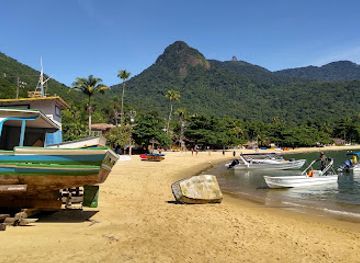
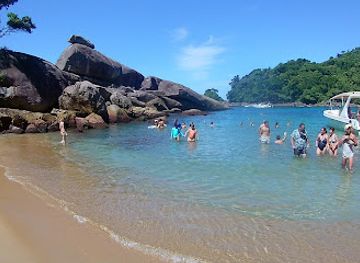
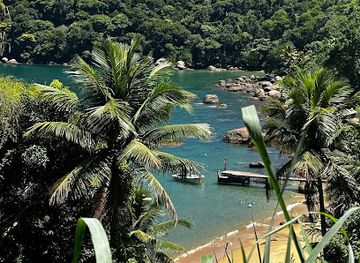
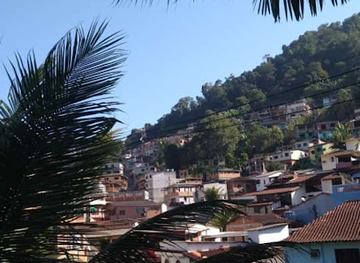
Ilha Grande lies off Brazil’s Costa Verde, in the state of Rio de Janeiro, and forms part of the municipality of Angra dos Reis. Much of the island is covered by Atlantic Forest, rising from a deeply indented coast towards the wooded peaks of the Serra do Papagaio. Its scenery combines rainforest trails, granite slopes, rocky coves and long beaches reached on foot or by boat. The island’s most familiar settlement is Vila do Abraão, a compact harbour village and the principal base for accommodation, restaurants, boat excursions and walking routes.Read more about Ilha Grande
Beaches and Forest Trails
History and Island Character
When is the best time to visit Ilha Grande?
Best: June–August · 29°C| Month | High (°C) | Rainfall (mm) |
|---|---|---|
| January | 31 | 174 |
| February | 31 | 187 |
| March | 31 | 181 |
| April | 31 | 161 |
| May | 30 | 127 |
| June (best) | 29 | 95 |
| July (best) | 29 | 87 |
| August (best) | 29 | 89 |
| September | 30 | 108 |
| October | 30 | 144 |
| November | 31 | 161 |
| December | 31 | 170 |
Getting to and around Ilha Grande
How to get there
Transportation
Best attractions in Ilha Grande
Ilha Grande’s attractions are spread between its harbour settlements, forest trails and boat-accessed coastline. Vila do Abraão is the practical starting point for walks towards Praia Preta, the Lazareto ruins and the aqueduct, while longer routes lead through Atlantic Forest towards Feiticeira and other southern beaches. Lopes Mendes is the island’s signature shore, known for its wide sandy beach and Atlantic-facing setting; it is commonly reached by hiking from Abraão or by boat to Pouso followed by a walk. Dois Rios combines a broad beach, a small community and the remains of the former Cândido Mendes prison, giving the visit a strong historical dimension. Caxadaço offers a more enclosed coastal setting, while Aventureiro and the southern beaches provide a more remote experience subject to local access controls. Boat excursions reveal coves, rocky headlands and smaller islands around the coast, with routes changing according to sea and weather conditions.
-
Tourist attraction
Aqueduto
Discover the historic Aqueduto in Abraão, Ilha Grande: a 19th-century aqueduct offering serene trails and panoramic views of Brazil's colonial past.
-
Tourist attraction
Achaia Cave
Explore the stunning rock formations and glowing waters of Achaia Cave, a hidden gem on Ilha Grande's beautiful coastline.
-
Tourist attraction
Monumento Aquidabã
A historical landmark in Angra dos Reis honoring the victims of the Aquidabã battleship tragedy, offering serene views and a glimpse into Brazil's naval past.
-
Tourist attraction
Praia Aripeba
Discover Praia Aripeba in Angra dos Reis: a serene escape with clear waters, golden sands, and lush scenery, perfect for tranquility and natural beauty.


Best landmarks in Ilha Grande
Ilha Grande’s defining landmarks are largely natural. The wooded ridges of the Serra do Papagaio form the island’s mountainous interior, while Lopes Mendes is its best-known coastal landmark, a long Atlantic beach framed by forest and open sea. Around Vila do Abraão, the Lazareto ruins and the old aqueduct recall the island’s nineteenth-century quarantine history, while Dois Rios is associated with the former Cândido Mendes prison and the island’s twentieth-century institutional past. Feiticeira’s waterfall is a notable forest feature on the route south from Abraão, and the rocky coves of Caxadaço illustrate the irregular coastline that made sea travel so important. Aventureiro and its surrounding headlands belong to the more remote southern landscape, where local controls and conservation concerns are particularly relevant to access.
-
State park
Ilha Grande State Park
Discover Ilha Grande State Park: Hike through lush rainforests, explore pristine beaches, and immerse yourself in the island's rich history.
-
Tourist attraction
Praia Do Caxadaço
Experience the pristine beauty and tranquility of Praia Do Caxadaço, a hidden gem in Ilha Grande State Park, perfect for relaxation and exploration.
-
Tourist attraction
Achaia Cave
Discover the magical Achaia Cave on Ilha Grande: a hidden grotto illuminated by turquoise, shimmering light.
-
Tourist attraction
Praia do Amor
Discover Praia do Amor on Ilha Grande: a romantic beach with turquoise waters, perfect for couples and nature lovers seeking tranquility.
Explore Ilha Grande on the map
Plan your trip on one map. See where the top attractions, landmarks, restaurants and hotels are, and book hotels and experiences in a few clicks.
Best hotels in Ilha Grande
Best restaurants in Ilha Grande
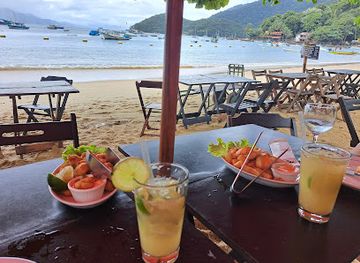
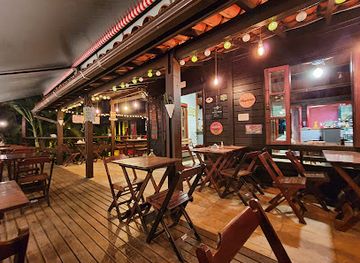
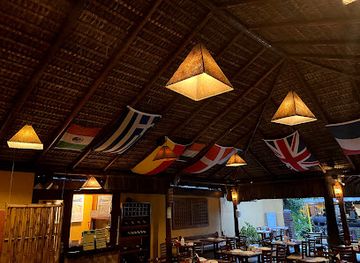
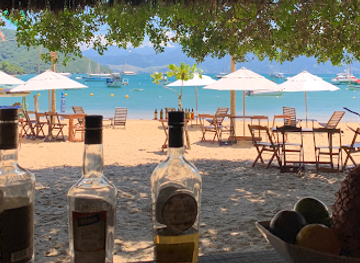
Dining on Ilha Grande is concentrated in Vila do Abraão, where restaurants, cafés, bakeries and informal eateries serve the island’s main visitor population. Menus commonly draw on Brazilian coastal cooking, including fresh fish, prawns and other seafood, alongside rice, beans, salads, grilled meats and regional snacks. Tropical fruit, juices and simple beach refreshments are also part of the island’s relaxed food culture. Smaller communities such as Araçatiba and Proveta have more limited, locally oriented options, while remote beaches generally should not be approached with the expectation of a full restaurant service. The surrounding mainland, particularly Angra dos Reis, offers a broader choice of restaurants before or after the boat crossing. Meal times and payment possibilities can vary between establishments, so travellers heading away from Abraão should plan provisions and confirm arrangements locally.
-
Seafood
Bar e Restaurante Lua e Mar
Discover the exquisite flavors of Brazil at Bar e Restaurante Lua e Mar, where fresh seafood meets stunning ocean views in Ilha Grande.
-
Restaurant
Las Sorrentinas
Experience authentic Italian cuisine at Las Sorrentinas in Vila do Abraão - where every meal is a delightful journey through Italy's rich flavors.
-
Seafood
Lonier Garoupas
Discover exquisite seafood delights at Lonier Garoupas in Vila do Abraão – A must-visit culinary gem in Angra dos Reis.
-
Restaurant
Steak 'n Beach
Experience mouthwatering steaks and breathtaking ocean views at Steak 'n Beach in Ilha Grande's stunning Praia do Abraão.
Best bars in Ilha Grande
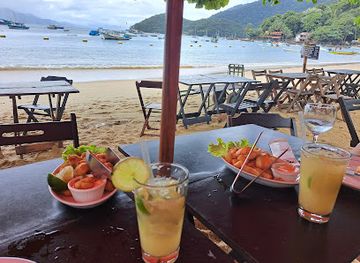
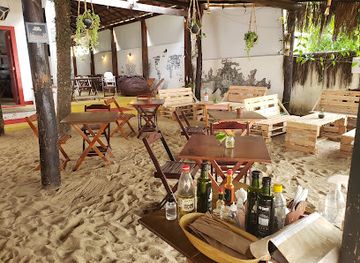
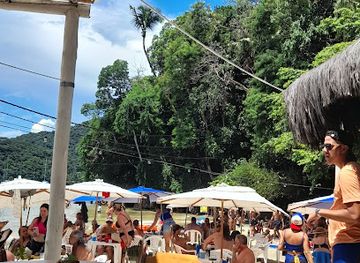
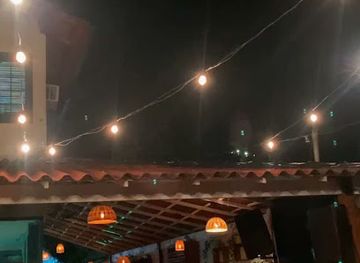
Ilha Grande is not a nightclub destination, but Vila do Abraão has a sociable evening atmosphere centred on small bars, restaurant terraces and informal waterfront venues. After dark, visitors generally gather for drinks, conversation and music rather than large-scale entertainment, with the character of the village changing according to the season and individual venue schedules. Other settlements have a quieter selection of local bars and places attached to accommodation, while remote beaches offer little organised nightlife. Cultural or musical events may occur at particular times, but they should not be assumed to operate year-round. Beyond the inhabited areas, the island’s darkness and forested landscape make low-key evenings, including listening to the sea and the sounds of the forest, more characteristic than late-night commercial entertainment.
-
Seafood
Bar e Restaurante Lua e Mar
Experience the best of Brazilian seafood with stunning ocean views at Bar e Restaurante Lua e Mar, a culinary gem in Ilha Grande.
-
Bar
Steak 'n Beach
Discover the flavors of Ilha Grande at Steak 'n Beach, where delicious food meets stunning views in a tropical paradise.
-
Gastropub
Júlia Surtô
Discover the taste of Brazil at Júlia Surtô, a top gastropub on Praia da Júlia, offering exquisite cuisine and spectacular ocean views.
-
Bar
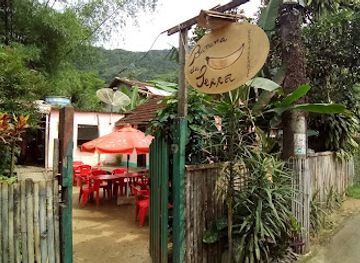
Bar e Restaurante Banana da Terra
Experience the flavors of Brazil at Bar e Restaurante Banana da Terra, a charming spot in Vila do Abraão with delicious seafood and stunning coastal views.
Best nightclubs in Ilha Grande
Ilha Grande is not a nightclub destination, but Vila do Abraão has a sociable evening atmosphere centred on small bars, restaurant terraces and informal waterfront venues. After dark, visitors generally gather for drinks, conversation and music rather than large-scale entertainment, with the character of the village changing according to the season and individual venue schedules. Other settlements have a quieter selection of local bars and places attached to accommodation, while remote beaches offer little organised nightlife. Cultural or musical events may occur at particular times, but they should not be assumed to operate year-round. Beyond the inhabited areas, the island’s darkness and forested landscape make low-key evenings, including listening to the sea and the sounds of the forest, more characteristic than late-night commercial entertainment.
-
Night club
Boate Hipnose Club
Unleash the night at Boate Hipnose Club in Angra dos Reis, where electrifying music and vibrant atmosphere create unforgettable nightlife experiences.
-
Bar
Bar do Che Ilha Grande
Experience the vibrant nightlife and delicious cocktails at Bar do Che Ilha Grande, your go-to spot for live music and good vibes in Vila do Abraão.
-
Disco club
C.P PAZ
C.P PAZ: Unleash your energy at Angra dos Reis' most electrifying disco club, where unforgettable nightlife awaits amidst stunning beach views.
-
Night club
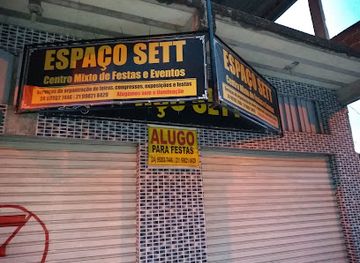
Club Espaço Sett
Experience the vibrant nightlife at Club Espaço Sett, Angra dos Reis' top destination for electrifying music and unforgettable dance parties.

Best shops in Ilha Grande
Shopping on Ilha Grande is modest and concentrated mainly in Vila do Abraão. Small shops and visitor-oriented businesses sell practical beach supplies, snacks, drinks, clothing and souvenirs, while local artisans may offer jewellery, artwork and handmade items inspired by the sea and forest. Some accommodation areas and communities outside Abraão have only basic provisions, so the island is not a destination for extensive retail browsing. Regional food products and additional essentials are easier to find in mainland towns such as Angra dos Reis, Mangaratiba or Conceição de Jacareí before the boat crossing. Visitors should make responsible choices when buying natural-looking souvenirs and should not remove shells, plants or other material from protected coastal and forest environments.
-
Shopping mall
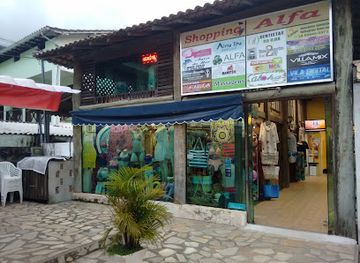
Shopping Alfa
Discover Shopping Alfa in Vila do Abraão, Angra dos Reis – a vibrant shopping destination with a mix of local charm and international flair.
-
Tobacco shop
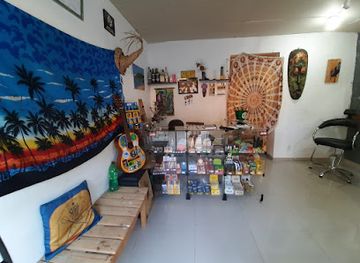
Amor e Arte Tabacaria e Barbearia
Discover the charm of Ilha Grande at Amor e Arte Tabacaria e Barbearia, where premium tobacco meets classic grooming in a relaxing atmosphere.
-
Shoe store
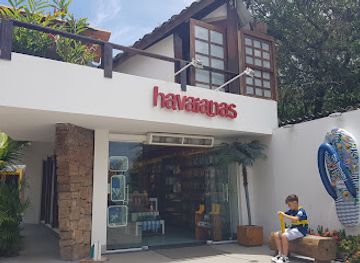
Havaianas Mini Shopping Bouganville Ilha Grande - Angra dos Reis
Discover the vibrant essence of Brazilian beach culture at Havaianas Mini Shopping in Ilha Grande, your one-stop destination for stylish footwear and fashion.
-
Store
Cheiro da Ilha - Aromatizadores Artesanais e Macramé
Explore the captivating fragrances and artisanal crafts at Cheiro da Ilha, a hidden gem in Ilha Grande, Brazil.

Get your free copy of our complete guide to Ilha Grande, delivered straight to you.
Everything on this page, from attractions and restaurants to essentials and local phrases, in one PDF you can read offline, print or share.
Already have an account? Sign in
Your Ilha Grande guide is ready.
We'll send it to · Not you? Sign out

Getting your guide ready…
We are putting together a fresh copy of the Ilha Grande guide. This can take up to a minute.
This can take a few moments. If your browser asks, choose Allow so the download can start. You'll find the guide in your Downloads folder.
Nothing happened? Download it again
Sorry, the guide is taking longer than usual. Please try again in a minute, or get it by email instead.
Ilha Grande essentials
Currency and Payment
Safety
Emergency Situations
Do's and Don'ts
Local Tips
From Eve
Local phrases worth knowing
You don't need to get them perfect. A few words go a long way, and locals appreciate the effort.
Basics
| English | Local | Say it |
|---|---|---|
| Hello | Olá | [oh-LAH] |
| Goodbye | Tchau | [chow] |
| Yes | Sim | [seem] |
| No | Não | [nah-oh] |
| Please/You're welcome | Por favor/De nada | [pohr fah-VOHR/dee NAH-dah] |
| Thank you | Obrigado(a) | [oh-bree-GAH-doh(-ah)] |
| Excuse me/Sorry | Com licença/Desculpe | [kohm lee-SEN-sah/dehs-KOOL-peh] |
| How are you? | Como vai você? | [KOH-moh vah-ee voh-SEH] |
| Fine. And you? | Bem. E você? | [beng. ee voh-SEH] |
| Do you speak English? | Você fala inglês? | [voh-SEH FAH-lah een-GLEHSH] |
| I don't understand | Eu não entendo | [eh-oo now en-TEHN-doh] |
Eating & Drinking
| English | Local | Say it |
|---|---|---|
| I'd like to see the menu, please | Gostaria de ver o cardápio, por favor | [goh-stah-REE-ah jee vayr oo kahr-DAH-pyoh, pohr fah-VOHR] |
| I don't eat meat | Eu não como carne | [eh-oo now KOH-soo KAHR-neh] |
| Cheers! | Saúde! | [saw-OO-deh] |
| I would like to pay, please | Eu gostaria de pagar, por favor | [eh-oo goh-stah-REE-ah jee pah-GAHR, pohr fah-VOHR] |
Emergencies
| English | Local | Say it |
|---|---|---|
| Help! | Ajuda! | [ah-ZHOO-dah] |
| Go away! | Vá embora! | [vah ehm-BOH-rah] |
| Call the Police! | Chame a Polícia! | [SHAH-mee ah poh-LEE-see-ah] |
| Call a doctor! | Chame um médico! | [SHAH-mee oom MEH-jee-koh] |
| I'm lost | Estou perdido | [ehs-TOH pehr-DEE-doh] |
| I'm ill | Estou doente | [ehs-TOH doh-EN-chee] |
Shopping
| English | Local | Say it |
|---|---|---|
| I'd like to buy... | Eu gostaria de comprar... | [eh-oo goh-stah-REE-ah jee kohm-PRAR...] |
| I'm just looking | Estou só olhando | [ehs-TOH soh oh-LYAHN-doh] |
| How much is it? | Quanto custa? | [KWAHN-too KOOS-tah] |
| That's too expensive | Isso é muito caro | [EE-soh eh MOO-ee-too KAH-roh] |
| Can you lower the price? | Você pode baixar o preço? | [voh-SEH POH-deh BAHY-shahr oo PREH-soh] |
Time & Numbers
| English | Local | Say it |
|---|---|---|
| What time is it? | Que horas são? | [keh OH-rahz saw-oo] |
| It's one o'clock | É uma hora | [eh OO-mah OH-rah] |
| Half past (10) | Meio-dia | [MAY-oo-DEE-ah] |
| Morning | Manhã | [mahn-YAHN] |
| Afternoon | Tarde | [TAHR-deh] |
| Evening | Noite | [NOY-chee] |
| Yesterday | Ontem | [ohn-TEHM] |
| Today | Hoje | [OH-zhee] |
| Tomorrow | Amanhã | [ah-mahn-YAHN] |
| 1 | Um | [oom] |
| 2 | Dois | [doh-eez] |
| 3 | Três | [trehsh] |
| 4 | Quatro | [KWAH-troh] |
| 5 | Cinco | [SEEN-koh] |
| 6 | Seis | [saysh] |
| 7 | Sete | [SEH-teh] |
| 8 | Oito | [OY-toh] |
| 9 | Nove | [NOH-veh] |
| 10 | Dez | [dehz] |
Transport & Directions
| English | Local | Say it |
|---|---|---|
| Where's a/the...? | Onde fica o/a...? | [OHN-dee FEE-kah oo/ah] |
| What's the address? | Qual é o endereço? | [kahl eh oo ehn-DREH-soh] |
| Can you show me (on the map)? | Você pode me mostrar (no mapa)? | [voh-SEH POH-deh meh moh-SHTRAR (noo MAH-pah)] |
| When's the next (bus)? | Quando é o próximo (ônibus)? | [KWAHN-doo eh oo PROH-ksih-moo (OH-nee-boos)] |
| A ticket (to ....) | Um bilhete (para ...) | [oom bee-LEH-teh (PAH-rah ...)] |
History of Ilha Grande
Geology and Atlantic Forest
Ilha Grande is a mountainous island shaped by the coastal geology of south-eastern Brazil, with granite and other crystalline rocks forming steep ridges, headlands and sheltered coves. Its humid climate supports Atlantic Forest, one of Brazil’s most biologically significant but historically reduced ecosystems. The island’s slopes, streams and narrow coastal plains created a landscape where settlement remained concentrated in small coastal communities rather than developing into a continuous urban area. Forest cover has also changed over time as cultivation, extraction and later conservation altered the relationship between residents and the land.
Early Coastal Communities
Before modern tourism, Ilha Grande formed part of the wider coastal world of the state of Rio de Janeiro, where Indigenous peoples used the forests, shores and surrounding waters. Portuguese colonisation brought new settlement patterns, religious influence and maritime connections with the mainland. Fishing, small-scale agriculture and the movement of goods by sea shaped village life for centuries. The island’s coves offered natural landing places, while its rugged interior limited overland travel and helped preserve a dispersed settlement pattern along the coast.
Quarantine and the Lazareto
The Lazareto, near Vila do Abraão, was established in the nineteenth century as a quarantine station for passengers and immigrants arriving by sea. Its location reflected the importance of maritime health controls during an era when epidemics could travel along international shipping routes. The surviving ruins are among Ilha Grande’s most recognisable historical remains, although the site’s condition and access arrangements can change. The building’s history adds a maritime and public-health dimension to an island more commonly associated with beaches and forest trails.
Dois Rios and the Cândido Mendes Prison
The settlement of Dois Rios became associated with the Cândido Mendes prison, one of the institutions used by the Brazilian state during the twentieth century. The prison’s history includes both ordinary criminal detention and political imprisonment during periods of authoritarian rule. It closed in 1994, after which the site and its surrounding buildings entered a different phase as historical remnants within a protected island landscape. Visitors should treat the ruins as a place of difficult memory rather than simply a scenic attraction; the area also retains its small community and beach setting.
Conservation and Tourism
During the late twentieth century and after the prison’s closure, Ilha Grande increasingly became known for ecological tourism and walking holidays. The creation and management of protected areas, including Ilha Grande State Park and the wider environmental protection framework, helped safeguard substantial areas of Atlantic Forest and coastline. Tourism is concentrated especially in Vila do Abraão, while other communities and beaches remain more limited in infrastructure. Today, local livelihoods combine hospitality, boat transport, fishing and conservation-related responsibilities, with visitor access shaped by weather, environmental rules and the island’s restricted road network.
Ilha Grande in Photos
Browse through our photo collection highlighting the charm and character of the destination.
Neighbouring destination travel guides
The closest destinations to Ilha Grande, if you have time for more than one.
-

-

-

-

-


Swipe for more destinations
Explore more

Explore more of Planalto Atlântico
Discover Planalto Atlântico: Brazil's serene highland retreat with stunning natural landscapes, rich biodiversity, and a vibrant cultural heritage.
Explore Planalto Atlântico
Explore more of Brazil
Discover Brazil: a land of samba, stunning landscapes, and rich history. From the Amazon to Rio, explore diverse cultures, world-class cuisine, and vibrant festivals.
Explore Brazil