

Botafogo, Rio de Janeiro Travel Guide
Discover Botafogo in Rio de Janeiro: A vibrant neighbourhood blending modernity, culture, and stunning landscapes, perfect for urban explorers and food enthusiasts.
Nestled between the iconic Sugarloaf Mountain and the stunning Guanabara Bay, Botafogo is a neighbourhood that captures the essence of Rio de Janeiro's urban charm. This vibrant area is a blend of modernity and history, offering a unique experience for tourists. With its bustling streets, eclectic dining scene, and cultural landmarks, Botafogo invites you to explore the many facets of Rio life. Botafogo's waterfront is a sight to behold, with a picturesque view of the bay framed by the towering Sugarloaf Mountain. This stunning landscape makes it a perfect spot for leisurely walks, morning jogs, or simply soaking in the beauty of Rio. The Botafogo Beach, although not ideal for swimming, offers a serene environment to relax and enjoy the view. Culture enthusiasts will find Botafogo to be a treasure trove of experiences. The neighbourhood is home to several museums, art galleries, and theatres. Don't miss the chance to visit the Museum of the Republic, housed in a historic palace, or catch an independent film at the prestigious Casa de Rui Barbosa. Botafogo's streets are also lined with charming cafes and bookstores, perfect for an afternoon of quiet exploration. For food lovers, Botafogo is a culinary paradise. The neighbourhood boasts an array of dining options, from traditional Brazilian fare to international cuisine. The vibrant food scene is complemented by numerous bars and nightlife spots, making Botafogo a lively destination both day and night. Shopping in Botafogo is an eclectic experience, with a mix of high-end boutiques, local markets, and quirky shops. Whether you're looking for unique souvenirs or fashionable clothing, you'll find plenty of options to suit your taste. The neighbourhood's friendly locals and welcoming atmosphere make it a joy to explore, ensuring that your visit to Botafogo will be memorable.

Know before you go
Hi, I'm Eve. Here are a few practical things to know before exploring Botafogo.
- Visit the Sugarloaf Mountain for breathtaking views. Make sure to go early to avoid the crowds.
- Stroll along the Botafogo waterfront for a relaxing experience and stunning photo opportunities.
- Explore the local cafes and bookstores for a taste of Botafogo's charming, laid-back vibe.
- Try the local cuisine at Botafogo's diverse range of restaurants, especially the traditional Brazilian dishes.
- Check out the independent film screenings at Casa de Rui Barbosa for a unique cultural experience.
- Visit the Museum of the Republic to delve into Brazil's rich history and enjoy the beautiful palace gardens.
Explore Botafogo: Things to Do, Places to Eat, Hotels & More
Handpicked recommendations for top attractions, local dining, accommodations, and more

Best attractions in Botafogo
Top-rated picks
Best Attractions

Botanical Garden of Rio de Janeiro
Discover a world of flora and fauna in Rio's Botanical Garden, a historic sanctuary of natural beauty and scientific importance.

Grutas - Parque Lage
Discover Rio's hidden gem: Parque Lage, where history, art, and nature converge at the foot of Christ the Redeemer. Free entry, unforgettable views.

Rio de Janeiro
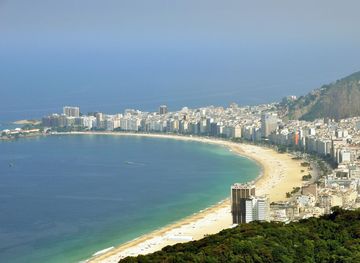
Discover Rio de Janeiro: iconic beaches, Christ the Redeemer, Sugarloaf Mountain, and vibrant culture in Brazil's most exciting city.

Largo do Boticário
Discover Largo do Boticário in Rio de Janeiro: A hidden square with colonial architecture, lush greenery, and a rich history dating back to the 19th century.

Best landmarks in Botafogo
Top-rated picks
Best Landmarks

Mirante Dona Marta
Experience Rio's beauty from Mirante Dona Marta: panoramic views, iconic landmarks, and unforgettable sunrises await!

Red Beach
Discover Red Beach in Rio de Janeiro: A peaceful escape with stunning views, calm waters, and unique reddish sand at the foot of Sugarloaf Mountain.

Botafogo Beach
Enjoy stunning views of Sugarloaf Mountain and a vibrant urban atmosphere at Botafogo Beach, a scenic escape in the heart of Rio de Janeiro.

Fundação Casa de Rui Barbosa
Explore the life and legacy of Ruy Barbosa at this historic house museum in Rio de Janeiro's charming Botafogo neighborhood.

Best restaurants in Botafogo
Top-rated picks
Best Restaurants
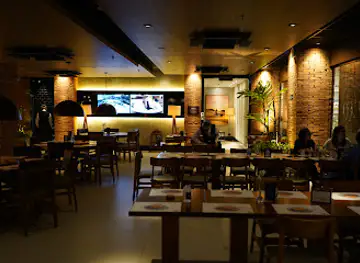
Coco Bambu
Experience the best of Brazilian seafood at Coco Bambu in Botafogo - where fresh flavors meet vibrant atmosphere.
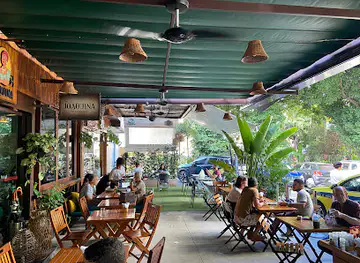
Joaquina Bar & Restaurant
Experience the vibrant flavors of Brazil at Joaquina Bar & Restaurant in Botafogo - a true gem in Rio de Janeiro's culinary scene.

Tutto Nhoque Botafogo
Experience the heart of Italy in Rio de Janeiro at Tutto Nhoque Botafogo - where every meal is a celebration of flavor.

Galeto Sat's Botafogo
Discover the authentic taste of Brazil at Galeto Sat's Botafogo - where succulent grilled chicken meets vibrant local culture.

Best bars in Botafogo
Top-rated picks
Best Bars

Bar Bukowski
Discover Bar Bukowski in Botafogo, a vibrant bar and disco club offering electrifying music and an unforgettable nightlife experience in Rio de Janeiro.
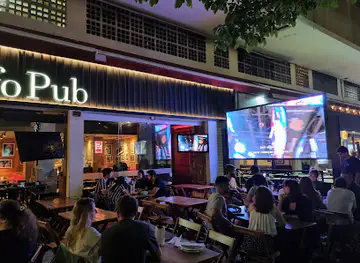
Cafofo Pub
Experience the vibrant nightlife and gourmet hamburgers at Cafofo Pub in Botafogo, Rio de Janeiro - a must-visit for food lovers and social butterflies.

The Boua Kitchen Bar
Discover the vibrant atmosphere and delicious gourmet burgers at The Boua Kitchen Bar, a must-visit destination in Botafogo, Rio de Janeiro.
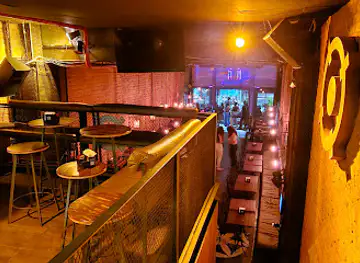
Coordenadas Bar
Experience the vibrant nightlife of Rio de Janeiro at Coordenadas Bar in Botafogo, known for its creative cocktails and lively atmosphere.

Best nightclubs in Botafogo
Top-rated picks
Best Nightclubs

Bar Bukowski
Experience the vibrant nightlife of Rio de Janeiro at Bar Bukowski, a premier destination for live music and dancing in Botafogo.

Casa da Matriz
Discover Rio de Janeiro's vibrant nightlife at Casa da Matriz, a lively night club and burger restaurant in Botafogo, where music and culture collide.

Boate 2A2
Discover the exhilarating nightlife at Boate 2A2 in Botafogo, Rio de Janeiro - where vibrant music meets an electric atmosphere.

CLUB 63
Discover the electric atmosphere of CLUB 63, Rio de Janeiro's premier night club, where unforgettable nights and vibrant dance floors await.

Best shops in Botafogo
Top-rated picks
Best Shops

Shopping RioSul
Discover the best of shopping and dining at Shopping RioSul, a vibrant hub in the heart of Rio de Janeiro, perfect for all tourists.

Botafogo Praia Shopping
Experience shopping like never before at Botafogo Praia Shopping, where stunning views meet a diverse selection of local and international brands.

ZARA
Discover fashion at ZARA in Botafogo, Rio de Janeiro - a trendy clothing store offering stylish apparel and accessories for all occasions.

Loja Gloriosa
Explore Loja Gloriosa, your ultimate destination for quality sporting goods and unforgettable sporting experiences in Brazil.

Explore Botafogo on the Map
A handpicked selection of must-see spots in Botafogo, mapped for you.
Botafogo Essentials
-
Botafogo is easily accessible from various neighborhoods in Rio de Janeiro. If you're coming from Copacabana or Ipanema, you can take the metro to Botafogo Station on Line 1, which is a quick and efficient option. From downtown Rio, buses such as the 175 and 184 connect directly to Botafogo. Taxis and rideshare services like Uber are also widely available throughout the city.
-
Botafogo is a walkable neighborhood, and many attractions are easily accessible on foot. The metro system is an excellent way to reach other parts of the city quickly, with Botafogo Station providing access to Line 1. Buses operate frequently, and local taxis are also available. For a more local experience, consider renting a bicycle through the city’s bike-sharing program, or simply explore the area by walking along the beachfront promenade.
-
Botafogo is generally safe for tourists, but it is important to remain vigilant. Avoid areas known for higher crime rates, such as certain parts of the nearby Santa Marta favela. Stick to main streets, especially at night, and keep your belongings secure. Always be cautious when using your phone or camera in public spaces, as petty theft can occur.
-
In case of emergency, dial 190 for police assistance, 192 for medical emergencies, or 193 for fire services. Familiarize yourself with the nearest hospitals, such as Hospital São Lucas, and keep a list of important contacts handy. It’s advisable to have travel insurance that covers medical emergencies while abroad.
-
Fashion: Do wear light, breathable clothing suitable for the tropical climate, but avoid overly revealing attire in public. Religion: Do respect local customs, especially when visiting religious sites. Public Transport: Do give your seat to elderly passengers; don't eat or drink on buses or the metro. Greetings: Do greet with a friendly 'Olá' and a smile; don’t be overly formal unless in a professional setting. Eating & Drinking: Do try local delicacies like pastel and açaí; don’t refuse food or drink when offered, as this can be seen as impolite.
-
To experience Botafogo like a local, visit the Botafogo Praia Shopping for a mix of retail and dining options. Don’t miss the chance to hike up to the viewpoint at Pão de Açúcar for stunning views of the city. Engage with locals at the Praça da Boavista, where you can find food stalls and live music on weekends. Explore the area's vibrant street art scene, and consider taking a samba class at a local dance studio.
Useful Local Phrases for Botafogo
You don't need to speak the language perfectly. Even learning a few simple words can make conversations warmer—and locals usually appreciate the effort.
— Eve

Here are the phrases I use most often in Botafogo. Try a few—you'll be surprised how far they go! 😊
❤️
-
- HelloOi
[oy] - GoodbyeTchau
[chow] - YesSim
[seem] - NoNão
[now] - Please/You're welcomePor favor/De nada
[por fah-vohr/de nah-dah] - Thank youObrigado
[oh-bree-gah-doh] - Excuse me/SorryCom licença/Desculpe
[kohm lee-sen-sah/dehs-kool-pee] - How are you?Como vai?
[koh-moh vah-ee?] - Fine. And you?Bem. E você?
[behn/ee voh-seh?] - Do you speak English?Você fala inglês?
[voh-seh fah-lah een-glehsh?] - I don't understandNão entendo
[now ehn-tehn-doh]
- HelloOi
-
- I'd like to see the menu, pleaseGostaria de ver o cardápio, por favor
[goh-stah-ree-ah jee vehr ooh kahr-dah-pee-oh/por fah-vohr] - I don't eat meatNão como carne
[now koh-moh kahr-neh] - Cheers!Saúde!
[sah-oo-deh] - I would like to pay, pleaseGostaria de pagar, por favor
[goh-stah-ree-ah jee pah-gahr/por fah-vohr]
- I'd like to see the menu, pleaseGostaria de ver o cardápio, por favor
-
- Help!Socorro!
[soh-koh-roh] - Go away!Vai embora!
[vah-ee ehm-boh-rah] - Call the Police!Chame a polícia!
[sha-mee ah poh-lee-see-ah] - Call a doctor!Chame um médico!
[sha-mee oom meh-dee-koo] - I'm lostEstou perdido
[eh-stoh pehr-dee-doh] - I'm illEstou doente
[eh-stoh doh-ehn-teh]
- Help!Socorro!
-
- I'd like to buy...Gostaria de comprar...
[goh-stah-ree-ah jee kohm-prahr] - I'm just lookingEstou só olhando
[eh-stoh soh oh-lhahn-doh] - How much is it?Quanto custa?
[kwan-tooh koos-tah] - That's too expensiveIsso é muito caro
[ee-soh eh mwee-tooh kah-roh] - Can you lower the price?Você pode baixar o preço?
[voh-seh poh-deh bahy-shahr ooh preh-soh?]
- I'd like to buy...Gostaria de comprar...
-
- What time is it?Que horas são?
[keh oh-rahz sah-oh?] - It's one o'clockÉ uma hora
[eh oo-mah oh-rah] - Half past (10)Dez e meia
[dehz ee may-ah] - MorningManhã
[mah-nyah] - AfternoonTarde
[tahr-deh] - EveningNoite
[noy-chee] - YesterdayOntem
[ohn-tehm] - TodayHoje
[oh-zhee] - TomorrowAmanhã
[ah-mah-nyah] - 1Um
[oom] - 2Dois
[doyz] - 3Três
[trehs] - 4Quatro
[kwah-troh] - 5Cinco
[seeng-koh] - 6Seis
[sayz] - 7Sete
[seh-teh] - 8Oito
[oy-toh] - 9Nove
[noh-veh] - 10Dez
[dehz]
- What time is it?Que horas são?
-
- Where's a/the...?Onde fica o/a...?
[ohn-deh fee-kah oo/ah] - What's the address?Qual é o endereço?
[kahl eh oo ehn-deh-reh-soh?] - Can you show me (on the map)?Você pode me mostrar (no mapa)?
[voh-seh poh-deh meh moh-strahr/noh mah-pah?] - When's the next (bus)?Quando é o próximo (ônibus)?
[kwan-doh eh oo proh-ksee-moh/oh-nee-boos?] - A ticket (to ....)Um bilhete (para ....)
[oom bee-yeh-teh/pah-rah]
- Where's a/the...?Onde fica o/a...?
History of Botafogo
-
Botafogo's history dates back to the 16th century when the area was primarily agricultural and known for its sugarcane plantations. The name 'Botafogo' is believed to have originated from the term 'bota fogo,' meaning 'put out fire,' referring to the fires used to produce charcoal for sugar production.
-
The 19th century marked a significant transformation for Botafogo as it evolved from a rural area to an urban neighborhood. The construction of the Botafogo Beach promenade and the development of residential buildings attracted the upper and middle classes, leading to an increase in commerce and culture. The iconic Botafogo Praia Shopping was established, further cementing the area's status as a commercial hub.
-
In the early 20th century, Botafogo became recognized for its cultural contributions. The neighborhood is home to several important educational institutions, including the prestigious Colégio Santo Inácio, founded in 1906. It played a vital role in shaping the intellectual landscape of Rio de Janeiro and produced many notable alumni.
-
During the mid-20th century, Botafogo emerged as a center for the Brazilian film industry. The neighborhood hosted numerous cinemas, including the historic Cine Roxy, which became a gathering place for film enthusiasts and cultural events. The legacy of Botafogo in cinema continues to influence the cultural fabric of Rio de Janeiro.
-
In recent decades, Botafogo has experienced gentrification, with new luxury residential developments and an influx of young professionals. This has led to a dynamic blend of old and new, where traditional bars and restaurants coexist with modern establishments. The neighborhood's cultural vibrancy is evident in its art galleries, theaters, and music venues, making it a focal point for both locals and tourists.
Neighbourhoods near Botafogo
The closest neighbourhoods to Botafogo, if you have time for more than one stop.


Your all‑in‑one travel companion app
Explore expert travel guides, compare and book tours, experiences, hotels, and more—all from the palm of your hand. Download now for seamless trip planning wherever your wanderlust takes you.


Explore More of Rio de Janeiro

Looking beyond Botafogo? Discover Rio de Janeiro for broader travel guides, local hot-spots, and regional highlights.
Explore Rio de JaneiroBotafogo in Photos
Browse through our photo collection highlighting the charm and character of the destination.






Botafogo: The Heartbeat of Rio's Urban Charm
Nestled between the iconic Sugarloaf Mountain and the stunning Guanabara Bay, Botafogo is a neighbourhood that captures the essence of Rio de Janeiro's urban charm. This vibrant area is a blend of modernity and history, offering a unique experience for tourists. With its bustling streets, eclectic dining scene, and cultural landmarks, Botafogo invites you to explore the many facets of Rio life. Botafogo's waterfront is a sight to behold, with a picturesque view of the bay framed by the towering Sugarloaf Mountain. This stunning landscape makes it a perfect spot for leisurely walks, morning jogs, or simply soaking in the beauty of Rio. The Botafogo Beach, although not ideal for swimming, offers a serene environment to relax and enjoy the view. Culture enthusiasts will find Botafogo to be a treasure trove of experiences. The neighbourhood is home to several museums, art galleries, and theatres. Don't miss the chance to visit the Museum of the Republic, housed in a historic palace, or catch an independent film at the prestigious Casa de Rui Barbosa. Botafogo's streets are also lined with charming cafes and bookstores, perfect for an afternoon of quiet exploration. For food lovers, Botafogo is a culinary paradise. The neighbourhood boasts an array of dining options, from traditional Brazilian fare to international cuisine. The vibrant food scene is complemented by numerous bars and nightlife spots, making Botafogo a lively destination both day and night. Shopping in Botafogo is an eclectic experience, with a mix of high-end boutiques, local markets, and quirky shops. Whether you're looking for unique souvenirs or fashionable clothing, you'll find plenty of options to suit your taste. The neighbourhood's friendly locals and welcoming atmosphere make it a joy to explore, ensuring that your visit to Botafogo will be memorable.