

Free Norman Island Travel Guide & Mobile App
Explore Norman Island with free travel guides. Discover regional history, expert tips, proposed trips, and audio guides on web or mobile app.


Norman Island in the British Virgin Islands offers sea caves, clear reefs, sheltered anchorages and enduring pirate folklore near Tortola.
Read more about Norman Island
When is the best time to visit Norman Island?
Best: January–March · 28–29°C| Month | High (°C) | Rainfall (mm) |
|---|---|---|
| January (best) | 28 | 70 |
| February (best) | 28 | 60 |
| March (best) | 29 | 50 |
| April | 29 | 60 |
| May | 30 | 70 |
| June | 31 | 80 |
| July | 31 | 90 |
| August | 31 | 100 |
| September | 30 | 110 |
| October | 30 | 100 |
| November | 29 | 90 |
| December | 28 | 80 |
Getting to and around Norman Island
How to get there
Transportation
Destinations in Norman Island
Resorts, valleys and scenic spots worth a trip of their own.

Swipe for more destinations
Best attractions in Norman Island
Norman Island’s attractions are predominantly marine and natural. The caves at Treasure Point are the island’s signature feature, with dark limestone chambers opening beside the sea and offering opportunities for swimming, photography and snorkelling when conditions are suitable. The Bight provides a sheltered anchorage for yachts and excursion boats, while the nearby rock formation known as The Indians is valued for clear-water snorkelling and diving around walls, ledges and reef habitat. The island’s dry interior has scrub-covered hills and limited informal walking rather than a developed network of visitor trails. There are no substantial museums, historic town centres or large cultural institutions; the attraction lies in combining a secluded maritime landscape with the stories of pirates and buried treasure attached to it. Sailing, paddle sports, swimming and wildlife observation are the principal activities, and experienced divers may explore deeper reef and wreck environments in the surrounding waters through qualified operators. Because Norman Island has few permanent services, the quality of a visit depends on sea conditions, responsible boating and careful planning of food, water, equipment and transport.
-
Museum
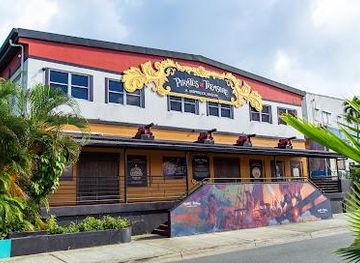
Pirates Treasure Museum
Discover authentic shipwreck treasures and immerse yourself in pirate history at St. Thomas' unique and interactive Pirates Treasure Museum.
-
Tourist attraction
Cruise Ship Excursions
Explore St. Thomas with organized excursions from Havensight Mall, offering snorkeling, sightseeing, and cultural experiences for cruise travelers.
-
Beach
Hansen Bay Beach
Discover a serene Caribbean escape at Hansen Bay Beach, St. John: swim, snorkel, and unwind on the soft white sands of this tranquil paradise.
-
Beach
Lindbergh Bay Beach
Enjoy the sun, sand, and sights of Lindbergh Bay Beach – St. Thomas's easily accessible tropical paradise, perfect for families and plane spotters!
Best landmarks in Norman Island
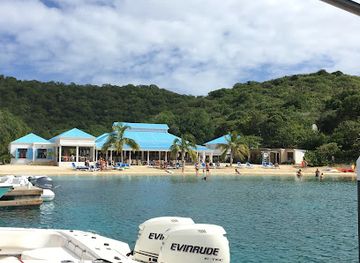
The caves at Treasure Point are Norman Island’s most recognisable natural landmark, where weathered limestone cliffs form chambers along the shoreline and embody the island’s enduring treasure-hunt mythology. The Bight is another defining feature: its broad, protected harbour is the visual and practical centre of the island, filled at times with sailing yachts and excursion boats beneath dry green hills. Offshore, The Indians form a distinctive cluster of rocky pinnacles near Norman Island and are especially significant as a snorkelling and diving landmark, although they are approached from the water rather than reached as a conventional land attraction. The island’s steep coastal contours, exposed rock faces and clear channels are themselves important elements of its identity. There are no major churches, civic buildings, forts or historic houses on Norman Island, and its landmarks should therefore be understood as geological and maritime features rather than monuments created by a permanent community.
-
Island
St Thomas
Explore St. Thomas: where history meets paradise in the US Virgin Islands. Discover vibrant culture, stunning beaches, and duty-free shopping.
-
Park and Garden
Cyril B. Romney Tortola Pier Park
Experience the vibrant culture and stunning waterfront views at Cyril B. Romney Tortola Pier Park, the heart of Road Town in the British Virgin Islands.
-
Cruise terminal
Tortola Cruise Ship Pier
Your Caribbean adventure begins here! Explore shops, dine on local cuisine, and easily access Tortola's best beaches and attractions.
-
Resort hotel
Nanny Cay Resort & Marina
Experience the best of the BVI at Nanny Cay Resort & Marina: relaxation, recreation, and stunning waterfront views await!
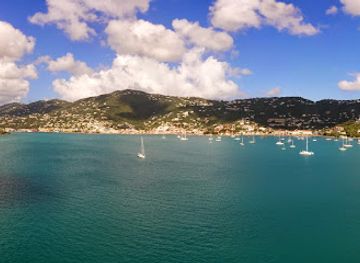
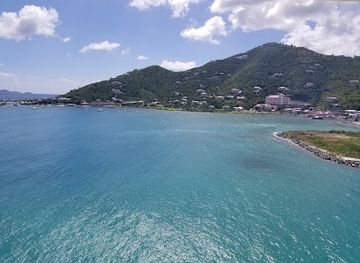
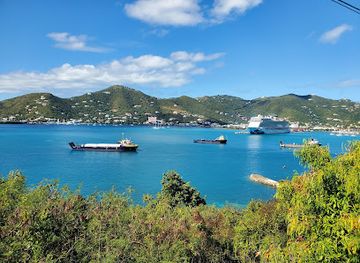
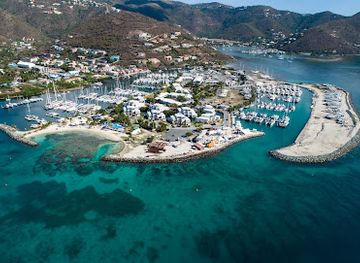
Explore Norman Island on the map
Plan your trip on one map. See where the top cities, national parks and sights are, and book hotels and experiences in a few clicks.
Best hotels in Norman Island
Best restaurants in Norman Island
Dining on Norman Island is centred on waterfront and floating venues serving visiting sailors rather than on a broad local restaurant scene. Menus and facilities can change, so visitors should confirm current arrangements with their boat operator and should not assume that a full meal service will be available. Food commonly encountered on BVI sailing excursions includes grilled fish, seafood, burgers, salads, sandwiches and Caribbean-influenced dishes, often accompanied by cold drinks. The wider British Virgin Islands draw on regional staples such as fresh fish, conch where legally and sustainably sourced, roti, peas and rice, and locally styled stews, although not every dish is Norman Island-specific. Many day visitors bring provisions from Tortola or arrange catering before departure, which is sensible for longer outings or dietary requirements. Eating around The Bight is as much about anchorage and sea views as culinary distinction, with the island’s limited development preserving a simple, boat-based dining atmosphere.
-
Restaurant
The Smoking Rooster
Sizzling St. Thomas BBQ hotspot with tender ribs, cold brews, and lively open-air vibes right by the cruise docks—perfect for flavorful feasts amid island energy.
-
Restaurant
Tap and Still Havensight
Casual St. Thomas sports bar in Havensight Mall serving build-your-own burgers, fresh fries, craft beers, and cocktails in a lively indoor-outdoor spot perfect for cruise crowds and locals alike.
-
Restaurant
The Delly Deck
Classic diner comfort meets island ease at The Delly Deck—fuel up with all-day breakfast, juicy burgers, and local johnny cakes amid Havensight's cruise buzz.
-
Restaurant
Pirates Bight
Discover Pirates Bight: A delightful culinary gem on Norman Island offering fresh seafood and stunning ocean views in the British Virgin Islands.
Best bars in Norman Island
Norman Island is known for relaxed maritime drinking and socialising rather than a conventional nightclub scene. The Bight has traditionally attracted floating and waterfront bar culture, where sailors and day visitors gather for drinks, casual food and conversation during the afternoon and early evening. Facilities and operating arrangements can change, so current availability should be checked before travelling. There is little reason to expect late-night entertainment, clubs or a broad choice of venues on the island itself. Visitors staying aboard yachts often spend the evening quietly at anchor, watching the lights on the water and listening to the wind. For live music, a larger selection of bars or later nightlife, Tortola is the more practical base within the British Virgin Islands, though it lies across the water and requires a suitable, safely planned boat transfer.
-
Bar
Soggy Dollar Bar
Discover the vibrant atmosphere of Soggy Dollar Bar, the ultimate tropical getaway on Jost Van Dyke, British Virgin Islands, renowned for its iconic cocktails and stunning beach views.
-
Restaurant
Pirates Bight
Discover the ultimate Caribbean dining experience at Pirates Bight, where delicious food meets breathtaking views on Norman Island.
-
Bar
Willy T
Experience the vibrant atmosphere of Willy T, the floating bar in the British Virgin Islands, where cocktails, sunsets, and fun await.
-
Restaurant
Pusser's
Discover the vibrant flavors of the Caribbean at Pusser's in Road Town, British Virgin Islands – where local culture meets exceptional dining.


Best nightclubs in Norman Island
Norman Island is known for relaxed maritime drinking and socialising rather than a conventional nightclub scene. The Bight has traditionally attracted floating and waterfront bar culture, where sailors and day visitors gather for drinks, casual food and conversation during the afternoon and early evening. Facilities and operating arrangements can change, so current availability should be checked before travelling. There is little reason to expect late-night entertainment, clubs or a broad choice of venues on the island itself. Visitors staying aboard yachts often spend the evening quietly at anchor, watching the lights on the water and listening to the wind. For live music, a larger selection of bars or later nightlife, Tortola is the more practical base within the British Virgin Islands, though it lies across the water and requires a suitable, safely planned boat transfer.
-
Restaurant
Pirates Bight
Discover the flavors of the Caribbean at Pirates Bight, a stunning waterfront restaurant on Norman Island, British Virgin Islands.
-
Bar
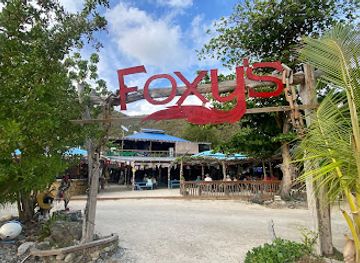
Foxy's, Jost Van Dyke, British Virgin Islands
Experience the vibrant spirit of the Caribbean at Foxy's, Jost Van Dyke's iconic bar and cultural hub with stunning beach views.
-
 Hotel
Cooper Island Beach Club
Discover the serene beauty and delicious flavors at Cooper Island Beach Club, a perfect retreat in the British Virgin Islands.
-
Bar
Willy T
Discover the vibrant atmosphere of Willy T, a legendary floating bar in the British Virgin Islands, offering stunning views and unforgettable experiences.


Best shops in Norman Island
Norman Island offers almost no conventional shopping, with no high street, market town or established retail district. Visitors should purchase provisions, reef equipment, gifts and personal essentials in Tortola or another larger BVI centre before boarding their boat. Shopping associated with the island is generally limited to occasional drinks, meals or small souvenirs available through marine-oriented facilities when operating. The most suitable regional purchases include locally made crafts, artwork, books about Caribbean history and sailing, spices, sauces and packaged food products, though availability varies across the territory. Visitors should avoid removing shells, coral, rocks or other natural material from the island or surrounding reefs. Norman Island is better approached as a place to experience the BVI’s seascape than as a retail destination, and advance provisioning is particularly important for private charters, overnight anchorages and visitors with specific dietary or equipment needs.
-
Shopping mall
Havensight Mall
Explore Havensight Mall in St. Thomas, a vibrant shopping destination with local crafts, luxury brands, and breathtaking harbor views.
-
Restaurant
Pirates Bight
Experience the vibrant flavors and breathtaking views at Pirates Bight, a must-visit restaurant on Norman Island, British Virgin Islands.
-
Bar
Willy T
Discover Willy T, the iconic floating bar in the British Virgin Islands, where vibrant atmosphere meets stunning views and delicious cuisine.
-
Shopping Centre
Soper's Hole Wharf & Marina
Experience the charm of Soper's Hole Wharf & Marina with unique shops, delicious dining, and breathtaking Caribbean views in the British Virgin Islands.


Get your free copy of our complete guide to Norman Island, delivered straight to you.
Everything on this page, from attractions and restaurants to essentials and local phrases, in one PDF you can read offline, print or share.
Already have an account? Sign in
Your Norman Island guide is ready.
We'll send it to · Not you? Sign out

Getting your guide ready…
We are putting together a fresh copy of the Norman Island guide. This can take up to a minute.
This can take a few moments. If your browser asks, choose Allow so the download can start. You'll find the guide in your Downloads folder.
Nothing happened? Download it again
Sorry, the guide is taking longer than usual. Please try again in a minute, or get it by email instead.
Norman Island essentials
Currency and Payment
Safety
Emergency Situations
Do's and Don'ts
Local Tips
From Eve
Local phrases worth knowing
You don't need to get them perfect. A few words go a long way, and locals appreciate the effort.
Basics
| English | Local | Say it |
|---|---|---|
| Hello | Hello | [Heh-loh] |
| Goodbye | Goodbye | [Good-bye] |
| Yes | Yes | [Yes] |
| No | No | [No] |
| Please/You're welcome | Please/You're welcome | [Pleez/You're wel-kum] |
| Thank you | Thank you | [Thank you] |
| Excuse me/Sorry | Excuse me/Sorry | [Ex-cuse me/Sor-ree] |
| How are you? | How are you? | [How are you?] |
| Fine. And you? | Fine. And you? | [Fine. And you?] |
| Do you speak English? | Do you speak English? | [Do you speak English?] |
| I don't understand | I don't understand | [I don't un-der-stand] |
Eating & Drinking
| English | Local | Say it |
|---|---|---|
| I'd like to see the menu, please | I'd like to see the menu, please | [I'd like to see the men-oo, pleez] |
| I don't eat meat | I don't eat meat | [I don't eet meet] |
| Cheers! | Cheers! | [Cheerz!] |
| I would like to pay, please | I would like to pay, please | [I would like to pay, pleez] |
Emergencies
| English | Local | Say it |
|---|---|---|
| Help! | Help! | [Help!] |
| Go away! | Go away! | [Go a-way!] |
| Call the Police! | Call the Police! | [Call the Po-leese!] |
| Call a doctor! | Call a doctor! | [Call a doc-tor!] |
| I'm lost | I'm lost | [I'm lost] |
| I'm ill | I'm ill | [I'm il] |
Shopping
| English | Local | Say it |
|---|---|---|
| I'd like to buy... | I'd like to buy... | [I'd like to buy...] |
| I'm just looking | I'm just looking | [I'm just luk-ing] |
| How much is it? | How much is it? | [How much is it?] |
| That's too expensive | That's too expensive | [That's too ex-pens-ive] |
| Can you lower the price? | Can you lower the price? | [Can you low-er the price?] |
Time & Numbers
| English | Local | Say it |
|---|---|---|
| What time is it? | What time is it? | [What time is it?] |
| It's one o'clock | It's one o'clock | [It's one o'clock] |
| Half past (10) | Half past (10) | [Half past (10)] |
| Morning | Morning | [Morn-ing] |
| Afternoon | Afternoon | [Af-ter-noon] |
| Evening | Evening | [Eve-ning] |
| Yesterday | Yesterday | [Yes-ter-day] |
| Today | Today | [To-day] |
| Tomorrow | Tomorrow | [To-mor-row] |
| 1 | 1 | [One] |
| 2 | 2 | [Two] |
| 3 | 3 | [Three] |
| 4 | 4 | [Four] |
| 5 | 5 | [Five] |
| 6 | 6 | [Six] |
| 7 | 7 | [Seven] |
| 8 | 8 | [Eight] |
| 9 | 9 | [Nine] |
| 10 | 10 | [Ten] |
Transport & Directions
| English | Local | Say it |
|---|---|---|
| Where's a/the...? | Where's a/the...? | [Where's a/the...?] |
| What's the address? | What's the address? | [What's the ad-dress?] |
| Can you show me (on the map)? | Can you show me (on the map)? | [Can you show me (on the map)?] |
| When's the next (bus)? | When's the next (bus)? | [When's the next (bus)?] |
| A ticket (to ....) | A ticket (to ....) | [A tick-et (to ....)] |
History of Norman Island
Indigenous Caribbean Seafaring
Long before European arrival, the Virgin Islands formed part of a wider Caribbean maritime world travelled by Indigenous communities, including peoples associated with Taíno and Kalinago cultural traditions. The islands’ sheltered bays, reefs and channels made them useful stopping points for movement between Puerto Rico, the Lesser Antilles and neighbouring islands. Evidence and interpretation vary from island to island, and Norman Island is better known today for its maritime setting than for a large documented archaeological complex. Its location nevertheless places it within the long seafaring history of the northern Caribbean.
European Exploration and Imperial Rivalry
Christopher Columbus is traditionally credited with sighting the Virgin Islands in 1493, although European control over the archipelago developed gradually rather than immediately. During the early modern period, Spanish, Dutch, British and other maritime interests operated across the Caribbean, whose narrow passages linked colonial ports and trade routes. Norman Island’s position beside the Sir Francis Drake Channel gave it strategic significance as part of a network of anchorages and navigational waters, even though it did not develop into a major colonial town.
British Settlement in the Virgin Islands
British settlement became dominant in the islands during the seventeenth century, and the British Virgin Islands developed around plantations, small farms, maritime activity and the port of Road Town on Tortola. Norman Island remained comparatively undeveloped, lacking the reliable freshwater and broad agricultural land that supported more permanent communities elsewhere. Its coves and offshore waters were more important as places of passage, shelter and fishing than as the site of a substantial settlement.
Piracy, Privateering and Maritime Lore
The eastern Caribbean’s maze of islands, reefs and channels generated centuries of stories about pirates, privateers, wrecks and concealed cargoes. Norman Island’s isolated anchorages naturally encouraged such legends, particularly around The Bight and the caves at Treasure Point. Historical evidence does not establish every local tale, and the island should not be presented as a confirmed pirate base. Its reputation is significant, however, because maritime folklore has become central to how visitors understand the landscape and its place in popular culture.
Treasure Island and Literary Association
Norman Island is frequently connected with Robert Louis Stevenson’s Treasure Island, largely because visitors find its caves, coves and pirate legends suggestive of the novel’s setting. There is no conclusive proof that Stevenson based the fictional island directly on Norman Island. The association belongs to a broader tradition of linking Caribbean landscapes with the literature of adventure. It has nevertheless influenced the island’s tourism identity, with place names such as Treasure Point reinforcing the imaginative connection.
The Rise of BVI Yachting Tourism
In the twentieth century, the British Virgin Islands increasingly shifted from an economy centred on small-scale agriculture and maritime trade towards services, boating and tourism. The protected waters around Norman Island became particularly attractive to cruising yachts, charter boats and organised day trips. Modern visitors come less for permanent settlement or built heritage than for anchorage, sailing, diving and snorkelling. This change has made the island an important stop within the BVI’s nautical tourism circuit while leaving much of its dry land undeveloped.
Norman Island in Photos
Browse through our photo collection highlighting the charm and character of the destination.
Neighbouring regions of Norman Island
The closest regions to Norman Island, if you have time for more than one.
-

-

-

-

-


Swipe for more regions
Explore more
Explore more of British Virgin Islands
Discover the British Virgin Islands: Pristine beaches, vibrant marine life, and a rich cultural heritage await in this Caribbean paradise.
Explore British Virgin Islands