

Golden Sands Travel Guide - Free Web & App
Your ultimate guide to Golden Sands. Discover top landmarks, proposed trips, and local tips. Free on the web or via the Evendo companion app.


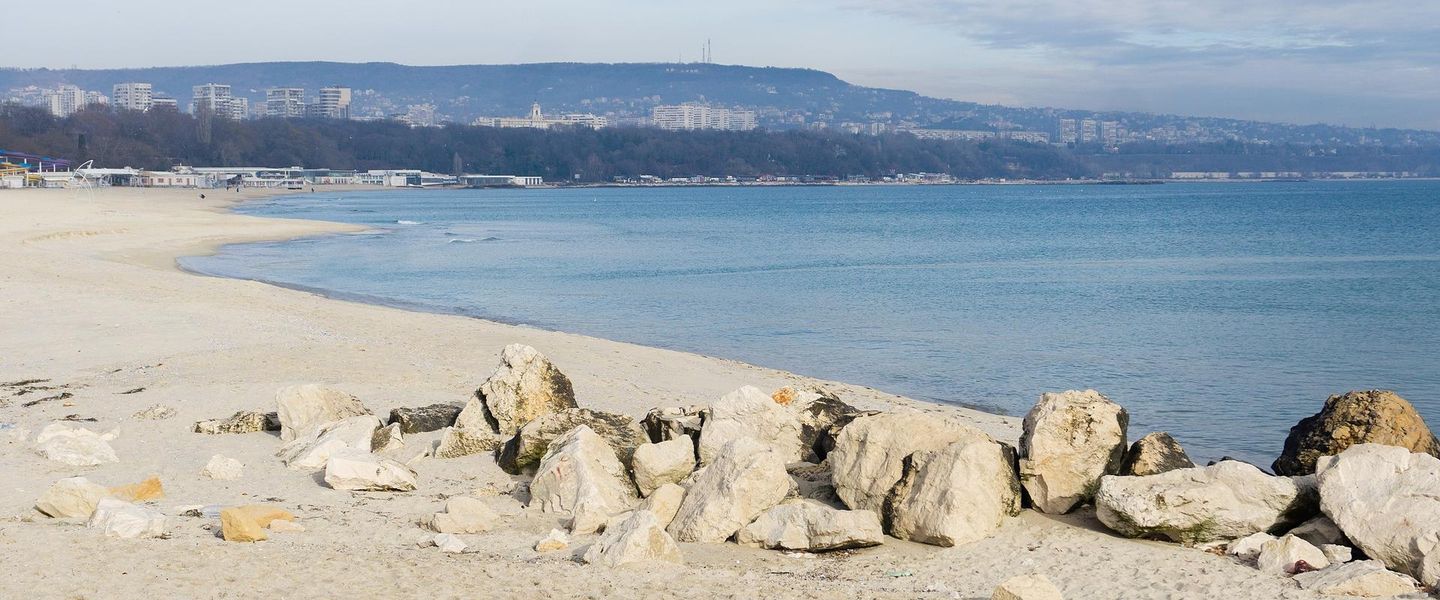


Golden Sands, Bulgaria pairs a broad Black Sea beach with forested hills, Aladzha Monastery, water sports and easy access to Varna for a lively seaside escape.
Beach, Forest and Black Sea
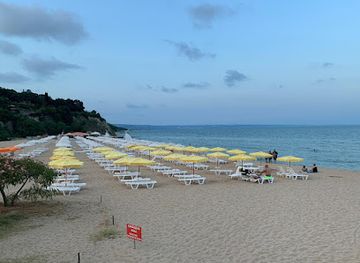
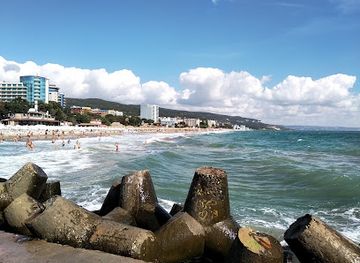
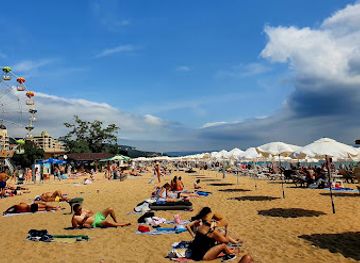
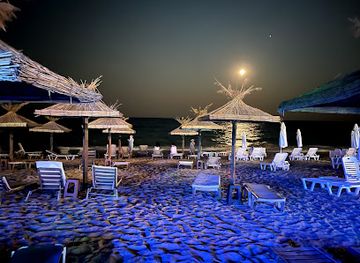
Golden Sands occupies a wooded stretch of Bulgaria’s northern Black Sea coast, around 17 kilometres north-east of Varna. Its broad sandy beach curves beneath the hills of Golden Sands Nature Park, creating a resort landscape where sea, forest and developed waterfront meet within a relatively compact area. The beach is the principal focus, with organised bathing areas, promenades, sunbathing space and seasonal water-based recreation, while the surrounding slopes provide a greener setting than many heavily urbanised seaside resorts.Read more about Golden Sands
A Resort Shaped by the Coast
Heritage and Regional Discovery
When is the best time to visit Golden Sands?
Best: May, September–October · 23–28°C| Month | High (°C) | Rainfall (mm) |
|---|---|---|
| January | 12 | 42 |
| February | 13 | 35 |
| March | 16 | 33 |
| April | 20 | 24 |
| May (best) | 26 | 20 |
| June | 30 | 11 |
| July | 32 | 7 |
| August | 32 | 8 |
| September (best) | 28 | 16 |
| October (best) | 23 | 28 |
| November | 18 | 36 |
| December | 13 | 44 |
Getting to and around Golden Sands
How to get there
Transportation
Best attractions in Golden Sands
Golden Sands’ principal attraction is its long sandy beach, backed by a busy promenade and a range of seasonal seaside facilities. Inland, Golden Sands Nature Park offers a change of pace through wooded hills, although its paths are more suitable for prepared walkers than for casual beach footwear. Aladzha Monastery is the area’s key cultural excursion: the medieval Orthodox complex is carved into a limestone cliff and set within woodland north-west of the resort. Varna, outside Golden Sands itself, provides major museums, Roman remains and an urban seafront, while the northern Black Sea coast opens routes towards Balchik and the coast of Dobruja. The resort’s appeal lies in this combination of accessible shoreline, forested surroundings and nearby heritage rather than in a large collection of monuments within the resort centre.
-
Tourist attraction
Golden Dreams Boat
Experience the beauty of the Black Sea like never before with unforgettable boat tours at Golden Dreams Boat in Varna, Bulgaria.
-
Tourist attraction
Дендрологичен маршрут - природен парк Златни пясъци
Experience the beauty of nature at Zlatni Piasatsi, a stunning botanical garden in Primorski, perfect for relaxation and exploration.
-
Wildlife park
Zlatni Pyasatsi Nature Park
Explore the stunning landscapes and diverse wildlife of Zlatni Pyasatsi Nature Park, a must-visit destination on Bulgaria's beautiful Black Sea coast.
-
Tourist attraction
Watch tower
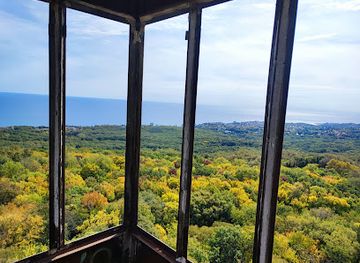
Discover panoramic Black Sea views and a rich history at Varna's iconic Watch Tower, a coastal gem.
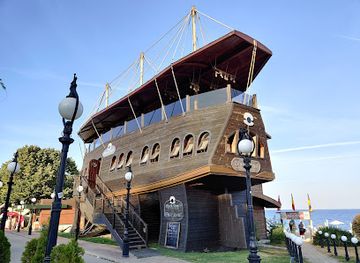
Best landmarks in Golden Sands
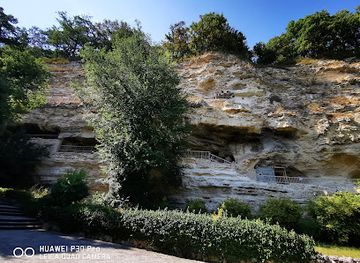
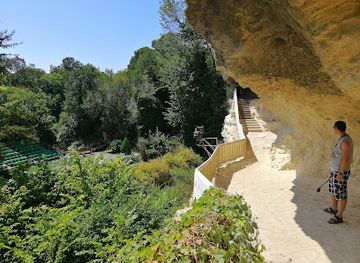
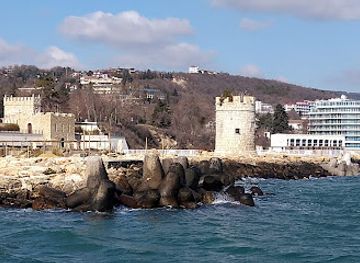
The defining natural landmark is Golden Sands beach, a broad Black Sea shore whose pale sand gives the resort its identity. Behind it, the wooded slopes of Golden Sands Nature Park form a contrasting green landmark and preserve part of the coastal landscape that existed before large-scale resort development. Aladzha Monastery, set in a limestone cliff within the forest, is the area’s most important historic landmark; its rock-cut religious spaces reveal the medieval Orthodox presence in north-eastern Bulgaria. Farther south, Varna’s Roman baths and cathedral belong to the wider regional heritage rather than to Golden Sands itself. The meeting of beach, forest and excavated medieval rock architecture gives the resort a more varied identity than a purely built waterfront.
-
Monastery
Aladzha Monastery
Explore a medieval cave monastery in Bulgaria's Golden Sands Nature Park, featuring unique architecture, rich history, and mystical legends.
-
Beach
Nirvana Beach
Experience the serene beauty of Nirvana Beach, a hidden gem on the Bulgarian coast, perfect for relaxation and seaside adventures.
-
Beach
Riviera beach free zone
Experience the tranquility of Riviera Beach Free Zone in Varna, Bulgaria – a perfect blend of sun, sea, and serenity for all travelers.
-
Park
Priroden Park Zlatni Pyasatsi
Discover Bulgaria's Golden Sands Nature Park: Hiking, birdwatching, and Black Sea views await in this coastal paradise.
Explore Golden Sands on the map
Plan your trip on one map. See where the top attractions, landmarks, restaurants and hotels are, and book hotels and experiences in a few clicks.
Best hotels in Golden Sands
Best restaurants in Golden Sands
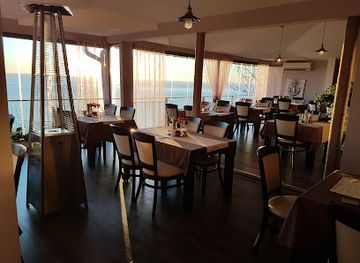
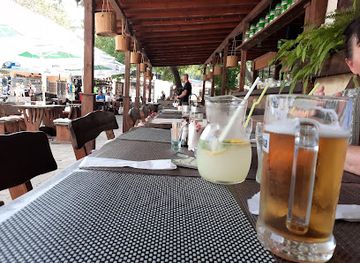
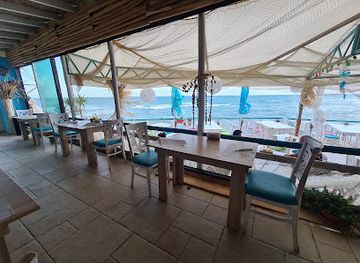
Dining in Golden Sands is concentrated around the hotel zone, central streets and seafront, with menus shaped by Bulgarian cooking, Balkan comfort food and the expectations of an international holiday resort. Visitors can look for shopska salad, grilled meats, banitsa, kebapche, fresh vegetables and Black Sea fish where local supply and seasonal menus allow. Seafood restaurants and casual beach dining sit alongside hotel restaurants, cafés and establishments serving familiar European dishes. Much of the resort operates seasonally, and the range of options is more limited outside the main summer period. For a broader choice of traditional Bulgarian restaurants, bakeries and everyday food shopping, Varna is the nearest major urban centre. Visitors staying in apartments may find supermarkets and smaller food shops useful for self-catering, although exact opening arrangements vary.
-
Restaurant
Danton
Experience exquisite seafood dining at Danton, where fresh flavors meet stunning coastal views in Golden Sands, Bulgaria.
-
Restaurant
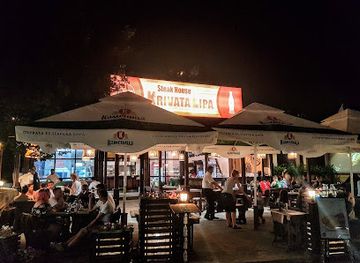
Steak House Krivata Lipa
Discover authentic Bulgarian flavors at Steak House Krivata Lipa in Varna's Golden Sands - where every steak tells a story.
-
Restaurant
RESTAURANT SEA DRAGON
Discover culinary excellence at Restaurant Sea Dragon – a Mediterranean haven offering fresh seafood and stunning coastal views.
-
Restaurant
Steak House Staria Dab
Discover culinary excellence at Steak House Staria Dab, where every steak tells a story amidst the beauty of Golden Sands.
Best bars in Golden Sands
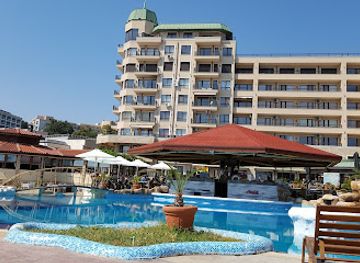
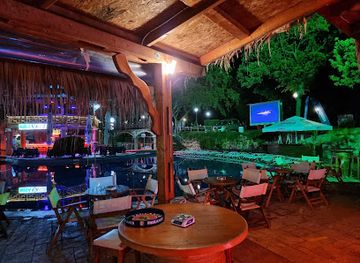
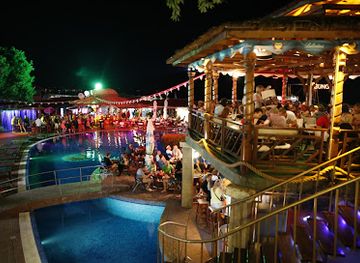
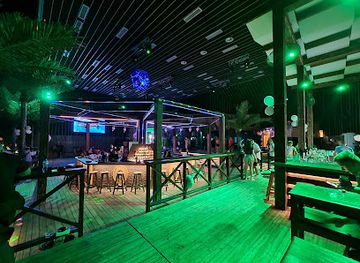
Golden Sands has one of the livelier evening scenes on Bulgaria’s northern coast, especially during the main summer season. Bars, hotel lounges, beach venues and entertainment spaces cluster around the central resort and promenade, with music, drinks and late-night activity aimed largely at holiday visitors. The character ranges from informal seaside cafés to louder seasonal venues, while many hotels provide their own evening programmes. The resort is not representative of the quieter villages or protected woodland nearby, where nightlife is minimal. Varna offers a broader and more locally oriented choice of bars, cultural venues and late-evening restaurants outside Golden Sands, but requires transport back to the resort. Availability, noise levels and operating patterns change considerably with the season.
-
Bar
Megapark Dolphin
Discover the vibrant Megapark Dolphin in Golden Sands, Varna—your destination for refreshing drinks, stunning views, and lively entertainment.
-
Bar
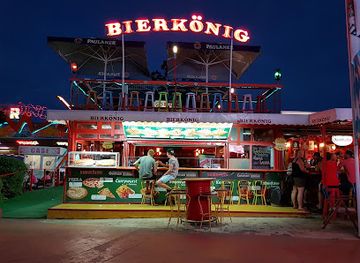
Bierkönig
Experience vibrant nightlife at Bierkönig, the ultimate bar in Golden Sands, Varna, offering a lively atmosphere and an extensive drink menu.
-
Bar
Beach Club Malibu
Experience the vibrant atmosphere of Beach Club Malibu in Varna, a perfect blend of relaxation, great drinks, and stunning beachfront views.
-
Restaurant
Steak House Krivata Lipa
Experience the finest steaks in the heart of Golden Sands at Steak House Krivata Lipa, where quality meets flavor in a cozy setting.
Best nightclubs in Golden Sands
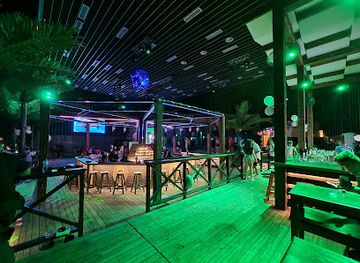
Golden Sands has one of the livelier evening scenes on Bulgaria’s northern coast, especially during the main summer season. Bars, hotel lounges, beach venues and entertainment spaces cluster around the central resort and promenade, with music, drinks and late-night activity aimed largely at holiday visitors. The character ranges from informal seaside cafés to louder seasonal venues, while many hotels provide their own evening programmes. The resort is not representative of the quieter villages or protected woodland nearby, where nightlife is minimal. Varna offers a broader and more locally oriented choice of bars, cultural venues and late-evening restaurants outside Golden Sands, but requires transport back to the resort. Availability, noise levels and operating patterns change considerably with the season.
-
Bar
Megapark Dolphin
Experience the vibrant nightlife of Megapark Dolphin in Golden Sands, where cocktails, music, and fun await every visitor.
-
Bar
Beach Club Malibu
Experience the vibrant atmosphere and stunning coastal views at Beach Club Malibu, Varna's ultimate beachside retreat for relaxation and fun.
-
Bar
Ballermann6 Beach Bar
Discover the ultimate beach experience at Ballermann6 Beach Bar, where sun, fun, and delicious drinks await in Golden Sands, Varna.
-
Disco club
PR Club
Discover the electrifying nightlife at PR Club in Golden Sands, Varna—a premier disco club for unforgettable nights of dancing and fun.

Best shops in Golden Sands
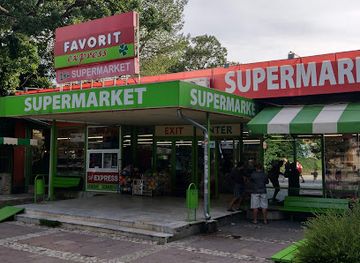
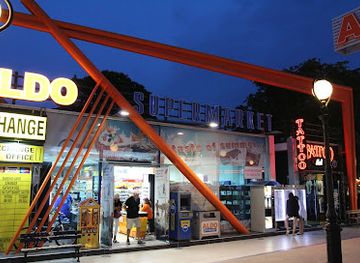
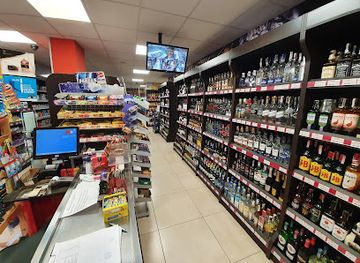
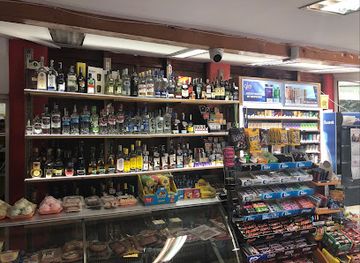
Shopping in Golden Sands is primarily geared towards visitors, with resort shops, beachwear outlets, convenience stores, souvenir stalls and small retailers concentrated around the waterfront and hotel areas. Typical purchases include Bulgarian food products, cosmetics, gifts, beach equipment and inexpensive holiday clothing, while the exact range varies with the season. The resort is not a major craft or market centre, so visitors seeking a wider selection of Bulgarian goods, books, everyday products and independent shops will find more choice in Varna. Local supermarkets and smaller food shops can support self-catering, though larger shopping trips are easier in the city. Treat promotional claims and informal currency offers cautiously, and check quality and prices before buying from seasonal stalls.
-
Supermarket
FAVORIT Supermarket
Discover local flavors and essentials at FAVORIT Supermarket in Golden Sands, your one-stop shop for all your vacation needs.
-
Supermarket
Aldo Supermarket
Discover a fantastic range of local and international products at Aldo Supermarket in Varna, a convenient shopping destination for tourists in Golden Sands.
-
Supermarket
Ситимаркет 14 — Golden sands
Discover the ultimate convenience at Ситимаркет 14 in Golden Sands, where local and international products meet friendly service.
-
Grocery store
Супермаркет ДОБРЕВИ- КМ
Discover local Bulgarian flavors and fresh produce at Супермаркет ДОБРЕВИ- КМ, a must-visit grocery store in Varna for tourists.
Get your free copy of our complete guide to Golden Sands, delivered straight to you.
Everything on this page, from attractions and restaurants to essentials and local phrases, in one PDF you can read offline, print or share.
Already have an account? Sign in
Your Golden Sands guide is ready.
We'll send it to · Not you? Sign out

Getting your guide ready…
We are putting together a fresh copy of the Golden Sands guide. This can take up to a minute.
This can take a few moments. If your browser asks, choose Allow so the download can start. You'll find the guide in your Downloads folder.
Nothing happened? Download it again
Sorry, the guide is taking longer than usual. Please try again in a minute, or get it by email instead.
Golden Sands essentials
Currency and Payment
Safety
Emergency Situations
Do's and Don'ts
Local Tips
From Eve
Local phrases worth knowing
You don't need to get them perfect. A few words go a long way, and locals appreciate the effort.
Basics
| English | Local | Say it |
|---|---|---|
| Hello | Здравейте | [Zdraveyte] |
| Goodbye | Довиждане | [Dovizhdane] |
| Yes | Да | [Da] |
| No | Не | [Ne] |
| Please/You're welcome | Моля | [Molya] |
| Thank you | Благодаря | [Blagodarya] |
| Excuse me/Sorry | Извинете | [Izvinete] |
| How are you? | Как сте? | [Kak ste?] |
| Fine. And you? | Добре. А вие? | [Dobre. A vie?] |
| Do you speak English? | Говорите ли английски? | [Govorite li angliyski?] |
| I don't understand | Не разбирам | [Ne razbiram] |
Eating & Drinking
| English | Local | Say it |
|---|---|---|
| I'd like to see the menu, please | Бих искал да видя менюто, моля | [Bih iskal da vida menuto, molya] |
| I don't eat meat | Не ям месо | [Ne yam meso] |
| Cheers! | На здраве! | [Na zdrave!] |
| I would like to pay, please | Бих искал да платя, моля | [Bih iskal da platya, molya] |
Emergencies
| English | Local | Say it |
|---|---|---|
| Help! | Помощ! | [Pomosht!] |
| Go away! | Отсъни! | [Otsani!] |
| Call the Police! | Обадете се на полицията! | [Obadete se na politsiyata!] |
| Call a doctor! | Обадете се на лекар! | [Obadete se na lekar!] |
| I'm lost | Загубих се | [Zagubih se] |
| I'm ill | Болен съм | [Bolen sam] |
Shopping
| English | Local | Say it |
|---|---|---|
| I'd like to buy... | Бих искал да купя... | [Bih iskal da kupya...] |
| I'm just looking | Само гледам | [Samo gledam] |
| How much is it? | Колко струва? | [Kolko struva?] |
| That's too expensive | Това е твърде скъпо | [Tova e tvurde skapо] |
| Can you lower the price? | Можете ли да намалите цената? | [Mozhete li da namalite tsenata?] |
Time & Numbers
| English | Local | Say it |
|---|---|---|
| What time is it? | Колко е часът? | [Kolko e chasat?] |
| It's one o'clock | Един час е | [Edin chas e] |
| Half past (10) | В половина на (10) | [V polovina na (10)] |
| Morning | Сутрин | [Sutrin] |
| Afternoon | Следобед | [Sledobed] |
| Evening | Вечер | [Vecher] |
| Yesterday | Вчера | [Vchera] |
| Today | Днес | [Dnes] |
| Tomorrow | Утре | [Utre] |
| 1 | Едно | [Edno] |
| 2 | Две | [Dve] |
| 3 | Три | [Tri] |
| 4 | Четири | [Chetiri] |
| 5 | Пет | [Pet] |
| 6 | Шест | [Shest] |
| 7 | Седем | [Sedem] |
| 8 | Осем | [Osem] |
| 9 | Девет | [Devet] |
| 10 | Десет | [Deset] |
Transport & Directions
| English | Local | Say it |
|---|---|---|
| Where's a/the...? | Къде е...? | [Kade e...?] |
| What's the address? | Какъв е адресът? | [Kakav e adresat?] |
| Can you show me (on the map)? | Можете ли да ми покажете (на картата)? | [Mozhete li da mi pokazhete (na kartata)?] |
| When's the next (bus)? | Кога е следващият (автобус)? | [Koga e sledvashtiyat (avtobus)?] |
| A ticket (to ....) | Билет (до ...) | [Bilet (do ...)] |
History of Golden Sands
Coastal Landscape and Early Settlement
The coast around Golden Sands was shaped by the Black Sea, coastal sands and the wooded limestone hills that rise immediately inland. The wider Varna region has a long human history, including prehistoric settlement and the ancient maritime communities associated with the Bay of Varna, although the modern resort site itself was not a major historic town. Its early identity was tied more closely to the surrounding coastal landscape, forest resources and nearby settlements than to large urban development.
Medieval Monastic Heritage
The principal surviving historic monument near Golden Sands is Aladzha Monastery, a medieval Orthodox rock monastery carved into limestone cliffs within the surrounding woodland. Monastic cells, a chapel and other spaces were cut into the rock, reflecting the tradition of secluded religious communities along Bulgaria’s Black Sea coast. The monastery was later abandoned, but its remains provide an important connection between the resort area and the medieval religious history of north-eastern Bulgaria.
Creation of the Modern Resort
Golden Sands emerged as an organised seaside resort in the late 1950s, during the period when Bulgaria expanded its Black Sea tourism infrastructure. Hotels, roads, restaurants and beach facilities were progressively developed around the long sandy shore, transforming a lightly settled coastal landscape into an international holiday centre. The resort’s name became associated with its beach, while its location beside wooded hills helped distinguish it from more intensively built-up coastal areas.
Nature Protection and Tourism
As tourism expanded, the forested hinterland gained importance as a natural counterpoint to the built resort. Golden Sands Nature Park was established to protect the coastal woodland and associated habitats, making it one of the notable protected landscapes near Bulgaria’s urbanised Black Sea coast. Contemporary Golden Sands consequently combines mass seaside tourism with managed natural areas, historic heritage at Aladzha Monastery and the continuing challenge of balancing visitor facilities with the conservation of its wooded slopes.
Golden Sands in Photos
Browse through our photo collection highlighting the charm and character of the destination.
Neighbouring destination travel guides
The closest destinations to Golden Sands, if you have time for more than one.
-

-

-

-

-


Swipe for more destinations
Explore more
Explore more of Dobruja
Explore Dobruja in Bulgaria: A region of stunning landscapes, rich history, vibrant culture, and delicious cuisine, perfect for nature lovers and history buffs alike.
Explore Dobruja
Explore more of Bulgaria
Explore Bulgaria: From Sofia's bustling streets to the serene mountains and stunning Black Sea beaches, discover the rich history, culture, and natural beauty of Bulgaria.
Explore Bulgaria