

Free Dobruja Travel Guide & Mobile App
Explore Dobruja with free travel guides. Discover regional history, expert tips, proposed trips, and audio guides on web or mobile app.


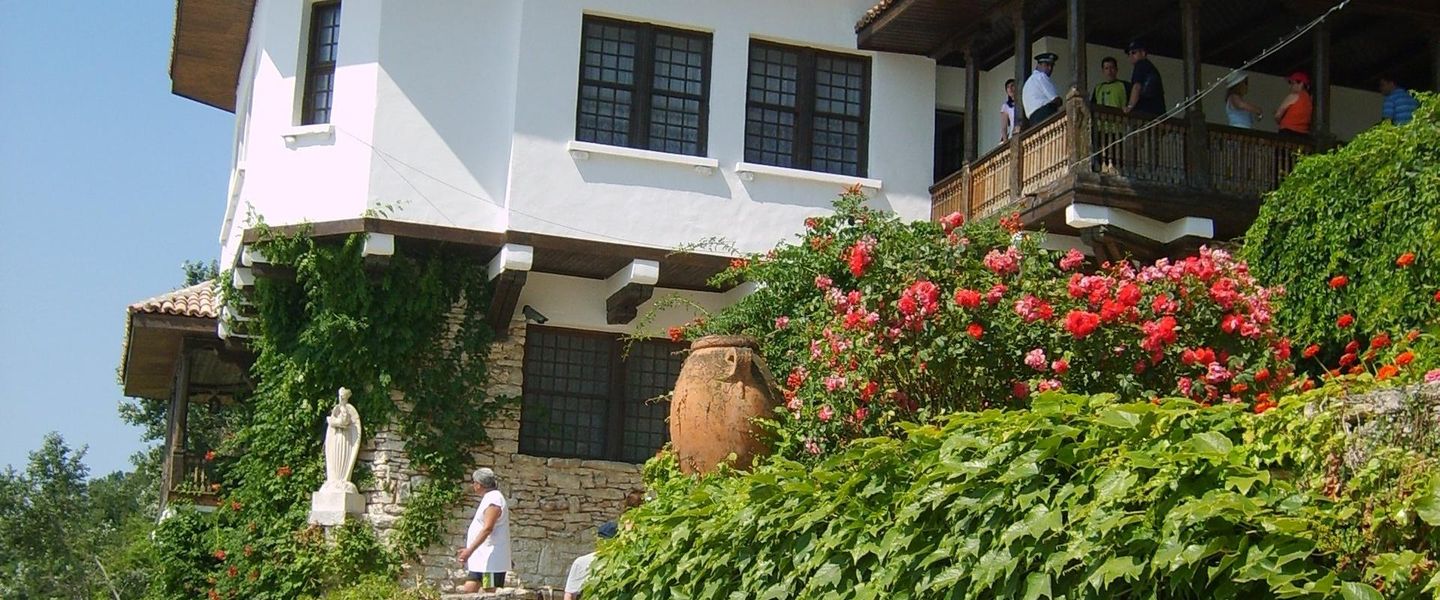


Explore Dobruja in north-eastern Bulgaria for open farmland, Danube towns, bird-rich wetlands, ancient sites and the dramatic Black Sea coast.
Read more about Dobruja
When is the best time to visit Dobruja?
Best: June–August · 24–26°C| Month | High (°C) | Rainfall (mm) |
|---|---|---|
| January | 4 | 40 |
| February | 5 | 35 |
| March | 10 | 40 |
| April | 15 | 45 |
| May | 20 | 50 |
| June (best) | 24 | 55 |
| July (best) | 26 | 50 |
| August (best) | 26 | 45 |
| September | 21 | 40 |
| October | 16 | 35 |
| November | 9 | 40 |
| December | 5 | 45 |
Getting to and around Dobruja
How to get there
Transportation
Top city travel guides in Dobruja
The cities of Dobruja, and the easiest places to base yourself.
-

-


Swipe for more cities
Destinations in Dobruja
Resorts, valleys and scenic spots worth a trip of their own.
-

-

-

-

-

-


Swipe for more destinations
Best attractions in Dobruja
Dobruja’s attractions range from prehistoric archaeology and medieval fortifications to wetlands, beaches and open agricultural landscapes. The Durankulak archaeological complex beside its lake is especially significant for its prehistoric settlements and burial remains, while the nearby protected wetlands attract migratory birds. At Cape Kaliakra, archaeological remains and a long headland combine history with views across the Black Sea. Balchik offers the former royal summer residence and its botanical garden, while Kavarna provides access to the northern coastal scenery and surrounding villages. Inland, Dobrich’s museums explain local history and rural life, and Silistra and Tutrakan connect the region with the Danube frontier. The coast supports swimming, boating and walking, though facilities vary considerably between resort beaches and more exposed shores. Birdwatching, landscape photography and cycling are particularly rewarding in spring and autumn, when temperatures are moderate and the plain has a changing agricultural character. As distances are considerable and public transport is limited away from the main towns, the region is best experienced through several carefully chosen bases or a flexible road itinerary.
-
Historical landmark
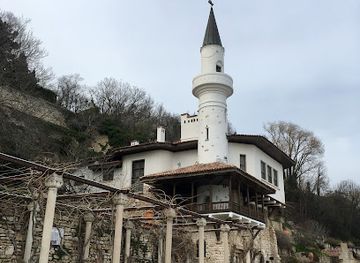
Balchik Dvoretsa Palace and Park
Discover royal history and botanical beauty at Balchik Dvoretsa Palace and Park, a Black Sea gem built for Queen Marie of Romania.
-
Botanical garden
Balchik Botanic Garden
Explore a world of flora at the Black Sea's Balchik Botanic Garden, a serene oasis of natural beauty and historical charm.
-
Tourist attraction
University Botanical Garden Ecopark Varna
Explore the University Botanical Garden Ecopark in Varna, a stunning destination filled with diverse plant species and serene landscapes for nature lovers.
-
Nature preserve
Baltata
Discover Baltata Nature Preserve near Varna: a coastal haven with diverse ecosystems, rich wildlife, and tranquil trails for nature lovers.


Best landmarks in Dobruja
Cape Kaliakra is Dobruja’s most recognisable natural and historical landmark: a narrow limestone promontory rising above the Black Sea, with remains of its medieval fortress and settlement spread along the ridge. In Balchik, the former summer residence of Queen Marie of Romania and its terraced botanical garden form a distinctive architectural and horticultural ensemble on the hillside above the bay. The prehistoric island settlement at Durankulak gives the northern coast archaeological importance, while the long lake and reedbeds add ecological value to the setting. Dobrich’s central architecture and museums express the modern civic identity of the inland agricultural capital, whereas Silistra’s Danube position preserves the memory of a frontier town with ancient and medieval roots. The flat Dobrudja Plain itself is a landmark of landscape scale: its treeless fields, low valleys and changing bands of crops create a powerful contrast with the eroded cliffs and open sea around the coast.
-
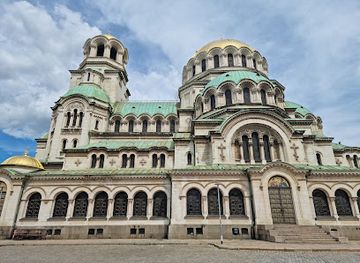
Eastern Orthodox Church
Patriarchal Cathedral of St. Alexander Nevsky
Discover Sofia's iconic Orthodox cathedral, a monument to history, art, and faith, with stunning Neo-Byzantine architecture and intricate mosaics.
-
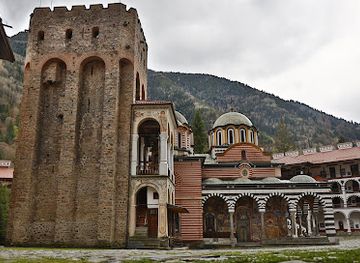
Monastery
Rila Monastery
Explore the breathtaking Rila Monastery, a UNESCO World Heritage Site nestled in the serene Rila Mountains, showcasing stunning architecture and rich cultural heritage.
-
Historical landmark
Ancient Theatre of Philippopolis
Discover the Ancient Theatre of Philippopolis, a stunning Roman landmark in Plovdiv, steeped in history and culture, offering breathtaking views and performances.
-
Historical landmark
Balchik Dvoretsa Palace and Park
Explore the enchanting Balchik Dvoretsa Palace and Park, a historical jewel on Bulgaria's Black Sea coast, rich in culture and natural beauty.

Explore Dobruja on the map
Plan your trip on one map. See where the top cities, national parks and sights are, and book hotels and experiences in a few clicks.
Best hotels in Dobruja
Best restaurants in Dobruja
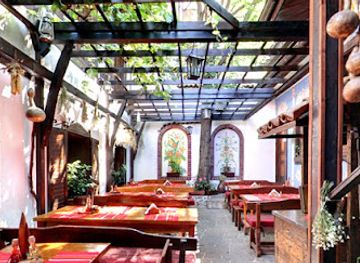
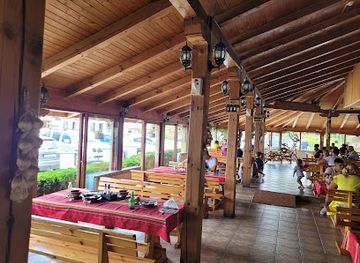
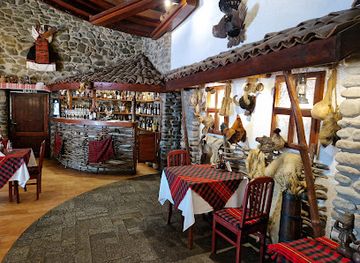
Dining in Bulgarian Dobruja reflects both the agricultural plain and the Black Sea coast. Coastal restaurants in Balchik, Kavarna and smaller seaside settlements commonly serve grilled fish, mussels, seasonal salads and Bulgarian staples, although the most exposed northern shore has fewer year-round choices. Inland menus tend to draw on wheat, maize, vegetables, dairy products and preserved foods from the surrounding farming districts, with dishes such as shopska salad, banitsa, kavarma and grilled meats forming part of the wider Bulgarian culinary tradition rather than being exclusive to Dobruja. Local bakeries and village shops are useful for pastries, yoghurt, cheese and fruit in season. Markets in Dobrich, Silistra and smaller towns provide a better sense of regional produce than resort promenades, particularly during the harvest months. Bulgarian wine and rakia are widely available, while Black Sea fish is best treated as a seasonal product whose availability and origin should be checked rather than assumed.
-
Bulgarian
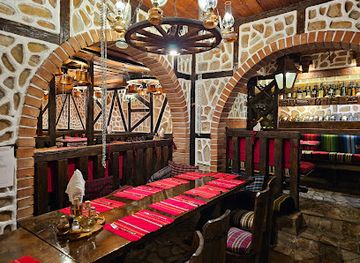
Hadjidraganov's Cellars
Discover authentic Bulgarian cuisine and vibrant live music at Hadjidraganov's Cellars in Sofia for an unforgettable cultural experience.
-
Bulgarian
Hadjidraganov's Houses Restaurant
Discover the heart of Bulgaria at Hadjidraganov's Houses Restaurant with authentic cuisine and lively folk music in Sofia.
-
Restaurant
Dobrevski Restaurant
Experience authentic Bulgarian cuisine at Dobrevski Restaurant in Balgarski Izvor – where tradition meets taste.
-
Bulgarian
Restaurant Vodenitzata | Вкусна Храна | Достъпни Цени | Безкомпромисно Обслужване
Discover the essence of Bulgarian flavors at Restaurant Vodenitzata – where tradition meets taste in the heart of Sofia.
Best bars in Dobruja
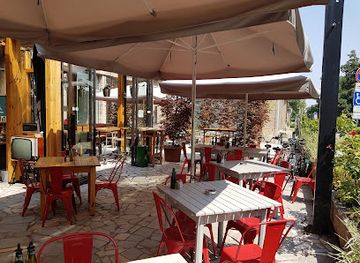
Evenings in Dobruja vary sharply between the coast and the inland plain. Balchik and Kavarna have the broadest choice of seafront restaurants, cafés, bars and seasonal music venues, with activity increasing during the summer holiday period. Smaller coastal settlements generally favour informal terraces and hotel bars over a substantial club scene. In Dobrich and Silistra, nightlife is more local and urban, centred on cafés, restaurants, pubs and occasional live entertainment rather than large destination nightclubs. Inland villages tend to become quiet after dinner, although traditional roadside establishments may offer food and drinks. Visitors should expect seasonal variation, shorter opening arrangements outside summer and a stronger emphasis on conversation, dining and outdoor terraces than on all-night clubbing.
-
Bar
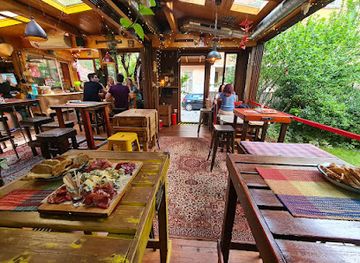
Raketa Rakia Bar
Experience the authentic flavors of Bulgaria at Raketa Rakia Bar, where tradition meets a vibrant atmosphere in the heart of Sofia.
-
Cocktail bar
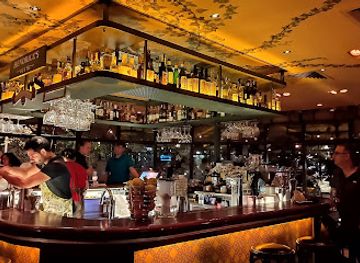
The Cocktail Bar
Discover Sofia's nightlife at The Cocktail Bar, where innovative cocktails meet a vibrant atmosphere, perfect for every traveler.
-
Bar
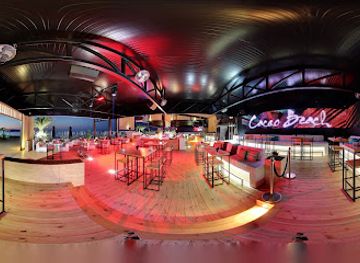
Cacao Beach Club
Discover the vibrant nightlife and electrifying atmosphere at Cacao Beach Club, a must-visit destination in Sunny Beach, Bulgaria.
-
Cocktail bar
65 Fireflies
Experience Sofia's vibrant cocktail scene at 65 Fireflies, where innovative drinks meet an artistic atmosphere in the heart of the city.
Best nightclubs in Dobruja
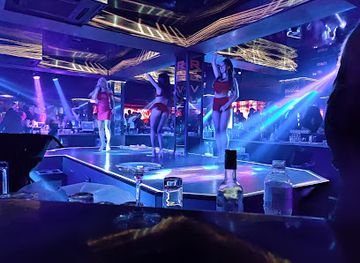
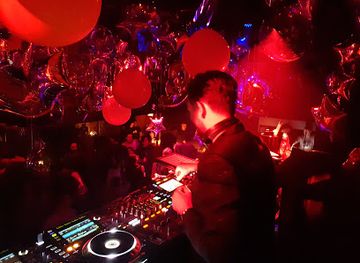
Evenings in Dobruja vary sharply between the coast and the inland plain. Balchik and Kavarna have the broadest choice of seafront restaurants, cafés, bars and seasonal music venues, with activity increasing during the summer holiday period. Smaller coastal settlements generally favour informal terraces and hotel bars over a substantial club scene. In Dobrich and Silistra, nightlife is more local and urban, centred on cafés, restaurants, pubs and occasional live entertainment rather than large destination nightclubs. Inland villages tend to become quiet after dinner, although traditional roadside establishments may offer food and drinks. Visitors should expect seasonal variation, shorter opening arrangements outside summer and a stronger emphasis on conversation, dining and outdoor terraces than on all-night clubbing.
-
Rock music club
Rock'nRolla
Experience Sofia's pulsating nightlife at Rock'nRolla, where live music, cocktails, and karaoke create unforgettable nights.
-
Night club
Club Revue
Discover Sofia's nightlife at Club Revue, where exceptional music, lively ambiance, and refreshing drinks create an unforgettable experience.
-
Disco club
Yalta
Experience the pulsating nightlife of Sofia at Yalta, a premier disco club known for its electric atmosphere, live DJs, and exquisite cocktails.
-
Disco club
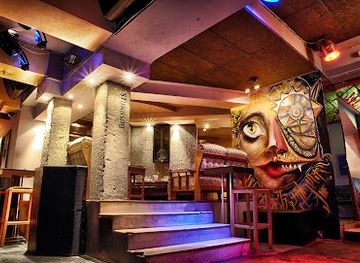
Biad Premium Club
Experience Sofia's vibrant nightlife at Biad Premium Club, where music, dance, and social energy come together for an unforgettable night.

Best shops in Dobruja
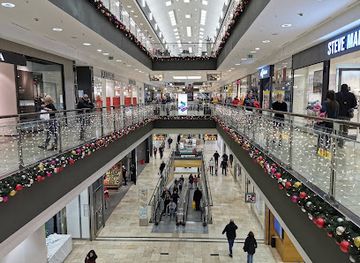
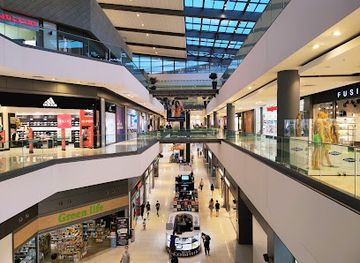
Shopping in Dobruja is primarily practical and local rather than centred on luxury retail. Dobrich has the region’s broadest selection of everyday shops, supermarkets, cafés and market stalls, while Silistra serves the Danube districts with a similar town-centre mix. Balchik and Kavarna offer seasonal galleries, craft shops, food stores and small boutiques aimed partly at summer visitors, with quieter retail streets outside the main holiday months. Good regional purchases include honey, dried herbs, preserves, cheeses, wine, rakia and seasonal fruit, although labels should be checked for origin. Pottery, textiles and handmade decorative goods appear in galleries and craft outlets, but quality and availability vary. Farmers’ markets and town markets are generally more useful for observing local commerce and buying produce than for finding a standardised souvenir range. Bargaining is not normally expected in established shops; it may be more acceptable in informal market settings, where paying in Bulgarian levs is often easiest.
-
Shopping mall
Serdika Center
Discover Sofia's vibrant shopping hub with over 200 stores, delightful dining, and entertainment at Serdika Center.
-
Shopping mall
Sofia Ring Mall
Explore Sofia Ring Mall: Your ultimate shopping and dining destination in Sofia, Bulgaria, featuring international brands and local delights.
-
Shopping mall
The Mall
Experience the perfect blend of shopping, dining, and entertainment at The Mall in Sofia, Bulgaria's leading shopping destination.
-
Shopping mall
Mall of Sofia
Discover the vibrant shopping scene at Mall of Sofia, where modern design meets a diverse array of stores and dining options in Bulgaria's capital.
Get your free copy of our complete guide to Dobruja, delivered straight to you.
Everything on this page, from attractions and restaurants to essentials and local phrases, in one PDF you can read offline, print or share.
Already have an account? Sign in
Your Dobruja guide is ready.
We'll send it to · Not you? Sign out

Getting your guide ready…
We are putting together a fresh copy of the Dobruja guide. This can take up to a minute.
This can take a few moments. If your browser asks, choose Allow so the download can start. You'll find the guide in your Downloads folder.
Nothing happened? Download it again
Sorry, the guide is taking longer than usual. Please try again in a minute, or get it by email instead.
Dobruja essentials
Currency and Payment
Safety
Emergency Situations
Do's and Don'ts
Local Tips
From Eve
Local phrases worth knowing
You don't need to get them perfect. A few words go a long way, and locals appreciate the effort.
Basics
| English | Local | Say it |
|---|---|---|
| Hello | Здравейте | [Zdraveyte] |
| Goodbye | Довиждане | [Dovizhdane] |
| Yes | Да | [Da] |
| No | Не | [Ne] |
| Please/You're welcome | Моля/Няма за какво | [Molya/Nyama za kakvo] |
| Thank you | Благодаря | [Blagodarya] |
| Excuse me/Sorry | Извинете/Съжалявам | [Izvinete/Sazhalyavam] |
| How are you? | Как сте? | [Kak ste?] |
| Fine. And you? | Добре. А вие? | [Dobre. A vie?] |
| Do you speak English? | Говорите ли английски? | [Govorite li angliyski?] |
| I don't understand | Не разбирам | [Ne razbiram] |
Eating & Drinking
| English | Local | Say it |
|---|---|---|
| I'd like to see the menu, please | Бих искал да видя менюто, моля | [Bih iskal da vidya menyuto, molya] |
| I don't eat meat | Не ям месо | [Ne yam meso] |
| Cheers! | Наздраве! | [Nazdrave!] |
| I would like to pay, please | Бих искал да платя, моля | [Bih iskal da platya, molya] |
Emergencies
| English | Local | Say it |
|---|---|---|
| Help! | Помощ! | [Pomosht!] |
| Go away! | Отивай си! | [Otivay si!] |
| Call the Police! | Викайте полиция! | [Vikayte politsiya!] |
| Call a doctor! | Викайте лекар! | [Vikayte lekar!] |
| I'm lost | Загубен съм | [Zaguben sŭm] |
| I'm ill | Болен съм | [Bolen sŭm] |
Shopping
| English | Local | Say it |
|---|---|---|
| I'd like to buy... | Бих искал да купя... | [Bih iskal da kupya...] |
| I'm just looking | Само разглеждам | [Samo razglezhdam] |
| How much is it? | Колко струва? | [Kolko struva?] |
| That's too expensive | Това е твърде скъпо | [Tova e tvarde skŭpo] |
| Can you lower the price? | Можете ли да намалите цената? | [Mozhete li da namalite tsenata?] |
Time & Numbers
| English | Local | Say it |
|---|---|---|
| What time is it? | Колко е часа? | [Kolko e chasa?] |
| It's one o'clock | Часът е един | [Chasŭt e edin] |
| Half past (10) | Половин след (10) | [Polovin sled (10)] |
| Morning | Сутрин | [Sutrin] |
| Afternoon | Следобед | [Sledobed] |
| Evening | Вечер | [Vecher] |
| Yesterday | Вчера | [Vchera] |
| Today | Днес | [Dnes] |
| Tomorrow | Утре | [Utre] |
| 1 | 1 | [1] |
| 2 | 2 | [2] |
| 3 | 3 | [3] |
| 4 | 4 | [4] |
| 5 | 5 | [5] |
| 6 | 6 | [6] |
| 7 | 7 | [7] |
| 8 | 8 | [8] |
| 9 | 9 | [9] |
| 10 | 10 | [10] |
Transport & Directions
| English | Local | Say it |
|---|---|---|
| Where's a/the...? | Къде е ...? | [Kŭde e ...?] |
| What's the address? | Какъв е адресът? | [Kakav e adresŭt?] |
| Can you show me (on the map)? | Можете ли да ми покажете (на картата)? | [Mozhete li da mi pokazhete (na kartata)?] |
| When's the next (bus)? | Кога е следващият (автобус)? | [Koga e sledvashtiyat (avtobus)?] |
| A ticket (to ....) | Билет (до ...) | [Bilet (do ...)] |
History of Dobruja
Prehistoric Settlements at Durankulak
The Durankulak archaeological complex, near the northern Black Sea coast, is among the most important prehistoric sites in Bulgaria. Excavations on the Big Island in Durankulak Lake have revealed settlements and burials dating from the Neolithic and later periods, demonstrating that communities were farming, crafting and trading in the region thousands of years ago. The site’s position beside a freshwater lake and near the sea helped support long-term occupation. Its remains provide important evidence for the development of early agricultural societies around the western Black Sea.
Greek, Thracian and Roman Coastal Towns
The western Black Sea coast of Dobruja became part of wider networks linking Greek colonies, Thracian communities and later Roman provinces. Dionysopolis, at modern Balchik, developed as a Greek coastal settlement and remained significant under Roman rule. Callatis, now Mangalia across the modern border in Romania, and other Black Sea ports formed part of the same regional maritime world, although they are outside Bulgaria. Roman roads and fortifications connected the coast with the Danube frontier and the interior, leaving archaeological traces around modern Dobruja.
Medieval Bulgarian and Dobrujan Rule
During the medieval period, Dobruja was contested by the Bulgarian and Byzantine states and later became the centre of a semi-independent political entity often known as the Despotate of Dobruja. From the fourteenth century, rulers associated with Balik and Dobrotitsa controlled parts of the coast and Danubian hinterland, and the region’s name is commonly linked with Dobrotitsa. Kaliakra served as an important fortified centre and political seat. The medieval period strengthened the region’s connections with Black Sea trade and the Danube frontier.
Ottoman Rule and a Frontier Economy
Ottoman forces incorporated Dobruja during the late fourteenth and early fifteenth centuries. The region then formed part of the Ottoman borderlands for several centuries, with towns, villages and agricultural estates shaped by imperial administration and trade. Its position between the Danube and Black Sea gave it continuing military and commercial importance, while population movements introduced and resettled different communities. Many present-day settlements retain traces of this layered past in their religious buildings, street patterns, place names and mixed cultural heritage.
Romanian Administration after 1878
Following the Russo-Turkish War of 1877–78 and the Treaty of Berlin, Northern Dobruja was assigned to Romania, while Southern Dobruja remained within Bulgaria. The change altered administration, landholding and population patterns across the wider region. Railway construction and the development of ports strengthened connections with the Danube and the Black Sea. The division also gave Dobruja a particularly sensitive political character, as the border cut through a historically interconnected landscape rather than separating wholly distinct communities.
Southern Dobruja between Romania and Bulgaria
Southern Dobruja, including the area around Dobrich and Silistra, was transferred to Romania under the Treaty of Bucharest in 1913 after the Second Balkan War. Bulgaria recovered the territory in 1940 through the Treaty of Craiova, an exchange accompanied by population movements between the two countries. These events left a lasting mark on villages, family histories and cultural institutions. The modern Bulgarian region therefore reflects both the agricultural development of the twentieth century and the far-reaching consequences of changing national borders.
Agriculture and Modern Regional Change
Dobruja’s fertile chernozem soils made it one of Bulgaria’s major grain-producing areas, supporting wheat, sunflower, maize and livestock farming. Mechanised agriculture expanded during the twentieth century, while socialist collectivisation reorganised landholding and village life. After 1989, land restitution and market reforms changed farming again, alongside the growth of coastal tourism around Balchik, Kavarna and the northern resorts. Today the region’s identity is still anchored in agriculture, but wetlands, archaeological tourism, birdwatching and seaside recreation are increasingly important parts of its economy.
Dobruja in Photos
Browse through our photo collection highlighting the charm and character of the destination.
Neighbouring regions of Dobruja
The closest regions to Dobruja, if you have time for more than one.
-

-

-

-

-


Swipe for more regions
Explore more

Explore more of Bulgaria
Explore Bulgaria: From Sofia's bustling streets to the serene mountains and stunning Black Sea beaches, discover the rich history, culture, and natural beauty of Bulgaria.
Explore Bulgaria