

Balchik Travel Guide - Free Web & App
Your ultimate guide to Balchik. Discover top landmarks, proposed trips, and local tips. Free on the web or via the Evendo companion app.


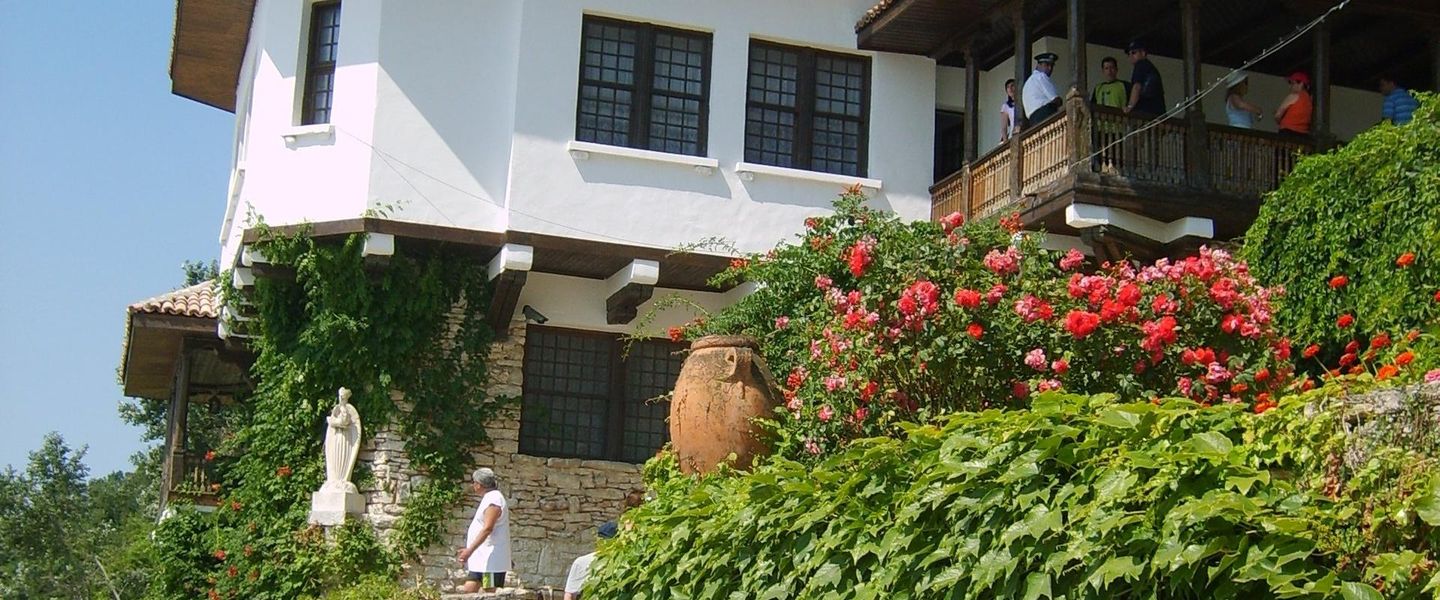


Balchik, Bulgaria pairs a white-cliff Black Sea coast with the Queen Marie Palace, botanical gardens, historic streets, beaches and Dobruja culture.
Coastal Landscape and Local Character
Balchik occupies a sheltered bay on Bulgaria’s northern Black Sea coast, where steep pale limestone slopes descend towards the water and the town’s older streets climb inland. Often called the White City because of its light-coloured cliffs and buildings, Balchik has a more layered and intimate character than the larger resort centres farther south. The waterfront, small harbour and seaside promenade form its most accessible public face, while the historic quarters retain fragments of a town shaped by Bulgarian, Romanian, Ottoman and wider Black Sea influences.Read more about Balchik
The Palace and Botanical Garden
Exploring Balchik and the Coast
When is the best time to visit Balchik?
Best: May–June, September · 25–30°C| Month | High (°C) | Rainfall (mm) |
|---|---|---|
| January | 10 | 36 |
| February | 11 | 32 |
| March | 14 | 39 |
| April | 20 | 51 |
| May (best) | 25 | 68 |
| June (best) | 30 | 46 |
| July | 33 | 55 |
| August | 33 | 56 |
| September (best) | 29 | 54 |
| October | 23 | 73 |
| November | 17 | 60 |
| December | 11 | 42 |
Getting to and around Balchik
How to get there
Transportation
Best attractions in Balchik
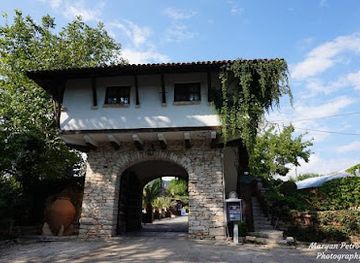
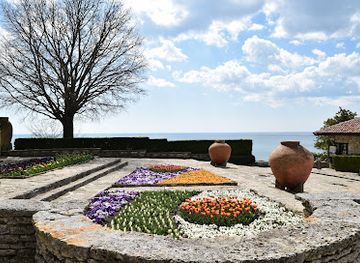
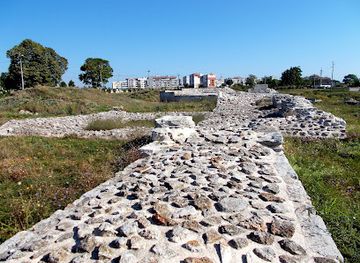
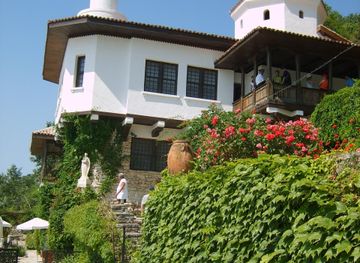
The Palace and University Botanical Garden form Balchik’s principal visitor attraction, combining Queen Marie of Romania’s former summer residence with terraces, sea views and an extensive collection of ornamental plants, including notable cacti and succulents. In the town centre, the Balchik Art Gallery, Historical Museum and Ethnographic Museum introduce local artistic life, archaeology and traditional culture. The Temple of Cybele, an important Hellenistic and Roman archaeological site, offers a glimpse of the ancient settlement beneath the modern town. Along the waterfront, the promenade, harbour and marina provide an easy way to experience Balchik’s coastal setting, while nearby Tuzlata is known for its mud and mineral-water facilities. The surrounding coast includes beaches and quieter rural stretches, and organised excursions may link Balchik with the larger resorts of Albena and Golden Sands or with northern coastal sights, although these lie outside the town itself.
-
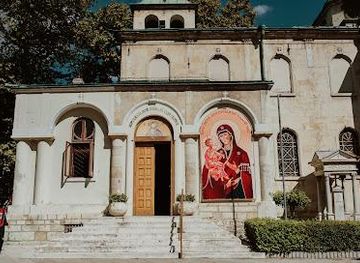
Orthodox church
Saint Nicholas Church, Varna
Explore the architectural and spiritual marvels of Saint Nicholas Church in Varna, a serene destination that embodies Bulgaria's Orthodox heritage.
-
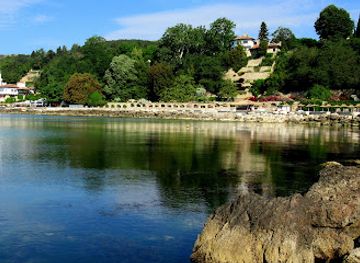
Promenade
Balchik Promenade
Experience the beauty of Balchik Promenade, where stunning views and charming cafes create the perfect escape along Bulgaria's Black Sea coast.
-
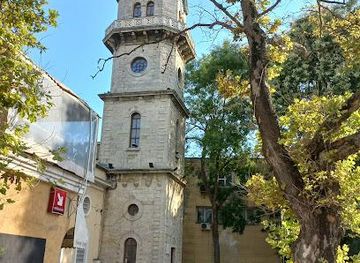
Historical landmark
Clock Tower of Varna
A historic landmark in Varna's city center, the Clock Tower has been accurately telling time and captivating visitors since 1890.
-
Observatory
Public Astronomical Observatory and Planetarium ”Nicolaus Copernicus”
Explore the universe at Varna's Public Astronomical Observatory and Planetarium, offering captivating shows and interactive exhibits for all ages.
Best landmarks in Balchik
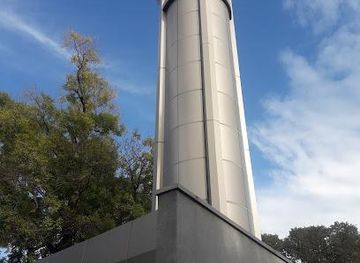
Balchik’s most recognisable natural landmark is the pale limestone coast, whose steep slopes give the town its traditional ‘White City’ character and frame the bay. Above the waterfront, the former Palace of Queen Marie of Romania is a distinctive cultural landmark, while its terraced gardens and stone pathways connect royal history with the coastal landscape. The Temple of Cybele is the town’s major archaeological landmark, preserving evidence of ancient religious life within the modern urban fabric. The harbour and seafront remain important visual markers of Balchik’s maritime identity, although they are working and leisure spaces rather than monumental structures. Tuzlata, north of the town, represents a different coastal landmark through its mud and mineral-water setting, while the surrounding Dobruja plateau explains the agricultural hinterland that has long supported Balchik.
-
Historical landmark
Balchik Dvoretsa Palace and Park
Explore the breathtaking Balchik Dvoretsa Palace and Park, a historical landmark blending cultural heritage with stunning coastal gardens in Bulgaria.
-
Botanical garden
Balchik Botanic Garden
Explore the stunning Balchik Botanic Garden, a historical landmark along the Black Sea coast, featuring diverse plant species and breathtaking landscapes.
-
Tourist attraction
Temple of Cybele
Explore Bulgaria's ancient past at the Temple of Cybele in Balchik, a unique Hellenistic treasure on the Black Sea coast.
-
Historical landmark
Early Medieval Fortress of Karvuna
Experience the captivating history and stunning views at the Early Medieval Fortress of Karvuna in Balchik, Bulgaria's hidden gem.
Explore Balchik on the map
Plan your trip on one map. See where the top attractions, landmarks, restaurants and hotels are, and book hotels and experiences in a few clicks.
Best hotels in Balchik
Best restaurants in Balchik
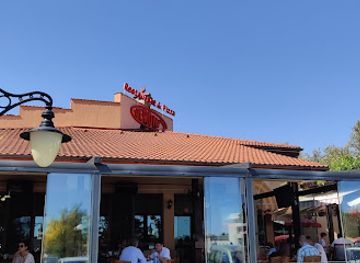
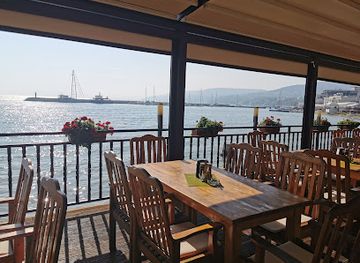
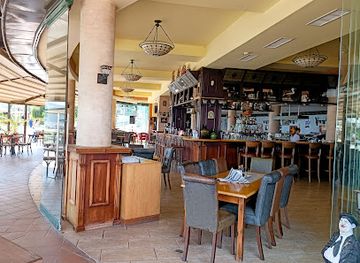
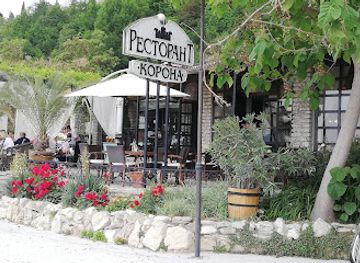
Balchik’s dining scene is concentrated around the seafront, harbour and central streets, with restaurants, cafés and seasonal establishments serving Bulgarian cooking alongside familiar international dishes. Fresh fish and seafood are natural features of a Black Sea port town, while menus commonly draw on regional produce from the fertile Dobruja plain, including vegetables, dairy products, grilled meats and bread-based specialities. Visitors can look for Bulgarian dishes such as shopska salad, kavarma and banitsa, as well as local wines and rakia, the fruit spirit traditionally served in small measures. Smaller cafés are useful for coffee, pastries and light meals during sightseeing. Outside Balchik, options become more dispersed, so travellers exploring Tuzlata or the open coast should not assume that a restaurant will be immediately available and may prefer to eat in town or carry provisions.
-
Restaurant
Veroni
Experience authentic Bulgarian cuisine at Veroni in Balchik - where tradition meets flavor in every dish.
-
Restaurant
Каваци
Experience authentic Bulgarian cuisine at Restaurant Каваци in Balchik – where every meal tells a story.
-
Restaurant
El Simpatico
Experience culinary delights and stunning sea views at El Simpatico in Balchik - a perfect dining destination for tourists.
-
Restaurant
BM Regina Maria
Experience exquisite Mediterranean cuisine with breathtaking sea views at BM Regina Maria in Balchik.
Best bars in Balchik
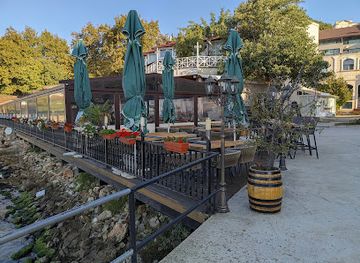
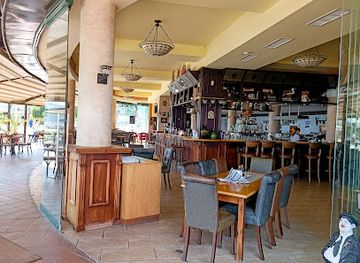
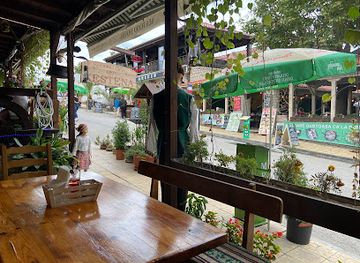
Balchik’s evening life is centred on the waterfront, where cafés, hotel bars and restaurants provide relaxed places for drinks after sunset, particularly during the summer season. The atmosphere is generally quieter and more family-oriented than that of the larger Black Sea resorts, with evenings shaped by harbour views, Bulgarian wine, conversation and seasonal dining rather than a concentrated nightclub district. Some venues may offer music or later service, but programmes and opening patterns can change, so they should be checked locally. Visitors seeking a more extensive club scene usually need to travel towards larger resort areas such as Golden Sands or Sunny Beach, both outside Balchik and not practical as casual evening walks from the town.
-
Restaurant
Veroni
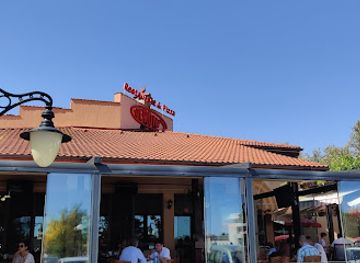
Experience the best of Bulgarian and international cuisine at Veroni in Balchik, where every meal is a culinary journey.
-
Restaurant
El Simpatico
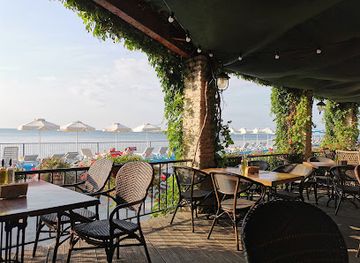
Experience the culinary delights of El Simpatico, a scenic restaurant in Balchik offering a diverse menu and breathtaking sea views.
-
Restaurant
BM Regina Maria
Experience the finest Mediterranean cuisine at BM Regina Maria, a premier restaurant in Balchik with stunning sea views and a delightful ambiance.
-
Bistro
Bistro Kestena
Discover the culinary treasures of Balchik at Bistro Kestena, where local flavors meet a cozy ambiance and stunning coastal views.
Best nightclubs in Balchik
Balchik’s evening life is centred on the waterfront, where cafés, hotel bars and restaurants provide relaxed places for drinks after sunset, particularly during the summer season. The atmosphere is generally quieter and more family-oriented than that of the larger Black Sea resorts, with evenings shaped by harbour views, Bulgarian wine, conversation and seasonal dining rather than a concentrated nightclub district. Some venues may offer music or later service, but programmes and opening patterns can change, so they should be checked locally. Visitors seeking a more extensive club scene usually need to travel towards larger resort areas such as Golden Sands or Sunny Beach, both outside Balchik and not practical as casual evening walks from the town.
-
Bar
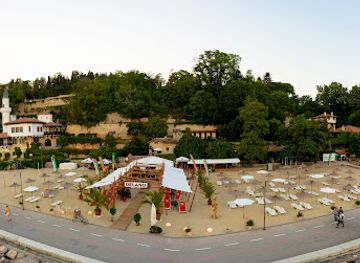
Delano Beach Bar - Balchik
Experience the vibrant nightlife and serene day lounging at Delano Beach Bar in Balchik, where cocktails meet the sea.
-
Night club
Гаража на Сашо
Discover Balchik's nightlife at Гаража на Сашо - an electrifying night club with great music and an inviting atmosphere.
-
Night club
dob
Discover Balchik's nightlife at Dob Night Club, where vibrant music, cocktails, and a lively crowd create an unforgettable experience.
Best shops in Balchik
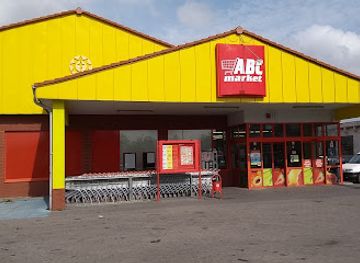
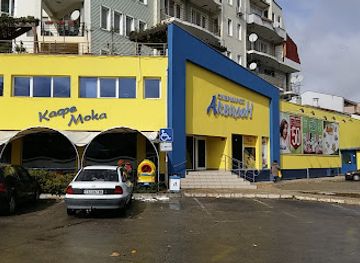
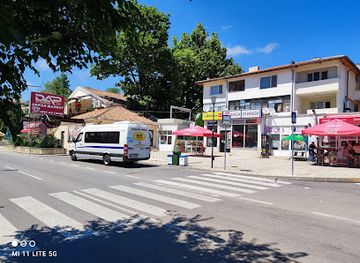
Shopping in Balchik is modest and tourism-oriented, with small shops, kiosks, galleries and seasonal stalls concentrated around the centre, promenade and harbour. Visitors may find Bulgarian wines, rakia, rose-related products, ceramics, textiles, local artwork and practical beach goods, although selection and availability vary by season. The town’s galleries and craft-oriented shops are more useful for souvenirs with a regional connection than for extensive retail browsing. Dobruja’s agricultural character is reflected in local food products such as honey, preserves and other farm goods, which may be found through village shops or markets in the wider area rather than at a permanent specialist market in Balchik. For large supermarkets, wider retail choice and everyday supplies, Varna and Dobrich offer more extensive facilities outside the destination.
-
Supermarket
ABC market
Explore the vibrant ABC Market in Balchik for a delightful shopping experience featuring local produce, snacks, and essential goods.
-
Supermarket
Akvilon Ltd
Experience local flavors at Akvilon Ltd, the top supermarket in Balchik, offering fresh produce, local delicacies, and a friendly shopping atmosphere.
-
Outlet store
ZIV
Explore ZIV in Balchik for an exceptional shopping experience filled with quality products and unbeatable prices.
-
Supermarket
Didi
Explore the flavors of Bulgaria at Didi Supermarket in Balchik, where fresh produce and local delicacies await every visitor.

Get your free copy of our complete guide to Balchik, delivered straight to you.
Everything on this page, from attractions and restaurants to essentials and local phrases, in one PDF you can read offline, print or share.
Already have an account? Sign in
Your Balchik guide is ready.
We'll send it to · Not you? Sign out

Getting your guide ready…
We are putting together a fresh copy of the Balchik guide. This can take up to a minute.
This can take a few moments. If your browser asks, choose Allow so the download can start. You'll find the guide in your Downloads folder.
Nothing happened? Download it again
Sorry, the guide is taking longer than usual. Please try again in a minute, or get it by email instead.
Balchik essentials
Currency and Payment
Safety
Emergency Situations
Do's and Don'ts
Local Tips
From Eve
Local phrases worth knowing
You don't need to get them perfect. A few words go a long way, and locals appreciate the effort.
Basics
| English | Local | Say it |
|---|---|---|
| Hello | Здравей | [Zdravey] |
| Goodbye | Довиждане | [Dovizhdane] |
| Yes | Да | [Da] |
| No | Не | [Ne] |
| Please/You're welcome | Моля | [Molya] |
| Thank you | Благодаря | [Blagodarya] |
| Excuse me/Sorry | Извинявай | [Izvinyavay] |
| How are you? | Как си? | [Kak si?] |
| Fine. And you? | Добре. А ти? | [Dobre. A ti?] |
| Do you speak English? | Говориш ли английски? | [Govorish li angliyski?] |
| I don't understand | Не разбирам | [Ne razbiram] |
Eating & Drinking
| English | Local | Say it |
|---|---|---|
| I'd like to see the menu, please | Бих искал да видя менюто, моля | [Bih iskal da vida menuto, molya] |
| I don't eat meat | Не ям месо | [Ne yam meso] |
| Cheers! | На здраве! | [Na zdrave!] |
| I would like to pay, please | Бих искал да платя, моля | [Bih iskal da platya, molya] |
Emergencies
| English | Local | Say it |
|---|---|---|
| Help! | Помощ! | [Pomosht!] |
| Go away! | Отиди си! | [Otidi si!] |
| Call the Police! | Обади полицията! | [Obadi politsiyata!] |
| Call a doctor! | Обади доктор! | [Obadi doktor!] |
| I'm lost | Загубих се | [Zagubih se] |
| I'm ill | Болен съм | [Bolen sam] |
Shopping
| English | Local | Say it |
|---|---|---|
| I'd like to buy... | Бих искал да купя... | [Bih iskal da kupya...] |
| I'm just looking | Само се разглеждам | [Samo se razglezhdam] |
| How much is it? | Колко струва? | [Kolko struva?] |
| That's too expensive | Това е твърде скъпо | [Tova e tvurde skapo] |
| Can you lower the price? | Можете ли да намалите цената? | [Mozhete li da namalite tsenata?] |
Time & Numbers
| English | Local | Say it |
|---|---|---|
| What time is it? | Колко е часът? | [Kolko e chasat?] |
| It's one o'clock | Един час е | [Edin chas e] |
| Half past (10) | Половина до (10) | [Polovina do (10)] |
| Morning | Сутрин | [Sutrin] |
| Afternoon | Следобед | [Sledobed] |
| Evening | Вечер | [Vecher] |
| Yesterday | Вчера | [Vchera] |
| Today | Днес | [Dnes] |
| Tomorrow | Утре | [Utre] |
| 1 | едно | [edno] |
| 2 | две | [dve] |
| 3 | три | [tri] |
| 4 | четири | [chetiri] |
| 5 | пет | [pet] |
| 6 | шест | [shest] |
| 7 | седем | [sedem] |
| 8 | осем | [osem] |
| 9 | девет | [devet] |
| 10 | десет | [deset] |
Transport & Directions
| English | Local | Say it |
|---|---|---|
| Where's a/the...? | Къде е...? | [Kade e...?] |
| What's the address? | Какъв е адресът? | [Kakav e adresat?] |
| Can you show me (on the map)? | Можете ли да ми покажете (на картата)? | [Mozhete li da mi pokazhete (na kartata)?] |
| When's the next (bus)? | Кога е следващият (автобус)? | [Koga e sledvashtiyat (avtobus)?] |
| A ticket (to ....) | Билет (до ...) | [Bilet (do ...)] |
History of Balchik
Ancient Greek Origins
Balchik began as the Greek colony of Krounoi, founded in antiquity on the western shore of the Black Sea. Its position beside a sheltered bay gave it access to maritime exchange, while the surrounding Dobruja plateau supported agriculture and settlement. The ancient town belonged to the wider Greek and later Hellenistic world of the western Black Sea, where coastal colonies connected local communities with trading networks across the region. Archaeological remains found in and around modern Balchik reflect successive periods of occupation, although the visible town today is the product of many later layers rather than a preserved ancient city.
Medieval and Ottoman Balchik
During the Middle Ages the settlement was incorporated into the shifting political landscape of the lower Danube and western Black Sea, including periods under Bulgarian and Byzantine influence. Later, under Ottoman rule, Balchik developed as a modest port serving the surrounding agricultural country. Its urban character was shaped by commerce, fishing, craft activity and the movement of people along the coast. The town’s religious and architectural history also reflects this long succession of communities, with surviving traditions and museum collections recording Bulgarian, Ottoman and other regional influences.
Romanian Southern Dobruja
Balchik became part of Romania after the Second Balkan War in 1913, when Southern Dobruja was transferred from Bulgaria. Romanian administration and the town’s coastal climate helped establish Balchik as a place of leisure and artistic interest. Queen Marie of Romania chose the area for a summer residence, constructed during the interwar period on the slope above the sea. The palace complex, with its Mediterranean-influenced buildings, terraces and gardens, remains the most visible reminder of this chapter. Southern Dobruja returned to Bulgaria under the Treaty of Craiova in 1940.
The Temple of Cybele
One of Balchik’s most significant archaeological discoveries is the Temple of Cybele, uncovered in 2007 after a landslide exposed ancient architectural remains. The sanctuary is associated with the Phrygian mother goddess Cybele and is generally dated to the Hellenistic period, continuing in use into Roman times. Its location near the ancient town and the survival of inscriptions and sculpture fragments provide valuable evidence of religious life in the western Black Sea region. The site is vulnerable to the effects of exposure and remains an archaeological monument rather than a conventional open-air attraction.
Tourism, Gardens and Modern Conservation
In the twentieth century Balchik’s identity increasingly combined port-town traditions with seaside tourism, cultural heritage and horticulture. The former royal grounds became a major visitor attraction, while the University Botanical Garden developed into an important educational and plant-conservation institution. Modern Balchik is not simply a resort: its museums, archaeological remains, steep historic setting and relationship with the Dobruja landscape continue to shape the town’s character. Seasonal tourism brings most visitors during the warmer months, while conservation work and responsible management remain important for the palace grounds, coastal slopes and archaeological heritage.
Balchik in Photos
Browse through our photo collection highlighting the charm and character of the destination.
Cities in Balchik
The towns and cities of Balchik, and the easiest places to base yourself.

Swipe for more cities
Neighbouring destination travel guides
The closest destinations to Balchik, if you have time for more than one.
-

-

-

-

-


Swipe for more destinations
Explore more
Explore more of Dobruja
Explore Dobruja in Bulgaria: A region of stunning landscapes, rich history, vibrant culture, and delicious cuisine, perfect for nature lovers and history buffs alike.
Explore Dobruja
Explore more of Bulgaria
Explore Bulgaria: From Sofia's bustling streets to the serene mountains and stunning Black Sea beaches, discover the rich history, culture, and natural beauty of Bulgaria.
Explore Bulgaria