

Borovets, Bulgaria Travel Guide
Discover Borovets: Bulgaria's premier ski resort offering year-round adventure in the scenic Rila Mountains, perfect for winter sports, hiking, and cultural exploration.
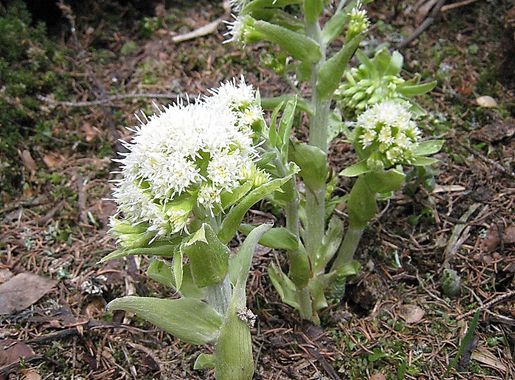
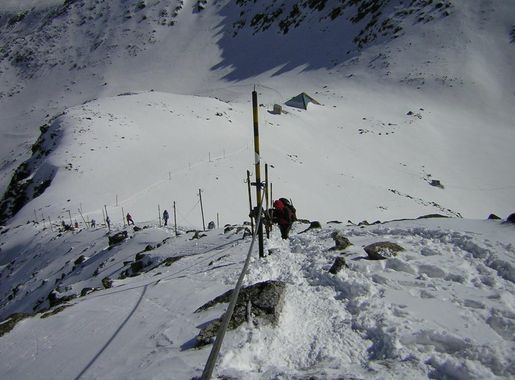
Nestled in the Rila Mountains, Borovets is Bulgaria's oldest and most popular ski resort. Established in 1896, it combines rich history with modern facilities. The resort's alpine charm makes it a top destination for winter sports enthusiasts. Skiers and snowboarders of all levels will find suitable slopes, from gentle beginner runs to challenging black trails. The resort also offers night skiing, adding an extra thrill to your visit. Beyond winter sports, Borovets is a year-round destination. In the summer, the lush green mountains provide a perfect setting for hiking, mountain biking, and horse riding. The area is rich in flora and fauna, making it ideal for nature lovers. Don't miss the chance to explore the nearby Rila Monastery, a UNESCO World Heritage site known for its stunning architecture and historical significance. Borovets offers a variety of accommodations, from luxury hotels to cozy chalets. The local cuisine is a treat, with numerous restaurants serving traditional Bulgarian dishes. Be sure to try the local specialties like banitsa and kyufte. The resort also has a vibrant après-ski scene, with many bars and clubs where you can unwind after a day on the slopes.

Know before you go
Hi, I'm Eve. Here are a few practical things to know before exploring Borovets.
- If you're new to skiing, consider hiring a local instructor to make the most of your experience.
- Visit the Rila Monastery early in the morning to avoid crowds and enjoy a peaceful experience.
- Wear layers, as the weather in the mountains can change quickly.
- Try the local dish banitsa for breakfast; it's a delicious pastry filled with cheese.
- Book accommodations well in advance during peak ski season to ensure the best options.
Explore Borovets: Things to Do, Places to Eat, Hotels & More
Handpicked recommendations for top attractions, local dining, accommodations, and more

Best attractions in Borovets
Top-rated picks
Best Attractions

Boroland Rope Town
Experience adventure like never before at Boroland Rope Town, a thrilling outdoor attraction in the heart of Samokov, Bulgaria.

The Cave of Saint John of Rila
Explore the Cave of Saint John of Rila - a tranquil retreat that intertwines spirituality with the breathtaking beauty of Bulgaria's natural landscape.

Borovets - Fountains
Discover the enchanting Borovets - Fountains, a serene tourist attraction blending nature's beauty with artistic flair in the heart of Borovets.

Винарска изба Меди Вали | Medi Valley Winery
Experience the essence of Bulgarian viticulture at Medi Valley Winery, where exquisite wines meet stunning landscapes in Smochevo.

Best landmarks in Borovets
Top-rated picks
Best Landmarks

Hotel Rila
Discover the luxurious haven of Hotel Rila in Borovets, Bulgaria—your gateway to thrilling outdoor adventures and serene mountain retreats.
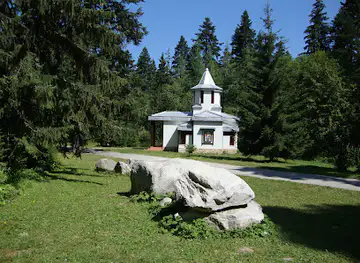
Tsarska Bistritsa
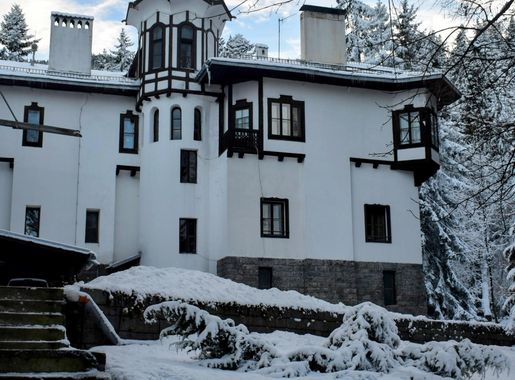
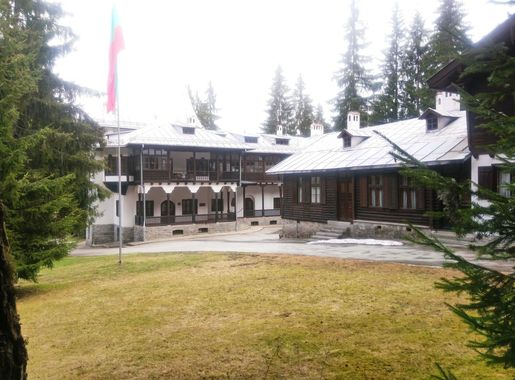
Discover the beauty and history of Tsarska Bistritsa, Bulgaria's royal summer retreat nestled in the heart of the Rila Mountains.

Hotel Yastrebets Wellness & Spa
Discover luxury and tranquility at Hotel Yastrebets Wellness & Spa, a premier retreat in Borovets offering exceptional wellness and breathtaking mountain views.

Happy Duck
Discover the flavors of Bulgaria at Happy Duck, a cozy restaurant in Borovets, perfect for every meal amidst stunning mountain views.

Best restaurants in Borovets
Top-rated picks
Best Restaurants

Happy Duck
Discover the flavors of Bulgaria at Happy Duck, where tradition meets modernity in a cozy Borovets setting.

Restaurant VICTORIA “The Bear”
Experience authentic Italian and Mediterranean cuisine at Restaurant VICTORIA 'The Bear' in scenic Borovets, Bulgaria.

Black Tiger
Discover Black Tiger: A Grill Haven in Bоровец Offering Delicious Barbecue Dishes Amidst Scenic Mountain Views.

Sangria resort Borovets
Experience exquisite dining and cozy accommodations at Sangria Resort Borovets amidst Bulgaria's stunning mountain scenery.

Best bars in Borovets
Top-rated picks
Best Bars

Happy Duck
Experience the best of Bulgarian and international cuisine at Happy Duck, a cozy restaurant in the heart of Borovets, perfect for tourists seeking a delightful meal.

Black Tiger
Discover the vibrant flavors and warm hospitality at Black Tiger, a premier grill and restaurant in the heart of Боровец.
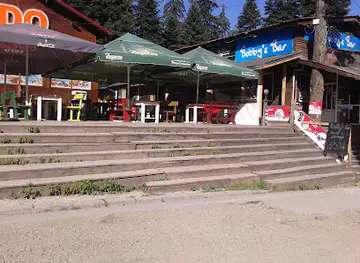
Bobby’s Bar Borovets
Discover the cozy and affordable Bobby’s Bar Borovets, where delicious food and a welcoming atmosphere meet in Bulgaria's breathtaking mountains.

Napoli Bar & Dinner
Experience the essence of Bulgarian hospitality at Napoli Bar & Dinner in Borovets, offering a delightful menu and stunning mountain views.

Best nightclubs in Borovets
Top-rated picks
Best Nightclubs

BJ's Bar Apres Ski Bar & Disco
Discover the vibrant nightlife of Borovets at BJ's Bar - your ultimate destination for fun, affordable drinks, and unforgettable evenings.

White Magic/БялаМагия
Discover the enchanting atmosphere of White Magic in Borovets, Bulgaria – the perfect bar for relaxation, socializing, and unforgettable nights.

Dance Club Iceberg Borovets
Dance Club Iceberg in Borovets is the ultimate nightlife hotspot, where vibrant music and thrilling energy create unforgettable nights in the mountains.

Misfits Bar
Discover the lively Misfits Bar in Borowez for a unique nightlife experience filled with friendly vibes and a vibrant atmosphere.

Best shops in Borovets
Top-rated picks
Best Shops

ALPIN Rent Ski & Ski School Borovets
Discover top-notch ski rentals and expert instruction at ALPIN Rent Ski & Ski School Borovets, the perfect spot for winter sports enthusiasts.

Ollie Moly
Explore the slopes of Borovets with Ollie Moly, your trusted ski rental, repair service, and ski school for an unforgettable winter experience.

ProX-treme Ski Depot
Explore ProX-treme Ski Depot in Bansko, Bulgaria - your ultimate destination for ski rentals, gear, and expert advice for an unforgettable skiing experience.

'Snow Masters' Ski School and Ski Rental shop, Borovets
Your premier destination for ski lessons and rental equipment at Borovets' top ski school, 'Snow Masters'. Experience the thrill of winter sports!

Explore Borovets on the Map
A handpicked selection of must-see spots in Borovets, mapped for you.
Borovets Essentials
-
Borovets is located in the Rila Mountains of Bulgaria, approximately 70 kilometers from Sofia, the capital city. The nearest airport is Sofia International Airport (SOF). From Sofia, you can take a bus or a shuttle service to Borovets, which typically takes around 1.5 to 2 hours. Alternatively, you can rent a car and drive, enjoying the scenic route through the Bulgarian countryside.
-
Borovets is a compact resort town, and many of its attractions are within walking distance. For exploring the surrounding areas, local taxis are available and reasonably priced. There are also shuttle services to nearby attractions like Rila Monastery. If you prefer more independence, renting a car is a convenient option. During the ski season, shuttle buses operate between Borovets and the ski slopes.
-
The official currency in Bulgaria is the Bulgarian Lev (BGN). Credit and debit cards are widely accepted in hotels, restaurants, and shops in Borovets. However, it is advisable to carry some cash, especially for smaller establishments and tips. ATMs are available in Borovets, but withdrawing cash before arriving is a good idea to avoid any inconvenience.
-
Borovets is generally a safe destination for tourists. However, it is advisable to take standard precautions. Avoid leaving your belongings unattended, especially in crowded areas. There are no specific high-crime areas in Borovets, but it is always best to stay vigilant and aware of your surroundings. Be cautious on the slopes and follow safety guidelines when skiing or snowboarding.
-
In case of emergency, dial 112 for immediate assistance. Borovets has a medical center for minor health issues, and there are pharmacies where you can purchase over-the-counter medications. For more serious medical emergencies, you may need to go to a hospital in Samokov or Sofia. It is recommended to have travel insurance that covers medical emergencies and activities like skiing.
-
Fashion: Do dress warmly in layers during the winter season. Avoid wearing overly casual attire in fine dining establishments. Religion: Do respect local customs and traditions, especially when visiting religious sites like Rila Monastery. Public Transport: Do be punctual for shuttle services and buses. Don't eat or drink on public transport. Greetings: Do greet people with a handshake. A friendly nod or 'Zdravei' (hello) is appreciated. Eating & Drinking: Do try the local cuisine, including dishes like banitsa and kavarma. Don't refuse food or drink offerings, as it is considered impolite.
-
To experience Borovets like a local, visit the local markets and shops in Samokov for traditional Bulgarian crafts and fresh produce. Engage with locals, as they are often friendly and willing to share tips about the best spots to visit. Don't miss the opportunity to try rakia, a traditional Bulgarian fruit brandy. For a unique experience, take a guided hike to the Seven Rila Lakes, a stunning natural landmark in the area.
When is the best time to visit Borovets?
Useful Local Phrases for Borovets
You don't need to speak the language perfectly. Even learning a few simple words can make conversations warmer—and locals usually appreciate the effort.
— Eve

Here are the phrases I use most often in Borovets. Try a few—you'll be surprised how far they go! 😊
❤️
-
- HelloЗдравейте
[Zdraveyte] - GoodbyeДовиждане
[Dovizhdane] - YesДа
[Da] - NoНе
[Ne] - Please/You're welcomeМоля
[Molya] - Thank youБлагодаря
[Blagodarya] - Excuse me/SorryИзвинете
[Izvinete] - How are you?Как сте?
[Kak ste?] - Fine. And you?Добре. А вие?
[Dobre. A vie?] - Do you speak English?Говорите ли английски?
[Govorite li angliyski?] - I don't understandНе разбирам
[Ne razbiram]
- HelloЗдравейте
-
- I'd like to see the menu, pleaseБих искал да видя менюто, моля
[Bih iskal da vida menyuto, molya] - I don't eat meatНе ям месо
[Ne yam meso] - Cheers!На здраве!
[Na zdrave!] - I would like to pay, pleaseБих искал да платя, моля
[Bih iskal da platya, molya]
- I'd like to see the menu, pleaseБих искал да видя менюто, моля
-
- Help!Помощ!
[Pomosht!] - Go away!Махай се!
[Mahay se!] - Call the Police!Обадете се на полицията!
[Obadete se na politsiyata!] - Call a doctor!Обадете се на лекар!
[Obadete se na lekar!] - I'm lostЗагубих се
[Zagubih se] - I'm illБолен съм
[Bolen sam]
- Help!Помощ!
-
- I'd like to buy...Бих искал да купя...
[Bih iskal da kupya...] - I'm just lookingСамо гледам
[Samo gledam] - How much is it?Колко струва?
[Kolko struva?] - That's too expensiveТова е твърде скъпо
[Tova e tvarde skapо] - Can you lower the price?Можете ли да намалите цената?
[Mozhete li da namalite tsenata?]
- I'd like to buy...Бих искал да купя...
-
- What time is it?Колко е часът?
[Kolko e chasat?] - It's one o'clockЕдин час е
[Edin chas e] - Half past (10)Половина на (10)
[Polovina na (10)] - MorningСутрин
[Sutrin] - AfternoonСледобед
[Sledobed] - EveningВечер
[Vecher] - YesterdayВчера
[Vchera] - TodayДнес
[Dnes] - TomorrowУтре
[Utre] - 1Едно
[Edno] - 2Две
[Dve] - 3Три
[Tri] - 4Четири
[Chetiri] - 5Пет
[Pet] - 6Шест
[Shest] - 7Седем
[Sedem] - 8Осем
[Osem] - 9Девет
[Devet] - 10Десет
[Deset]
- What time is it?Колко е часът?
-
- Where's a/the...?Къде е...
[Kade e...] - What's the address?Какво е адресът?
[Kakvo e adresat?] - Can you show me (on the map)?Можете ли да ми покажете (на картата)?
[Mozhete li da mi pokazhete (na kartata)?] - When's the next (bus)?Кога е следващият (автобус)?
[Koga e sledvashtiyat (avtobus)?] - A ticket (to ....)Билет (до ....)
[Bilet (do ....)]
- Where's a/the...?Къде е...
History of Borovets
-
Borovets, originally known as Chamkoria, was established in 1896 by Kniaz Ferdinand I of Bulgaria. It was initially conceived as a hunting grounds and summer palace location for the Bulgarian royal family. The region's rich forests and natural beauty made it an ideal retreat for the nobility.
-
During the Balkan Wars (1912-1913), Borovets served as a strategic location for Bulgarian forces. Its proximity to the Rila Mountains provided a natural defensive advantage and the area was used for military training and logistics.
-
In the 1960s, Borovets underwent a major transformation. The Bulgarian government invested heavily in developing the area into a modern ski resort. This included the construction of new hotels, ski lifts, and other infrastructure to attract international tourists. By the 1970s, Borovets had become one of the premier skiing destinations in Eastern Europe.
-
Borovets gained international recognition when it hosted the Alpine Skiing World Cup in 1983. This event put Borovets on the world map and highlighted its high-quality ski facilities. The success of the event brought increased tourism and further investment into the region.
-
Borovets is not only known for its natural beauty and ski slopes but also for its rich cultural heritage. The local population has preserved many traditional Bulgarian customs and festivals. Visitors can experience authentic Bulgarian folklore, music, and dance, especially during the winter holiday season.
-
In recent years, Borovets has focused on sustainable tourism and environmental preservation. Efforts have been made to reduce the environmental impact of tourism activities, including the introduction of eco-friendly practices and the promotion of eco-tourism. These initiatives aim to preserve Borovets' natural beauty for future generations.
Neighbouring destination travel guides
Browse our curated selection of top destinations, scenic points, and must-visit spots in the area.




Your all‑in‑one travel companion app
Explore expert travel guides, compare and book tours, experiences, hotels, and more—all from the palm of your hand. Download now for seamless trip planning wherever your wanderlust takes you.


Explore More of Rila

Looking beyond Borovets? Discover Rila for broader travel guides, local hot-spots, and regional highlights.
Explore RilaExplore More of Bulgaria

Looking beyond Borovets? Discover Bulgaria for broader travel guides, local hot-spots, and regional highlights.
Explore BulgariaBorovets in Photos
Browse through our photo collection highlighting the charm and character of the destination.
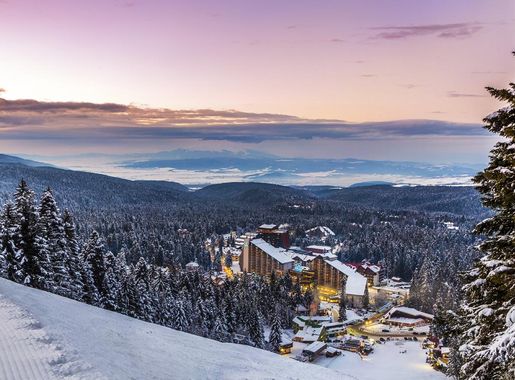


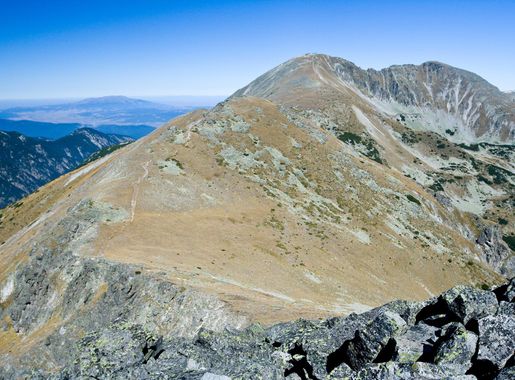
Borovets: Bulgaria's Alpine Gem
Nestled in the Rila Mountains, Borovets is Bulgaria's oldest and most popular ski resort. Established in 1896, it combines rich history with modern facilities. The resort's alpine charm makes it a top destination for winter sports enthusiasts. Skiers and snowboarders of all levels will find suitable slopes, from gentle beginner runs to challenging black trails. The resort also offers night skiing, adding an extra thrill to your visit. Beyond winter sports, Borovets is a year-round destination. In the summer, the lush green mountains provide a perfect setting for hiking, mountain biking, and horse riding. The area is rich in flora and fauna, making it ideal for nature lovers. Don't miss the chance to explore the nearby Rila Monastery, a UNESCO World Heritage site known for its stunning architecture and historical significance. Borovets offers a variety of accommodations, from luxury hotels to cozy chalets. The local cuisine is a treat, with numerous restaurants serving traditional Bulgarian dishes. Be sure to try the local specialties like banitsa and kyufte. The resort also has a vibrant après-ski scene, with many bars and clubs where you can unwind after a day on the slopes.