

Free Strandzha Travel Guide & Mobile App
Explore Strandzha with free travel guides. Discover regional history, expert tips, proposed trips, and audio guides on web or mobile app.


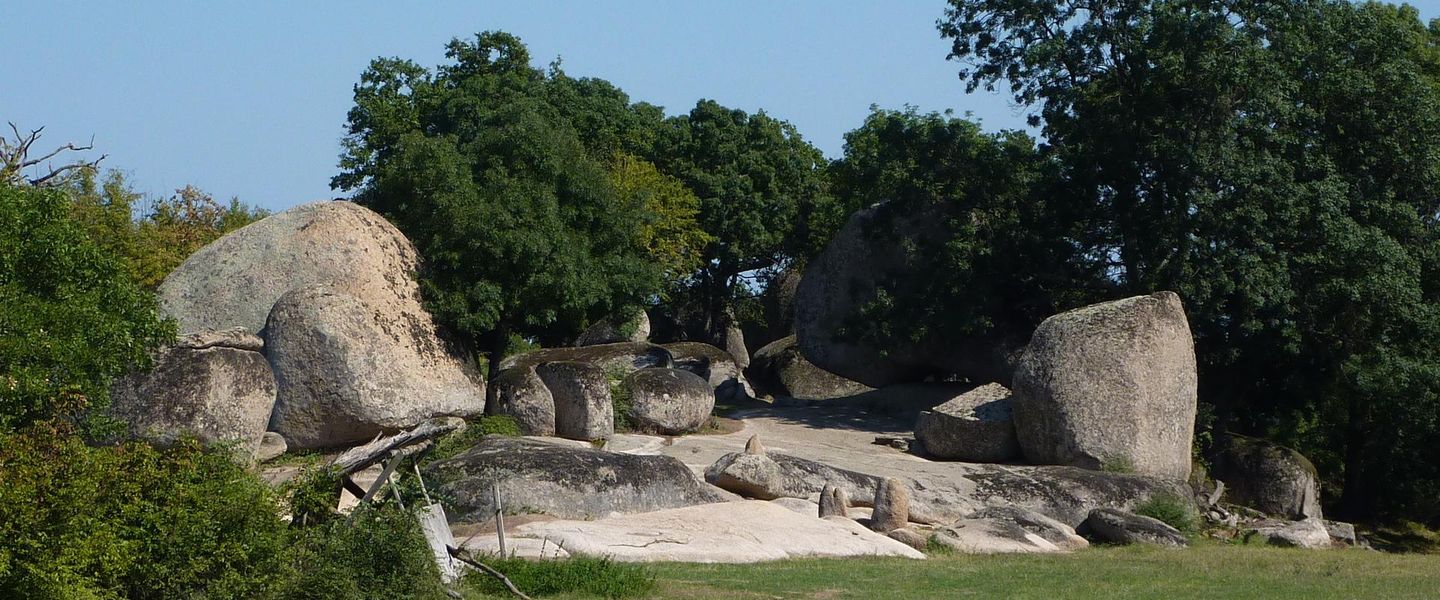


Explore Strandzha’s oak forests, Veleka estuary, Thracian heritage, historic villages and living fire-dancing traditions in south-eastern Bulgaria.
Read more about Strandzha
When is the best time to visit Strandzha?
Best: June, August–September · 24–29°C| Month | High (°C) | Rainfall (mm) |
|---|---|---|
| January | 5 | 45 |
| February | 6 | 40 |
| March | 12 | 45 |
| April | 17 | 50 |
| May | 22 | 55 |
| June (best) | 27 | 50 |
| July | 30 | 40 |
| August (best) | 29 | 40 |
| September (best) | 24 | 45 |
| October | 18 | 50 |
| November | 12 | 55 |
| December | 6 | 50 |
Getting to and around Strandzha
How to get there
Transportation
Destinations in Strandzha
Resorts, valleys and scenic spots worth a trip of their own.

Swipe for more destinations
Best attractions in Strandzha
Strandzha’s attractions are spread across a large, forested landscape rather than concentrated in one resort or historic centre. Strandzha Nature Park provides the main framework, with oak and beech woods, river valleys, meadows, viewpoints and habitats for birds and other wildlife. Walking routes around Malko Tarnovo, Brashlyan, Bulgari, Kosti and Brodilovo reveal both natural scenery and the relationship between villages, pasture and forest. The Veleka valley and estuary near Sinemorets offer a contrasting coastal setting, while the nearby Rezovo area brings the atmosphere of Bulgaria’s south-eastern frontier. Cultural attractions include the historic village fabric of Brashlyan, museums and local collections in Malko Tarnovo, and the living nestinari tradition of Bulgari. Archaeology is another major strand: the Mishkova Niva sanctuary, Propada necropolis and other ancient sites around Malko Tarnovo place Thracian ritual and Roman-era activity within their original wooded surroundings. On the northern edge of the mountain, Beglik Tash near Primorsko presents a notable open-air Thracian sanctuary. Visitors should allow for seasonal access, limited interpretation and uneven roads, since Strandzha is better suited to patient exploration than to a tightly scheduled circuit.
-
Tourist attraction
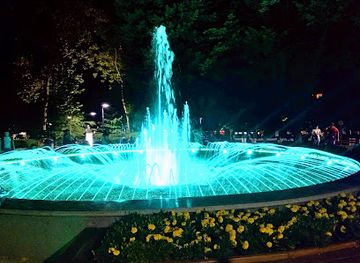
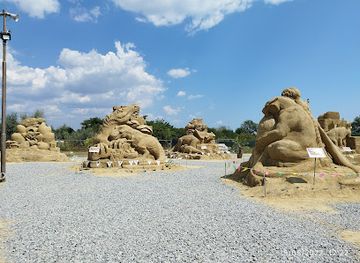
The Sea Garden
Discover the beauty of The Sea Garden in Burgas, where nature meets culture along the stunning Black Sea coast.
-
Tourist attraction
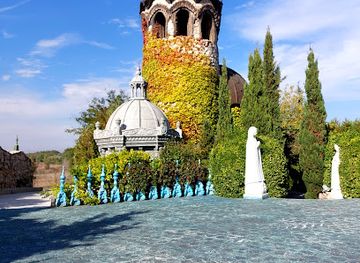
Castle of Ravadinovo
Discover a fairytale world at the Castle of Ravadinovo: unique architecture, stunning gardens, and enchanting experiences await near Sozopol, Bulgaria.
-
Place of worship
Begliktash
Explore Begliktash, an ancient Thrasian site in Bulgaria, where history meets spirituality amidst stunning natural beauty.
-
Tourist attraction
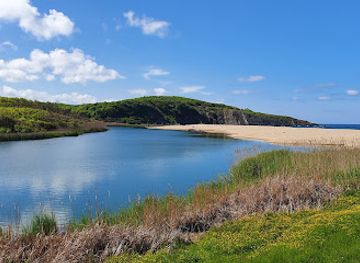
Veleka River Mouth
Explore the enchanting Veleka River Mouth, where the river meets the Black Sea in a tranquil nature preserve filled with breathtaking views.

Best landmarks in Strandzha
The Veleka estuary at Sinemorets is Strandzha’s most recognisable natural landmark, where the river meets the Black Sea amid wooded slopes, wetlands and coastal sand. Inland, Golyamo Gradishte, the highest summit in the Bulgarian part of Strandzha, represents the mountain’s broad, forested character and provides a focus for walking routes near Malko Tarnovo. The Mishkova Niva sanctuary and the Propada necropolis are important archaeological landmarks, preserving evidence of ancient ritual and burial practices in a landscape long shaped by Thracian communities. Brashlyan’s timber-and-stone houses form a cultural landmark in their own right, illustrating the domestic architecture of Strandzha’s older villages. Malko Tarnovo’s historic buildings and local museum collections provide a more urban expression of the same borderland heritage. Bulgari is symbolically significant because it remains associated with nestinari fire-dancing, an intangible tradition rather than a single monument. On the northern fringe, Beglik Tash near Primorsko is a prominent open-air Thracian sanctuary, with large stones arranged in a coastal setting that connects the archaeology of the mountain to the Black Sea.
-
Park
The Sea Garden
Explore the scenic beauty and cultural richness of The Sea Garden in Burgas, a perfect coastal retreat for travelers and nature enthusiasts.
-
Fortress
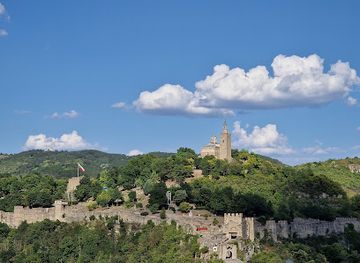
Tsarevets Fortress
Uncover the historical grandeur of Tsarevets Fortress in Veliko Tarnovo, where ancient ruins meet breathtaking views and rich cultural heritage.
-
Fortress
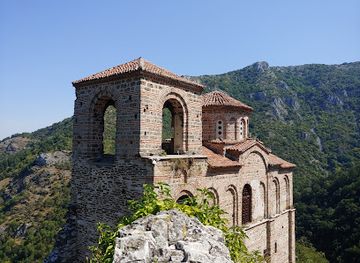
Asen's Fortress
Discover the enchanting Asen's Fortress in Bulgaria, a medieval stronghold offering stunning views and a rich tapestry of history.
-
Tourist attraction
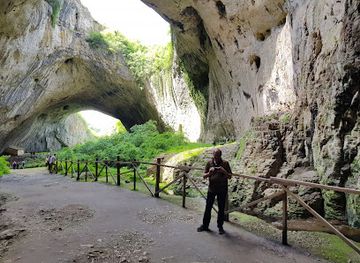
Devetashka Cave
Discover the breathtaking beauty and rich history of Devetashka Cave, Bulgaria's natural wonder filled with stunning formations and captivating wildlife.
Explore Strandzha on the map
Plan your trip on one map. See where the top cities, national parks and sights are, and book hotels and experiences in a few clicks.
Best hotels in Strandzha
Best restaurants in Strandzha
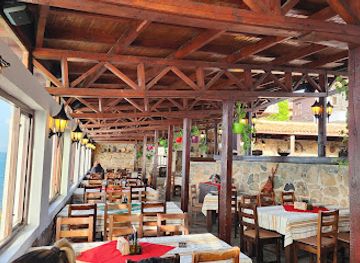
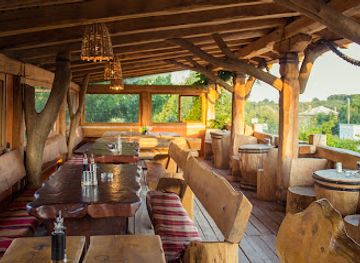
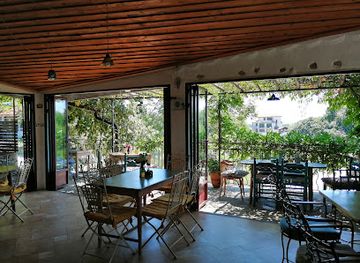
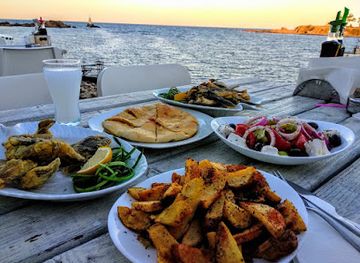
Dining in Strandzha is predominantly local, seasonal and informal. In Malko Tarnovo and the larger coastal settlements, visitors can find Bulgarian cooking built around grilled meats, stews, salads, beans, peppers, dairy products and fresh bread, while village kitchens and family-run guesthouses may offer food according to availability rather than a fixed daily menu. Honey is an important regional product, and Strandzhanski manastirski med is a protected Bulgarian speciality associated with the mountain. Markets and small producers may also provide preserves, fruit, herbs and other seasonal goods. Along the coast near Sinemorets, Tsarevo and Primorsko, seafood is more prominent, although the busiest summer restaurants cater to a broader Black Sea holiday market. Inland meals tend to be simpler and more closely connected with household traditions, forestry and farming. Visitors should expect fewer late-opening choices in small villages, carry suitable provisions for longer walks and ask accommodation hosts about advance meals. Regional wine and Bulgarian spirits may appear alongside food, but the strongest sense of place comes from honey, garden produce, village cooking and the contrast between inland mountain fare and coastal seafood.
-
The Windmill
Experience authentic Bulgarian cuisine at The Windmill in Sozopol with stunning views and a vibrant atmosphere.
-
Family-friendly
At Dimo's
Discover the heart of Bulgarian cuisine at At Dimo's – a family-friendly restaurant offering delightful dishes in Varvara.
-
The old outlaws
Discover authentic Bulgarian cuisine at The Old Outlaws in Varvara – where every dish is a celebration of flavor.
-
Restaurant
Veranda di Mare
Experience authentic Bulgarian seafood at Veranda di Mare in Ahtopol – where culinary tradition meets stunning seaside views.
Best bars in Strandzha
Strandzha’s evening life is modest and dispersed. In Malko Tarnovo and the mountain villages, the main social settings are cafés, family-run restaurants, guesthouse terraces and traditional-style pubs rather than dedicated nightclubs. Summer brings more choice to the neighbouring coastal settlements, particularly Tsarevo, Sinemorets and Primorsko, where restaurants, beach bars and music venues operate for the holiday season. These places are outside or on the edge of the mountain’s inland core and should not be mistaken for the character of rural Strandzha. Evenings in the forest villages are quieter, often centred on conversation, local food and occasional community or religious events. Visitors attending the nestinari tradition in Bulgari should treat the ceremony as a cultural and spiritual occasion, not as nightlife. Opening arrangements and seasonal programmes vary considerably, so local accommodation providers are usually the most reliable source of current information.
-
Cafe
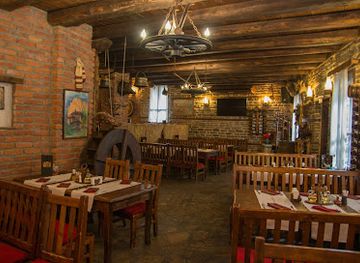
Теньова къща
Experience the rich flavors of Bulgaria at Теньова къща, where tradition meets taste in the heart of Burgas.
-
Bar
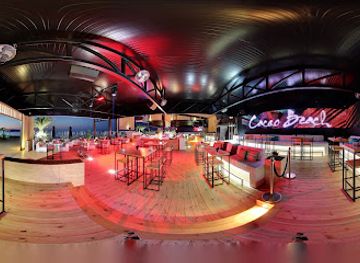
Cacao Beach Club
Experience the vibrant nightlife at Cacao Beach Club, Sunny Beach's premier bar and disco club, where unforgettable memories and stunning views await.
-
Bar
Megapark Dolphin
Experience the vibrant atmosphere and delightful drinks at Megapark Dolphin, the perfect bar for relaxation and fun in Golden Sands.
-
Bar
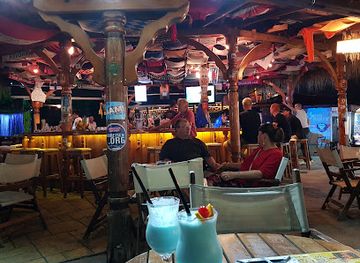
ECO-Bar By Michael
Discover the vibrant ECO-Bar By Michael in Nessebar, where innovative cocktails and a lively atmosphere promise an unforgettable night out.

Best nightclubs in Strandzha
Strandzha’s evening life is modest and dispersed. In Malko Tarnovo and the mountain villages, the main social settings are cafés, family-run restaurants, guesthouse terraces and traditional-style pubs rather than dedicated nightclubs. Summer brings more choice to the neighbouring coastal settlements, particularly Tsarevo, Sinemorets and Primorsko, where restaurants, beach bars and music venues operate for the holiday season. These places are outside or on the edge of the mountain’s inland core and should not be mistaken for the character of rural Strandzha. Evenings in the forest villages are quieter, often centred on conversation, local food and occasional community or religious events. Visitors attending the nestinari tradition in Bulgari should treat the ceremony as a cultural and spiritual occasion, not as nightlife. Opening arrangements and seasonal programmes vary considerably, so local accommodation providers are usually the most reliable source of current information.
-
Bar
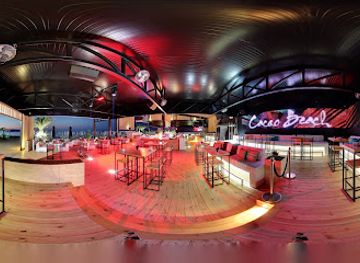
Cacao Beach Club
Cacao Beach Club: A lively bar and disco club in Sunny Beach, where unforgettable beach parties and vibrant nightlife await you.
-
Night club
Zangador
Experience Kiten's vibrant nightlife at Zangador, a premier night club featuring electrifying music, exquisite drinks, and unforgettable beachside vibes.
-
Disco club
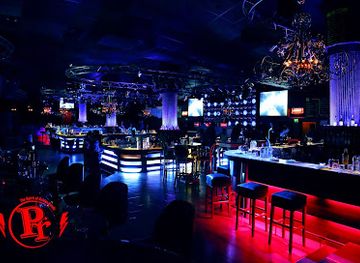
PR Club
Discover the energetic nightlife of Varna at PR Club, a premier destination for unforgettable dance parties and vibrant events.
-
Disco club
Disco Club Luxor
Discover the electrifying nightlife at Disco Club Luxor, the ultimate disco club in Primorsko for an unforgettable evening of music, dancing, and fun.

Best shops in Strandzha
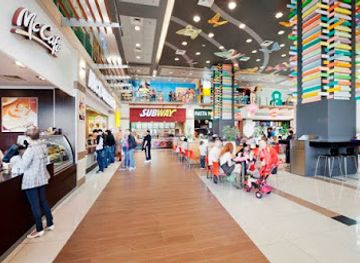
Shopping in Strandzha is small-scale and practical rather than centred on major retail districts. Malko Tarnovo provides the most useful inland selection of everyday supplies, while coastal towns such as Tsarevo, Sinemorets and Primorsko have more seasonal shops and holiday-oriented retail. The region’s most meaningful purchases are locally produced: Strandzhanski manastirski med, other honey, preserves, herbs, dried foods and agricultural products may be available from beekeepers, village producers or small markets. In Brashlyan and other historic villages, craft and traditional-style items sometimes appear through guesthouses, cultural initiatives or temporary local stalls, but availability is not guaranteed. Coastal shops carry a wider range of beach goods and standard Bulgarian souvenirs, whereas inland shopping reflects the mountain’s food culture and rural economy. Buy directly from producers when possible, check labelling and transport fragile jars carefully. Larger supermarket choices are concentrated in the more populated towns, so visitors heading into remote villages or on long walks should purchase provisions beforehand.
-
Shopping mall
Serdika Center
Experience Sofia's premier shopping destination at Serdika Center, where fashion, food, and fun meet in a vibrant atmosphere.
-
Shopping mall
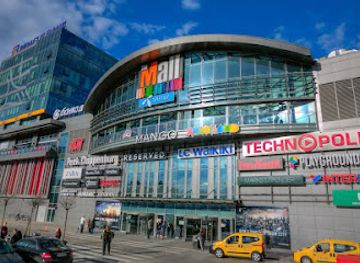
The Mall
Discover The Mall in Sofia: A shopping paradise with diverse dining and entertainment options for every traveler.
-
Shopping mall
Mall of Sofia
Discover a world of shopping, dining, and entertainment at Mall of Sofia, the premier shopping destination in Bulgaria's capital.
-
Shopping mall
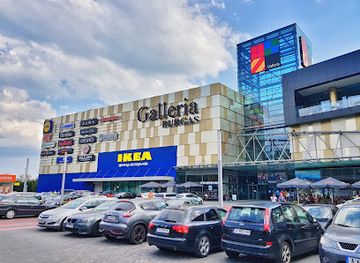
Mall Galleria Burgas
Explore Mall Galleria Burgas, a shopping haven with a mix of local and international brands, dining delights, and entertainment in the heart of Bulgaria.

Get your free copy of our complete guide to Strandzha, delivered straight to you.
Everything on this page, from attractions and restaurants to essentials and local phrases, in one PDF you can read offline, print or share.
Already have an account? Sign in
Your Strandzha guide is ready.
We'll send it to · Not you? Sign out

Getting your guide ready…
We are putting together a fresh copy of the Strandzha guide. This can take up to a minute.
This can take a few moments. If your browser asks, choose Allow so the download can start. You'll find the guide in your Downloads folder.
Nothing happened? Download it again
Sorry, the guide is taking longer than usual. Please try again in a minute, or get it by email instead.
Strandzha essentials
Currency and Payment
Safety
Emergency Situations
Do's and Don'ts
Local Tips
From Eve
Local phrases worth knowing
You don't need to get them perfect. A few words go a long way, and locals appreciate the effort.
Basics
| English | Local | Say it |
|---|---|---|
| Hello | Здравейте | [Zdraveyte] |
| Goodbye | Довиждане | [Dovizhdane] |
| Yes | Да | [Da] |
| No | Не | [Ne] |
| Please/You're welcome | Моля/Няма защо | [Molya/Nyama zashto] |
| Thank you | Благодаря | [Blagodarya] |
| Excuse me/Sorry | Извинете/Съжалявам | [Izvinete/Sazhalyavam] |
| How are you? | Как сте? | [Kak ste?] |
| Fine. And you? | Добре. А вие? | [Dobre. A vie?] |
| Do you speak English? | Говорите ли английски? | [Govorite li angliyski?] |
| I don't understand | Не разбирам | [Ne razbiram] |
Eating & Drinking
| English | Local | Say it |
|---|---|---|
| I'd like to see the menu, please | Искам да видя менюто, моля | [Iskam da vidya menyuto, molya] |
| I don't eat meat | Не ям месо | [Ne yam meso] |
| Cheers! | Наздраве! | [Nazdrave!] |
| I would like to pay, please | Искам да платя, моля | [Iskam da platya, molya] |
Emergencies
| English | Local | Say it |
|---|---|---|
| Help! | Помощ! | [Pomoshch!] |
| Go away! | Отивай си! | [Otivay si!] |
| Call the Police! | Повикайте полицията! | [Povikayte politsiyata!] |
| Call a doctor! | Повикайте доктор! | [Povikayte doktor!] |
| I'm lost | Загубих се | [Zagubih se] |
| I'm ill | Болен съм | [Bolen sŭm] |
Shopping
| English | Local | Say it |
|---|---|---|
| I'd like to buy... | Искам да купя... | [Iskam da kupya...] |
| I'm just looking | Просто разглеждам | [Prosto razglezhdam] |
| How much is it? | Колко струва? | [Kolko struva?] |
| That's too expensive | Това е твърде скъпо | [Tova e tvarde skŭpo] |
| Can you lower the price? | Можете ли да намалите цената? | [Mozhete li da namalite tsenata?] |
Time & Numbers
| English | Local | Say it |
|---|---|---|
| What time is it? | Колко е часа? | [Kolko e chasa?] |
| It's one o'clock | Часът е един | [Chasŭt e edin] |
| Half past (10) | Десет и половина | [Deset i polovina] |
| Morning | Сутрин | [Sutrin] |
| Afternoon | Следобед | [Sledobed] |
| Evening | Вечер | [Vecher] |
| Yesterday | Вчера | [Vchera] |
| Today | Днес | [Dnes] |
| Tomorrow | Утре | [Utre] |
| 1 | Едно | [Edno] |
| 2 | Две | [Dve] |
| 3 | Три | [Tri] |
| 4 | Четири | [Chetiri] |
| 5 | Пет | [Pet] |
| 6 | Шест | [Shest] |
| 7 | Седем | [Sedem] |
| 8 | Осем | [Osem] |
| 9 | Девет | [Devet] |
| 10 | Десет | [Deset] |
Transport & Directions
| English | Local | Say it |
|---|---|---|
| Where's a/the...? | Къде е ...? | [Kyde e ...?] |
| What's the address? | Какъв е адресът? | [Kakŭv e adresŭt?] |
| Can you show me (on the map)? | Можете ли да ми покажете (на картата)? | [Mozhete li da mi pokazhete (na kartata)?] |
| When's the next (bus)? | Кога е следващият (автобус)? | [Koga e sledvashtiyat (avtobus)?] |
| A ticket (to ....) | Билет (до ...) | [Bilet (do ...)] |
History of Strandzha
Thracian sanctuaries and ancient communities
Strandzha preserves substantial evidence of Thracian occupation, including sanctuaries, burial places, offering sites and rock features associated with ritual activity. The Mishkova Niva sanctuary near Malko Tarnovo and the Propada necropolis are among the best-known locations in the Bulgarian part of the mountain. Ancient communities were drawn to Strandzha’s forests, mineral resources, rivers and routes towards the Black Sea. The remains are often dispersed rather than concentrated in a single archaeological city, giving the landscape itself an important role in understanding the region’s early history.
Greek and Roman influence
The surrounding southern Black Sea zone came into contact with Greek trading colonies and, later, Roman administration. Strandzha lay behind the coastal centres and supplied timber, metals and agricultural products while its passes connected inland settlements with the coast. Roman-era remains around Malko Tarnovo, including traces associated with roads, mining and settlement, demonstrate the region’s continuing economic value. Roman influence did not erase local traditions; instead, it added new networks of administration and commerce to an older Thracian landscape.
Medieval borderlands
During the medieval period, Strandzha occupied a shifting frontier between Bulgarian and Byzantine spheres. Its wooded terrain offered protection but also made communication and administration difficult. Settlements, fortified positions and religious institutions developed in relation to routes across the mountain and the nearby Black Sea coast. The region’s later identity as a borderland has deep roots in this period, when political authority changed repeatedly and communities had to negotiate between inland Bulgaria, coastal centres and neighbouring territories to the south.
Ottoman rule and rural continuity
Under Ottoman rule, Strandzha remained predominantly rural, with villages linked to farming, livestock keeping, forestry, beekeeping and small-scale trade. Its distance from major urban centres helped preserve distinctive building traditions and customary practices. Timber-framed houses, stone lower walls, enclosed yards and compact village layouts reflect adaptation to the mountain environment. The period also shaped the region’s later ethnic and religious complexity, while local economies continued to rely on the forest and on movement between Strandzha’s inland settlements and the coast.
The Ilinden–Preobrazhenie uprising, 1903
Strandzha was one of the main arenas of the Ilinden–Preobrazhenie uprising of 1903, an armed movement against Ottoman rule in Macedonia and Thrace. Villages across the mountain became involved in the revolt, which was suppressed with severe reprisals, destruction and displacement. The uprising remains central to regional historical memory. Memorials, local narratives and the changing fortunes of Strandzha’s villages all reflect the upheaval of the period and the eventual incorporation of the Bulgarian part of the mountain into the modern Bulgarian state.
Border changes and population movements
The early twentieth century brought new borders and major population movements to Strandzha and neighbouring Thrace. Wars, the division of territories and exchanges between Bulgaria, Greece and Turkey reshaped village life, landholding and local networks. Some settlements lost inhabitants or received refugees from across the new frontiers. These changes help explain the small populations and quiet character of many inland villages today, as well as the similarities between architectural forms, foodways and customs found on both sides of the Bulgarian-Turkish border.
Protected landscapes and modern Strandzha
After decades of economic change and rural depopulation, conservation became increasingly important. Strandzha Nature Park was established in 1995 and is Bulgaria’s largest protected natural area, safeguarding forests, rivers, coastal habitats and cultural landscapes. Modern Strandzha balances nature protection with farming, forestry, village life and tourism. The park’s creation strengthened recognition of the mountain’s ecological value, while heritage villages and traditions such as nestinari fire-dancing have become important symbols of a region whose identity extends beyond its limited infrastructure.
Strandzha in Photos
Browse through our photo collection highlighting the charm and character of the destination.
Neighbouring regions of Strandzha
The closest regions to Strandzha, if you have time for more than one.
-

-

-

-

-


Swipe for more regions
Explore more

Explore more of Bulgaria
Explore Bulgaria: From Sofia's bustling streets to the serene mountains and stunning Black Sea beaches, discover the rich history, culture, and natural beauty of Bulgaria.
Explore Bulgaria