

Free Southeast Bulgaria Travel Guide & Mobile App
Explore Southeast Bulgaria with free travel guides. Discover regional history, expert tips, proposed trips, and audio guides on web or mobile app.


Explore Southeast Bulgaria for Black Sea beaches, ancient Thracian sites, Burgas wetlands, Strandzha forests and historic coastal towns.
Read more about Southeast Bulgaria
When is the best time to visit Southeast Bulgaria?
Best: May–June, September · 24–28°C| Month | High (°C) | Rainfall (mm) |
|---|---|---|
| January | 6 | 35 |
| February | 8 | 32 |
| March | 14 | 40 |
| April | 18 | 45 |
| May (best) | 24 | 50 |
| June (best) | 28 | 40 |
| July | 31 | 30 |
| August | 31 | 35 |
| September (best) | 25 | 40 |
| October | 19 | 45 |
| November | 13 | 40 |
| December | 8 | 35 |
Getting to and around Southeast Bulgaria
How to get there
Transportation
Top city travel guides in Southeast Bulgaria
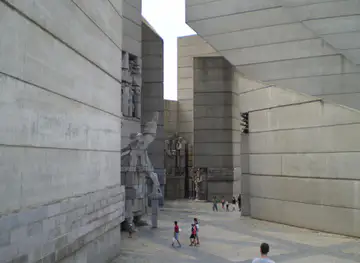
The cities of Southeast Bulgaria, and the easiest places to base yourself.
-

-

-

-
-
-


Swipe for more cities
Destinations in Southeast Bulgaria
Resorts, valleys and scenic spots worth a trip of their own.
-

-

-

-

-

-


Swipe for more destinations
Best attractions in Southeast Bulgaria
The region's attractions range from Black Sea historic towns and beaches to wetlands, forests and inland archaeological sites. Nessebar offers a dense concentration of medieval churches, ancient remains and sea views on a narrow peninsula, while Sozopol combines a historic old town with beaches and a long maritime tradition. Burgas is the gateway to Lake Atanasovsko, Lake Burgas and Lake Mandra, important habitats for migratory and resident birds. Southwards, the Veleka River, Sinemorets and the Strandzha coast provide opportunities for walking, kayaking and wildlife observation, subject to seasonal conditions. Inland, Stara Zagora's Roman forum and regional museums explain the area's long urban history, while Sliven provides access to the wooded Karandila heights and the eastern Balkan foothills. Yambol and the surrounding Tundzha plain are associated with archaeological sites, rural landscapes and the wider Kukerlandia cultural tradition. Resorts suit visitors seeking organised beaches and water activities; villages, vineyards and protected landscapes offer a slower alternative away from the busiest summer centres.
-
Tourist attraction
Museum donkey
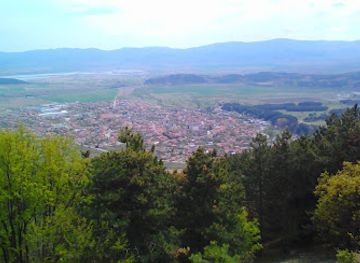
Explore the Museum Donkey in Gurkovo: A Unique Cultural Hub Celebrating the Charm and History of Donkeys in Bulgaria.
Best landmarks in Southeast Bulgaria
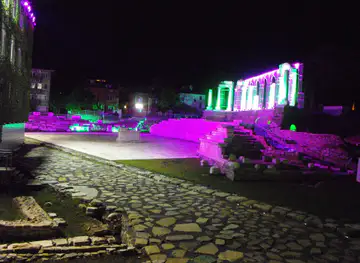
The Old Town of Nessebar is Southeast Bulgaria's most recognisable historic landmark, set on a peninsula marked by ancient walls, medieval Orthodox churches and dense traditional houses. Its churches, including those dedicated to Christ Pantocrator and St John Aliturgetos, demonstrate the distinctive brick-and-stone architecture of the medieval Black Sea. Sozopol's old town, with timber-framed houses and narrow lanes above the harbour, represents a different but related maritime tradition. In Burgas, the Sea Garden is a defining civic landscape, linking the city to its shore, while the surrounding lakes give the urban area a distinctive wetland setting. Stara Zagora's Roman Forum of Augusta Traiana is an important urban archaeological landmark, preserving the scale and public character of the ancient city beneath the modern centre. Further south, the Veleka River mouth near Sinemorets is a natural landmark where river, forest and sea meet. Inland, Sliven's Karandila and the eastern Balkan escarpment form a prominent mountain backdrop, contrasting with the open agricultural plains around Yambol and Stara Zagora.
-
Park
The Sea Garden
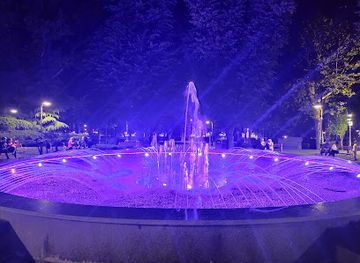
Explore Burgas' stunning Sea Garden, a picturesque coastal park blending natural beauty, art, and cultural experiences for an unforgettable visit.
-
Park
South Park
Explore South Park, Sofia's green oasis featuring scenic walks, recreational activities, and cultural landmarks for an unforgettable experience.
-
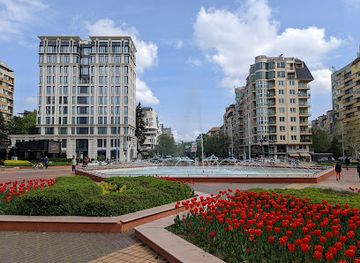
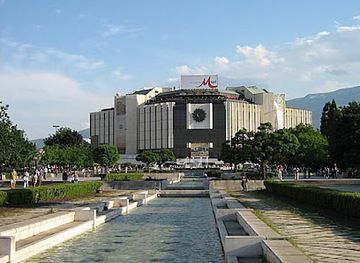
Park
National Palace of Culture Park
Experience the tranquil beauty and cultural vibrancy of Sofia at the National Palace of Culture Park, your urban oasis in the heart of Bulgaria.
-
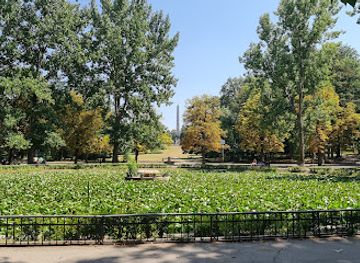
Park
Borisova Gradina Park
Discover the lush beauty and historical significance of Borisova Gradina Park, Sofia's most cherished green space, perfect for relaxation and exploration.
Explore Southeast Bulgaria on the map
Plan your trip on one map. See where the top cities, national parks and sights are, and book hotels and experiences in a few clicks.
Best hotels in Southeast Bulgaria
Best restaurants in Southeast Bulgaria
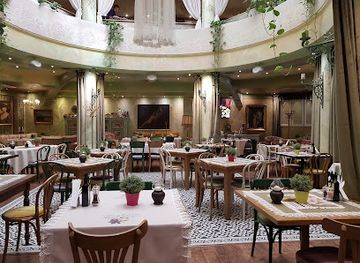
Southeast Bulgarian cooking reflects both the Black Sea and the fertile inland plains. Along the coast, menus commonly feature grilled or fried local fish, mussels, prawns and seasonal salads, although diners should ask about provenance when choosing a particular species. Burgas and the larger resort towns offer everything from bakeries and casual cafés to contemporary restaurants, while historic coastal settlements retain traditional taverns serving Bulgarian regional dishes. Inland, look for peppers, tomatoes, beans, dairy products, grilled meats, savoury pastries and fruit from the Thracian agricultural belt. Vineyards around the wider Thracian and Black Sea areas support dry white and red wines, and local producers are often encountered through specialist shops or rural visits rather than formal tastings. Markets and village shops are useful for seasonal produce, honey and preserves. In Strandzha, menus may draw on forest and village traditions, but recipes vary by household, so it is better to ask what is freshly prepared than to expect a single standard regional cuisine.
-
Restaurant
Shtastliveca
Discover exquisite Bulgarian cuisine at Shtastliveca in Veliko Tarnovo, where stunning views meet unforgettable flavors.
-
Restaurant
Shtastlivetsa restaurant Vitoshka
Discover authentic Bulgarian cuisine at Shtastlivetsa Restaurant on Vitosha Boulevard - where tradition meets taste in Sofia.
-
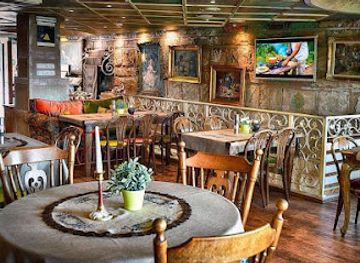
Bulgarian
Hadjidraganov's Cellars
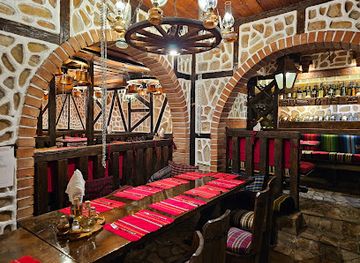
Discover authentic Bulgarian cuisine and vibrant live music at Hadjidraganov's Cellars in Sofia, where tradition meets flavor.
-
Bulgarian
Hadjidraganov's Houses Restaurant
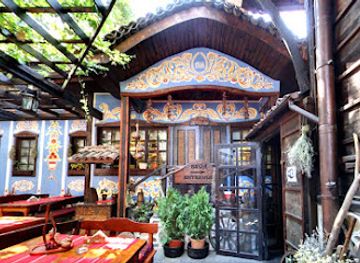
Discover the heart of Bulgaria at Hadjidraganov's Houses Restaurant - where traditional flavors meet vibrant live music in Sofia.
Best bars in Southeast Bulgaria
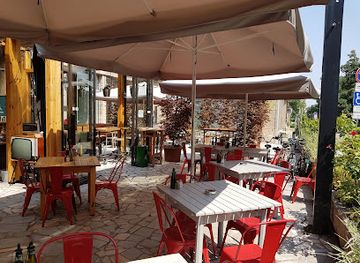
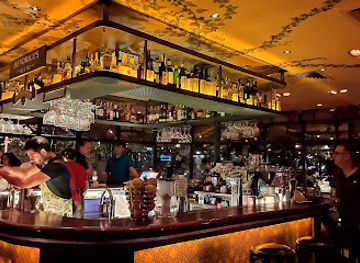
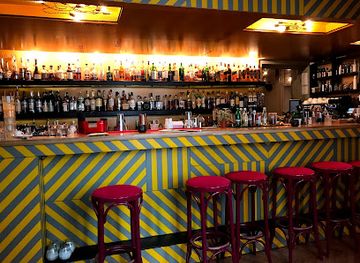
Nightlife is strongly seasonal and varies between the resort coast and inland towns. Sunny Beach, Nessebar and parts of the central coast have the region's most concentrated late-night entertainment, with larger clubs, music venues and bars operating mainly during the summer season. Burgas offers a more year-round mix of cafés, wine bars, restaurants, live music and cultural venues, particularly around the central streets and Sea Garden area. Sozopol has an evening scene shaped by waterfront restaurants, small bars and its historic setting rather than a single large club district. Stara Zagora and Sliven provide local pubs, cafés and student-oriented venues, while Yambol and smaller towns are quieter. In Strandzha and rural districts, evenings usually centre on guesthouse dining, village establishments or seasonal events, so check transport and closing arrangements before travelling far from a base.
-
Bar
Raketa Rakia Bar
Discover the authentic taste of Bulgaria at Raketa Rakia Bar, where vibrant atmosphere meets traditional cuisine and exquisite rakia selections.
-
Bar
Bar Friday
Dive into Sofia's nightlife at Bar Friday, a cocktail bar offering dance, live music, and a unique duck-themed atmosphere for an unforgettable evening.
-
Cocktail bar
The Cocktail Bar
Discover Sofia's vibrant nightlife at The Cocktail Bar, where every drink tells a story and local ingredients shine.
-
Bar
One More Park Bar
Discover Sofia's nightlife at One More Park Bar, a vibrant spot for unique cocktails and delightful atmosphere in Borisova Gradina.

Best nightclubs in Southeast Bulgaria
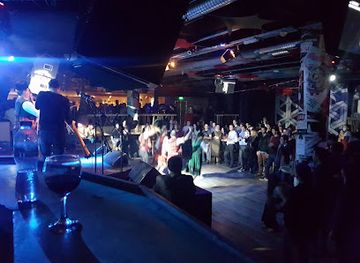
Nightlife is strongly seasonal and varies between the resort coast and inland towns. Sunny Beach, Nessebar and parts of the central coast have the region's most concentrated late-night entertainment, with larger clubs, music venues and bars operating mainly during the summer season. Burgas offers a more year-round mix of cafés, wine bars, restaurants, live music and cultural venues, particularly around the central streets and Sea Garden area. Sozopol has an evening scene shaped by waterfront restaurants, small bars and its historic setting rather than a single large club district. Stara Zagora and Sliven provide local pubs, cafés and student-oriented venues, while Yambol and smaller towns are quieter. In Strandzha and rural districts, evenings usually centre on guesthouse dining, village establishments or seasonal events, so check transport and closing arrangements before travelling far from a base.
-
Disco club
club *MIXTAPE 5*
Dive into Sofia's nightlife at Club Mixtape 5, a vibrant disco club where music, dance, and fun unite for an unforgettable experience.
-
Rock music club
Rock'nRolla
Experience Sofia's nightlife at Rock'nRolla, where live rock music, cocktails, and vibrant atmosphere come together for an unforgettable night.
-
Bar
Cacao Beach Club
Discover the vibrant nightlife at Cacao Beach Club, a premier beach bar and disco in Sunny Beach, perfect for party lovers and beach enthusiasts.
-
Night club
Carrusel Club
Dive into Sofia's nightlife at Carrusel Club, where electrifying beats and a vibrant crowd create unforgettable experiences every weekend.


Best shops in Southeast Bulgaria
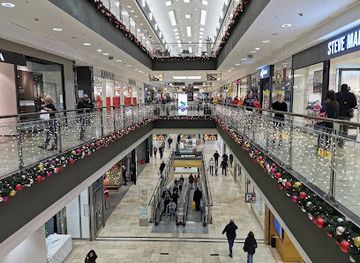
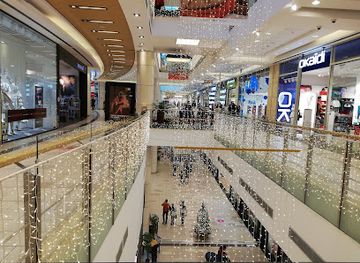
Shopping in Southeast Bulgaria is divided between resort retail, urban high streets and small-scale local production. Burgas has the region's broadest choice of supermarkets, department stores, independent boutiques, bookshops and galleries, with the central streets and Sea Garden surroundings useful for practical purchases and gifts. Nessebar and Sozopol focus more on seasonal shops selling ceramics, textiles, jewellery, artwork, cosmetics and seaside souvenirs, though quality varies and comparison is worthwhile. Markets and specialist food shops are good places to look for Bulgarian wine, honey, rose products, preserves, dried herbs and regional dairy goods. Stara Zagora, Sliven and Yambol have ordinary Bulgarian high streets alongside smaller craft, antique and produce sellers. In Strandzha villages, shopping is limited but local guesthouses and community producers may offer honey, jam or handmade goods when available. Farmers' markets and temporary market days change by town and season, so confirm local arrangements rather than relying on a fixed timetable.
-
Shopping mall
Serdika Center
Experience the heart of Sofia at Serdika Center, where shopping, dining, and entertainment come together in a vibrant atmosphere.
-
Shopping mall
Sofia Ring Mall
Discover Sofia Ring Mall, the ultimate shopping and entertainment hub in Sofia, Bulgaria, where fashion meets fun and dining delights await.
-
Shopping mall
The Mall
Discover a world of shopping and entertainment at The Mall in Sofia, where diverse shops and delicious dining options await.
-
Shopping mall
Mall of Sofia
Discover a vibrant shopping and entertainment experience at Mall of Sofia, the ultimate destination for tourists in Bulgaria's capital.

Get your free copy of our complete guide to Southeast Bulgaria, delivered straight to you.
Everything on this page, from attractions and restaurants to essentials and local phrases, in one PDF you can read offline, print or share.
Already have an account? Sign in
Your Southeast Bulgaria guide is ready.
We'll send it to · Not you? Sign out

Getting your guide ready…
We are putting together a fresh copy of the Southeast Bulgaria guide. This can take up to a minute.
This can take a few moments. If your browser asks, choose Allow so the download can start. You'll find the guide in your Downloads folder.
Nothing happened? Download it again
Sorry, the guide is taking longer than usual. Please try again in a minute, or get it by email instead.
Southeast Bulgaria essentials
Currency and Payment
Safety
Emergency Situations
Do's and Don'ts
Local Tips
From Eve
Local phrases worth knowing
You don't need to get them perfect. A few words go a long way, and locals appreciate the effort.
Basics
| English | Local | Say it |
|---|---|---|
| Hello | Здравейте | [Zdraveyte] |
| Goodbye | Довиждане | [Dovizhdane] |
| Yes | Да | [Da] |
| No | Не | [Ne] |
| Please/You're welcome | Моля/Няма за какво | [Molya/Nyama za kakvo] |
| Thank you | Благодаря | [Blagodarya] |
| Excuse me/Sorry | Извинете/Съжалявам | [Izvinete/Sazhalyavam] |
| How are you? | Как сте? | [Kak ste?] |
| Fine. And you? | Добре. А вие? | [Dobre. A vie?] |
| Do you speak English? | Говорите ли английски? | [Govorite li angliyski?] |
| I don't understand | Не разбирам | [Ne razbiram] |
Eating & Drinking
| English | Local | Say it |
|---|---|---|
| I'd like to see the menu, please | Бих искал да видя менюто, моля | [Bih iskал da vidya menyuto, molya] |
| I don't eat meat | Не ям месо | [Ne yam meso] |
| Cheers! | Наздраве! | [Nazdrave!] |
| I would like to pay, please | Бих искал да платя, моля | [Bih iskал da platya, molya] |
Emergencies
| English | Local | Say it |
|---|---|---|
| Help! | Помощ! | [Pomoshch!] |
| Go away! | Отивайте си! | [Otiyvayte si!] |
| Call the Police! | Викайте полиция! | [Vikayte politsiya!] |
| Call a doctor! | Викайте лекар! | [Vikayte lekar!] |
| I'm lost | Загубен съм | [Zaguben sŭm] |
| I'm ill | Болен съм | [Bolen sŭm] |
Shopping
| English | Local | Say it |
|---|---|---|
| I'd like to buy... | Бих искал да купя... | [Bih iskал da kupya...] |
| I'm just looking | Само разглеждам | [Samo razglezhdam] |
| How much is it? | Колко струва? | [Kolko struva?] |
| That's too expensive | Това е твърде скъпо | [Tova e tvarde skŭpo] |
| Can you lower the price? | Можете ли да намалите цената? | [Mozhete li da namalite tsenata?] |
Time & Numbers
| English | Local | Say it |
|---|---|---|
| What time is it? | Колко е часа? | [Kolko e chasa?] |
| It's one o'clock | Часът е един | [Chasŭt e edin] |
| Half past (10) | Половин час (10) | [Polovin chas (10)] |
| Morning | Сутрин | [Sutrin] |
| Afternoon | Следобед | [Sledobed] |
| Evening | Вечер | [Vecher] |
| Yesterday | Вчера | [Vchera] |
| Today | Днес | [Dnes] |
| Tomorrow | Утре | [Utre] |
| 1 | 1 | [1] |
| 2 | 2 | [2] |
| 3 | 3 | [3] |
| 4 | 4 | [4] |
| 5 | 5 | [5] |
| 6 | 6 | [6] |
| 7 | 7 | [7] |
| 8 | 8 | [8] |
| 9 | 9 | [9] |
| 10 | 10 | [10] |
Transport & Directions
| English | Local | Say it |
|---|---|---|
| Where's a/the...? | Къде е ...? | [Kŭde e ...?] |
| What's the address? | Какъв е адресът? | [Kakŭv e adresŭt?] |
| Can you show me (on the map)? | Можете ли да ми покажете (на картата)? | [Mozhete li da mi pokazhete (na kartata)?] |
| When's the next (bus)? | Кога е следващият (автобус)? | [Koga e sledvashtiyat (avtobus)?] |
| A ticket (to ....) | Билет (до ...) | [Bilet (do ...)] |
History of Southeast Bulgaria
Prehistoric Settlements and Thracian Kingdoms
Southeast Bulgaria has been inhabited since prehistory, with the fertile Maritsa and Tundzha basins, the Black Sea coast and the eastern mountain valleys supporting farming and trade. Thracian communities established fortified settlements, burial mounds and sanctuaries across the region. The ancient city of Seuthopolis, founded by the Odrysian ruler Seuthes III in the late fourth century BC, stood near modern Kazanlak just outside the region's usual southeastern boundaries, while sites around Stara Zagora, Yambol and the coast demonstrate the wider Thracian presence. Gold, wine, horses and metalwork moved through networks connecting inland settlements with the Black Sea.
Greek Colonies and Black Sea Trade
From the first millennium BC, Greek maritime colonies developed along the western Black Sea shore, linking local Thracian populations with the wider Aegean and Mediterranean world. Apollonia Pontica, modern Sozopol, became one of the most influential coastal settlements, while Mesambria, modern Nessebar, grew on a compact peninsula farther north. Their harbours handled grain, wine, pottery and crafted goods. The archaeological remains, churches and street plan of Nessebar, together with Sozopol's historic core, reflect successive Greek, Roman, Byzantine and Bulgarian phases rather than a single cultural tradition.
Roman and Byzantine Frontier Landscapes
Roman control reached the region during the first century BC and brought roads, military organisation, urban development and new administrative structures. Augusta Traiana, modern Stara Zagora, became an important Roman city, and its forum, streets and mosaics remain visible in the contemporary centre. Coastal settlements prospered within the Roman and later Byzantine systems, although they also faced raids and political instability. The eastern Balkans formed a frontier zone between Constantinople, the Danubian lands and the Black Sea, giving the region a long history of military movement and cultural exchange.
Medieval Bulgarian Coastal and Inland Centres
During the medieval Bulgarian empires, towns and fortresses in the south-east occupied a strategic position between the Bulgarian interior, Byzantium and the sea. Nessebar remained a wealthy trading and religious centre, while inland routes connected the Thracian plain with the Balkan passes. Orthodox churches, defensive walls and monasteries were built or rebuilt during periods of Bulgarian and Byzantine rule. The coastal towns repeatedly changed political allegiance, but their commercial importance endured. Their surviving medieval churches and fortifications are among the clearest physical records of the region's complex history.
Ottoman Rule and Regional Trade
The region became part of the Ottoman Empire during the late fourteenth century and remained under Ottoman rule for several centuries. Existing towns were incorporated into new administrative and trading networks, while agriculture, livestock, craft production and road transport shaped everyday life. Stara Zagora, Yambol, Sliven and Burgas developed in different ways, with Sliven becoming associated with textile manufacture and Burgas later gaining importance as a port. Muslim and Christian communities lived across the region, leaving architectural and cultural traces that form part of its Ottoman-era legacy.
National Revival and the Road to Independence
During the Bulgarian National Revival, education, publishing, religious life and merchant activity strengthened local Bulgarian institutions. Sliven was particularly important for textile production and the development of Bulgarian commercial networks, while coastal and inland towns supported schools, churches and community organisations. The Russo-Turkish War of 1877–78 brought major disruption and ultimately led to the re-establishment of the Bulgarian state. The region's proximity to the Ottoman frontier also shaped population movements, settlement patterns and the political changes that followed independence.
Ports, Railways and Industrial Modernisation
After the creation of modern Bulgaria, Burgas grew rapidly as a port and railway centre. Rail connections opened inland markets to Black Sea trade, while grain handling, fishing, food processing and later heavy industry transformed the coastal economy. Stara Zagora, Sliven and Yambol also expanded as administrative, manufacturing and agricultural centres. In the twentieth century, improved roads and railways encouraged seaside tourism, especially around Nessebar, Sunny Beach, Sozopol and the southern coast. These changes created the contrast still visible today between resort development, working ports, historic towns and rural districts.
Southeast Bulgaria in Photos
Browse through our photo collection highlighting the charm and character of the destination.
Neighbouring regions of Southeast Bulgaria
The closest regions to Southeast Bulgaria, if you have time for more than one.
-

-

-

-

-


Swipe for more regions
Explore more

Explore more of Bulgaria
Explore Bulgaria: From Sofia's bustling streets to the serene mountains and stunning Black Sea beaches, discover the rich history, culture, and natural beauty of Bulgaria.
Explore Bulgaria