

Free Upper Thracian Plain Travel Guide & Mobile App
Explore Upper Thracian Plain with free travel guides. Discover regional history, expert tips, proposed trips, and audio guides on web or mobile app.


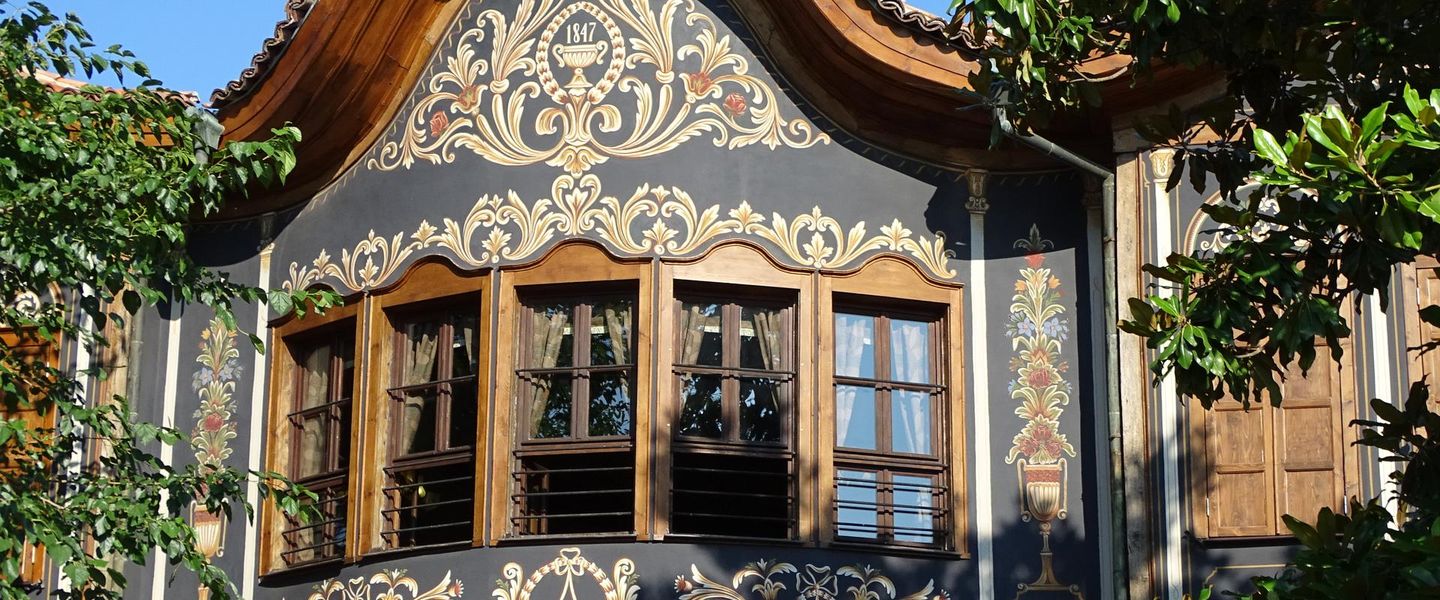


Discover the Upper Thracian Plain: A blend of ancient history, breathtaking landscapes, and rich cultural heritage in the heart of Bulgaria.
Read more about Upper Thracian Plain
When is the best time to visit Upper Thracian Plain?
Best: June, August–September · 24–28°C| Month | High (°C) | Rainfall (mm) |
|---|---|---|
| January | 5 | 40 |
| February | 6 | 35 |
| March | 12 | 40 |
| April | 17 | 45 |
| May | 23 | 55 |
| June (best) | 27 | 50 |
| July | 29 | 35 |
| August (best) | 28 | 30 |
| September (best) | 24 | 35 |
| October | 18 | 40 |
| November | 11 | 45 |
| December | 6 | 40 |
Getting to and around Upper Thracian Plain
How to get there
Transportation
Top city travel guides in Upper Thracian Plain
The cities of Upper Thracian Plain, and the easiest places to base yourself.
-

-
-
-

-


Swipe for more cities
Destinations in Upper Thracian Plain
Resorts, valleys and scenic spots worth a trip of their own.
-

-

-

-

-

-


Swipe for more destinations
Best attractions in Upper Thracian Plain
The Upper Thracian Plain in Bulgaria is a treasure trove of historical and natural wonders, where ancient ruins and vibrant landscapes coalesce to create an unforgettable experience. Visitors can explore the remnants of the Thracian civilizations in Plovdiv, one of the world's oldest continuously inhabited cities, where the Roman amphitheater and ancient streets tell tales of a grand past. The plain is also home to the Valley of the Thracian Kings, with its mysterious burial mounds and tombs, including the UNESCO World Heritage Site at Kazanlak. Nature enthusiasts will be captivated by the sprawling rose fields that bloom in a riot of colors each spring, as well as the idyllic Rhodope Mountains that provide a stunning backdrop for hiking and nature walks. The Upper Thracian Plain is not just a journey through history, but a vibrant blend of cultural heritage and natural beauty.
-
Place of worship
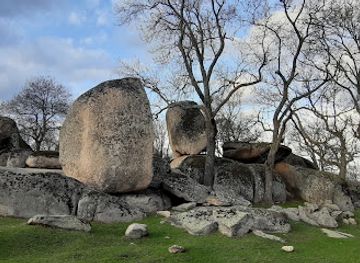
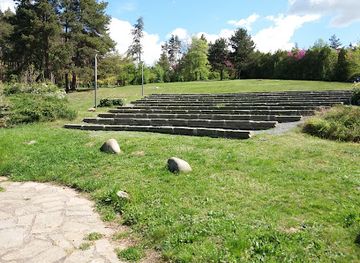
Begliktash
Explore Begliktash, an ancient Thracian sanctuary in Bulgaria, showcasing remarkable stone formations and rich historical significance.
-
Historical place
Thracian Tomb of Kazanlak
Discover the Thracian Tomb of Kazanlak, an archaeological marvel showcasing the ancient Thracian civilization's burial practices and artistry.
-
Museum
Thracian Tomb of Sveshtari UNESCO World Heritage Site
Explore the Thracian Tomb of Sveshtari, a UNESCO World Heritage Site that reveals the rich history and artistry of Bulgaria's ancient civilization.
-
Historical place museum
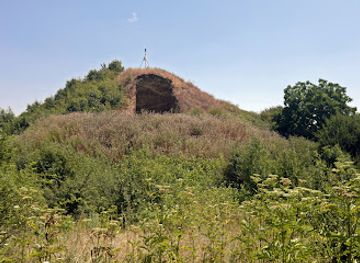
Thracian Tumulus at Mezek
Discover the ancient mysteries of the Thracian Tumulus at Mezek, a historical gem rich in archaeological treasures and breathtaking landscapes.
Best landmarks in Upper Thracian Plain
Nestled in the heart of Bulgaria, the Upper Thracian Plain is a treasure trove of historical and cultural landmarks that beckon to be explored. Visitors can marvel at the ancient Thracian tombs, such as the Kazanlak and Aleksandrovo tombs, adorned with captivating frescoes that offer a glimpse into the funeral rituals and daily life of the Thracian civilization. The bustling city of Plovdiv, one of the world's oldest continuously inhabited cities, boasts a Roman amphitheater, charming cobblestone streets, and colorful Revival-era houses in the Old Town. The region is also home to the majestic Bachkovo Monastery, a serene haven nestled in the Rhodope Mountains, renowned for its exquisite frescoes and tranquil courtyards. Whether wandering through ancient ruins or savoring the local wine in the picturesque vineyards, the Upper Thracian Plain offers a rich tapestry of experiences that intertwine history, culture, and natural beauty.
-
Historical landmark
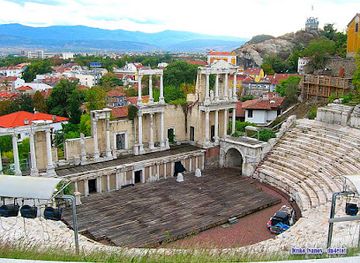
Ancient Theatre of Philippopolis
Explore the Ancient Theatre of Philippopolis, a stunning historical landmark in Plovdiv, showcasing ancient architecture and vibrant cultural events.
-
Fortress
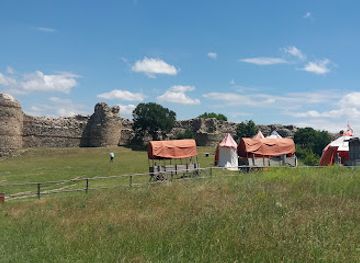
Tsarevets Fortress
Discover the historic Tsarevets Fortress in Veliko Tarnovo, where Bulgaria's rich heritage and breathtaking views await every traveler.
-
Scenic spot
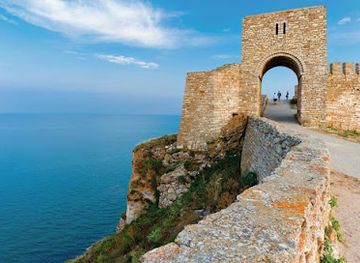
Cape Kaliakra
Explore Cape Kaliakra: Where ancient history meets dramatic natural beauty on Bulgaria's Black Sea coast. Discover legends, wildlife, and stunning views.
-
Historical landmark
Ancient Stadium of Philipopolis
Explore the Ancient Stadium of Philipopolis in Plovdiv, a breathtaking historical landmark revealing the grandeur of the Roman Empire.


Explore Upper Thracian Plain on the map
Plan your trip on one map. See where the top cities, national parks and sights are, and book hotels and experiences in a few clicks.
Best hotels in Upper Thracian Plain
Best restaurants in Upper Thracian Plain
In the heart of Bulgaria's Upper Thracian Plain, visitors are invited to embark on a culinary journey that intertwines ancient Thracian traditions with modern Bulgarian flair. The dining scene here is a vibrant tapestry of flavors, where rustic taverns serve up hearty dishes like kavarma and sarmi, and sophisticated eateries offer contemporary takes on classics such as banitsa and shopska salad. Farm-to-table experiences are abundant, with local markets providing fresh, organic ingredients that highlight the region's fertile lands. Wine enthusiasts will be delighted to find an exceptional selection of local wines, made from indigenous grape varieties, perfectly complementing the robust and savory cuisine. Whether you're dining al fresco in a vineyard or savoring a meal in a charming village square, the Upper Thracian Plain promises a feast for the senses that is as rich in history as it is in flavor.
-
Bulgarian
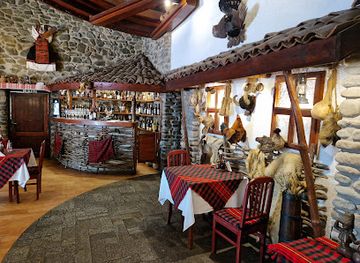
Restaurant Vodenitzata | Вкусна Храна | Достъпни Цени | Безкомпромисно Обслужване
Experience authentic Bulgarian cuisine at Restaurant Vodenitzata in Sofia - where every dish tells a story!
-
Restaurant
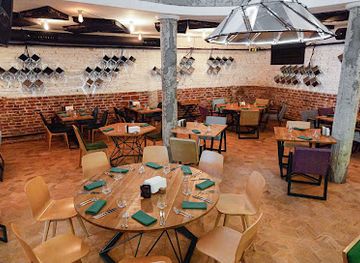
Cosmos Restaurant / Космос
Experience the best of Bulgarian cuisine at Cosmos Restaurant in Sofia—a perfect blend of tradition and modernity.
-
Restaurant
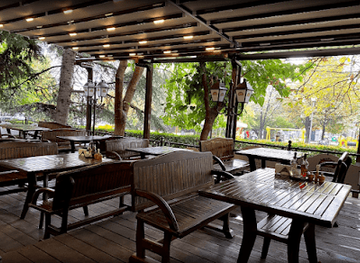
Restaurant & Pizza Tsarya 65
Discover delicious pizzas and traditional Bulgarian cuisine at Restaurant & Pizza Tsarya 65 in Stara Zagora - a culinary experience not to be missed!
-
Restaurant
Rainbow Factory
Experience culinary magic at Sofia's Rainbow Factory - where every dish bursts with flavor and color in a lively atmosphere.
Best bars in Upper Thracian Plain
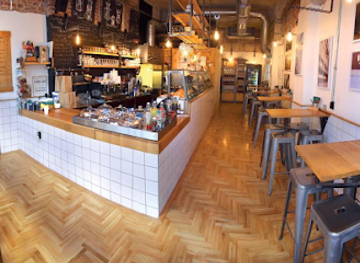
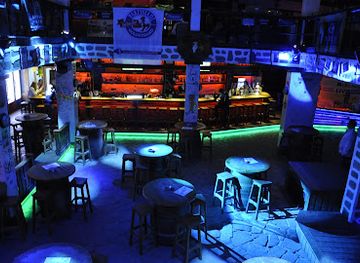
The nightlife in the Upper Thracian Plain of Bulgaria offers an eclectic mix of traditional and modern experiences that cater to a variety of tastes. Visitors can start their evening at charming local taverns, known as 'mehanas,' where they can enjoy authentic Bulgarian dishes and folk music performances that echo the rich cultural heritage of the region. As the night progresses, the energy shifts to chic cocktail bars and lively nightclubs in cities like Plovdiv and Stara Zagora, where local DJs spin a mix of international hits and Balkan beats. For those looking to explore beyond the mainstream, there are hidden gem venues featuring live jazz, rock, and indie bands, as well as themed parties that often spill out into the scenic, cobblestone streets. The vibrant atmosphere, friendly locals, and unique blend of ancient traditions with contemporary flair make the Upper Thracian Plain's nightlife an unforgettable experience for any traveler.
-
European
Happy Bar & Grill
Experience the best of European and sushi cuisine at Happy Bar & Grill in Varna, where delightful flavors meet a vibrant atmosphere.
-
Restaurant
Raketa Rakia Bar
Discover authentic Bulgarian cuisine and an extensive rakia selection at Raketa Rakia Bar, the heart of Sofia's dining scene.
-
European
Happy Bar & Grill Shell North
Experience a culinary journey at Happy Bar & Grill Shell North, where European cuisine meets sushi in a vibrant atmosphere.
-
Cocktail bar
The Cocktail Bar
Discover Sofia's vibrant nightlife at The Cocktail Bar, where expertly crafted cocktails meet an inviting atmosphere in the city's heart.


Best nightclubs in Upper Thracian Plain
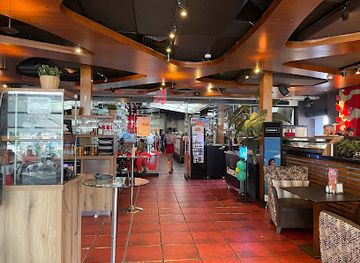
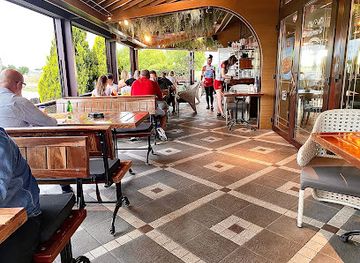
The nightlife in the Upper Thracian Plain of Bulgaria offers an eclectic mix of traditional and modern experiences that cater to a variety of tastes. Visitors can start their evening at charming local taverns, known as 'mehanas,' where they can enjoy authentic Bulgarian dishes and folk music performances that echo the rich cultural heritage of the region. As the night progresses, the energy shifts to chic cocktail bars and lively nightclubs in cities like Plovdiv and Stara Zagora, where local DJs spin a mix of international hits and Balkan beats. For those looking to explore beyond the mainstream, there are hidden gem venues featuring live jazz, rock, and indie bands, as well as themed parties that often spill out into the scenic, cobblestone streets. The vibrant atmosphere, friendly locals, and unique blend of ancient traditions with contemporary flair make the Upper Thracian Plain's nightlife an unforgettable experience for any traveler.
-
Disco club
Yalta
Experience the electrifying nightlife of Sofia at Yalta, a premier disco club that pulses with energy and excitement every night.
-
Disco club
PR Club
PR Club: The Ultimate Disco Experience in Varna's Golden Sands, Where the Night Comes Alive with Music and Dance.
-
Live Music
Retro Club
Experience the ultimate nightlife at Retro Club, Varna's top destination for live music and vibrant atmosphere, perfect for all music lovers.
-
Night club
Partystadl Goldstrand
Discover the ultimate nightlife experience at Partystadl Goldstrand, a vibrant night club in the heart of Golden Sands, Bulgaria.


Best shops in Upper Thracian Plain
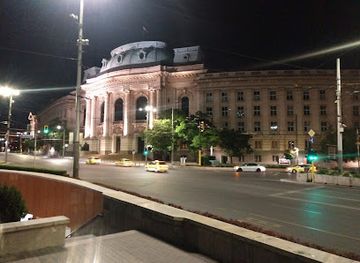
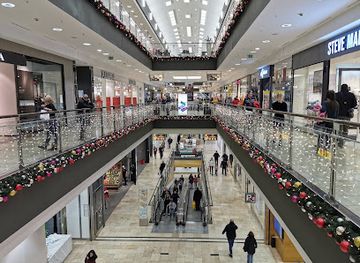
The shopping scene in the Upper Thracian Plain, Bulgaria, is a vibrant blend of history and modernity, offering visitors a unique experience where ancient traditions meet contemporary flair. Wander through bustling markets in cities like Plovdiv and Stara Zagora, where local artisans showcase exquisite handcrafted pottery, intricate textiles, and traditional Thracian jewelry that tell stories of the region's rich cultural heritage. Contemporary boutiques and chic shops line pedestrian streets, offering the latest in European fashion and design. Savor the flavors of the region with gourmet shops featuring locally produced wines, cheeses, and rose products, a nod to Bulgaria's renowned rose oil industry. The Upper Thracian Plain's shopping experience is an eclectic mix of the old and new, providing a treasure trove for both history buffs and modern shoppers.
-
Shopping mall
Serdika Center
Discover Sofia's Serdika Center, a bustling shopping mall offering a unique blend of fashion, dining, and entertainment for every traveler.
-
Shopping mall
The Mall
Discover The Mall in Sofia: A premier shopping destination with diverse stores, dining, and entertainment for an unforgettable experience.
-
Shopping mall
Mall of Sofia
Experience the best of shopping and dining at the Mall of Sofia, a vibrant hub in Bulgaria's capital offering diverse brands and entertainment.
-
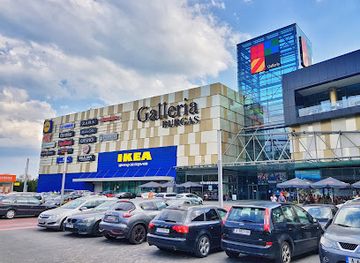
Shopping mall
Mall Galleria Burgas
Discover the ultimate shopping experience at Mall Galleria Burgas, where modern retail meets local culture in a vibrant atmosphere.


Get your free copy of our complete guide to Upper Thracian Plain, delivered straight to you.
Everything on this page, from attractions and restaurants to essentials and local phrases, in one PDF you can read offline, print or share.
Already have an account? Sign in
Your Upper Thracian Plain guide is ready.
We'll send it to · Not you? Sign out

Getting your guide ready…
We are putting together a fresh copy of the Upper Thracian Plain guide. This can take up to a minute.
This can take a few moments. If your browser asks, choose Allow so the download can start. You'll find the guide in your Downloads folder.
Nothing happened? Download it again
Sorry, the guide is taking longer than usual. Please try again in a minute, or get it by email instead.
Upper Thracian Plain essentials
Currency and Payment
Safety
Emergency Situations
Do's and Don'ts
Local Tips
From Eve
Local phrases worth knowing
You don't need to get them perfect. A few words go a long way, and locals appreciate the effort.
Basics
| English | Local | Say it |
|---|---|---|
| Hello | Здравей | [Zdravey] |
| Goodbye | Довиждане | [Dovizhdane] |
| Yes | Да | [Da] |
| No | Не | [Ne] |
| Please/You're welcome | Моля/Няма за какво | [Molya/Nyama za kakvo] |
| Thank you | Благодаря | [Blagodarya] |
| Excuse me/Sorry | Извинете | [Izvinete] |
| How are you? | Как си? | [Kak si?] |
| Fine. And you? | Добре. А ти? | [Dobre. A ti?] |
| Do you speak English? | Говорите ли английски? | [Govorite li angliyski?] |
| I don't understand | Не разбирам | [Ne razbiram] |
Eating & Drinking
| English | Local | Say it |
|---|---|---|
| I'd like to see the menu, please | Искам да видя менюто, моля | [Iskam da vidya menyuto, molya] |
| I don't eat meat | Не ям месо | [Ne yam meso] |
| Cheers! | Наздраве! | [Nazdrave!] |
| I would like to pay, please | Искам да платя, моля | [Iskam da platya, molya] |
Emergencies
| English | Local | Say it |
|---|---|---|
| Help! | Помощ! | [Pomoshch!] |
| Go away! | Отиди си! | [Otidi si!] |
| Call the Police! | Повикайте полицията! | [Povikayte politsiyata!] |
| Call a doctor! | Повикайте лекар! | [Povikayte lekar!] |
| I'm lost | Загубих се | [Zagubih se] |
| I'm ill | Болен съм | [Bolen sŭm] |
Shopping
| English | Local | Say it |
|---|---|---|
| I'd like to buy... | Искам да купя... | [Iskam da kupya...] |
| I'm just looking | Само гледам | [Samo gledam] |
| How much is it? | Колко струва? | [Kolko struva?] |
| That's too expensive | Това е твърде скъпо | [Tova e tvarde skypo] |
| Can you lower the price? | Може ли да намалите цената? | [Mozhe li da namalite tsenata?] |
Time & Numbers
| English | Local | Say it |
|---|---|---|
| What time is it? | Колко е часът? | [Kolko e chasŭt?] |
| It's one o'clock | Часът е един | [Chasŭt e edin] |
| Half past (10) | Половин след (10) | [Polovin sled (10)] |
| Morning | Сутрин | [Sutrin] |
| Afternoon | Следобед | [Sledobed] |
| Evening | Вечер | [Vecher] |
| Yesterday | Вчера | [Vchera] |
| Today | Днес | [Dnes] |
| Tomorrow | Утре | [Utre] |
| 1 | едно | [edno] |
| 2 | две | [dve] |
| 3 | три | [tri] |
| 4 | четири | [chetiri] |
| 5 | пет | [pet] |
| 6 | шестви | [shestvi] |
| 7 | седем | [sedem] |
| 8 | осем | [osem] |
| 9 | девет | [devet] |
| 10 | десет | [deset] |
Transport & Directions
| English | Local | Say it |
|---|---|---|
| Where's a/the...? | Къде е...? | [Kǎde e...?] |
| What's the address? | Какъв е адресът? | [Kakǎv e adresŭt?] |
| Can you show me (on the map)? | Можеш ли да ми покажеш (на картата)? | [Mozhesh li da mi pokazhesh (na kartata)?] |
| When's the next (bus)? | Кога е следващия (автобус)? | [Koga e sledvashtiya (avtobus)?] |
| A ticket (to ....) | Билет (до....) | [Bilet (do....)] |
History of Upper Thracian Plain
Ancient Thracians and Their Legacy
The Upper Thracian Plain was once the heartland of the Thracian tribes, who flourished in the region from the Bronze Age through to the Roman conquest. Known for their skill in metalworking and horsemanship, the Thracians left behind a wealth of archaeological treasures, including ornate tombs and intricate gold artifacts. The Thracian kings, such as Seuthes III, built impressive capitals like Seuthopolis, whose submerged ruins lie beneath the waters of the Koprinka Reservoir.
The Roman Era
In the 1st century AD, the Upper Thracian Plain came under Roman rule, becoming part of the province of Thracia. The Romans established numerous towns and fortresses, including the city of Philippopolis (modern-day Plovdiv), which became a significant cultural and economic center. The region was integrated into the vast Roman road network, facilitating trade and the movement of troops. Roman baths, amphitheaters, and mosaics discovered in the area highlight the sophisticated urban life of the period.
Early Christian and Byzantine Influence
With the spread of Christianity in the late Roman Empire, the Upper Thracian Plain saw the construction of many early Christian basilicas and churches. During the Byzantine period, the region remained an important religious and administrative hub. The remains of early Christian churches in places like Hisarya and the fortress of Perperikon testify to the area's significance in the spread of Christianity and Byzantine culture.
The First and Second Bulgarian Empires
The Upper Thracian Plain played a crucial role during the First Bulgarian Empire (681-1018) and the Second Bulgarian Empire (1185-1396). Key battles were fought in the region, and it served as a strategic buffer zone against Byzantine incursions. The medieval town of Stara Zagora, known as Beroe in antiquity, was a significant center during these periods. Numerous medieval fortresses and churches in the plain reflect the military and religious history of the Bulgarian empires.
Ottoman Rule and the Bulgarian Revival
The Upper Thracian Plain fell under Ottoman control in the late 14th century, a period that lasted nearly five centuries. Despite the challenges, Bulgarian culture and identity persisted. The Bulgarian Revival in the 18th and 19th centuries saw a resurgence of Bulgarian education, literature, and architecture. Towns like Plovdiv became centers of Bulgarian culture, with the construction of beautiful Revival-style houses, churches, and schools. The region was also a hotbed of revolutionary activity leading up to the Bulgarian liberation in 1878.
Modern Era and Cultural Heritage
In the 20th century, the Upper Thracian Plain experienced significant changes, including industrialization and urban development. However, the region has managed to preserve its rich cultural heritage. Modern Plovdiv, with its blend of ancient, medieval, and modern architecture, was named the European Capital of Culture in 2019. The annual Rose Festival in Kazanlak and numerous folk festivals across the plain celebrate the region's enduring traditions and vibrant cultural life.
Upper Thracian Plain in Photos
Browse through our photo collection highlighting the charm and character of the destination.
Neighbouring regions of Upper Thracian Plain
The closest regions to Upper Thracian Plain, if you have time for more than one.
-

-

-

-

-


Swipe for more regions
Explore more

Explore more of Bulgaria
Explore Bulgaria: From Sofia's bustling streets to the serene mountains and stunning Black Sea beaches, discover the rich history, culture, and natural beauty of Bulgaria.
Explore Bulgaria