

Free Bugesera Travel Guide & Mobile App
Explore Bugesera with free travel guides. Discover regional history, expert tips, proposed trips, and audio guides on web or mobile app.


Discover Bugesera in northern Burundi through lake landscapes, wetlands, rural culture and carefully arranged journeys near the Rwandan frontier.
Read more about Bugesera
When is the best time to visit Bugesera?
Best: June–August · 26°C| Month | High (°C) | Rainfall (mm) |
|---|---|---|
| January | 26 | 75 |
| February | 26 | 80 |
| March | 26 | 105 |
| April | 26 | 130 |
| May | 26 | 105 |
| June (best) | 26 | 40 |
| July (best) | 26 | 25 |
| August (best) | 26 | 25 |
| September | 26 | 50 |
| October | 26 | 80 |
| November | 26 | 110 |
| December | 26 | 85 |
Getting to and around Bugesera
How to get there
Transportation
Top city travel guides in Bugesera
The cities of Bugesera, and the easiest places to base yourself.
-

-


Swipe for more cities
Destinations in Bugesera
Resorts, valleys and scenic spots worth a trip of their own.

Swipe for more destinations
Best attractions in Bugesera
Bugesera's attractions are primarily environmental and cultural rather than built for mass tourism. The lakes and wetlands around Rweru and Cohoha provide the region's defining scenery, with opportunities for quiet observation of waterbirds, fishing activity and seasonal changes in papyrus country when access and local conditions permit. The cultivated hills and open northern plains are best experienced by road or on guided walks, offering insight into farming, rural settlement and the close relationship between communities and water. The wider Kirundo area provides the most practical base for arranging local excursions, but travellers should distinguish the service town from the more narrowly defined Bugesera landscape. There are few formal museums, visitor centres or developed family attractions, so a guide, interpreter and realistic expectations are important. The region's historical interest lies in the continuity of the Bugesera name, the cross-border cultural landscape and the memory of northern Burundi's turbulent modern history. Visits to communities should be participatory and respectful rather than intrusive, with permission sought before photography or entering working lakeside areas.
-
Tourist attraction
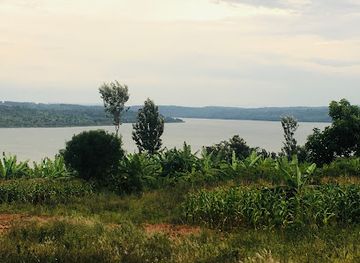
Cyohoha camping site
Discover the beauty of Rwanda at Cyohoha Camping Site, a serene camping and picnic destination in Bugesera district.
-
Monument
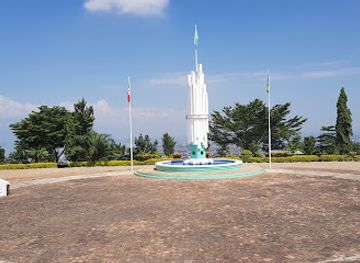
Unity Monument
Explore the Unity Monument in Bujumbura - a stunning landmark symbolizing peace, with breathtaking views of Lake Tanganyika.
-
 Heritage museum
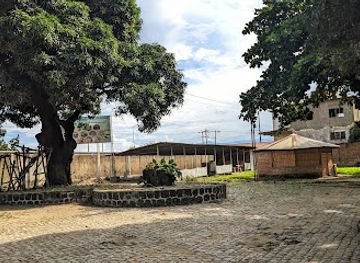
Bugesera Museum
Experience the rich cultural heritage of Rwanda at Bugesera Museum, where history and tradition come alive in vibrant displays and engaging narratives.
-
Lake
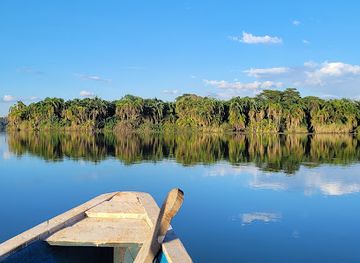
Lake Rwihinda
Discover Lake Rwihinda: A birdwatcher's paradise in Burundi, offering serene landscapes and diverse wildlife in a protected natural reserve.
Best landmarks in Bugesera
The most recognisable landmarks of Bugesera are natural and historical. Lake Rweru is the region's principal geographical reference point, a cross-border body of water whose shores and wetlands connect the Burundian landscape with neighbouring Rwanda. Lake Cohoha forms another major element of the northern lake country, with open water, marshes and cultivated land creating a distinctive pattern visible from local roads and elevated ground. Their significance is ecological and social as well as visual: fishing, wetland resources and border geography all shape how nearby communities live. The name Bugesera itself is an important cultural landmark, recalling a pre-colonial kingdom whose historical territory was later divided by modern national boundaries. Rather than a concentrated collection of monuments, the region's sense of place is carried by lakes, marshes, rural paths and long-settled agricultural country. Visitors should use local guidance for access, especially near frontier facilities, and should not treat working wetlands or communities as unrestricted photographic sites.
-
Zoo
Living Museum (Bujumbura Zoo)
Discover Bujumbura's Living Museum, a vibrant zoo showcasing diverse wildlife and promoting conservation in the heart of Burundi.
-
Tourist attraction
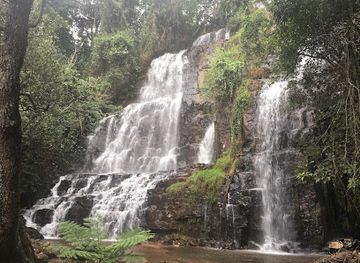
Chutes de la Karera Falls
Discover Burundi's natural wonder: Chutes de la Karera, a stunning series of waterfalls offering a tranquil escape and breathtaking views.
-
Tourist attraction
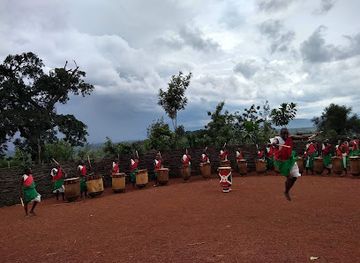
Gishora Drum Sanctuary
Experience Burundi's vibrant culture at Gishora Drum Sanctuary, where ancient traditions come to life through rhythmic drumming and dance.
-
Monument
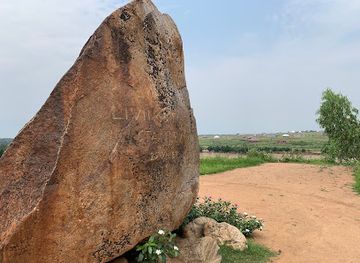
Livingston-Stanley Monument
Commemorating a historic visit by Livingstone and Stanley on the shores of Lake Tanganyika, marking a key moment in African exploration.
Explore Bugesera on the map
Plan your trip on one map. See where the top cities, national parks and sights are, and book hotels and experiences in a few clicks.
Best hotels in Bugesera
Best restaurants in Bugesera
Dining in Bugesera is simple, local and closely connected to the agricultural economy. In villages and along rural roads, meals are likely to centre on staples such as beans, cassava, sweet potatoes, plantains, rice and maize, often accompanied by seasonal greens or a modest sauce. Fish may be available around the lakes, although supplies and preparation depend on the community and the day's catch. Kirundo offers a broader choice of basic cafés, guesthouse meals and informal eateries than remote settlements, but visitors should not expect a large restaurant scene. Carrying snacks and drinking water is sensible on long journeys, and meals arranged in advance are preferable when travelling away from town. Burundi's coffee is an important national product, though Bugesera itself is not primarily a coffee-growing highland destination. Ask before photographing food preparation or fishing activity, and treat locally prepared meals as part of a working rural economy rather than a staged culinary performance.
-
Restaurant
Le Café Gourmand
Experience culinary delights at Le Café Gourmand in Bujumbura – where fresh pastries meet exquisite local dishes.
-
Grill
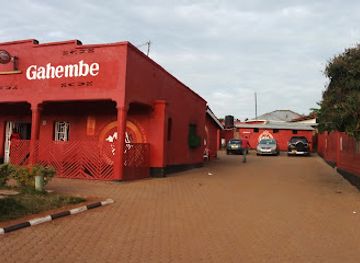
Ku Gahembe Bar
Experience authentic Rwandan cuisine at Ku Gahembe Bar – where flavor meets affordability in Nyamata.
-
Restaurant
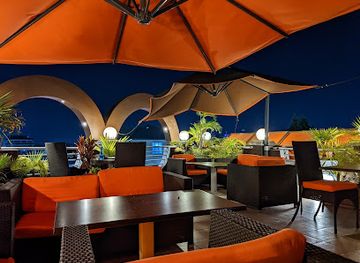
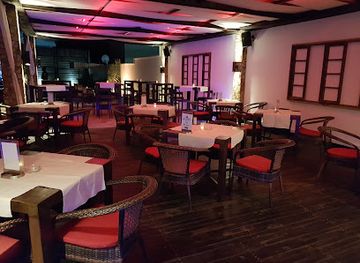
Arena Restaurant Lounge Bar
Discover vibrant Burundian flavors at Arena Restaurant Lounge Bar in Bujumbura - where culinary excellence meets lively ambiance.
-
Italian
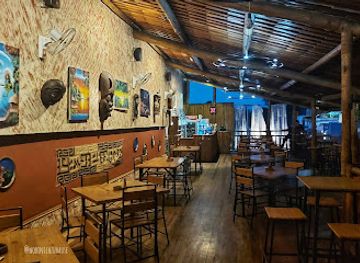
Waka Waka
Experience authentic Italian cuisine at Waka Waka in Bujumbura – a culinary delight blending vibrant flavors with local hospitality.
Best bars in Bugesera
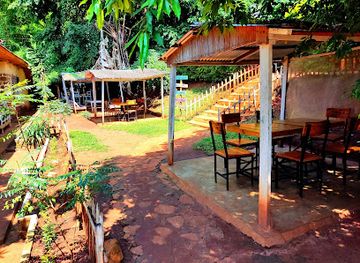
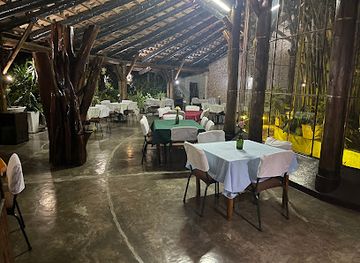
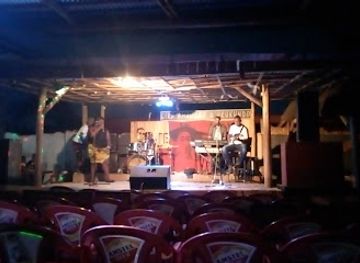
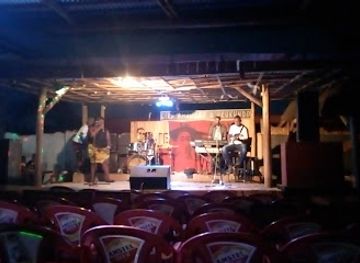
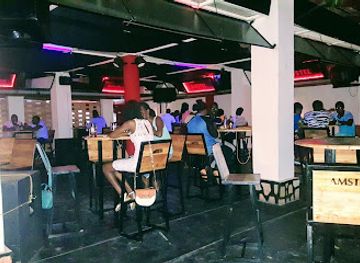
Bugesera does not have a major nightclub circuit. Evening life is more likely to revolve around modest local bars, small restaurants, guesthouses and social gatherings in the larger settlements, with quiet rural areas becoming inactive after dark. Kirundo provides the broadest choice of places to sit, talk and buy refreshments, although venues and operating arrangements can change. Beer and soft drinks are common in Burundi, but alcohol is not necessary to engage with local culture, and visitors should drink responsibly, particularly when transport or road travel is involved. Live music and community celebrations may occur periodically, but they should not be assumed to follow a fixed tourist schedule. At lakeside and frontier settlements, avoid walking alone after dark and take local advice about where visitors may appropriately spend the evening.
-
Restaurant
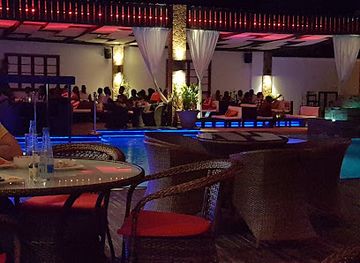
Arena Restaurant Lounge Bar
Experience the lively dining culture at Arena Restaurant Lounge Bar in Bujumbura, where amazing flavors and vibrant atmosphere await you.
-
Grill
Harrys Grill House
Experience the authentic taste of Bujumbura at Harry's Grill House, where flavorful barbecue meets vibrant atmosphere.
-
Restaurant
Flamboyant Gardens
Experience the vibrant flavors of Bujumbura at Flamboyant Gardens, a delightful restaurant and bar nestled in lush surroundings.
-
Bar
Peace and Love Bar
Discover the vibrant atmosphere of Peace and Love Bar in Bujumbura, where relaxation meets the joy of community.
Best nightclubs in Bugesera
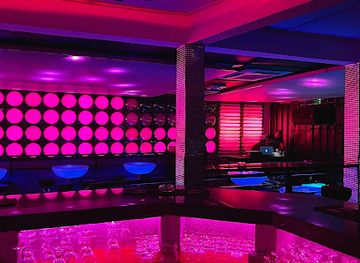
Bugesera does not have a major nightclub circuit. Evening life is more likely to revolve around modest local bars, small restaurants, guesthouses and social gatherings in the larger settlements, with quiet rural areas becoming inactive after dark. Kirundo provides the broadest choice of places to sit, talk and buy refreshments, although venues and operating arrangements can change. Beer and soft drinks are common in Burundi, but alcohol is not necessary to engage with local culture, and visitors should drink responsibly, particularly when transport or road travel is involved. Live music and community celebrations may occur periodically, but they should not be assumed to follow a fixed tourist schedule. At lakeside and frontier settlements, avoid walking alone after dark and take local advice about where visitors may appropriately spend the evening.
-
Night club
TOXIC Night Club
Discover Bujumbura's nightlife at TOXIC Night Club - where every night is an electrifying experience filled with music and dance.
-
Bar
Peace and Love Bar
Discover the vibrant atmosphere and local flavors at Peace and Love Bar in Bujumbura, a perfect spot for relaxation and entertainment.
-
Lounge
Arch of the Cicadas
Experience the tranquil charm of the Arch of the Cicadas, a premier lounge in Bujumbura blending local culture with relaxing ambiance.
-
Lounge
Blue Club Night-club
Discover the electrifying nightlife at Blue Club Night-club in Bujumbura, where music, dance, and culture come alive until dawn.

Best shops in Bugesera
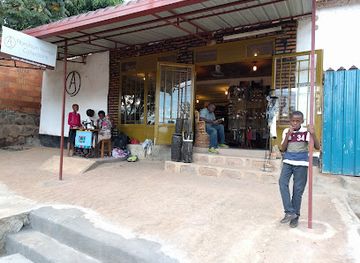
Shopping in Bugesera is limited and practical, with local trade concentrated in market centres and roadside stalls rather than purpose-built retail districts. Kirundo is the most useful nearby place for basic supplies, food, phone credit and everyday goods before travelling into the rural lake country. Markets commonly reflect the agricultural economy, with seasonal produce, grains, beans, cassava products and household necessities more prominent than specialist souvenirs. Visitors may find small craft items or locally made baskets, but availability varies and should not be assumed. Coffee purchased through reputable channels is a recognisable Burundian gift, although it is not a product exclusive to Bugesera. Carry Burundian francs in small denominations, compare goods carefully and ask permission before photographing vendors or market activity. Purchases made from local producers can support household livelihoods, but bargaining should remain courteous and proportionate to the value of handmade work.
-
Collectibles store
Abraham Konga
Explore the vibrant culture of Rwanda at Abraham Konga, your destination for authentic collectibles, handicrafts, and jewelry in Kigali.
-
Fish farm
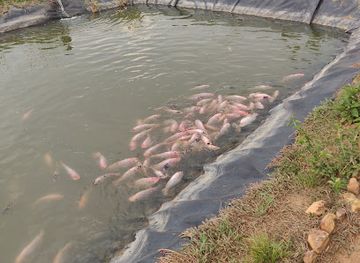
Lakeside Fish Farm
Discover the tranquility of Lakeside Fish Farm in Nyamata, Rwanda - a perfect blend of nature, family fun, and local flavors.
-
Shopping mall
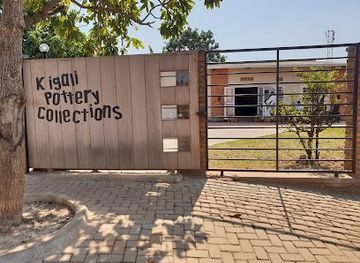
Kigali Pottery Collections, New store Kacyiru
Explore Kigali Pottery Collections for authentic Rwandan pottery, showcasing the beauty and craftsmanship of local artisans in a vibrant shopping experience.
-
Hotel
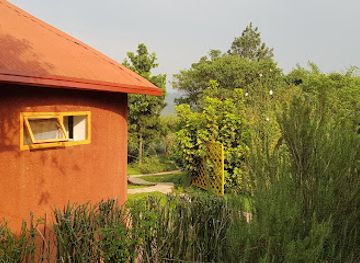
Bugesera Lodge
Discover the perfect blend of luxury and local culture at Bugesera Lodge, a tranquil escape in Mulinja, Rwanda.
Get your free copy of our complete guide to Bugesera, delivered straight to you.
Everything on this page, from attractions and restaurants to essentials and local phrases, in one PDF you can read offline, print or share.
Already have an account? Sign in
Your Bugesera guide is ready.
We'll send it to · Not you? Sign out

Getting your guide ready…
We are putting together a fresh copy of the Bugesera guide. This can take up to a minute.
This can take a few moments. If your browser asks, choose Allow so the download can start. You'll find the guide in your Downloads folder.
Nothing happened? Download it again
Sorry, the guide is taking longer than usual. Please try again in a minute, or get it by email instead.
Bugesera essentials
Currency and Payment
Safety
Emergency Situations
Do's and Don'ts
Local Tips
From Eve
Local phrases worth knowing
You don't need to get them perfect. A few words go a long way, and locals appreciate the effort.
Basics
| English | Local | Say it |
|---|---|---|
| Hello | Ndagukunda | [Nda-guh-kun-da] |
| Goodbye | Murabeho | [Mu-ra-be-ho] |
| Yes | Yego | [Ye-go] |
| No | Oya | [O-ya] |
| Please/You're welcome | Nyabuna | [Nya-bu-na] |
| Thank you | Urakoze | [U-ra-ko-ze] |
| Excuse me/Sorry | Mbabarira | [Mba-ba-ri-ra] |
| How are you? | Amakuru yawe? | [A-ma-ku-ru ya-we] |
| Fine. And you? | Ndi mwiza. Nawe? | [Ndi mwi-za. Na-we] |
| Do you speak English? | Uravuga Icyongereza? | [U-ra-vu-ga I-cyon-ge-re-za] |
| I don't understand | Simbyumva | [Sim-byum-va] |
Eating & Drinking
| English | Local | Say it |
|---|---|---|
| I'd like to see the menu, please | Ndashaka kureba menu, nyabuna | [Nda-sha-ka ku-re-ba me-nu, nya-bu-na] |
| I don't eat meat | Sinjya ndya inyama | [Sin-jya n-dya in-ya-ma] |
| Cheers! | Tugire ubuzima bwiza! | [Tu-gi-re u-bu-zi-ma bwi-za] |
| I would like to pay, please | Ndashaka kwishyura, nyabuna | [Nda-sha-ka kwi-shy-u-ra, nya-bu-na] |
Emergencies
| English | Local | Say it |
|---|---|---|
| Help! | Fasha! | [Fa-sha] |
| Go away! | Genda! | [Gen-da] |
| Call the Police! | Hamaga Polisi! | [Ha-ma-ga Po-li-si] |
| Call a doctor! | Hamaga umuganga! | [Ha-ma-ga u-mu-gan-ga] |
| I'm lost | Ndarakaye | [Nda-ra-ka-ye] |
| I'm ill | Ndababara | [Nda-ba-ba-ra] |
Shopping
| English | Local | Say it |
|---|---|---|
| I'd like to buy... | Ndashaka kugura... | [Nda-sha-ka ku-gu-ra] |
| I'm just looking | Ndi kureba gusa | [Ndi ku-re-ba gu-sa] |
| How much is it? | Bihagaze angahe? | [Bi-ha-ga-ze an-ga-he] |
| That's too expensive | Birahenze cyane | [Bi-ra-hen-ze cya-ne] |
| Can you lower the price? | Urashobora kugabanya igiciro? | [U-ra-sho-bo-ra ku-ga-ba-nya i-gi-cy-ro] |
Time & Numbers
| English | Local | Say it |
|---|---|---|
| What time is it? | Isaha niyihe? | [I-sa-ha ni-yi-he] |
| It's one o'clock | Ni isaha imwe | [Ni i-sa-ha im-we] |
| Half past (10) | Igihe cy'igice cya (10) | [I-gi-he cy-i-gi-ce cya (10)] |
| Morning | Mugitondo | [Mi-gi-ton-do] |
| Afternoon | Nyuma ya saa sita | [Nyu-ma ya saa si-ta] |
| Evening | Nijoro | [Ni-jo-ro] |
| Yesterday | Ejo hashize | [E-jo ha-shi-ze] |
| Today | Uyu munsi | [U-yu mu-nsi] |
| Tomorrow | Ejo hazaza | [E-jo ha-za-za] |
| 1 | 1 | [1] |
| 2 | 2 | [2] |
| 3 | 3 | [3] |
| 4 | 4 | [4] |
| 5 | 5 | [5] |
| 6 | 6 | [6] |
| 7 | 7 | [7] |
| 8 | 8 | [8] |
| 9 | 9 | [9] |
| 10 | 10 | [10] |
Transport & Directions
| English | Local | Say it |
|---|---|---|
| Where's a/the...? | Aho hiriwe...? | [A-ho hi-ri-we] |
| What's the address? | Ni iyihe aderesi? | [Ni i-yi-he a-de-re-si] |
| Can you show me (on the map)? | Urashobora kumfasha (ku ikarita)? | [U-ra-sho-bo-ra kum-fa-sha (ku i-ka-ri-ta)] |
| When's the next (bus)? | Igihe bus izaza? | [I-gi-he bus i-za-za] |
| A ticket (to ....) | Itike (ku ...) | [I-ti-ke (ku ...)] |
History of Bugesera
The pre-colonial Bugesera kingdom
Bugesera is remembered as a pre-colonial political and cultural territory whose influence extended across parts of the land now divided between Burundi and Rwanda. The name therefore carries a historical meaning that is broader than a present-day administrative boundary. Kingdoms in the Great Lakes region organised authority through royal courts, chiefs, agricultural communities and systems of allegiance rather than through modern provincial lines. In Bugesera, the lake country and fertile northern plains helped shape settlement and movement. The survival of the name on both sides of the international frontier reflects a regional past that predates the borders drawn under colonial rule.
Agricultural and lakeside societies before colonial rule
Before European administration, communities in the Bugesera area depended on combinations of crop cultivation, livestock keeping, fishing and wetland resources. Lakes Rweru and Cohoha, along with smaller marshes and seasonal waterways, influenced where people settled and how food was produced. Hills and plains were cultivated according to local knowledge of soils and rainfall, while paths connected villages and markets across what is now northern Burundi and southern Rwanda. This mixed economy remains visible in the landscape, although population growth, land pressure and environmental change have reduced the flexibility that earlier communities could sometimes maintain.
Colonial borders and administrative change
German and later Belgian colonial rule imposed new administrative systems on the Great Lakes region, transforming older political relationships and formalising boundaries that did not correspond neatly with historical territories. Bugesera's name survived, but the region became divided by the international boundary between the territories that developed into Rwanda and Burundi. Colonial taxation, labour demands, missionary activity and new forms of authority altered local economic and social life. Roads, administrative centres and agricultural policies linked communities more closely to colonial institutions, while also helping establish the territorial framework within which modern Burundi's northern provinces were governed.
Independence and the changing northern countryside
After Burundi became independent in 1962, the Bugesera area remained predominantly rural and agricultural. National political upheavals affected the northern provinces, while changing landholding patterns and demographic pressure placed increasing demands on hills, marshes and lake margins. Farming continued to provide the foundation of household livelihoods, supplemented by fishing, small-scale trade and cross-border contacts where conditions allowed. The landscape seen today—closely cultivated land interspersed with wetlands and water bodies—reflects both long-established practices and the effects of successive decades of population growth, displacement and environmental stress.
The Ntega and Marangara violence of 1988
The 1988 violence in Ntega, in northern Burundi, and neighbouring Marangara remains an important part of the history of the wider region. Large numbers of civilians were killed or displaced amid escalating political and ethnic conflict, prompting national and international attention and contributing to efforts to address Burundi's political crisis. The events were not confined to the physical lake landscape of Bugesera, but Ntega's proximity and its place within the northern countryside make them essential to understanding the region's modern memory. Visitors should approach this history with respect and avoid treating sites of suffering as ordinary tourist attractions.
Post-conflict recovery and environmental pressure
In the twenty-first century, communities around northern Burundi's lakes and wetlands have continued to balance recovery, farming, fishing and cross-border movement. The return and resettlement of displaced people, pressure on cultivable land, fluctuating water conditions and the need to protect wetland habitats have all influenced local development. Bugesera's future is closely tied to practical questions of food security, access roads, lake management and conservation. For visitors, the most visible legacy is a working landscape rather than a preserved historical zone: fields, boats, marshes and settlements continue to evolve together.
Bugesera in Photos
Browse through our photo collection highlighting the charm and character of the destination.
Neighbouring regions of Bugesera
The closest regions to Bugesera, if you have time for more than one.
-

-

-

-

-


Swipe for more regions
Explore more
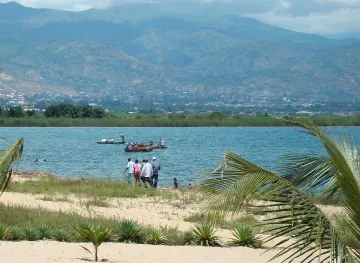
Explore more of Burundi
Discover the hidden gem of Africa: Burundi, a land of stunning landscapes, rich culture, and warm hospitality. Perfect for adventurers and culture enthusiasts alike.
Explore Burundi