
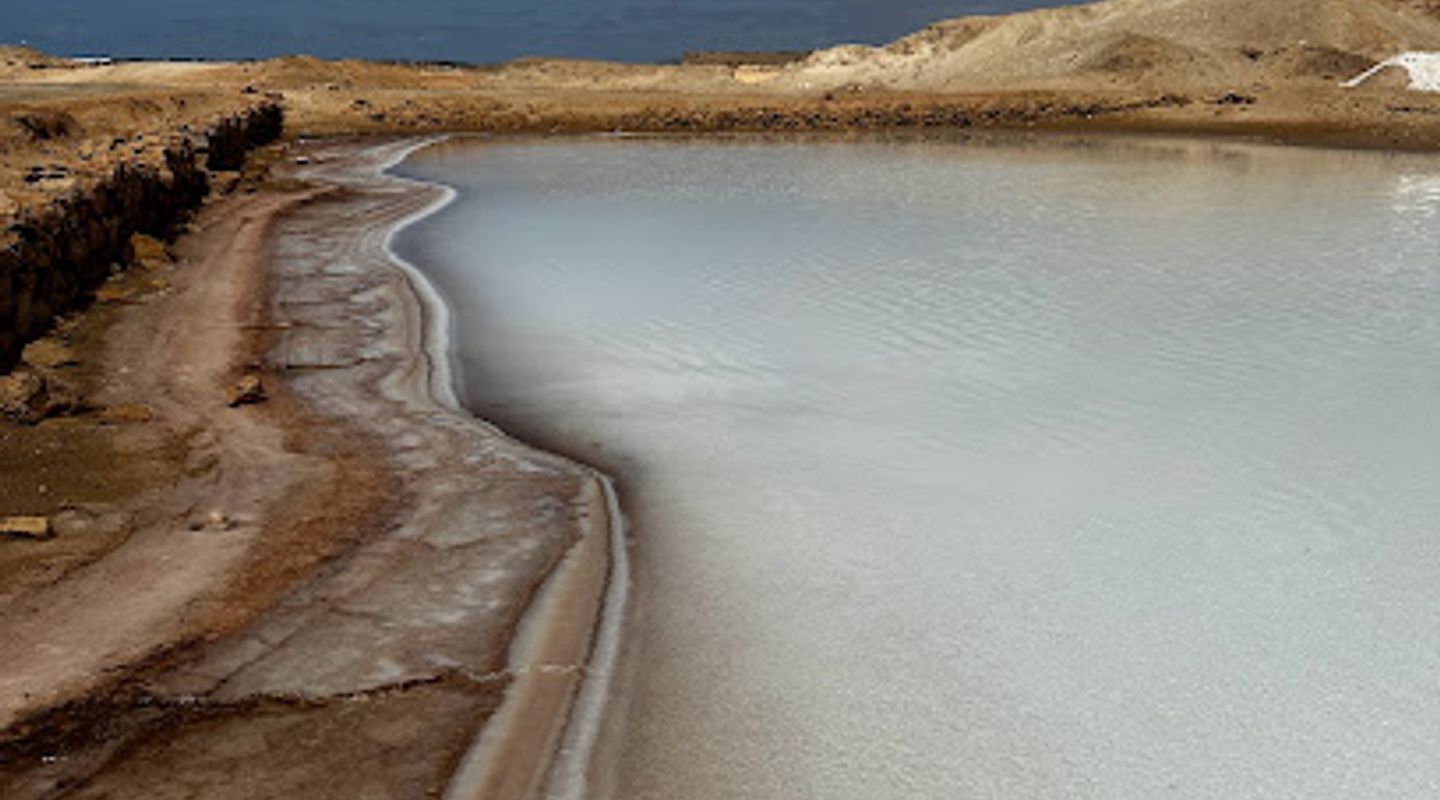
Salina, Sal Travel Guide
Discover the colorful salt flats of Santa Maria, Cape Verde, and uncover the fascinating history of Sal Island's salt industry.
Explore the historic salt flats of Salina in Santa Maria, Cape Verde, where salt production shaped the town's identity. Witness the colorful landscape and learn about the area's rich history.
A brief summary to Salina
- J37V+3MQ, Unnamed Road, Santa Maria, CV

Know before you go
Hi, I'm Eve. Here are a few practical things to know before exploring Salina.
- Wear comfortable shoes suitable for walking on uneven terrain around the salt flats.
- Bring sunscreen, a hat, and sunglasses to protect yourself from the sun's glare, as there is little shade.
- Consider visiting early in the morning or late in the afternoon to avoid the midday heat.
Do you manage this location?
Take control to get all the benefits, like improved information, better appearance, and stronger visibility across AI-powered discovery. Learn more about listing your business on Evendo
Activate your presenceOther nearby places you may find interesting
The closest places of the same kind, if this one is not quite what you had in mind.

Explore Salina on the Map
A handpicked selection of must-see spots near Salina, mapped for you.
Unlock the Best of Salina
Buy tickets
-
No tickets available
Book tours with entry
-
No tours available
Book tours without entry

Getting There
-
Walking
From the center of Santa Maria, the Salina is located a short distance to the northeast. Head north away from the main beach, and follow the road leading out of town. The salt flats will become visible on your left. The walk is relatively easy and takes approximately 15-20 minutes.
-
Taxi
Taxis are readily available in Santa Maria. A short taxi ride to the Salina will cost approximately 200-300 CVE. Confirm the price with the driver before starting your journey.
Discover more about Salina













Your all‑in‑one travel companion app
Explore expert travel guides, compare and book tours, experiences, hotels, and more—all from the palm of your hand. Download now for seamless trip planning wherever your wanderlust takes you.


Explore More of Sal
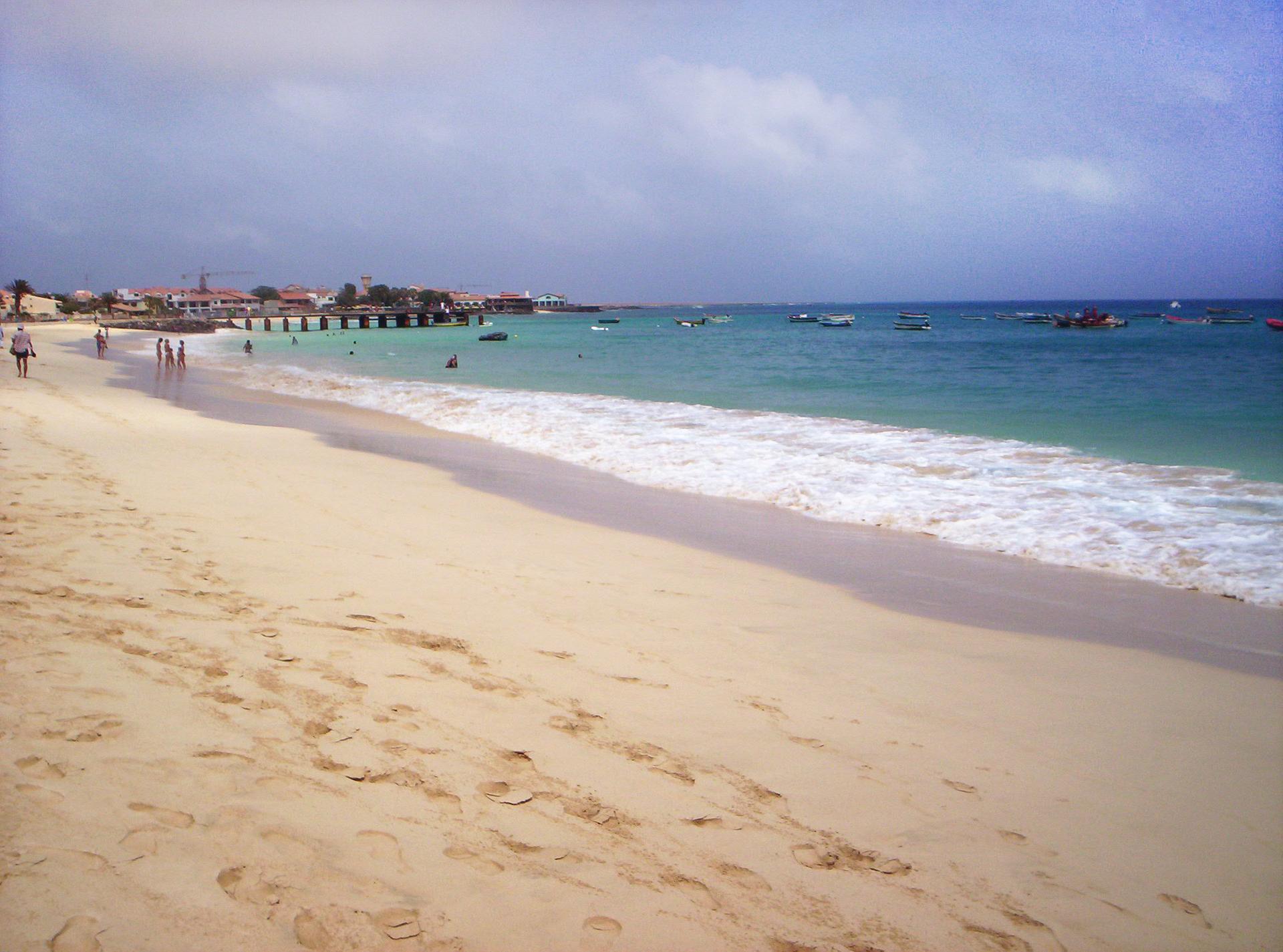
Looking beyond Salina? Discover Sal for broader travel guides, local hot-spots, and regional highlights.
Explore Sal
Experience the underwater magic of Cabo Verde with Scuba Team Cabo Verde, where adventure and marine beauty await every diver.

Discover the enchanting Mural Santa Maria, a vibrant cultural landmark showcasing the artistic spirit of Santa Maria, Cape Verde.
