From Eve
Know before you go
Hi, I'm Eve. Here are a few practical things to know before exploring Chumash Trail.
Local know-how to help you travel smarter and make the most of every moment.


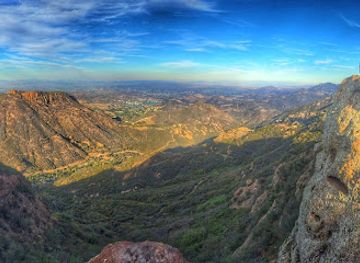
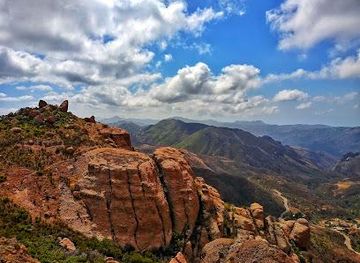
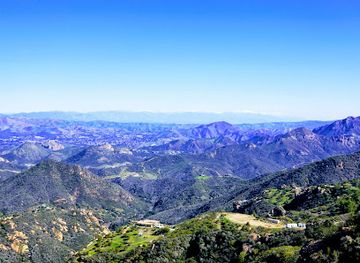
Hike the Chumash Trail in Malibu's Point Mugu State Park for stunning ocean views, a challenging climb, and a connection to California's Native American heritage.
The Chumash Trail in Point Mugu State Park offers a rewarding hike with panoramic ocean views and a glimpse into Native American history. This moderately challenging trail ascends steeply from the Pacific Coast Highway, rewarding hikers with vistas of the Channel Islands and the vast Pacific Ocean. Named after the Chumash people who inhabited the area for millennia, the trail provides a connection to the region's rich cultural heritage. While relatively short, the initial climb is demanding, making sturdy footwear essential. The Chumash Trail is a popular destination for those seeking a blend of natural beauty, historical significance, and a good workout near Malibu.
Opening times, essentials, and a few local tips gathered into one calmer, easier-to-scan planning section.
Hi, I'm Eve. Here are a few practical things to know before exploring Chumash Trail.
Local know-how to help you travel smarter and make the most of every moment.
Driving
From central Malibu, head north on the Pacific Coast Highway (Highway 101). Continue for approximately 10 miles. Look for a small dirt parking area on the left side of the road, across from the Naval Base Ventura County training range. The trailhead is at the end of the parking lot. Parking is free, but spaces are limited, especially on weekends. Arrive early to secure a spot.
Use Tower Bridge as your starting point for nearby food, family ideas, nightlife, and more local discoveries.

Explore expert travel guides, compare and book tours, experiences, hotels, and more—all from the palm of your hand. Download now for seamless trip planning wherever your wanderlust takes you.
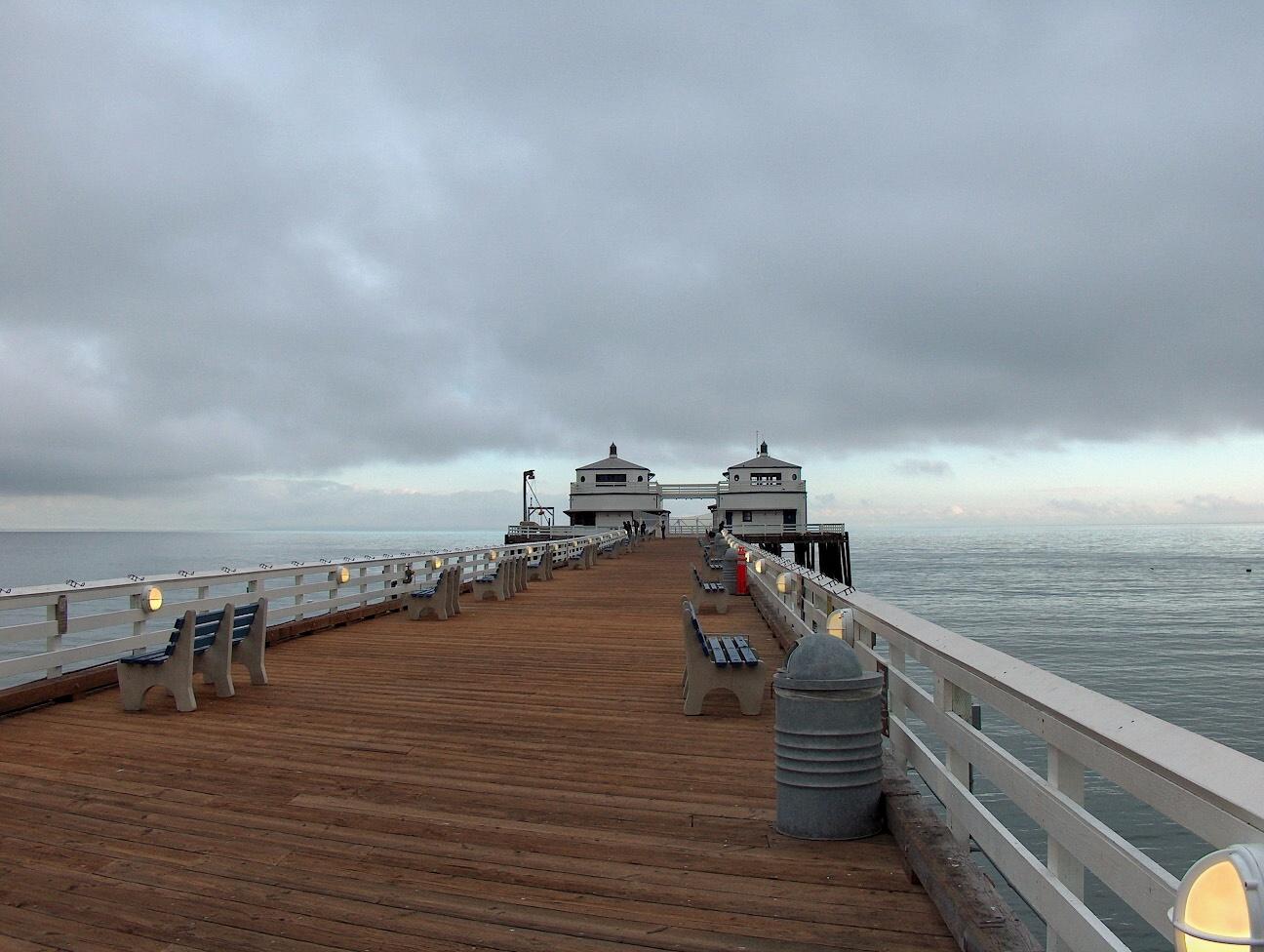
Discover Malibu, California: A coastal paradise with stunning beaches, world-class surfing, scenic hiking trails, and a blend of cultural and culinary delights.
Tell me more about Malibu