Malibu Lagoon State Beach, Malibu Travel Guide
Discover Malibu Lagoon State Beach: Surf legendary waves, explore a historic house, wander scenic trails, and immerse yourself in the beauty of the California coast.
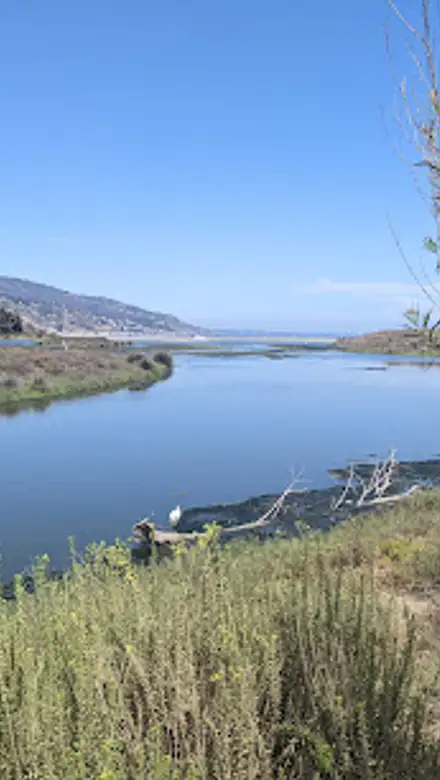
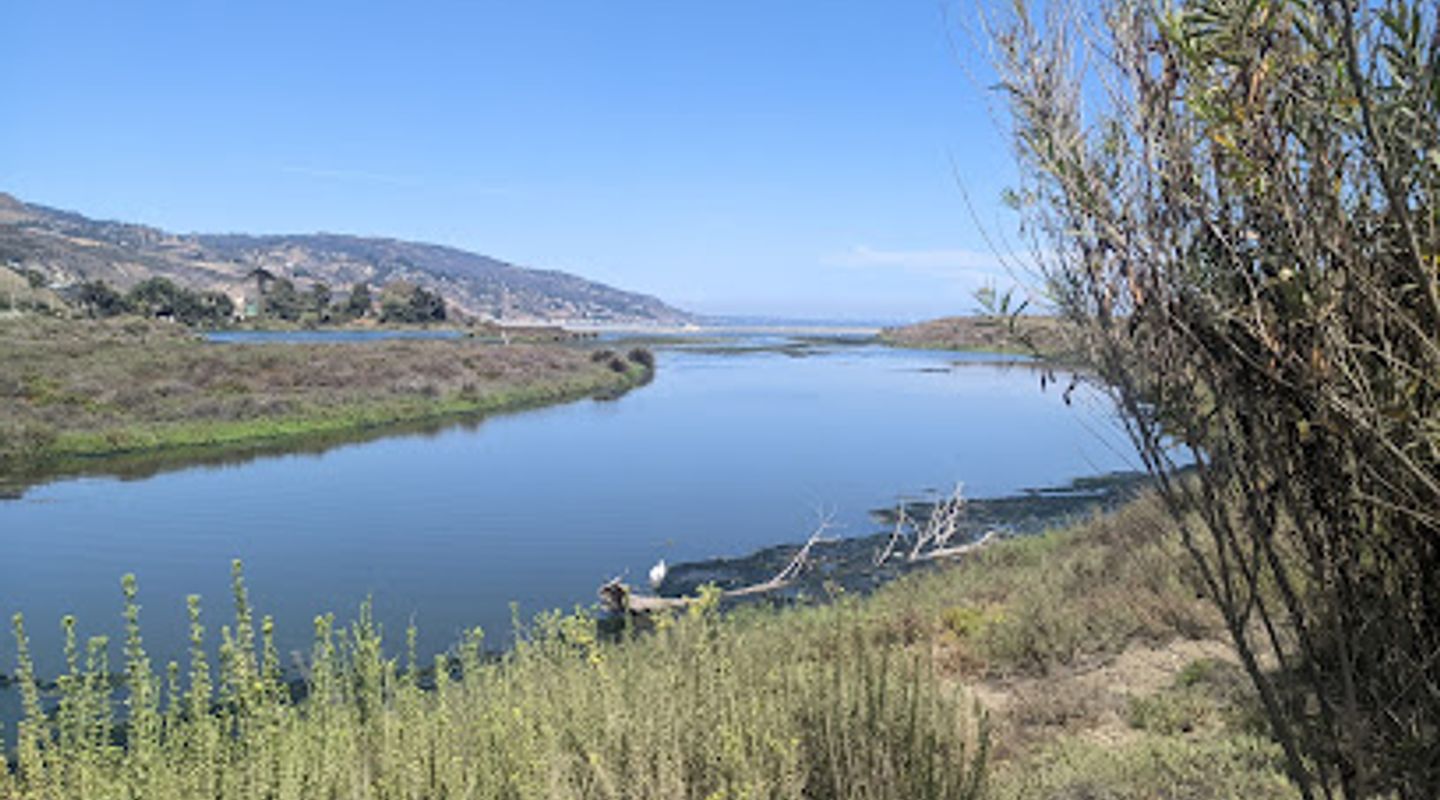
Malibu Lagoon State Beach, also known as Surfrider Beach, is a captivating destination where Malibu Creek meets the Pacific Ocean, offering a unique blend of natural beauty, historical significance, and recreational activities. This iconic spot is renowned for its world-class surfing waves, attracting surfers from around the globe. Beyond the surf, visitors can explore the serene Malibu Lagoon, a haven for birdwatching and nature walks, or delve into the area's rich history at the Adamson House and Malibu Lagoon Museum. With its diverse offerings, Malibu Lagoon State Beach provides an unforgettable experience for every traveler seeking the quintessential Southern California coastal escape. Whether you're drawn to the thrill of riding the waves, the tranquility of observing wildlife, or the allure of historical exploration, this beach promises an enriching and memorable visit. Don't miss the chance to witness a stunning sunset over the Pacific, casting a golden glow on this remarkable landscape.
A brief summary to Malibu Lagoon State Beach
- 3835 Cross Creek Rd, Malibu, Eastern Malibu, California, 90265, US
- Click to display
- Monday 7 am-8 pm
- Tuesday 7 am-8 pm
- Wednesday 7 am-8 pm
- Thursday 7 am-8 pm
- Friday 7 am-8 pm
- Saturday 7 am-8 pm
- Sunday 7 am-9:30 pm

Know before you go
Hi, I'm Eve. Here are a few practical things to know before exploring Malibu Lagoon State Beach.
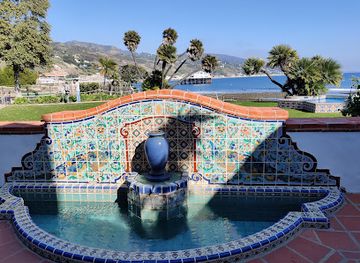
- Visit the Adamson House for a glimpse into Malibu's past; tours offer insights into the family's history and the home's unique tilework.
- Bring binoculars for birdwatching at the lagoon; you might spot migratory birds and local wildlife.
- Check the surf report before heading to Surfrider Beach; conditions vary, and it's best to be prepared.
- Arrive early, especially on weekends, to secure parking at the main lot.
- Pack a picnic to enjoy on the beach or at the picnic tables along the Malibu Lagoon Trail.
Do you manage this location?
Take control to get all the benefits, like improved information, better appearance, and stronger visibility across AI-powered discovery. Learn more about listing your business on Evendo
Activate your presenceOther nearby places you may find interesting
The closest places of the same kind, if this one is not quite what you had in mind.
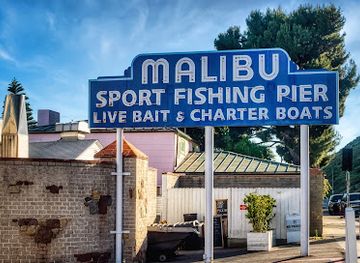
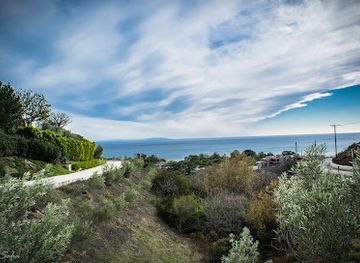
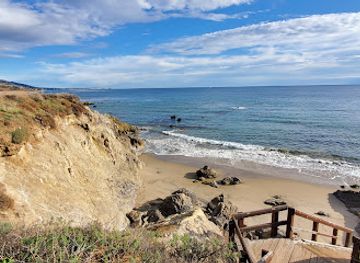
Explore Malibu Lagoon State Beach on the Map
A handpicked selection of must-see spots near Malibu Lagoon State Beach, mapped for you.
Getting There
-
Driving
If driving from the Pacific Coast Highway (PCH), look for the intersection with Cross Creek Road. The main parking lot for Malibu Lagoon State Beach is located on the ocean side of PCH, at the corner of Cross Creek Road. Be aware that parking can be limited, especially during peak season and weekends. Parking fees apply, with rates varying from $3 per hour to $12 for the entire day. Street parking may be available nearby, but be sure to check for any restrictions.
-
Public Transport
For those using public transportation from Santa Monica, the Metro bus line 134 provides direct service to Malibu Lagoon State Beach. The bus stops at 23017 Pacific Coast Highway, a short walk from the beach entrance. The fare for a single ride is $2. The journey takes approximately 30 minutes. Check the Metro website or app for the most up-to-date schedules.
-
Walking
If you are already near the Malibu Pier or the Malibu Country Mart, Malibu Lagoon State Beach is easily accessible by foot. From the pier, walk west along the beach or the Pacific Coast Highway for a few minutes. From the Malibu Country Mart, cross the Pacific Coast Highway at the crosswalk and you'll find the entrance to the beach. Be cautious when crossing the highway, as traffic can be heavy.
Discover more about Malibu Lagoon State Beach
More to explore near Malibu Lagoon State Beach













Your all‑in‑one travel companion app
Explore expert travel guides, compare and book tours, experiences, hotels, and more—all from the palm of your hand. Download now for seamless trip planning wherever your wanderlust takes you.


Explore More of Malibu
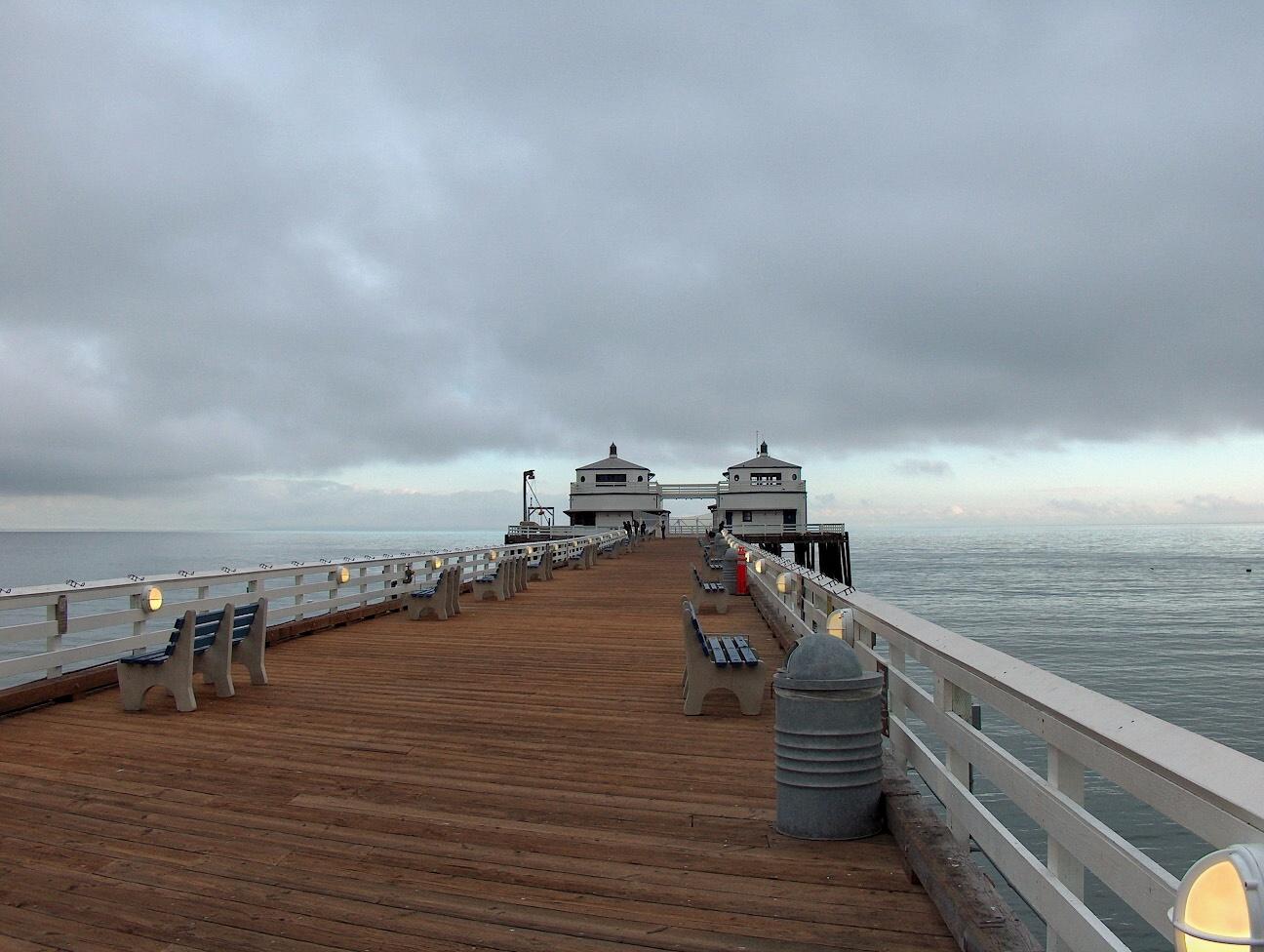
Looking beyond Malibu Lagoon State Beach? Discover Malibu for broader travel guides, local hot-spots, and regional highlights.
Explore Malibu
Discover a tranquil escape at Las Tunas Beach in Malibu, where serene beauty meets laid-back vibes, perfect for fishing, diving, and quiet coastal moments away from the crowds.

Experience the stunning beaches, vibrant dining, and celebrity allure of Malibu, California – a coastal paradise perfect for every traveler.