Background

Angel Island: A Bay Area Jewel

Discover breathtaking views and poignant history on Angel Island, the San Francisco Bay's largest island, offering hiking, historical sites, and a unique escape.

4.5

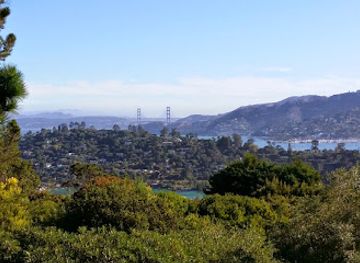
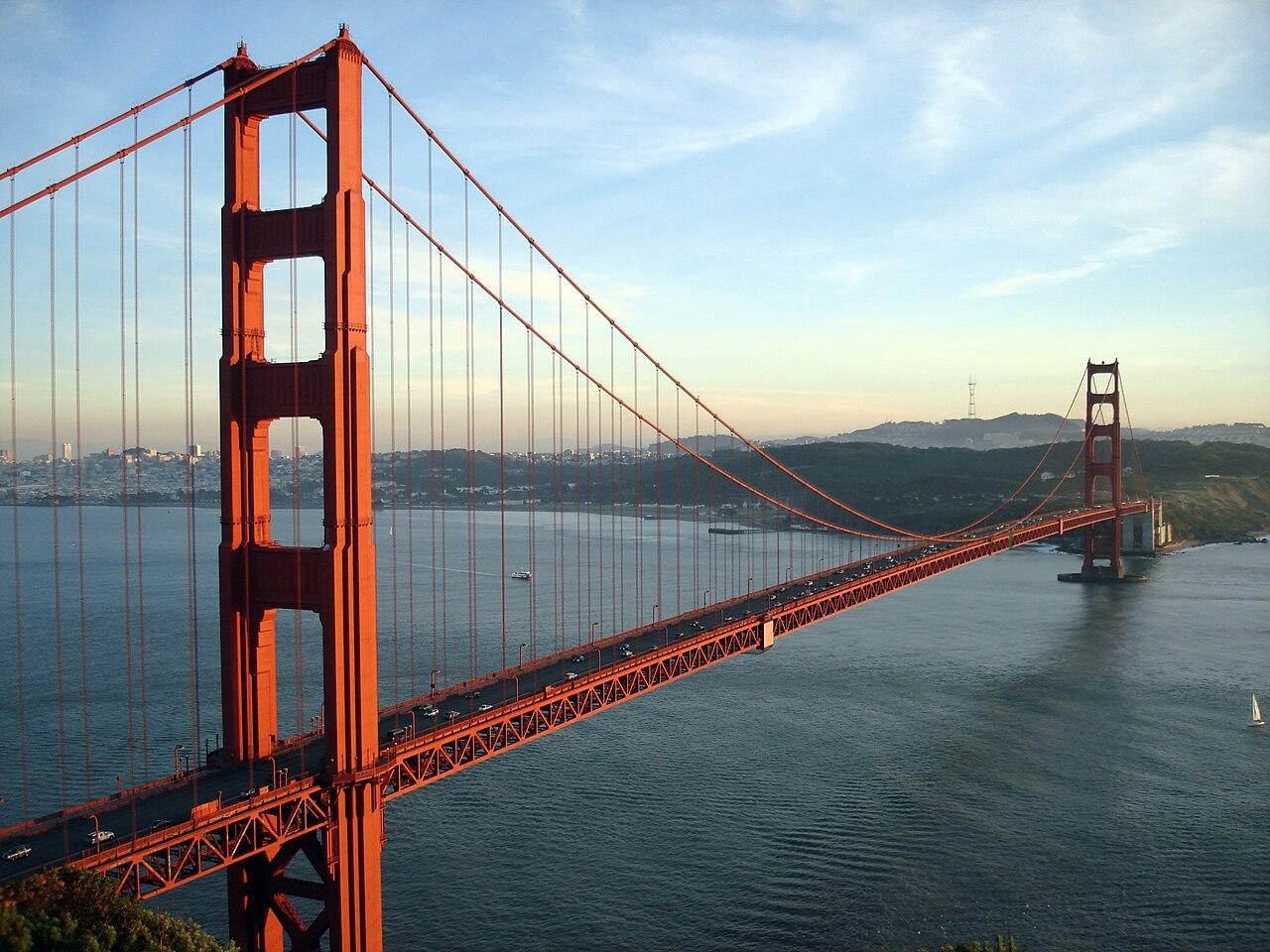
Angel Island State Park, a sprawling island sanctuary in the heart of the San Francisco Bay, beckons with its compelling blend of scenic splendor and historical significance. Often described as the "Ellis Island of the West," Angel Island presents a multifaceted experience, inviting visitors to immerse themselves in its natural landscapes, explore its historical landmarks, and contemplate its poignant past. Rising from the waters just a mile south of the Tiburon Peninsula, Angel Island boasts panoramic vistas that capture the essence of the Bay Area. From its shores and trails, one can witness the iconic Golden Gate Bridge arching across the horizon, the infamous Alcatraz Island standing sentinel, and the vibrant San Francisco skyline shimmering in the distance. The island itself is a tapestry of rolling hills, oak woodlands, and coastal grasslands, offering a diverse habitat for wildlife and a haven for outdoor enthusiasts. Angel Island's story stretches back millennia, beginning with the Coast Miwok people who utilized the island as a seasonal fishing and hunting ground. In 1775, Spanish Lieutenant Juan Manuel de Ayala charted the island, naming it Isla de Los Angeles. For decades, the island remained a remote outpost, rumored to be a rendezvous point for smugglers and pirates. The mid-19th century marked a turning point as the U.S. Army established a presence on Angel Island. During the Civil War, Camp Reynolds (later known as West Garrison) was constructed to defend the Bay Area from potential Confederate attacks. The island subsequently evolved into a major military installation, serving as a training and deployment center for troops involved in campaigns against Native American tribes and, later, in both World Wars. In 1910, Angel Island took on a new role with the opening of the U.S. Immigration Station. This facility, often compared to Ellis Island in New York, served as the primary processing center for immigrants arriving from Asia and other parts of the world. Unlike Ellis Island, where most immigrants were quickly processed, Angel Island was designed to enforce the Chinese Exclusion Act of 1882 and subsequent restrictive immigration laws. Immigrants, primarily from China, Japan, and other Asian countries, were often detained for weeks, months, or even years while undergoing rigorous interrogations and medical examinations. The experiences of these immigrants, marked by hope, uncertainty, and often discrimination, are etched into the very walls of the detention barracks, where many carved poems expressing their emotions. The Immigration Station operated until 1940, when a fire destroyed the administration building. After its closure, the site was used as a prisoner-of-war processing center during World War II. In 1963, Angel Island was transformed into a State Park, preserving its natural beauty and historical legacy for future generations. Today, Angel Island State Park offers a wealth of activities and attractions. Hiking and biking trails crisscross the island, providing access to stunning viewpoints and hidden coves. The Perimeter Road, a mostly paved 5-mile loop, is popular for leisurely strolls and bike rides, while more challenging trails lead to the summit of Mount Livermore, the island's highest point. History buffs can explore the remnants of Fort McDowell, including the preserved buildings of Camp Reynolds and the East Garrison. The Angel Island Immigration Station, now a National Historic Landmark, offers guided tours and exhibits that shed light on the experiences of the immigrants who passed through its doors. Visitors can walk through the restored barracks, read the poignant poems carved into the walls, and learn about the complex history of immigration in the United States. Beyond its historical and recreational offerings, Angel Island provides a sanctuary for wildlife. Deer roam freely across the island, and birdwatchers can spot a variety of species, including hawks, owls, and migratory birds. The island's diverse plant life, ranging from oak woodlands to coastal scrub, adds to its natural charm. Whether you're seeking a challenging hike, a glimpse into the past, or simply a peaceful escape from the city, Angel Island State Park offers a unique and unforgettable experience. Its blend of natural beauty, historical significance, and panoramic views makes it a true gem of the San Francisco Bay Area. To fully appreciate Angel Island, consider these activities: * **Hike to Mount Livermore:** Ascend to the island's highest point for unparalleled 360-degree views of the Bay Area. * **Explore the Immigration Station:** Take a guided tour of the restored barracks and learn about the experiences of Asian immigrants. * **Bike the Perimeter Road:** Enjoy a leisurely ride around the island, taking in the scenic vistas. * **Visit Fort McDowell:** Discover the remnants of the island's military past. * **Have a Picnic:** Relax and enjoy a meal at one of the island's scenic picnic areas. * **Reflect on History:** Take time to contemplate the island's complex past and its role in shaping the American story. Angel Island is more than just a park; it's a living testament to the beauty, resilience, and diversity of California and the United States.

Local tips

  • Book your ferry tickets in advance, especially during peak season, to guarantee your spot and avoid long lines.
  • Bring layers of clothing, as the weather on the island can change quickly. Even on a sunny day, it can be windy and cool.
  • Wear comfortable shoes for hiking or biking, as the island has varied terrain.
  • Pack a picnic lunch and enjoy it at one of the island's scenic picnic areas, as food options on the island are limited.
  • Take the time to explore the Immigration Station and learn about the experiences of the immigrants who were detained there.
widget icon

Buy tickets

    No tickets available

Book tours with entry

    No tours available

Book tours without entry

    No tours available

A brief summary to Angel Island

  • Tiburon, Belvedere Tiburon, California, US

Getting There

  • Ferry

    The primary way to reach Angel Island is by ferry. Two ferry services operate: Angel Island-Tiburon Ferry from Tiburon and Golden Gate Ferry from San Francisco. From Tiburon, the ferry ride is approximately 10 minutes. From San Francisco, the ferry takes about 30 minutes. Round-trip tickets from Tiburon cost $18 for adults, plus $1 per bike. Round-trip tickets from San Francisco cost $31 for adults. Both ferries include the Angel Island State Park entrance fee in their ticket price. Reservations are highly recommended, especially during weekends and holidays. Parking in Tiburon varies, with options around Main Street ranging from $5 to $20 per day. Check the Angel Island Ferry and Golden Gate Ferry websites for current schedules and to book tickets.

Popular Experiences near Angel Island

Popular Hotels near Angel Island

Select Currency