Baker-Barry Tunnel: A Passage Through Time
Journey through history in the Marin Headlands via the Baker-Barry Tunnel, a vital link to breathtaking coastal views, historic sites, and outdoor adventures in the Golden Gate National Recreation Area.
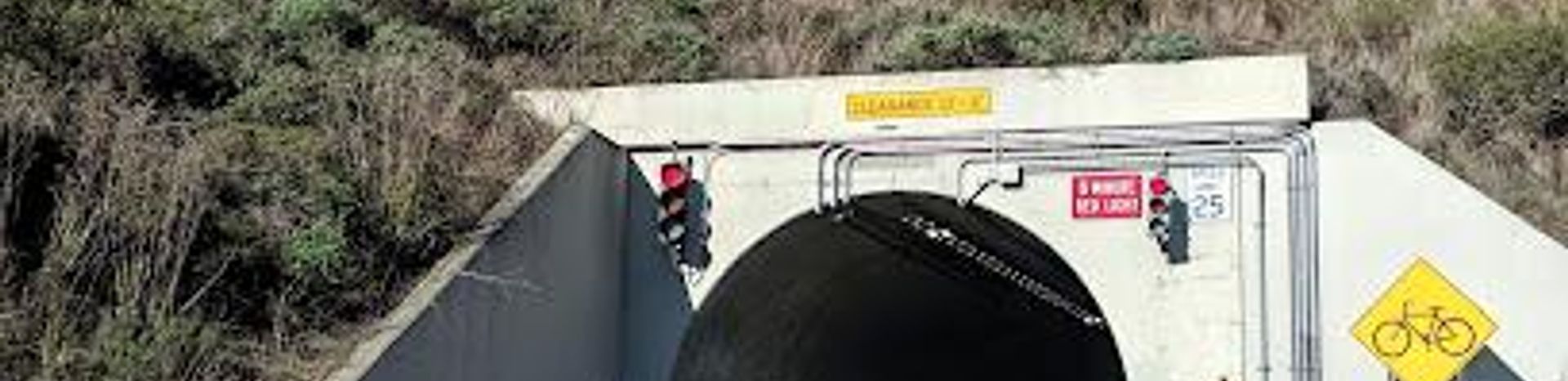
The Baker-Barry Tunnel, also known as the Bunker Road Tunnel or the Five-Minute Tunnel, is a historic passage connecting Fort Baker and Fort Barry in the Marin Headlands. Built in 1918 by the U.S. Army, this narrow, one-lane tunnel was crucial for military transport and communication between the two forts. Today, it serves as a vital link for visitors exploring the Golden Gate National Recreation Area. Passing through the tunnel offers a unique glimpse into the area's military past and provides access to stunning coastal landscapes, hiking trails, and historic sites. Be prepared for a short wait at the traffic lights controlling the tunnel's one-way flow, and consider alternative scenic routes like Conzelman Road for equally rewarding views. The tunnel's rehabilitation in the 1990s ensured its preservation, allowing future generations to experience this unique piece of Marin County history. The tunnel is a testament to engineering ingenuity and a reminder of the strategic importance of the Marin Headlands in the defense of San Francisco Bay.
A brief summary to Baker-Barry Tunnel
- 272 Bunker Rd, Sausalito, California, 94965, US
- +1415-561-4700
- Visit website
- Monday 12 am-12 am
- Tuesday 12 am-12 am
- Wednesday 12 am-12 am
- Thursday 12 am-12 am
- Friday 12 am-12 am
- Saturday 12 am-12 am
- Sunday 12 am-12 am
Local tips
- Be prepared for a short wait at the Baker-Barry Tunnel, as it operates as a one-way passage with traffic lights. Consider alternative scenic routes like Conzelman Road during peak times.
- Check the weather forecast before visiting the Marin Headlands, as fog and wind are common, especially during summer. Dress in layers for changing conditions.
- Parking can be limited, especially on weekends. Arrive early or consider public transportation (Muni 76X on weekends, but infrequent) to avoid parking hassles.
- Explore the historic batteries and bunkers in Fort Barry for a glimpse into the area's military past. Battery Mendell and Battery Alexander offer impressive views.
- Hike the Coastal Trail for breathtaking views of the Pacific Ocean and the Golden Gate Bridge. Keep an eye out for wildlife, including birds, marine mammals, and deer.

Getting There
-
Driving
From San Francisco, cross the Golden Gate Bridge heading north. Take the first exit after the bridge, Alexander Avenue. Follow Alexander Avenue for a short distance and turn left onto Bunker Road (marked with a sign for Fort Baker/Marin Headlands). Continue on Bunker Road to reach the Baker-Barry Tunnel. Be prepared to stop at the traffic light before entering the one-way tunnel. There is no toll to enter the Marin Headlands. Parking near the tunnel and at various points in the Marin Headlands is free, but can be limited, especially on weekends.
-
Public Transport
On weekends, the Muni 76X bus runs from San Francisco to the Marin Headlands. Check the Muni schedule for the most up-to-date information as service can be infrequent. The bus makes several stops within the Headlands, including near the Marin Headlands Visitor Center. From the bus stop, follow signs to reach the Baker-Barry Tunnel and other attractions. A single ride on Muni costs $3.00, or $2.50 if using the MuniMobile app. Clipper cards are also accepted.
-
Bicycle
Cyclists can access the Marin Headlands by crossing the Golden Gate Bridge on the west side. After crossing the bridge, follow the bike paths down to Conzelman Road or Bunker Road. Bunker Road leads directly to the Baker-Barry Tunnel. Be aware that the tunnel is narrow and has limited visibility. Lights are recommended for increased visibility. There is no cost to bike across the Golden Gate Bridge.
Discover more about Baker-Barry Tunnel
Iconic landmarks you can’t miss

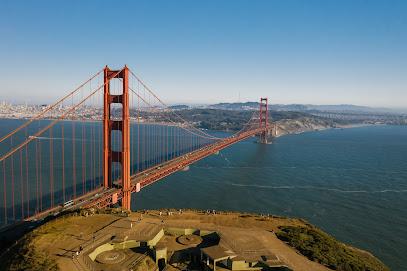
Golden Gate Bridge
2.3 km
Experience the breathtaking beauty and historical significance of the Golden Gate Bridge, an iconic symbol of San Francisco and a must-see for every traveler.

Strauss Statue
3.6 km
Explore the Strauss Statue in San Francisco's Presidio—a tribute to the visionary behind the Golden Gate Bridge, blending history, art, and stunning views.
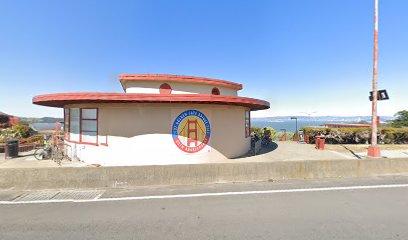
Golden Gate Bridge Vista Point
3.6 km
Experience stunning panoramic views of the Golden Gate Bridge at the Vista Point in San Francisco, a must-visit for any traveler.
Landmarks China Cabin
4.4 km
Discover the historic elegance of the China Cabin, a unique event venue in Belvedere Tiburon, rich with captivating history and stunning architecture.
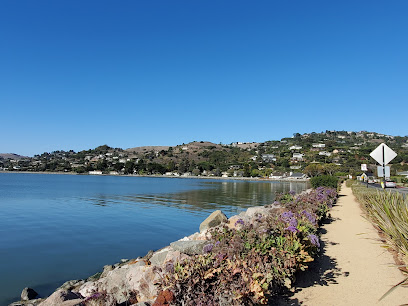
Tiburon Railroad & Ferry Depot Museum
4.8 km
Discover the rich history of Tiburon at the Railroad & Ferry Depot Museum, a charming destination for history lovers and curious travelers.
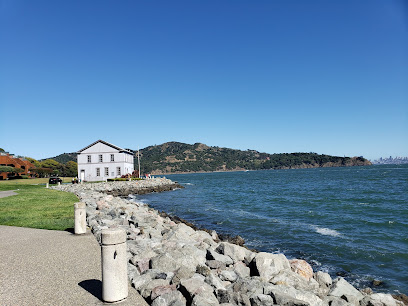
Wayburn Redwood Grove
5.1 km
Explore the breathtaking tranquility of Wayburn Redwood Grove, a serene park in San Francisco's Presidio, surrounded by majestic redwoods and natural beauty.
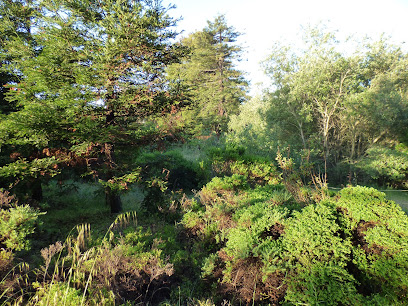
Presidio of San Francisco (California Historical Landmark #79)
5.1 km
Explore the Presidio of San Francisco, a historical landmark blending military history with breathtaking natural beauty and outdoor adventures.
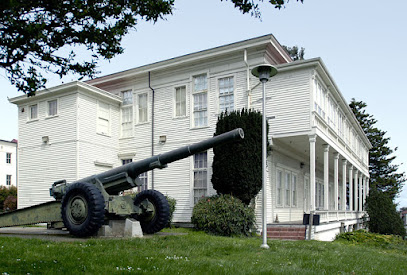
Pershing Square
5.1 km
Explore the historical marvels of Pershing Square in San Francisco's Presidio, a serene destination rich in culture, stunning views, and engaging stories.
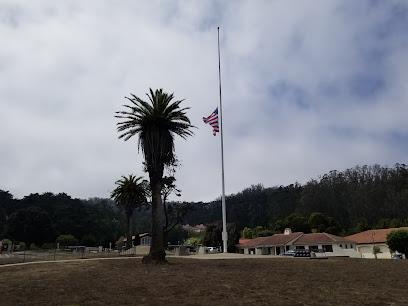
Old St. Hilary's Historic Preserve
5.2 km
Discover the rich history and breathtaking views at Old St. Hilary's Historic Preserve, a hidden gem in Belvedere Tiburon, California.
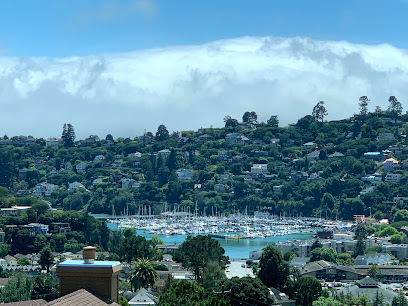
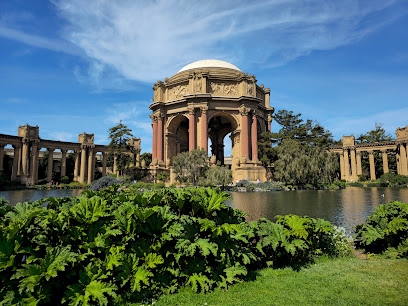
Palace of Fine Arts
5.2 km
A San Francisco architectural masterpiece originally built for the 1915 Panama-Pacific Exposition, offering a serene escape with its iconic rotunda, colonnades, and tranquil lagoon.
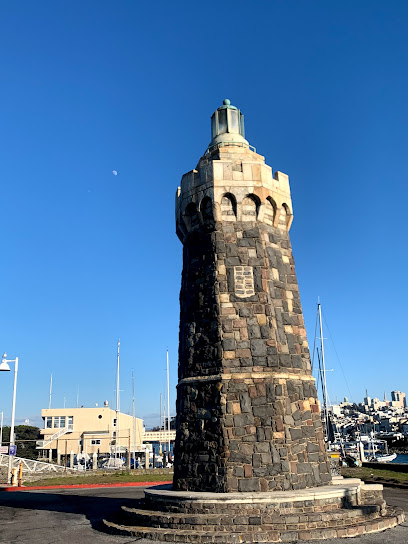
The Wave Organ
5.3 km
Discover the Wave Organ in San Francisco: an acoustic sculpture where the ocean plays music, offering stunning views and a unique sensory experience on the city's waterfront.
Marina Airfield Historical Marker
5.5 km
Discover San Francisco's aviation history at the Marina Airfield Historical Marker, a tribute to early airmail and helicopter innovation along the scenic San Francisco Bay Trail.
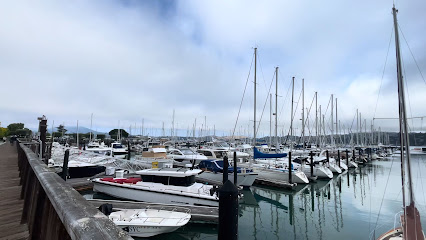
Summit of Mt. Livermore
5.5 km
Explore the Summit of Mt. Livermore for breathtaking views and a serene hiking experience in Tiburon, California.
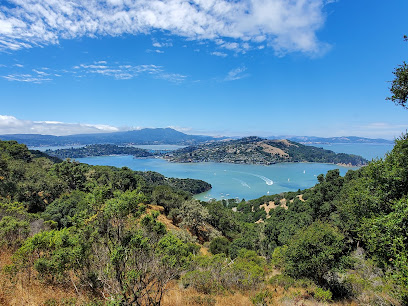
Angel Island State Park
5.5 km
Explore the stunning landscapes and rich history of Angel Island State Park, a captivating getaway in the San Francisco Bay for nature and history lovers.
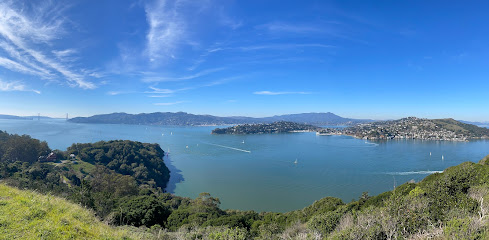
Lombard Gate Presidio
5.7 km
Discover the historic Lombard Gate in San Francisco's Presidio: a charming landmark offering scenic views, access to trails, and a glimpse into the area's rich military past and natural beauty.
Unmissable attractions to see

Fort Baker
0.8 km
Explore Fort Baker in Sausalito, California: A historical landmark with stunning views and rich military heritage perfect for outdoor enthusiasts and history buffs.
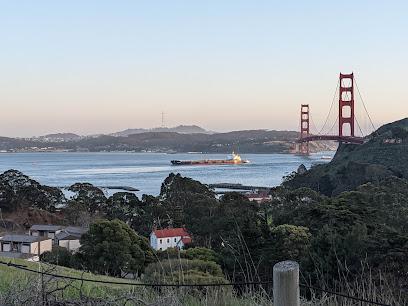
Golden Gate View Point
1.2 km
Discover unparalleled views of the Golden Gate Bridge at this scenic viewpoint in Mill Valley, a must-visit for every traveler exploring California's stunning landscapes.
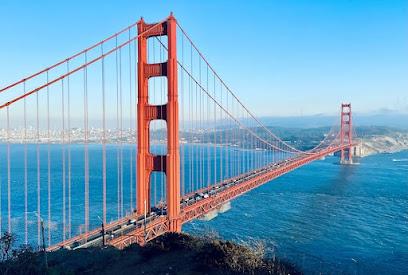
Moore Rd Pier
1.2 km
Experience breathtaking views and serene moments at Moore Rd Pier, a scenic fishing destination in Sausalito, California.
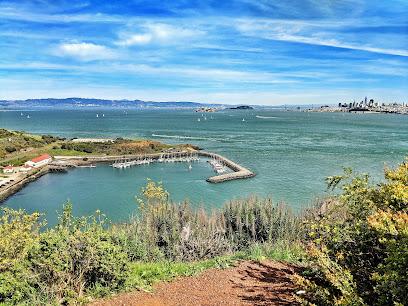
Sausalito Boardwalk
1.7 km
Experience the charm of the Sausalito Boardwalk, where stunning views meet delightful dining and vibrant local art in a coastal paradise.

Viña del Mar Park
2.0 km
Discover Viña del Mar Park in Sausalito - a picturesque retreat with stunning views, lush gardens, and a tranquil atmosphere perfect for relaxation.
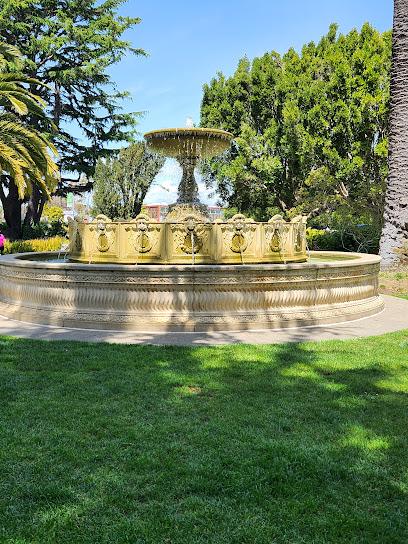
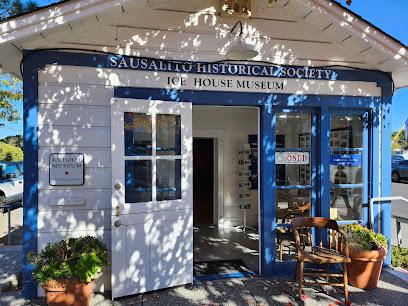
Sausalito Historical Society Museum
2.1 km
Discover the captivating history of Sausalito at the Sausalito Historical Society Museum, where local stories and maritime heritage come to life.
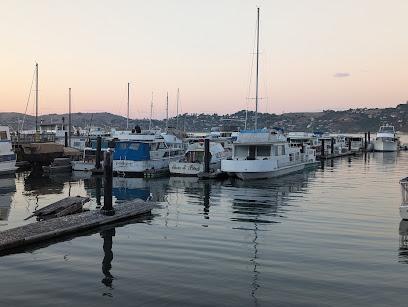
Sausalito house boats
2.2 km
Discover the artistic charm of Sausalito's houseboats, a unique tourist attraction showcasing vibrant floating homes and stunning waterfront views.
Sausalito
2.2 km
Explore Sausalito, California: A charming coastal town offering stunning waterfront views, vibrant art scene, and delightful dining experiences.

Marin Headlands
2.5 km
Explore the stunning Marin Headlands in California, where breathtaking coastal views, diverse wildlife, and rich history await every nature lover and adventure seeker.

Essential places to dine

Atelier Crenn
6.4 km
Experience the artistry of French cuisine at Atelier Crenn, where each dish tells a unique story crafted by Chef Dominique Crenn.
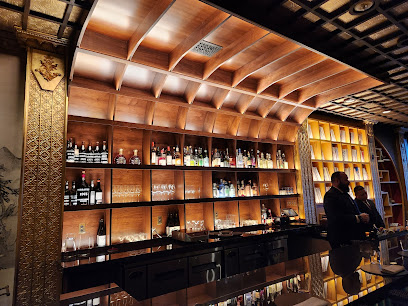
Spruce
6.5 km
Discover Spruce: A premier New American restaurant in San Francisco's Presidio Heights serving exquisite seasonal cuisine and elegant ambiance.
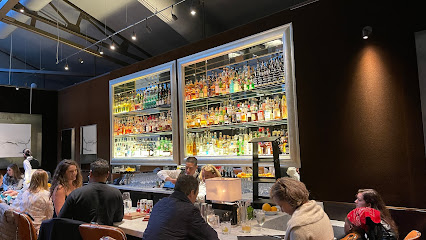
Chapeau
6.6 km
Experience exquisite French cuisine at Chapeau in San Francisco's Richmond District, where elegance meets exceptional flavors.
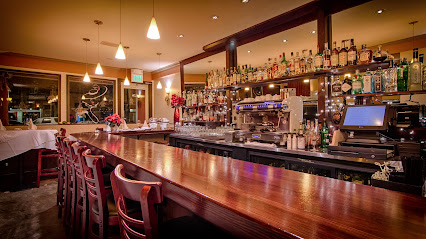
Capurro's Restaurant
6.8 km
Discover Capurro's Restaurant at Fisherman's Wharf - where fresh seafood meets Italian flair in an unforgettable dining experience.
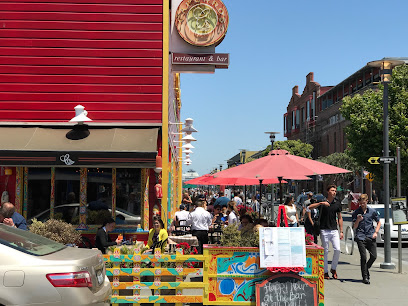
Cioppino's
6.8 km
Experience fresh seafood delights at Cioppino's - A family-friendly Italian restaurant located at Fisherman's Wharf in San Francisco.
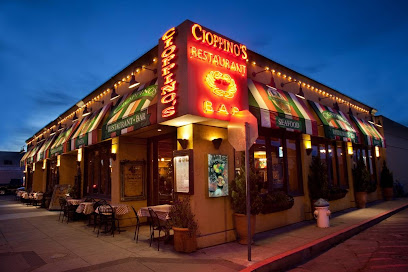
Gary Danko
6.9 km
Discover the culinary masterpiece of Gary Danko in San Francisco - where exquisite flavors meet unparalleled service.
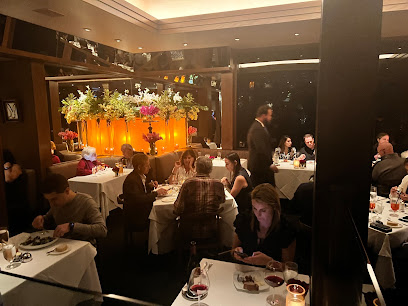
Surisan
7.1 km
Discover Surisan: Where Korean flavors meet brunch classics in San Francisco's scenic Fisherman's Wharf.
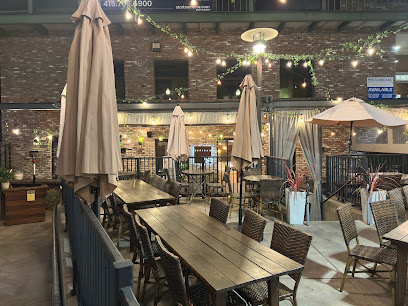
Franciscan Crab Restaurant
7.2 km
Discover exquisite seafood dining with breathtaking bay views at Franciscan Crab Restaurant in Fisherman's Wharf.
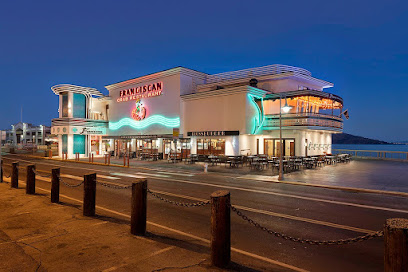
The Stinking Rose A Garlic Fish House
7.2 km
Experience exquisite garlic-infused seafood at The Stinking Rose A Garlic Fish House in San Francisco's Fisherman's Wharf.
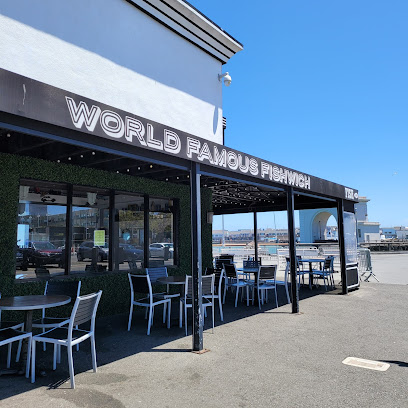
Street Restaurant and Bar
7.4 km
Discover the vibrant flavors of New American cuisine at Street Restaurant and Bar in San Francisco's Polk Gulch—where every dish tells a story.
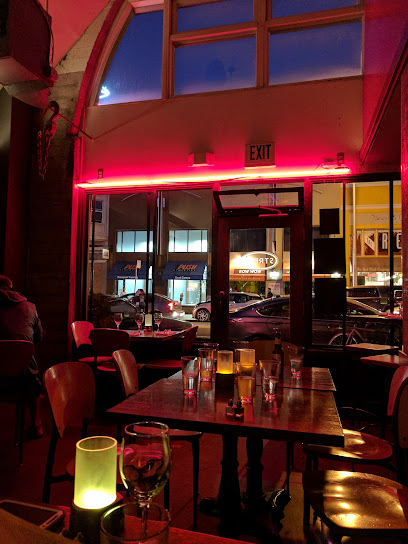
Pier Market Seafood Restaurant
7.4 km
Experience fresh seafood delights with stunning bay views at Pier Market Seafood Restaurant in San Francisco's iconic Fisherman's Wharf.
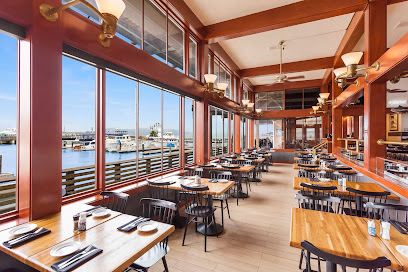
Crab House at Pier 39
7.5 km
Discover fresh seafood delights at Crab House at Pier 39 in San Francisco's iconic Fisherman's Wharf with stunning bay views.
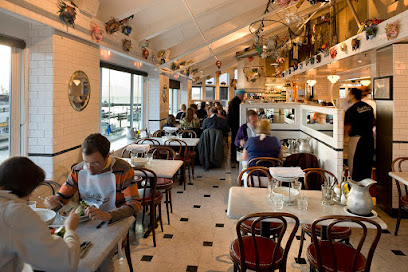
Fog Harbor Fish House
7.5 km
Experience the freshest seafood with stunning views at Fog Harbor Fish House in Fisherman's Wharf.
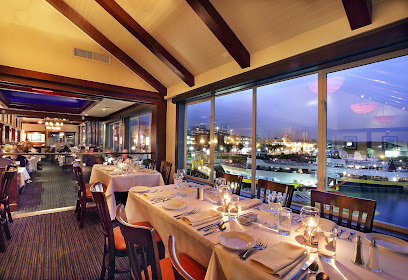
Wipeout Bar & Grill
7.5 km
Experience Californian flavors at Wipeout Bar & Grill on Pier 39—delicious food, stunning views, and unforgettable moments await you.
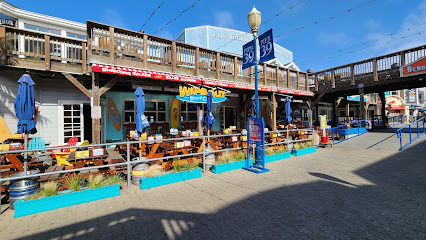
Eagle Cafe
7.5 km
Experience delightful seafood and breakfast dishes at Eagle Cafe in San Francisco's iconic Pier 39 with stunning bay views.
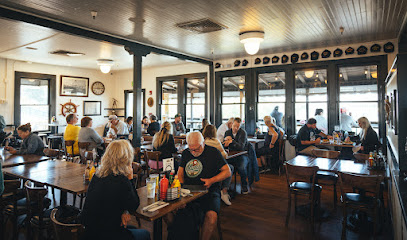
Markets, malls and hidden boutiques

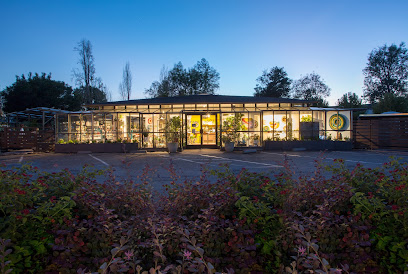
Ground
4.7 km
Explore Ground, your ultimate garden center in Belvedere Tiburon, offering a stunning selection of plants and home goods for every nature enthusiast.
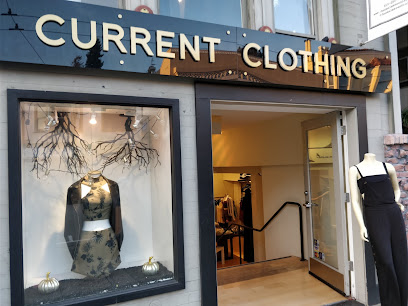
Current
6.4 km
Explore San Francisco's Current Boutique for unique women's fashion, from chic dresses to stylish accessories in a vibrant shopping atmosphere.
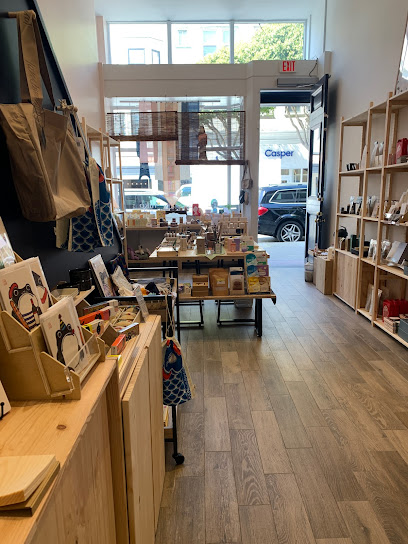
Nikoniko Gifts
6.5 km
Explore Nikoniko Gifts, a charming San Francisco gift shop offering unique souvenirs and local artisan creations that capture the city's vibrant spirit.
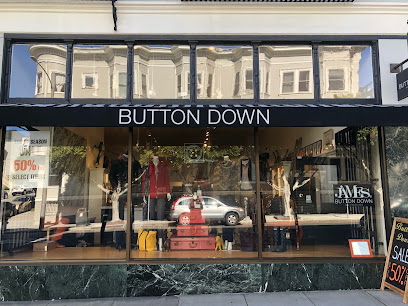
Button Down
6.6 km
Explore Button Down, a charming clothing store in San Francisco’s Presidio Heights, offering unique apparel and accessories for the fashion-savvy traveler.
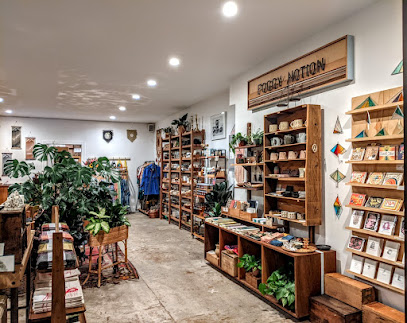
Foggy Notion
6.6 km
Explore Foggy Notion, a charming boutique in San Francisco, offering a captivating selection of unique gifts and artisanal treasures.
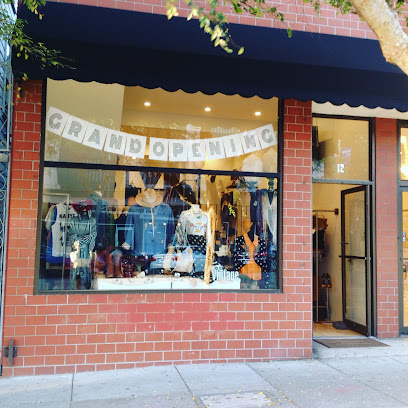
The Golden Hour
6.7 km
Discover vintage treasures and unique finds at The Golden Hour, San Francisco's charming vintage clothing store in the heart of Richmond District.
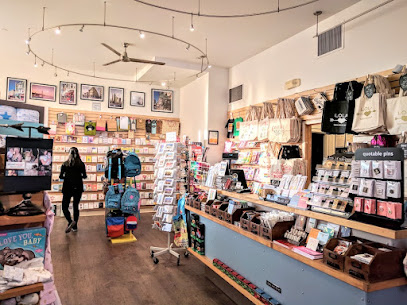
Lola of North Beach
6.7 km
Explore Lola of North Beach, a charming gift shop in San Francisco, offering unique souvenirs and treasures that embody the spirit of the city.
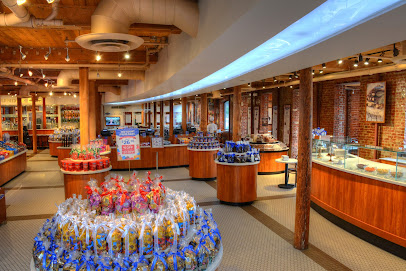
Ghirardelli Chocolate Experience
6.7 km
Discover the sweet legacy of Ghirardelli at the Chocolate Experience, where every bite takes you on a delicious journey through San Francisco's rich chocolate heritage.
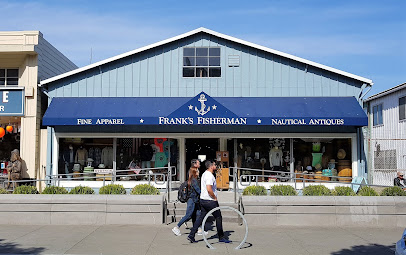
Frank's Fisherman
6.9 km
Discover unique gifts and antiques at Frank's Fisherman, a charming shop in San Francisco's Fisherman's Wharf, perfect for souvenirs and stylish finds.
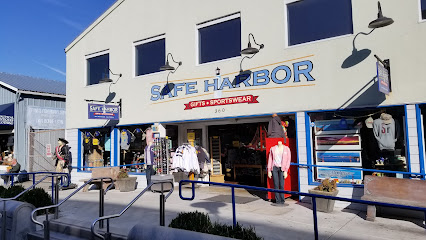
Safe Harbor
6.9 km
Explore Safe Harbor, a charming souvenir store in San Francisco's Fisherman's Wharf, offering unique treasures and local art to celebrate your visit.
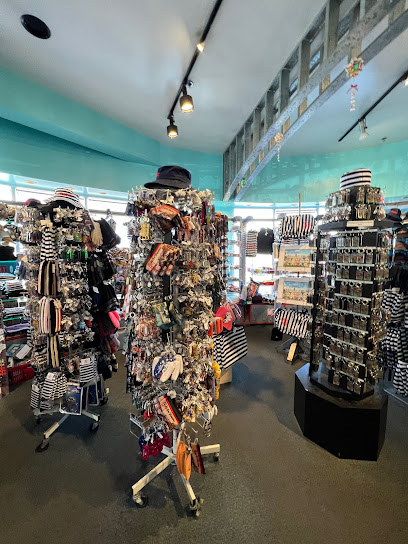
Ess Eff Gift Shop (Inside)
7.1 km
Discover unique souvenirs and local crafts at Ess Eff Gift Shop, a charming destination in San Francisco's Fisherman's Wharf.
Route 66
7.2 km
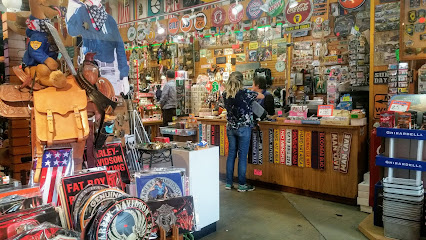
Discover Route 66: A charming general store in San Francisco's Fisherman's Wharf, offering unique souvenirs and local treasures that capture the spirit of the city.
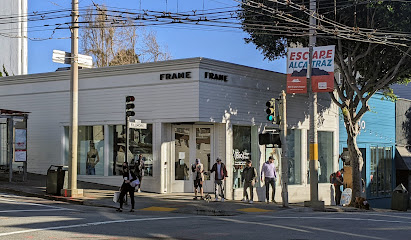
FRAME
7.2 km
Explore FRAME in Pacific Heights, a chic clothing store offering a curated collection of contemporary fashion for every style.
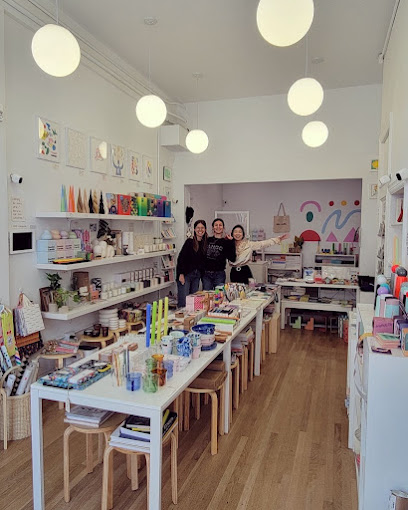
post.script.
7.3 km
Explore post.script., a charming gift shop in San Francisco offering unique greeting cards and stationery, perfect for any occasion or souvenir.
Shop the City
7.3 km
Elevate your wardrobe with personalized styling at Shop the City - a hub for fashion lovers seeking unique local trends.

Essential bars & hidden hideouts

The Interval at Long Now
6.0 km
Discover The Interval at Long Now: a San Francisco cocktail bar that fuses mixology with thought-provoking exhibits, perfect for curious travelers.
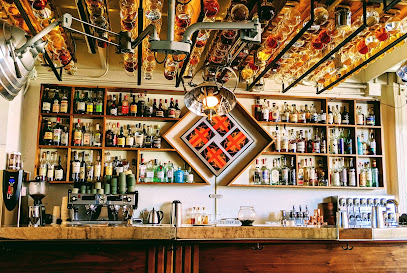
The Socialite Crafthouse & Kitchen
7.3 km
Discover the vibrant flavors of San Francisco at The Socialite Crafthouse & Kitchen, a brewpub where craft beer meets delicious cuisine.
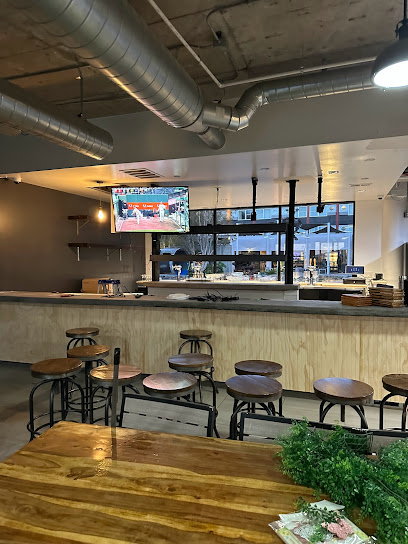
Bar Iris
7.3 km
Discover the vibrant fusion of cocktails and Japanese cuisine at Bar Iris, a must-visit culinary gem in San Francisco's Polk Gulch.
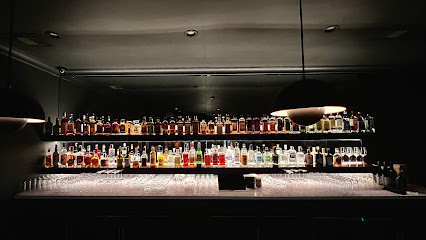
Luau Lounge
7.4 km
Savor tropical flavors and stunning views at Luau Lounge, a vibrant restaurant at Pier 39, San Francisco.
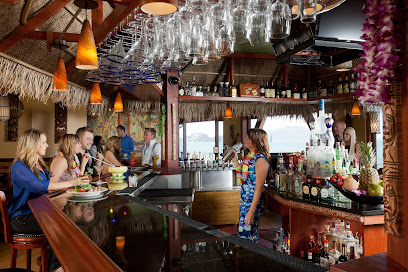
Northpoint Craft Cocktails - Local Brews
7.4 km
Experience the best of San Francisco's cocktail culture at Northpoint Craft Cocktails, featuring local brews and inventive mixology in a cozy setting.
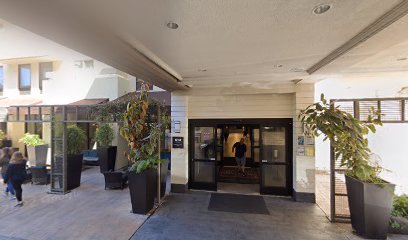
Players Sports Grill & Arcade
7.4 km
Experience the ultimate blend of food, drinks, and arcade fun at Players Sports Grill & Arcade in Fisherman's Wharf, San Francisco.
Sweetie's Art Bar
7.5 km
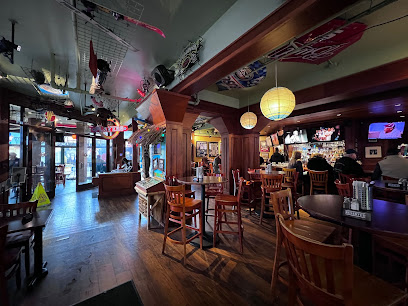
Experience the artistic vibe and creative cocktails at Sweetie's Art Bar, a beloved local bar in the heart of San Francisco's North Beach.
Hard Rock Cafe
7.5 km
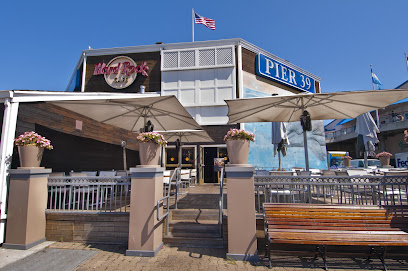
Savor classic American cuisine amidst iconic rock music memorabilia at Hard Rock Cafe San Francisco, a vibrant dining experience at Fisherman’s Wharf.
Red Jack Saloon
7.7 km
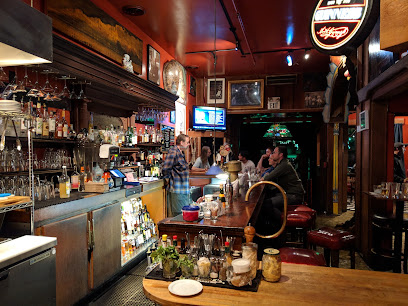
Discover the lively bar scene at Red Jack Saloon, a Fisherman's Wharf gem offering great drinks and a vibrant atmosphere in San Francisco.
Bodega North Beach
7.8 km
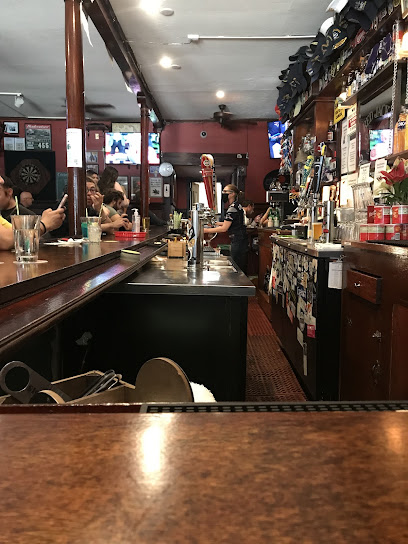
Discover Bodega North Beach, your go-to wine bar in San Francisco's North Beach, offering a curated selection of wines and a warm, inviting atmosphere.
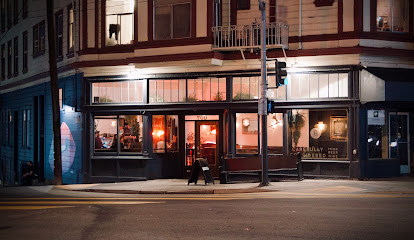
Kozy Kar
7.9 km
Experience the unique charm of Kozy Kar, a vibrant bar in San Francisco's Polk Gulch, known for its water mattresses and friendly atmosphere.
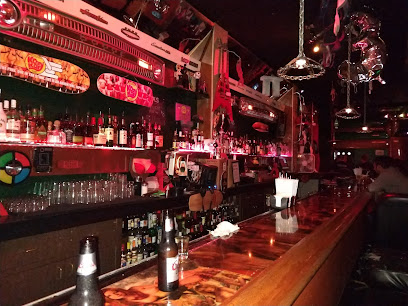
The Majestic Butterfly Lounge
7.9 km
Experience the art of mixology at The Majestic Butterfly Lounge, a stylish cocktail bar in San Francisco's Cathedral Hill, perfect for a vibrant night out.
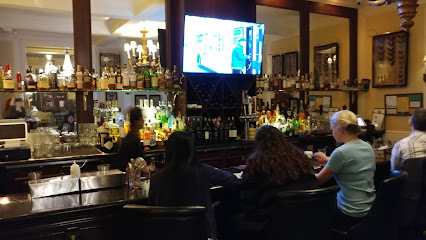
Tony Nik's CAFE
8.1 km
Discover the vibrant nightlife at Tony Nik's CAFE, a beloved bar in San Francisco's North Beach, perfect for unwinding after a day of sightseeing.
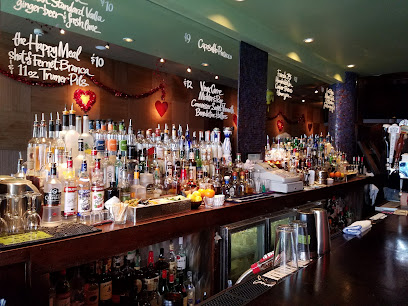
Gino & Carlo
8.2 km
Experience the lively spirit of San Francisco at Gino & Carlo, a sports bar in North Beach known for its friendly atmosphere and diverse drink selection.
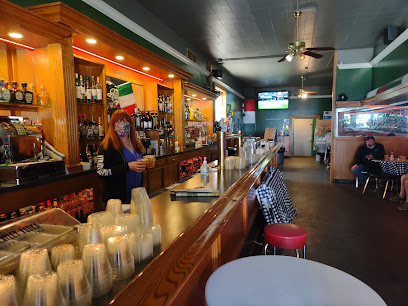
Maggie McGarry's
8.2 km
Discover the vibrant spirit of Irish culture at Maggie McGarry's, a beloved pub in San Francisco's North Beach, offering delicious food and lively entertainment.
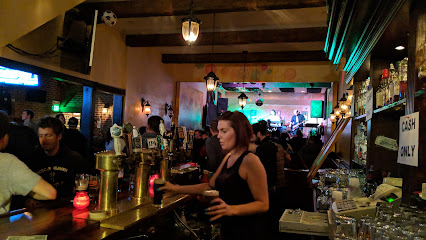
Nightclubs & after hour spots

Rouge Night Club
7.4 km
Discover the pulsating nightlife at Rouge Night Club in San Francisco's Polk Gulch, where music, dance, and fun collide in a vibrant atmosphere.
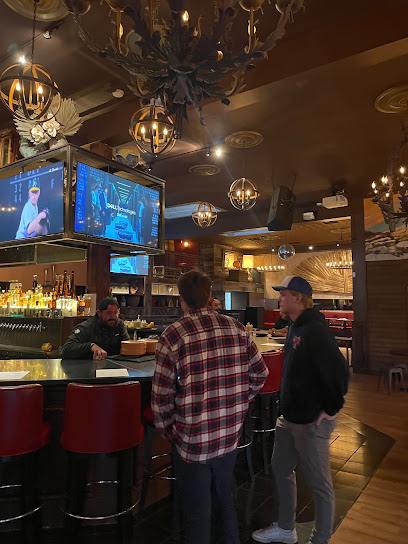
Carbon
7.4 km
Discover the vibrant nightlife at Carbon Lounge in San Francisco’s North Beach, offering stylish ambiance and a diverse drink selection.
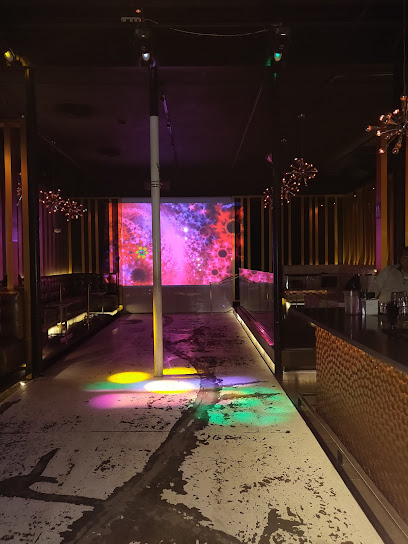
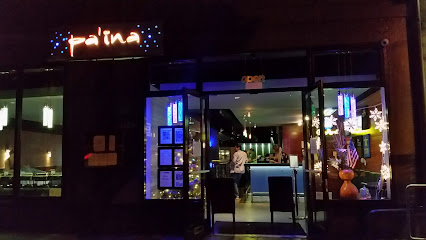
Pa'ina Restaurant & Lounge
7.7 km
Experience the vibrant flavors of Hawaiian cuisine at Pa'ina Restaurant & Lounge in San Francisco's Japantown, a perfect blend of food and festive atmosphere.
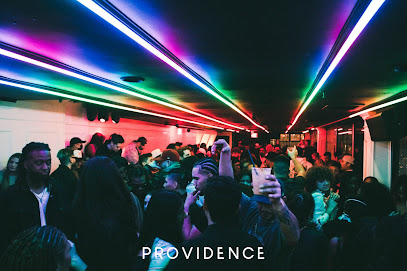
Providence Night Club
8.0 km
Dive into San Francisco's nightlife at Providence Night Club, where live music meets vibrant energy for an unforgettable evening.
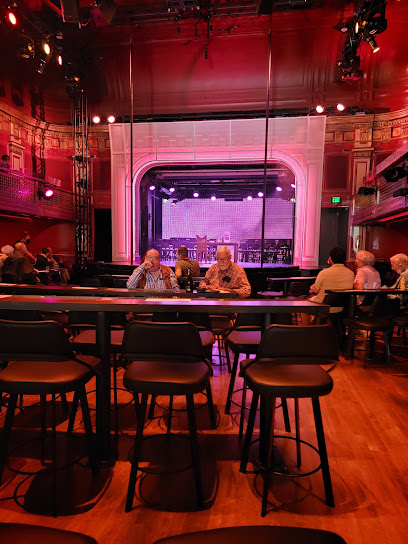
Club Fugazi Experiences
8.0 km
Discover the vibrant fusion of circus, live music, and dining at Club Fugazi in San Francisco's North Beach, where unforgettable experiences await.
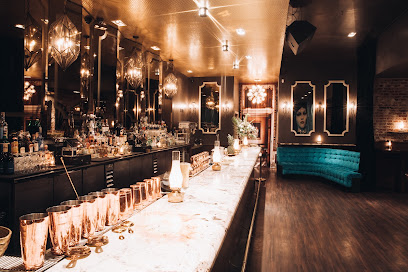
Monroe SF
8.5 km
Discover the electrifying nightlife of Monroe SF, where handcrafted cocktails and vibrant music create unforgettable evenings in San Francisco's North Beach.
Vanity San Francisco
8.5 km
Discover the allure of Vanity San Francisco - a premier night club featuring live performances, cabaret shows, and an electric nightlife atmosphere.

Sam's Cable Car Lounge
9.0 km
Experience the vibrant atmosphere of Sam's Cable Car Lounge - your perfect getaway in San Francisco's Union Square for drinks, food, and fun.
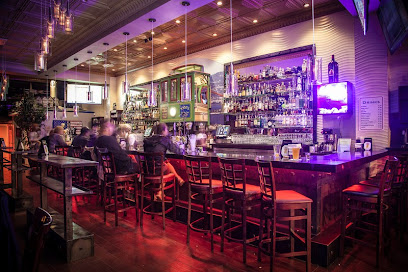
Hawthorn SF Nightclub and Lounge
9.2 km
Discover Hawthorn SF Nightclub and Lounge - the premier nightlife destination in Union Square, San Francisco, where unforgettable nights await.
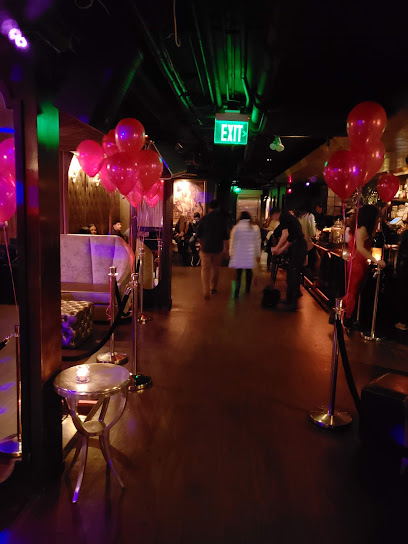
Club Six
9.3 km
Discover the pulse of San Francisco at Club Six, where art meets nightlife in a dynamic celebration of music and cocktails.
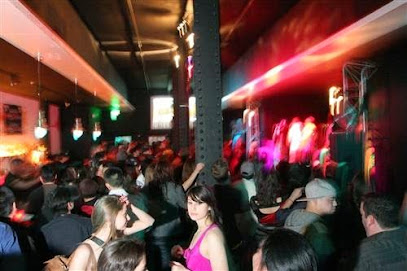
Monarch
9.4 km
Experience the vibrant nightlife at Monarch, San Francisco's premier night club and live music venue with electrifying performances and creative cocktails.
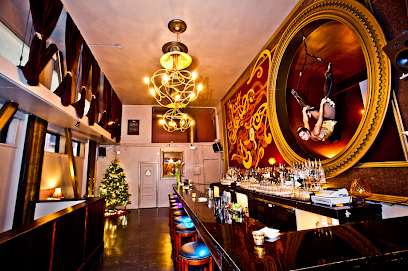
Harlot
9.6 km
Experience the chic ambiance of Harlot in SoMa, San Francisco's premier lounge and cocktail bar, perfect for any occasion.
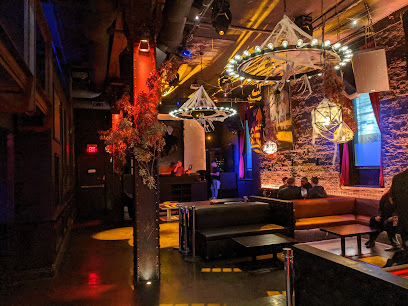
Temple Nightclub San Francisco
9.7 km
Discover the electrifying atmosphere of Temple Nightclub in San Francisco - a premier destination for nightlife, dancing, and unforgettable memories.
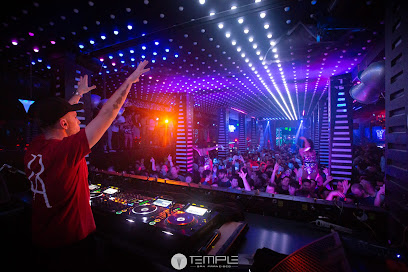
F8 Nightclub & Bar
9.8 km
Discover the pulse of San Francisco nightlife at F8 Nightclub & Bar, where music, art, and community come together for an unforgettable experience.
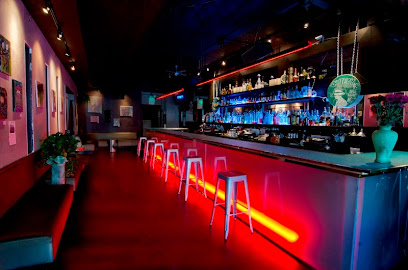
Cat Club
9.8 km
Experience San Francisco's nightlife at Cat Club, where eclectic music meets vibrant energy in the heart of SoMa.