Palace of Fine Arts: A San Francisco Icon
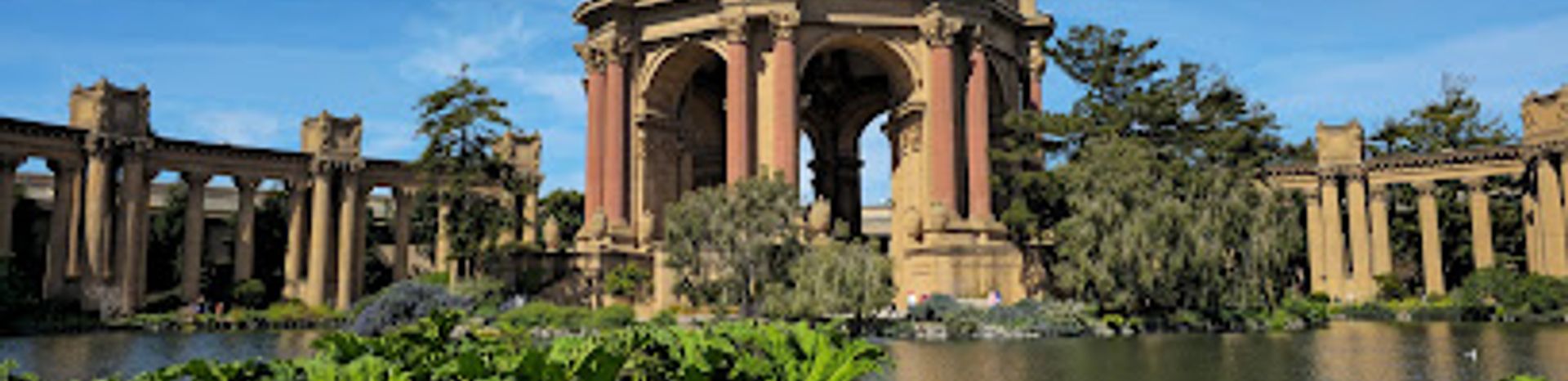
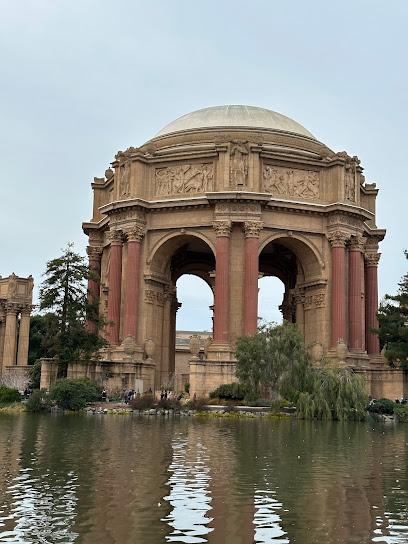
A San Francisco architectural masterpiece originally built for the 1915 Panama-Pacific Exposition, offering a serene escape with its iconic rotunda, colonnades, and tranquil lagoon.
The Palace of Fine Arts, a stunning architectural landmark in San Francisco's Marina District, is a must-see for any visitor. Originally constructed for the 1915 Panama-Pacific International Exposition, it stands as a testament to the city's resilience and artistic spirit. Designed by Bernard Maybeck, the Palace evokes a Roman ruin, intended to provide a space for quiet reflection amidst the bustling exposition. Today, it continues to inspire awe with its grand rotunda, colonnades, and tranquil lagoon, offering a picturesque setting for events, leisurely strolls, and unforgettable photos. Its enduring beauty and historical significance make it a beloved symbol of San Francisco, drawing tourists and locals alike to experience its unique charm. The Palace is more than just a pretty face; it's a reminder of San Francisco's past and a celebration of its vibrant future.
A brief summary to Palace of Fine Arts
- 3601 Lyon St, San Francisco, Marina District, California, 94123, US
- +1415-376-1704
- Visit website
Local tips
- Visit during sunrise or sunset for spectacular lighting and photo opportunities, as the reflections on the lagoon are particularly stunning.
- Pack a picnic to enjoy on the lawns surrounding the Palace, taking in the serene atmosphere and views.
- Explore the nearby Marina District for a variety of shops, restaurants, and cafes after your visit.

Getting There
-
Public Transport
Several Muni bus lines provide convenient access to the Palace of Fine Arts. Lines 22, 28, 30, 41, 43, and 45 all stop in the vicinity. From Fisherman's Wharf, the #30 Stockton bus is a direct option. A single ride on Muni costs $3.00 for adults paying with cash, or $2.75 when using a Clipper card or the MuniMobile app. A day pass, allowing unlimited rides on Muni (excluding cable cars), is available for $5. Consider purchasing a Clipper card for discounted fares and easy transfers.
-
Taxi/Ride-Share
Taxis and ride-sharing services like Uber and Lyft offer a direct and convenient way to reach the Palace of Fine Arts. From Fisherman's Wharf, a taxi or ride-share typically costs between $16 and $20, depending on traffic and demand. Be sure to confirm the fare estimate before starting your trip.
-
Driving
If driving, navigate towards the Marina District. From Lombard Street, turn onto Lyon Street. Limited street parking is available around the Palace of Fine Arts, but it can be challenging to find, especially on weekends. There is an alternate parking lot on Mason Street. Parking meters typically cost $7 per 2 hours, with a maximum stay of 2 hours in some areas. Several parking garages are located within a mile of the Palace, with hourly rates ranging from $12 to $20.
Discover more about Palace of Fine Arts
Iconic landmarks you can’t miss

Lombard Gate Presidio
0.5 km
Discover the historic Lombard Gate in San Francisco's Presidio: a charming landmark offering scenic views, access to trails, and a glimpse into the area's rich military past and natural beauty.
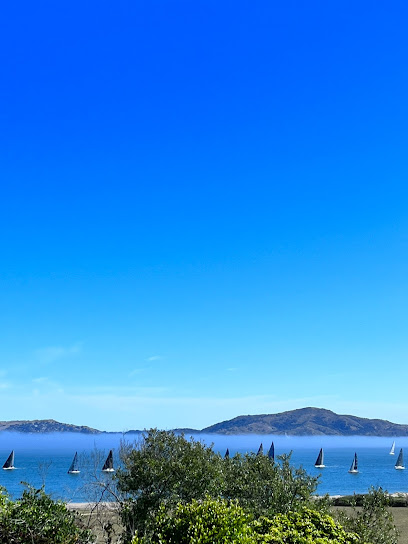
Presidio of San Francisco (California Historical Landmark #79)
0.6 km
Explore the Presidio of San Francisco, a historical landmark blending military history with breathtaking natural beauty and outdoor adventures.
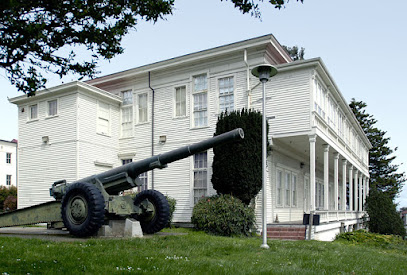
Marina Airfield Historical Marker
0.8 km
Discover San Francisco's aviation history at the Marina Airfield Historical Marker, a tribute to early airmail and helicopter innovation along the scenic San Francisco Bay Trail.
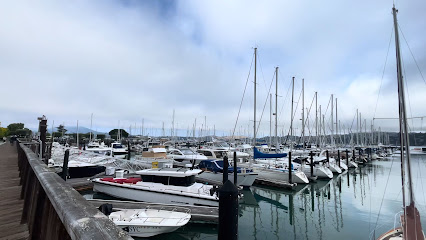
Pershing Square
1.0 km
Explore the historical marvels of Pershing Square in San Francisco's Presidio, a serene destination rich in culture, stunning views, and engaging stories.
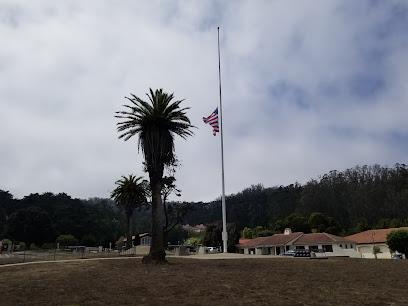
Fillmore Street Stairs
1.5 km
Ascend the historic Fillmore Street Stairs in Pacific Heights for stunning city views, architectural charm, and a unique San Francisco experience, connecting the Marina District to Billionaire's Row.
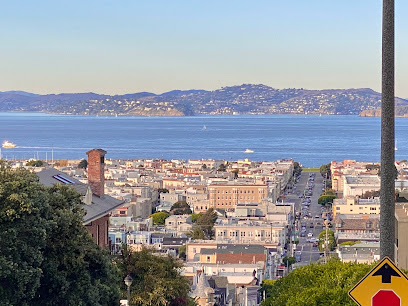
Pacific Heights
1.5 km
Discover the elegance and breathtaking views of Pacific Heights, San Francisco's premier neighborhood filled with stunning architecture, boutique shopping, and gourmet dining.

Union St
1.7 km
Union Street in San Francisco: A vibrant blend of shopping, dining, and stunning views, perfect for every traveler seeking local culture.
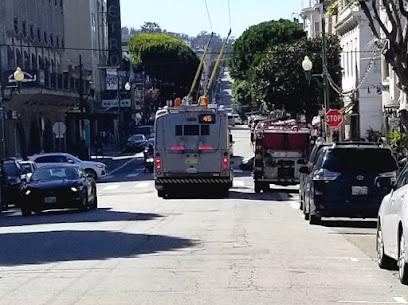
California Historical Landmark 760: Laurel Hill Cemetery Site
1.8 km
Discover the poignant history of San Francisco's former Laurel Hill Cemetery, a 'city of the dead' transformed into a vibrant neighborhood, marked by a California Historical Landmark.
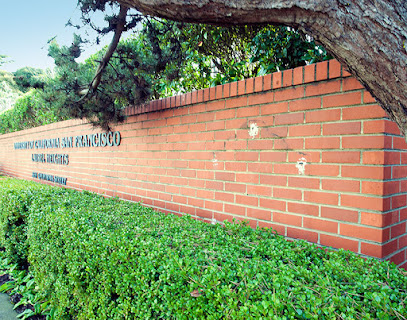
Black Point
1.9 km
Experience the historical allure and stunning vistas of Black Point, a premier tourist attraction in San Francisco's Fort Mason.
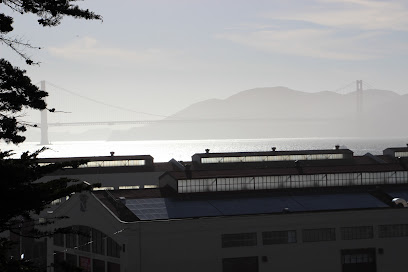
Site of John C Frémont and Jessie Benton Frémont home
1.9 km
Explore the former home site of John and Jessie Frémont within Fort Mason, offering stunning views and a glimpse into their influential lives during a pivotal era in American history.
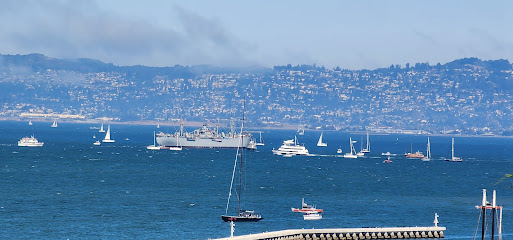
1709 Broderick St
1.9 km
Discover the historic charm of 1709 Broderick St, a stunning building in Lower Pacific Heights, showcasing San Francisco's rich architectural heritage.
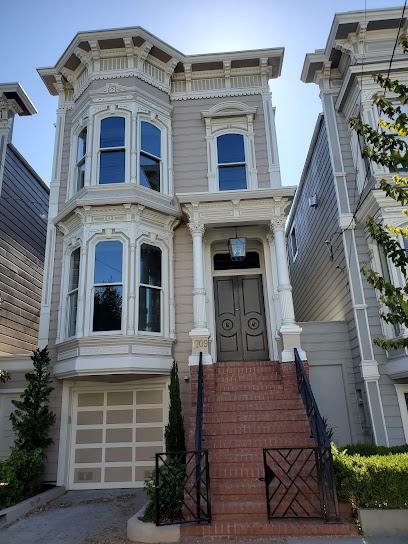
McElroy Octagon House
1.9 km
Discover San Francisco's architectural heritage at the McElroy Octagon House, a unique 1861 landmark showcasing Colonial and Federal period decorative arts in an eight-sided home.
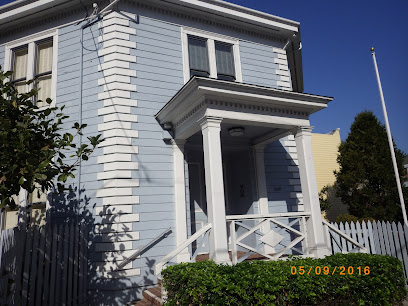
Black Point Historic Gardens
2.0 km
Discover a hidden oasis in San Francisco's Fort Mason: Black Point Historic Gardens, where stunning bay views meet a rich tapestry of history and natural beauty.
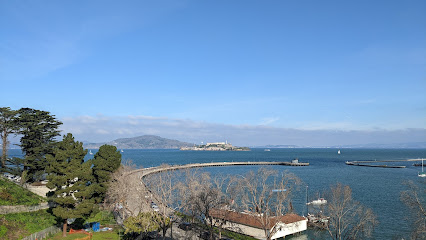
Burr Mansion
2.1 km
Explore Burr Mansion, a splendid historical landmark in San Francisco's Pacific Heights, showcasing stunning 19th-century architecture and rich local history.
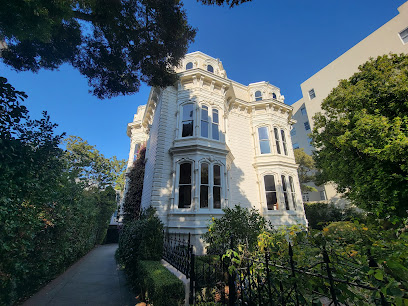
Chambers Mansion
2.1 km
Explore the stunning Chambers Mansion in San Francisco's Pacific Heights, a historical landmark showcasing exquisite architecture and rich cultural heritage.
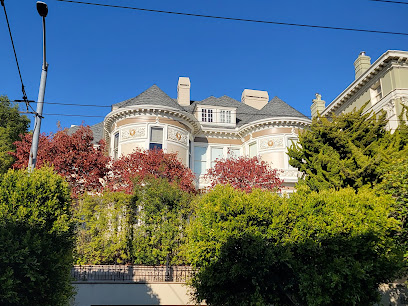
Unmissable attractions to see

Palace of Fine Arts Theatre
0.1 km
Discover the charm of the Palace of Fine Arts Theatre, a stunning architectural gem in San Francisco's Marina District, perfect for culture and nature lovers.
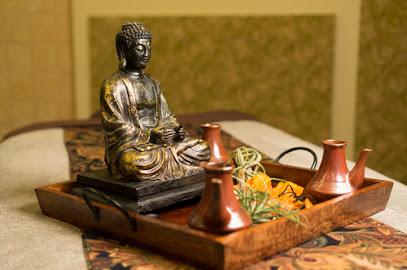
SenSpa
0.2 km
Discover serenity at SenSpa, a premier day spa in San Francisco's Presidio, offering massage therapies, facials, and holistic wellness treatments.
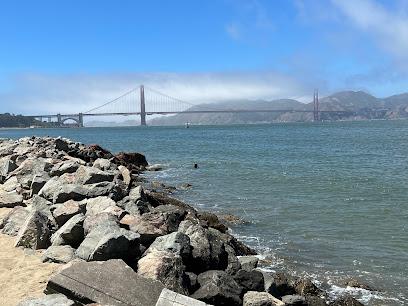
Golden Gate Promenade
0.4 km
Explore the stunning Golden Gate Promenade in San Francisco, where breathtaking views and vibrant city life meet along the iconic waterfront.
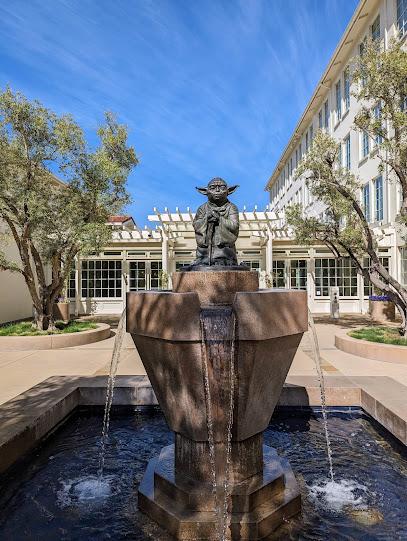
Yoda Fountain
0.5 km
Experience the serenity of the Yoda Fountain in San Francisco's Presidio, a captivating tribute to one of cinema's most beloved characters.
Wayburn Redwood Grove
0.5 km
Find serenity among towering redwoods in this Presidio grove, honoring conservation champions Edgar and Peggy Wayburn.
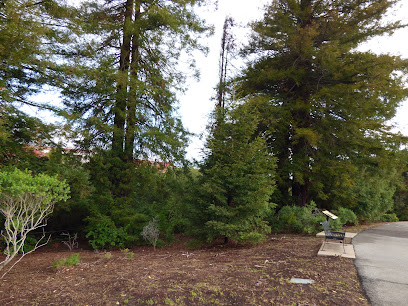
Presidio Tunnel Tops
0.7 km
Explore the stunning Presidio Tunnel Tops in San Francisco, a unique park blending nature, history, and breathtaking views of the Bay.
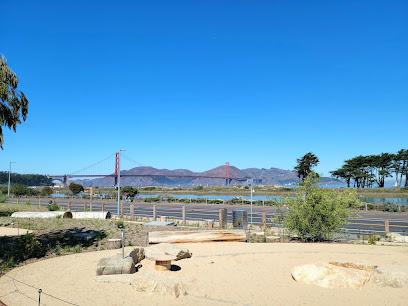
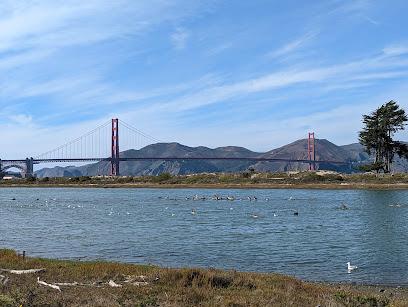
Crissy Field Marsh
0.8 km
Experience the natural beauty and rich history of Crissy Field Marsh, a serene park with stunning views of the Golden Gate Bridge.
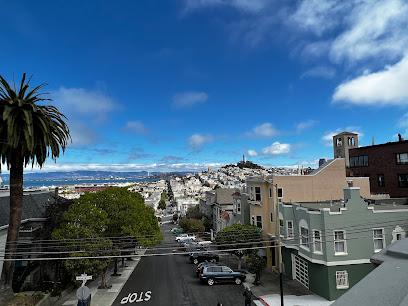
Chestnut St
0.8 km
Discover Chestnut Street in San Francisco's Marina District: a vibrant mix of trendy boutiques, diverse dining, and historic charm near iconic landmarks and stunning bay views.
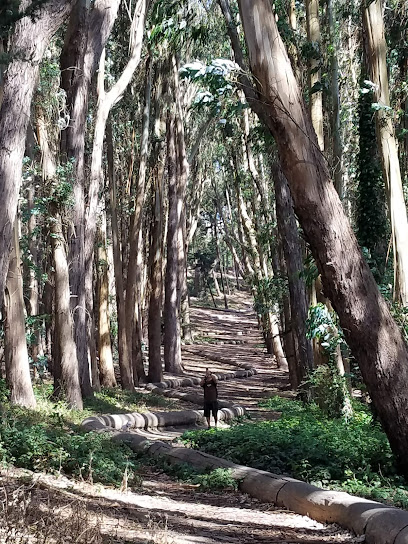
Lovers’ Lane at the Presidio
0.9 km
Discover the scenic beauty and historic charm of Lovers' Lane at the Presidio, a perfect hiking trail in San Francisco for nature lovers and outdoor enthusiasts.
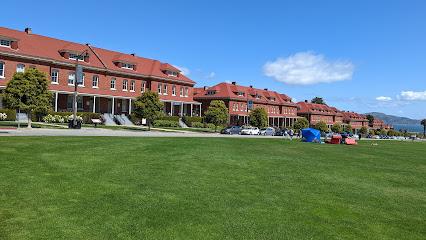
Main Parade Lawn
0.9 km
Discover the beauty and history of the Main Parade Lawn in San Francisco's Presidio, a stunning park perfect for relaxation and exploration.
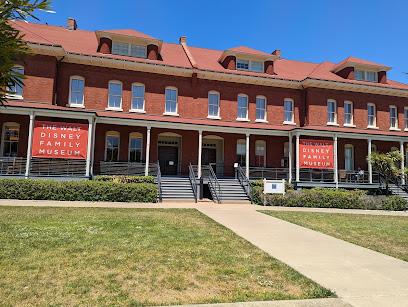
The Walt Disney Family Museum
0.9 km
Explore the enchanting world of Walt Disney at The Walt Disney Family Museum in San Francisco, where imagination meets history in a magical setting.
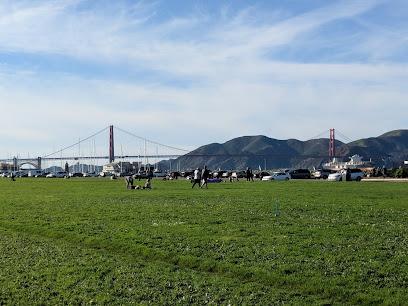
Marina Green
0.9 km
Experience the beauty of Marina Green, San Francisco's serene park with stunning bay views, perfect for picnics and outdoor activities.
The Wave Organ
1.0 km
Discover The Wave Organ in San Francisco, a breathtaking sculpture that harmonizes art and nature with its unique soundscapes.
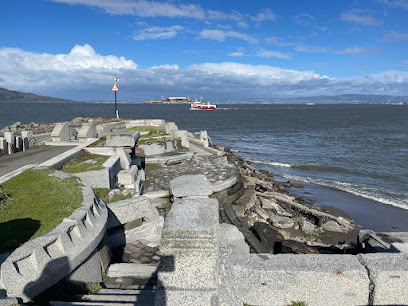
Essential places to dine

Atelier Crenn
1.2 km
Experience the artistry of French cuisine at Atelier Crenn, where each dish tells a unique story crafted by Chef Dominique Crenn.
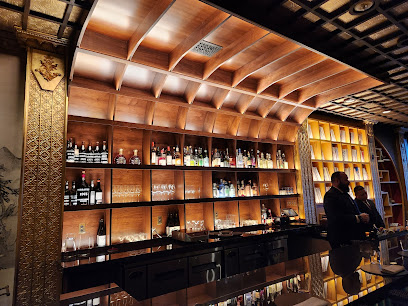
Spruce
1.7 km
Discover Spruce: A premier New American restaurant in San Francisco's Presidio Heights serving exquisite seasonal cuisine and elegant ambiance.
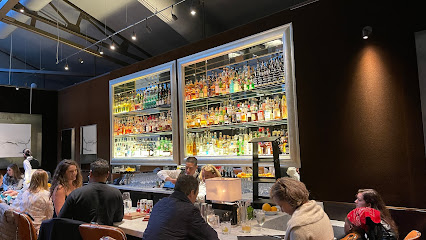
Street Restaurant and Bar
2.4 km
Discover the vibrant flavors of New American cuisine at Street Restaurant and Bar in San Francisco's Polk Gulch—where every dish tells a story.
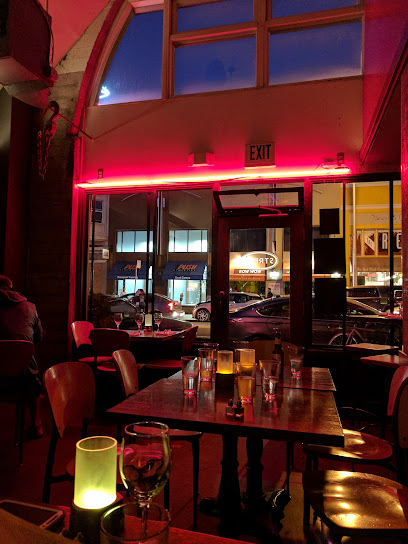
Chapeau
2.4 km
Experience exquisite French cuisine at Chapeau in San Francisco's Richmond District, where elegance meets exceptional flavors.
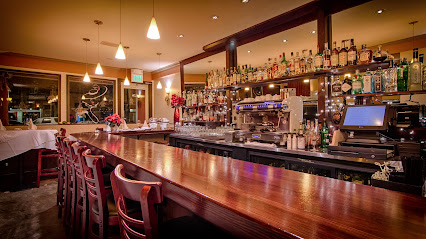
Gary Danko
2.5 km
Discover the culinary masterpiece of Gary Danko in San Francisco - where exquisite flavors meet unparalleled service.
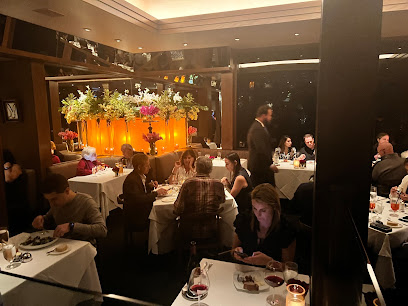
State Bird Provisions
2.5 km
Discover innovative American cuisine with a Californian twist at State Bird Provisions in San Francisco's Fillmore District.
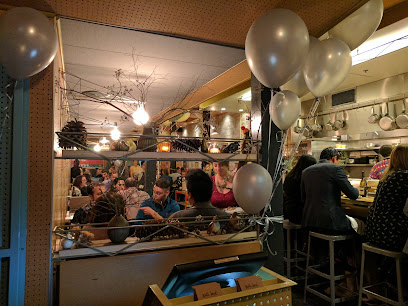
The Progress
2.5 km
Discover innovative Californian cuisine at The Progress in San Francisco’s charming Fillmore District—an unforgettable dining experience awaits!
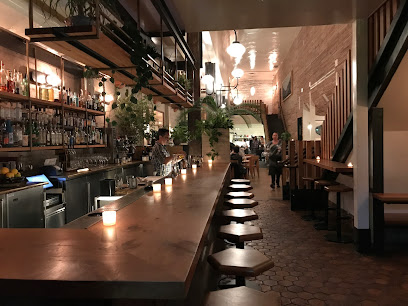
Capurro's Restaurant
2.5 km
Discover Capurro's Restaurant at Fisherman's Wharf - where fresh seafood meets Italian flair in an unforgettable dining experience.
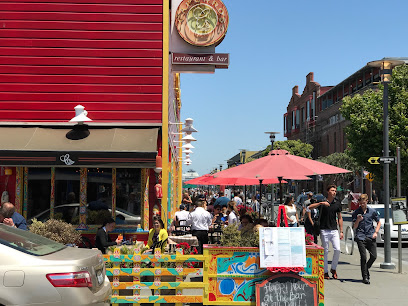
Cioppino's
2.6 km
Experience fresh seafood delights at Cioppino's - A family-friendly Italian restaurant located at Fisherman's Wharf in San Francisco.
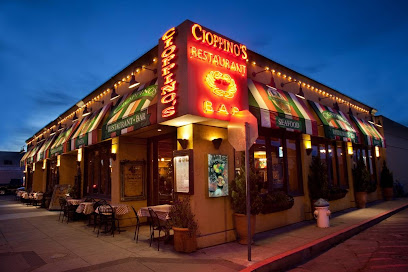
Acquerello
2.7 km
Discover Acquerello: An exquisite Southern Italian dining experience in San Francisco, where culinary artistry meets elegance.
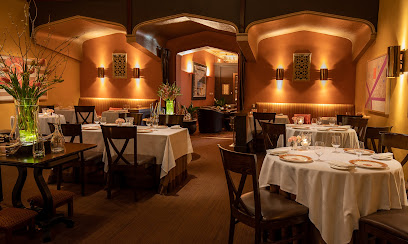
Surisan
2.8 km
Discover Surisan: Where Korean flavors meet brunch classics in San Francisco's scenic Fisherman's Wharf.
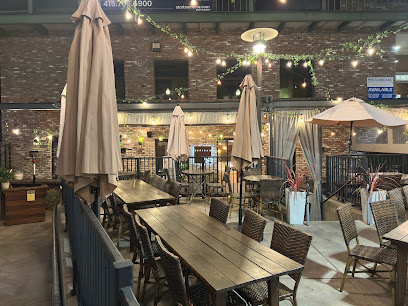
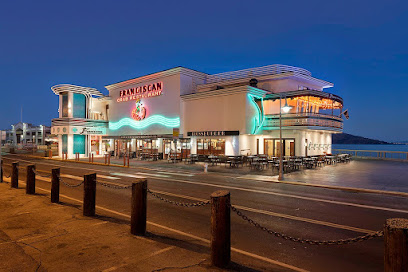
Franciscan Crab Restaurant
3.0 km
Discover exquisite seafood dining with breathtaking bay views at Franciscan Crab Restaurant in Fisherman's Wharf.
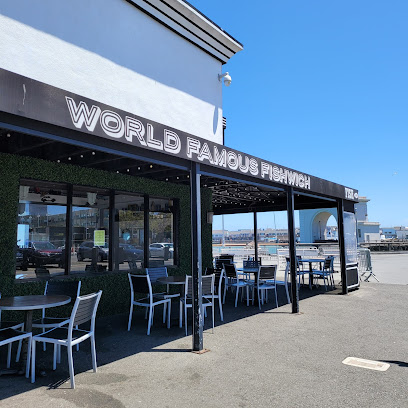
The Stinking Rose A Garlic Fish House
3.1 km
Experience exquisite garlic-infused seafood at The Stinking Rose A Garlic Fish House in San Francisco's Fisherman's Wharf.
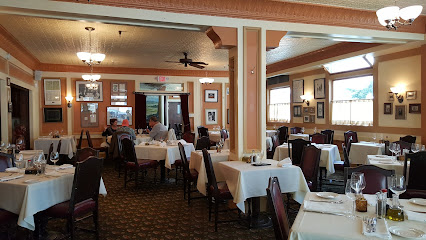
Fior d'Italia
3.1 km
Discover Fior d'Italia: A historic Italian restaurant in San Francisco's North Beach offering authentic cuisine and an inviting atmosphere.
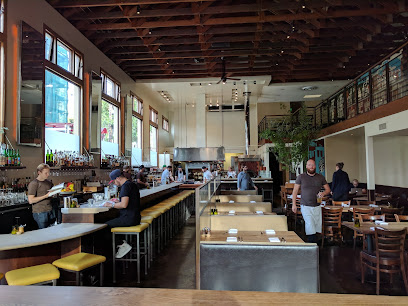
Nopa
3.3 km
Experience the vibrant flavors of New American cuisine at Nopa in San Francisco's Alamo Square, where organic ingredients meet Mediterranean flair.
Markets, malls and hidden boutiques

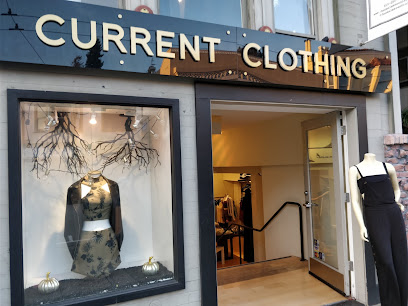
Current
1.2 km
Explore San Francisco's Current Boutique for unique women's fashion, from chic dresses to stylish accessories in a vibrant shopping atmosphere.
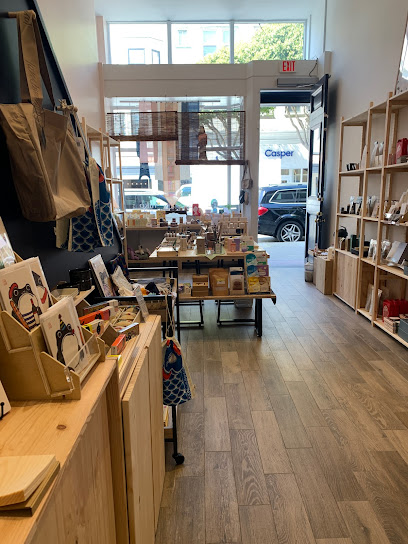
Nikoniko Gifts
1.3 km
Explore Nikoniko Gifts, a charming San Francisco gift shop offering unique souvenirs and local artisan creations that capture the city's vibrant spirit.
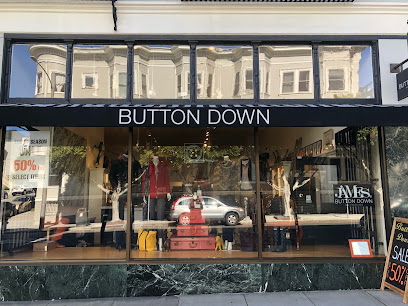
Button Down
1.7 km
Explore Button Down, a charming clothing store in San Francisco’s Presidio Heights, offering unique apparel and accessories for the fashion-savvy traveler.
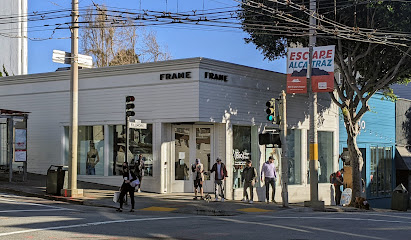
FRAME
2.0 km
Explore FRAME in Pacific Heights, a chic clothing store offering a curated collection of contemporary fashion for every style.
post.script.
2.0 km
Explore post.script., a charming gift shop in San Francisco offering unique greeting cards and stationery, perfect for any occasion or souvenir.
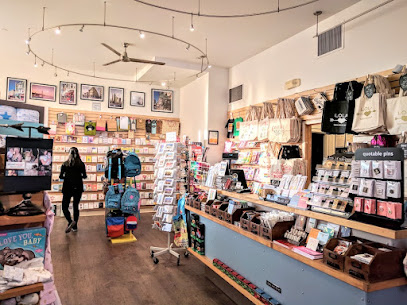
Lola of North Beach
2.3 km
Explore Lola of North Beach, a charming gift shop in San Francisco, offering unique souvenirs and treasures that embody the spirit of the city.
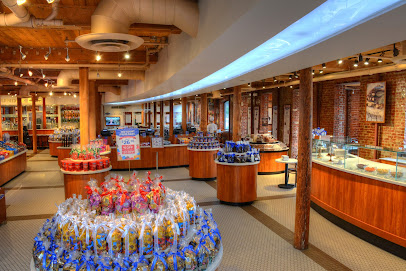
Ghirardelli Chocolate Experience
2.3 km
Discover the sweet legacy of Ghirardelli at the Chocolate Experience, where every bite takes you on a delicious journey through San Francisco's rich chocolate heritage.
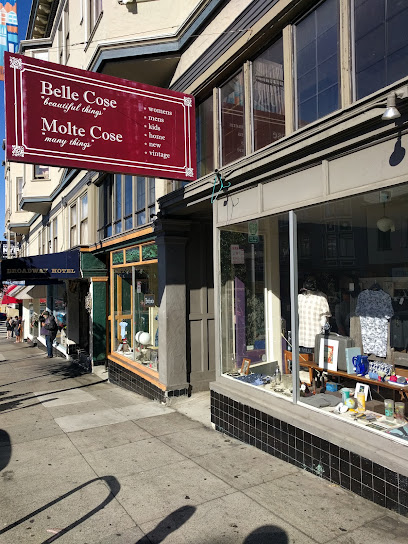
Molte Cose
2.4 km
Discover unique gifts and clothing at Molte Cose, a charming shop in San Francisco's Polk Gulch, perfect for memorable souvenirs and local finds.
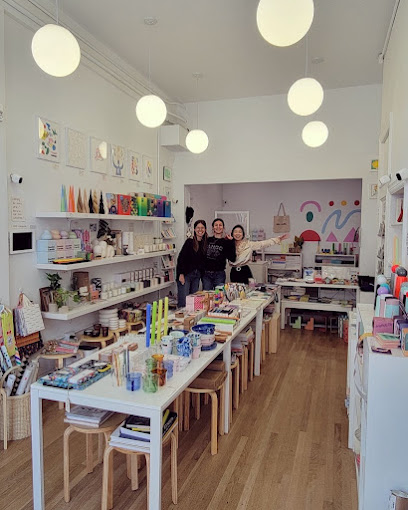
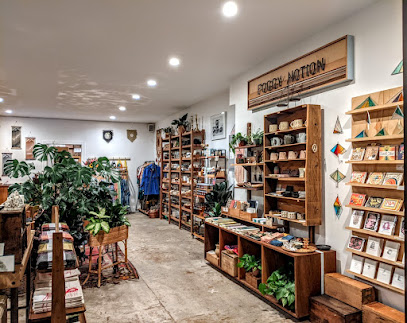
Foggy Notion
2.4 km
Explore Foggy Notion, a charming boutique in San Francisco, offering a captivating selection of unique gifts and artisanal treasures.
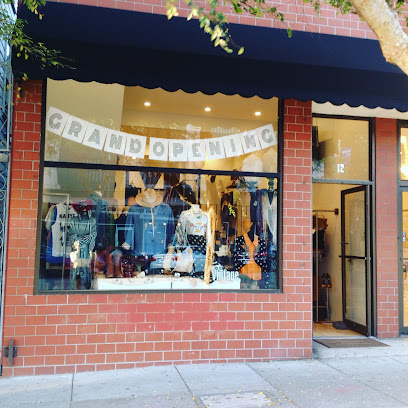
The Golden Hour
2.5 km
Discover vintage treasures and unique finds at The Golden Hour, San Francisco's charming vintage clothing store in the heart of Richmond District.
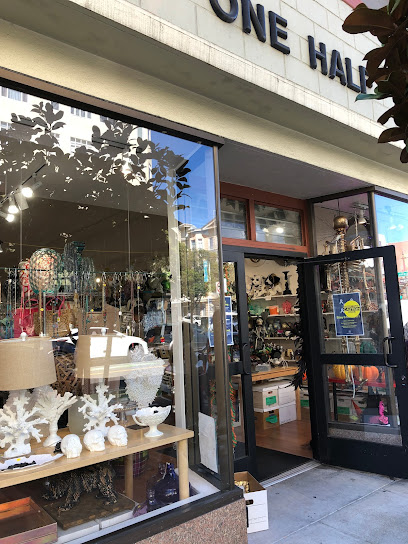
One Half
2.6 km
Discover One Half, San Francisco's unique gift shop offering eclectic souvenirs and local artisan creations in the heart of Polk Gulch.
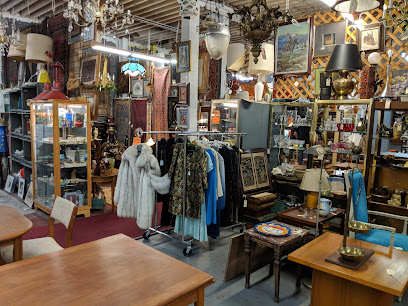
Stuff
2.6 km
Explore the eclectic charm of Stuff, an antique store in San Francisco's Polk Gulch, filled with vintage furniture, clothing, and unique decor.
Picnic
2.6 km
Explore Picnic, a charming boutique in Polk Gulch offering unique gifts, stylish clothing, and local treasures for an unforgettable San Francisco experience.
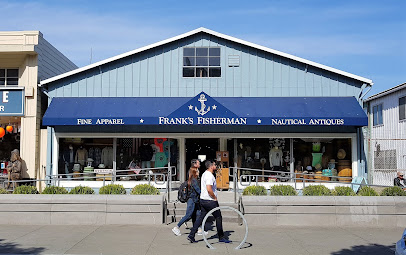
Frank's Fisherman
2.7 km
Discover unique gifts and antiques at Frank's Fisherman, a charming shop in San Francisco's Fisherman's Wharf, perfect for souvenirs and stylish finds.
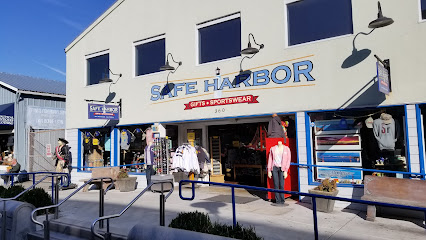
Safe Harbor
2.7 km
Explore Safe Harbor, a charming souvenir store in San Francisco's Fisherman's Wharf, offering unique treasures and local art to celebrate your visit.
Essential bars & hidden hideouts

The Interval at Long Now
1.5 km
Discover The Interval at Long Now: a San Francisco cocktail bar that fuses mixology with thought-provoking exhibits, perfect for curious travelers.
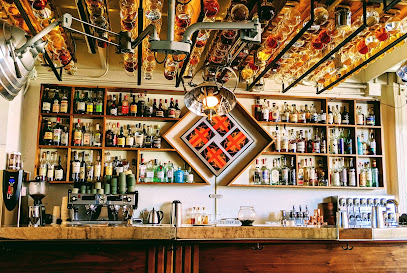
Bar Iris
2.4 km
Discover the vibrant fusion of cocktails and Japanese cuisine at Bar Iris, a must-visit culinary gem in San Francisco's Polk Gulch.
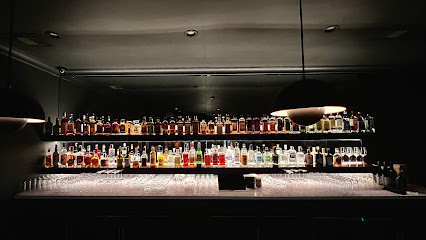
The Majestic Butterfly Lounge
2.7 km
Experience the art of mixology at The Majestic Butterfly Lounge, a stylish cocktail bar in San Francisco's Cathedral Hill, perfect for a vibrant night out.
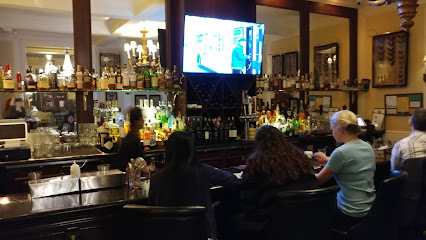
Kozy Kar
2.8 km
Experience the unique charm of Kozy Kar, a vibrant bar in San Francisco's Polk Gulch, known for its water mattresses and friendly atmosphere.
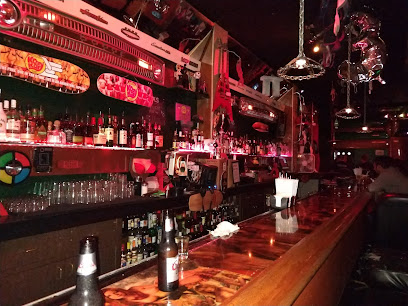
The Socialite Crafthouse & Kitchen
3.1 km
Discover the vibrant flavors of San Francisco at The Socialite Crafthouse & Kitchen, a brewpub where craft beer meets delicious cuisine.
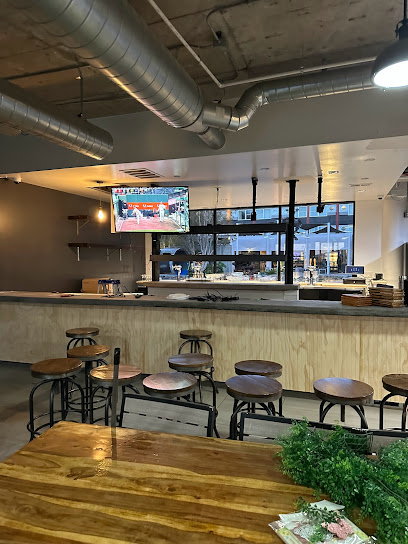
Sweetie's Art Bar
3.1 km
Experience the artistic vibe and creative cocktails at Sweetie's Art Bar, a beloved local bar in the heart of San Francisco's North Beach.
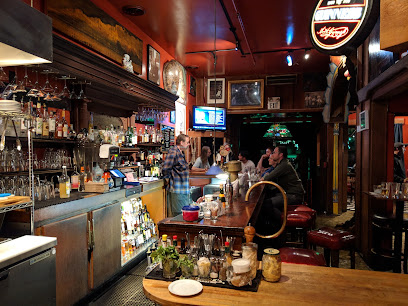
Northpoint Craft Cocktails - Local Brews
3.1 km
Experience the best of San Francisco's cocktail culture at Northpoint Craft Cocktails, featuring local brews and inventive mixology in a cozy setting.
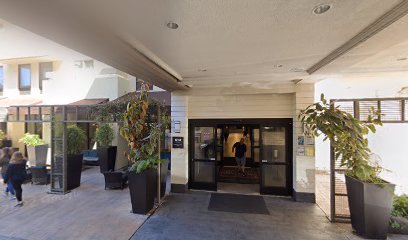
Bodega North Beach
3.3 km
Discover Bodega North Beach, your go-to wine bar in San Francisco's North Beach, offering a curated selection of wines and a warm, inviting atmosphere.
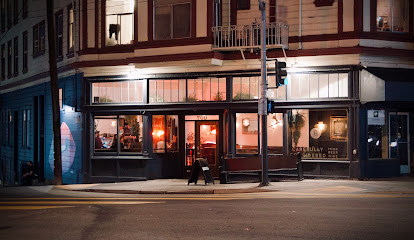
Red Jack Saloon
3.4 km
Discover the lively bar scene at Red Jack Saloon, a Fisherman's Wharf gem offering great drinks and a vibrant atmosphere in San Francisco.
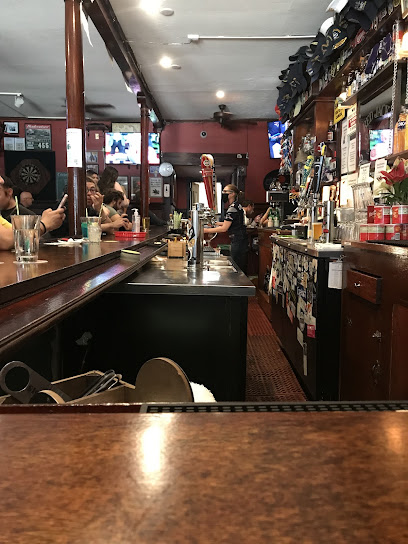
Smuggler's Cove
3.4 km
Discover the enchanting atmosphere and exquisite cocktails at Smuggler's Cove, San Francisco's premier cocktail bar and rum haven.
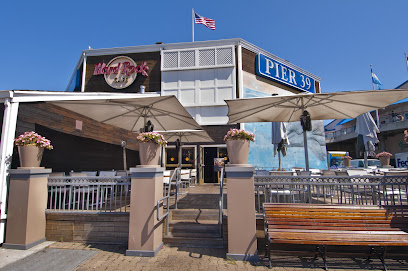
Hard Rock Cafe
3.4 km
Savor classic American cuisine amidst iconic rock music memorabilia at Hard Rock Cafe San Francisco, a vibrant dining experience at Fisherman’s Wharf.
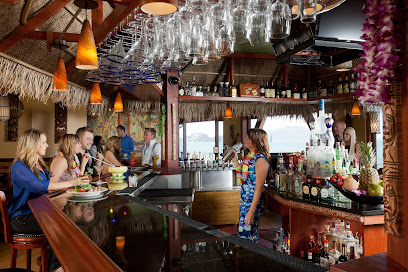
Luau Lounge
3.4 km
Savor tropical flavors and stunning views at Luau Lounge, a vibrant restaurant at Pier 39, San Francisco.
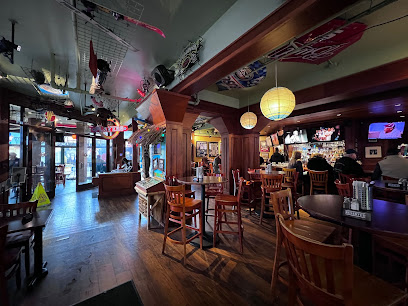
Players Sports Grill & Arcade
3.5 km
Experience the ultimate blend of food, drinks, and arcade fun at Players Sports Grill & Arcade in Fisherman's Wharf, San Francisco.
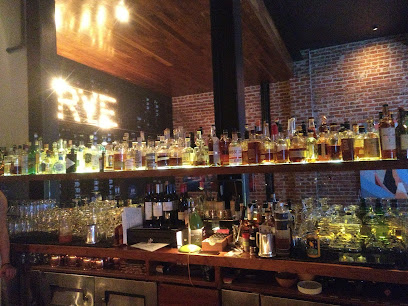
Rye Cocktail Bar
3.5 km
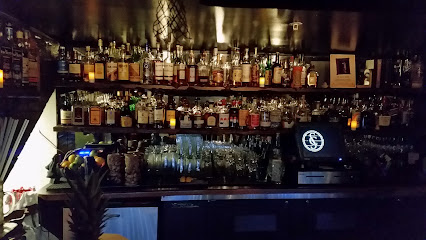
Discover Rye Cocktail Bar in San Francisco, a cocktail haven with expertly mixed drinks and a lively atmosphere perfect for any evening out.
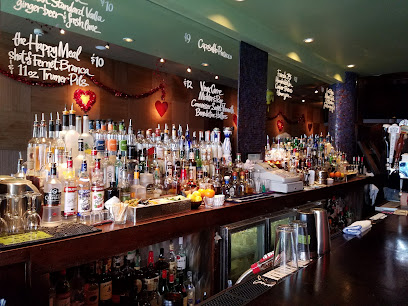
Tony Nik's CAFE
3.5 km
Discover the vibrant nightlife at Tony Nik's CAFE, a beloved bar in San Francisco's North Beach, perfect for unwinding after a day of sightseeing.
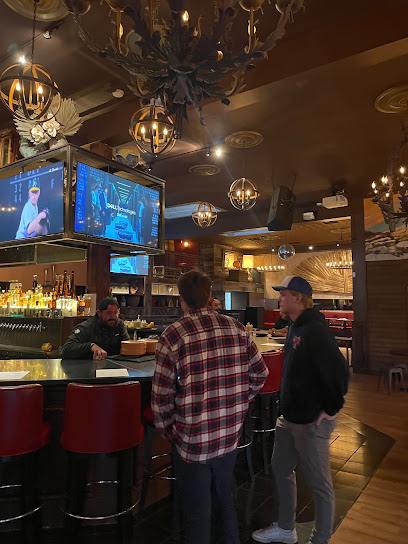
Nightclubs & after hour spots

Rouge Night Club
2.4 km
Discover the pulsating nightlife at Rouge Night Club in San Francisco's Polk Gulch, where music, dance, and fun collide in a vibrant atmosphere.
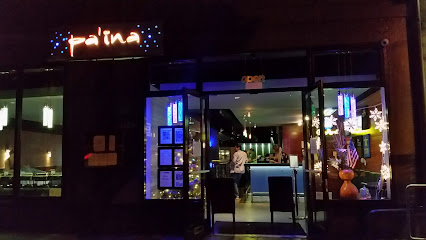
Pa'ina Restaurant & Lounge
2.4 km
Experience the vibrant flavors of Hawaiian cuisine at Pa'ina Restaurant & Lounge in San Francisco's Japantown, a perfect blend of food and festive atmosphere.
Providence Night Club
2.9 km
Dive into San Francisco's nightlife at Providence Night Club, where live music meets vibrant energy for an unforgettable evening.
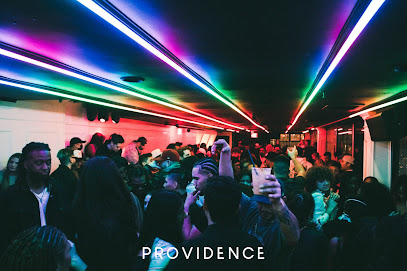
Carbon
3.1 km
Discover the vibrant nightlife at Carbon Lounge in San Francisco’s North Beach, offering stylish ambiance and a diverse drink selection.
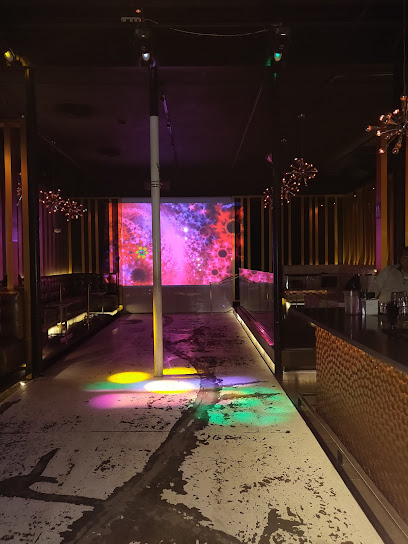
Club Fugazi Experiences
3.4 km
Discover the vibrant fusion of circus, live music, and dining at Club Fugazi in San Francisco's North Beach, where unforgettable experiences await.
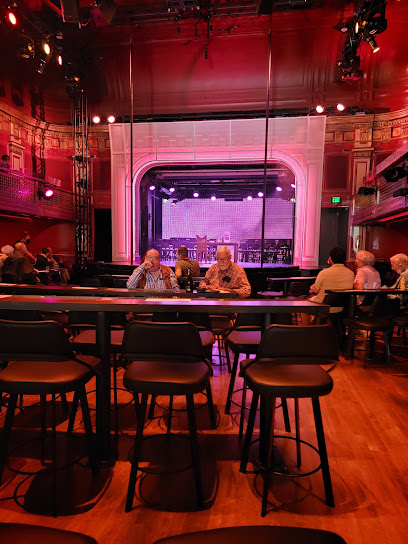
Monroe SF
3.9 km
Discover the electrifying nightlife of Monroe SF, where handcrafted cocktails and vibrant music create unforgettable evenings in San Francisco's North Beach.
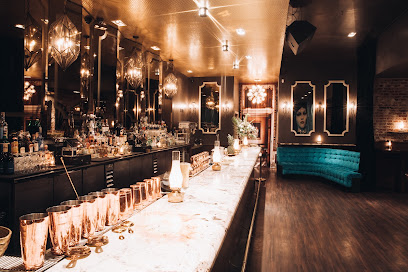
Vanity San Francisco
3.9 km
Discover the allure of Vanity San Francisco - a premier night club featuring live performances, cabaret shows, and an electric nightlife atmosphere.
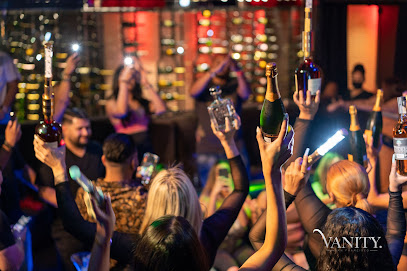
Sam's Cable Car Lounge
4.0 km
Experience the vibrant atmosphere of Sam's Cable Car Lounge - your perfect getaway in San Francisco's Union Square for drinks, food, and fun.
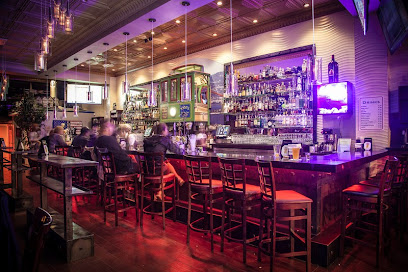
Club Six
4.2 km
Discover the pulse of San Francisco at Club Six, where art meets nightlife in a dynamic celebration of music and cocktails.
Hawthorn SF Nightclub and Lounge
4.2 km
Discover Hawthorn SF Nightclub and Lounge - the premier nightlife destination in Union Square, San Francisco, where unforgettable nights await.
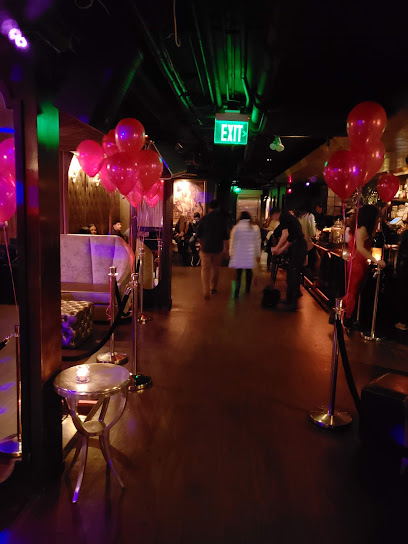
Monarch
4.3 km
Experience the vibrant nightlife at Monarch, San Francisco's premier night club and live music venue with electrifying performances and creative cocktails.
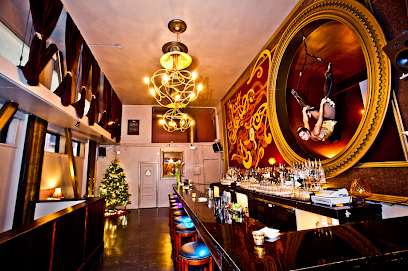
OASIS
4.6 km
Experience the vibrant nightlife at Oasis, a premier gay night club in San Francisco's SoMa district, featuring live performances and an inclusive atmosphere.
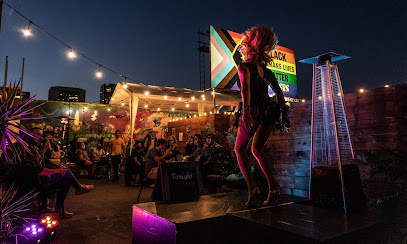
F8 Nightclub & Bar
4.6 km
Discover the pulse of San Francisco nightlife at F8 Nightclub & Bar, where music, art, and community come together for an unforgettable experience.
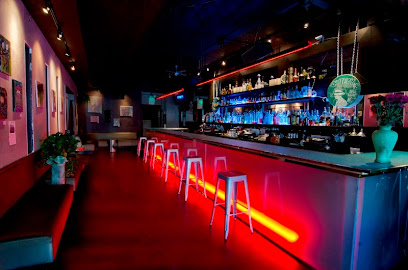
Cat Club
4.6 km
Experience San Francisco's nightlife at Cat Club, where eclectic music meets vibrant energy in the heart of SoMa.
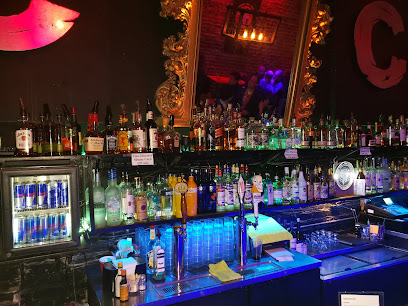
Raven Bar
4.6 km
Unleash your nightlife spirit at Raven Bar, where cocktails, dancing, and unforgettable moments come together in the heart of San Francisco's SoMa district.