

Free North Bay Travel Guide & Mobile App
Explore North Bay with free travel guides. Discover regional history, expert tips, proposed trips, and audio guides on web or mobile app.


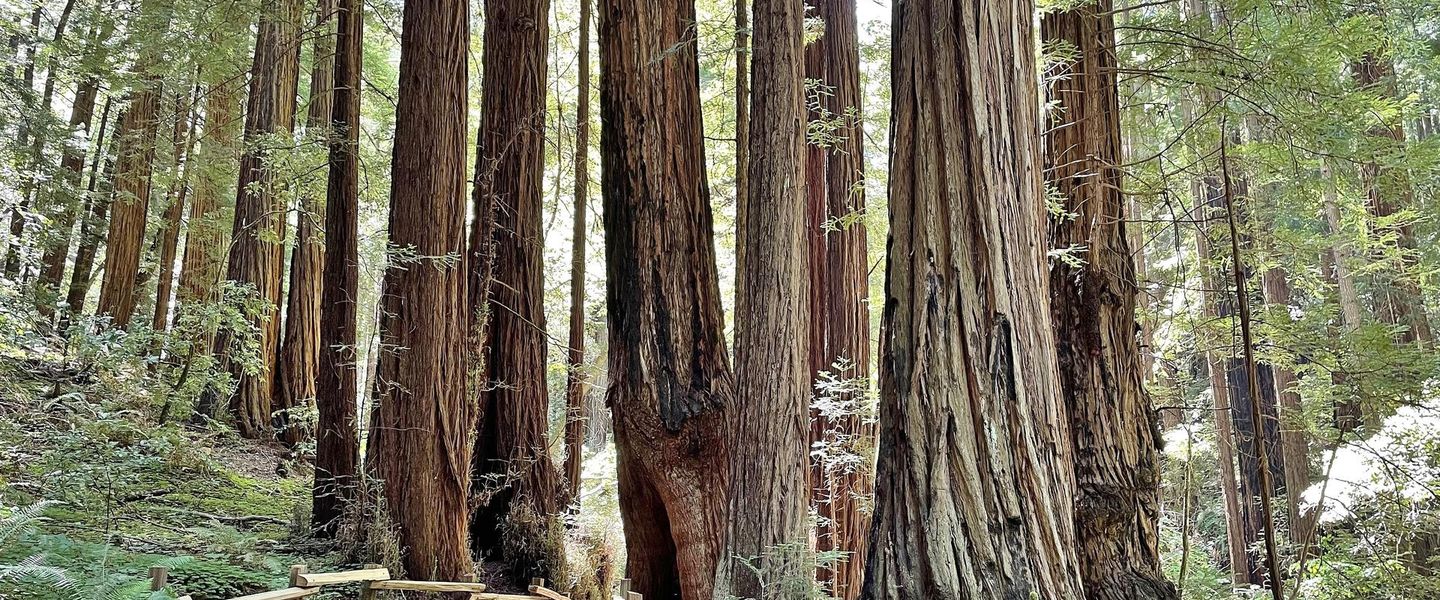


Explore North Bay, California, for redwood forests, Pacific coastlines, historic towns, celebrated vineyards, farm-to-table food and tidal wetlands.
Read more about North Bay
When is the best time to visit North Bay?
Best: June–July, September · 25–27°C| Month | High (°C) | Rainfall (mm) |
|---|---|---|
| January | 14 | 120 |
| February | 16 | 110 |
| March | 17 | 100 |
| April | 20 | 60 |
| May | 23 | 30 |
| June (best) | 25 | 10 |
| July (best) | 27 | 5 |
| August | 27 | 5 |
| September (best) | 26 | 10 |
| October | 22 | 40 |
| November | 17 | 80 |
| December | 14 | 120 |
Getting to and around North Bay
How to get there
Transportation
Best attractions in North Bay
North Bay's attractions range from protected wilderness to carefully cultivated wine-country estates. Marin's outdoor highlights include the redwood groves of Muir Woods National Monument, the trails and ocean viewpoints of Point Reyes National Seashore, and the open ridges of Mount Tamalpais State Park. Sonoma County adds Pacific beaches, forested hills, historic Sonoma Plaza, the Russian River area and a broad network of wineries, farm shops and cultural venues. Napa Valley is more concentrated, with vineyard landscapes, tasting rooms, gardens, food experiences and spa resorts arranged along a north–south valley. In Solano County, visitors can explore the wetlands and waterways of Suisun Marsh, the historic waterfronts of Benicia and Vallejo, and access to agricultural landscapes near Fairfield and Vacaville. Wildlife watching, hiking, cycling, kayaking and scenic driving are major attractions, but conditions vary considerably between coast, forest, marsh and inland valley. Advance planning matters at popular parks and wineries, while some rural attractions operate on limited schedules or require reservations.
-
Wildlife refuge
Don Edwards San Francisco Bay National Wildlife Refuge
Explore diverse habitats, observe migratory birds, and discover a wildlife oasis in the heart of the San Francisco Bay Area at Don Edwards Refuge.
-
Nature preserve
Mare Island Shoreline Heritage Preserve
Explore a unique blend of history and nature at Mare Island Shoreline Heritage Preserve, offering trails, wildlife, and panoramic views of the San Pablo Bay.


Best landmarks in North Bay
Mount Tamalpais is one of Marin's defining natural landmarks, its broad summit and ridgelines shaping views across the Bay Area and Pacific coast. The Point Reyes Lighthouse, reached through the exposed landscape of Point Reyes National Seashore, represents both the dangers of the local headlands and the region's maritime history. Muir Woods' old-growth coastal redwoods are an important surviving expression of the forests that once covered far more of the Bay Area. Sonoma Plaza, surrounded by nineteenth-century buildings and historic sites, marks the town's role in Mexican, Californian and early American history. Mission San Rafael Arcángel and Mission San Francisco de Solano preserve different chapters of the mission period, although both should be understood within the disruptive history of colonisation. In Solano County, the former Mare Island Naval Shipyard provides an unusually visible industrial and military landmark, while the channels and open wetlands of Suisun Marsh form a large-scale natural landmark rather than a single monument. Together these places show how coastal geography, Indigenous history, colonial settlement, agriculture and naval industry shaped North Bay.
-
Historical landmark
Ferry Building
Discover the historic Ferry Building, a vibrant marketplace in San Francisco offering local foods, stunning views, and rich cultural experiences.
-
Historical landmark
The Painted Ladies
Explore the Painted Ladies, San Francisco's iconic Victorian homes offering stunning architecture and breathtaking skyline views.
-
Historical landmark
Coit Tower
Discover panoramic views and rich history at Coit Tower, a stunning San Francisco landmark that blends art and culture atop Telegraph Hill.
-
 Castle
Hearst Castle
Experience the grandeur of Hearst Castle, a historical landmark blending stunning architecture, rich history, and breathtaking ocean views in California.


Explore North Bay on the map
Plan your trip on one map. See where the top cities, national parks and sights are, and book hotels and experiences in a few clicks.
Best hotels in North Bay
Best restaurants in North Bay
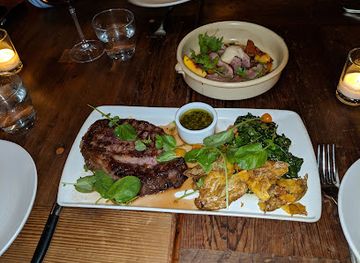
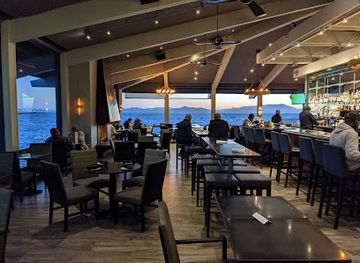
North Bay dining is rooted in California's seasonal produce but takes distinct forms across its subregions. Napa and Sonoma combine destination restaurants, winery dining, cafés and country inns with ingredients sourced from nearby vineyards, orchards, farms and ranches. Marin contributes dairy products, farm produce, seafood and a strong café and restaurant culture, while the coast and Tomales Bay are associated with oysters and other maritime foods. Farmers' markets and farm stands are useful places to find fruit, vegetables, olive oil, cheese, preserves and baked goods, especially in Sonoma and Marin. Menus also reflect the region's diverse communities, with Mexican, Asian, Mediterranean and contemporary Californian cooking alongside traditional American fare. Wine is prominent, but beer, cider, coffee and non-alcoholic drinks are readily available, and visitors should not assume that every agricultural experience requires alcohol. Booking is prudent for sought-after restaurants, particularly on weekends and during busy wine-country periods.
-
Californian
Foreign Cinema
Experience the perfect blend of Californian cuisine and classic cinema at Foreign Cinema in San Francisco's Mission District.
-
Lounge
The View Lounge
Experience breathtaking views and sophisticated Californian cuisine at The View Lounge in San Francisco's vibrant SoMa district.
-
American
Skates On The Bay
Experience exquisite American cuisine at Skates On The Bay while enjoying breathtaking views of San Francisco Bay.
-
American
Lazy Dog Restaurant & Bar
Discover a unique twist on American cuisine at Lazy Dog Restaurant & Bar in Fresno – where flavor meets fun in a cozy atmosphere.


Best bars in North Bay
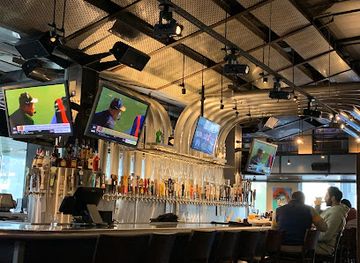
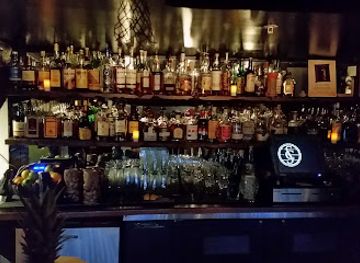
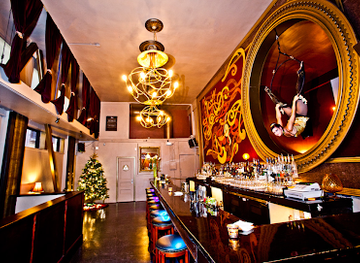
Evenings in North Bay are generally more focused on restaurants, wine bars, breweries, historic pubs and live music than on large-scale clubbing. Napa and downtown Sonoma have the region's most concentrated selection of wine-focused venues, cocktail bars and late dining, while Santa Rosa provides a broader urban mix of bars, music rooms and entertainment. Marin's evening life is distributed among towns such as San Rafael, Mill Valley and Sausalito, with pubs, restaurants and occasional live performances rather than a single dominant nightlife district. Vallejo and Benicia add waterfront and community-oriented venues, though the atmosphere is usually local and relaxed. Rural wine-country areas can become quiet after dinner, and some tasting rooms close well before late evening. Check current transport arrangements before drinking, particularly when staying outside a town centre, and do not treat alcohol as the only way to engage with the region's evening culture.
-
New American
Yard House
Discover Yard House in Santana Row, a vibrant New American restaurant with a vast beer selection, perfect for food lovers and social gatherings.
-
Bar
Smuggler's Cove
Experience the tropical vibes and exceptional cocktails at Smuggler's Cove, a premier cocktail bar in San Francisco's Fillmore District.
-
Cocktail bar
Bourbon & Branch
Explore Bourbon & Branch, a renowned cocktail bar in San Francisco, where classic drinks meet a unique speakeasy atmosphere for an unforgettable night.
-
Cocktail bar
Pagan Idol
Experience tropical vibes and exquisite cocktails at Pagan Idol, San Francisco's premier cocktail bar in Union Square.


Best nightclubs in North Bay
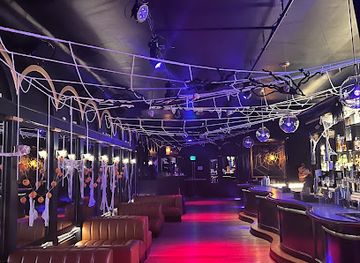
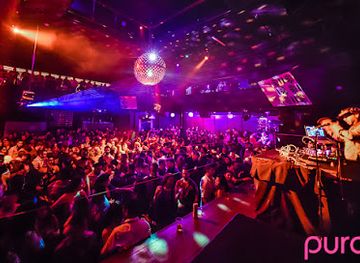
Evenings in North Bay are generally more focused on restaurants, wine bars, breweries, historic pubs and live music than on large-scale clubbing. Napa and downtown Sonoma have the region's most concentrated selection of wine-focused venues, cocktail bars and late dining, while Santa Rosa provides a broader urban mix of bars, music rooms and entertainment. Marin's evening life is distributed among towns such as San Rafael, Mill Valley and Sausalito, with pubs, restaurants and occasional live performances rather than a single dominant nightlife district. Vallejo and Benicia add waterfront and community-oriented venues, though the atmosphere is usually local and relaxed. Rural wine-country areas can become quiet after dinner, and some tasting rooms close well before late evening. Check current transport arrangements before drinking, particularly when staying outside a town centre, and do not treat alcohol as the only way to engage with the region's evening culture.
-
Night club
The Valencia Room
Discover the lively atmosphere of The Valencia Room, a premier night club in San Francisco’s Mission District, perfect for music and dance lovers.
-
Night club
Pura Saturdays
Experience the electrifying nightlife at Pura Saturdays, San Francisco's hotspot for live music and unforgettable dance parties.
-
Night club
Hawthorn SF Nightclub and Lounge
Discover the energy of San Francisco nightlife at Hawthorn SF, a stylish nightclub offering great music, crafted cocktails, and an unforgettable dance experience.
-
Night club
Monarch
Experience the vibrant nightlife of San Francisco at Monarch, where live music and dancing create unforgettable memories.

Best shops in North Bay
Shopping in North Bay is strongest in historic town centres, agricultural communities and specialist food districts rather than in a single regional retail hub. Sonoma Plaza and nearby streets offer independent boutiques, galleries, books, homewares and food shops in a walkable historic setting, while downtown Napa combines tasting-related retail with restaurants, galleries and contemporary independent businesses. San Rafael, Mill Valley, Sausalito, Benicia, Vallejo and Santa Rosa each have different mixes of local shops, antiques, art and everyday retail. Farm stands and farmers' markets are particularly good for seasonal fruit, olive oil, preserves, cheese, bread and other regional produce; availability varies by season and location. Wine is an obvious purchase, but visitors can also look for cider, craft chocolate, ceramics, textiles, photography and locally made pantry goods. In rural areas, opening days may be limited, so do not assume every farm shop or gallery will be operating daily.
-
Shopping mall
San Francisco Centre
Discover a world of shopping and dining at San Francisco Centre, a must-visit destination for tourists in the heart of the city.
-
Gift shop
Westfield Plaza Bonita
Explore Westfield Plaza Bonita: A vibrant shopping mall featuring diverse stores, dining delights, and entertainment options for an unforgettable retail experience.
-
Gift shop
Westfield UTC
Discover Westfield UTC in San Diego, a premier shopping center blending fashion, dining, and entertainment for an unforgettable experience.
-
Gift shop
Mission Valley
Experience the best of shopping, dining, and entertainment in Mission Valley, San Diego's vibrant community hub.

Get your free copy of our complete guide to North Bay, delivered straight to you.
Everything on this page, from attractions and restaurants to essentials and local phrases, in one PDF you can read offline, print or share.
Already have an account? Sign in
Your North Bay guide is ready.
We'll send it to · Not you? Sign out

Getting your guide ready…
We are putting together a fresh copy of the North Bay guide. This can take up to a minute.
This can take a few moments. If your browser asks, choose Allow so the download can start. You'll find the guide in your Downloads folder.
Nothing happened? Download it again
Sorry, the guide is taking longer than usual. Please try again in a minute, or get it by email instead.
North Bay essentials
Currency and Payment
Safety
Emergency Situations
Do's and Don'ts
Local Tips
From Eve
Local phrases worth knowing
You don't need to get them perfect. A few words go a long way, and locals appreciate the effort.
Basics
| English | Local | Say it |
|---|---|---|
| Hello | Hey | [Hey] |
| Goodbye | See ya | [See ya] |
| Yes | Yep | [Yep] |
| No | Nah | [Nah] |
| Please/You're welcome | Sure thing | [Shur thing] |
| Thank you | Thanks | [Thangs] |
| Excuse me/Sorry | Sorry about that | [Sorry about that] |
| How are you? | How's it going? | [How's it goin'?] |
| Fine. And you? | Good. You? | [Good. You?] |
| Do you speak English? | You speak English? | [You speak English?] |
| I don't understand | I don’t get it | [I don’t git it] |
Eating & Drinking
| English | Local | Say it |
|---|---|---|
| I'd like to see the menu, please | Can I check out the menu? | [Can I check out the menu?] |
| I don't eat meat | I'm vegetarian | [I'm vege-tarian] |
| Cheers! | Cheers! | [Cheers!] |
| I would like to pay, please | Can I get the check? | [Can I get the check?] |
Emergencies
| English | Local | Say it |
|---|---|---|
| Help! | Help! | [Help!] |
| Go away! | Leave me alone! | [Leave me alone!] |
| Call the Police! | Call the cops! | [Call the cops!] |
| Call a doctor! | Get a doctor! | [Get a doctor!] |
| I'm lost | I’m lost | [I’m lost] |
| I'm ill | I’m not feeling well | [I’m not feelin' well] |
Shopping
| English | Local | Say it |
|---|---|---|
| I'd like to buy... | I wanna buy... | [I wanna buy...] |
| I'm just looking | Just browsing | [Just browsing] |
| How much is it? | What’s the price? | [What’s the price?] |
| That's too expensive | That’s a bit pricey | [That’s a bit pricey] |
| Can you lower the price? | Can you do any better on the price? | [Can you do any better on the price?] |
Time & Numbers
| English | Local | Say it |
|---|---|---|
| What time is it? | What time is it? | [What time is it?] |
| It's one o'clock | It's one | [It's one] |
| Half past (10) | Half past ten | [Half past ten] |
| Morning | Morning | [Morning] |
| Afternoon | Afternoon | [Afternoon] |
| Evening | Evening | [Evening] |
| Yesterday | Yesterday | [Yesterday] |
| Today | Today | [Today] |
| Tomorrow | Tomorrow | [Tomorrow] |
| 1 | One | [One] |
| 2 | Two | [Two] |
| 3 | Three | [Three] |
| 4 | Four | [Four] |
| 5 | Five | [Five] |
| 6 | Six | [Six] |
| 7 | Seven | [Seven] |
| 8 | Eight | [Eight] |
| 9 | Nine | [Nine] |
| 10 | Ten | [Ten] |
Transport & Directions
| English | Local | Say it |
|---|---|---|
| Where's a/the...? | Where’s the...? | [Where’s the...?] |
| What's the address? | What’s the address? | [What’s the address?] |
| Can you show me (on the map)? | Can you point it out on the map? | [Can you point it out on the map?] |
| When's the next (bus)? | When’s the next bus? | [When’s the next bus?] |
| A ticket (to ....) | A ticket to ... | [A ticket to ...] |
History of North Bay
Indigenous Homelands and Lifeways
North Bay lies within the traditional homelands of several Indigenous peoples, including Coast Miwok communities in parts of Marin and southern Sonoma, Southern Pomo and Central Pomo communities in Sonoma, and Patwin peoples in Solano. Before European colonisation, communities managed landscapes through detailed knowledge of plants, animals, waterways and seasonal cycles. Shell middens, village sites and surviving cultural traditions testify to long occupation, although many archaeological places are protected and should not be disturbed. Contemporary tribal nations continue cultural, educational and land stewardship work across the region.
Spanish Missions and Mexican Ranchos
Spanish colonial expansion reached the North Bay in the late eighteenth century, with Mission San Rafael Arcángel established in 1817 in present-day San Rafael and Mission San Francisco de Solano founded in Sonoma in 1823, the last and northernmost of California's Spanish missions. After Mexican independence, secularisation of the missions helped create large rancho holdings, including vast cattle and agricultural estates. This period transformed land ownership and settlement while bringing severe disruption, violence and population loss to Indigenous communities.
The Bear Flag Revolt and American Conquest
Sonoma became the centre of the short-lived Bear Flag Revolt in June 1846, when American settlers seized the Mexican military headquarters and proclaimed the California Republic during the wider United States–Mexico conflict. The Bear Flag was soon replaced by the United States flag, and California entered the United States after the Treaty of Guadalupe Hidalgo in 1848. Sonoma Plaza and the neighbouring barracks preserve the physical setting of these events, although their meaning remains connected to the broader history of conquest and contested sovereignty.
Gold Rush Settlement and Transport
The California Gold Rush accelerated migration, commerce and land speculation across the North Bay after 1848. Sonoma, Napa, Benicia and other settlements supplied miners and benefited from river, bay and overland trade. Benicia became an important port and briefly served as California's state capital in 1853 before the seat moved to Sacramento. Ferries, stage routes and later railways connected farms, ranches and emerging towns with San Francisco, helping establish the region's enduring pattern of linked rural production and metropolitan markets.
Ranching, Agriculture and the Rise of Wine
Agriculture developed in different forms across the region: cattle and dairy ranching remained important in western Marin and Sonoma, orchards and diversified farms occupied the valleys, and vineyards expanded in Napa and Sonoma. Commercial winegrowing began in the nineteenth century, suffered during Prohibition and later revived through investment, experimentation and improved recognition of California wines. The modern wine industry is therefore only one phase of a longer agricultural history that also includes dairy, grains, fruit, livestock and coastal fishing.
Forts, Shipyards and Wartime Industry
The North Bay's waterways acquired strategic and industrial importance during the twentieth century. Fort Baker and other military installations guarded approaches to San Francisco Bay, while Mare Island Naval Shipyard in Vallejo, established in 1854, became a major naval base and shipbuilding centre. During the Second World War, nearby Bay Area shipyards and military facilities expanded rapidly, drawing workers from across the United States and reshaping local communities. Mare Island's surviving buildings and waterfront spaces remain reminders of this naval and industrial era.
Conservation and Environmental Protection
The North Bay became a significant setting for American conservation, from the protection of redwood forests and Mount Tamalpais to the creation of Point Reyes National Seashore in 1962 and the safeguarding of wetlands around San Pablo Bay and Suisun Marsh. Environmental campaigns also helped preserve agricultural land and restrict some forms of urban expansion in Marin, Napa and Sonoma. These efforts created the landscapes visitors experience today, while debates over housing, wildfire resilience, water use, farming and public access continue to shape the region.
North Bay in Photos
Browse through our photo collection highlighting the charm and character of the destination.
Neighbouring regions of North Bay
The closest regions to North Bay, if you have time for more than one.
-

-

-

-

-


Swipe for more regions
Explore more
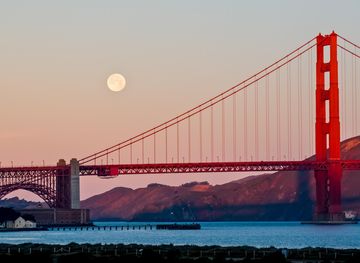
Explore more of California
Discover California: A land of diverse landscapes, iconic cities, and endless adventures, from sun-soaked beaches to towering redwoods and vibrant cultural experiences.
Explore California