

Free Northern California Travel Guide & Mobile App
Explore Northern California with free travel guides. Discover regional history, expert tips, proposed trips, and audio guides on web or mobile app.


Explore Northern California for redwood forests, Pacific coastlines, Bay Area culture, wine country, Gold Rush towns and Sierra landscapes.
Read more about Northern California
When is the best time to visit Northern California?
Best: June–July, September · 24–26°C| Month | High (°C) | Rainfall (mm) |
|---|---|---|
| January | 12 | 120 |
| February | 14 | 110 |
| March | 16 | 100 |
| April | 19 | 60 |
| May | 22 | 30 |
| June (best) | 24 | 10 |
| July (best) | 26 | 5 |
| August | 26 | 5 |
| September (best) | 24 | 10 |
| October | 22 | 40 |
| November | 16 | 80 |
| December | 12 | 110 |
Getting to and around Northern California
How to get there
Transportation
Top city travel guides in Northern California
The cities of Northern California, and the easiest places to base yourself.
-

-

-

-

-

-


Swipe for more cities
Destinations in Northern California
Resorts, valleys and scenic spots worth a trip of their own.
-

-

-
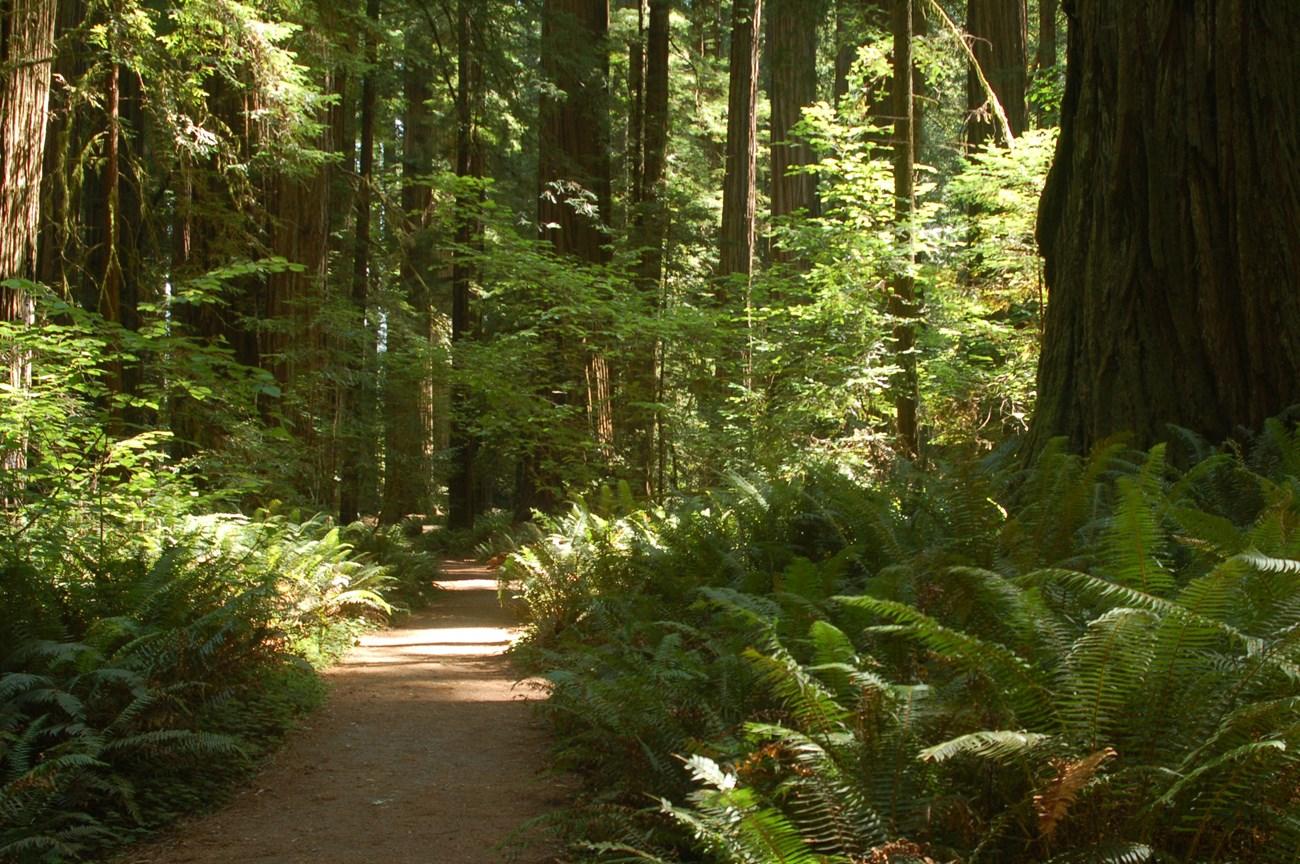 Redwood National and State Parks
 in California offer ancient redwood forests, Pacific beaches, elk meadows, scenic drives and remarkable hiking.
-

-

-


Swipe for more destinations
Best attractions in Northern California
Northern California offers an unusually wide range of attractions, but its scale makes regional planning important. San Francisco's museums, neighbourhoods, waterfront and harbour excursions form one major cluster, while the East Bay adds cultural institutions, hills and urban parks. North of the bay, Point Reyes National Seashore, the Marin Headlands and the wine landscapes of Napa and Sonoma combine wildlife, walking and agricultural heritage. Sacramento provides museums, civic history and access to the rivers and farms of the Central Valley. Farther north, the Redwood Coast's protected groves, lagoons and beaches are the principal draw, complemented by local museums and maritime communities. In the Sierra foothills, Gold Rush towns such as Nevada City, Grass Valley and Murphys preserve historic streets, museums and mine-related heritage. The northern Sierra and volcanic country offer hiking, lakes, winter sports and geological landscapes, although services and road conditions become more limited away from the main corridors.
-
National park
Yosemite National Park
Experience the Majestic Beauty of Yosemite National Park: Waterfalls, Granite Cliffs, and Giant Sequoias Await!
-
Historical place
Alcatraz Island
Explore the infamous former prison, discover its compelling history, and enjoy stunning views of the San Francisco Bay from Alcatraz Island.
-
Historical place museum
Winchester Mystery House
Explore the bizarre and legendary Winchester Mystery House, a Victorian mansion filled with architectural oddities and haunted tales in San Jose, California.
-
Amusement park
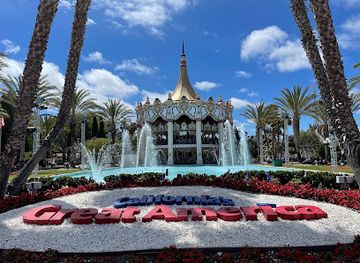
California's Great America
Experience thrilling rides, family fun, and splashtastic adventures at Northern California's premier amusement park in Santa Clara.

Best landmarks in Northern California
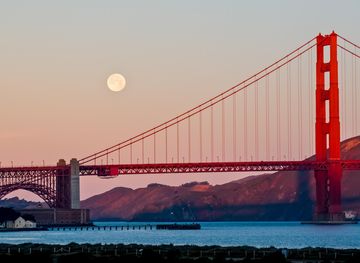
The Golden Gate Bridge is Northern California's most recognisable structure, spanning the entrance to San Francisco Bay between San Francisco and Marin County, while the Bay itself remains a defining natural and historic landmark. San Francisco's Mission San Francisco de Asís, better known as Mission Dolores, represents the city's Spanish and Mexican-era beginnings, and the Victorian houses of neighbourhoods such as Alamo Square illustrate later urban growth. In Sacramento, the State Capitol and Old Sacramento's preserved commercial district reflect the capital's political and Gold Rush-era importance. The redwoods of Redwood National and State Parks are natural landmarks of global significance, particularly the old-growth groves that form cathedral-like corridors along the North Coast. Point Reyes Lighthouse and the rugged headlands mark a powerful meeting of land and Pacific weather. Inland, the historic streets of Nevada City and Grass Valley, the Sierra foothills and the volcanic forms around Lassen Volcanic National Park provide contrasting reminders of mining, geology and mountain geography.
-
Historical landmark
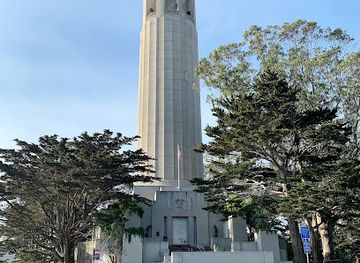
Coit Tower
Discover the historical Coit Tower, a stunning viewpoint and cultural landmark in San Francisco with breathtaking views and beautiful murals.
-
 Castle
Hearst Castle
Explore the majestic Hearst Castle, a stunning historical landmark in California, offering a glimpse into the opulence of the Gilded Age.
-
History museum
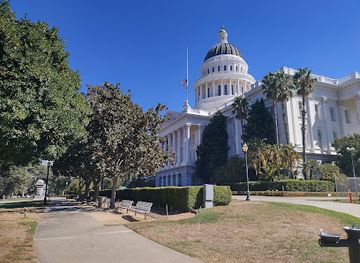
California State Capitol Museum
Discover California's political history at the beautiful California State Capitol Museum, where history meets stunning architecture and lush gardens.
-
Rail museum
California State Railroad Museum
Explore the legacy of railroads at the California State Railroad Museum, where history comes alive through stunning exhibits and scenic train rides.
Explore Northern California on the map
Plan your trip on one map. See where the top cities, national parks and sights are, and book hotels and experiences in a few clicks.
Best hotels in Northern California
Best restaurants in Northern California
Northern California's dining reflects its productive landscapes and highly diverse communities. San Francisco and the wider Bay Area offer cuisines from across the world alongside Pacific seafood, sourdough bread, seasonal produce and contemporary cooking. Napa and Sonoma are associated with vineyard restaurants, farm-led menus and wine, while Mendocino and the Redwood Coast provide access to fish, shellfish and other coastal ingredients. Sacramento and the Central Valley draw on orchards, rice, tomatoes, nuts, vegetables and other agricultural products, with farmers' markets providing a direct link to the surrounding growing districts. Gold Country adds historic inns, cafés, breweries and restaurants serving modern Californian food in former mining towns. Local dining ranges from neighbourhood cafés and taquerias to destination restaurants, family-run bakeries, oyster houses, rural pubs and tasting-room lunches; prices and service conventions follow broader United States practice, and reservations are sensible in popular wine-country and coastal areas.
-
Breakfast
Brookfields Restaurant Rancho Cordova
Experience delightful breakfasts and family-friendly dining at Brookfields Restaurant in Rancho Cordova, where every meal is crafted with care.
-
American
Lazy Dog Restaurant & Bar
Discover the cozy ambiance and delightful American cuisine at Lazy Dog Restaurant & Bar in Roseville - perfect for casual dining experiences.
-
Californian
Chez Panisse
Discover the essence of Californian cuisine at Chez Panisse, where seasonal ingredients meet innovative culinary artistry in Berkeley.
-
New American
Seasons 52
Discover the vibrant flavors of New American cuisine at Seasons 52 in Sacramento—where seasonal ingredients meet exceptional dining experiences.



Best bars in Northern California
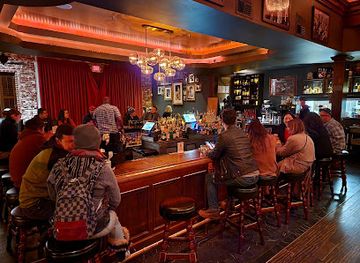
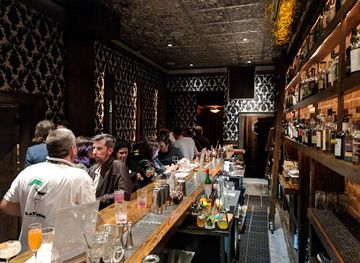
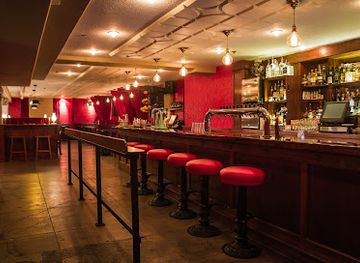
Nightlife varies sharply across Northern California. San Francisco has the region's broadest concentration of cocktail bars, music venues, theatres, neighbourhood pubs and late-night establishments, while Oakland and Berkeley offer their own live-music, arts and bar scenes. Sacramento combines craft breweries, wine bars, restaurants, music venues and a modest late-night circuit. In Napa and Sonoma, evenings tend to centre on wine bars, restaurants, tasting events and hotel or town venues rather than large clubs. Coastal towns and Gold Rush communities generally favour pubs, breweries, historic inns and occasional live music, with quieter evenings in rural districts. The North Coast also has a strong craft-beer identity, but opening arrangements and seasonal activity vary. Visitors should check transport before drinking in wine country or remote areas, where taxis and ride services may be less readily available than in the Bay Area.
-
Bar
Smuggler's Cove
Experience the whimsical pirate-themed Smuggler's Cove, a cocktail bar in San Francisco offering unique drinks and a vibrant atmosphere.
-
Bar
The Shady Lady Saloon
Experience the vibrant atmosphere and creative cocktails at The Shady Lady Saloon, a must-visit bar in the heart of Sacramento.
-
Cocktail bar
Bourbon & Branch
Experience the allure of vintage cocktails at Bourbon & Branch, San Francisco's secretive speakeasy-inspired cocktail bar.
-
Cocktail bar
Haberdasher
Discover exquisite cocktails and a relaxing lounge atmosphere at The Haberdasher, the perfect spot for a night out in San Jose.

Best nightclubs in Northern California
Nightlife varies sharply across Northern California. San Francisco has the region's broadest concentration of cocktail bars, music venues, theatres, neighbourhood pubs and late-night establishments, while Oakland and Berkeley offer their own live-music, arts and bar scenes. Sacramento combines craft breweries, wine bars, restaurants, music venues and a modest late-night circuit. In Napa and Sonoma, evenings tend to centre on wine bars, restaurants, tasting events and hotel or town venues rather than large clubs. Coastal towns and Gold Rush communities generally favour pubs, breweries, historic inns and occasional live music, with quieter evenings in rural districts. The North Coast also has a strong craft-beer identity, but opening arrangements and seasonal activity vary. Visitors should check transport before drinking in wine country or remote areas, where taxis and ride services may be less readily available than in the Bay Area.
-
Night club
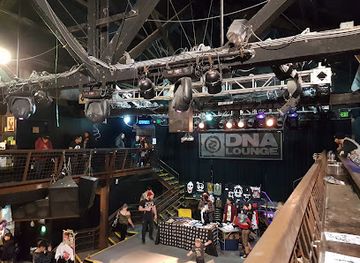
DNA Lounge
Discover the dynamic fusion of nightlife, music, and Italian cuisine at San Francisco's iconic DNA Lounge, the ultimate destination for unforgettable evenings.
-
Night club
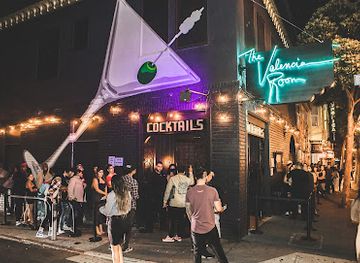
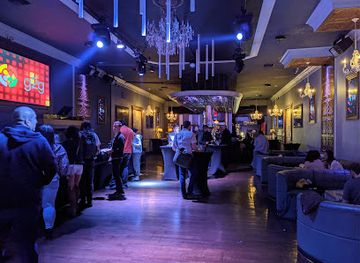
The Valencia Room
Discover The Valencia Room, San Francisco's ultimate nightlife experience with live music, vibrant dancing, and a lively bar scene in the Mission District.
-
Gay night club
Faces Nightclub
Discover Sacramento's Faces Nightclub, a vibrant gay night club offering unforgettable nights filled with music, dancing, and community spirit.
-
Night club
Opal By Arena
Discover the pulse of Mountain View's nightlife at Opal By Arena, where dancing and celebration come alive every weekend.

Best shops in Northern California
Shopping in Northern California ranges from dense urban districts to small-town main streets and farm-oriented markets. San Francisco offers independent design, books, galleries, food halls and neighbourhood shopping, while Oakland, Berkeley and Sacramento have distinctive local retail scenes, vintage shops, makers' goods and arts communities. Napa and Sonoma towns focus on wine, gourmet foods, kitchenware, art and locally made products, though the character differs between busy visitor centres and quieter communities. North Coast and Gold Country towns are good places to look for regional art, pottery, woodwork, books, antiques and practical outdoor goods rather than conventional luxury retail. Farmers' markets throughout the Bay Area, Sacramento Valley and wine country supply seasonal fruit, vegetables, nuts, preserves and baked goods; availability varies by day and season. Wine, olive oil, coffee, craft beer, chocolate and packaged regional foods travel well, but visitors should check customs rules before taking agricultural products across international borders.
-
Gift shop
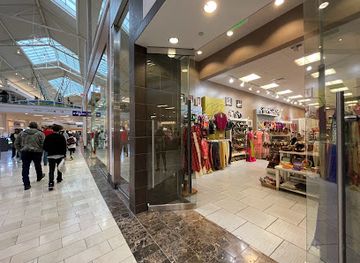
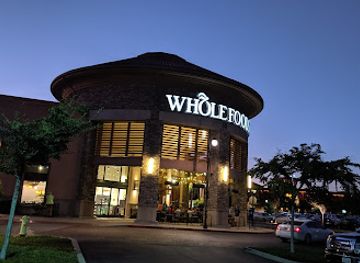
Westfield Galleria at Roseville
Discover an unmatched shopping and dining experience at Westfield Galleria at Roseville, where fashion meets fun in a vibrant atmosphere.
-
Outlet mall
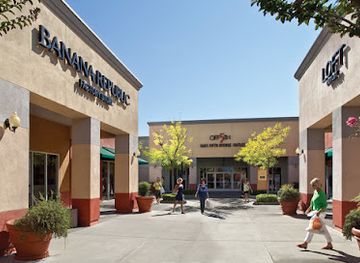
Folsom Premium Outlets
Explore Folsom Premium Outlets for amazing deals on top brands in a beautiful outdoor shopping environment, perfect for every shopper's delight.
-
Shopping mall
Palladio
Explore Palladio Shopping Mall: a blend of luxury shopping, diverse dining, and vibrant community events in Folsom, California.
-
Antique store
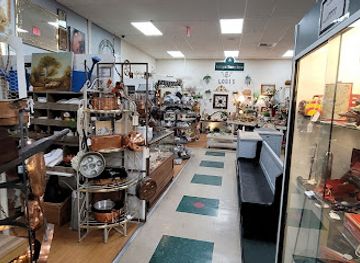
Antique Trove
Explore Antique Trove in Roseville, CA, a treasure trove of unique vintage finds and timeless collectibles that capture the essence of history.
Get your free copy of our complete guide to Northern California, delivered straight to you.
Everything on this page, from attractions and restaurants to essentials and local phrases, in one PDF you can read offline, print or share.
Already have an account? Sign in
Your Northern California guide is ready.
We'll send it to · Not you? Sign out

Getting your guide ready…
We are putting together a fresh copy of the Northern California guide. This can take up to a minute.
This can take a few moments. If your browser asks, choose Allow so the download can start. You'll find the guide in your Downloads folder.
Nothing happened? Download it again
Sorry, the guide is taking longer than usual. Please try again in a minute, or get it by email instead.
Northern California essentials
Currency and Payment
Safety
Emergency Situations
Do's and Don'ts
Local Tips
From Eve
Local phrases worth knowing
You don't need to get them perfect. A few words go a long way, and locals appreciate the effort.
Basics
| English | Local | Say it |
|---|---|---|
| Hello | Hey there | [Hey th-air] |
| Goodbye | See you later | [See you lay-ter] |
| Yes | Yeah | [Yah] |
| No | Nah | [Nah] |
| Please/You're welcome | No problem | [No prob-lum] |
| Thank you | Thanks a lot | [Thanks a lot] |
| Excuse me/Sorry | Oops, my bad | [Oops, my bad] |
| How are you? | How’s it going? | [How’s it go-ing?] |
| Fine. And you? | Good! You? | [Good! You?] |
| Do you speak English? | Do you know English? | [Do you know English?] |
| I don't understand | I don’t get it | [I don’t get it] |
Eating & Drinking
| English | Local | Say it |
|---|---|---|
| I’d like to see the menu, please | Can I check out the menu? | [Can I check out the menu?] |
| I don't eat meat | I’m vegetarian | [I’m vege-tarian] |
| Cheers! | Cheers! | [Cheers!] |
| I would like to pay, please | Can I get the check? | [Can I get the check?] |
Emergencies
| English | Local | Say it |
|---|---|---|
| Help! | Help! | [Help!] |
| Go away! | Leave me alone! | [Leave me a-lone!] |
| Call the Police! | Call 911! | [Call nine-one-one!] |
| Call a doctor! | Get a doctor! | [Get a doc-tor!] |
| I’m lost | I’m kinda lost | [I’m kinda lost] |
| I’m ill | I’m not feeling well | [I’m not feel-ing well] |
Shopping
| English | Local | Say it |
|---|---|---|
| I’d like to buy... | I want to buy... | [I want to buy...] |
| I’m just looking | Just browsing | [Just brows-ing] |
| How much is it? | What’s the price? | [What’s the price?] |
| That’s too expensive | That’s way too pricey | [That’s way too pry-see] |
| Can you lower the price? | Can you cut me a deal? | [Can you cut me a deal?] |
Time & Numbers
| English | Local | Say it |
|---|---|---|
| What time is it? | What’s the time? | [What’s the time?] |
| It’s one o'clock | It’s one | [It’s one] |
| Half past (10) | Ten-thirty | [Ten-thir-ty] |
| Morning | Morning | [Morn-ing] |
| Afternoon | Afternoon | [Af-ter-noon] |
| Evening | Evening | [Eve-ning] |
| Yesterday | Yesterday | [Yes-ter-day] |
| Today | Today | [To-day] |
| Tomorrow | Tomorrow | [To-mor-row] |
| 1 | One | [One] |
| 2 | Two | [Two] |
| 3 | Three | [Three] |
| 4 | Four | [Four] |
| 5 | Five | [Five] |
| 6 | Six | [Six] |
| 7 | Seven | [Seven] |
| 8 | Eight | [Eight] |
| 9 | Nine | [Nine] |
| 10 | Ten | [Ten] |
Transport & Directions
| English | Local | Say it |
|---|---|---|
| Where's a/the...? | Where’s the nearest...? | [Where’s the near-est...?] |
| What’s the address? | What’s the address? | [What’s the ad-dress?] |
| Can you show me (on the map)? | Can you point it out? | [Can you point it out?] |
| When’s the next (bus)? | When’s the next bus? | [When’s the next bus?] |
| A ticket (to ....) | One ticket to... | [One tick-et to...] |
History of Northern California
Indigenous California Before European Settlement
Northern California has been home to many Native nations for thousands of years, including Ohlone, Miwok, Pomo, Wappo, Yurok, Karuk, Hupa, Wiyot, Maidu, Modoc and numerous other peoples. Their cultures developed through detailed knowledge of coastal, riverine, woodland and mountain environments, with languages, trade networks, ceremonies and land-management practices varying between communities. Acorn economies, controlled burning, fishing and the use of native plants shaped many landscapes later described by settlers as wilderness. Native communities survived displacement, violence and disease, and remain present through tribal governments, cultural organisations and continuing stewardship.
Spanish Missions and Mexican California
Spanish exploration and colonisation reached the northern part of present-day California in the late eighteenth century, establishing missions and presidios around the Bay Area and along the coast. Mission San Francisco de Asís, founded in 1776, became the nucleus of San Francisco, while Mission San Rafael Arcángel and Mission San Francisco Solano extended the mission system north of the bay. Under Mexican rule after Mexican independence in 1821, large land grants reshaped parts of the region into ranchos. These developments brought cattle, new settlement patterns and profound disruption to Indigenous societies.
The Gold Rush and the Birth of San Francisco
The discovery of gold at Sutter's Mill, near present-day Coloma in the Sierra foothills, in 1848 transformed Northern California and accelerated the United States' control of the territory. People arrived from across the world, travelling through Sacramento and the foothills towards mining camps. San Francisco became the principal Pacific port and grew rapidly, while towns such as Murphys, Nevada City and Grass Valley retain Gold Rush-era streets and buildings. Mining damaged rivers and landscapes, but it also created transport links, industries, political institutions and settlement patterns that continued long after the easily accessible gold had gone.
Railways, Agriculture and Urban Growth
After the Gold Rush, Northern California's economy broadened through agriculture, timber, shipping, manufacturing and rail transport. The Central Pacific Railroad connected Sacramento with the national rail network in the 1860s, helping make Sacramento a major inland centre and facilitating the movement of crops and people. Irrigation and flood-control projects later reshaped the Sacramento Valley, supporting orchards, rice, vegetables and other agriculture. San Francisco developed as a commercial and cultural metropolis, while ports around the bay and the timber towns of the North Coast followed different industrial paths.
Earthquakes, Migration and the Modern Bay Area
The 1906 San Francisco earthquake and fire destroyed much of San Francisco's built centre and led to extensive rebuilding, while the 1989 Loma Prieta earthquake exposed the continuing seismic risks of the Bay Area. Immigration and migration have repeatedly transformed the region's communities, from Chinese and Japanese settlement in the nineteenth century to major twentieth- and twenty-first-century arrivals from Latin America, Southeast Asia, the Pacific and elsewhere. These histories are visible in neighbourhoods, religious institutions, foodways, languages and civic life across San Francisco, Oakland, San Jose and surrounding communities.
Conservation and Environmental Movements
Northern California played an influential role in the development of American conservation. Efforts to protect redwood forests, coastal habitats and mountain landscapes produced major parks and helped establish a lasting public debate about logging, dams, water, fire and land rights. Redwood National and State Parks, Point Reyes National Seashore and protected areas around the Sierra reflect different stages of that history. Environmental activism, scientific research and Indigenous stewardship continue to influence the management of forests, rivers, coastlines and agricultural land.
Technology, Wine and Cultural Change
Since the mid-twentieth century, Northern California has combined industrial and cultural transformations. The Bay Area became a major centre of higher education, computing, biotechnology and venture-funded technology, particularly around the southern part of the wider bay. At the same time, Napa, Sonoma, Mendocino and other districts developed internationally recognised wine industries, while Sacramento expanded as the state capital and a centre of government. These sectors coexist with agriculture, fishing, manufacturing, arts communities and long-established neighbourhood cultures, producing a region that is economically influential but socially and geographically diverse.
Northern California in Photos
Browse through our photo collection highlighting the charm and character of the destination.
Neighbouring regions of Northern California
The closest regions to Northern California, if you have time for more than one.
-

-

-

-

-


Swipe for more regions
Explore more
Explore more of California
Discover California: A land of diverse landscapes, iconic cities, and endless adventures, from sun-soaked beaches to towering redwoods and vibrant cultural experiences.
Explore California