Papua New Guinea Sculpture Garden: A Slice of Sepik River Culture at Stanford
Discover the captivating art and culture of Papua New Guinea in a serene garden setting on the Stanford University campus.
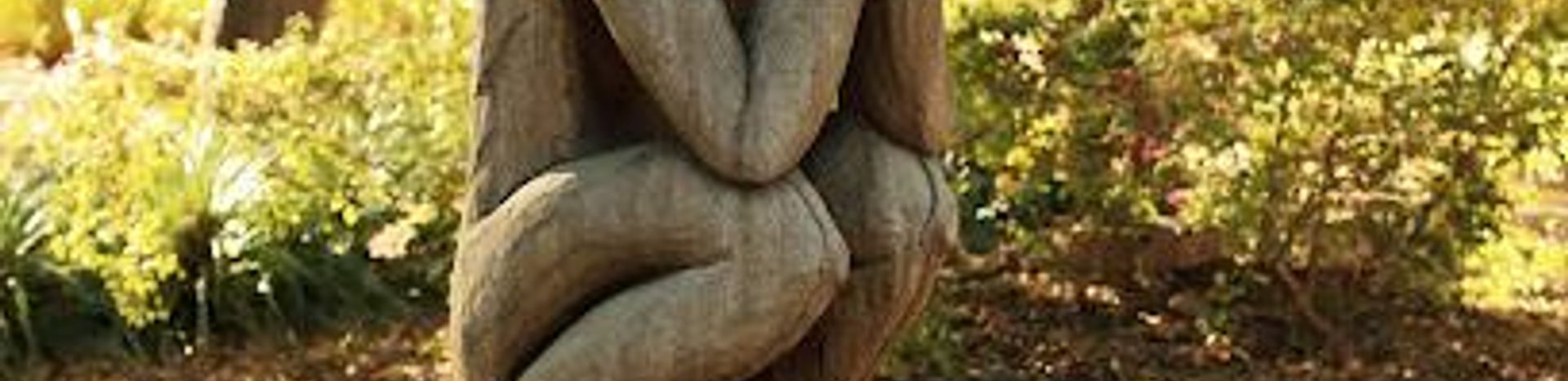
Nestled in a grove of oak and cedar trees on the Stanford University campus, the Papua New Guinea Sculpture Garden offers a unique glimpse into the art and culture of Papua New Guinea's Sepik River region. Created in 1994 by visiting artists, the garden features over 20 sculptures carved from wood and stone, depicting ancestral figures, creation myths, and cultural traditions.
A brief summary to Papua New Guinea Sculpture Garden
- 476 Lomita Dr, Stanford, California, 94305, US
- +1650-723-2300
- Visit website
- Monday 12 am-12 am
- Tuesday 12 am-12 am
- Wednesday 12 am-12 am
- Thursday 12 am-12 am
- Friday 12 am-12 am
- Saturday 12 am-12 am
- Sunday 12 am-12 am
Local tips
- Visit on a weekend for a better chance of finding parking on the Stanford campus.
- Combine your visit with a trip to the nearby Cantor Arts Center and Rodin Sculpture Garden for a comprehensive art experience.
- Take a free public tour offered by the Cantor Arts Center on the fourth Sunday of each month.

Getting There
-
Walking
From the Menlo Park Caltrain station, walk northwest on Santa Cruz Avenue towards El Camino Real. Turn left onto El Camino Real and walk for about 0.5 miles. After crossing University Avenue, continue straight until you reach the Stanford University campus entrance. Follow signs towards Lomita Drive. Walk on Lomita Drive for about 0.3 miles; the Papua New Guinea Sculpture Garden is at 476 Lomita Dr on your right. This walk is approximately 1.5 miles.
-
Public Transport
From downtown Menlo Park, take the Stanford Marguerite Shuttle. Find the nearest shuttle stop on Santa Cruz Avenue and board the shuttle heading towards Stanford University. Stay on the shuttle until you reach the stop for Lomita Drive. From there, walk up Lomita Drive towards the Papua New Guinea Sculpture Garden, located at 476 Lomita Dr. The walk is approximately 5 minutes from the shuttle stop. The Stanford Marguerite Shuttle is free.
-
Driving
From El Camino Real, turn onto University Avenue towards Stanford University. Continue onto Palm Drive, then turn right onto Museum Way. Make a left onto Santa Teresa Street, then turn left onto Lomita Drive. The Papua New Guinea Sculpture Garden will be on your left. Parking is available along Santa Teresa Street and Lomita Drive for $1.25 per hour, enforced during weekdays.
Discover more about Papua New Guinea Sculpture Garden
Iconic landmarks you can’t miss

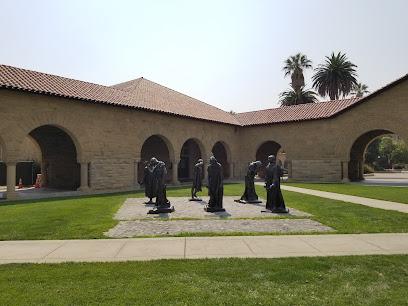
Auguste Rodin - The Burghers of Calais
0.5 km
Discover the emotional depth of Auguste Rodin's 'The Burghers of Calais' at Stanford University, a must-see sculpture that captures the essence of sacrifice and courage.
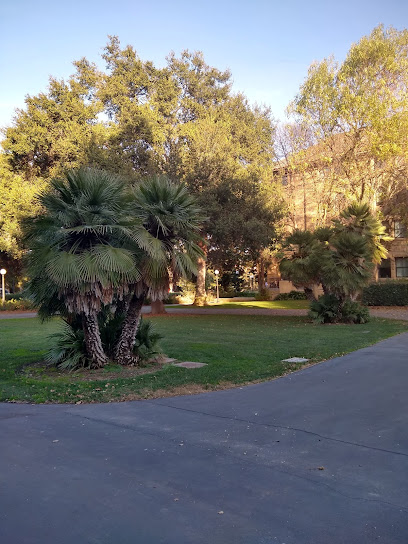
Escondido Turnaround
0.7 km
Explore the serene Escondido Turnaround, a historical landmark in Stanford, CA, rich in culture and surrounded by stunning landscapes.
Lou Henry Hoover House
0.9 km
Explore the historic Lou Henry Hoover House in Stanford, CA, and enjoy a glimpse into the life of a former First Lady amidst beautiful gardens and rich history.
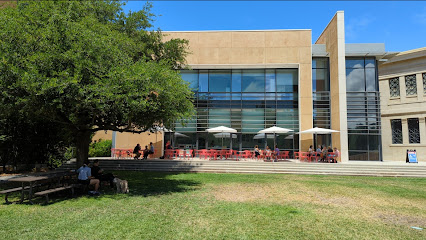
Tootsie's at the Cantor Arts Center
0.9 km
Experience the perfect blend of art and cuisine at Tootsie's in the Cantor Arts Center, where seasonal flavors meet cultural inspiration.
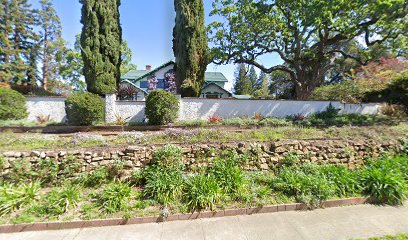
MacFarland House
1.0 km
Discover the MacFarland House in Stanford, a historic Tudor Revival home of marine biologist Frank MacFarland, showcasing early 20th-century architecture and scientific legacy.
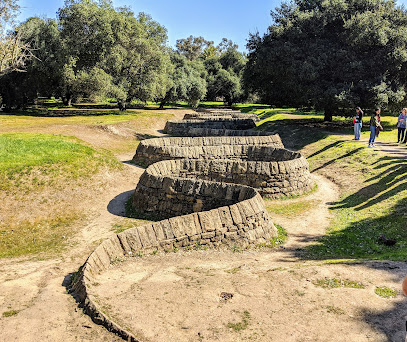
Stone River by Andy Goldsworthy
1.0 km
Discover the enchanting Stone River by Andy Goldsworthy, where art and nature converge into a breathtaking outdoor sculpture in Stanford, California.
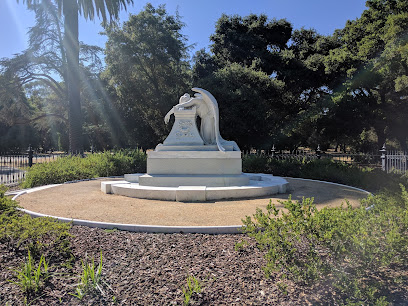
Angel of Grief
1.5 km
Discover the poignant beauty of the Angel of Grief in Palo Alto, a touching monument that encapsulates themes of love and remembrance amidst serene landscapes.
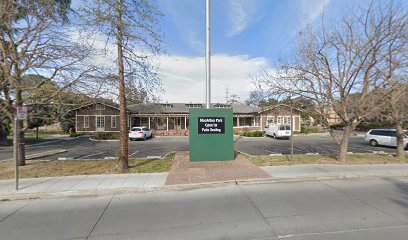
Hostess House
2.2 km
Explore Hostess House, a historical landmark in Palo Alto, California, where history and community spirit come alive in a charming setting.
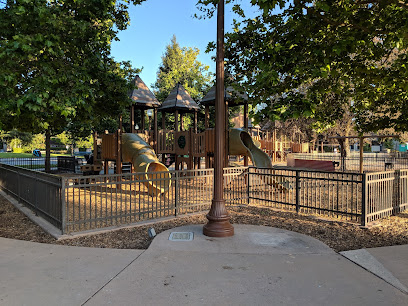
Jack W. Lyle Park
2.4 km
Experience the beauty of nature at Jack W. Lyle Park, Menlo Park's charming urban oasis for relaxation, recreation, and family fun.
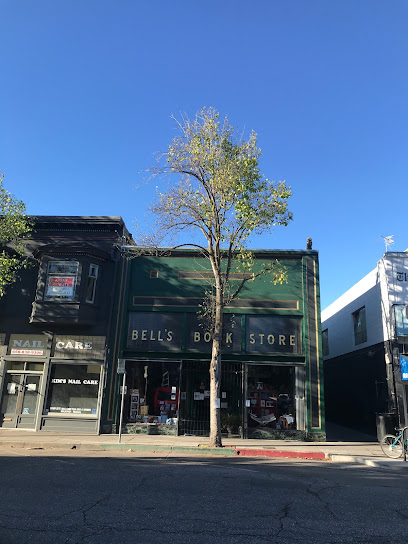
Bell's Books
2.4 km
Explore Bell's Books in Palo Alto, a literary haven featuring an extensive collection of new and used books that delights bibliophiles and tourists alike.
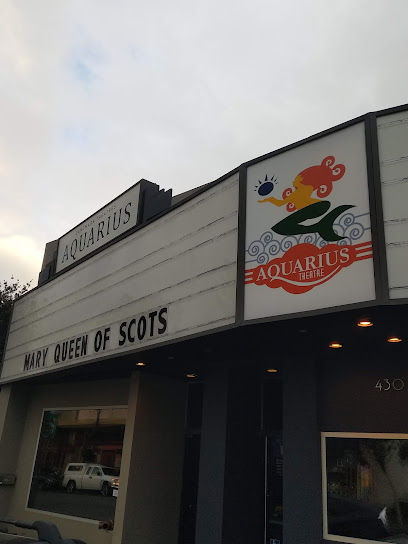
Landmark's Aquarius Theatre
2.4 km
Discover unique films and the charm of cinema at Landmark's Aquarius Theatre in the heart of Palo Alto.
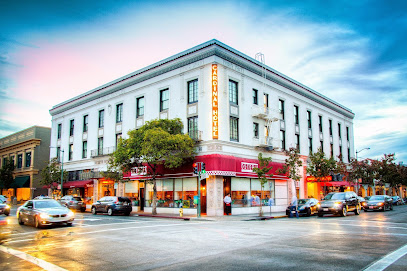
The Cardinal Hotel
2.4 km
Experience the charm and elegance of The Cardinal Hotel, your perfect sanctuary in the heart of Palo Alto, California.
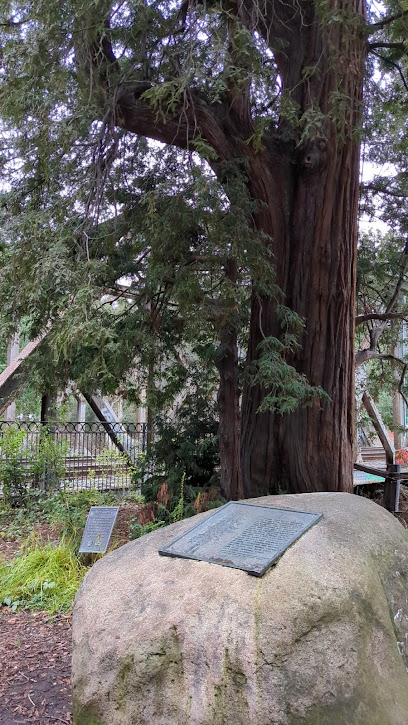
El Palo Alto Tree - Namesake Tree of City of Palo Alto
2.5 km
Discover the historic El Palo Alto tree, a centuries-old redwood symbolizing Palo Alto's rich heritage and natural beauty, nestled in a serene park setting.
El Palo Alto Park
2.5 km
Discover the serene beauty and historical significance of El Palo Alto Park, a green oasis in downtown Palo Alto perfect for relaxation and exploration.
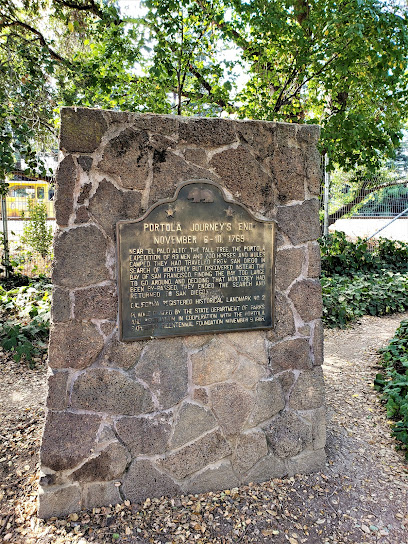
California Historical Landmark No. 2
2.6 km
Explore the rich history and serene beauty of California Historical Landmark No. 2 in Menlo Park.
Unmissable attractions to see

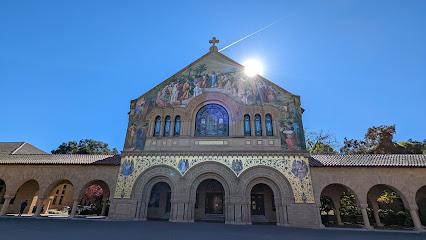
Memorial Church
0.4 km
Discover the serene beauty and architectural splendor of Memorial Church in Stanford, a must-see spiritual landmark with stunning mosaics and rich history.
Stanford Clock Tower
0.4 km
Visit Stanford's iconic Clock Tower: a historic timepiece and campus landmark offering a glimpse into the university's enduring legacy.
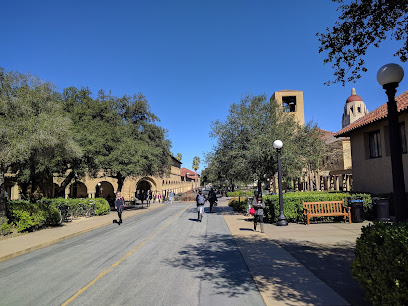
Stanford University
0.4 km
Explore Stanford University, a world-renowned center of innovation and learning in the heart of Silicon Valley, with iconic architecture, art, and a vibrant academic atmosphere.
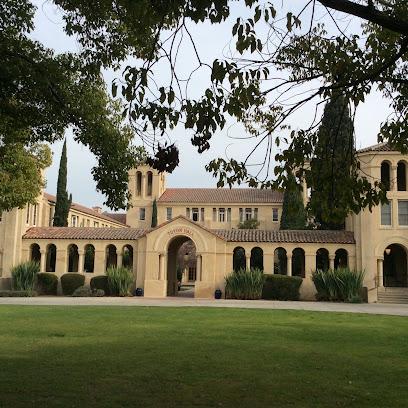
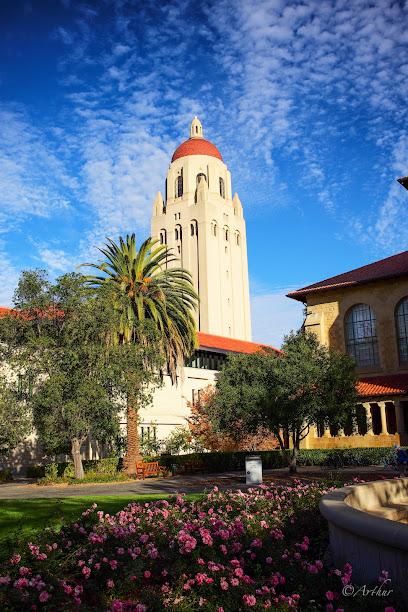
Hoover Tower
0.7 km
Ascend to Stanford's iconic Hoover Tower for panoramic Bay Area views and explore the Hoover Institution's archives, a center for the study of war, revolution, and peace.
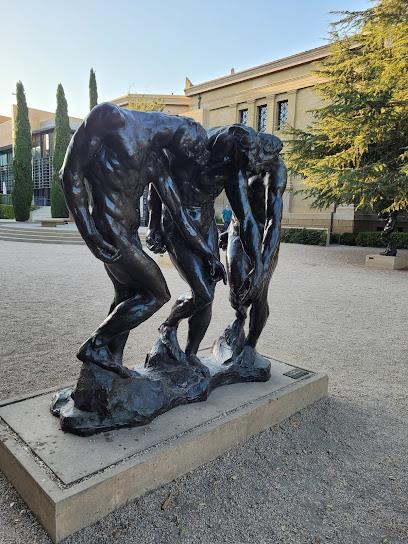
Rodin Sculpture Garden
0.9 km
Experience the genius of Rodin at Stanford's free, open-air sculpture garden, showcasing iconic bronze masterpieces in a serene and inspiring setting, available 24/7.
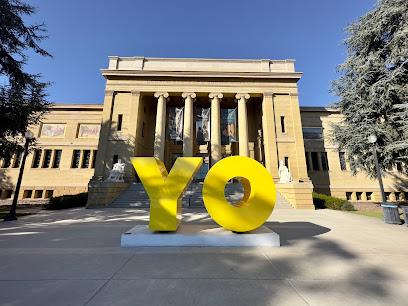
Cantor Arts Center at Stanford University
0.9 km
Explore the Cantor Arts Center at Stanford University, showcasing a vast collection of art from ancient to modern times in a stunning campus setting.
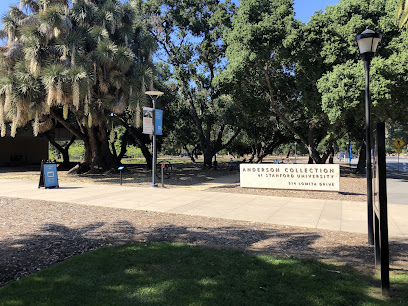
Anderson Collection
1.0 km
Discover a world-class collection of modern and contemporary American art at Stanford University's Anderson Collection, offering free admission and an intimate viewing experience.
Anderson Collection at Stanford University
1.0 km
Explore modern & contemporary American art at Stanford's Anderson Collection. Free admission, inspiring exhibitions, and a vibrant cultural experience.
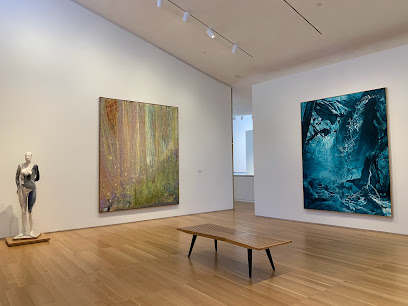
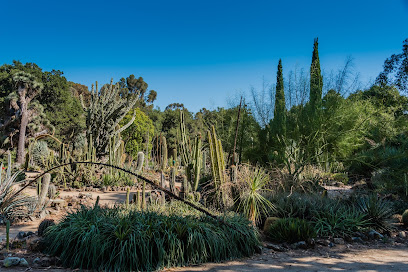
Arizona Garden
1.3 km
Discover a serene escape amidst a diverse collection of cacti and succulents at Stanford University's historic Arizona Garden.
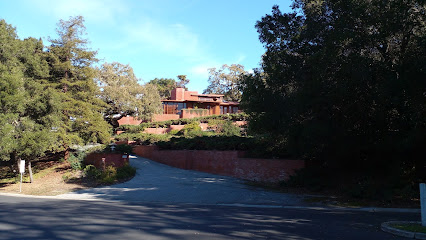
Hanna House
1.3 km
Explore Hanna House, a stunning architectural gem by Frank Lloyd Wright in Stanford, California, and immerse yourself in its historical and artistic beauty.
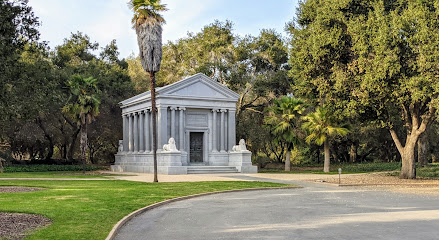
Stanford Mausoleum
1.3 km
Discover the serene beauty and rich history of the Stanford Mausoleum, the final resting place of the Stanford family, nestled within the tranquil Stanford University Arboretum.
Stanford Dish
1.9 km
Discover the breathtaking trails of Stanford Dish, where nature meets innovation in the heart of California's Silicon Valley.
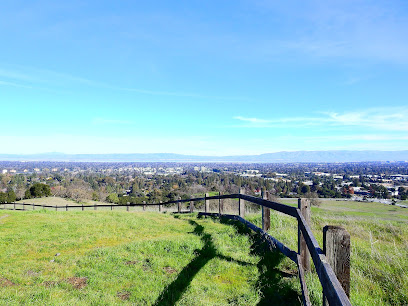
Allied Arts Guild
1.9 km
Discover a historic Spanish Colonial oasis in Menlo Park, where art, gardens, unique shops, and a charming cafe blend seamlessly to support Lucile Packard Children's Hospital.
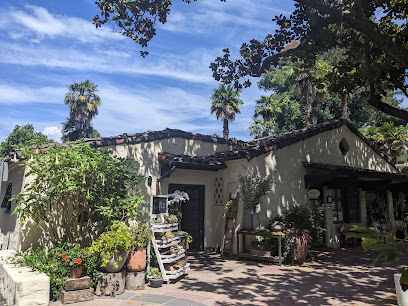
Main Quad
2.0 km
Discover Stanford University's historic heart: a blend of stunning architecture, academic legacy, and vibrant campus life in the Main Quad.
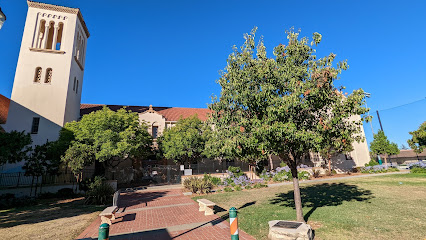
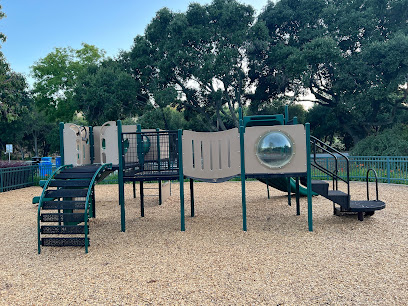
Stanford Hills Park
2.2 km
Discover a peaceful retreat in Menlo Park at Stanford Hills Park, offering open spaces, playgrounds, and walking paths for a relaxing escape in the heart of Silicon Valley.
Essential places to dine

Vina Enoteca
1.4 km
Experience authentic Italian cuisine paired with exquisite wines at Vina Enoteca in Palo Alto – where every meal is a celebration.
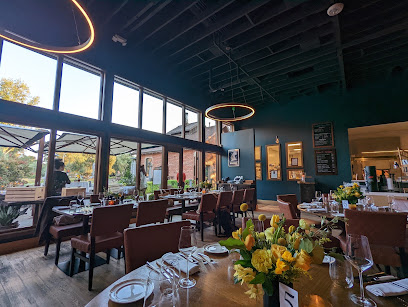
Tootsie's At The Stanford Barn
1.4 km
Discover Tootie's At The Stanford Barn - where Italian flavors meet American comfort in a picturesque Palo Alto setting.
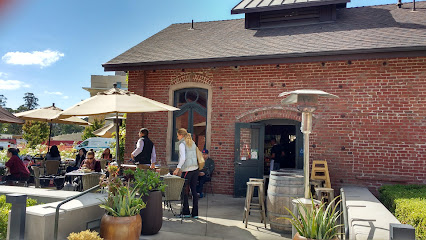
Cafe Wisteria
1.9 km
Discover the flavors of Menlo Park at Cafe Wisteria – where fresh ingredients meet cozy ambiance for an unforgettable dining experience.
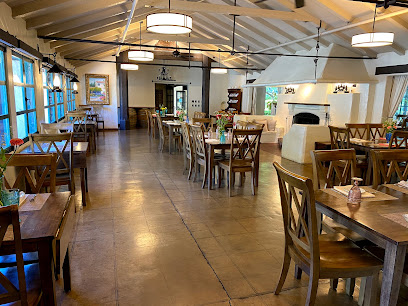
Pacific Catch
2.0 km
Experience fresh and sustainable seafood at Pacific Catch in Palo Alto's Stanford Shopping Center - where flavor meets environmental responsibility.
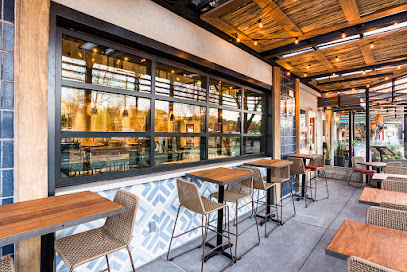
El Cerrito
2.0 km
Experience authentic Mexican flavors at El Cerrito in Menlo Park – home of delicious burritos and vibrant Latin American dishes.
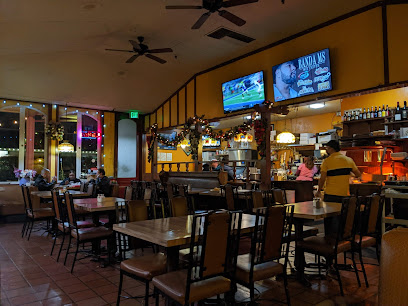
Telefèric Barcelona Palo Alto
2.0 km
Experience exquisite Catalan cuisine with breathtaking views at Telefèric Barcelona Palo Alto – a culinary gem in California.
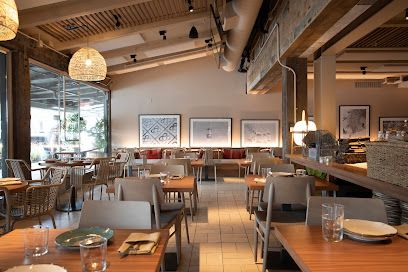
The Melt
2.0 km
Discover the delightful world of American comfort food at The Melt in Palo Alto - where gourmet grilled sandwiches meet casual dining.
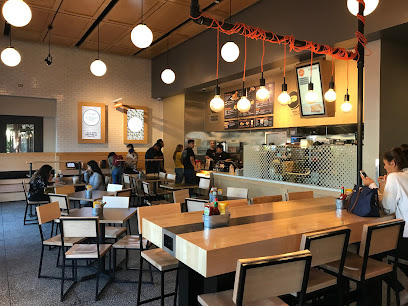
True Food Kitchen
2.1 km
Discover True Food Kitchen in Palo Alto: where health meets flavor in an inviting atmosphere with diverse organic dishes.
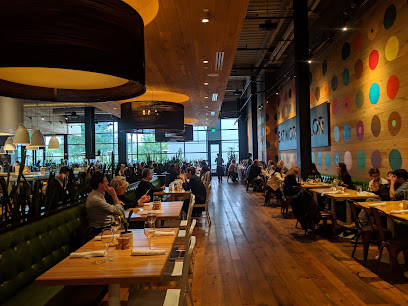
Sundance The Steakhouse
2.2 km
Experience the finest steaks and seafood at Sundance The Steakhouse in Palo Alto - where culinary excellence meets sophisticated dining.
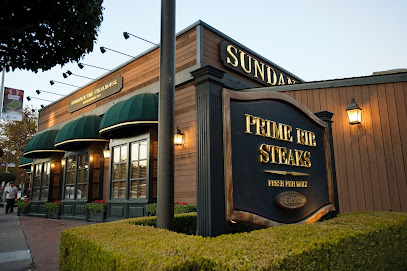
Fleming’s Prime Steakhouse & Wine Bar
2.2 km
Experience unparalleled steak perfection and exquisite wines at Fleming's Prime Steakhouse & Wine Bar in Palo Alto.
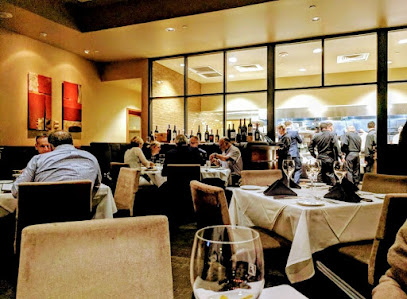
Saint Michael's Alley
2.2 km
Discover the culinary artistry at Saint Michael's Alley in Palo Alto, where New American cuisine meets exceptional service in a charming setting.
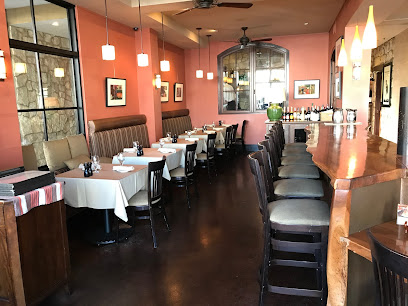
TAVERNA
2.3 km
Discover authentic Greek flavors at Taverna in Palo Alto—where tradition meets modern culinary artistry.
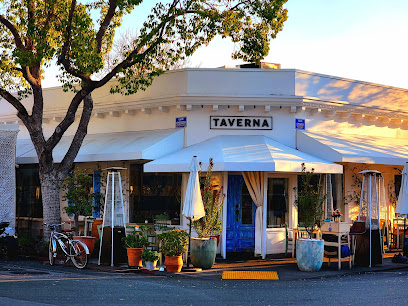
Sweet Maple
2.3 km
Discover the flavors of California at Sweet Maple, where brunch meets creativity in the heart of Palo Alto.
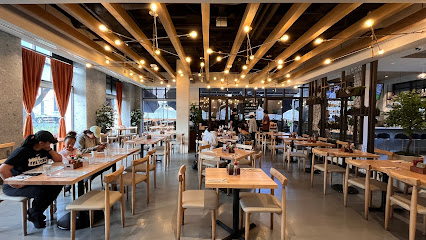
Nobu Restaurant Palo Alto
2.4 km
Discover unparalleled Japanese cuisine at Nobu Restaurant Palo Alto, where tradition meets innovation in every exquisite dish.
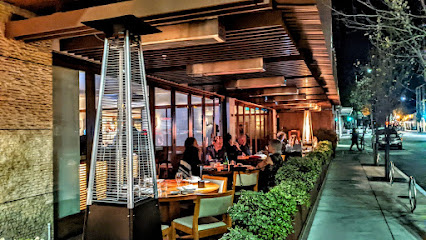
Buca di Beppo Italian Restaurant
2.4 km
Experience authentic Italian cuisine at Buca di Beppo in Palo Alto – perfect for families with hearty portions and festive atmosphere.
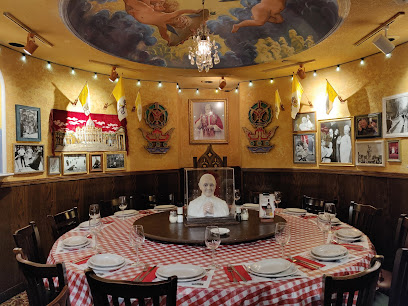
Markets, malls and hidden boutiques

Stanford Barn Shopping Center
1.4 km
Discover the charm of Stanford Barn Shopping Center in Palo Alto, featuring unique shops, delightful dining, and a vibrant atmosphere for all visitors.
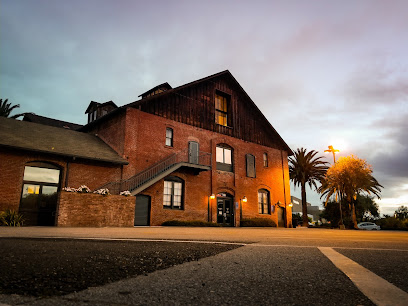
Nordstrom
1.6 km
Explore Nordstrom in Palo Alto for a unique shopping experience with top fashion brands and exceptional customer service.

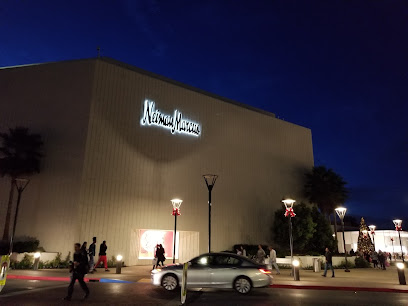
Neiman Marcus
1.8 km
Explore luxury fashion and beauty at Neiman Marcus in Stanford Shopping Center, a premier shopping destination in Palo Alto.
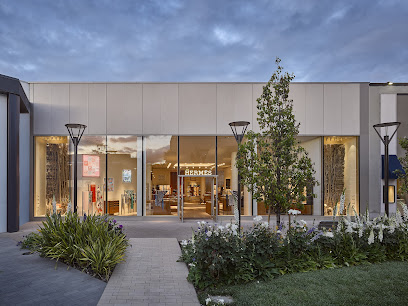
Hermès
1.9 km
Discover the elegance of Hermès in Palo Alto, where luxury leather goods and fashion accessories await every discerning traveler.
Stanford Center Palo Alto
1.9 km
Discover the elegance of luxury shopping at Stanford Center Palo Alto, featuring Burberry and other high-end brands in a vibrant atmosphere.

La Layette Boutique
1.9 km
Discover exquisite baby clothing at La Layette Boutique, where style meets comfort in a serene shopping environment.
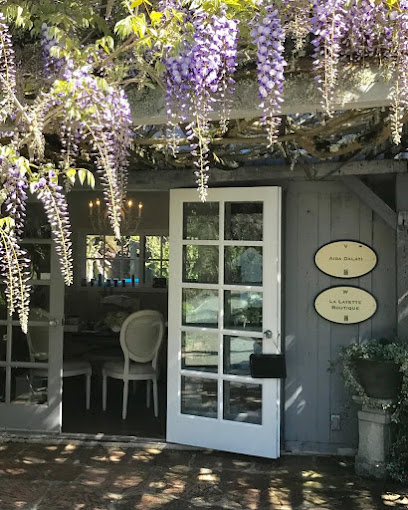
Joy Imai Pottery Studio
1.9 km
Explore Joy Imai Pottery Studio in Menlo Park for a unique gift shop experience featuring exquisite handcrafted pottery and engaging workshops.
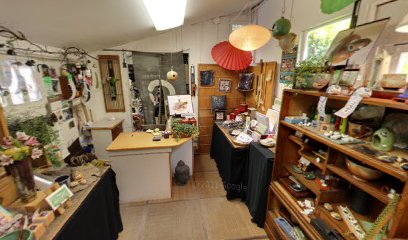
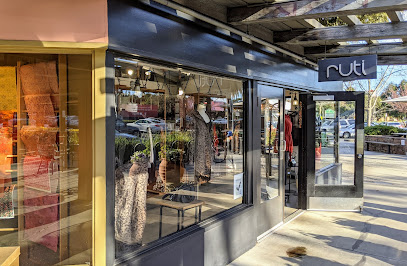
Ruti | Palo Alto
1.9 km
Explore the essence of modern fashion at Ruti in Palo Alto, where exquisite womenswear and accessories come together in a stylish minimalist setting.
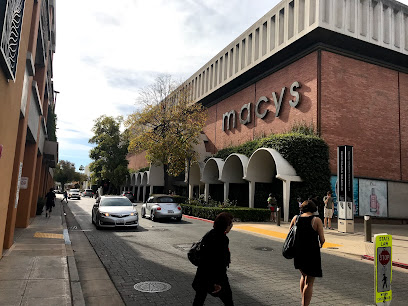
Macy's
1.9 km
Discover a shopper's paradise at Macy's Stanford Shopping Center, where fashion meets convenience in the heart of Palo Alto.
EVEREVE
1.9 km
Explore EVEREVE in Palo Alto for a stylish selection of women's clothing, accessories, and footwear that celebrate individuality and modern fashion.

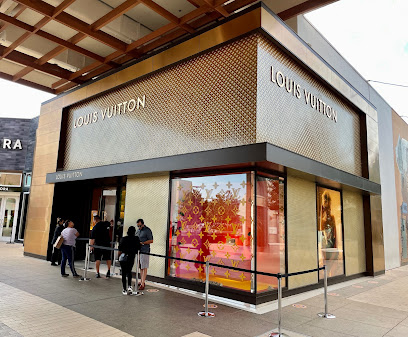
Louis Vuitton Palo Alto
2.0 km
Experience unparalleled luxury at Louis Vuitton Palo Alto, where timeless craftsmanship meets modern elegance in a premier shopping destination.
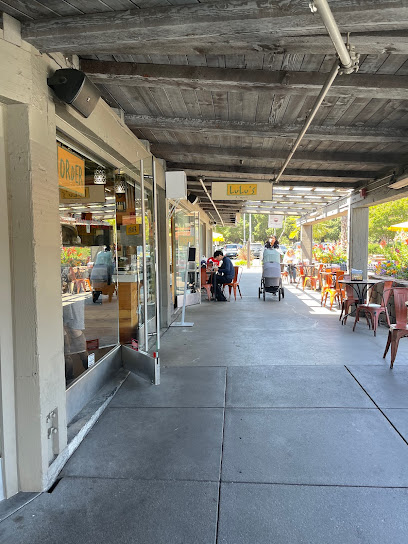
Town & Country Village
2.0 km
Discover the charm of Town & Country Village, a premier shopping destination in Palo Alto offering unique stores, dining, and vibrant community events.
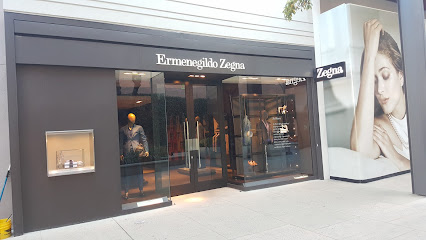
Zegna Boutique
2.0 km
Discover the elegance of men's fashion at Zegna Boutique in Palo Alto, where luxury meets style in every stitch.
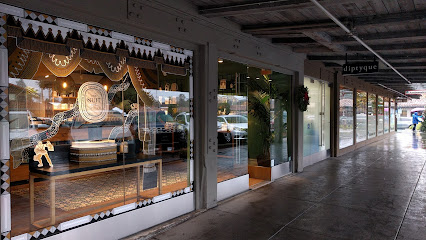
Diptyque Town and Country
2.0 km
Unveil the luxury of artisanal fragrances and candles at Diptyque Town and Country in Palo Alto, where every scent tells a story of elegance.
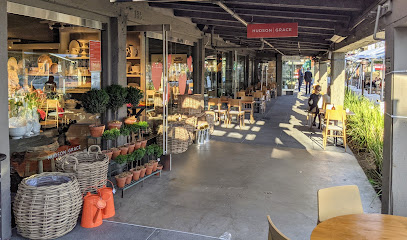
Hudson Grace
2.0 km
Explore Hudson Grace for unique gifts and home goods in Palo Alto's charming Town & Country Village.
Essential bars & hidden hideouts

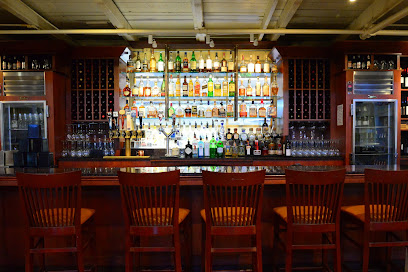
MacArthur Park Restaurant and Bar
2.1 km
Discover the culinary delights of MacArthur Park Restaurant and Bar in Palo Alto, a premier destination for American cuisine, steak, and fine wines.
Scotty's Bar & Grill
2.4 km
Scotty's Bar & Grill in Palo Alto offers delicious grilled dishes, cocktails, and a lively atmosphere perfect for socializing and relaxation.
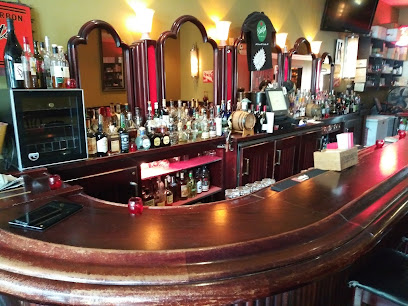
The Patio @ Rudy's
2.4 km
Experience the ultimate blend of sports, dining, and nightlife at The Patio @ Rudy's in Palo Alto, where every game is a celebration.
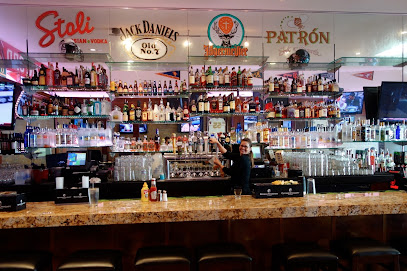
The Wine Room
2.5 km
Experience the best of fine wines and delectable tapas at The Wine Room, Palo Alto's premier wine bar.
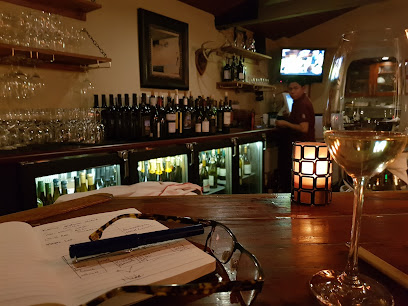
Moods. Wine Bar
2.6 km
Discover Moods. Wine Bar, Palo Alto's cozy spot for exquisite wines and craft beers, where every sip speaks of California's rich vineyard heritage.
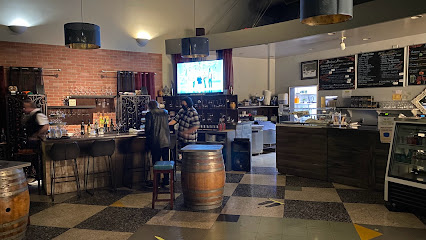
Hidden Tap And Barrel Palo Alto
2.6 km
Discover the vibrant nightlife at Hidden Tap And Barrel in Palo Alto – a haven for craft beer lovers and cocktail enthusiasts alike.
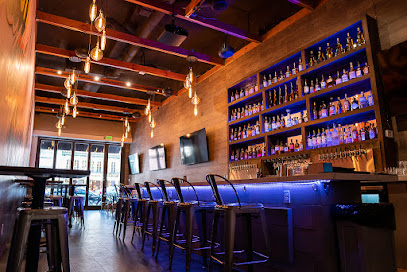
SliderBar Restaurant
2.6 km
Experience the vibrant atmosphere and delicious American cuisine at SliderBar Restaurant in Palo Alto, a perfect spot for food lovers and craft beer enthusiasts.
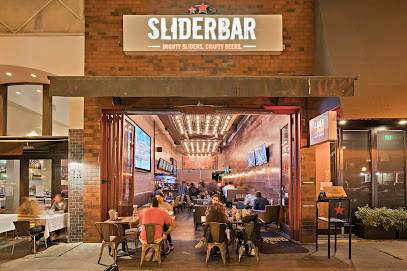
Vino Locale
2.9 km
Vino Locale: A wine bar and restaurant in Palo Alto, offering exquisite wines, delicious small bites, and vibrant live music in a cozy atmosphere.
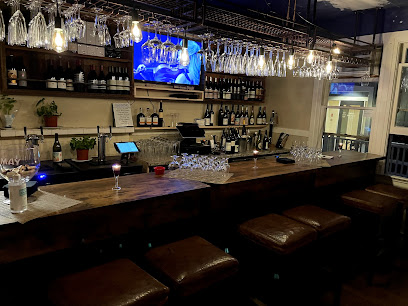
President's Terrace
2.9 km
Experience innovative cocktails and delightful dishes at President's Terrace, the vibrant bar and restaurant in the heart of Palo Alto.
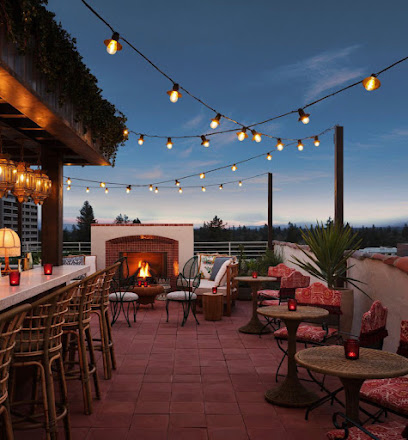
The Library & Bar
3.5 km
Experience the charm of The Library & Bar in Menlo Park, where exquisite drinks meet a cozy atmosphere perfect for socializing or unwinding.
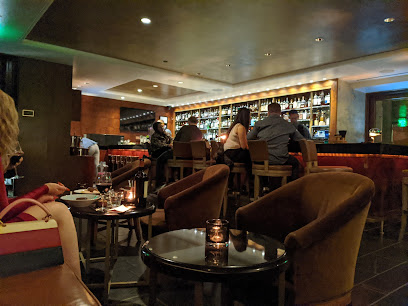
Pool Garden Terrace at Rosewood Sand Hill
3.5 km
Experience the elegance of outdoor dining at the Pool Garden Terrace, where exquisite grilled cuisine meets serene surroundings in Menlo Park.
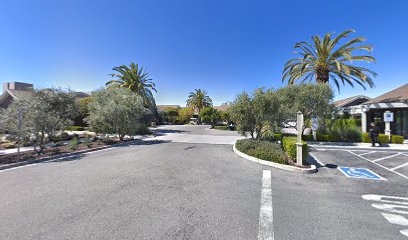
Atherton Club San Luis
5.7 km
Atherton Club San Luis: A vibrant bar experience in Menlo Park, California, blending relaxation and socialization for an unforgettable night out.
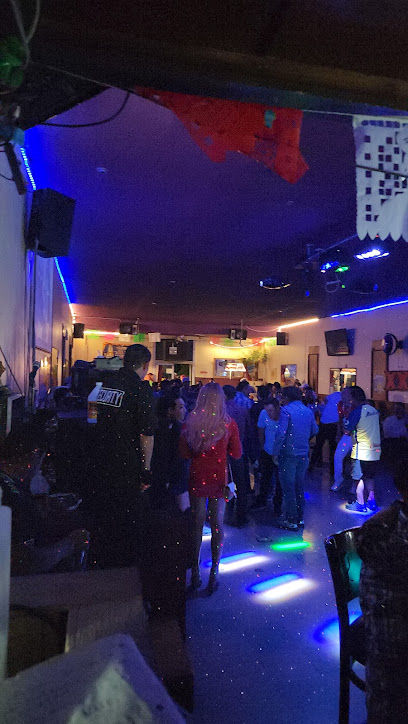
Saddle Room Bar
5.9 km
Experience the welcoming atmosphere and delicious drinks of Saddle Room Bar in Redwood City, California – a local gem for relaxation and fun.
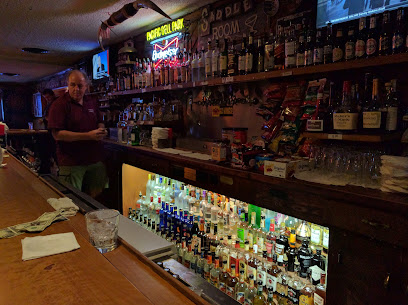
Freewheel Brewing Company
6.1 km
Experience the best of craft beer and American cuisine at Freewheel Brewing Company in Redwood City, where great taste meets vibrant entertainment.
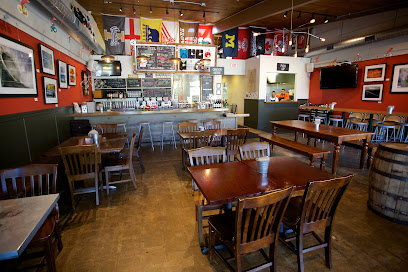
Chili's Grill & Bar
6.1 km
Experience the vibrant flavors of Tex-Mex and American dishes at Chili's Grill & Bar in Mountain View, a family-friendly dining destination.