Sarcophagus of Thomas Starr King
Visit the Sarcophagus of Thomas Starr King in San Francisco, a tribute to the influential Unitarian minister and orator who helped keep California in the Union during the Civil War, located at the First Unitarian Universalist Society.
The Sarcophagus of Thomas Starr King, located on the grounds of the First Unitarian Universalist Society of San Francisco, commemorates a pivotal figure in California's history. Thomas Starr King, a Unitarian minister and passionate orator, is credited with swaying California to remain in the Union during the Civil War. His powerful speeches and tireless fundraising efforts for the Union cause earned him the moniker 'the orator who saved the nation.' The sarcophagus, a marble monument, serves as a lasting tribute to his contributions and is a reminder of his influence on the state's early political landscape. While his name may not be widely recognized today, the sarcophagus stands as a testament to his enduring legacy and the impact he had on shaping California's destiny. Visiting this historical landmark offers a moment to reflect on a significant chapter in American history and the life of a man who dedicated himself to the Union cause.
A brief summary to Sarcophagus of Thomas Starr King
- 1143 Franklin St, San Francisco, Fillmore District, California, 94109, US
Local tips
- Consider combining your visit with a tour of the First Unitarian Universalist Society of San Francisco to learn more about Thomas Starr King's connection to the church.
- Take a moment to read the historical marker near the sarcophagus to gain a deeper understanding of King's contributions and legacy.
- The sarcophagus is located outdoors and is accessible at all times, allowing for flexible visit planning.

Getting There
-
Public Transport
For those using public transportation, several Muni bus lines serve the area near the First Unitarian Universalist Society. Bus lines 14, 14R, and 49 have stops within a short walking distance of the location on Franklin Street. A Clipper Card can be used for easy payment on Muni buses. A single ride fare is around $3.00.
-
Walking
If you are already in the vicinity of the Civic Center or Hayes Valley, walking to the Sarcophagus of Thomas Starr King is a viable option. From City Hall, head north on Van Ness Avenue, then turn left onto Geary Street. Walk a few blocks west, and the First Unitarian Universalist Society will be on your right at the corner of Franklin Street and Starr King Way. The sarcophagus is located on the grounds of the church, near the corner. Be mindful of pedestrian signals and crosswalks.
-
Taxi/Ride-Share
Taxi and ride-sharing services like Uber and Lyft are readily available in San Francisco. A ride from Union Square or Fisherman's Wharf to the First Unitarian Universalist Society would typically cost between $15 and $25, depending on traffic and surge pricing. Simply provide the address, 1143 Franklin St, San Francisco, CA 94109, as your destination.
-
Driving
If driving, be aware that parking in the immediate vicinity can be challenging. There are parking lots available near 110 Franklin St. and 15 Oak St, with hourly rates typically ranging from $15 to $25. Street parking is also available, but it is often limited and subject to time restrictions. Be sure to read parking signs carefully to avoid tickets. Consider using a parking app like SpotHero or ParkWhiz to find and reserve parking in advance.
Discover more about Sarcophagus of Thomas Starr King
Iconic landmarks you can’t miss

Sarcophagus of Thomas Starr King
0.0 km
Visit the Sarcophagus of Thomas Starr King in San Francisco, a tribute to the influential Unitarian minister and orator who helped keep California in the Union during the Civil War, located at the First Unitarian Universalist Society.
Rothschild House
0.2 km
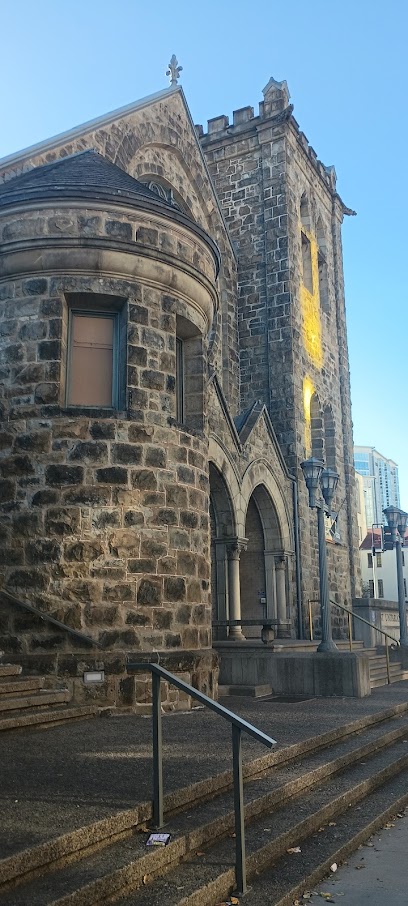
Discover the Rothschild House in San Francisco's Fillmore District, a beautifully preserved Italianate landmark offering a glimpse into the city's rich history and architectural heritage.
Bush Street Temple (Soto Mission)
0.5 km
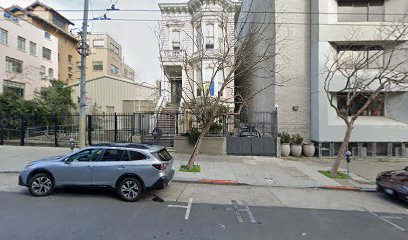
Discover the Bush Street Temple in San Francisco's Japantown: a historic landmark blending Moorish and Venetian architecture with a rich legacy of Jewish and Buddhist heritage.
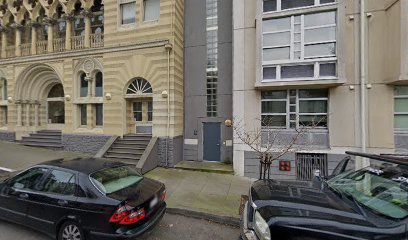
The Shortest Street in San Francisco
0.6 km
Stroll down San Francisco's shortest street in the Fillmore District, a unique historical landmark offering a charming glimpse into the city's quirky urban landscape and vibrant local culture.
Tobin House
0.6 km
Discover the Tobin House, a Tudor Gothic Revival masterpiece in Pacific Heights, San Francisco, designed by Willis Polk and steeped in the city's rich history and architectural heritage.
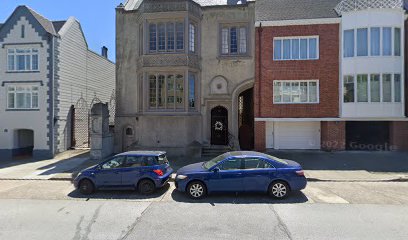
Wormser-Coleman House
0.6 km
Experience the grandeur of San Francisco's past at the Wormser-Coleman House, an exquisite Italianate mansion in Pacific Heights, showcasing the city's architectural heritage and opulent history.
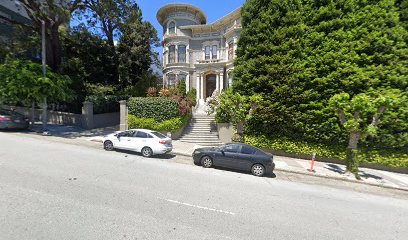
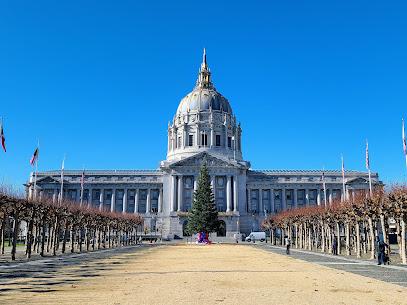
San Francisco City Hall
0.7 km
Discover the architectural beauty and historical significance of San Francisco City Hall, a stunning landmark in the heart of the city.
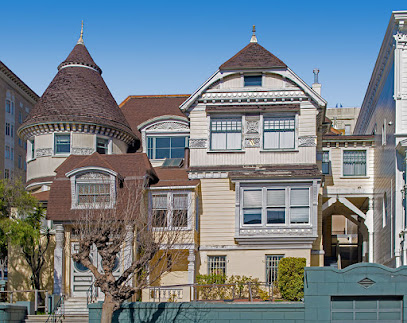
Atherton House
0.7 km
Explore Atherton House, a historical landmark in San Francisco's Pacific Heights, showcasing Victorian-era architecture and rich local history.
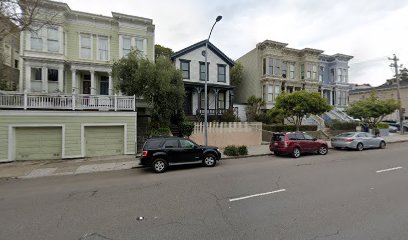
Stanyan House
0.7 km
Discover the historic Stanyan House in San Francisco's Japantown, a preserved 'Boston House' from the Gold Rush era and home to city supervisor Charles Stanyan.
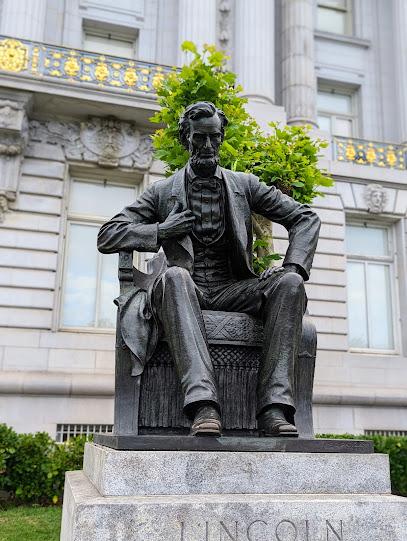
Statue of Abraham Lincoln
0.8 km
Discover the inspiring Statue of Abraham Lincoln in San Francisco's Civic Center, a must-visit for history lovers and art enthusiasts alike.
Vollmer House
0.8 km
Discover the Vollmer House in San Francisco's Japantown: a stunning example of Stick-Eastlake Victorian architecture with a rich history and intricate design, a landmark of preservation.
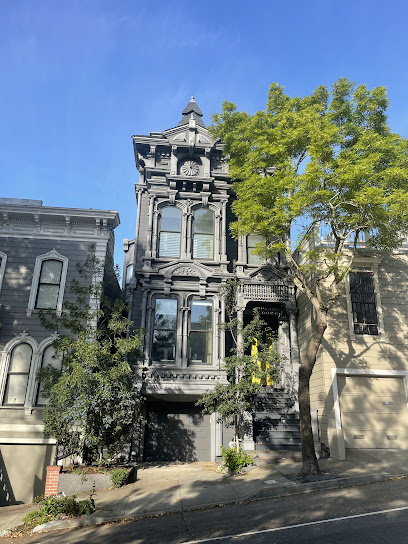
Nob Hill
0.9 km
Explore Nob Hill in San Francisco, where luxury meets history in a charming neighborhood filled with stunning views, dining, and culture.

C. A. Belden House
0.9 km
Admire the architectural splendor of the C. A. Belden House, a Queen Anne masterpiece in San Francisco's prestigious Pacific Heights, reflecting the city's Victorian heritage and opulent past.
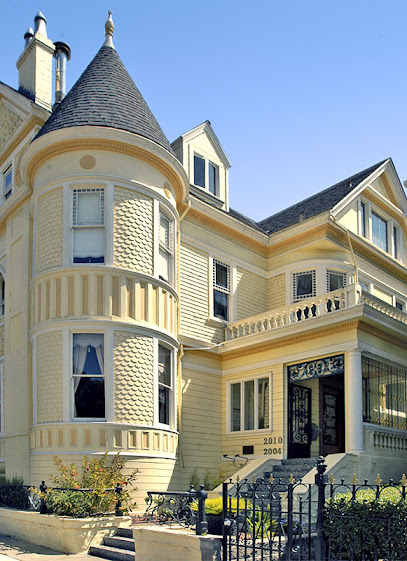
Bush Street-Cottage Row Historic District
0.9 km
Discover a hidden gem in San Francisco's Japantown: a preserved residential enclave of Italianate and Stick-style homes, offering a glimpse into the city's 19th-century past.
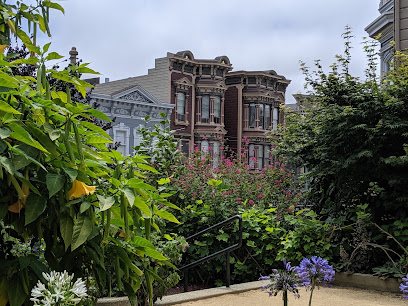
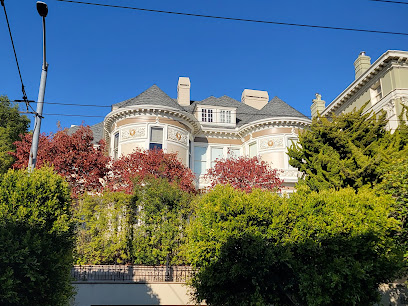
Chambers Mansion
0.9 km
Explore the stunning Chambers Mansion in San Francisco's Pacific Heights, a historical landmark showcasing exquisite architecture and rich cultural heritage.
Unmissable attractions to see

San Francisco Ghost Hunt Walking Tour
0.5 km
Explore the haunted history of San Francisco with the Ghost Hunt Walking Tour, a thrilling journey through the city's eerie past.
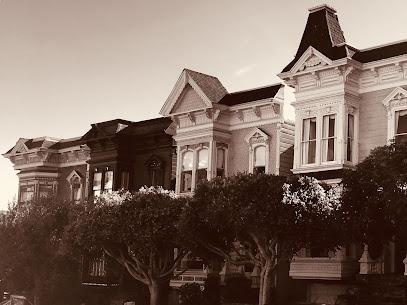
Peace Pagoda
0.6 km
A symbol of peace and unity in San Francisco's Japantown, the Peace Pagoda offers a glimpse into Japanese heritage and culture.
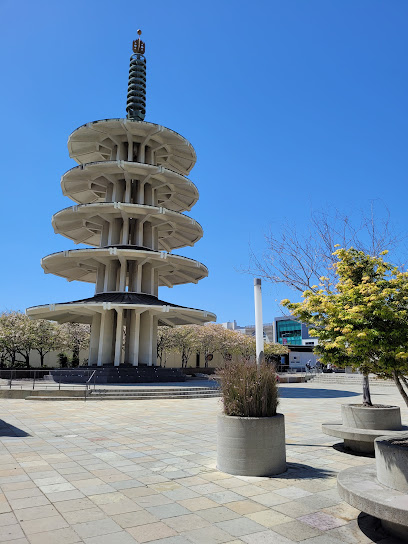
Japantown
0.7 km
Experience the essence of Japanese culture in the heart of San Francisco's Japantown, filled with authentic cuisine and vibrant traditions.
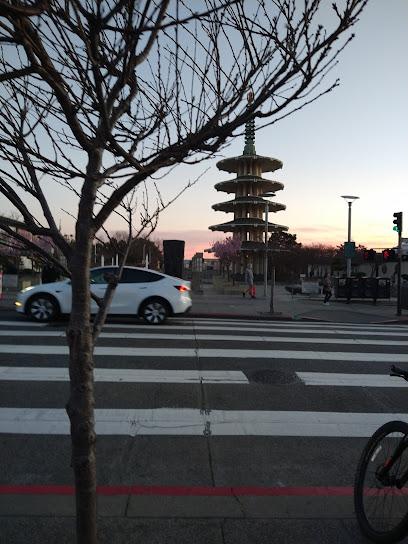
War Memorial Opera House
0.7 km
Experience the grandeur of the War Memorial Opera House in San Francisco, where world-class performances and stunning architecture await every visitor.
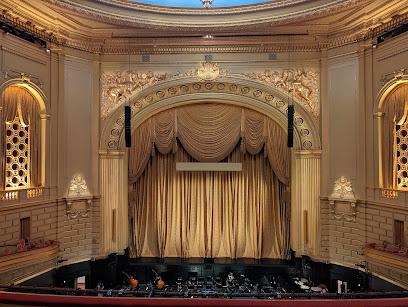
Civic Center Plaza
0.7 km
Discover Civic Center Plaza, a cultural hub in San Francisco, surrounded by iconic architecture, vibrant events, and lush green spaces.

49-Mile Scenic Drive
0.8 km
Discover San Francisco's iconic landmarks and breathtaking vistas along the 49-Mile Scenic Drive, a picturesque route showcasing the city's unique beauty.
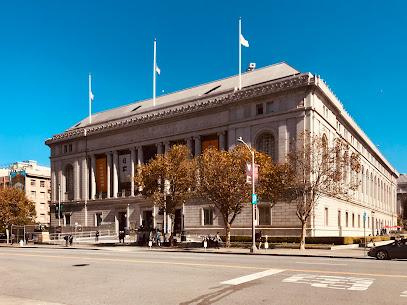
Asian Art Museum
0.8 km
Explore an extraordinary collection of Asian art at the Asian Art Museum in San Francisco, showcasing pieces that span 6,000 years of history.
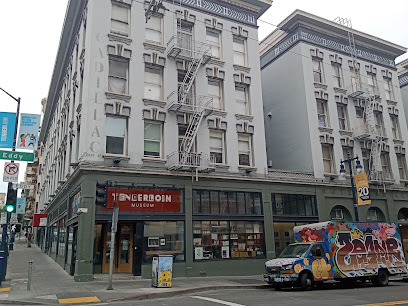
Tenderloin Museum
0.8 km
Discover the vibrant history and cultural stories of San Francisco's Tenderloin district at the Tenderloin Museum.
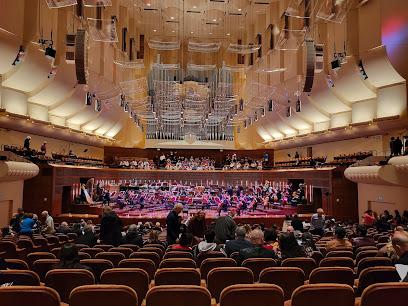
Davies Symphony Hall
0.8 km
Experience the architectural wonder and cultural richness of Davies Symphony Hall, the heart of San Francisco's vibrant music scene.
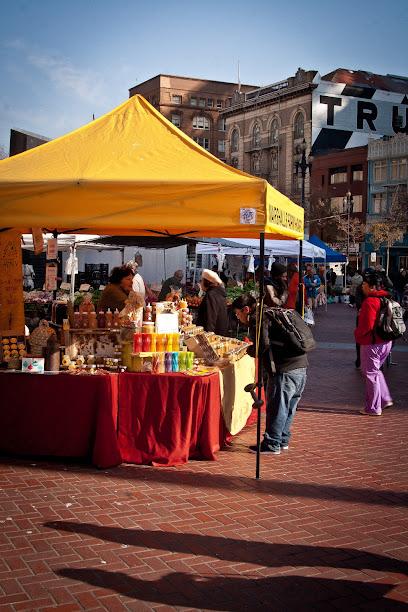
Heart of the City Farmers' Market
0.8 km
Discover the vibrant Heart of the City Farmers' Market in San Francisco, where fresh produce, artisanal treats, and local flavors come together in a lively community atmosphere.
Civic Center
0.9 km
Explore Civic Center, San Francisco's architectural marvel with stunning landmarks, vibrant parks, and rich cultural experiences waiting to be discovered.
The Fillmore
0.9 km
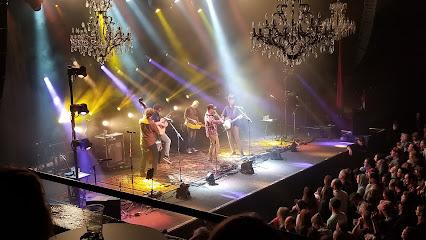
Experience the iconic Fillmore, a historic live music venue in San Francisco, where legendary performances create unforgettable memories.
Essential places to dine

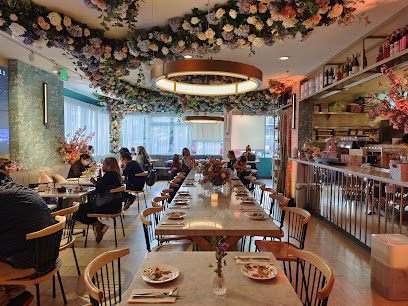
Son and Garden
0.4 km
Discover Son and Garden: A delightful New American dining experience in San Francisco's Tenderloin with fresh flavors and seasonal menus.
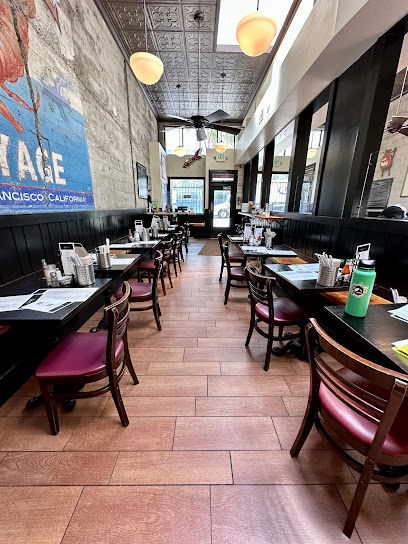
Brenda's French Soul Food
0.4 km
Experience authentic Southern cuisine at Brenda's French Soul Food in San Francisco—where every bite tells a story of rich culinary tradition.
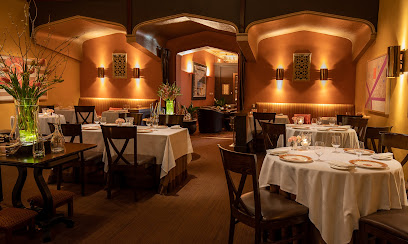
Acquerello
0.8 km
Discover Acquerello: An exquisite Southern Italian dining experience in San Francisco, where culinary artistry meets elegance.
Monsieur Benjamin
0.8 km
Experience exquisite French cuisine at Monsieur Benjamin in Hayes Valley - where modern flavors meet timeless tradition.
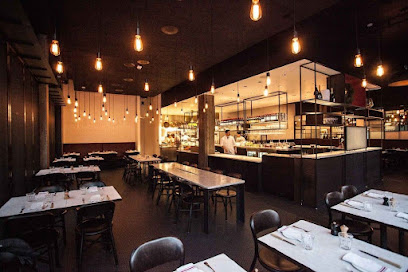
Liholiho Yacht Club
0.8 km
Discover the vibrant blend of Californian and Asian cuisines at Liholiho Yacht Club in San Francisco's Lower Nob Hill.
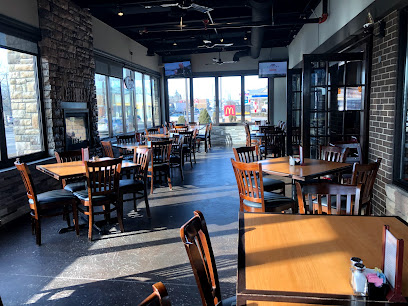
Absinthe Brasserie & Bar
0.8 km
Experience exquisite French cuisine and vibrant atmosphere at Absinthe Brasserie & Bar in San Francisco's Civic Center.
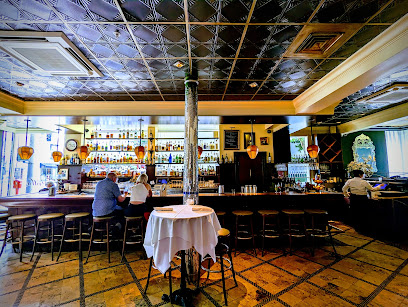
Chez Maman West
0.9 km
Savor authentic French cuisine at Chez Maman West in Hayes Valley - where culinary passion meets inviting ambiance.
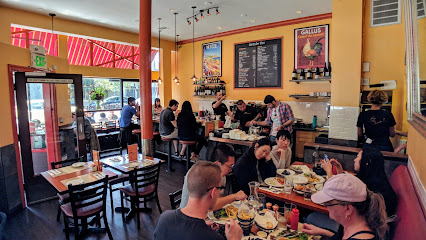
a Mano
0.9 km
Experience authentic Italian cuisine at a Mano in Hayes Valley - where fresh ingredients meet culinary creativity.
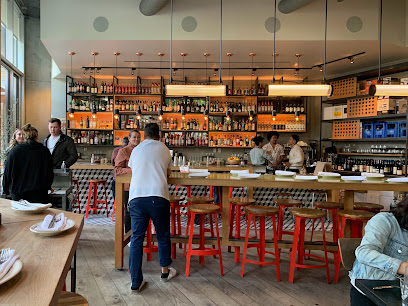
The Progress
0.9 km
Discover innovative Californian cuisine at The Progress in San Francisco’s charming Fillmore District—an unforgettable dining experience awaits!
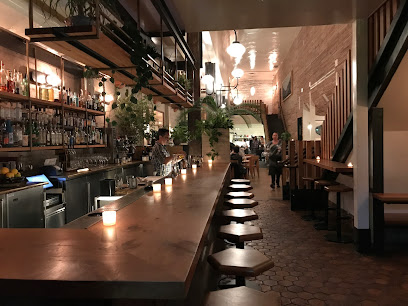
State Bird Provisions
0.9 km
Discover innovative American cuisine with a Californian twist at State Bird Provisions in San Francisco's Fillmore District.
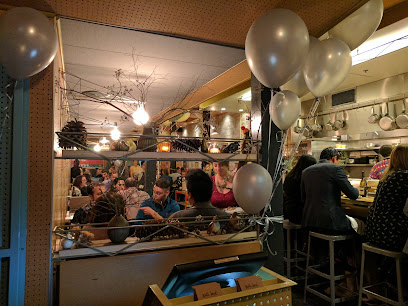
Nightbird
0.9 km
Experience exquisite Californian cuisine at Nightbird, San Francisco's premier fine dining destination known for its innovative dishes and elegant atmosphere.
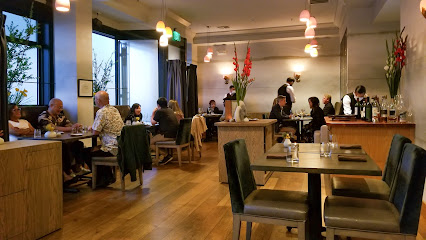
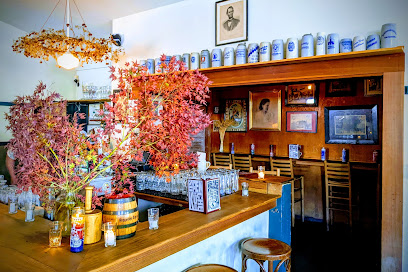
Suppenküche
1.0 km
Experience authentic German cuisine at Suppenküche in San Francisco's Hayes Valley - where every dish tells a story.
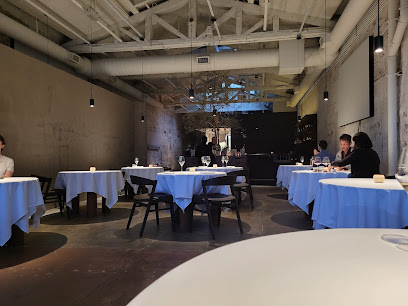
Kiln
1.0 km
Discover Kiln: A premier fine dining destination in San Francisco offering innovative cuisine and an unforgettable atmosphere.
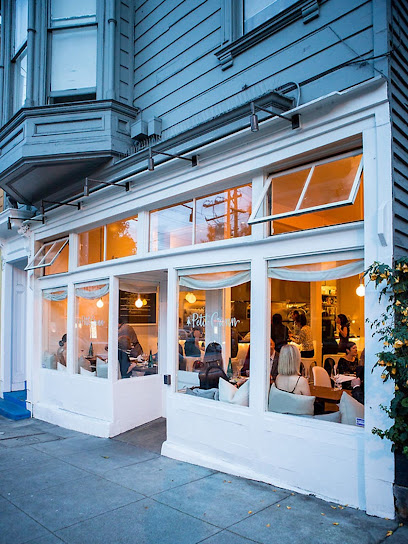
Petit Crenn
1.0 km
Discover the artful blend of tradition and innovation at Petit Crenn, a premier French restaurant in San Francisco's Hayes Valley.
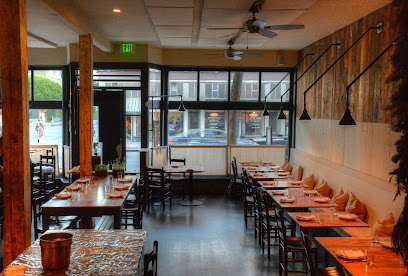
Rich Table
1.1 km
Discover Rich Table: A top-rated New American restaurant in San Francisco’s Lower Haight serving innovative dishes crafted from local ingredients.
Markets, malls and hidden boutiques

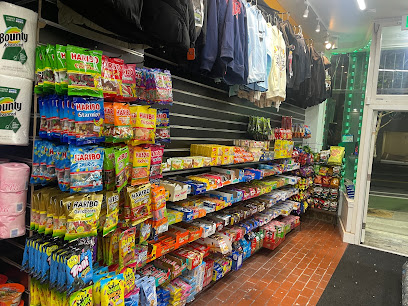
Polk market&gift shop
0.4 km
Explore Polk Market & Gift Shop for unique souvenirs and local essentials in the heart of San Francisco's vibrant Tenderloin district.
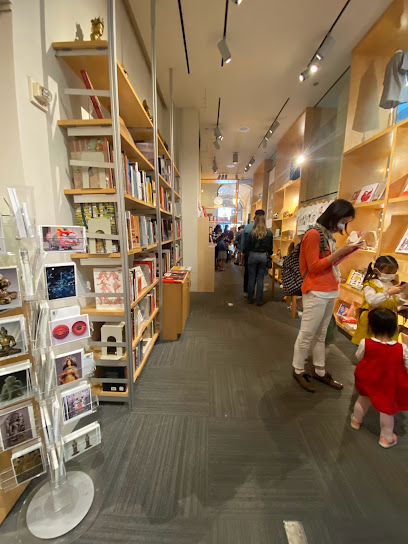
Cha May Ching Museum Boutique
0.8 km
Discover unique Asian art and cultural gifts at Cha May Ching Museum Boutique in San Francisco's Civic Center.
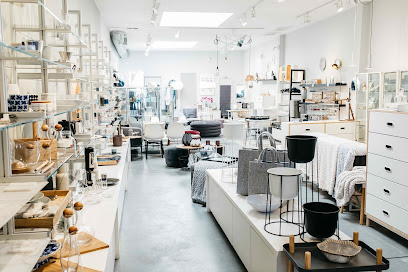
minimal
0.9 km
Discover unique gifts, stylish furniture, and exquisite jewelry at Minimal in San Francisco's Civic Center. A treasure for every taste!
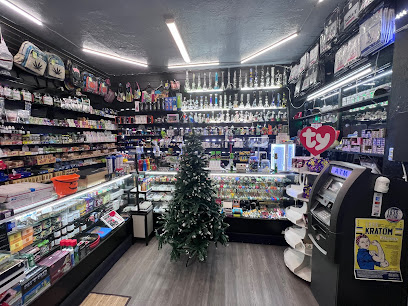
Cali Gifts & More
0.9 km
Explore the charm of Cali Gifts & More in San Francisco's Nob Hill, your go-to destination for unique souvenirs and local treasures.
Reliquary
0.9 km
Explore Reliquary, a boutique in San Francisco's Hayes Valley offering vintage clothing and unique jewelry reflecting the city's artistic spirit.
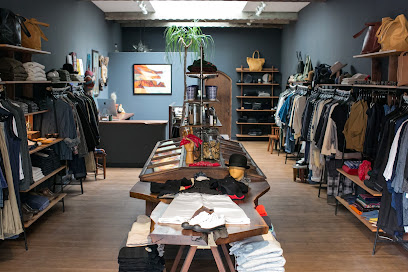
Metier
0.9 km
Discover unique, artisan-crafted jewelry at Metier in the heart of Hayes Valley, San Francisco's chic shopping destination.
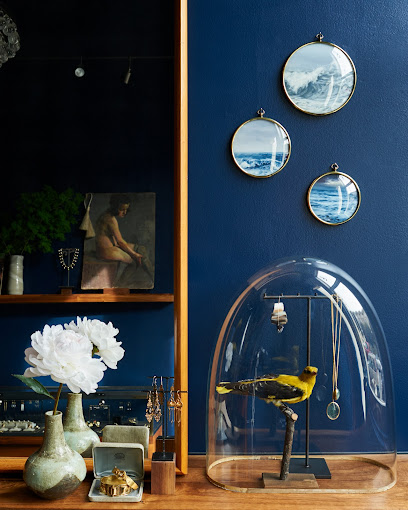
Picnic
1.0 km
Explore Picnic, a charming boutique in Polk Gulch offering unique gifts, stylish clothing, and local treasures for an unforgettable San Francisco experience.
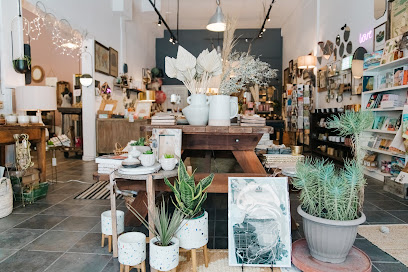
One Half
1.0 km
Discover One Half, San Francisco's unique gift shop offering eclectic souvenirs and local artisan creations in the heart of Polk Gulch.
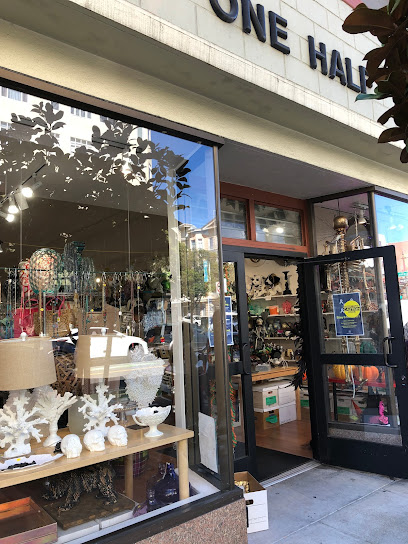
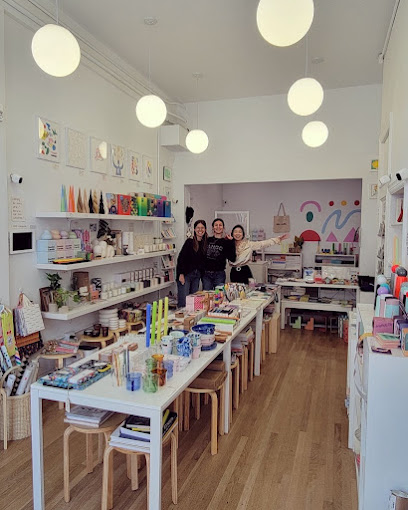
post.script.
1.1 km
Explore post.script., a charming gift shop in San Francisco offering unique greeting cards and stationery, perfect for any occasion or souvenir.
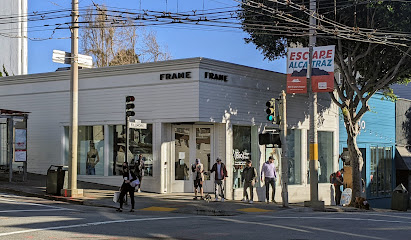
FRAME
1.1 km
Explore FRAME in Pacific Heights, a chic clothing store offering a curated collection of contemporary fashion for every style.
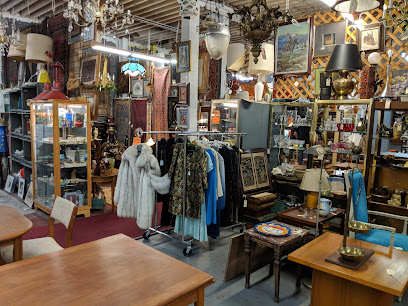
Stuff
1.1 km
Explore the eclectic charm of Stuff, an antique store in San Francisco's Polk Gulch, filled with vintage furniture, clothing, and unique decor.
New Horizons gift shop
1.2 km
Explore New Horizons Gift Shop for unique souvenirs and trendy accessories in the heart of San Francisco's SoMa district.
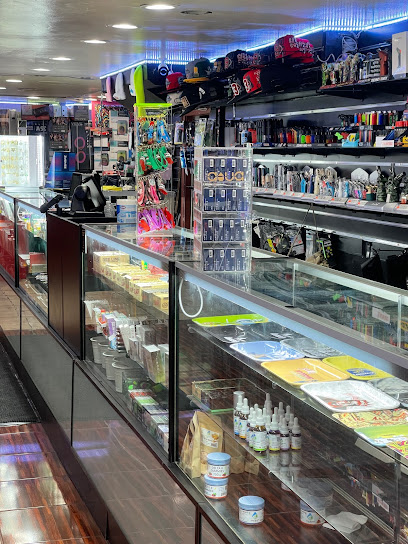
Secret Shop
1.3 km
Explore the eclectic treasures of Secret Shop in San Francisco's Union Square for unique gifts and local art that perfectly capture the city's spirit.
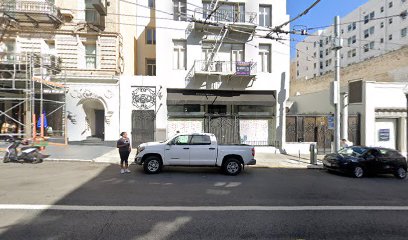
Urban Outfitters
1.4 km
Discover Urban Outfitters in San Francisco's Union Square, a trendy hub for fashion-forward clothing, unique home decor, and stylish accessories.
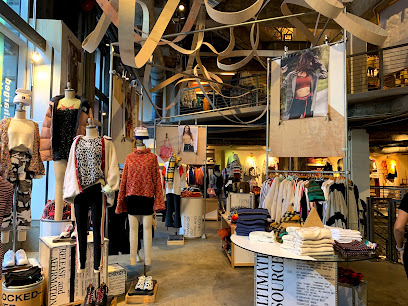
Gift Shop
1.4 km
Explore a delightful gift shop in Union Square, San Francisco, offering unique souvenirs and local treasures perfect for every traveler.
Essential bars & hidden hideouts

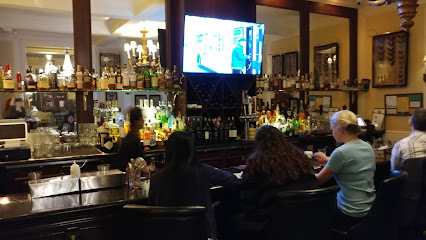
The Majestic Butterfly Lounge
0.3 km
Experience the art of mixology at The Majestic Butterfly Lounge, a stylish cocktail bar in San Francisco's Cathedral Hill, perfect for a vibrant night out.
Smuggler's Cove
0.6 km
Discover the enchanting atmosphere and exquisite cocktails at Smuggler's Cove, San Francisco's premier cocktail bar and rum haven.
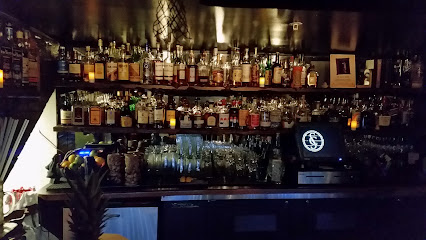
Kozy Kar
0.8 km
Experience the unique charm of Kozy Kar, a vibrant bar in San Francisco's Polk Gulch, known for its water mattresses and friendly atmosphere.
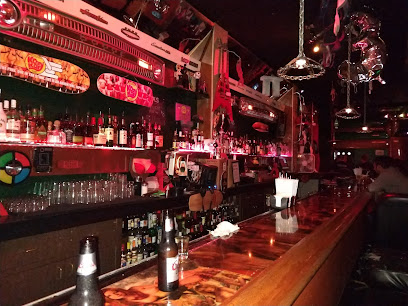
Rye Cocktail Bar
0.8 km
Discover Rye Cocktail Bar in San Francisco, a cocktail haven with expertly mixed drinks and a lively atmosphere perfect for any evening out.
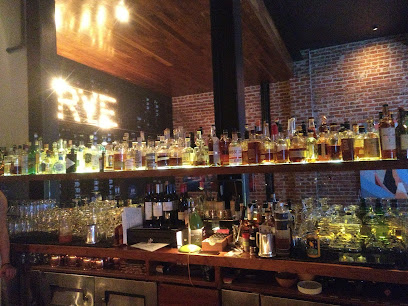
Bourbon & Branch
0.9 km
Discover the speakeasy charm of Bourbon & Branch, where expertly crafted cocktails meet a vibrant San Francisco atmosphere.
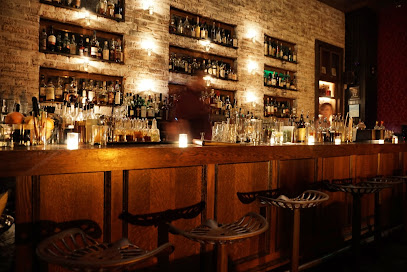
Owl Tree
1.0 km
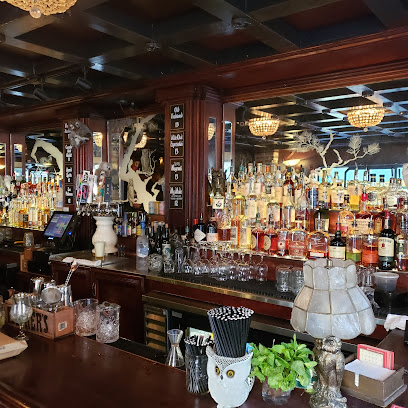
Discover Owl Tree, San Francisco's cocktail gem known for its cozy ambiance and innovative drinks perfect for any night out.
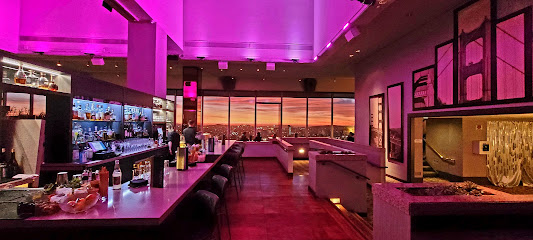
Cityscape
1.1 km
Experience the vibrant nightlife at Cityscape, where stunning views and craft cocktails create an unforgettable bar experience in San Francisco.
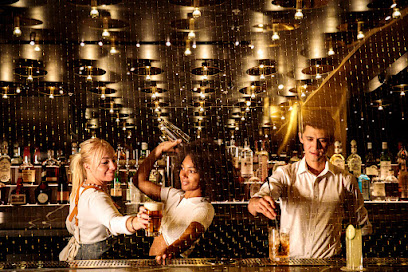
Persona
1.1 km
Discover Persona, San Francisco's stylish cocktail bar offering innovative drinks and a vibrant atmosphere in the heart of Lower Nob Hill.
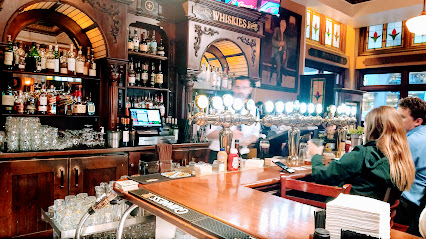
Johnny Foley's Irish House
1.3 km
Discover the heart of Ireland in San Francisco at Johnny Foley's Irish House, where lively music and delicious food create unforgettable moments.
Pacific Cocktail Haven
1.3 km
Discover San Francisco's premier cocktail experience at Pacific Cocktail Haven, where innovative drinks and a vibrant atmosphere await every visitor.
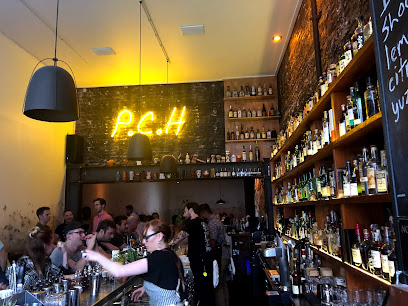
Clock Bar
1.3 km
Discover Clock Bar in Union Square: A chic lounge and restaurant offering exquisite cocktails and delectable bites in the heart of San Francisco.
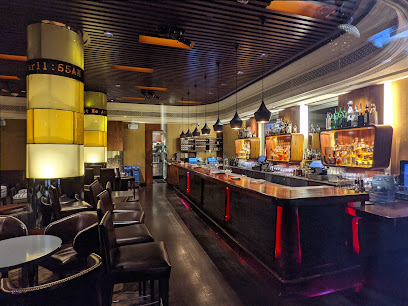
Last Drop Tavern
1.4 km
Discover Last Drop Tavern in San Francisco's Union Square, where delicious New American cuisine meets creative cocktails in a vibrant atmosphere.
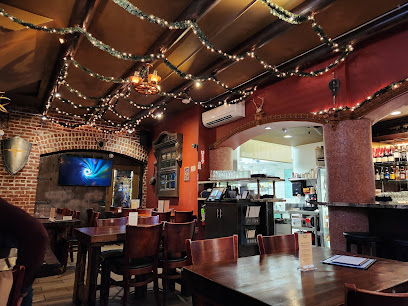
Bar Iris
1.5 km
Discover the vibrant fusion of cocktails and Japanese cuisine at Bar Iris, a must-visit culinary gem in San Francisco's Polk Gulch.
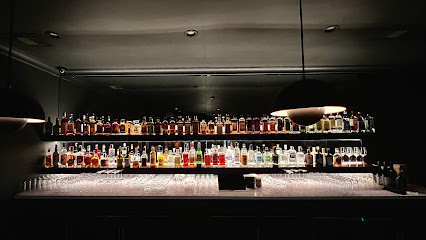
Tunnel Top Lounge and Bar
1.5 km
Discover the vibrant atmosphere of Tunnel Top Lounge and Bar in San Francisco, combining art, cocktails, and a unique lounge experience in Union Square.
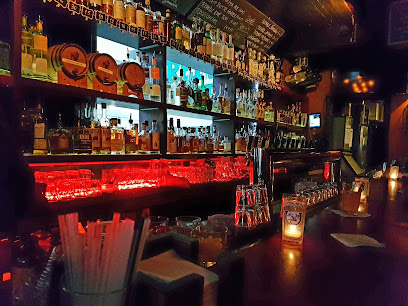
Sluts the wine bar
1.6 km
Experience the vibrant SoMa district with exquisite wines and a cozy atmosphere at Sluts the Wine Bar in San Francisco.
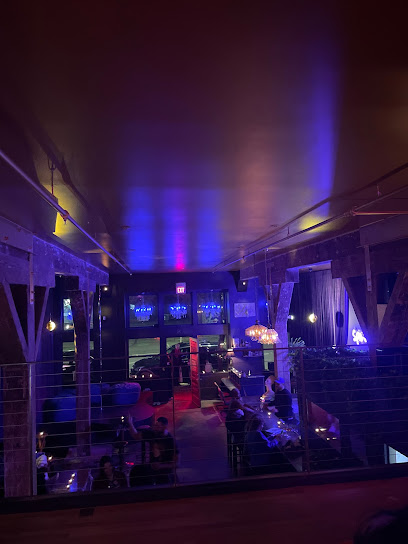
Nightclubs & after hour spots

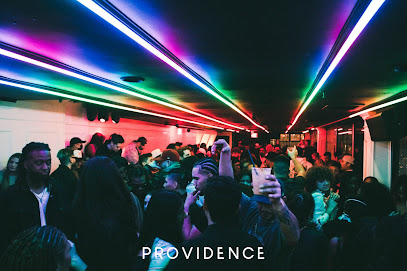
Providence Night Club
0.6 km
Dive into San Francisco's nightlife at Providence Night Club, where live music meets vibrant energy for an unforgettable evening.
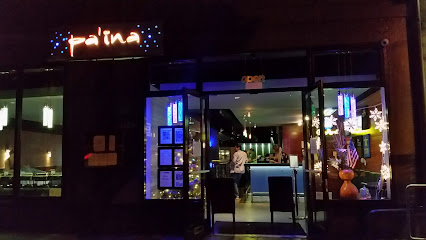
Pa'ina Restaurant & Lounge
0.8 km
Experience the vibrant flavors of Hawaiian cuisine at Pa'ina Restaurant & Lounge in San Francisco's Japantown, a perfect blend of food and festive atmosphere.
Club Six
1.2 km
Discover the pulse of San Francisco at Club Six, where art meets nightlife in a dynamic celebration of music and cocktails.
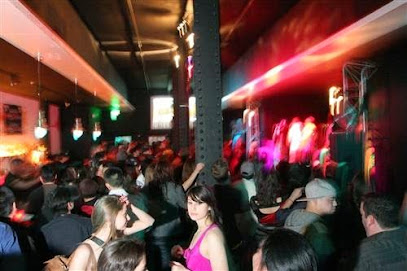
Rouge Night Club
1.3 km
Discover the pulsating nightlife at Rouge Night Club in San Francisco's Polk Gulch, where music, dance, and fun collide in a vibrant atmosphere.
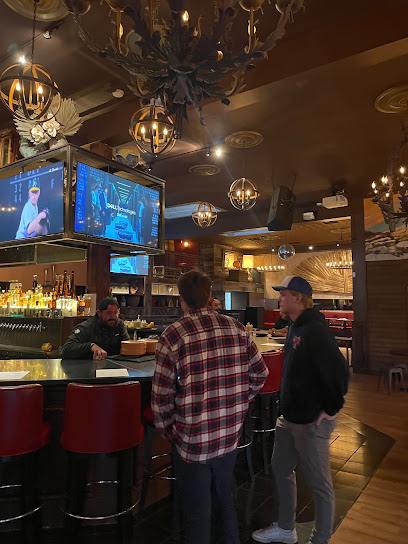
Sam's Cable Car Lounge
1.3 km
Experience the vibrant atmosphere of Sam's Cable Car Lounge - your perfect getaway in San Francisco's Union Square for drinks, food, and fun.
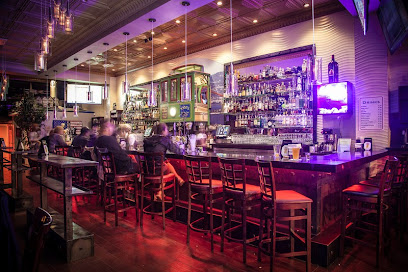
Monarch
1.3 km
Experience the vibrant nightlife at Monarch, San Francisco's premier night club and live music venue with electrifying performances and creative cocktails.
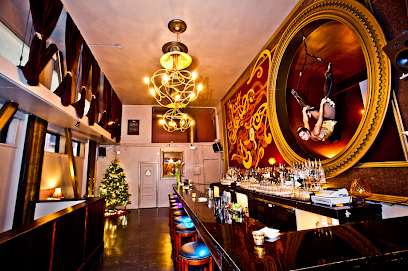
F8 Nightclub & Bar
1.6 km
Discover the pulse of San Francisco nightlife at F8 Nightclub & Bar, where music, art, and community come together for an unforgettable experience.
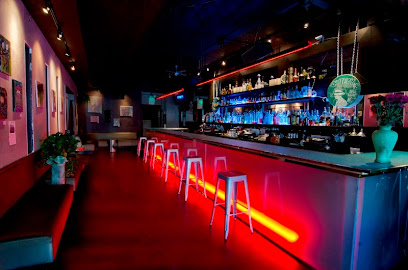
Cat Club
1.6 km
Experience San Francisco's nightlife at Cat Club, where eclectic music meets vibrant energy in the heart of SoMa.
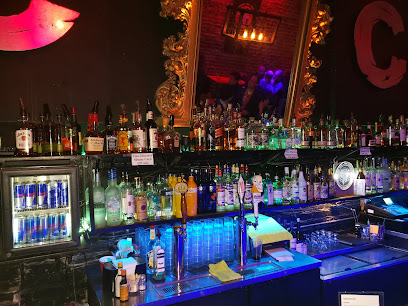
Raven Bar
1.6 km
Unleash your nightlife spirit at Raven Bar, where cocktails, dancing, and unforgettable moments come together in the heart of San Francisco's SoMa district.
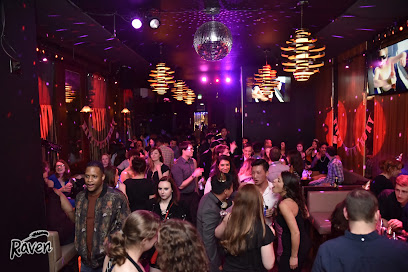
OASIS
1.6 km
Experience the vibrant nightlife at Oasis, a premier gay night club in San Francisco's SoMa district, featuring live performances and an inclusive atmosphere.
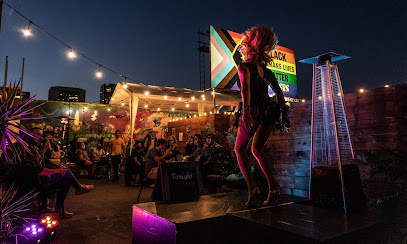
Eve Nightclub & Lounge
1.7 km
Experience the pulse of San Francisco's nightlife at Eve Nightclub & Lounge, where electrifying music and a chic atmosphere come together for an unforgettable night.
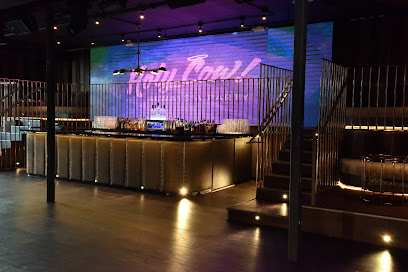
Halcyon SF
1.7 km
Discover the electrifying nightlife at Halcyon SF, a premier night club in San Francisco's SoMa district, where music and fun never stop.
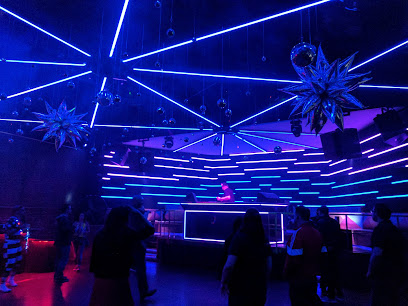
Hawthorn SF Nightclub and Lounge
1.7 km
Discover Hawthorn SF Nightclub and Lounge - the premier nightlife destination in Union Square, San Francisco, where unforgettable nights await.
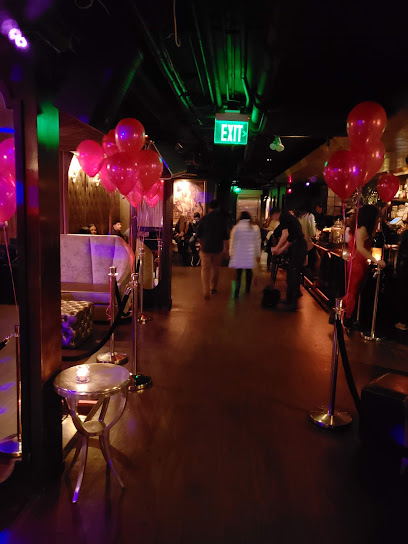
Audio Nightclub
1.7 km
Discover the vibrant nightlife at Audio Nightclub, a premier destination for music lovers and cocktail enthusiasts in San Francisco's SoMa district.
Pura Club
1.7 km
Dive into San Francisco's nightlife at Pura Club, where electrifying live music meets a vibrant dance atmosphere in the heart of SoMa.