Background

Coit Tower: A San Francisco Icon

Ascend to San Francisco's iconic Coit Tower for panoramic city views and a glimpse into Depression-era art, a timeless tribute to beauty and history atop Telegraph Hill.

4.5

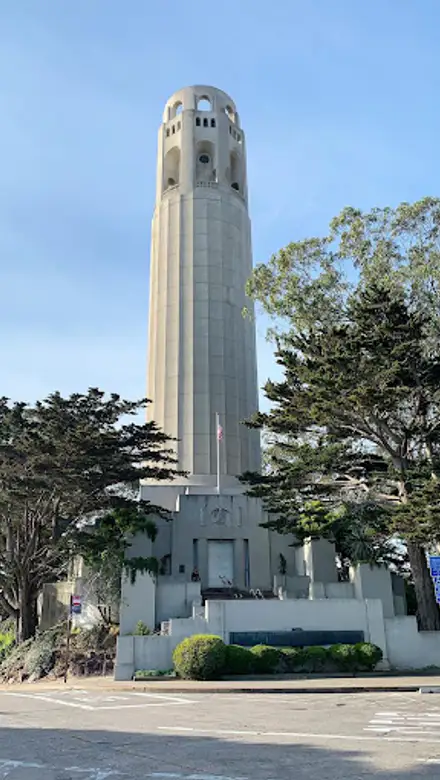
Perched atop Telegraph Hill, Coit Tower is an enduring symbol of San Francisco, offering panoramic city and bay views. Built in 1933, the tower was funded by Lillie Hitchcock Coit, a wealthy socialite and patron of the city's firefighters, who bequeathed a portion of her estate to beautify San Francisco. The 210-foot Art Deco tower not only provides stunning vistas but also houses a remarkable collection of Depression-era murals, created as part of the Public Works of Art Project. These vibrant frescoes depict scenes of California life during the 1930s, offering a glimpse into the social and economic realities of the time. Whether you ascend to the observation deck or explore the murals at the base, Coit Tower provides a unique blend of history, art, and breathtaking scenery, making it a must-see destination for any visitor.

A brief summary to Coit Tower

Local tips

  • Visit early in the morning or late in the afternoon to avoid long lines for the elevator to the observation deck.
  • Take a guided tour of the murals to gain a deeper understanding of their historical and artistic significance.
  • Wear comfortable shoes, as you may need to walk up a steep hill to reach the tower, and there are stairs to climb even if the elevator is working.
  • Bring a jacket, as it can be windy and cool at the top of Telegraph Hill, even on a sunny day.
  • Combine your visit to Coit Tower with a walk through the charming neighborhood of North Beach, known for its Italian heritage and vibrant atmosphere.
widget icon

Getting There

  • Public Transport

    From Fisherman's Wharf, take the Muni #39 Coit bus directly to Coit Tower. The bus departs from Pier 39 and travels up Telegraph Hill, dropping you off near the entrance. The ride takes approximately 20 minutes, depending on traffic. A single ride fare on Muni is $3, payable with cash, Clipper card, or the MuniMobile app. Alternatively, from downtown San Francisco, take either the #30 or #45 line to Washington Square, located at the corners of Union & Columbus and transfer to the #39 Coit Tower bus.

  • Walking

    For a scenic and active approach, walk from Fisherman's Wharf or North Beach. From Fisherman's Wharf, head south towards The Embarcadero and turn left onto Filbert Street. Follow Filbert Street uphill, using the Filbert Steps, which will lead you through a charming residential area with gardens. Alternatively, from North Beach, walk east towards Telegraph Hill and follow the signs to the Greenwich Steps. Both routes involve a steep climb, but offer stunning views along the way. Allow approximately 30-45 minutes for the walk, depending on your starting point and fitness level. There are no costs associated with walking.

  • Taxi/Ride-Share

    Taxis and ride-sharing services (Uber/Lyft) are readily available throughout San Francisco. Request a ride to Coit Tower (1 Telegraph Hill Blvd). Be aware that traffic on Telegraph Hill can be heavy, especially during peak hours, which may increase the fare. A ride from Fisherman's Wharf typically costs $8-$11 and takes approximately 3-5 minutes, while a ride from Union Square costs $15-$18 and takes approximately 6-10 minutes, depending on traffic.

  • Driving

    Driving to Coit Tower is possible, but parking is extremely limited. There is a small parking lot near the tower, but it is often full, and waits to enter can be very long. Parking in the lot is restricted to 30 minutes on weekdays and is often reserved for area residents only on weekends. If you choose to drive, follow the signs uphill from Stockton Street in North Beach. If you are lucky enough to find a spot, expect to pay around $30 for 2 hours. Due to the parking challenges, public transportation or other methods are highly recommended.

Unlock the Best of Coit Tower

Buy tickets

    No tickets available

Book tours with entry

    No tours available

Book tours without entry

    No tours available

Discover more about Coit Tower

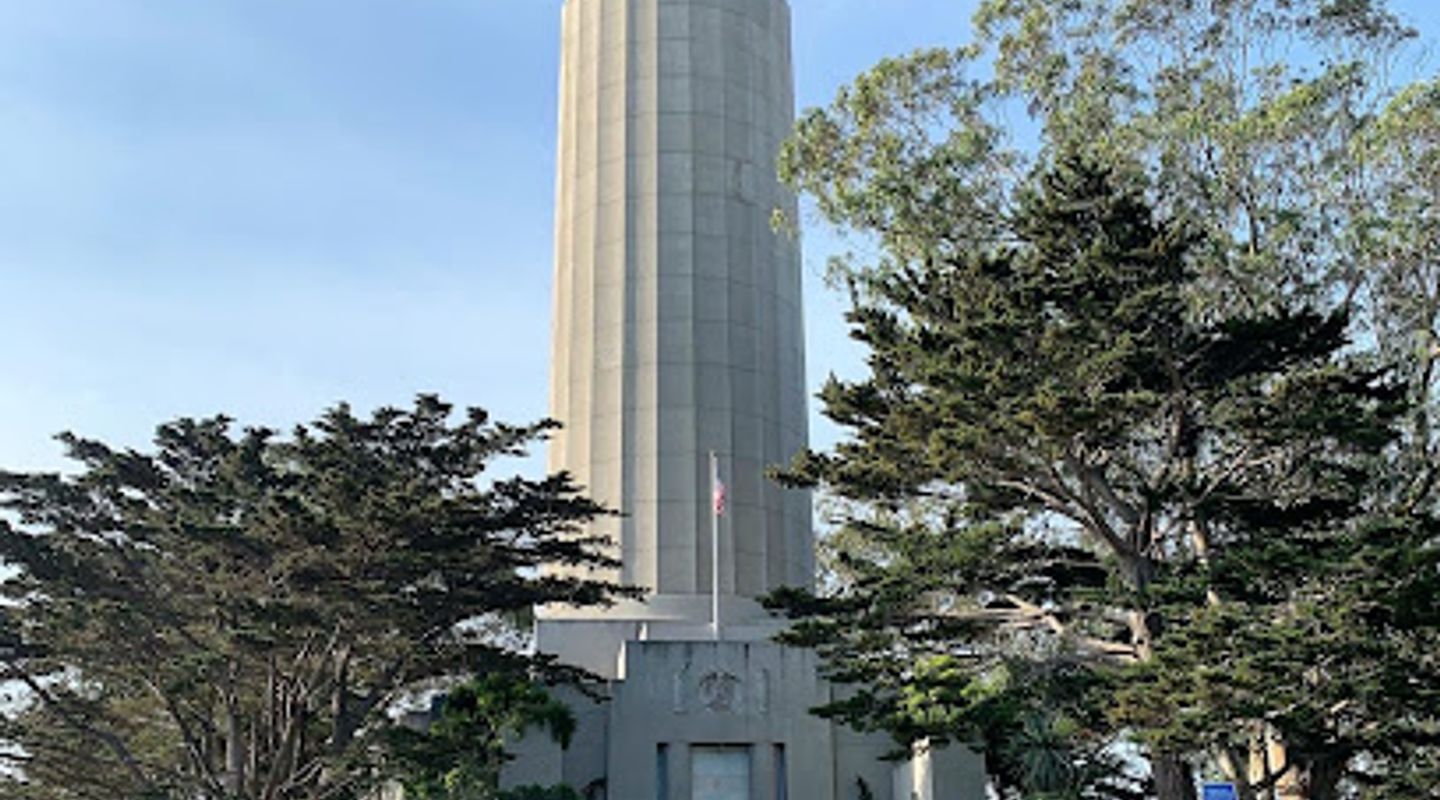
Coit Tower, a slender, white concrete column rising 210 feet above Telegraph Hill, has been a defining feature of San Francisco's skyline since its completion in 1933. More than just a visual landmark, the tower encapsulates the city's spirit of resilience, artistic expression, and appreciation for its unique history. The tower's origins lie in the generosity of Lillie Hitchcock Coit, a wealthy and eccentric San Franciscan who was a fervent supporter of the city's volunteer firefighters. Upon her death in 1929, Coit left a substantial bequest to the city with the express purpose of "adding to the beauty" of San Francisco. While a portion of her bequest also funded a monument to firefighters in Washington Square, Coit Tower stands as the most prominent and enduring testament to her vision. The Art Deco design, created by architects Arthur Brown Jr. and Henry Temple Howard, is both elegant and functional. Contrary to popular myth, the tower was not intentionally designed to resemble a fire hose nozzle. Its simple, fluted form was chosen in part due to budgetary constraints, but it has nonetheless become an iconic symbol, instantly recognizable and deeply associated with San Francisco. Inside Coit Tower lies a treasure trove of artistic and historical significance: a series of vibrant fresco murals created in 1934 as part of the Public Works of Art Project (PWAP), a New Deal program designed to provide employment for artists during the Great Depression. These murals, painted by a diverse group of local artists, depict scenes of California life during the 1930s, reflecting the social, economic, and political realities of the era. The murals offer a fascinating glimpse into the daily lives of Californians during the Depression. They portray a wide range of subjects, from agricultural workers in the fields to industrial laborers in factories, as well as scenes of urban life, political rallies, and social gatherings. The artists, many of whom held leftist political views, used their work to express their concerns about social inequality, economic injustice, and the challenges facing ordinary Americans during this turbulent period. Some of the most notable murals include: * **City Life:** Victor Arnautoff's mural captures the energy and dynamism of urban life in San Francisco, depicting scenes of bustling streets, crowded markets, and lively social gatherings. * **Industry:** John Langley Howard's mural portrays the industrial landscape of California, showcasing the factories, shipyards, and other industries that fueled the state's economy. * **Agriculture:** Suzanne Scheuer's mural depicts the agricultural heartland of California, highlighting the farms, orchards, and vineyards that provided sustenance for the state's population. * **Library:** Bernard Zakheim's mural features a group of people reading books and newspapers, symbolizing the importance of education and knowledge in a democratic society. The mural also includes a subtle reference to the controversy surrounding Diego Rivera's mural at Rockefeller Center, which was destroyed due to its political content. The creation of the Coit Tower murals was not without controversy. Some critics objected to the artists' leftist political views and accused them of promoting communist propaganda. However, the murals were ultimately preserved and have since become recognized as a valuable part of San Francisco's cultural heritage. Visiting Coit Tower offers a multifaceted experience. The ground floor, including access to view the murals, is free. For a fee, visitors can take an elevator to the observation deck at the top of the tower, which provides breathtaking 360-degree views of San Francisco, the Golden Gate Bridge, Alcatraz Island, and the surrounding bay. Knowledgeable docents offer guided tours of the murals, providing insights into the artists' lives, the historical context of the artwork, and the symbolism embedded within the paintings. These tours typically last 30-40 minutes and are available for small groups. Beyond the tower itself, Pioneer Park, which surrounds Coit Tower, offers additional opportunities for exploration and relaxation. The park features walking trails, gardens, and scenic overlooks, providing stunning views of the city and bay. It's a perfect spot for a picnic, a leisurely stroll, or simply soaking in the beauty of San Francisco. Coit Tower stands as a testament to San Francisco's unique blend of history, art, and natural beauty. Whether you're drawn to its iconic architecture, its remarkable murals, or its panoramic views, a visit to Coit Tower is an essential San Francisco experience, offering a glimpse into the city's past and a celebration of its vibrant present. Note that the elevator to the top of the tower is small and can experience long lines, especially during peak tourist season. Also, the elevator may be temporarily out of service for maintenance. In that case, the only way to reach the observation deck is by climbing 13 flights of stairs. Check the official website for current hours and elevator status before your visit. Just steps from Coit Tower is the Coit Tower Cafe, offering refreshments and light meals. Food and drinks are not allowed inside the tower itself. Coit Tower is more than just a landmark; it's a symbol of San Francisco's enduring spirit, its commitment to artistic expression, and its appreciation for the beauty that surrounds it. A visit to Coit Tower is an opportunity to connect with the city's past, experience its vibrant present, and marvel at its breathtaking future.

Popular Experiences near Coit Tower

Popular Hotels near Coit Tower

Select Currency