

Junipero Serra Statue, San Mateo Travel Guide
A towering, controversial statue of the 'Founder of California,' sparking debate about his legacy and the impact of the mission system on Native American populations.
The Junipero Serra Statue, located near a rest stop along Interstate 280 in San Mateo, California, depicts the Franciscan friar Junípero Serra, a key figure in the establishment of the California missions. Erected in 1976, the statue has become a focal point of controversy due to Serra's complex legacy. While some view him as a founder of California and a protector of Native Americans, others criticize his role in the forced conversion and mistreatment of indigenous populations. The statue itself, noted for its somewhat cartoonish and lumpy design, stands as a visual reminder of the ongoing debate surrounding Serra's historical significance and the impact of the mission system on California's native peoples. Despite the controversy, the statue remains a prominent landmark, prompting reflection on California's colonial past and its lasting effects.
A brief summary to Junipero Serra Statue
- San Mateo, California, 94402, US
- Click to display

Know before you go
Hi, I'm Eve. Here are a few practical things to know before exploring Junipero Serra Statue.
- Consider the historical context: Before visiting, research Junipero Serra and the California mission system to understand the complexities of his legacy.
- Reflect on the controversy: The statue is a focal point of debate. Take time to consider different perspectives on Serra's impact on Native American populations.
- Combine with a rest stop: The statue is located near a rest area, making it a convenient place to stretch your legs and contemplate California's history during a road trip.
Do you manage this location?
Take control to get all the benefits, like improved information, better appearance, and stronger visibility across AI-powered discovery. Learn more about listing your business on Evendo
Activate your presenceOther nearby places you may find interesting
The closest places of the same kind, if this one is not quite what you had in mind.
Explore Junipero Serra Statue on the Map
A handpicked selection of must-see spots near Junipero Serra Statue, mapped for you.
Getting There
-
Driving
The Junipero Serra Statue is located off Interstate 280 near the Crystal Springs Safety Roadside Rest Area in San Mateo County. If driving on I-280, take the exit for the rest area. The statue is visible from the freeway, situated on a hill overlooking the rest stop. Parking is available at the rest area, free of charge. From the parking area, a short path leads to the statue. Be aware that the rest area can get crowded during peak travel times.
-
Public Transport
While there isn't a direct public transportation stop at the Crystal Springs Safety Roadside Rest Area, you can take SamTrans bus routes that run along nearby roads. From a SamTrans stop on Crystal Springs Road or Skyline Boulevard, it would be a significant walk (over a mile and potentially uphill) to reach the rest area and statue. This option is not recommended without a personal vehicle due to the distance and limited pedestrian access along the freeway. SamTrans fares vary depending on the distance traveled, but a local fare is typically around $2.25. Check the SamTrans website for specific route information and schedules.
Discover more about Junipero Serra Statue













Your all‑in‑one travel companion app
Explore expert travel guides, compare and book tours, experiences, hotels, and more—all from the palm of your hand. Download now for seamless trip planning wherever your wanderlust takes you.


Explore More of San Mateo
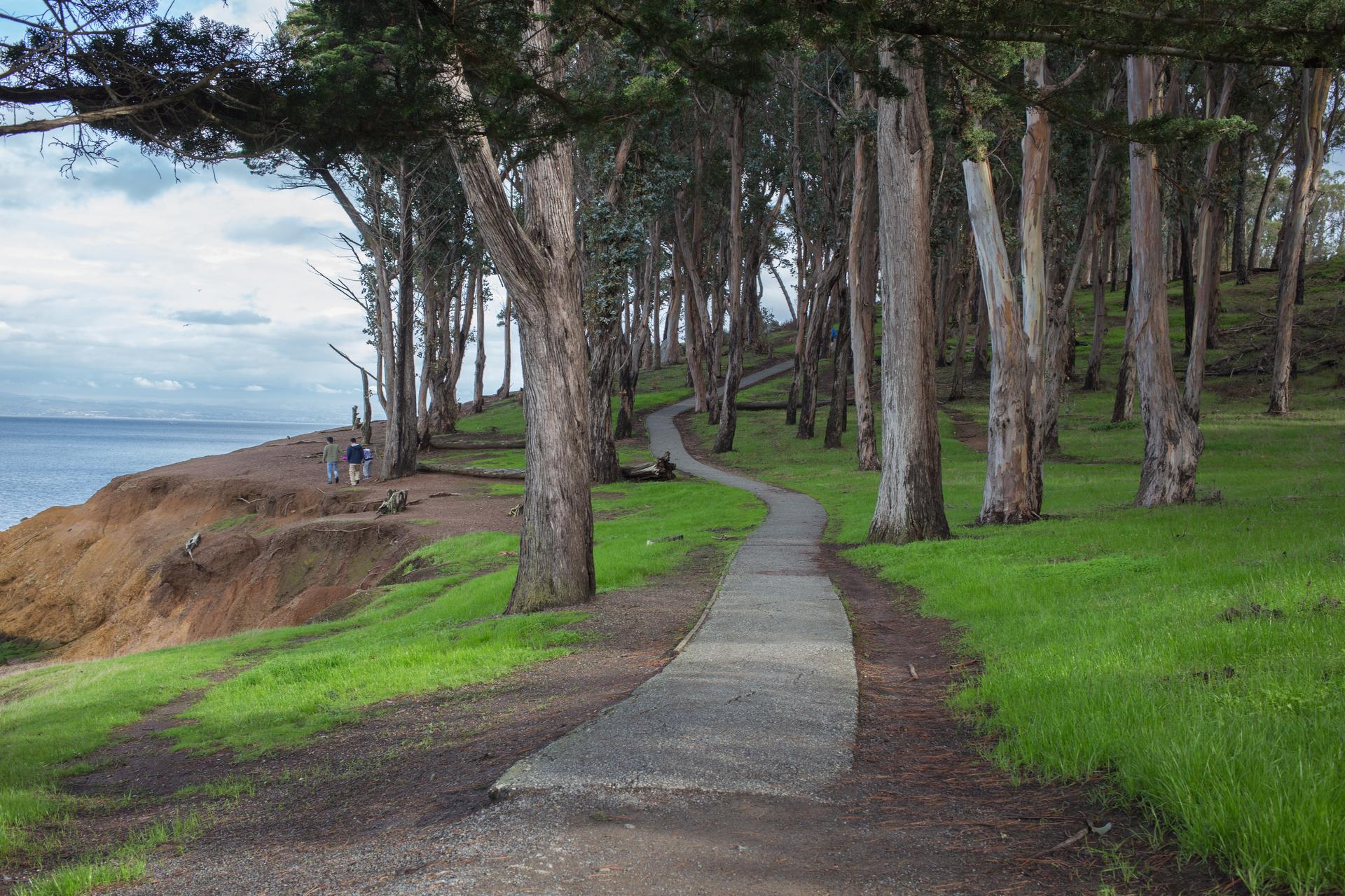
Looking beyond Junipero Serra Statue? Discover San Mateo for broader travel guides, local hot-spots, and regional highlights.
Explore San Mateo
Discover Laurelwood Park in San Mateo: A scenic escape with hiking trails, playgrounds, and picnic spots, perfect for family outings and nature lovers seeking tranquility.
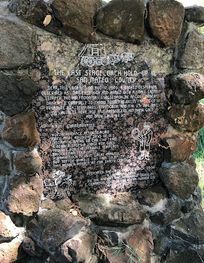
Discover the site of the last stagecoach robbery in San Mateo County on Crystal Springs Road, a unique historical landmark offering a glimpse into California's Wild West past.
