

Free Santa Barbara County Travel Guide & Mobile App
Explore Santa Barbara County with free travel guides. Discover regional history, expert tips, proposed trips, and audio guides on web or mobile app.


Explore Santa Barbara County for Spanish Colonial architecture, Pacific beaches, Chumash heritage, farm produce and Santa Ynez Valley wine.
Read more about Santa Barbara County
Getting to and around Santa Barbara County
How to get there
Transportation
Top city travel guides in Santa Barbara County
The cities of Santa Barbara County, and the easiest places to base yourself.
-

-


Swipe for more cities
Best attractions in Santa Barbara County
Santa Barbara County’s attractions range from urban heritage and coastal recreation to agricultural landscapes and protected natural areas. In Santa Barbara, visitors can explore the Santa Barbara Mission, the Old Mission gardens, the Santa Barbara County Courthouse, the Presidio district and museums focused on art, history and regional culture. Goleta offers beaches, nature areas and access to the University of California, Santa Barbara surroundings, while Carpinteria combines a small coastal centre with beach and wetland environments. Inland, the Santa Ynez Valley is known for vineyards, tasting rooms, farm stands, equestrian landscapes and the distinctive townscapes of Solvang, Los Olivos and Santa Ynez. Lompoc provides access to flower-growing country, murals and the western county’s open landscapes; the Santa Maria Valley adds agricultural heritage and barbecue traditions. Hiking, cycling, kayaking, whale watching and birding are available in suitable seasons, but conditions and access can change with fire, tides and weather. The Channel Islands are a major nearby attraction, although park transport commonly departs from Ventura outside Santa Barbara County.
-
Historical landmark
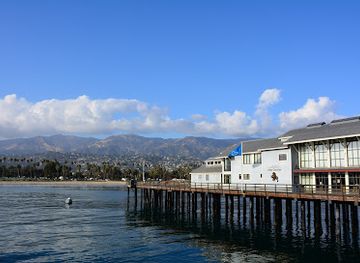
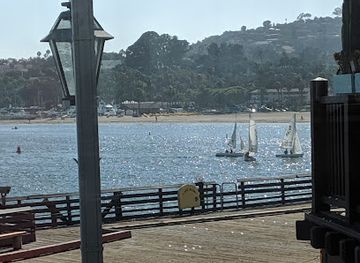
Stearns Wharf
Discover California's oldest working wooden wharf, offering dining, shopping, and stunning ocean views in the heart of Santa Barbara.
-
Zoo
Santa Barbara Zoo
Explore the enchanting Santa Barbara Zoo, where wildlife and natural beauty converge for an unforgettable family adventure in California.
-
Tourist attraction
Pier Santa Barbara
Experience the breathtaking beauty and vibrant atmosphere of Pier Santa Barbara, a perfect destination for relaxation and adventure by the sea.
-
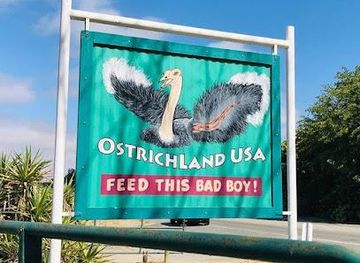
Ostrichland USA
Explore Ostrichland USA in Solvang, CA, for an unforgettable wildlife adventure with interactive ostrich experiences and educational insights.
Best landmarks in Santa Barbara County
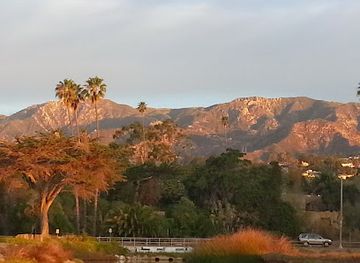
The Santa Barbara Mission is one of the county’s most recognisable landmarks, with its twin-towered façade and hilltop setting representing both Spanish colonial architecture and a difficult history of missionisation. In the city centre, the Santa Barbara County Courthouse is a notable Spanish Colonial Revival civic building, while the nearby El Presidio de Santa Bárbara State Historic Park preserves part of the late-eighteenth-century military settlement. The Old Mission and the courthouse also embody the architectural identity created or reinforced after the 1925 earthquake. Inland, Solvang’s windmill, half-timbered façades and Danish-inspired streetscape form a distinctive twentieth-century cultural landmark, while the Santa Ynez Mountains provide the county’s defining natural backdrop. Lompoc’s painted walls and murals give its centre a civic and artistic character linked to the town’s heritage. Along the coast, the Santa Barbara Channel, Gaviota coastline and Carpinteria bluffs are significant geographical features, although access and conservation rules vary. Offshore, the Channel Islands carry major ecological and cultural importance and are closely associated with the county, but individual islands and their park facilities should be checked geographically before planning a visit.
-
Historical landmark
Stearns Wharf
Experience California's oldest working wooden wharf in Santa Barbara: stunning views, fresh seafood, unique shops, and family fun await on this historic pier.
-
Mission
Old Mission Santa Barbara 1786
Discover the 'Queen of the Missions' in Santa Barbara: A historic landmark with stunning architecture, serene gardens, and a captivating glimpse into California's past.
-
State park
El Presidio de Santa Bárbara State Historic Park
Explore California's Spanish past at El Presidio de Santa Bárbara State Historic Park, where history comes to life through original and reconstructed adobe buildings and vibrant cultural exhibits.
-
State park
Chumash Painted Cave State Historic Park
Explore the ancient rock art of the Chumash Painted Cave State Historic Park in Santa Barbara, a treasure of indigenous culture and breathtaking natural beauty.

Explore Santa Barbara County on the map
Plan your trip on one map. See where the top cities, national parks and sights are, and book hotels and experiences in a few clicks.
Best hotels in Santa Barbara County
Best restaurants in Santa Barbara County
Dining in Santa Barbara County reflects the meeting of Pacific seafood, fertile agricultural valleys and California’s broader farm-to-table tradition. Coastal restaurants commonly feature locally sourced fish, shellfish and seasonal produce, while Santa Barbara’s central neighbourhoods offer cafés, bakeries, Mexican cooking, contemporary Californian menus and a range of international food. Inland, the Santa Ynez Valley pairs wine-country restaurants with tasting rooms, farm produce, olive oil and small food producers; Solvang is known for Danish-influenced bakeries and pastries, though its dining scene extends well beyond that theme. The Santa Maria Valley is associated with Santa Maria-style barbecue, traditionally centred on seasoned tri-tip, beans, salsa and garlic bread. Farmers’ markets are useful places to encounter the county’s fruit, vegetables, flowers and prepared foods, while rural inns and valley restaurants often build menus around seasonal ingredients. Reservations can be useful at popular establishments, especially at weekends, but the county also has casual taquerias, seafood counters, coffee shops and classic American diners.
-
Seafood
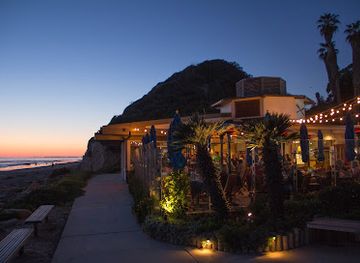
Boathouse at Hendry's Beach
Discover fresh seafood and breathtaking ocean views at Boathouse at Hendry's Beach in Santa Barbara.
-
Seafood
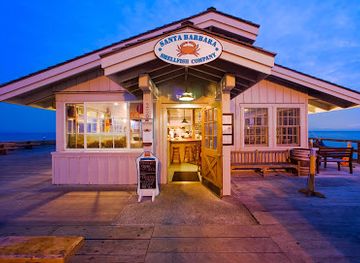
Santa Barbara Shellfish Company
Experience fresh seafood delights at Santa Barbara Shellfish Company with stunning waterfront views and a casual coastal vibe.
-
Seafood
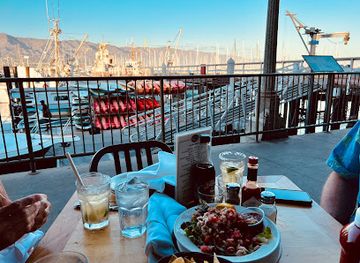
Brophy Bros.
Experience fresh seafood and stunning harbor views at Brophy Bros., Santa Barbara's iconic dining destination.
-
American
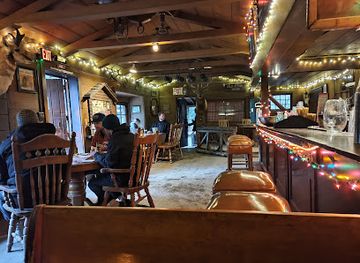
Cold Spring Tavern
Experience the rustic charm and delicious American cuisine at Cold Spring Tavern in Santa Barbara's scenic hills.
Best bars in Santa Barbara County
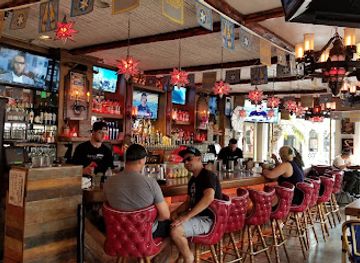
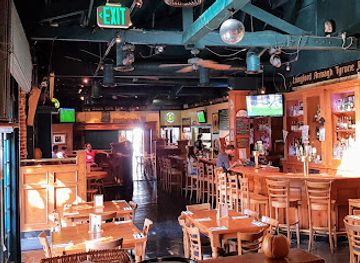
Evening life is concentrated in Santa Barbara, where the downtown, waterfront and Funk Zone areas offer wine bars, cocktail venues, breweries, live music and restaurants within walking distance of one another. The city’s nightlife is generally social and dining-led rather than dominated by large clubs, although late-evening venues do exist. Goleta provides a more dispersed selection of pubs, bars and casual restaurants, influenced in part by its university population. In the Santa Ynez Valley, Los Olivos, Solvang and Santa Ynez centre on tasting rooms, wine bars, breweries, restaurants and historic-style inns, with evenings tending to be quieter and more car-dependent than in Santa Barbara. Lompoc and Santa Maria have local pubs, bars and live entertainment but a less concentrated visitor nightlife scene. Designated drivers, taxis or pre-arranged transport are important for rural tastings, and visitors should check current venue arrangements rather than assume late-night services in smaller communities.
-
New American
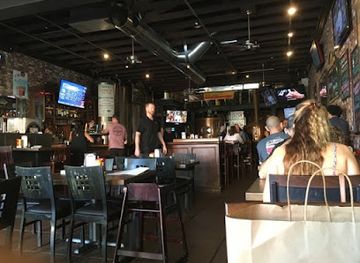
Finney's Crafthouse - Santa Barbara
Discover the vibrant flavors of New American cuisine and innovative cocktails at Finney's Crafthouse in Santa Barbara.
-
Mexican
Sandbar Cocina y Tequila - Santa Barbara
Experience the vibrant ambiance and authentic Mexican flavors at Sandbar Cocina y Tequila, a top dining and nightlife destination in Santa Barbara.
-
Irish pub
Dargan's
Experience the warmth of Irish hospitality at Dargan's, a lively pub in Santa Barbara offering authentic cuisine and a vibrant atmosphere.
-
Piano bar
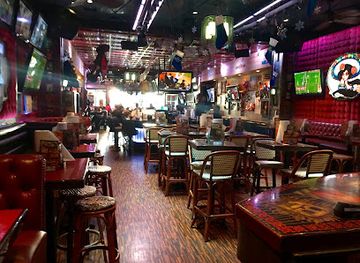
The Red Piano
Experience the vibrant nightlife at The Red Piano, a premier piano bar in Santa Barbara for live music, cocktails, and unforgettable memories.

Best nightclubs in Santa Barbara County
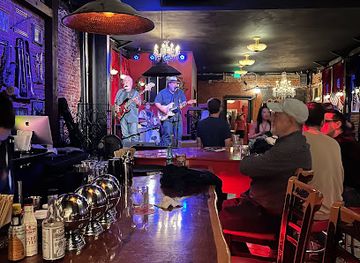
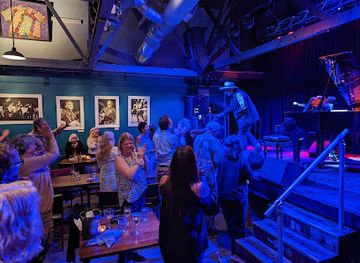
Evening life is concentrated in Santa Barbara, where the downtown, waterfront and Funk Zone areas offer wine bars, cocktail venues, breweries, live music and restaurants within walking distance of one another. The city’s nightlife is generally social and dining-led rather than dominated by large clubs, although late-evening venues do exist. Goleta provides a more dispersed selection of pubs, bars and casual restaurants, influenced in part by its university population. In the Santa Ynez Valley, Los Olivos, Solvang and Santa Ynez centre on tasting rooms, wine bars, breweries, restaurants and historic-style inns, with evenings tending to be quieter and more car-dependent than in Santa Barbara. Lompoc and Santa Maria have local pubs, bars and live entertainment but a less concentrated visitor nightlife scene. Designated drivers, taxis or pre-arranged transport are important for rural tastings, and visitors should check current venue arrangements rather than assume late-night services in smaller communities.
-
Piano bar
The Red Piano
Experience the enchanting blend of live music and signature cocktails at The Red Piano, Santa Barbara's premier piano bar and event venue.
-
Lounge
Wildcat Lounge
Discover the lively Wildcat Lounge in Santa Barbara, where vibrant cocktails and an energetic atmosphere await your arrival.
-
Live Music
SOhO Restaurant & Music Club
Discover the best of Santa Barbara nightlife at SOhO Restaurant & Music Club with delicious food, drinks, and live music performances.
-
Mexican
Baja Sharkeez - Santa Barbara
Experience the lively blend of Mexican cuisine and vibrant nightlife at Baja Sharkeez in Santa Barbara - a must-visit for every traveler.

Best shops in Santa Barbara County
Shopping in Santa Barbara County ranges from independent design and gallery districts to small-town food, craft and heritage retail. Santa Barbara’s State Street, the waterfront and the Funk Zone offer clothing, homeware, books, art, jewellery and locally produced goods, while the downtown and nearby historic districts contain galleries and specialist shops. In the Santa Ynez Valley, Los Olivos is known for tasting rooms, galleries, antiques, boutique clothing and food products, while Solvang combines Danish-themed souvenirs and bakeries with independent retailers selling crafts, books and regional produce. Santa Ynez has a more ranch-oriented small-town character, and Lompoc’s shopping is primarily local and practical, with murals adding visual interest to the centre. Farmers’ markets and farm stands are good sources of seasonal fruit, vegetables, flowers, olive oil, preserves and wine-related gifts, subject to local regulations and trading days. Visitors should distinguish genuinely local products from generic California souvenirs and should check agricultural and customs rules before carrying fresh produce or food across borders.
-
Gift shop
Santa Barbara News & Gifts
Explore unique gifts and local treasures at Santa Barbara News & Gifts, the perfect stop for souvenirs and reading materials in Santa Barbara, CA.

Get your free copy of our complete guide to Santa Barbara County, delivered straight to you.
Everything on this page, from attractions and restaurants to essentials and local phrases, in one PDF you can read offline, print or share.
Already have an account? Sign in
Your Santa Barbara County guide is ready.
We'll send it to · Not you? Sign out

Getting your guide ready…
We are putting together a fresh copy of the Santa Barbara County guide. This can take up to a minute.
This can take a few moments. If your browser asks, choose Allow so the download can start. You'll find the guide in your Downloads folder.
Nothing happened? Download it again
Sorry, the guide is taking longer than usual. Please try again in a minute, or get it by email instead.
Santa Barbara County essentials
Currency and Payment
Safety
Emergency Situations
Do's and Don'ts
Local Tips
From Eve
Local phrases worth knowing
You don't need to get them perfect. A few words go a long way, and locals appreciate the effort.
Basics
| English | Local | Say it |
|---|---|---|
| Hello | Hey | [Hey] |
| Goodbye | See ya | [See ya] |
| Yes | Yep | [Yep] |
| No | Nah | [Nah] |
| Please/You're welcome | No problem | [No prob-lum] |
| Thank you | Thanks | [Thanks] |
| Excuse me/Sorry | Sorry | [Sorry] |
| How are you? | How's it going? | [How's it go-in?] |
| Fine. And you? | Good. You? | [Good. You?] |
| Do you speak English? | Do you talk English? | [Do you talk English?] |
| I don't understand | I don't get it | [I don't get it] |
Eating & Drinking
| English | Local | Say it |
|---|---|---|
| I'd like to see the menu, please | Can I see the menu? | [Can I see the menu?] |
| I don't eat meat | I'm vegetarian | [I'm vege-tari-an] |
| Cheers! | Cheers! | [Cheers!] |
| I would like to pay, please | Can I get the check? | [Can I get the check?] |
Emergencies
| English | Local | Say it |
|---|---|---|
| Help! | Help! | [Help!] |
| Go away! | Leave me alone! | [Leave me a-lone!] |
| Call the Police! | Call 911! | [Call nine-one-one!] |
| Call a doctor! | Get a doctor! | [Get a doc-tor!] |
| I'm lost | I'm kinda lost | [I'm kinda lost] |
| I'm ill | I don't feel well | [I don't feel well] |
Shopping
| English | Local | Say it |
|---|---|---|
| I'd like to buy... | I want to buy... | [I want to buy...] |
| I'm just looking | Just browsing | [Just brows-ing] |
| How much is it? | What’s the price? | [What’s the price?] |
| That's too expensive | That's way too much | [That's way too much] |
| Can you lower the price? | Can you give me a better price? | [Can you give me a better price?] |
Time & Numbers
| English | Local | Say it |
|---|---|---|
| What time is it? | What time is it? | [What time is it?] |
| It's one o'clock | It's one | [It's one] |
| Half past (10) | Half past ten | [Half past ten] |
| Morning | Morning | [Morning] |
| Afternoon | Afternoon | [Afternoon] |
| Evening | Evening | [Evening] |
| Yesterday | Yesterday | [Yesterday] |
| Today | Today | [Today] |
| Tomorrow | Tomorrow | [Tomorrow] |
| 1 | One | [One] |
| 2 | Two | [Two] |
| 3 | Three | [Three] |
| 4 | Four | [Four] |
| 5 | Five | [Five] |
| 6 | Six | [Six] |
| 7 | Seven | [Seven] |
| 8 | Eight | [Eight] |
| 9 | Nine | [Nine] |
| 10 | Ten | [Ten] |
Transport & Directions
| English | Local | Say it |
|---|---|---|
| Where's a/the...? | Where's the ...? | [Where's the ...?] |
| What's the address? | What's the address? | [What's the address?] |
| Can you show me (on the map)? | Can you point it out? | [Can you point it out?] |
| When's the next (bus)? | When's the next bus? | [When's the next bus?] |
| A ticket (to ....) | A ticket to ... | [A ticket to ...] |
History of Santa Barbara County
Chumash Homelands Before European Settlement
For thousands of years, Chumash communities lived along the Santa Barbara Channel, the adjacent mainland and the northern Channel Islands, building societies supported by fishing, shellfish gathering, hunting, plant foods and trade. Plank canoes known as tomols enabled travel across the channel, while villages occupied coastal and inland environments linked by exchange networks. Archaeological sites, rock art and the continuing presence of Chumash communities testify to a history far older than the county’s Spanish, Mexican or American political identities. Any account of Santa Barbara County begins with these Indigenous homelands and the profound changes imposed after European colonisation.
Spanish Missions and Presidio, 1769–1820s
Spanish colonisation transformed the region from the late eighteenth century. Mission Santa Barbara was founded in 1786, while the Royal Presidio of Santa Barbara, established in 1782, became the centre of military administration on the southern Central Coast. Chumash people were drawn, often under coercive conditions, into the mission system, where labour, religious conversion and exposure to new diseases disrupted established communities. Mission buildings, presidio remains and associated landscapes still shape Santa Barbara’s visitor identity, but they also represent a contested colonial history rather than simply an architectural style.
Mexican Rule and the Rancho Era
Following Mexican independence from Spain in 1821, the missions were secularised and large land grants reshaped the region’s economy. Ranchos supported cattle, horses and agriculture across the coastal plain and inland valleys, with families such as the Carrillos and Ortegas becoming prominent in local society. Adobe buildings, historic ranch landscapes and place names preserve elements of this period. Mexican rule also connected the area more closely to coastal trade, although the ranch economy depended on structures of land concentration and Indigenous labour whose consequences continued after the United States took control of California.
American Conquest and Early Commercial Growth
The United States took possession of California after the Mexican-American War, and the Treaty of Guadalupe Hidalgo formalised the transfer in 1848. American settlement, new legal systems and expanding trade altered Santa Barbara County’s population and economy. Agriculture, cattle ranching, shipping and later rail connections encouraged the growth of towns including Santa Barbara, Lompoc and Santa Maria. The arrival of Chinese, Mexican, European and other migrant workers contributed to regional development, even as discriminatory laws and unequal access to land and citizenship shaped their experiences.
Agriculture, Oil and the Modern County
During the late nineteenth and twentieth centuries, commercial agriculture became a defining force. The county developed extensive production of beans, flowers, fruit, vegetables, avocados and wine grapes, supported by irrigation and changing transport networks. Oil extraction also became important, particularly around the Santa Maria and Santa Barbara areas and in the offshore channel. The 1969 Santa Barbara oil spill, originating from an offshore blowout near the county, became a major environmental and political turning point in the United States, strengthening public concern about marine pollution and coastal protection.
The 1925 Earthquake and Spanish Colonial Revival
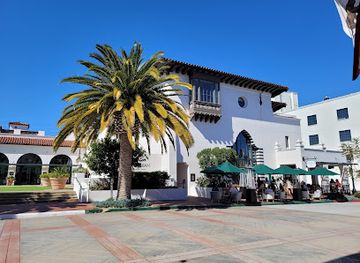
A powerful earthquake struck Santa Barbara in June 1925, destroying or severely damaging many buildings in the city centre. Reconstruction adopted a coordinated Spanish Colonial Revival vocabulary, encouraging white stucco walls, red tile roofs, arcades and ornamental detailing. The resulting architectural character is not an untouched survival from the mission era but a deliberate twentieth-century civic and commercial reconstruction. The earthquake therefore reshaped Santa Barbara’s visual identity and helped establish the historic appearance that visitors associate with the city today.
Wine Country and Heritage Tourism
From the late twentieth century, vineyards expanded across the Santa Ynez Valley and other suitable parts of the county, joining established agriculture with a growing wine-tourism economy. Towns such as Los Olivos, Santa Ynez and Solvang became centres for tasting rooms, restaurants and rural hospitality, while film and television attention increased the valley’s profile. Contemporary Santa Barbara County balances this visitor economy with water pressures, wildfire risk, housing challenges, agricultural land protection and the need to acknowledge Chumash cultural heritage rather than presenting the landscape as an empty pastoral setting.
Santa Barbara County in Photos
Browse through our photo collection highlighting the charm and character of the destination.
Neighbouring regions of Santa Barbara County
The closest regions to Santa Barbara County, if you have time for more than one.
-
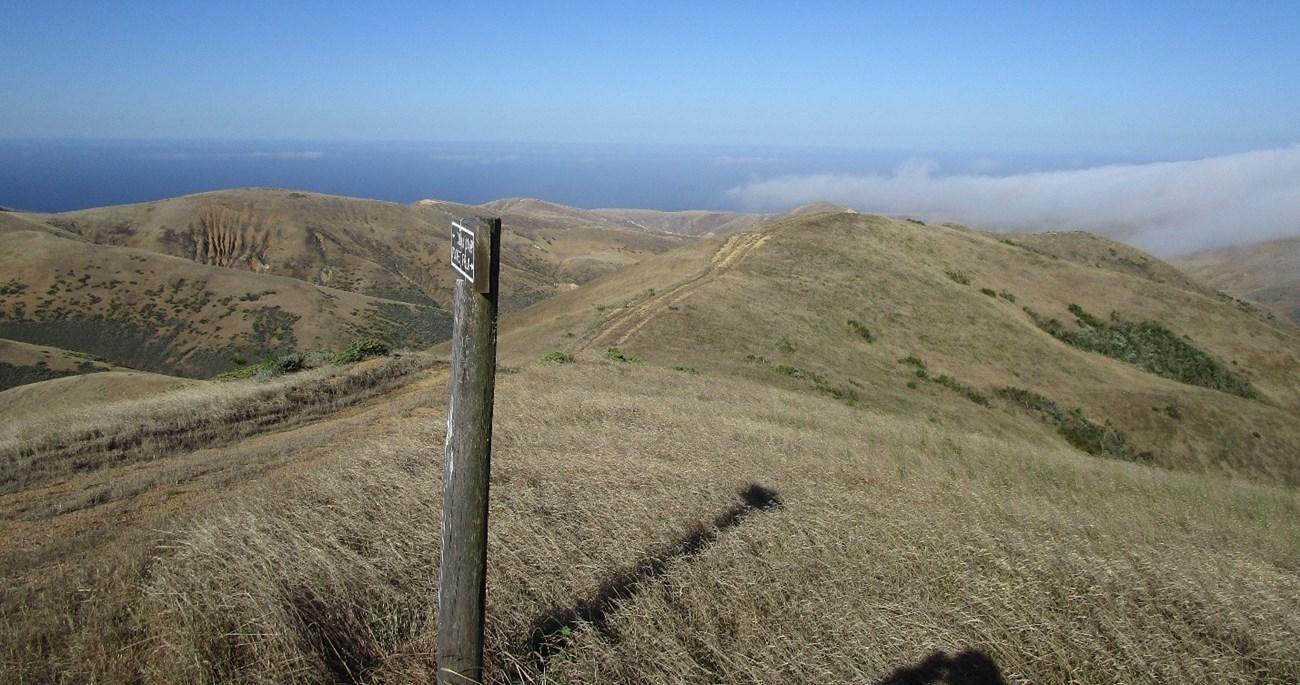 Ventura County
Discover Ventura County, California's hidden treasure, offering stunning coastlines, vibrant arts, and endless outdoor adventures in a serene, historic setting.
Ventura County
Discover Ventura County, California's hidden treasure, offering stunning coastlines, vibrant arts, and endless outdoor adventures in a serene, historic setting.
-

-

-
-


Swipe for more regions
Explore more
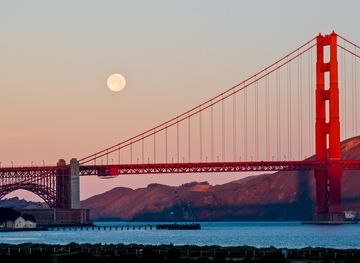
Explore more of California
Discover California: A land of diverse landscapes, iconic cities, and endless adventures, from sun-soaked beaches to towering redwoods and vibrant cultural experiences.
Explore California