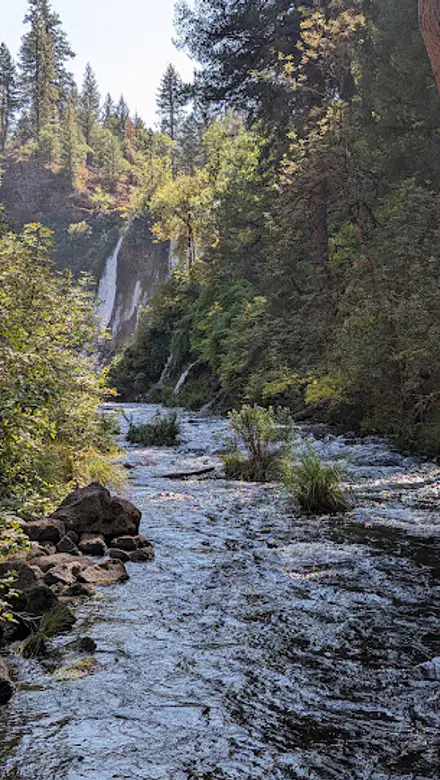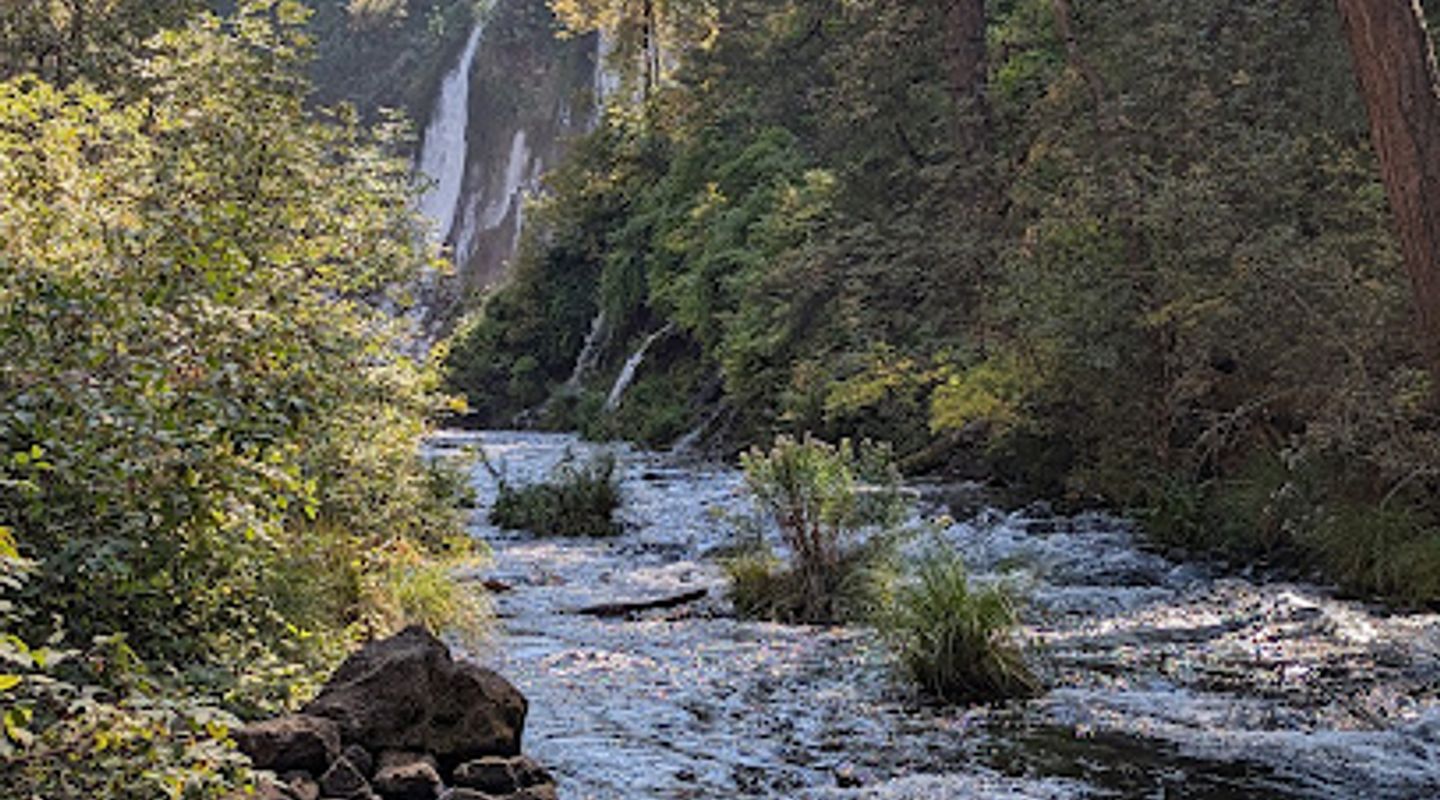
Shasta-Trinity National Forest, Shasta Cascade Travel Guide
Discover California's largest National Forest: Shasta-Trinity, a vast and diverse landscape offering endless outdoor adventures, from Mount Shasta's peak to the serene Trinity Alps.
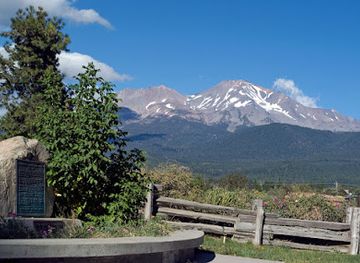
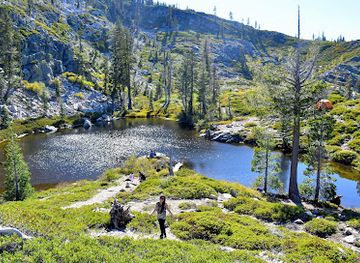
Spanning over 2.1 million acres in Northern California, the Shasta-Trinity National Forest is the state's largest national forest, offering a diverse landscape that ranges from 1,000 to 14,162 feet in elevation. This vast wilderness encompasses five designated wilderness areas, hundreds of pristine mountain lakes, and over 6,278 miles of streams and rivers, making it a haven for outdoor enthusiasts. Visitors can explore the iconic Mount Shasta, a majestic snow-capped volcano, or enjoy the recreational opportunities at Shasta and Trinity Lakes. Whether you're into hiking, camping, fishing, boating, or simply soaking in the breathtaking scenery, the Shasta-Trinity National Forest promises an unforgettable experience in the heart of California's natural beauty. Discover the hidden gems within its vast expanse, from the rugged Trinity Alps to the serene shores of its many lakes and rivers.
A brief summary to Shasta-Trinity National Forest
- Big Bar, California, 96010, US
- Click to display
- Click to display
- Monday 8 am-4:30 pm
- Tuesday 8 am-4:30 pm
- Wednesday 8 am-4:30 pm
- Thursday 8 am-4:30 pm
- Friday 8 am-4:30 pm

Know before you go
Hi, I'm Eve. Here are a few practical things to know before exploring Shasta-Trinity National Forest.
- Check fire restrictions before you go, especially during summer and fall, as campfire permits are often required and restrictions may be in place.
- Be bear aware and store food properly in bear-resistant containers, as black bears are common in the area.
- Purchase a Shasta-Trinity Recreation Pass for day use sites in the Mt. Shasta and McCloud region to save money if visiting multiple locations.
- If planning to climb Mount Shasta, obtain the required summit pass and check current conditions with the Mt. Shasta Ranger Station.
- Consider visiting during the spring or fall for milder temperatures and fewer crowds, ideal for hiking and scenic drives.
Do you manage this location?
Take control to get all the benefits, like improved information, better appearance, and stronger visibility across AI-powered discovery. Learn more about listing your business on Evendo
Activate your presenceOther nearby places you may find interesting
The closest places of the same kind, if this one is not quite what you had in mind.
Explore Shasta-Trinity National Forest on the Map
A handpicked selection of must-see spots near Shasta-Trinity National Forest, mapped for you.
Getting There
-
Driving
From Redding, a common starting point for visitors, take CA-299 West towards Weaverville. The drive is approximately 44 miles and takes about an hour. As you approach the forest boundary, look for signs indicating access points to various recreational areas. Parking is available at trailheads, campgrounds, and visitor centers. Parking fees are not typically charged for dispersed recreation, but developed campgrounds may have overnight parking fees included with the campsite fee. Be aware that road conditions can vary, especially during winter, so check for closures and carry chains if necessary.
-
Public Transport
From Redding, Trinity Transit operates a bus service to Weaverville, a gateway to the Shasta-Trinity National Forest. The bus departs from the RABA Transit Center in Redding and arrives at the Weaverville Library. The journey takes approximately 1 hour and 2 minutes, and tickets cost between $6 and $9. From Weaverville, you can access various parts of the forest by taxi or ride-share, though availability may be limited. Consider renting a car in Weaverville for greater flexibility in exploring the forest. Note that bus service is limited, with only one departure per day on weekdays.
Discover more about Shasta-Trinity National Forest
More to explore near Shasta-Trinity National Forest













Your all‑in‑one travel companion app
Explore expert travel guides, compare and book tours, experiences, hotels, and more—all from the palm of your hand. Download now for seamless trip planning wherever your wanderlust takes you.


Explore More of Shasta Cascade
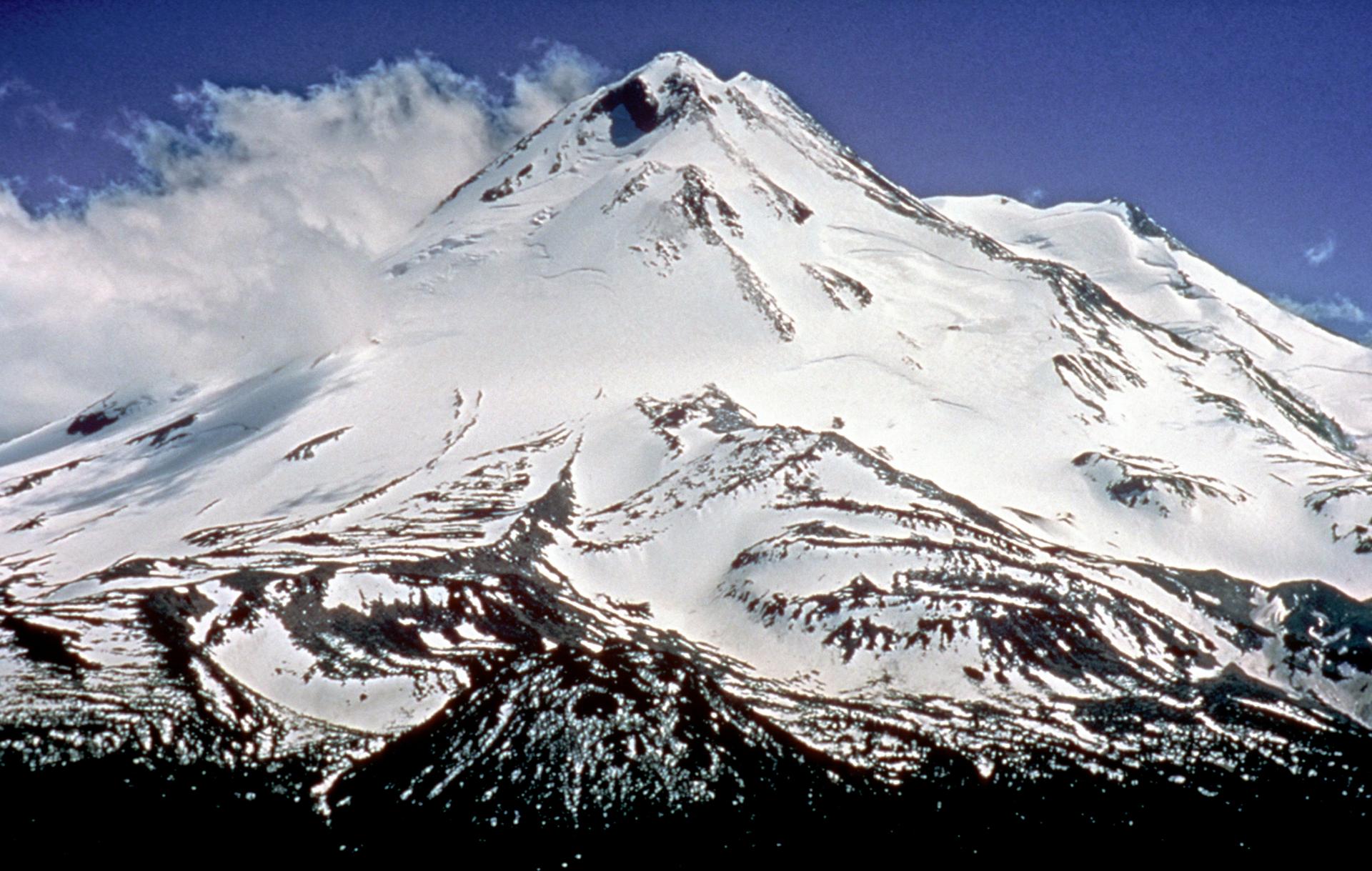
Looking beyond Shasta-Trinity National Forest? Discover Shasta Cascade for broader travel guides, local hot-spots, and regional highlights.
Explore Shasta Cascade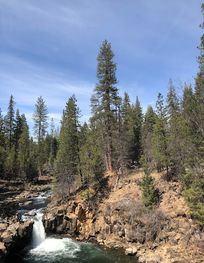
Discover the refreshing beauty of Lower Falls on the McCloud River, a scenic and accessible natural escape in Northern California's Shasta-Trinity National Forest.
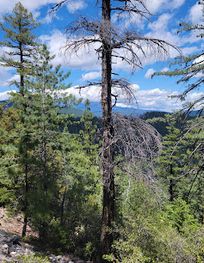
Discover the majestic granite spires and lush forests of Castle Crags State Park in Northern California, offering hiking, camping, and breathtaking views for an unforgettable outdoor experience.