Alpha and Omega: Echoes of the Gold Rush
Explore the remnants of California's Gold Rush at Alpha and Omega, where hydraulic mining reshaped the landscape and left a lasting legacy near Nevada City.
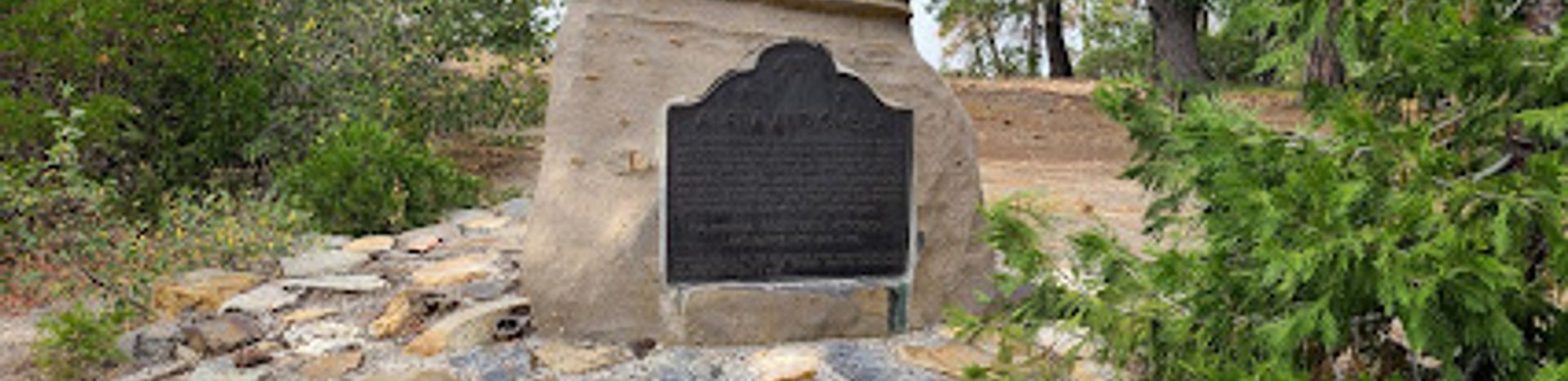
California Historical Landmarks 628 and 629, known as Alpha and Omega, offer a glimpse into the state's rich Gold Rush history. Located near Nevada City, these landmarks mark the sites of former mining towns engulfed by hydraulic diggings in the 1850s. While the towns themselves have vanished, the area provides scenic views and a connection to California's past. Visitors can explore the remnants of this transformative era, imagining the bustling activity that once defined these now-peaceful landscapes. The area is a testament to the ambition and environmental impact of hydraulic mining, offering a sobering yet fascinating look at a pivotal time in California's development. Today, the area is popular for hiking and mountain biking, allowing visitors to experience the natural beauty alongside the historical significance. Don't miss this chance to step back in time and reflect on the legacy of the Gold Rush.
A brief summary to California Historical Landmarks 628 and 629: Alpha and Omega
- 867W+XX, Nevada City, California, 95959, US
Local tips
- Visit during the golden hour for breathtaking photos of the landmarks against the sunset.
- Check local events, as guided tours may be available on weekends.
- Wear comfortable shoes for exploring the surrounding trails and enjoy the natural beauty.
- Bring a picnic to enjoy at nearby scenic spots after your visit.
- Consider visiting the local museum to gain further insights into the area's history.

Getting There
-
Driving
If driving from Nevada City, take Highway 20 west for approximately 17 miles. The Alpha and Omega observation site is located directly off Highway 20. Limited parking is available at the Omega Rest Area. Be aware that Highway 20 can be subject to winter weather conditions; check road conditions before you go.
-
Public Transport
From the Nevada City Transit Center, take the Gold Country Stage bus service towards Washington. Check the schedule for routes and stops. From there, you will need to walk or bike the remaining distance to the Alpha and Omega site. Confirm the bus schedule for return times, as service may be limited. A single ride fare is approximately $2.00 - $4.00.
-
Walking
If you are already near the Omega Rest Area on Highway 20, the landmark is easily accessible by foot. Follow the short interpretive trail from the rest area to the observation deck for sweeping views of the historic diggings.
Discover more about California Historical Landmarks 628 and 629: Alpha and Omega
Iconic landmarks you can’t miss

California Historical Landmarks 628 and 629: Alpha and Omega
0.0 km
Explore the remnants of California's Gold Rush at Alpha and Omega, where hydraulic mining reshaped the landscape and left a lasting legacy near Nevada City.
Gold Run historic landmark
18.1 km
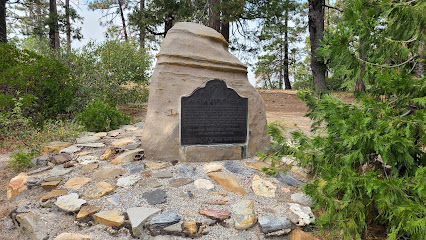
Explore Gold Run, a historic landmark steeped in California's Gold Rush history, surrounded by breathtaking Sierra Nevada landscapes.
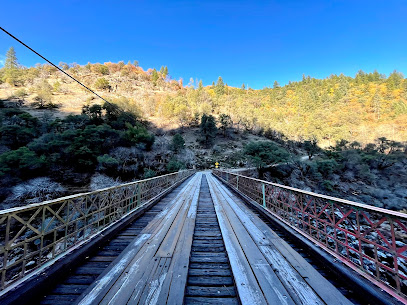
Edwards Crossing Bridge
20.0 km
Discover the historic Edwards Crossing Bridge near Nevada City, CA: a scenic gateway to swimming, hiking, and Gold Rush history in the South Yuba River State Park.
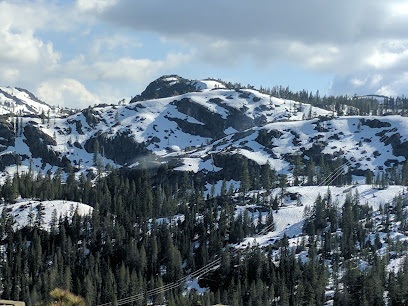
Tahoe National Forest
20.1 km
Discover rugged beauty, historic sites, and year-round recreation in Tahoe National Forest, a vast Sierra Nevada treasure offering hiking, skiing, and unparalleled natural experiences.
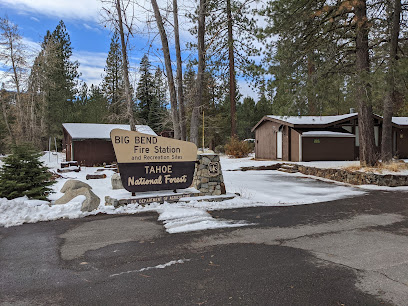
Overland Emigrant Trail (California Historical Landmark No. 799-2)
20.2 km
Walk in the footsteps of pioneers on this historic trail near Soda Springs, CA, and discover the resilience and spirit of the American West during the California Gold Rush era.
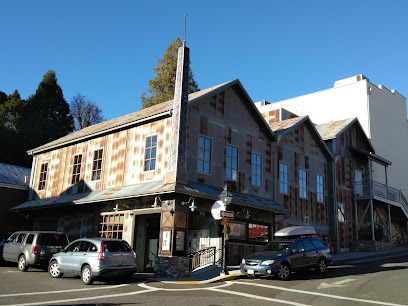
Miners Foundry Cultural Center
23.8 km
Explore the rich history and vibrant cultural scene at Miners Foundry Cultural Center in Nevada City, home to live music, art, and community events.
Iowa Hill Historical Marker
25.1 km
Explore California's Gold Rush heritage at the Iowa Hill Historical Marker, where history meets stunning natural beauty.
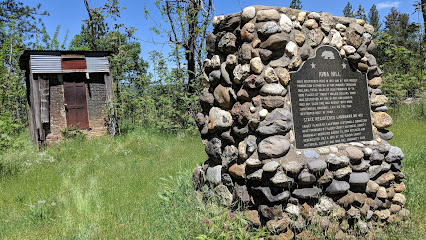
Cement Hill Nisenan burial site-
25.9 km
Discover the poignant history and enduring legacy of the Nisenan people at the Cement Hill burial site in Nevada City, a place of remembrance and cultural significance.
Downieville Museum
28.0 km
Discover Downieville's Gold Rush history at the Downieville Museum, housed in an 1852 stone building, showcasing artifacts, photos, and stories of this captivating mountain town.
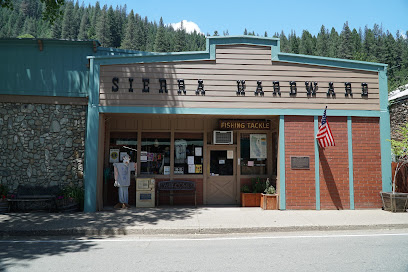
Empire Mine State Historic Park Visitors Center
28.0 km
Explore California's Gold Rush heritage at Empire Mine State Historic Park with stunning gardens and rich history.
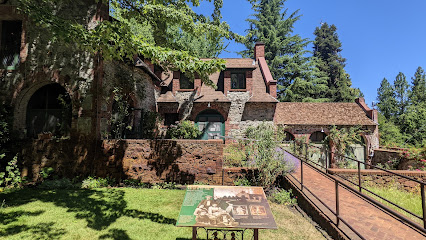
Colfax Heritage Museum
29.6 km
Uncover the captivating history of Colfax, California at the Colfax Heritage Museum, a treasure trove of local heritage and stories.
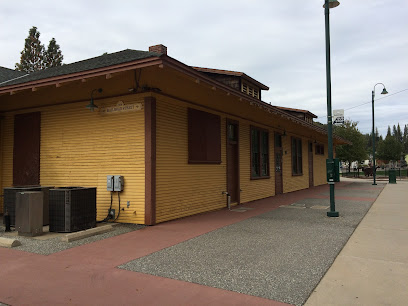
California Historical Landmark 297: Gold Hill Mine
29.8 km
Explore the captivating Gold Hill Mine, a historical landmark in Grass Valley, California, and discover the rich stories of the Gold Rush era.
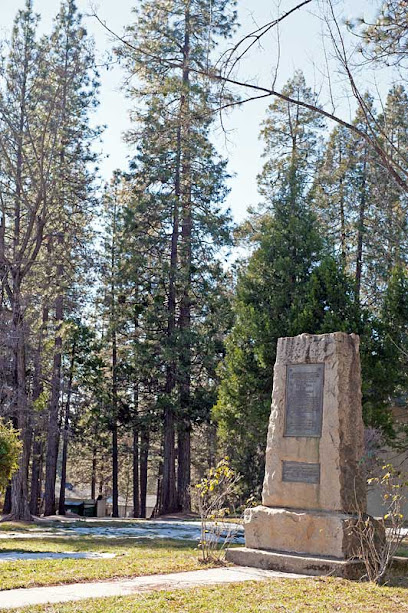
Kentucky Mine Museum
30.7 km
Discover California's Gold Rush history at the Kentucky Mine Museum in Sierra City: Explore a preserved mine, operational stamp mill, and captivating stories of the past.
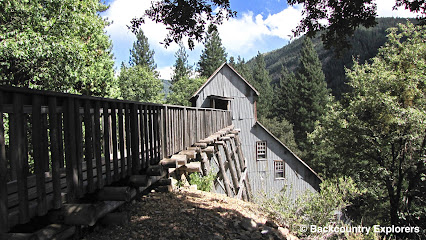
Sierra County Historical Society
30.7 km
Explore the rich heritage of Sierra County at the Sierra County Historical Society, where history comes alive through engaging exhibits and personal stories.
The North Star House
31.0 km
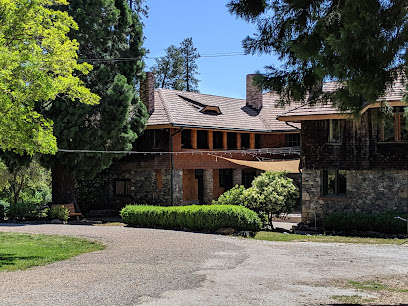
Explore The North Star House, a historic wedding and event venue in Grass Valley, California, surrounded by breathtaking gardens and rich heritage.
Unmissable attractions to see

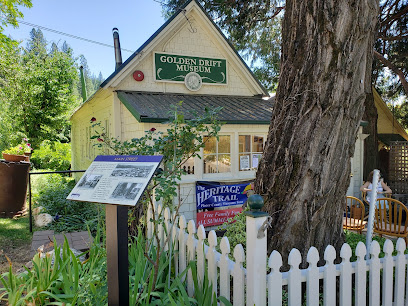
Golden Drift Museum
14.2 km
Explore the Golden Drift Museum in Dutch Flat, California – a captivating journey through the rich history of the Gold Rush era.
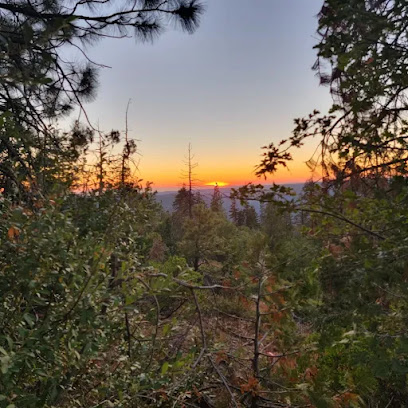
China Wall Staging Area
19.3 km
Explore the stunning China Wall Staging Area in Foresthill, California, where breathtaking views and adventure await in every corner of this scenic paradise.
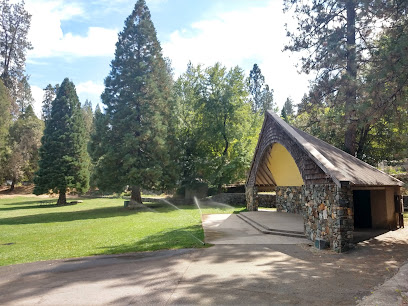
Pioneer Park
23.2 km
Explore Pioneer Park in Nevada City, CA - a serene retreat filled with lush landscapes, walking trails, and vibrant community events.
Fire House #1 Museum
23.5 km
Explore the legacy of firefighting at Fire House #1 Museum in Nevada City, where history and community converge in a charming historic setting.
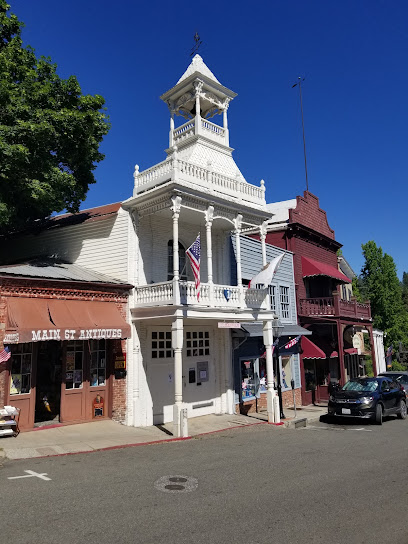
Scavenger Hunt Walking Tours - Nevada City
23.6 km
Explore Nevada City's hidden treasures and rich history through an engaging scavenger hunt adventure perfect for all ages.
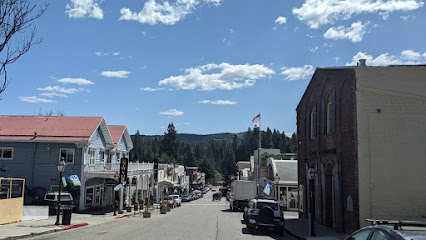
Nevada County Narrow Gauge Railroad Museum
24.1 km
Discover Nevada County's transportation history at this museum dedicated to the narrow gauge railroad era.
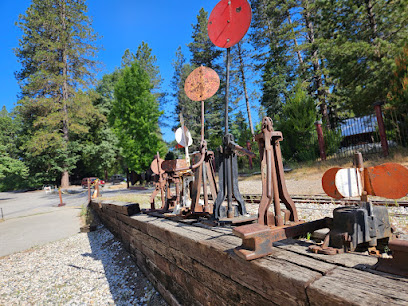
Empire Mine State Historic Park
28.0 km
Step back in time at California's Empire Mine, explore historic buildings, and discover the golden legacy of the Gold Rush era.
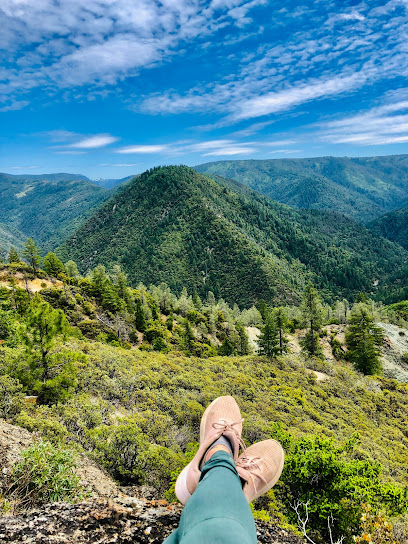
Northstar Mining Museum
29.8 km
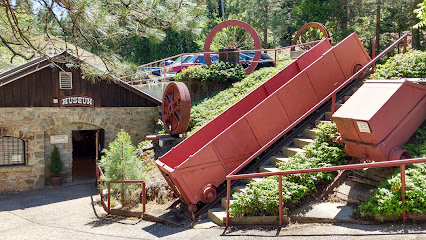
Explore California's Gold Rush history at the Northstar Mining Museum in Grass Valley, home to the world's largest Pelton wheel and authentic mining exhibits.
Sierra Buttes Fire Lookout
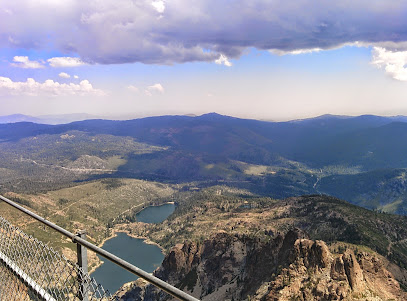
32.2 km
Discover breathtaking views and rich history at Sierra Buttes Fire Lookout, an iconic scenic spot along the Pacific Crest Trail in California.
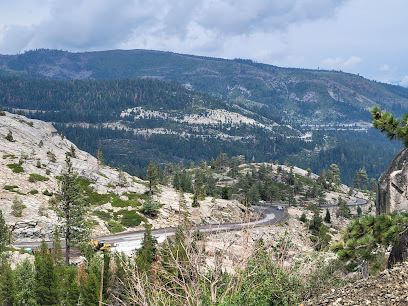
“China Wall” on Donner Summit
37.2 km
Explore the captivating China Wall on Donner Summit, a stunning natural wonder offering breathtaking views and unforgettable outdoor adventures in Truckee, California.
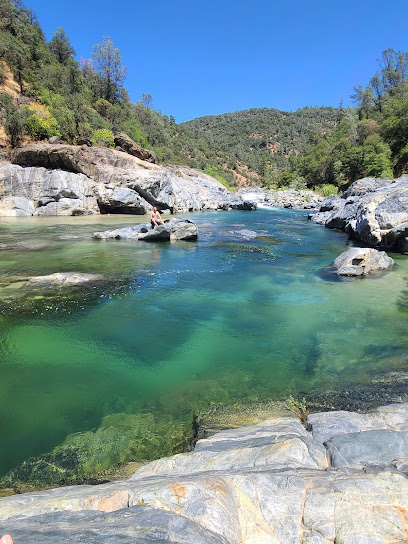
South Yuba River State Park
38.0 km
Explore the stunning landscapes and rich history of South Yuba River State Park, a perfect retreat for nature lovers and adventure seekers in California.
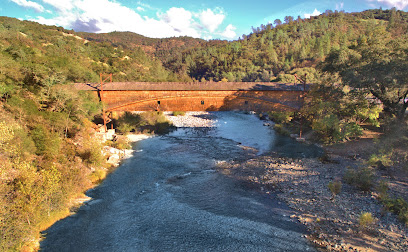
Bridgeport Covered Bridge
38.2 km
Step back in time at the Bridgeport Covered Bridge, a beautifully restored Gold Rush-era landmark in South Yuba River State Park.
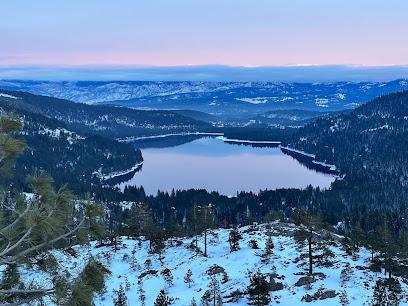
Donner Lake
42.0 km
Experience the tranquility and breathtaking beauty of Donner Lake, a prime destination for outdoor adventures in Truckee, California.
Donner Memorial State Park
44.1 km
Discover the scenic beauty and historical significance of Donner Memorial State Park, a top destination for outdoor adventures in California.

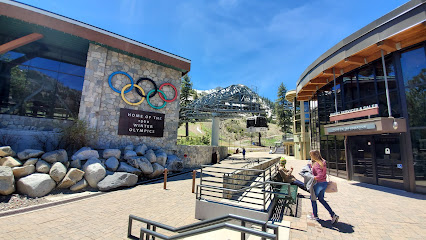
Palisades Tahoe
45.6 km
Discover the thrilling slopes and stunning vistas of Palisades Tahoe, a premier ski resort nestled in the Sierra Nevada mountains, perfect for every winter sports enthusiast.
Essential places to dine

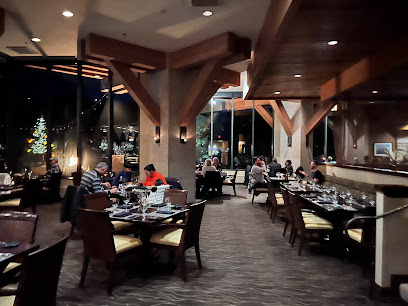
Six Peaks Grille
47.8 km
Experience fine dining at Six Peaks Grille in Olympic Valley - where exquisite steaks meet stunning mountain views.
River Ranch Lodge & Restaurant
50.1 km
Discover the charm of River Ranch Lodge & Restaurant in Tahoe City - where Californian cuisine meets breathtaking riverside views.
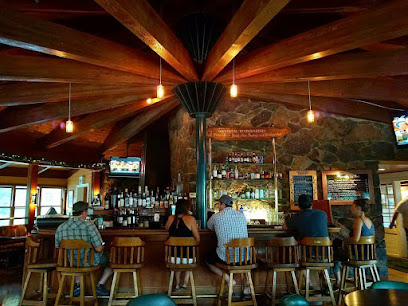
Cedar House Deck
54.5 km
Discover Cedar House Deck: A cocktail bar and grill offering scenic views and delicious cuisine in the heart of Tahoe City.
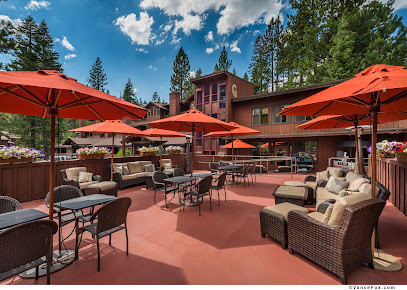
Cafe Zenon
54.7 km
Discover Café Zenon: A charming breakfast café in Tahoe City serving delectable dishes amidst stunning lake views.
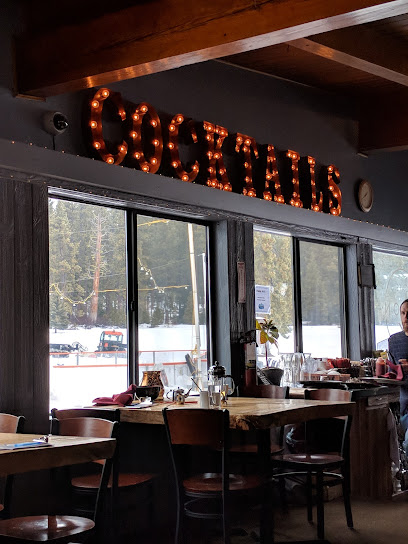
Front Street Station Pizza
54.7 km
Experience the delightful fusion of pizza and Mexican cuisine at Front Street Station Pizza in beautiful Tahoe City.
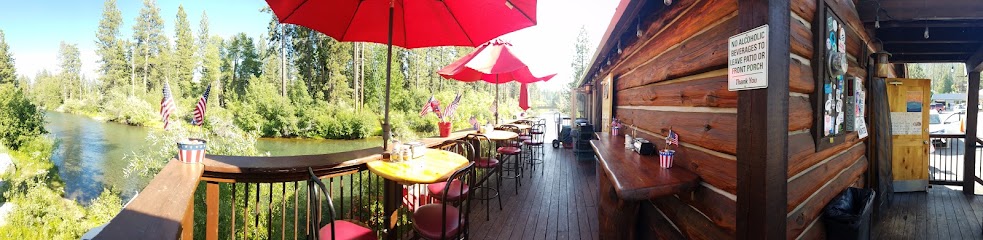
The Dam Cafe
54.8 km
Experience delightful dining at The Dam Cafe in Tahoe City—where healthful food meets stunning lake views!
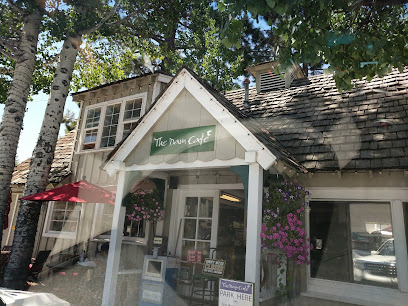
River Grill
54.8 km
Experience exquisite American cuisine at River Grill while enjoying breathtaking views of Lake Tahoe's stunning scenery.
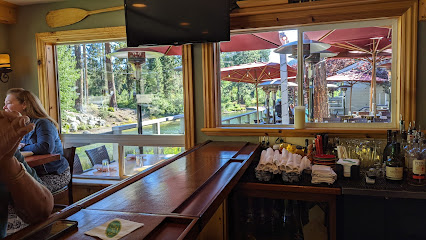
Pepper's
54.9 km
Discover delicious tacos and burritos at Pepper's in Tahoe City - where flavor meets affordability amidst stunning mountain views.
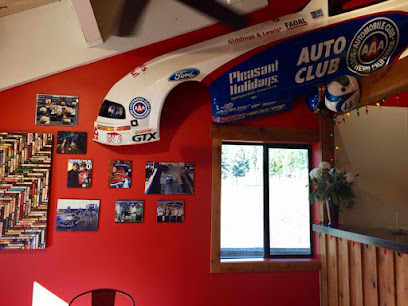
Pete 'n Peters
54.9 km
Experience the vibrant flavors of Mexico at Pete 'n Peters - your go-to sports bar in Tahoe City with delicious tacos and refreshing drinks.
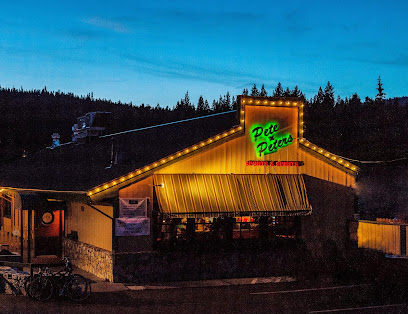
Bridgetender Tavern and Grill
54.9 km
Experience the best of American cuisine at Bridgetender Tavern and Grill with stunning views of Lake Tahoe in every bite.
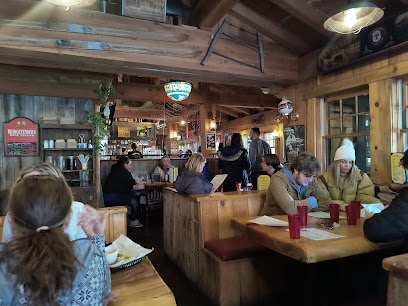
Spoon
55.0 km
Discover Spoon in Tahoe City: A premier American dining experience celebrating Californian flavors with every bite.
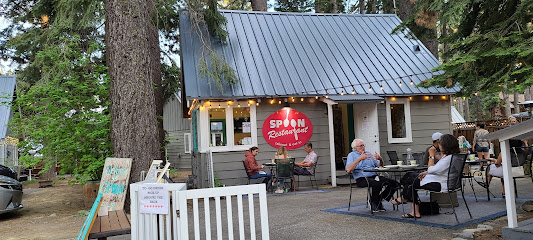
Stony Ridge Uncommon Kitchen
55.0 km
Experience the best of eclectic cuisine at Stony Ridge Uncommon Kitchen in Tahoe City—where local flavors meet creative cooking.
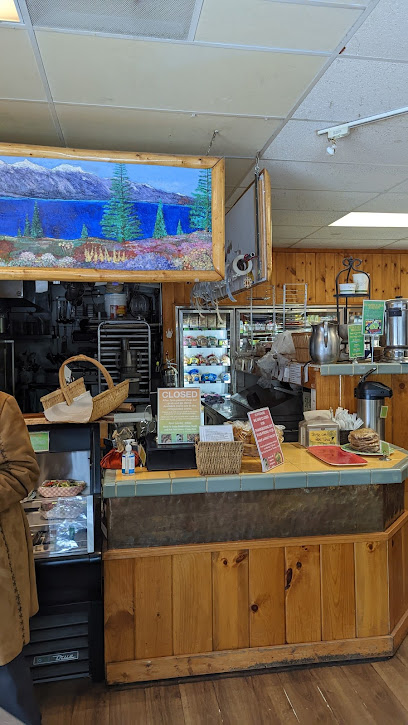
Shadyside Lounge
55.1 km
Discover Shadyside Lounge: where exquisite cuisine meets breathtaking views at Lake Tahoe's premier restaurant and bar.
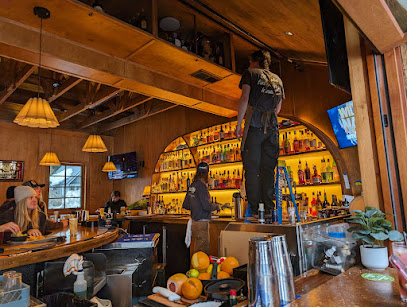
BLUEFISH
55.1 km
Discover Bluefish in Tahoe City - where fresh local ingredients meet creative culinary artistry in a welcoming atmosphere.

Fat Cat Bar & Grill
55.1 km
Discover delicious American cuisine at Fat Cat Bar & Grill in Tahoe City - where great food meets stunning lake views!
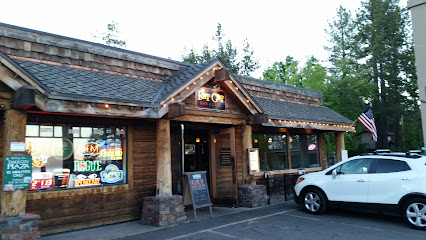
Markets, malls and hidden boutiques

Tahoe Logowear Co
54.9 km
Explore Tahoe Logowear Co for unique custom embroidery, capturing the essence of Lake Tahoe through quality apparel and exceptional service.
Willard's Sport Shop
54.9 km
Discover outdoor adventure at Willard's Sport Shop in Tahoe City, offering rentals and gear for skiing, biking, and water sports in stunning Lake Tahoe.
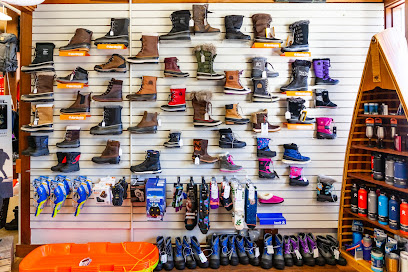
Swigard's Ace Hardware
54.9 km
Discover Swigard's Ace Hardware in Tahoe City, your ultimate destination for home improvement, tools, and expert advice in a welcoming atmosphere.
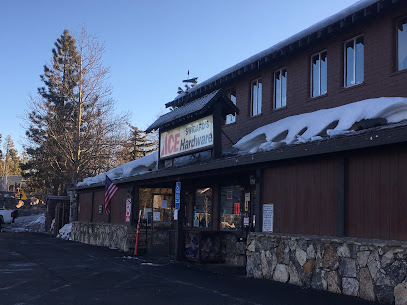
Alpenglow Sports
54.9 km
Explore the great outdoors with Alpenglow Sports, your premier destination for ski gear, camping supplies, and outdoor apparel in Tahoe City.
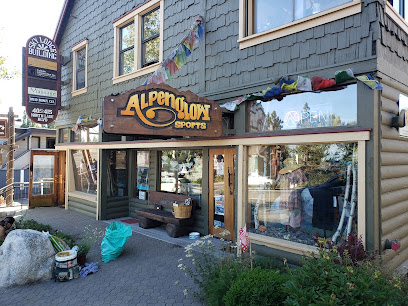
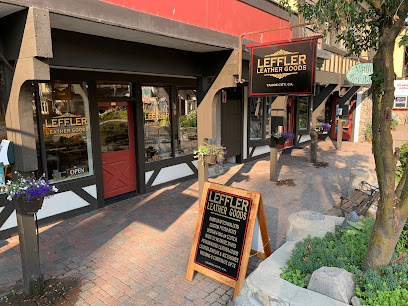
Leffler Leather Goods
55.0 km
Explore the exquisite craftsmanship of Leffler Leather Goods in Tahoe City, offering unique handmade leather products for all tastes.
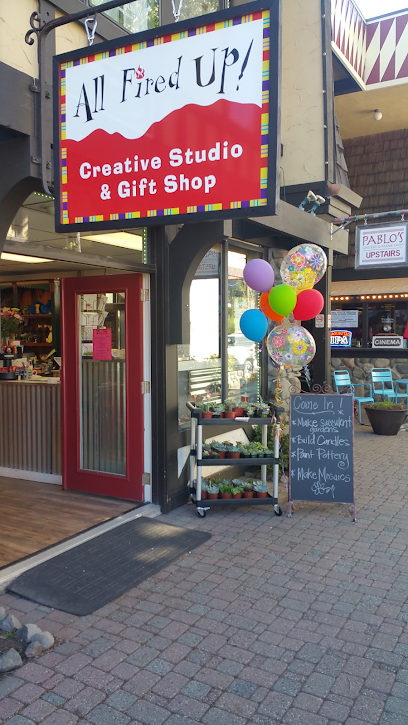
The Hot Spot Tahoe ~ Pottery Painting Candle Making & More
55.0 km
Discover creativity at The Hot Spot Tahoe, where pottery painting meets candle making in a delightful art cafe experience.
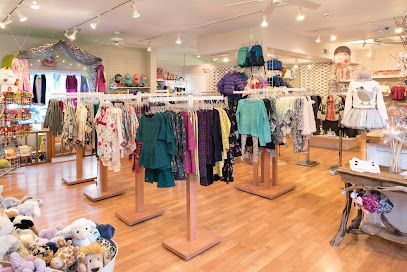
Ruffles & Ruffnecks
55.0 km
Explore Ruffles & Ruffnecks in Tahoe City for unique gifts, baby clothing, and toys that capture the essence of family-friendly shopping.
North Tahoe Arts
55.0 km
Discover unique handcrafted art and gifts at North Tahoe Arts, the heart of Tahoe City's vibrant art scene.
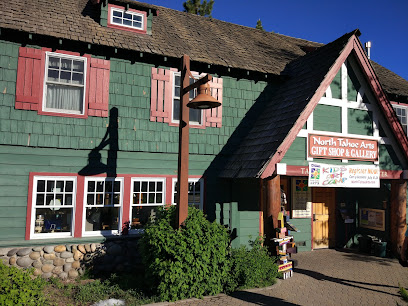
Alpine Heritage
55.0 km
Discover unique gifts that reflect the beauty of the Sierra Nevada at Alpine Heritage, Tahoe City's charming gift shop.
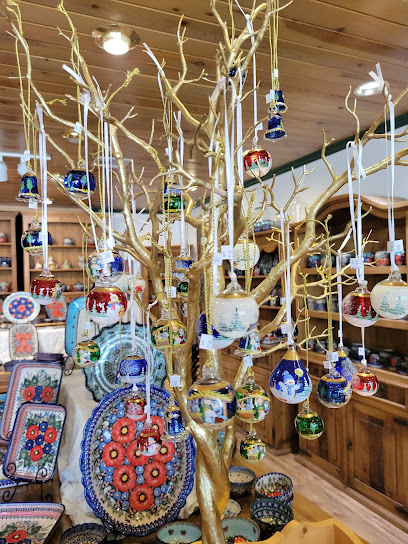
New & Used Tahoe Sports
55.0 km
Discover unbeatable deals on ski and snowboard gear at New & Used Tahoe Sports, your go-to consignment shop in Tahoe City, California.
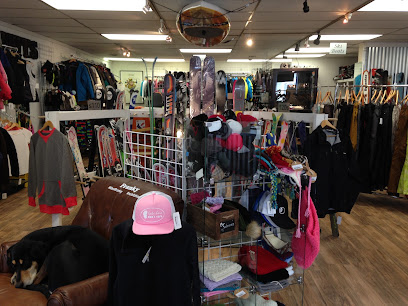
Lather & Fizz Bath Boutique
55.0 km
Explore Lather & Fizz Bath Boutique in Tahoe City for luxurious bath products that pamper your skin and elevate your self-care rituals.
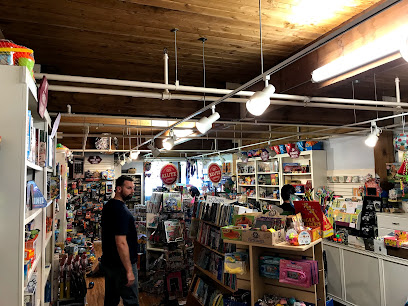
Geared For Games
55.0 km
Explore a world of imagination at Geared For Games, Tahoe City's charming toy store filled with unique toys, games, and unforgettable adventures.
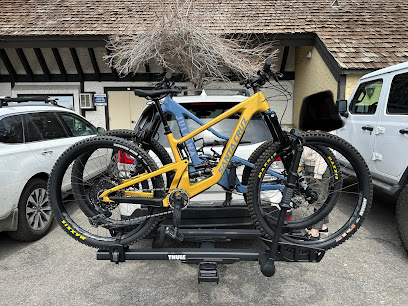
Gravity Shop
55.0 km
Discover the ultimate cycling experience at Gravity Shop in Tahoe City, a friendly hub for bike repairs and local trail knowledge.
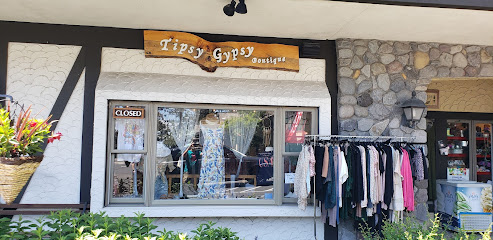
Tipsy Gypsy Boutique
55.0 km
Explore Tipsy Gypsy Boutique in Tahoe City for unique clothing and exquisite locally crafted jewelry, capturing the essence of Lake Tahoe.
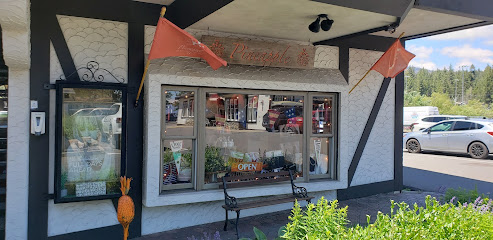
Pineapple Tahoe
55.0 km
Explore Pineapple Tahoe for unique gifts and local crafts that capture the essence of Lake Tahoe's charm and beauty.
Essential bars & hidden hideouts

Tahoe Wine Collective
55.3 km
Discover the finest local wines at Tahoe Wine Collective, a hidden gem in Tahoe City, perfect for wine enthusiasts and casual visitors alike.
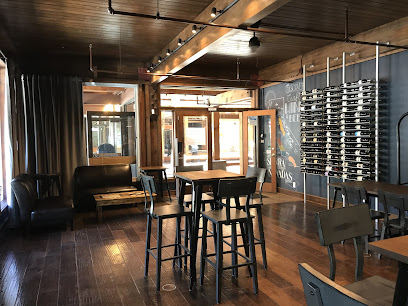
Emerald Bay Bar & Grill
78.1 km
Discover delicious American cuisine and breathtaking views at Emerald Bay Bar & Grill in South Lake Tahoe, a must-visit dining spot for tourists.
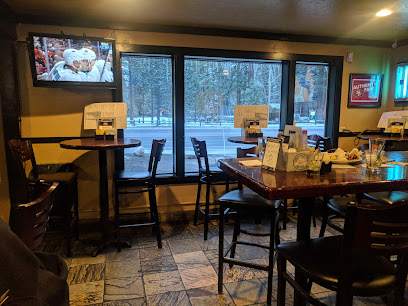
Classic Cue
78.4 km
Experience the vibrant atmosphere of Classic Cue, a premier bar in South Lake Tahoe, perfect for pool enthusiasts and social gatherings.
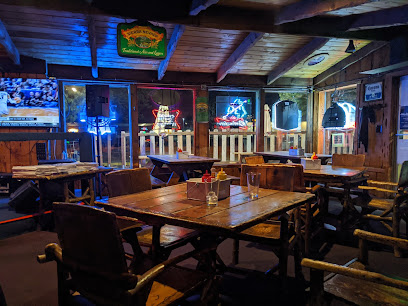
Lake Tahoe AleWorX
78.6 km
Experience the vibrant flavors of Lake Tahoe AleWorX, where gourmet pizza meets an exceptional craft beer selection in a family-friendly atmosphere.
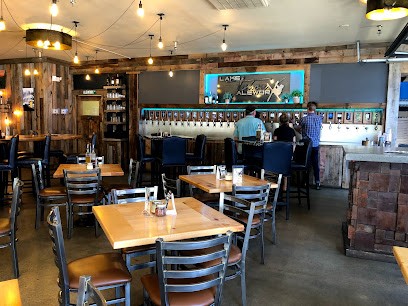
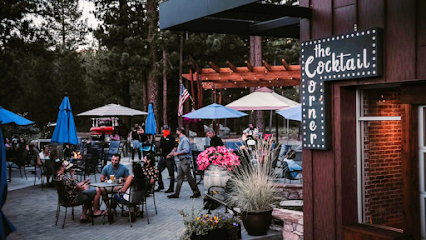
Tahoe Cocktail Corner
78.7 km
Discover Tahoe Cocktail Corner: A premier cocktail bar and bistro in South Lake Tahoe, offering handcrafted drinks and delicious bites in a vibrant setting.
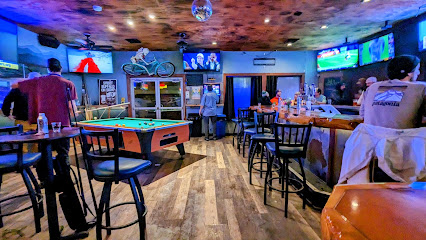
The Turn - Bar and Lounge
78.7 km
Discover the vibrant atmosphere of The Turn - a must-visit bar and lounge in South Lake Tahoe, where locals and tourists come to unwind and socialize.
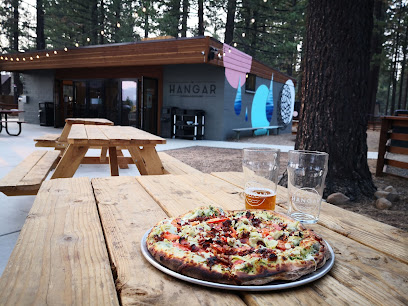
The Hangar - Taproom & Bottle Shop
78.9 km
Discover a craft beer sanctuary at The Hangar - Taproom & Bottle Shop in South Lake Tahoe, where every sip tells a story of local flavor.
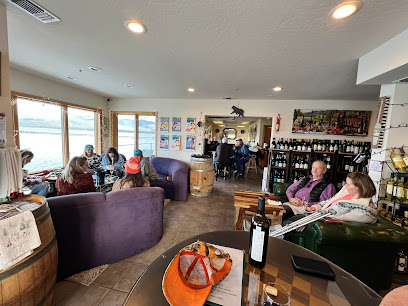
The Idle Hour | Lake Tahoe
79.0 km
Explore The Idle Hour: A wine bar, candy store, and event venue that encapsulates the spirit of Lake Tahoe with live music and delightful treats.
MacDuff's Pub
79.0 km
Discover MacDuff's Pub in South Lake Tahoe - a local favorite for hearty meals, refreshing drinks, and a warm, inviting atmosphere.
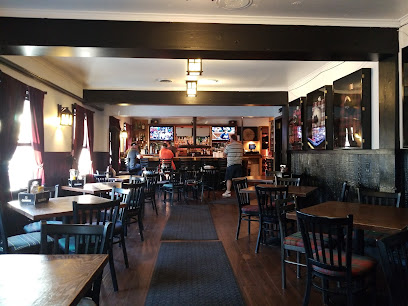
The Beach Tiki Bar
79.2 km
Experience the tropical paradise of The Beach Tiki Bar in South Lake Tahoe, where refreshing cocktails and stunning lake views create unforgettable memories.
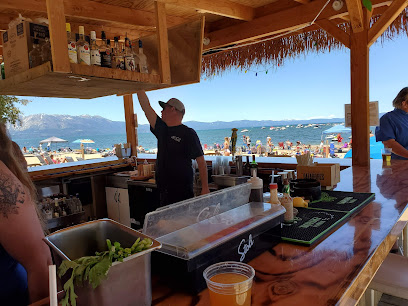
Whiskey Dicks
79.2 km
Experience the local vibe at Whiskey Dicks, the go-to bar in South Lake Tahoe for cocktails, sports, and a laid-back atmosphere.
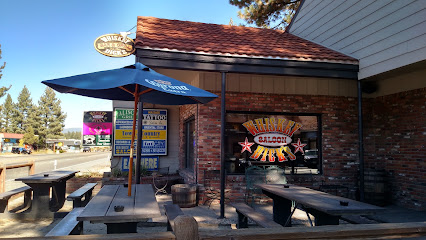
Sidelines Sports Pub
79.2 km
Catch the excitement of live sports at Sidelines Sports Pub, where delicious food and a friendly atmosphere make every visit unforgettable.
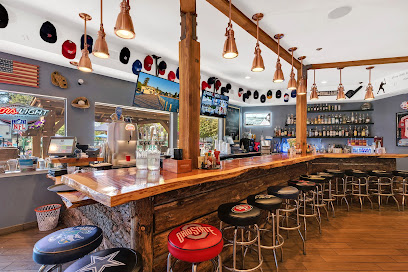
Brooks' Bar & Deck
79.4 km
Experience American cuisine with stunning lake views at Brooks' Bar & Deck, a premier dining destination on the shores of Lake Tahoe.
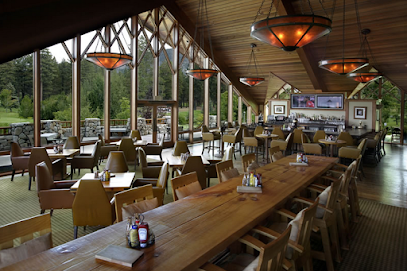
Shedcat Distillery & Kitchen
79.8 km
Discover Shedcat Distillery & Kitchen in South Lake Tahoe, where craft beverages meet exquisite dining for a truly unique culinary experience.
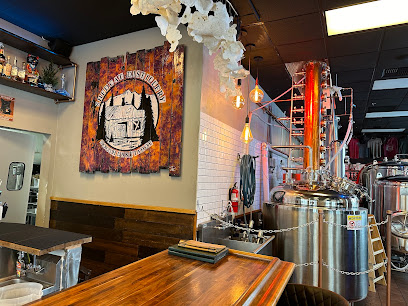
Basecamp Beer Garden
80.1 km
Experience the vibrant atmosphere and local flavors at Basecamp Beer Garden in South Lake Tahoe, where relaxation meets adventure in a stunning setting.