César Chávez Family Home: A Civil Rights Landmark
Visit the César Chávez Family Home in San Jose, a landmark honoring the legacy of the iconic labor leader and civil rights activist, and discover the roots of the farmworkers' movement.
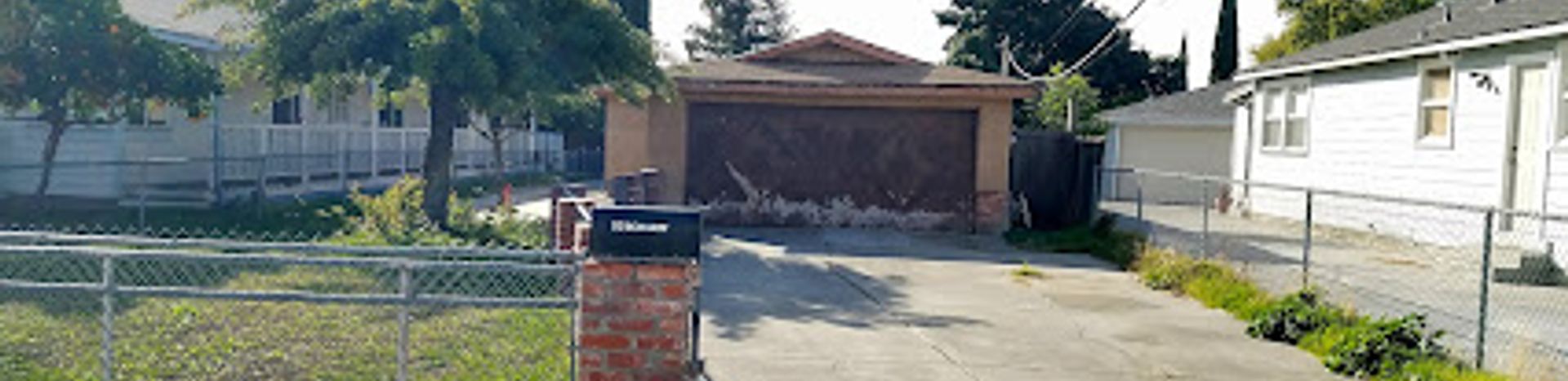
The César Chávez Family Home in San Jose stands as a testament to the life and work of the iconic labor leader and civil rights activist. Located in the Mayfair neighborhood, formerly known as 'Sal Si Puedes,' this modest house was home to César Chávez, his wife Helen, and their family from 1951 to 1953. During this time, Chávez worked in nearby apricot orchards while laying the foundation for his future activism. Today, the home is a designated San Jose Historical Landmark, purchased by a local non-profit with plans to transform it into a community center, preserving his legacy for future generations. While a private residence, a visit to the neighborhood offers a poignant glimpse into the early life of a man who dedicated himself to improving the lives of farmworkers and fighting for social justice. Remember to respect the privacy of the residents and admire this landmark from the street.
A brief summary to César Chávez Family Home
- 53 Scharff Ave, San Jose, Mayfair, California, 95116, US
Local tips
- Remember that this is a private residence; respect the privacy of the current occupants and admire the home from the street.
- Consider visiting nearby Our Lady of Guadalupe Church, where Chávez was involved in early grassroots organizing, to gain further context.
- Explore the Mayfair neighborhood to get a sense of the community that shaped Chávez's early life and activism.

Getting There
-
Public Transport
From downtown San Jose, the Valley Transportation Authority (VTA) offers bus routes that stop near the Mayfair neighborhood. Check the VTA website or app for the most up-to-date schedules and routes. From the nearest bus stop, it's a short walk to 53 Scharff Avenue. A single VTA bus fare is typically around $2.50.
-
Taxi/Ride-Share
A taxi or ride-sharing service (Uber/Lyft) from downtown San Jose to 53 Scharff Avenue will typically cost between $15 and $25, depending on traffic and demand. Be sure to confirm the fare before you begin your trip.
-
Driving
If driving, take US-101 or I-680 to the McKee Road exit. Head east on McKee Road, then turn south onto N King Road. Turn east onto Scharff Avenue. Please be aware that parking in the immediate vicinity of the house is limited to street parking, and availability may vary. Be respectful of the neighborhood and avoid blocking driveways. Parking is free.
Discover more about César Chávez Family Home
Iconic landmarks you can’t miss

César Chávez Family Home
0.0 km
Visit the César Chávez Family Home in San Jose, a landmark honoring the legacy of the iconic labor leader and civil rights activist, and discover the roots of the farmworkers' movement.
Ashworth-Remillard House
3.4 km
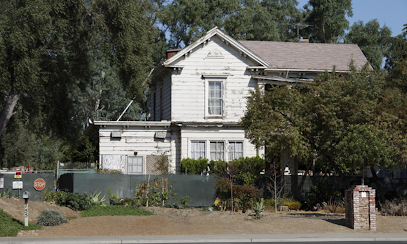
Discover San Jose's hidden gem: the Ashworth-Remillard House, a beautifully preserved Victorian farmhouse offering a glimpse into the lives of Gold Rush pioneers and brick manufacturing magnates.
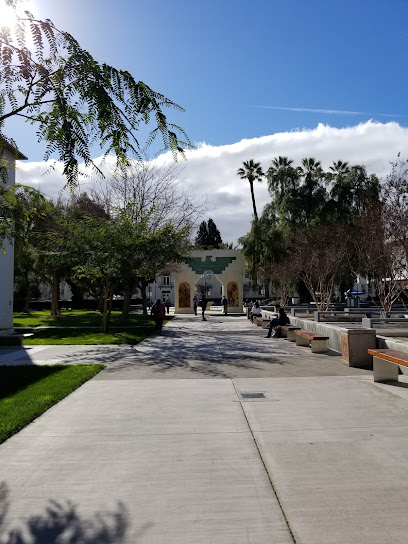
César Chávez Monument
4.0 km
A powerful tribute to César Chávez on the SJSU campus, the Arch of Dignity, Equality, and Justice inspires reflection on social justice and the enduring fight for farmworkers' rights.
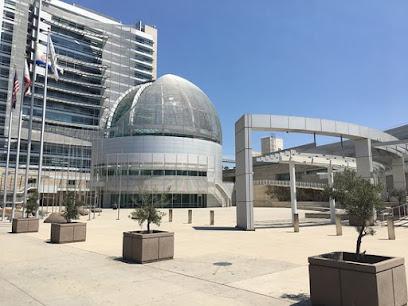
San Jose City Hall
4.1 km
Explore San Jose City Hall, an architectural gem in Silicon Valley, where modern design meets vibrant civic life in the heart of California.
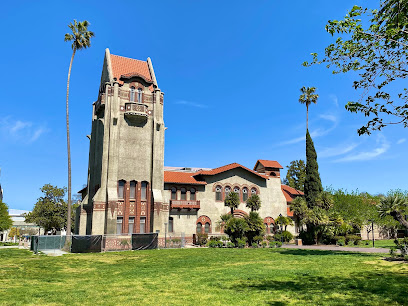
Historic Tower Hall
4.2 km
Discover Tower Hall, the oldest building at San Jose State University, a beautifully restored Spanish Colonial Revival landmark with a rich history and enduring significance in the heart of San Jose.
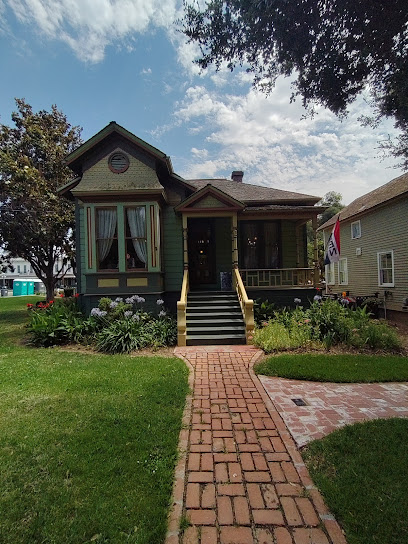
Hill House
4.2 km
Explore the historical charm of Hill House in San Jose, a captivating landmark showcasing the architectural and cultural heritage of California.
History Park (operated by History San Jose)
4.2 km
Discover the Santa Clara Valley's past at History Park in San Jose, an immersive open-air museum with historic buildings, vintage trolleys, and engaging exhibits showcasing life from 1880 to 1930.
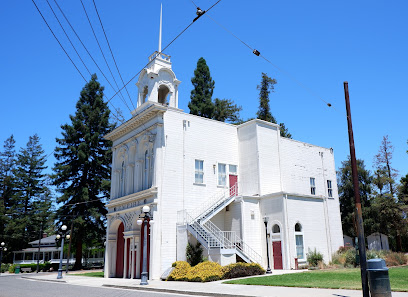
San Jose Downtown Historic District
4.4 km
Explore the San Jose Downtown Historic District: A captivating blend of history, culture, and modern vibrancy in California's heart.
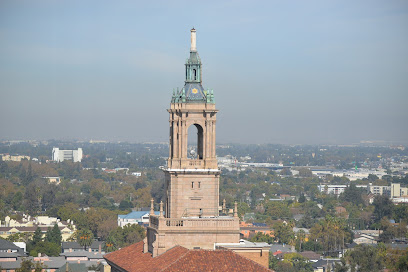
Trinity Cathedral
4.6 km
Explore the architectural beauty and spiritual serenity of Trinity Cathedral, a must-visit Episcopal church in the heart of San Jose.
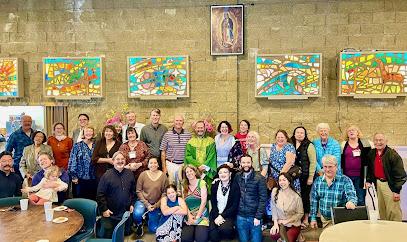
St. James Park - San Jose History Walk Marker #23
4.6 km
Discover the historical heart of downtown San Jose at St. James Park, a verdant oasis established in 1848, offering a blend of historical significance and urban tranquility.
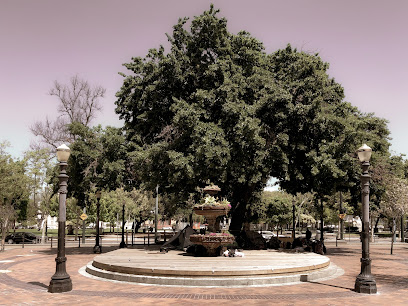
Monument to the Founders of San Jose
4.7 km
Discover the Monument to the Founders of San Jose, a historical landmark celebrating the pioneers who shaped California's vibrant history and cultural diversity.
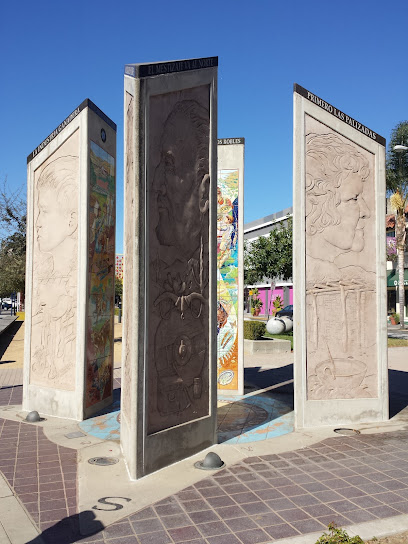
Birthplace of A.P. Giannini - San Jose History Walk #12 Marker
4.8 km
Explore the historical birthplace of A.P. Giannini in San Jose, where banking history began and innovation thrived.
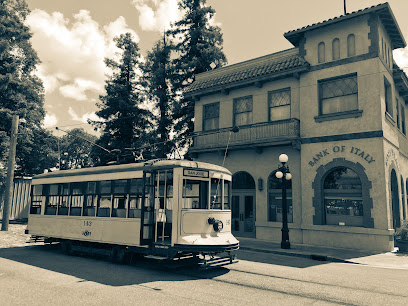
Gonzales-Peralta Adobe & Fallon House Historic Site
4.9 km
Explore the Gonzales-Peralta Adobe & Fallon House, a historic site in San Jose that reveals California's rich cultural heritage through its preserved architecture and engaging exhibits.
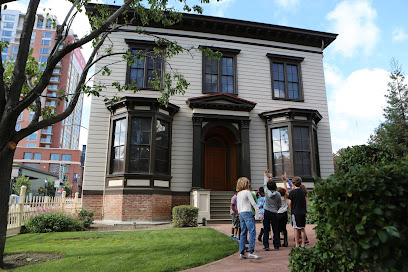
Luis María Peralta Adobe
5.0 km
Discover the rich history of San Jose at the Luis María Peralta Adobe, the city's oldest building and a true architectural gem.
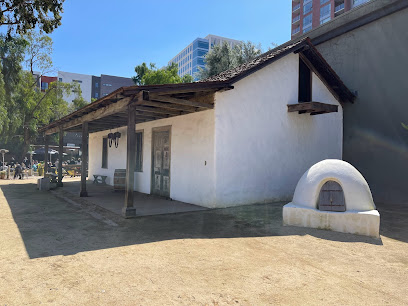
El Pueblo De San José De Guadalupe Historic Site
5.2 km
Discover the humble origins of Silicon Valley at the El Pueblo De San José De Guadalupe Historic Site, marking California's first civilian settlement and the birth of San Jose in 1777.
Unmissable attractions to see

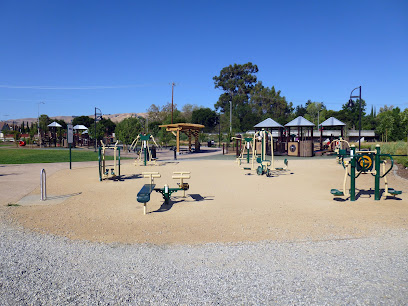
Commodore Park
2.8 km
Discover Commodore Park in San Jose: a family-friendly retreat with playgrounds, picnic spots, walking trails, and a vibrant community garden in the heart of Alum Rock.
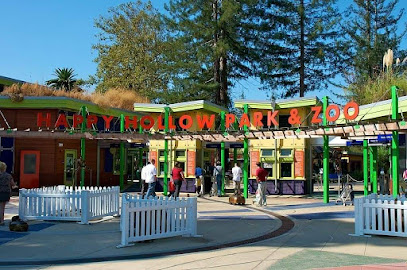
Happy Hollow Park & Zoo
3.6 km
Explore the magic of Happy Hollow Park & Zoo, where amusement and wildlife unite for an unforgettable family adventure in San Jose.
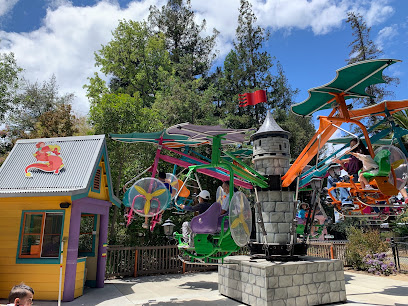
Kelley Park
3.7 km
Discover the beauty and culture of Kelley Park in San Jose, featuring lush gardens, a historic carousel, and tranquil walking paths for a perfect outdoor retreat.
Japanese Friendship Garden
4.1 km
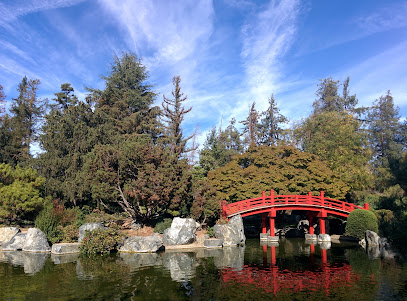
Experience tranquility and cultural harmony at San Jose's Japanese Friendship Garden, a living symbol of the bond with Okayama, Japan.
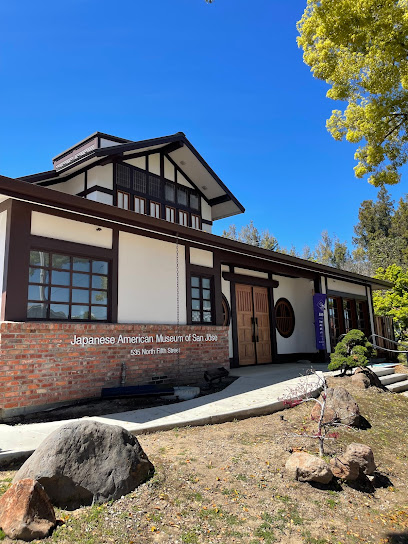
Japanese American Museum of San Jose
4.4 km
Explore the profound history and vibrant culture of Japanese Americans at the Japanese American Museum of San Jose, a hidden gem in the heart of California.
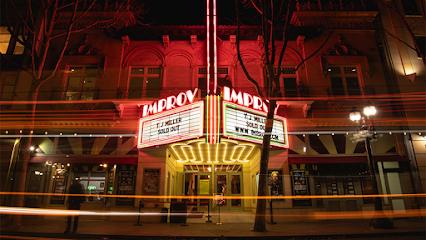
San Jose Improv
4.5 km
Discover the vibrant comedy scene at San Jose Improv, where laughter meets delicious dining for an unforgettable night out.
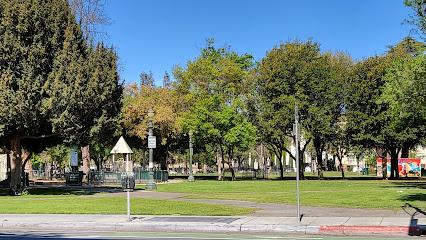
St James Park
4.6 km
Explore St. James Park, a picturesque green space in San Jose perfect for relaxation, picnics, and enjoying local events amidst beautiful gardens.
Alum Rock Park
4.7 km
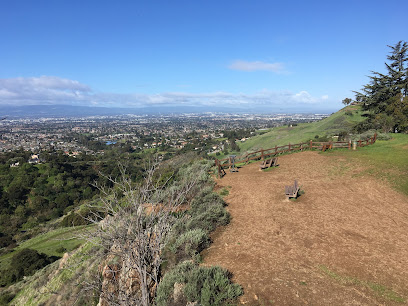
Explore the stunning landscapes and diverse wildlife of Alum Rock Park, a natural oasis for outdoor enthusiasts in San Jose, California.
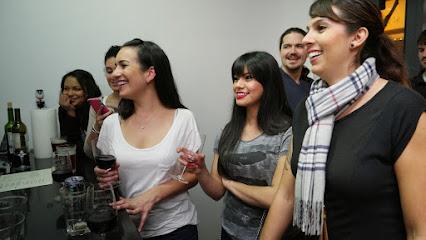
Divine Wine Merchant & Winery Tasting Room
4.7 km
Explore the delightful Divine Wine Merchant & Winery Tasting Room in San Jose, where exquisite wines and a charming atmosphere await every visitor.
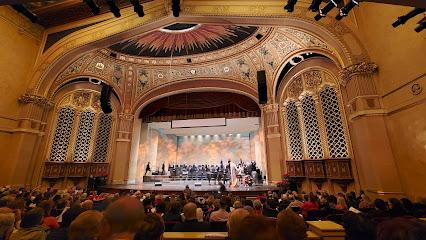
California Theatre
4.7 km
Discover the architectural beauty and rich history of California Theatre, a premier performing arts venue in San Jose, California.
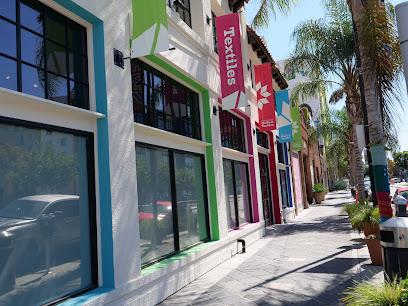
San Jose Museum of Quilts & Textiles
4.7 km
Explore the creative world of textiles at the San Jose Museum of Quilts & Textiles, a unique destination for art lovers and cultural enthusiasts.
The Fountainhead
4.7 km
Experience the lively atmosphere and diverse drink selection at The Fountainhead, San Jose's ultimate bar destination for travelers.
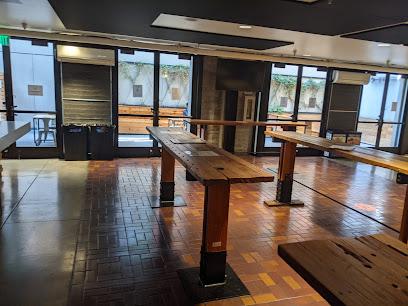
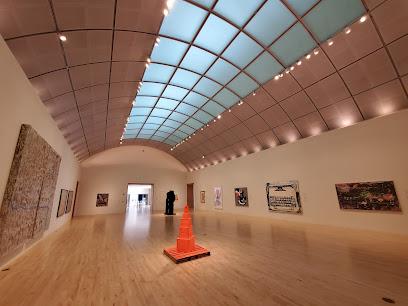
San Jose Museum of Art
4.7 km
Explore contemporary and modern art at the San Jose Museum of Art, a cultural gem in the heart of Silicon Valley.
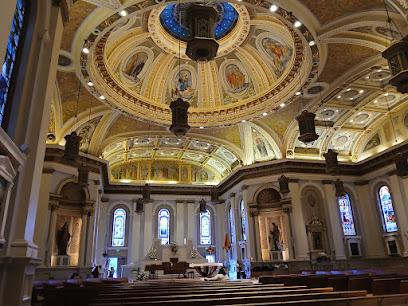
Cathedral Basilica of St. Joseph
4.8 km
Explore the breathtaking Cathedral Basilica of St. Joseph, a historical and architectural marvel in the heart of San Jose, California.
Essential places to dine

Chef P's Restaurant
7.3 km
Experience authentic Chinese cuisine at Chef P's Restaurant in Milpitas – a must-visit culinary gem offering diverse flavors and warm hospitality.
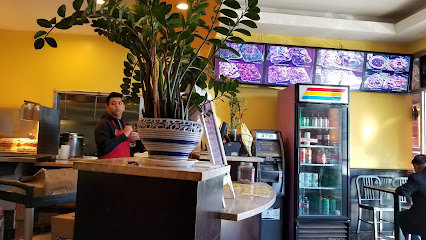
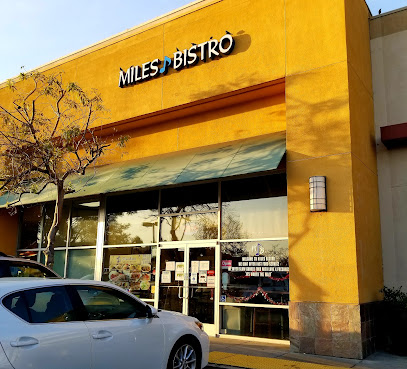
Miles Bistro
7.3 km
Discover authentic Filipino flavors at Miles Bistro in Milpitas – where every dish tells a story.
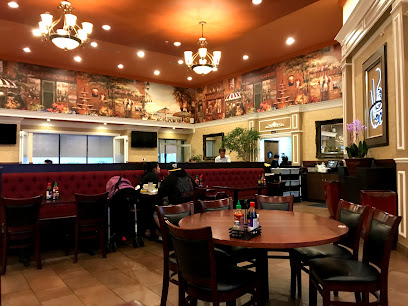
Pho 90 Degree - Milpitas
7.8 km
Savor authentic Vietnamese flavors at Pho 90 Degree in Milpitas - your destination for delicious pho and traditional dishes.
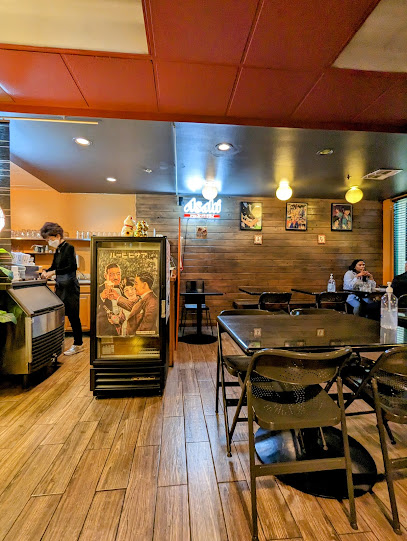
Juban Ramen & Tapas
8.1 km
Experience authentic Japanese ramen and tantalizing tapas at Juban Ramen & Tapas in Milpitas – where every bite tells a story.
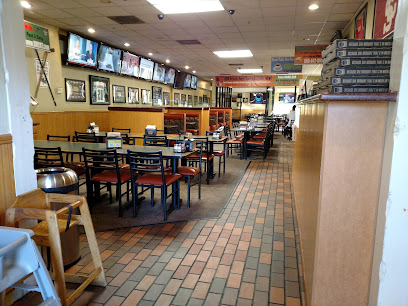
Round Table Pizza
8.3 km
Experience delicious pizza and wings at Round Table Pizza in Santa Clara - where family dining meets flavor!
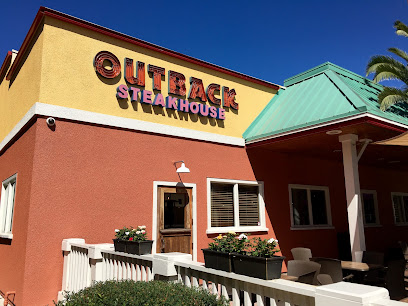
Outback Steakhouse
8.4 km
Discover delicious steaks and authentic Australian flavors at Outback Steakhouse in Milpitas—where every meal feels like an adventure.
The Hut
8.5 km
Discover the authentic taste of American barbecue at The Hut in Santa Clara – where every bite is packed with flavor.
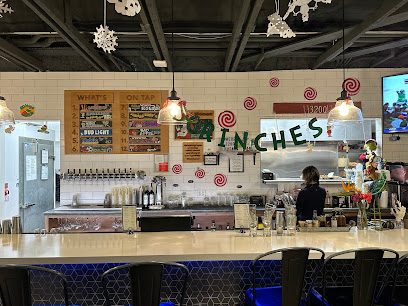
Crepes Bistro
8.5 km
Discover Crepes Bistro: A charming crêperie in Santa Clara serving delicious sweet and savory crêpes with gluten-free and vegan options.
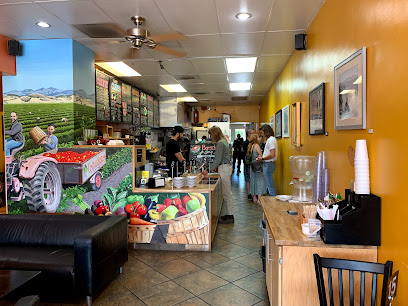
Kenny's Cafe
8.6 km
Discover Kenny's Cafe in Santa Clara: where delicious breakfast meets unique Korean flavors in an inviting atmosphere.
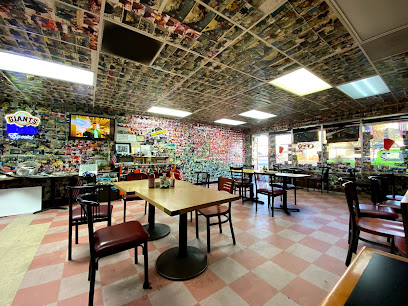
Fiorillo's Restaurant and Banquet Facilities
8.6 km
Experience authentic Italian cuisine at Fiorillo's Restaurant in Santa Clara – where every meal is a celebration of flavor and tradition.
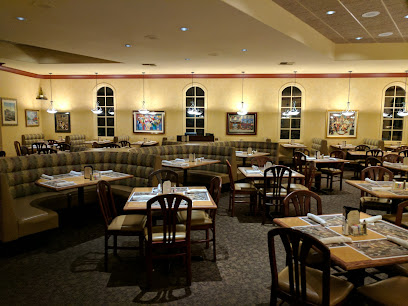
Hungry Hound
8.8 km
Discover the charm of Traditional American cuisine at Hungry Hound in Santa Clara – where comfort food meets affordability.
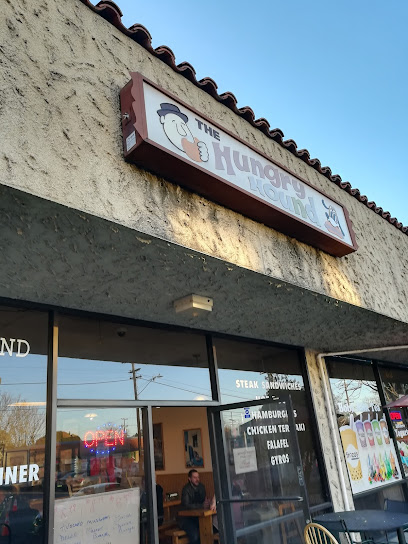
White Elephant Thai Cuisine
9.0 km
Experience authentic Thai cuisine at White Elephant in Santa Clara - where flavor meets tradition in every dish.
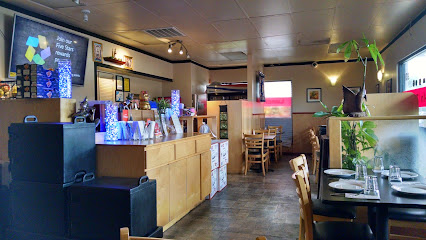
Euro Grill
9.0 km
Savor the flavors of the Mediterranean at Euro Grill – where delightful dishes meet warm hospitality in Santa Clara.
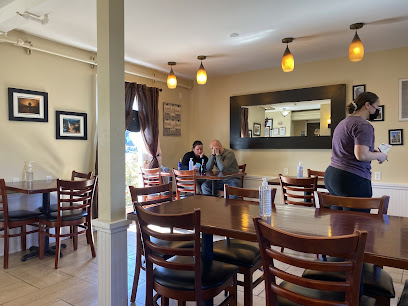
Zahir's
9.1 km
Experience exquisite dining at Zahir's in Milpitas - a premier restaurant offering culinary delights perfect for any occasion.
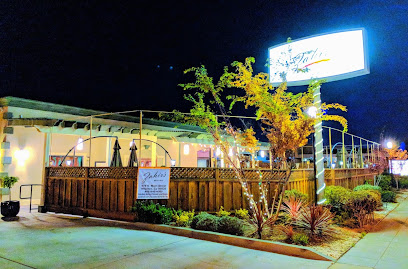
Mio Vicino
9.2 km
Experience authentic Italian cuisine at Mio Vicino in Santa Clara - home to delicious pizzas and warm hospitality.
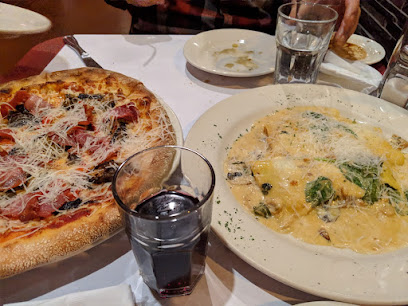
Markets, malls and hidden boutiques

Petite Galleria
4.5 km
Explore Petite Galleria in San Jose, where art meets craftsmanship to offer unique gifts and treasures for every traveler.
Seasons Shopping Center
7.3 km
Explore a shopping paradise filled with diverse stores and delightful dining options at Seasons Shopping Center in Milpitas, California.
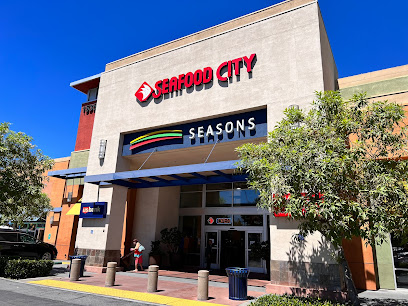
Milpitas Mall Shopping Center
7.3 km
Explore the diverse shopping and dining experiences at Milpitas Mall Shopping Center, a vibrant hub for visitors in California.
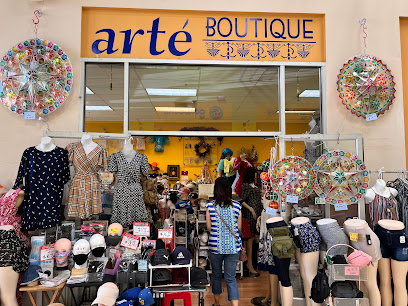
Artè Boutique
7.3 km
Discover the vibrant essence of Filipino fashion at Artè Boutique in Milpitas, a hidden gem for unique clothing that celebrates heritage.
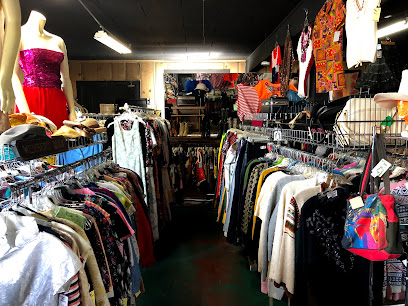
Moon Zooom
7.7 km
Explore Moon Zooom in San Jose, CA – a vintage clothing haven where every piece has its own story, perfect for fashion lovers and tourists alike.
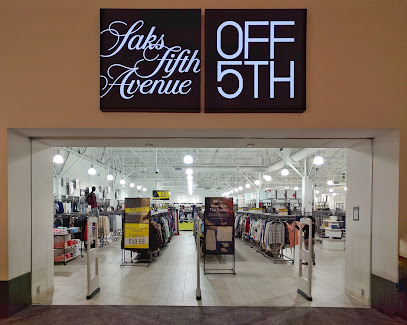
Saks OFF 5TH
7.8 km
Discover unbeatable deals on designer fashion at Saks OFF 5TH in Milpitas, where style meets savings for the whole family.
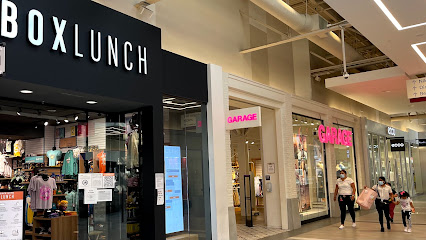
BoxLunch
7.9 km
Discover unique pop culture gifts and collectibles at BoxLunch, the ultimate destination for fans in Milpitas, California.
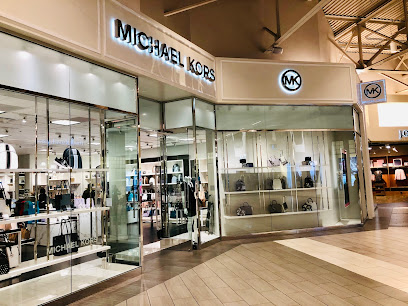
Michael Kors Outlet
7.9 km
Explore the Michael Kors Outlet in Milpitas for luxury fashion and accessories at unbeatable outlet prices, perfect for every style enthusiast.
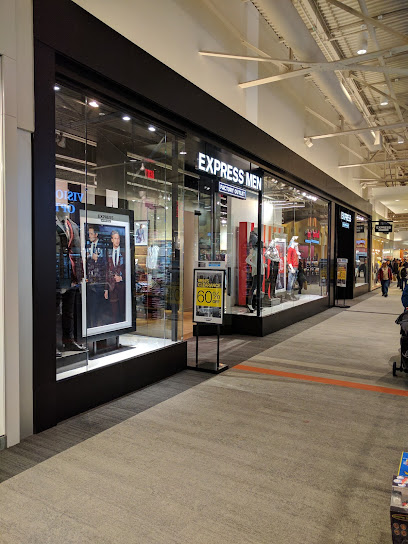
Express Factory Outlet
7.9 km
Explore the Express Factory Outlet in Milpitas for unbeatable deals on stylish clothing and accessories, perfect for every fashion lover.
Columbia Factory Store
7.9 km
Discover unbeatable deals on outdoor gear at Columbia Factory Store in Milpitas - the ultimate shopping destination for adventure enthusiasts.
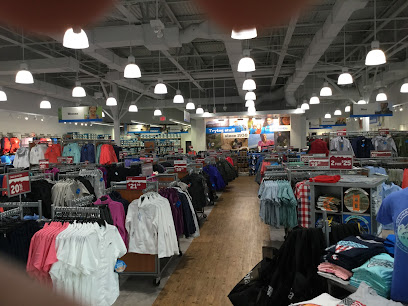
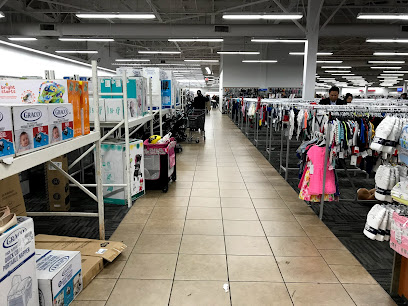
Burlington
7.9 km
Explore Burlington in Milpitas for unbeatable deals on clothing, home goods, and accessories for the whole family.
Banana Republic Factory Store
7.9 km
Explore stylish fashion at the Banana Republic Factory Store, offering quality clothing for every occasion in the heart of Milpitas.
Q
8.0 km
Discover the latest trends in women's fashion at Q in Milpitas' Great Mall, offering stylish clothing and accessories for every occasion.
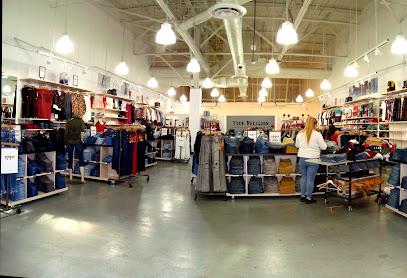
True Religion
8.0 km
Explore True Religion in Milpitas for trendy apparel, unique gifts, and unbeatable outlet deals in a vibrant shopping atmosphere.
Nike Factory Store - Milpitas
8.0 km
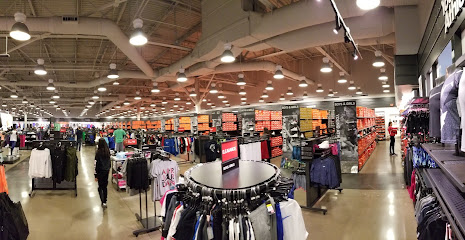
Discover unbeatable deals on premium sportswear at the Nike Factory Store in Milpitas, where quality meets affordability.
Essential bars & hidden hideouts

The Note
7.0 km
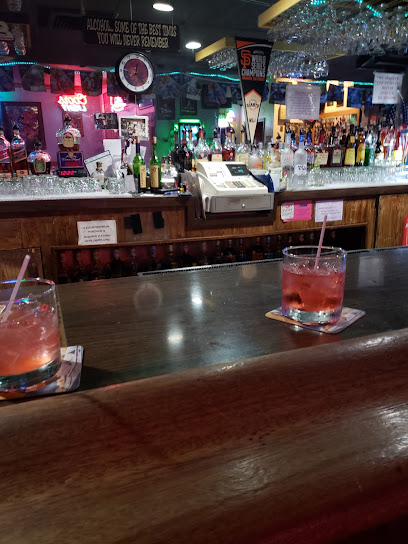
Experience a stylish lounge atmosphere at The Note in Milpitas, where crafted cocktails and lively music create the perfect night out.
IBU Taproom & Bottle Shop
7.3 km
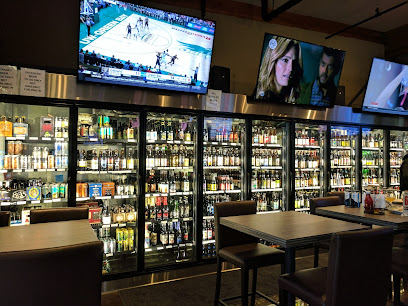
Explore a diverse selection of craft beers at IBU Taproom & Bottle Shop, where every pint tells a story in Milpitas, California.
Lazio Bar
7.8 km
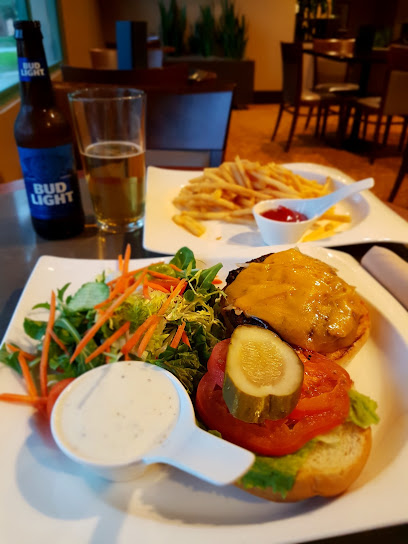
Experience the vibrant atmosphere and Italian flavors at Lazio Bar, your ultimate destination for relaxation and socializing in Milpitas.
Normandy House
8.6 km
Discover Normandy House, a lively bar and cocktail lounge in Santa Clara, offering an inviting atmosphere and an extensive drink menu for all occasions.
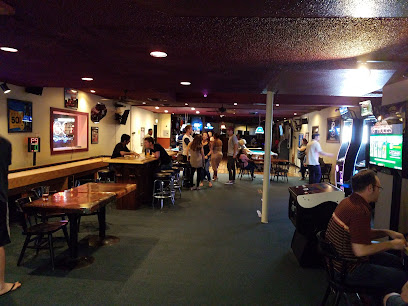
Taplands
9.0 km
Discover Taplands, the ultimate bar and brewery in Santa Clara, CA, where craft beer lovers unite to enjoy an exceptional selection and vibrant atmosphere.
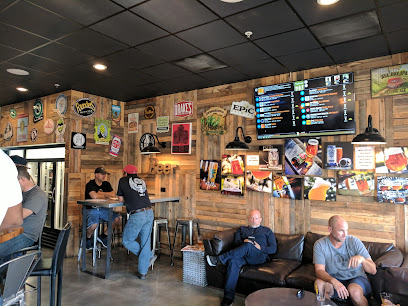
Broncos Cocktail Lounge
9.1 km
Discover the vibrant ambiance of Broncos Cocktail Lounge, where expertly crafted cocktails and a stylish atmosphere await in Santa Clara.
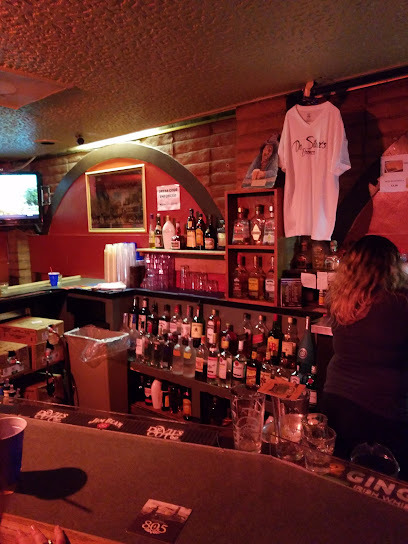
Da Silva's Bronco's Pub
9.2 km
Experience the vibrant spirit of Santa Clara at Da Silva's Bronco's Pub, where great food, drinks, and entertainment come together.
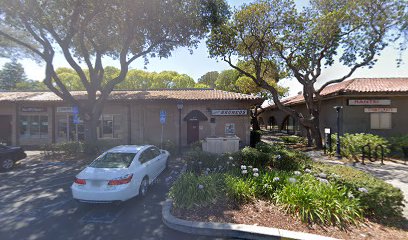
thirsty.bar
9.2 km
Discover the lively atmosphere and affordable drinks at Thirsty Bar in Santa Clara, where locals and tourists come together to unwind and socialize.
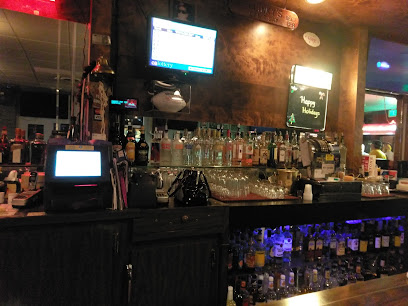
Mortar & Pestle Bar
9.4 km
Experience a unique fusion of Indian cuisine and innovative cocktails at Mortar & Pestle Bar in North San Jose.
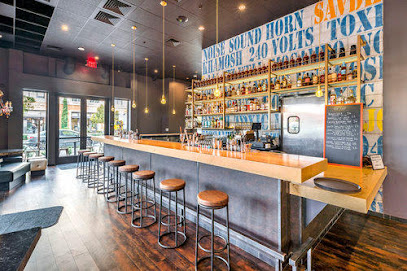
Music Land
9.4 km
Unleash your inner performer at Music Land, Milpitas' premier karaoke bar with a vibrant atmosphere and endless song choices.
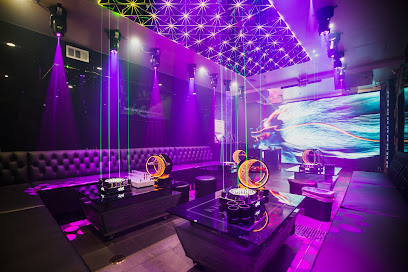
Koja Bar
9.4 km
Experience the vibrant atmosphere of Koja Bar in Santa Clara, where locals and visitors connect over drinks and good company.
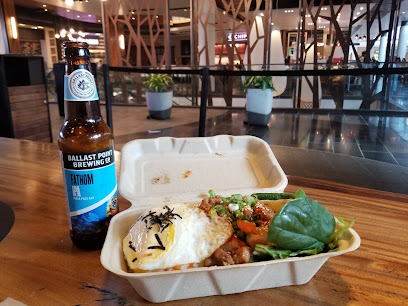
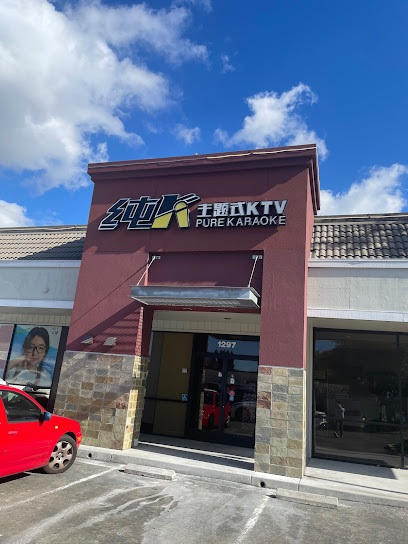
Pure Karaoke
9.5 km
Experience the thrill of karaoke at Pure Karaoke in Milpitas, where every note and every laugh creates lasting memories.
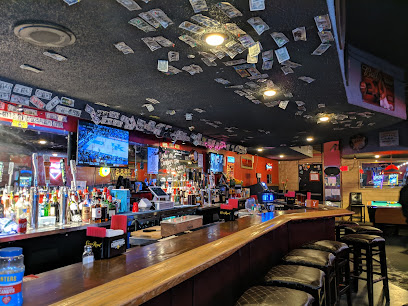
Rocco's Ballpark
9.6 km
Experience the excitement of live sports at Rocco's Ballpark, Santa Clara's premier sports bar with delicious food and a lively atmosphere.
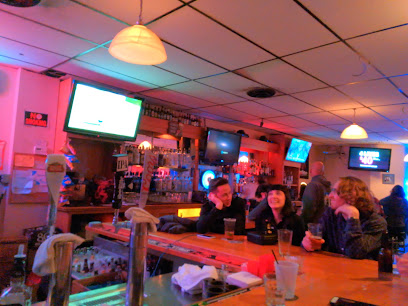
The G.
9.7 km
Experience the lively atmosphere at The G. in Milpitas, where exceptional cocktails and sports excitement blend seamlessly for an unforgettable night out.
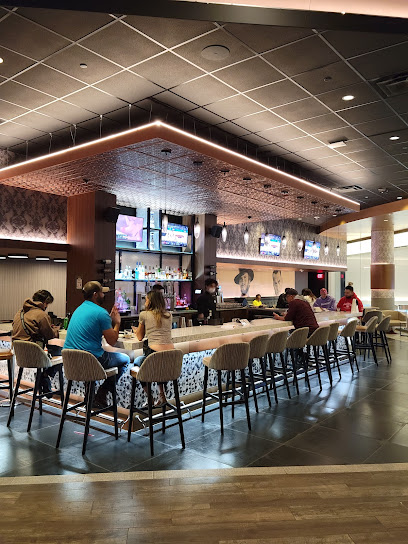
Lobby Lounge
9.8 km
Experience the vibrant atmosphere of the Lobby Lounge in Santa Clara, where stylish decor meets a diverse drink selection for the perfect retreat.
Nightclubs & after hour spots

Lily's Bar & Night Club
0.4 km
Discover the vibrant nightlife at Lily's Bar & Night Club in San Jose, where music, dancing, and fun come together for an unforgettable evening.
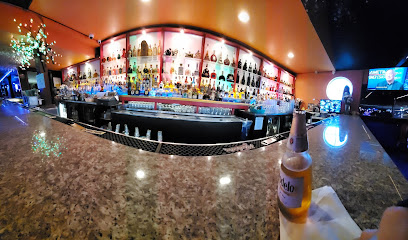
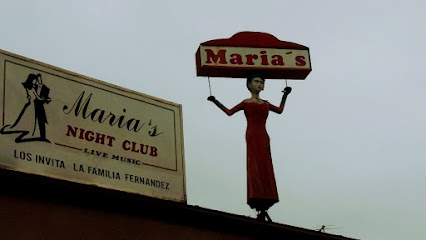
Maria's Night Club
3.9 km
Experience the pulsating nightlife at Maria's Night Club in San Jose, where music, dance, and fun come together for an unforgettable evening.
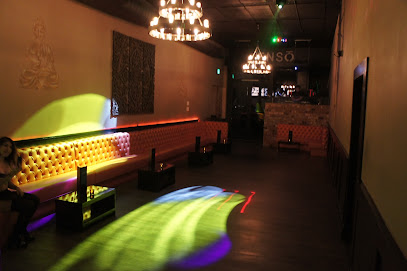
ENSO Bar & Nightclub
4.4 km
Experience the electrifying nightlife at ENSO Bar & Nightclub in San Jose, where live music and dance collide for an unforgettable evening.
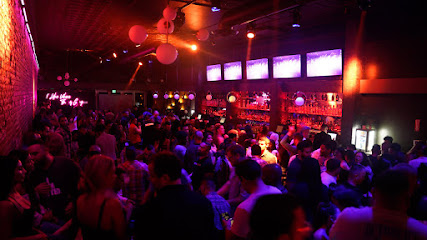
NOVA Nightclub
4.6 km
Discover the vibrant nightlife of San Jose at NOVA Nightclub, where music and dancing unite for an unforgettable experience.
Miami Beach Club
4.7 km
Experience the vibrant nightlife at Miami Beach Club, a premier nightclub in San Jose, California, featuring electrifying music and an exciting atmosphere.
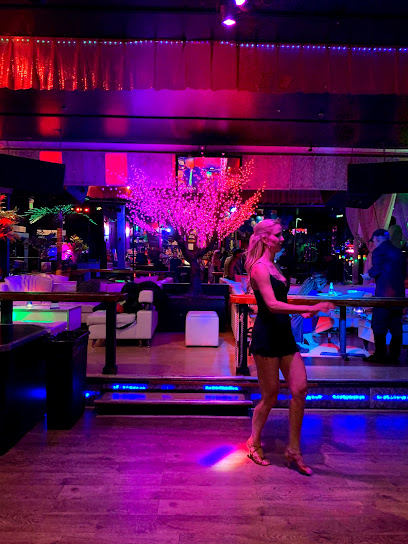
Red Stag Lounge
7.7 km
Discover the vibrant karaoke scene at Red Stag Lounge in San Jose, where music and camaraderie come together for an unforgettable night out.
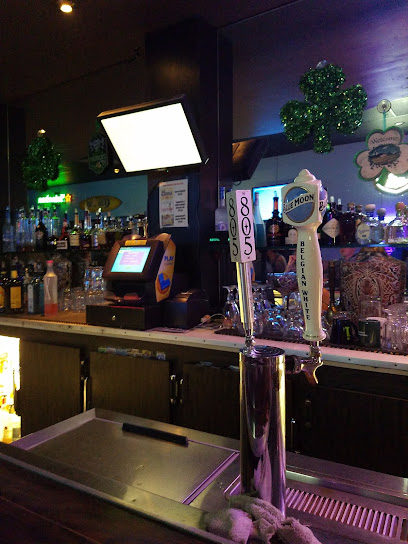
JJ's Lounge
10.7 km
Unleash your night at JJ's Lounge, San Jose's premier night club, cocktail bar, and live music venue for an unforgettable nightlife experience.
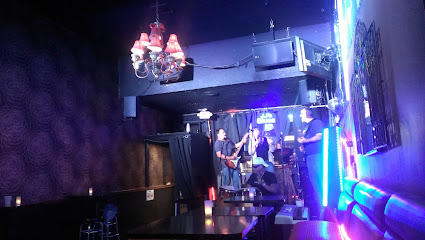
Y&T
13.8 km
Discover the pulse of Santa Clara's nightlife at Y&T, where music, dance, and unforgettable memories come together in a vibrant disco atmosphere.
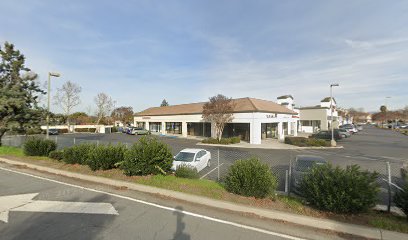
Evolution Night Club
14.2 km
Discover the electrifying atmosphere at Evolution Night Club, where exhilarating music and vibrant nightlife await you in Sunnyvale, CA.
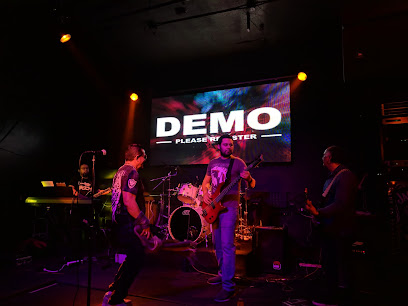
Pure Nightclub
16.5 km
Immerse yourself in the electrifying nightlife of Pure Nightclub, Sunnyvale, where unforgettable parties and vibrant energy await.
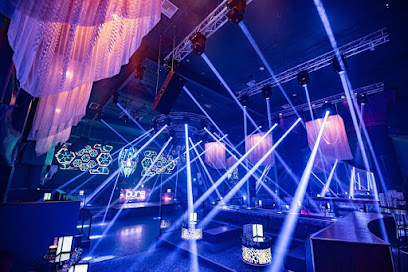
Alberto's Night Club
21.1 km
Discover the energy of Alberto's Night Club, where live music, dancing, and a vibrant atmosphere create memorable nights in Mountain View.
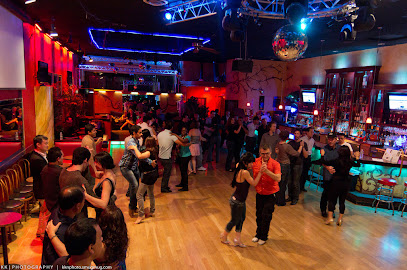
Monte Carlo Restaurant & Bar
21.2 km
Discover Monte Carlo Restaurant & Bar: A lively night club in Old Mountain View, California, offering delicious cuisine and vibrant nightlife.
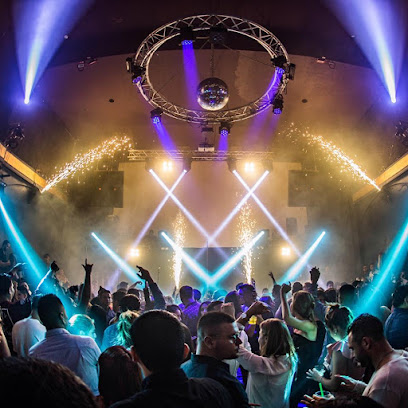
The Mojo Lounge
26.6 km
Discover Fremont's nightlife at The Mojo Lounge, a lively spot for cocktails, live music, and sports entertainment in a vibrant atmosphere.
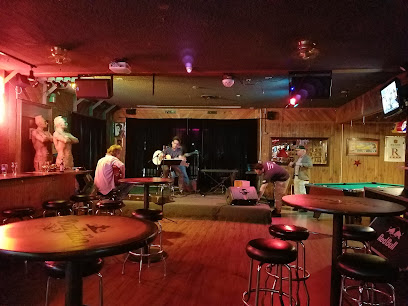
Coyote's Keep
27.0 km
Discover the vibrant nightlife of Coyote's Keep in Los Altos Hills, where music, dance, and unforgettable experiences await.

Ultra Music Studio
28.6 km
Discover the ultimate karaoke experience at Ultra Music Studio in Fremont, where every night is filled with music, laughter, and unforgettable moments.