

Free Mondulkiri Travel Guide & Mobile App
Explore Mondulkiri with free travel guides. Discover regional history, expert tips, proposed trips, and audio guides on web or mobile app.


Mondulkiri offers Cambodia’s cooler highlands, forest trails, waterfalls, Bunong culture and red-earth landscapes from a quiet base in Sen Monorom.
Read more about Mondulkiri
When is the best time to visit Mondulkiri?
Best: December–February · 25–27°C| Month | High (°C) | Rainfall (mm) |
|---|---|---|
| January (best) | 25 | 2 |
| February (best) | 27 | 2 |
| March | 30 | 11 |
| April | 32 | 50 |
| May | 33 | 150 |
| June | 31 | 211 |
| July | 30 | 220 |
| August | 30 | 221 |
| September | 30 | 181 |
| October | 29 | 141 |
| November | 27 | 40 |
| December (best) | 26 | 4 |
Getting to and around Mondulkiri
How to get there
Transportation
Top city travel guides in Mondulkiri
The cities of Mondulkiri, and the easiest places to base yourself.

Swipe for more cities
Destinations in Mondulkiri
Resorts, valleys and scenic spots worth a trip of their own.
-

-

-


Swipe for more destinations
Best attractions in Mondulkiri
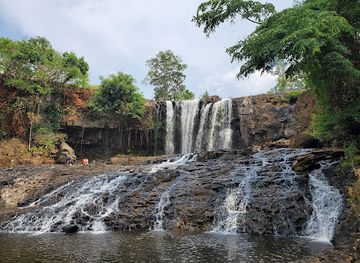
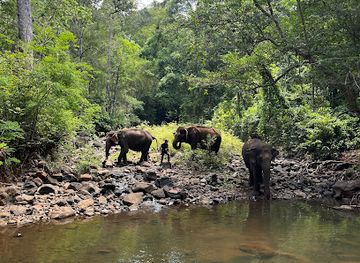
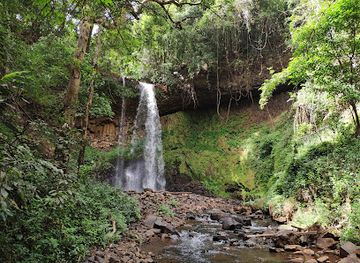
Mondulkiri’s attractions are primarily landscapes and living cultural experiences rather than large built complexes. Bou Sra Waterfall is the province’s best-known excursion, with water descending through a wooded setting and seasonal changes in flow. Around Sen Monorom, shorter trips lead to waterfall areas, open hill viewpoints and the so-called Sea Forest, where rows of trees and rolling terrain create broad panoramas. Guided walks can introduce visitors to eastern Cambodian forest ecology, local farming and Bunong cultural perspectives, while responsible elephant sanctuaries offer observation rather than riding or performance. The province’s roads are part of the experience, passing red-earth slopes, grazing land, plantations and isolated settlements, although journeys require patience. Birdwatching, nature walks, cycling and motorbike touring are possible with suitable planning, but remote access should be arranged with people who understand current conditions. Attractions are dispersed across a large, lightly populated province, so a realistic itinerary should prioritise a few areas rather than attempting to see everything from a single short stay.
-
National park
Bousra Waterfall
Discover the breathtaking Bousra Waterfall, one of Cambodia's tallest and most beautiful natural attractions nestled in lush greenery.
-
Tourist attraction
Mondulkiri Project Elephant Sanctuary
Ethical elephant sanctuary in Mondulkiri, offering immersive tours that support elephant rescue, rehabilitation, and local community development.
-
Non-profit organization
Elephant Valley Project
Discover the compassionate care of rescued elephants at the Elephant Valley Project, a unique wildlife refuge in Cambodia.
-
Tourist attraction
Kouprey Roundabout
Discover the Kouprey Roundabout in Mondulkiri: A symbol of Cambodian heritage and a vibrant hub of local life.

Best landmarks in Mondulkiri
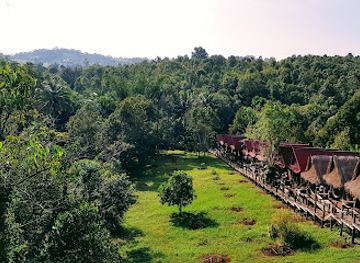
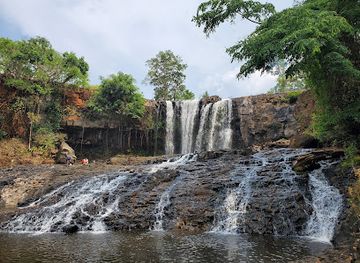
Bou Sra Waterfall is Mondulkiri’s most recognisable natural landmark, its divided cascades and forested valley forming a visual emblem of the province. Around Sen Monorom, Phnom Doh Kromom is associated with a hilltop religious site and broad views across the surrounding uplands, while the area’s open ridges and wooded slopes convey the elevated character that distinguishes Mondulkiri from Cambodia’s central plain. The Sea Forest viewpoint area is another notable landscape marker, with lines of trees and rolling countryside creating a distinctive panorama. Sen Monorom’s built environment is modest, but its roads, red-earth verges and scattered highland settlements provide a clear sense of the province’s frontier geography. More broadly, the forested hills, grasslands and waterfall valleys are landmarks in their own right: they express the ecological and cultural setting in which Bunong communities have lived and in which contemporary conservation efforts now operate.
-
National park
Bousra Waterfall
Discover the majestic Bousra Waterfall in Mondulkiri, Cambodia: a triple-tiered cascade, cultural gem, and natural playground for adventure and relaxation.
-
Tourist attraction
Mondulkiri Project Elephant Sanctuary
Ethical ecotourism in Mondulkiri: Observe rescued elephants in their natural habitat and support local communities.
-
Non-profit organization
Elephant Valley Project
Observe rescued elephants in their natural habitat at this ethical sanctuary in Mondulkiri, supporting conservation and local communities.
-
Tourist attraction
Kouprey Roundabout
Discover the heart of Mondulkiri at Kouprey Roundabout, a cultural landmark and gateway to the region's natural wonders and local life.

Explore Mondulkiri on the map
Plan your trip on one map. See where the top cities, national parks and sights are, and book hotels and experiences in a few clicks.
Best hotels in Mondulkiri
Best restaurants in Mondulkiri
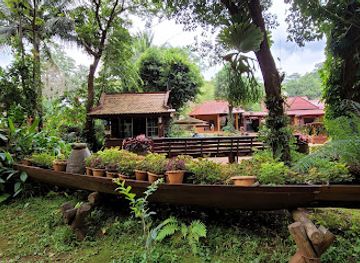
Dining in Mondulkiri is centred on simple Cambodian restaurants, guesthouse kitchens, cafés and market stalls in Sen Monorom, with a smaller choice of food in outlying districts. Familiar Khmer dishes such as soups, stir-fries, grilled meats, rice dishes and fresh vegetables are widely available, while menus may also include food influenced by the province’s proximity to Vietnam. Local produce can include coffee, cashews, honey, fruit and vegetables grown in the cooler uplands, although supply and seasonality vary. Visitors may find grilled meats and freshwater fish at informal eateries, alongside noodles and basic Western dishes aimed at travellers. Rural community visits sometimes include home-cooked food, but arrangements, ingredients and dietary options should be confirmed in advance. Markets are useful for snacks and everyday produce rather than polished culinary tourism, and carrying provisions is sensible for long excursions to waterfalls or forest areas.
-
Resort hotel
Oromis Guest House and Restaurant
Experience comfort and authentic Cambodian cuisine at Oromis Guest House and Restaurant in Krong Saen Monourom.
-
Pizza
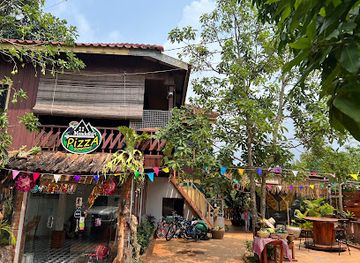
Mondulkiri Pizza
Experience mouthwatering pizza in Krong Saen Monourom at Mondulkiri Pizza - where flavor meets friendliness.
-
Restaurant
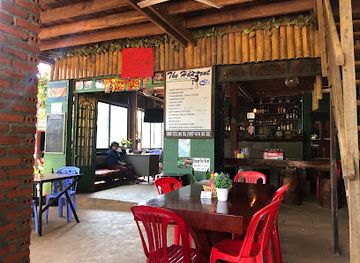
The Hangout
Discover delectable Western and Khmer cuisine at The Hangout in Krong Saen Monourom – where flavor meets affordability.
-
Restaurant
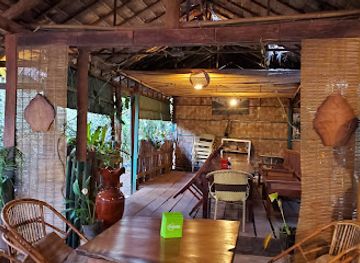
Bamboo Cafe
Discover authentic Khmer and Western cuisine at Bamboo Cafe in Krong Saen Monourom—an unforgettable dining experience awaits!
Best bars in Mondulkiri
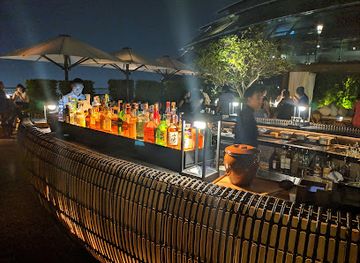
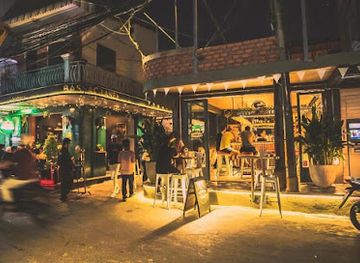
Mondulkiri has a quiet evening scene concentrated in Sen Monorom rather than a substantial nightclub circuit. Guesthouse restaurants, cafés and modest bars provide places for travellers to eat, talk and plan the following day, while some establishments serve Cambodian beer, spirits and simple cocktails. Evening activity generally winds down earlier than in Phnom Penh or Cambodia’s major resort towns, and options become very limited outside the provincial capital. Occasional live music or informal social gatherings may occur, but these should not be assumed to follow a fixed schedule. The cooler highland climate makes outdoor seating pleasant in suitable weather, although evenings can be chilly during the dry season. In rural areas, night-time culture is more closely connected with family, village and community life than with commercial entertainment, so visitors should avoid loud behaviour near homes and accommodation.
-
Bar
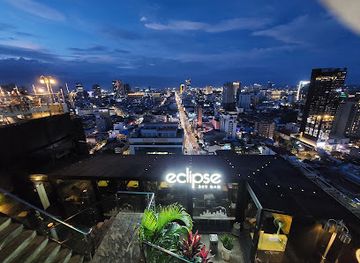
Eclipse Sky Bar
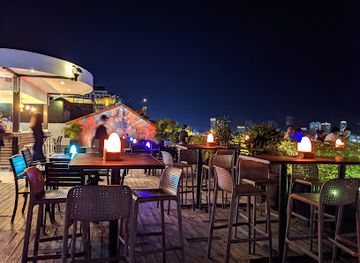
Experience breathtaking views and vibrant nightlife at Eclipse Sky Bar, Phnom Penh's premier rooftop bar and restaurant.
-
Bar
Le Moon Rooftop
Experience breathtaking city views and delightful cocktails at Le Moon Rooftop, a premier bar and lounge in Phnom Penh's vibrant nightlife.
-
Bar
Sora Bar
Experience the elegance of Sora Bar, Phnom Penh's breathtaking rooftop bar offering stunning skyline views and exquisite cocktails.
-
Bar
Bassac Lane
Discover the vibrant nightlife of Bassac Lane in Phnom Penh, where craft cocktails and delectable dishes create an unforgettable experience.
Best nightclubs in Mondulkiri
Mondulkiri has a quiet evening scene concentrated in Sen Monorom rather than a substantial nightclub circuit. Guesthouse restaurants, cafés and modest bars provide places for travellers to eat, talk and plan the following day, while some establishments serve Cambodian beer, spirits and simple cocktails. Evening activity generally winds down earlier than in Phnom Penh or Cambodia’s major resort towns, and options become very limited outside the provincial capital. Occasional live music or informal social gatherings may occur, but these should not be assumed to follow a fixed schedule. The cooler highland climate makes outdoor seating pleasant in suitable weather, although evenings can be chilly during the dry season. In rural areas, night-time culture is more closely connected with family, village and community life than with commercial entertainment, so visitors should avoid loud behaviour near homes and accommodation.
-
Karaoke bar
ROYAL MONDULKIRI KTV
Experience the vibrant nightlife of Krong Saen Monourom at Royal Mondulkiri KTV, where every song is a celebration.
Best shops in Mondulkiri
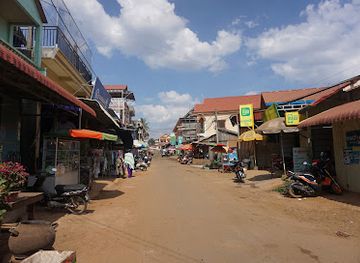
Shopping in Mondulkiri is modest and practical, with the main selection found in Sen Monorom’s market, small food shops, roadside stalls and guesthouse areas. Visitors can look for locally produced coffee, honey, cashews, dried foods and seasonal fruit, although quality, labelling and availability vary between sellers. Small craft items and textiles may be available through community-based projects or village visits, but they should be bought respectfully and without assuming that every object is a traditional Bunong product. The market is more useful for snacks, provisions and an impression of everyday provincial trade than for extensive souvenir hunting. Outside Sen Monorom, shops are sparse, so purchase essentials before heading to waterfalls or remote forest areas. Bargaining may be accepted in informal markets, but it should remain courteous and proportionate; paying fairly matters more than securing the lowest possible price.
-
Tourist attraction
Mondulkiri Project Elephant Sanctuary
Experience ethical wildlife tourism at Mondulkiri Project Elephant Sanctuary, where conservation efforts meet unforgettable encounters with elephants in Cambodia.
-
Tourist information center
Mondulkiri Elephant & Wildlife Sanctuary - L.E.A.F Cambodia
Explore Mondulkiri Elephant & Wildlife Sanctuary – A haven for rescued elephants and wildlife conservation in the heart of Cambodia.
-
Lodge
PIDA COFFEE FARM
Experience the rich flavors of Cambodia at Pida Coffee Farm, where coffee, cuisine, and nature come together in a serene escape.
-
Supermarket
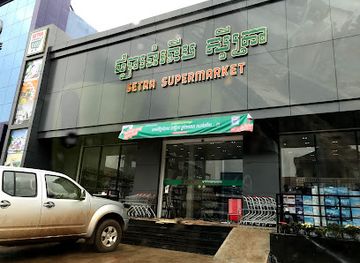
SETRA Supermarket
Explore the vibrant SECTA Supermarket in Krong Saen Monourom for a delightful shopping experience filled with local flavors and international goods.
Get your free copy of our complete guide to Mondulkiri, delivered straight to you.
Everything on this page, from attractions and restaurants to essentials and local phrases, in one PDF you can read offline, print or share.
Already have an account? Sign in
Your Mondulkiri guide is ready.
We'll send it to · Not you? Sign out

Getting your guide ready…
We are putting together a fresh copy of the Mondulkiri guide. This can take up to a minute.
This can take a few moments. If your browser asks, choose Allow so the download can start. You'll find the guide in your Downloads folder.
Nothing happened? Download it again
Sorry, the guide is taking longer than usual. Please try again in a minute, or get it by email instead.
Mondulkiri essentials
Currency and Payment
Safety
Emergency Situations
Do's and Don'ts
Local Tips
From Eve
Local phrases worth knowing
You don't need to get them perfect. A few words go a long way, and locals appreciate the effort.
Basics
| English | Local | Say it |
|---|---|---|
| Hello | សួស្តី | [Suosdai] |
| Goodbye | លាហើយ | [Leahery] |
| Yes | បាទ/ចាស | [Bat/Chas] |
| No | ទេ | [Te] |
| Please/You're welcome | សូម/សូមស្វាគមន៍ | [Som/Som svakum] |
| Thank you | អរគុណ | [Orkun] |
| Excuse me/Sorry | សូមអភ័យទោស | [Som aphaytos] |
| How are you? | អ្នកសុខសប្បាយរឺទេ? | [Anak sok sabay ruer te?] |
| Fine. And you? | សុខសប្បាយ។ ហើយអ្នក呢? | [Sok sabay. Haey anak ne?] |
| Do you speak English? | អ្នកនិយាយភាសាអង់គ្លេសទេ? | [Anak niyeay pheasa angkles te?] |
| I don't understand | ខ្ញុំមិនយល់ទេ | [Khnhom min yol te] |
Eating & Drinking
| English | Local | Say it |
|---|---|---|
| I'd like to see the menu, please | ខ្ញុំចង់មើលម៉ឺនុយសូម | [Khnhom jong merl menu som] |
| I don't eat meat | ខ្ញុំមិនបរិភោគសាច់ | [Khnhom min bariphok sach] |
| Cheers! | សុខសប្បាយ! | [Sok sabay!] |
| I would like to pay, please | ខ្ញុំចង់បង់ប្រាក់សូម | [Khnhom jong bang prak som] |
Emergencies
| English | Local | Say it |
|---|---|---|
| Help! | ជួយខ្ញុំ! | [Chouy khnhom!] |
| Go away! | ចេញទៅ! | [Chenh tov!] |
| Call the Police! | ហៅប៉ូលីស! | [Hav polis!] |
| Call a doctor! | ហៅគ្រូពេទ្យ! | [Hav kru peth!] |
| I'm lost | ខ្ញុំបានខកខាន | [Khnhom ban khak khan] |
| I'm ill | ខ្ញុំឈឺ | [Khnhom chheu] |
Shopping
| English | Local | Say it |
|---|---|---|
| I'd like to buy... | ខ្ញុំចង់ទិញ... | [Khnhom jong tin...] |
| I'm just looking | ខ្ញុំតែបើកមើល | [Khnhom tae ber merl] |
| How much is it? | វាតម្លៃប៉ុន្មាន? | [Va tamlay ponman?] |
| That's too expensive | វាធ្លៃពេក | [Va thlai pek] |
| Can you lower the price? | អ្នកអាចកាត់តម្លៃបានទេ? | [Anak ach kat tamlay ban te?] |
Time & Numbers
| English | Local | Say it |
|---|---|---|
| What time is it? | ម៉ោងប៉ុន្មានហើយ? | [Maoong ponman hey?] |
| It's one o'clock | ម៉ោងមួយ | [Maoong muoy] |
| Half past (10) | ពាក់កណ្តាល (10) | [Peak kandal (10)] |
| Morning | ព្រឹក | [Preuk] |
| Afternoon | ល្ងាច | [Lngach] |
| Evening | ល្ងាច | [Lngach] |
| Yesterday | ម្សិលមិញ | [Msil minh] |
| Today | ថ្ងៃនេះ | [Thngai nih] |
| Tomorrow | ថ្ងៃស្អែក | [Thngai saek] |
| 1 | ១ | [Muoy] |
| 2 | ២ | [Pey] |
| 3 | ៣ | [Bey] |
| 4 | ៤ | [Buoy] |
| 5 | ៥ | [Pram] |
| 6 | ៦ | [Pram muoy] |
| 7 | ៧ | [Pram pey] |
| 8 | ៨ | [Pram bey] |
| 9 | ៩ | [Pram buoy] |
| 10 | ១០ | [Pram pram] |
Transport & Directions
| English | Local | Say it |
|---|---|---|
| Where's a/the...? | តើ...នៅឯណា? | [Ta... nov ae na?] |
| What's the address? | អាស័យដ្ឋានអ្វី? | [Aasay dthan ave?] |
| Can you show me (on the map)? | អ្នកអាចបង្ហាញខ្ញុំ(នៅលើផែនទី)? | [Anak ach banghean khnhom (nov le phentti)?] |
| When's the next (bus)? | ម៉ោងប៉ុន្មានមកក្រោយ? | [Maoong ponman mok kroy?] |
| A ticket (to ....) | សំបុត្រ (ទៅ....) | [Sambat (tov....)] |
History of Mondulkiri
Bunong upland heritage
The eastern highlands have long been home to Bunong communities whose livelihoods and cultural practices developed in close relationship with forests, streams and upland fields. Historically, settlements were dispersed and political authority was less centralised than in Cambodia’s lowland kingdoms. Oral traditions, customary land relationships and knowledge of medicinal plants, wildlife and seasonal cultivation remain important to Bunong identity. Visitors encounter only part of this history through community-based tourism, and local customs should not be reduced to staged folklore or treated as public property.
The eastern highlands and Cambodia’s kingdoms
Mondulkiri lies beyond the principal centres of the Khmer Angkorian heartland, and surviving evidence of monumental Khmer settlement is far less conspicuous here than around Siem Reap. The uplands nevertheless formed part of wider political, trading and cultural networks linking the Cambodian interior with the borderlands of present-day Vietnam. Control and influence varied over time, while highland communities retained distinctive languages, social organisation and customary practices. The region’s historical importance therefore lies as much in its frontier relationships and indigenous continuity as in monumental architecture.
French colonial administration
During the French Protectorate period, colonial authorities gradually extended administrative control over Cambodia’s eastern uplands, whose borders and political relationships had long been fluid. Roads, officials and mapping altered connections between the highlands, lowland Cambodia and neighbouring Indochinese territories, although Mondulkiri remained remote and lightly developed. Colonial rule also strengthened the idea of fixed administrative boundaries in a region where communities had traditionally moved through a wider cultural landscape. The province’s modern position on Cambodia’s eastern frontier reflects these later administrative processes.
War and upheaval in the twentieth century
Mondulkiri was deeply affected by the wars that shook Cambodia and neighbouring Vietnam from the 1960s through the 1980s. Its borderland location, forests and limited infrastructure made the area strategically sensitive, while bombing, armed conflict, displacement and insecurity disrupted communities and agriculture. The Khmer Rouge period and the years of continuing civil conflict brought severe hardship across the province. Remoteness slowed reconstruction, and many rural areas remained difficult to reach long after peace and political stability began returning to Cambodia.
Road building and postwar integration
Improved roads linking Mondulkiri with Cambodia’s central provinces transformed access from the late twentieth century onwards. Sen Monorom became a more practical administrative and tourism centre, while improved connections supported trade, schools, public services and movement between villages. This integration also brought pressures, including land speculation, commercial agriculture and outside influence. The contrast between newly accessible roads and still-remote forest communities is one of the defining features of contemporary Mondulkiri.
Forests, concessions and conservation
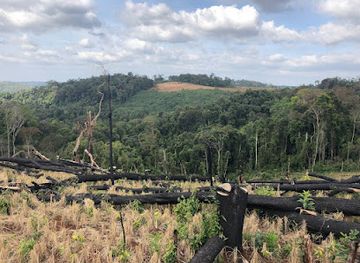
Mondulkiri contains some of Cambodia’s most important remaining eastern forest landscapes, including areas associated with protected forests and wildlife conservation. At the same time, logging, economic land concessions and agricultural expansion have generated disputes over land, customary use and environmental protection. Conservation organisations and local communities have developed differing approaches to wildlife tourism, forest stewardship and livelihood support. Today, the province’s future is shaped by the balance between road-led development, indigenous land rights, farming, tourism and the protection of habitats that support elephants and other wildlife.
Mondulkiri in Photos
Browse through our photo collection highlighting the charm and character of the destination.
Neighbouring regions of Mondulkiri
The closest regions to Mondulkiri, if you have time for more than one.
-

-

-

-

-


Swipe for more regions
Explore more

Explore more of Cambodia
Discover Cambodia: From the ancient wonders of Angkor Wat to the vibrant streets of Phnom Penh, immerse yourself in a land of history, culture, and natural beauty.
Explore Cambodia