

Ratanakiri, Cambodia Travel Guide
Discover Ratanakiri, Cambodia's untamed gem, where lush jungles, pristine lakes, and vibrant hill tribe cultures await the adventurous traveler.
Ratanakiri, located in the northeast of Cambodia, is a wild and enchanting province known for its stunning natural beauty and rich cultural heritage. This off-the-beaten-path destination is an adventurer's paradise, offering lush forests, rolling hills, and crystal-clear rivers that are perfect for exploring. The province is home to Virachey National Park, one of Cambodia's largest protected areas. Here, you can trek through dense jungles, encounter exotic wildlife, and immerse yourself in the pristine environment. The park is also a sanctuary for indigenous communities, providing a unique opportunity to learn about their traditional ways of life. Ratanakiri's landscape is dotted with picturesque waterfalls like Ka Chanh and Katieng, which are ideal for a refreshing dip after a day of hiking. The serene Yeak Laom Volcanic Lake, formed from an ancient volcanic crater, is another must-visit spot. Its crystal-clear waters and surrounding forest make it a perfect place for swimming and picnicking. The province's vibrant ethnic diversity is also a highlight. Various hill tribes, including the Tampuan and Jarai, offer a glimpse into their unique cultures through traditional crafts, music, and ceremonies. Visiting their villages is a culturally enriching experience that provides a deeper understanding of Cambodia's tribal heritage.

Know before you go
Hi, I'm Eve. Here are a few practical things to know before exploring Ratanakiri.
- Bring sturdy hiking shoes for exploring Virachey National Park and the province's many trails.
- Visit during the dry season (November to April) for easier travel and better weather.
- Respect local customs and traditions when visiting hill tribe villages.
- Hire a local guide to enhance your trekking experience and learn more about the indigenous flora and fauna.
- Carry insect repellent to protect against mosquitoes, especially in forested areas.
Destinations in Ratanakiri
Resorts, valleys and scenic spots worth a trip of their own.

Explore Ratanakiri: Things to Do, Places to Eat, Hotels & More
Handpicked recommendations for top attractions, local dining, accommodations, and more

Top Attractions & Sightseeing in Ratanakiri
Top-rated picks
Best Attractions

Katieng Waterfall
Discover the breathtaking beauty and tranquility of Katieng Waterfall in Krong Ban Lung, a perfect destination for nature lovers and adventure seekers.

Virachey National Park
Explore the pristine landscapes and rich biodiversity of Virachey National Park, a must-visit destination for nature lovers and adventure seekers in Cambodia.

Cha Ong Waterfall, Ratanakiri
Explore the stunning Cha Ong Waterfall in Ratanakiri, a hidden gem in Cambodia offering breathtaking landscapes and serene natural beauty.

Lake Yeak Laom
Discover the tranquil beauty and adventure of Lake Yeak Laom, a volcanic lake in Krong Ban Lung perfect for relaxation and exploration.

Best landmarks in Ratanakiri
Top-rated picks
Best Landmarks

Katieng Waterfall
Explore the enchanting Katieng Waterfall in Krong Ban Lung, a serene oasis perfect for nature lovers and adventure seekers alike.

Kachanh Waterfall
Discover the serene beauty of Kachanh Waterfall near Banlung: swim, relax, and immerse yourself in Cambodia's natural splendor.

Lake Yeak Laom
Discover the pristine beauty and spiritual heart of Ratanakiri at Yeak Laom Lake, a volcanic crater oasis managed by the local Tampuan community.

Virachey National Park
Discover Cambodia's largest national park: Trekking, wildlife, and cultural immersion in a pristine wilderness.

Best restaurants in Ratanakiri
Top-rated picks
Best Restaurants

The Green Carrot restaurant & bar
Discover the culinary delights at The Green Carrot Restaurant & Bar in Krong Ban Lung—where Asian flavors meet Western favorites.

Ratanakiri- Boutique Hotel
Experience comfort and culture at Ratanakiri Boutique Hotel, your gateway to exploring the natural wonders of Krong Ban Lung.

Banlung Reggae Bar & Restaurant
Experience vibrant flavors and reggae vibes at Banlung Reggae Bar & Restaurant in Cambodia's scenic Ratanakiri province.

Paradise Restaurant
Experience authentic Cambodian cuisine at Paradise Restaurant in Krong Ban Lung – where every meal is a celebration of flavor.

Best bars in Ratanakiri
Top-rated picks
Best Bars

The Green Carrot restaurant & bar
Experience the best of local and international flavors at The Green Carrot Restaurant & Bar in Krong Ban Lung, a culinary treasure for every traveler.

Banlung Reggae Bar & Restaurant
Discover the vibrant flavors and lively atmosphere at Banlung Reggae Bar & Restaurant, your go-to spot for authentic Cambodian cuisine and reggae vibes.

Paradise Restaurant
Experience the authentic flavors of Cambodia at Paradise Restaurant, a top breakfast spot in Krong Ban Lung with delightful local dishes.

Molyka Lodge
Discover Molyka Lodge: Your serene escape in Banlung with delightful local cuisine, cozy accommodations, and a refreshing swimming pool.

Best nightclubs in Ratanakiri
Top-rated picks
Best Nightclubs

Pontoon Club
Discover the electrifying nightlife of Phnom Penh at Pontoon Club, the ultimate destination for live music and unforgettable dance experiences.

The Green Carrot restaurant & bar
Discover a culinary paradise at The Green Carrot restaurant & bar in Krong Ban Lung, offering a unique mix of Asian and Western flavors in a vibrant setting.

Darlin' Darlin' Music Lounge
Discover the energetic vibe of Darlin' Darlin' Music Lounge, Phnom Penh's premier live music bar for unforgettable nights.

Heart Of Darkness
Dive into Phnom Penh's nightlife at Heart Of Darkness, where electrifying music and vibrant energy create unforgettable nights in the heart of the city.

Best shops in Ratanakiri
Top-rated picks
Best Shops

Ratanakiri- Boutique Hotel
Experience the charm of Ratanakiri at Ratanakiri Boutique Hotel, your perfect retreat for relaxation and adventure in Cambodia's natural beauty.

SETRA Coffee
Discover the charm of SETRA Coffee in Krong Ban Lung, where quality brews meet a serene atmosphere for the perfect coffee experience.

CAREMCHU
Discover the delightful treats of CAREMCHU, Ratanakiri's beloved cake shop offering a delectable selection of baked goods and ice creams.

Blue zircon Ratanakiri stone
Explore the stunning beauty of blue zircon jewelry in Krong Ban Lung, where elegance meets local craftsmanship.

Explore Ratanakiri on the Map
A handpicked selection of must-see spots in Ratanakiri, mapped for you.
Ratanakiri Essentials
-
Ratanakiri is located in the northeastern part of Cambodia. The nearest major airport is Phnom Penh International Airport, approximately 600 kilometers away. From Phnom Penh, you can take a domestic flight to Banlung Airport, which is the main town in Ratanakiri. Alternatively, you can travel by bus or private taxi from Phnom Penh to Banlung. The bus journey typically takes around 10 to 12 hours and offers a scenic route through the Cambodian countryside.
-
Banlung, the capital of Ratanakiri, is a relatively small town, and many attractions are within walking distance. For longer trips, local tuk-tuks and motorbike taxis are readily available and affordable. Renting a motorbike is also a popular option among tourists for exploring the surrounding areas at your own pace. Be sure to check the condition of the roads, as some can be challenging, especially during the rainy season.
-
The official currency in Cambodia is the Cambodian Riel (KHR), but US dollars are widely accepted. Credit cards are not commonly used in Ratanakiri, so it is advisable to carry sufficient cash. ATMs are available in Banlung, but they may not always be reliable, so it is wise to withdraw enough cash in larger cities like Phnom Penh or Siem Reap before heading to Ratanakiri.
-
Ratanakiri is generally a safe destination for tourists, but it is important to take standard precautions. Avoid walking alone at night in unfamiliar areas and keep an eye on your belongings in crowded places. There are no specific high-crime areas targeting tourists, but petty theft can occur, especially in busier parts of Banlung. Always stay vigilant and aware of your surroundings.
-
In case of emergency, dial 117 for police assistance and 119 for medical emergencies. Banlung has a local police station and medical facilities, but they may not be equipped to handle serious medical conditions. It is recommended to have travel insurance that covers medical emergencies. For minor health issues, there are pharmacies in Banlung where you can purchase over-the-counter medications.
-
Fashion: Do dress modestly, especially when visiting religious sites. Avoid wearing revealing clothing. Religion: Do respect local customs and traditions. Always remove your shoes and cover your head when entering temples and pagodas. Public Transport: Do be respectful and give up your seat to elderly passengers. Don't eat or drink on public transport. Greetings: Do greet people with a smile and a slight bow with both hands pressed together in a prayer-like gesture. Eating & Drinking: Do try local delicacies and accept food offerings graciously. Don’t refuse hospitality, as it is considered impolite.
-
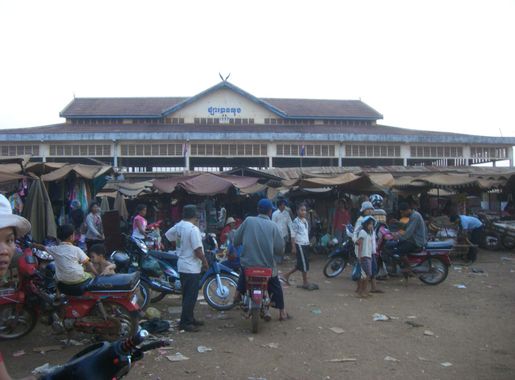
To experience Ratanakiri like a local, visit the local markets where you can buy fresh produce and traditional Cambodian goods. Engage with locals, as they are often friendly and willing to share stories about the region's history and culture. Don’t miss visiting the Yeak Laom Volcanic Lake, which is a popular spot among locals for swimming and picnicking. For a unique experience, consider visiting a traditional hill tribe village to learn about their customs and way of life.
When is the best time to visit Ratanakiri?
Useful Local Phrases for Ratanakiri
You don't need to speak the language perfectly. Even learning a few simple words can make conversations warmer—and locals usually appreciate the effort.
— Eve

Here are the phrases I use most often in Ratanakiri. Try a few—you'll be surprised how far they go! 😊
❤️
-
- Helloជំរាបសួរ
[jom reap suar] - Goodbyeលា
[lea] - Yesបាទ / ចាស
[bat / chas] - Noទេ
[te] - Please/You're welcomeសូម / ការសូមទោស
[som / kar som tos] - Thank youអរគុណ
[orkun] - Excuse me/Sorryសូមទោស
[som tos] - How are you?សុខសប្បាយរឺទេ?
[sok sabay reu te?] - Fine. And you?សុខសប្បាយ។ ហើយអ្នក?
[sok sabay. haey anak?] - Do you speak English?អ្នកនិយាយភាសាអង់គ្លេសទេ?
[anak niyeay phea sa angkles te?] - I don't understandខ្ញុំមិនយល់
[khnhom min yol]
- Helloជំរាបសួរ
-
- I'd like to see the menu, pleaseខ្ញុំចង់មើលម៉ឺនុយសូម
[khnhom jong merl menu som] - I don't eat meatខ្ញុំមិនបរិភោគសាច់
[khnhom min boriphok sach] - Cheers!ជំរាបសួរ!
[jom reap suar!] - I would like to pay, pleaseខ្ញុំចង់បង់ប្រាក់សូម
[khnhom jong bang prak som]
- I'd like to see the menu, pleaseខ្ញុំចង់មើលម៉ឺនុយសូម
-
- Help!ជួយ!
[jouy!] - Go away!ចេញទៅ!
[chenh tov!] - Call the Police!ហៅប៉ូលីស!
[hao polis!] - Call a doctor!ហៅគ្រូពេទ្យ!
[hao kru peth!] - I'm lostខ្ញុំខកខាន
[khnhom khak khan] - I'm illខ្ញុំមានជំងឺ
[khnhom mean jumner]
- Help!ជួយ!
-
- I'd like to buy...ខ្ញុំចង់ទិញ...
[khnhom jong tin...] - I'm just lookingខ្ញុំកំពុងមើល
[khnhom kom pong merl] - How much is it?តម្លៃវាប៉ុន្មាន?
[damlai vea ponman?] - That's too expensiveវាទំលៃខ្ពស់ពេក
[vea damlai kphos pek] - Can you lower the price?អ្នកអាចកាត់តម្លៃបានទេ?
[anak ach kat damlai ban te?]
- I'd like to buy...ខ្ញុំចង់ទិញ...
-
- What time is it?ម៉ោងប៉ុន្មាន?
[maong ponman?] - It's one o'clockម៉ោងមួយ
[maong muoy] - Half past (10)មួយម៉ោងនិងបីនាទី
[muoy maong ning bei neati] - Morningព្រឹក
[preuk] - Afternoonល្ងាច
[lngach] - Eveningល្ងាច
[lngach] - Yesterdayម្សិលមិញ
[msil minh] - Todayថ្ងៃនេះ
[thngai nih] - Tomorrowថ្ងៃស្អែក
[thngai saek] - 1មួយ
[muoy] - 2ពីរ
[pir] - 3បី
[bei] - 4បួន
[boun] - 5ប្រាំ
[pram] - 6ប្រាំមួយ
[pram muoy] - 7ប្រាំពីរ
[pram pir] - 8ប្រាំបី
[pram bei] - 9ប្រាំបួន
[pram boun] - 10ដប់
[dob]
- What time is it?ម៉ោងប៉ុន្មាន?
-
- Where's a/the...?ដែលណា...?
[dael na...?] - What's the address?អាសយដ្ឋានមួយណា?
[aseyathaan muoy na?] - Can you show me (on the map)?អ្នកអាចបង្ហាញខ្ញុំ(នៅលើផែនទី)?
[anak ach bonghean khnhom (nov ler phenthi)?] - When's the next (bus)?ម៉ោងដូងក្រោយមក?
[maong dong krouy mok?] - A ticket (to ....)សំបុត្រ(ទៅ....)
[sambot (tov....)]
- Where's a/the...?ដែលណា...?
History of Ratanakiri
-
Ratanakiri has been home to various indigenous tribes for centuries, including the Tampuan, Kreung, Jarai, and Brao peoples. These tribes have maintained a distinct cultural identity, with unique languages, traditions, and social structures. Their way of life is deeply connected to the natural environment, and many still practice traditional farming, hunting, and animist spiritual beliefs.
-
During the French colonial period in the late 19th and early 20th centuries, Ratanakiri was part of French Indochina. The French established plantations and introduced new agricultural practices, but the region remained relatively isolated due to its rugged terrain. The colonial period also saw the construction of infrastructure such as roads and administrative buildings, some of which still stand today.
-
Ratanakiri was significantly impacted by the Khmer Rouge regime from 1975 to 1979. The remote and forested landscape provided refuge for Khmer Rouge fighters, and the indigenous populations were subjected to forced labor and violent repression. The scars of this period are still evident in the memories of the local communities and the remnants of Khmer Rouge structures scattered throughout the region.
-
After the fall of the Khmer Rouge, Ratanakiri began a slow process of reconstruction and recovery. The Cambodian government, along with international aid organizations, worked to rebuild infrastructure and provide essential services. Efforts were also made to preserve the cultural heritage of the indigenous tribes, including initiatives to document and promote their traditional practices and languages.
-
In recent decades, Ratanakiri has seen increased development and a growing interest in eco-tourism. The region's natural beauty, including its waterfalls, mountains, and wildlife, has attracted visitors from around the world. Sustainable tourism initiatives aim to balance economic benefits with the preservation of the environment and the cultural heritage of the indigenous communities.
Neighbouring Regions of Ratanakiri
The closest regions to Ratanakiri, if you have time for more than one.


Your all‑in‑one travel companion app
Explore expert travel guides, compare and book tours, experiences, hotels, and more—all from the palm of your hand. Download now for seamless trip planning wherever your wanderlust takes you.


Explore More of Cambodia

Looking beyond Ratanakiri? Discover Cambodia for broader travel guides, local hot-spots, and regional highlights.
Explore CambodiaRatanakiri in Photos
Browse through our photo collection highlighting the charm and character of the destination.




Ratanakiri: The Untamed Gem of Cambodia
Ratanakiri, located in the northeast of Cambodia, is a wild and enchanting province known for its stunning natural beauty and rich cultural heritage. This off-the-beaten-path destination is an adventurer's paradise, offering lush forests, rolling hills, and crystal-clear rivers that are perfect for exploring. The province is home to Virachey National Park, one of Cambodia's largest protected areas. Here, you can trek through dense jungles, encounter exotic wildlife, and immerse yourself in the pristine environment. The park is also a sanctuary for indigenous communities, providing a unique opportunity to learn about their traditional ways of life. Ratanakiri's landscape is dotted with picturesque waterfalls like Ka Chanh and Katieng, which are ideal for a refreshing dip after a day of hiking. The serene Yeak Laom Volcanic Lake, formed from an ancient volcanic crater, is another must-visit spot. Its crystal-clear waters and surrounding forest make it a perfect place for swimming and picnicking. The province's vibrant ethnic diversity is also a highlight. Various hill tribes, including the Tampuan and Jarai, offer a glimpse into their unique cultures through traditional crafts, music, and ceremonies. Visiting their villages is a culturally enriching experience that provides a deeper understanding of Cambodia's tribal heritage.