

Free Stung Treng Travel Guide & Mobile App
Explore Stung Treng with free travel guides. Discover regional history, expert tips, proposed trips, and audio guides on web or mobile app.


Discover Stung Treng’s Mekong islands, river confluences, wetlands, wildlife and quiet Cambodian borderland communities.
Read more about Stung Treng
When is the best time to visit Stung Treng?
Best: December–February · 29–31°C| Month | High (°C) | Rainfall (mm) |
|---|---|---|
| January (best) | 30 | 10 |
| February (best) | 31 | 20 |
| March | 33 | 40 |
| April | 35 | 70 |
| May | 34 | 130 |
| June | 34 | 200 |
| July | 33 | 250 |
| August | 33 | 250 |
| September | 32 | 200 |
| October | 31 | 130 |
| November | 30 | 70 |
| December (best) | 29 | 30 |
Getting to and around Stung Treng
How to get there
Transportation
Destinations in Stung Treng
Resorts, valleys and scenic spots worth a trip of their own.

Swipe for more destinations
Best attractions in Stung Treng
Stung Treng’s principal attractions are its rivers, wetlands and communities rather than a dense collection of built monuments. Boat excursions on the Mekong and its tributaries reveal forested islands, sandbanks, fishing grounds and seasonally flooded habitats, with the Stung Treng Ramsar Site offering the region’s most important environmental setting. Birdwatching is rewarding in suitable conditions, while the Mekong is part of the remaining range of the endangered Irrawaddy dolphin. Visits to island and riverside communities, including areas around Koh Preah, provide insight into fishing, farming and river transport when arranged respectfully. Stung Treng town itself offers a quiet base with markets, pagodas and a simple riverfront, while the roads towards the Lao border pass through sparsely settled countryside. The province is best suited to visitors interested in boat journeys, wildlife, landscape photography, cultural encounters and slow travel rather than conventional urban sightseeing.
-
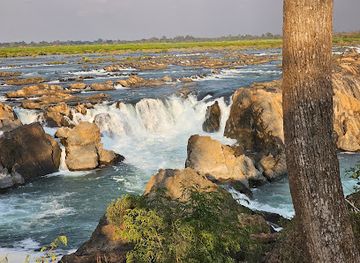
Preah Nimit Waterfall
Explore the breathtaking beauty of Preah Nimit Waterfall, a serene natural wonder at the Cambodia-Laos border, perfect for adventurers and nature lovers.
-
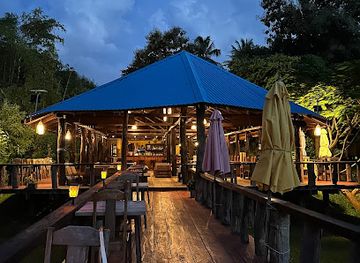
Stung Treng Resort
Discover tranquility and natural beauty at Stung Treng Resort, your serene oasis on the banks of the Mekong River in Cambodia.
-
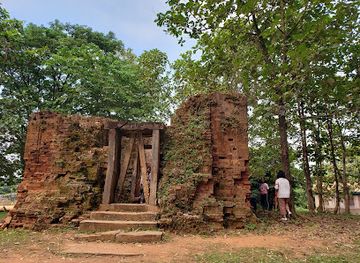
Preah Ko Temple
Discover Preah Ko, the 'Sacred Bull' temple, an ancient Khmer site with intricate carvings, predating Angkor Wat, in the Roluos group.
-
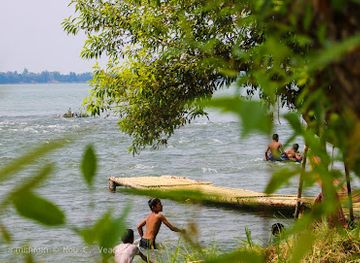
Kang Dei Sor Rapids
Experience the captivating beauty and thrilling adventures at Kang Dei Sor Rapids, a stunning natural attraction along the Mekong River in Cambodia.
Best landmarks in Stung Treng
The meeting of the Mekong and the Sekong is Stung Treng’s defining natural landmark, a broad river landscape that explains the province’s settlement patterns, economy and strategic importance. The Stung Treng Ramsar Site adds international environmental significance, protecting a mosaic of channels, islands, flooded forest and wetlands around the river system. Stung Treng Bridge, carrying National Road 7 across the Sekong, is a notable piece of modern infrastructure and a visible sign of the province’s expanding road connections. In the provincial capital, Buddhist pagodas and the riverside form the most recognisable elements of the townscape, although they are modest rather than monumental. Further north, the Lao frontier at Trapaing Kreal has importance as a historic and contemporary border gateway. Together these places express Stung Treng’s identity as a river province shaped by ecology, movement and the meeting of Cambodian and Lao cultural influences.
-
Buddhist temple
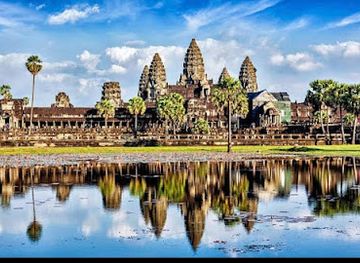
Angkor Wat
Explore Angkor Wat, the magnificent temple complex in Cambodia, a UNESCO World Heritage site and a symbol of Khmer architectural brilliance.
-
Tourist attraction
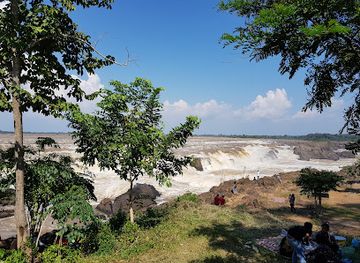
Khone Phapheng Waterfall
Experience the immense power and breathtaking beauty of Khone Phapheng Waterfall, Southeast Asia's largest waterfall, in southern Laos.
-
Tourist attraction
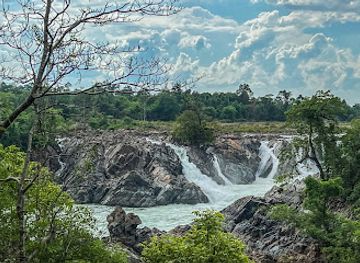
Li Phi Somphamit Waterfalls
Experience the raw power of the Mekong at Li Phi Waterfalls, a place of natural beauty and spiritual significance on Don Khon Island.
-
Tourist attraction
Preah Nimit Waterfall
Discover the breathtaking Preah Nimit Waterfall, a natural wonder on the Mekong River at the Cambodia-Laos border, offering serene beauty and adventure.

Explore Stung Treng on the map
Plan your trip on one map. See where the top cities, national parks and sights are, and book hotels and experiences in a few clicks.
Best hotels in Stung Treng
Best restaurants in Stung Treng
Dining in Stung Treng is predominantly local and informal, with small Khmer restaurants, market stalls, cafés and family-run eateries concentrated in the provincial capital. Freshwater fish is central to the regional food economy and may appear grilled, fried, steamed or incorporated into soups and prahok-based dishes, while rice, noodles, morning glory and other vegetables form everyday accompaniments. The province’s proximity to Laos also gives some meals a north-eastern borderland character, although Cambodian staples remain the foundation of local cooking. Markets are useful for fruit, snacks and simple breakfasts, and riverside establishments can offer straightforward meals with views of the waterways. In villages and on boat excursions, food arrangements are likely to be simple and should be confirmed in advance. Travellers with dietary restrictions should explain them clearly, as fish sauce, fermented fish and seafood are common ingredients.
-
 Restaurant
Mama Leuah Guesthouse and Restaurant
Experience authentic Lao cuisine and cozy accommodations at Mama Leuah Guesthouse and Restaurant in scenic Don Det.
-
Restaurant
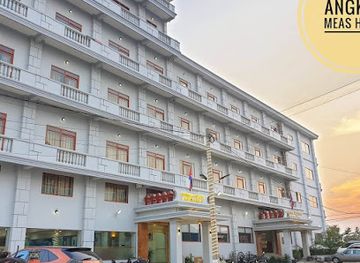
Angkor Meas Hotel
Experience the best of Cambodian hospitality at Angkor Meas Hotel—your go-to spot for exquisite dining and comfortable accommodations.
-
Halal
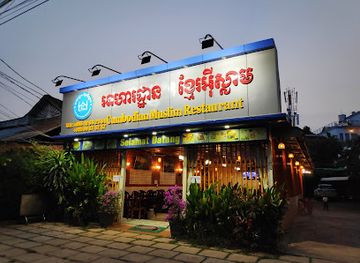
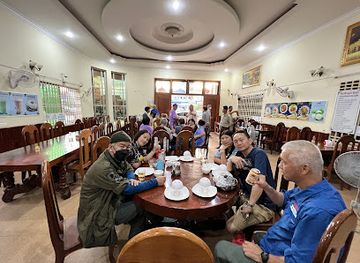
Cambodian Muslim Restaurant
Experience authentic halal Khmer cuisine at Cambodian Muslim Restaurant—a must-visit culinary destination in Cambodia.
-
Restaurant
Sun Tha Restaurant and Hotel
Savor authentic Cambodian flavors at Sun Tha Restaurant and Hotel - your gateway to local cuisine in Krong Stung Treng.
Best bars in Stung Treng
Stung Treng has a subdued evening scene rather than a major nightlife circuit. After dark, activity centres on Khmer restaurants, small beer gardens, cafés and informal riverside establishments, with evenings often shaped by conversation and the town’s relaxed pace. A few venues may offer music or televised sport, but opening arrangements and atmosphere can change, particularly outside busy travel periods. Rural areas and river communities have little conventional nightlife, so visitors staying beyond town should expect early nights and arrange transport before drinking. Alcohol is available, but it is not necessary to experience the province’s evening culture; watching the light fade over the Mekong, visiting a local market or eating at a family-run restaurant is often more representative of Stung Treng after sunset.
-
Hotel
Four Rivers Hotel and Sky Bar
Discover luxury and breathtaking views at Four Rivers Hotel and Sky Bar in Krong Stung Treng, Cambodia, your perfect travel retreat.
-
Restaurant
Sun Tha Restaurant and Hotel
Discover authentic Cambodian flavors at Sun Tha Restaurant and Hotel in the scenic Krong Stung Treng region, where culinary delights await every traveler.
-
Sopheak Mangkol Canteen
Discover the flavors of Cambodia at Sopheak Mangkol Canteen in Krong Stung Treng, where delicious food meets a welcoming atmosphere.
-
Restaurant
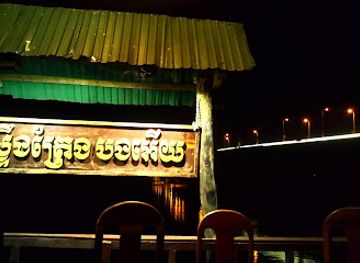
ជំនោរ សេកុង
Discover the rich flavors of Cambodian cuisine at ជំនោរ សេកុង, a culinary gem in Krong Stung Treng.
Best nightclubs in Stung Treng
Stung Treng has a subdued evening scene rather than a major nightlife circuit. After dark, activity centres on Khmer restaurants, small beer gardens, cafés and informal riverside establishments, with evenings often shaped by conversation and the town’s relaxed pace. A few venues may offer music or televised sport, but opening arrangements and atmosphere can change, particularly outside busy travel periods. Rural areas and river communities have little conventional nightlife, so visitors staying beyond town should expect early nights and arrange transport before drinking. Alcohol is available, but it is not necessary to experience the province’s evening culture; watching the light fade over the Mekong, visiting a local market or eating at a family-run restaurant is often more representative of Stung Treng after sunset.
-
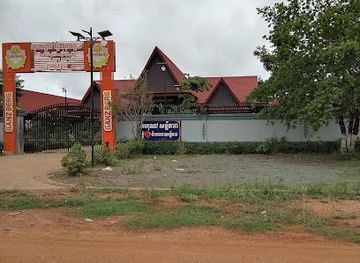
Amazone
Discover the exhilarating nightlife of Amazone Night Club in Krong Stung Treng, where vibrant music and lively atmosphere await every visitor.
-
Seang Hai Night
Dive into the vibrant karaoke scene at Seang Hai Night in Krong Stung Treng, where music and local culture come alive.
-
Bar
Kk
Experience the vibrant nightlife at Kk Bar in Krong Stung Treng, where relaxation meets local culture in a cozy setting.
Best shops in Stung Treng
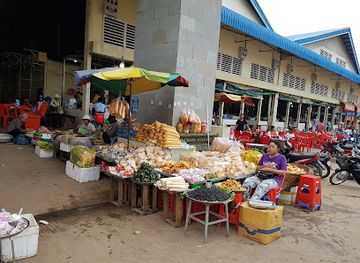
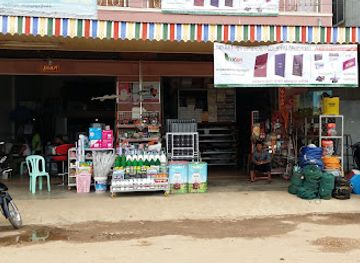
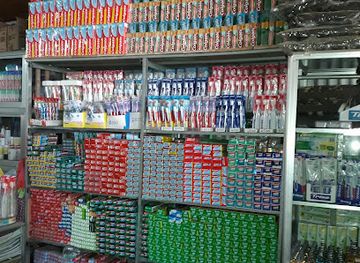
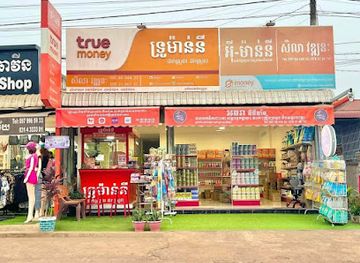
Shopping in Stung Treng is practical and local rather than oriented towards large retail centres. The town’s markets are the best places to find fruit, vegetables, freshwater fish, snacks, household goods and everyday Cambodian products, while small shops stock basic travel supplies. Visitors may encounter woven goods, baskets and other utilitarian crafts connected with rural and river communities, but availability varies and not every item is produced locally. Packaged Cambodian foods, coffee, pepper, dried ingredients and simple textiles can make more reliable souvenirs than mass-produced trinkets, provided transport and customs rules are considered. There is little reason to expect a broad designer or luxury-shopping scene, and rural villages have very few dedicated tourist shops. Buy respectfully, pay fairly and ask about provenance when purchasing crafts or natural products, avoiding anything that appears to involve wildlife or protected materials.
-
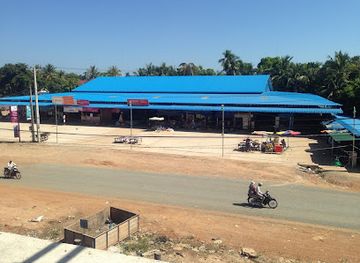
Market
Stung Treng Market
Experience the heart of Cambodia at Stung Treng Market, a vibrant hub for local foods, crafts, and culture.
-
Electronics store
នូចាន់មី(NOU Chanmy) ចែកចាយឌីធីវី(DTV)និង គ្រឿងអេឡិចត្រូនិច
Discover the latest in technology at NOU Chanmy, Krong Stung Treng's premier electronics store, offering quality gadgets and exceptional service.
-
Shopping mall
Chhoun Sovanary Shop
Discover Chhoun Sovanary Shop in Krong Stung Treng, where shopping meets culture, offering unique local products and delightful culinary experiences.
-
Shopping mall
អមរា មីនីម៉ាត Amara Mini Mart - Stung Treng
Experience local culture and convenience at Amara Mini Mart, your go-to shopping destination in Stung Treng.
Get your free copy of our complete guide to Stung Treng, delivered straight to you.
Everything on this page, from attractions and restaurants to essentials and local phrases, in one PDF you can read offline, print or share.
Already have an account? Sign in
Your Stung Treng guide is ready.
We'll send it to · Not you? Sign out

Getting your guide ready…
We are putting together a fresh copy of the Stung Treng guide. This can take up to a minute.
This can take a few moments. If your browser asks, choose Allow so the download can start. You'll find the guide in your Downloads folder.
Nothing happened? Download it again
Sorry, the guide is taking longer than usual. Please try again in a minute, or get it by email instead.
Stung Treng essentials
Currency and Payment
Safety
Emergency Situations
Do's and Don'ts
Local Tips
From Eve
Local phrases worth knowing
You don't need to get them perfect. A few words go a long way, and locals appreciate the effort.
Basics
| English | Local | Say it |
|---|---|---|
| Hello | សួស្តី | [suas-dey] |
| Goodbye | លា | [lea] |
| Yes | បាទ / ចាស | [bat / chas] |
| No | ទេ | [te] |
| Please/You're welcome | សូម | [som] |
| Thank you | អរគុណ | [orkun] |
| Excuse me/Sorry | សូមអភ័យទោស | [som aphay tos] |
| How are you? | តើអ្នកសុខសប្បាយទេ? | [tae anak sok sabay te?] |
| Fine. And you? | សុខសប្បាយ។ អ្នក呢? | [sok sabay. anak neh?] |
| Do you speak English? | អ្នកនិយាយភាសាអង់គ្លេសទេ? | [anak niyeay phesa angkles te?] |
| I don't understand | ខ្ញុំមិនយល់ព្រម | [khnhom min yol prom] |
Eating & Drinking
| English | Local | Say it |
|---|---|---|
| I'd like to see the menu, please | ខ្ញុំចង់មើលម៉ឺនុយ | [khnhom jong merl menu] |
| I don't eat meat | ខ្ញុំមិនបរិ消费សាច់ | [khnhom min bari saech] |
| Cheers! | ជួបគ្នា! | [juab knea!] |
| I would like to pay, please | ខ្ញុំចង់បង់ប្រាក់ | [khnhom jong bang brakk] |
Emergencies
| English | Local | Say it |
|---|---|---|
| Help! | ជួយ! | [jouy!] |
| Go away! | ទៅចេញ! | [tev chenh!] |
| Call the Police! | ហៅសមត្ថកិច្ច! | [hao samathakitch!] |
| Call a doctor! | ហៅគ្រូពេទ្យ! | [hao kru peth!] |
| I'm lost | ខ្ញុំខ្វះផ្លូវ | [khnhom khvath plov] |
| I'm ill | ខ្ញុំឈឺ | [khnhom chheu] |
Shopping
| English | Local | Say it |
|---|---|---|
| I'd like to buy... | ខ្ញុំចង់ទិញ... | [khnhom jong tin...] |
| I'm just looking | ខ្ញុំកំពុងមើល | [khnhom kom pong merl] |
| How much is it? | វាតម្លៃប៉ុន្មាន? | [vea tamlai ponman?] |
| That's too expensive | វាធ្លៃពេក | [vea tlay pek] |
| Can you lower the price? | អ្នកអាចកាត់តម្លៃបានទេ? | [anak ach kat tamlai ban te?] |
Time & Numbers
| English | Local | Say it |
|---|---|---|
| What time is it? | ម៉ោងប៉ុន្មានហើយ? | [maong ponman hey?] |
| It's one o'clock | ម៉ោងមួយ | [maong muoy] |
| Half past (10) | មួយខែ (១០) | [muoy khe (10)] |
| Morning | ព្រឹក | [preuk] |
| Afternoon | រសៀល | [rosiel] |
| Evening | ល្ងាច | [lngach] |
| Yesterday | ម្សិលម្សិល | [msil msil] |
| Today | ថ្ងៃនេះ | [thngai nih] |
| Tomorrow | ថ្ងៃស្អែក | [thngai saek] |
| 1 | ១ | [moy] |
| 2 | ២ | [pi] |
| 3 | ៣ | [bei] |
| 4 | ៤ | [buon] |
| 5 | ៥ | [pram] |
| 6 | ៦ | [pram muoy] |
| 7 | ៧ | [pram pi] |
| 8 | ៨ | [pram bei] |
| 9 | ៩ | [pram buon] |
| 10 | ១០ | [pram pram] |
Transport & Directions
| English | Local | Say it |
|---|---|---|
| Where's a/the...? | ទីតាំង...នៅឯណា? | [ti tang... nov ae na?] |
| What's the address? | អាសយដ្ឋានអ្វី? | [a-say-dthan a-vey?] |
| Can you show me (on the map)? | អ្នកអាចបង្ហាញខ្ញុំ (នៅលើផែនទី)? | [anak ach banghean khnhom (nov ler phentii)?] |
| When's the next (bus)? | កាលពីម៉ោងបន្ទាប់ (កង់)? | [kal pi maong bantop (kong)?] |
| A ticket (to ....) | សំបុត្រ (ទៅ....) | [sambot (tev....)] |
History of Stung Treng
Early river settlements and Chenla
The waterways of present-day Stung Treng connected settlements across the northern Cambodian lowlands with the wider Mekong basin. During the Chenla period, broadly from the sixth to the eighth centuries, political power and trade networks extended through parts of what is now northern and north-eastern Cambodia. Archaeological evidence in the wider region points to long-established communities shaped by river transport, wetland agriculture and exchange between upland and lowland zones. Stung Treng’s later importance continued to depend on these natural routes rather than on a single dominant urban centre.
Angkorian influence in the north-east
The Khmer Empire incorporated much of the region into its wider political and religious sphere, although Stung Treng lay far from the Angkorian heartland. Control was expressed through tributary relationships, movement along the Mekong system and religious and administrative links rather than through a dense concentration of monumental architecture. The province’s position at the meeting point of major rivers helped connect Khmer territories with communities further north and east. Its cultural landscape consequently developed through interaction between Khmer traditions and the distinctive societies of the north-eastern river frontier.
A contested Mekong frontier
For centuries, the upper Mekong and its tributaries formed a fluid frontier influenced by Khmer, Lao and, at times, Siamese political interests. Stung Treng changed hands and administrative affiliations within this wider borderland environment, while river settlements maintained their own local economies and connections. The region’s distance from Cambodia’s central plains made formal control difficult, and the waterways were as important for diplomacy and commerce as they were for transport. This layered frontier history remains visible in the province’s Lao and Khmer cultural influences.
French colonial administration and new boundaries
During the French protectorate, the Mekong region was drawn into a more formal colonial system of mapping, administration and border-making. The 1893 Franco-Siamese settlement and later agreements helped define the modern political geography of Cambodia and Laos, including the frontier around Stung Treng. Colonial rule did not replace river-based livelihoods, but it changed the way territory was governed and connected the province to wider administrative networks. The border crossing at Trapaing Kreal reflects this continuing importance as a gateway between Cambodia and Laos.
War, displacement and post-conflict recovery
Stung Treng’s remote location did not spare it from the conflicts that affected Cambodia during the second half of the twentieth century. Regional warfare, political upheaval, insecurity and the disruption of rural economies affected communities throughout the province. Roads, public services and cross-border movement were especially difficult to maintain in such a sparsely populated area. Since the 1990s, improved security and road connections have supported gradual recovery, although many livelihoods remain closely tied to fishing, farming, forests and the seasonal behaviour of the rivers.
Conservation and development in the Mekong basin
In the twenty-first century, Stung Treng has become central to debates about the future of the Mekong and its tributaries. Wetland conservation, river fisheries, wildlife protection and hydropower development all affect the province’s environment and communities. The designation of the Stung Treng wetland complex as a Ramsar Site recognised its international ecological significance, while conservation work has focused on endangered river species and sustainable local livelihoods. The province’s modern history is therefore increasingly shaped by the tension between infrastructure, economic development and protection of its river systems.
Stung Treng in Photos
Browse through our photo collection highlighting the charm and character of the destination.
Neighbouring regions of Stung Treng
The closest regions to Stung Treng, if you have time for more than one.
-

-

-

-

-


Swipe for more regions
Explore more

Explore more of Cambodia
Discover Cambodia: From the ancient wonders of Angkor Wat to the vibrant streets of Phnom Penh, immerse yourself in a land of history, culture, and natural beauty.
Explore Cambodia