

Free Preah Sihanouk Travel Guide & Mobile App
Explore Preah Sihanouk with free travel guides. Discover regional history, expert tips, proposed trips, and audio guides on web or mobile app.


Explore Preah Sihanouk’s Cambodian beaches, tropical islands, coastal forests, seafood and changing port city on the Gulf of Thailand.
Read more about Preah Sihanouk
When is the best time to visit Preah Sihanouk?
Best: December–February · 29–31°C| Month | High (°C) | Rainfall (mm) |
|---|---|---|
| January (best) | 30 | 20 |
| February (best) | 31 | 25 |
| March | 32 | 40 |
| April | 32 | 60 |
| May | 32 | 120 |
| June | 31 | 160 |
| July | 31 | 200 |
| August | 31 | 200 |
| September | 31 | 200 |
| October | 30 | 160 |
| November | 30 | 80 |
| December (best) | 29 | 40 |
Getting to and around Preah Sihanouk
How to get there
Transportation
Top city travel guides in Preah Sihanouk
The cities of Preah Sihanouk, and the easiest places to base yourself.
-

-


Swipe for more cities
Destinations in Preah Sihanouk
Resorts, valleys and scenic spots worth a trip of their own.

Swipe for more destinations
Best attractions in Preah Sihanouk
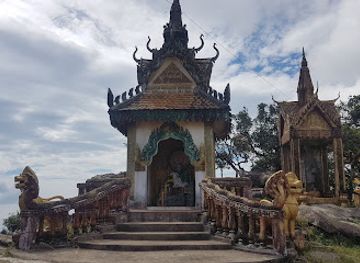
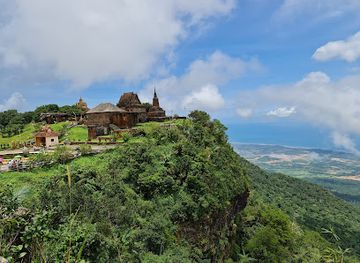
Preah Sihanouk’s attractions are divided between its mainland coast, protected landscapes and offshore islands. Koh Rong and Koh Rong Sanloem provide the province’s best-known beach experiences, with sandy bays, forested interiors and opportunities for swimming, snorkelling, diving and boat trips; facilities and atmosphere differ considerably from one beach settlement to another. On the mainland, Sihanoukville’s beaches include busier urban stretches as well as quieter areas around Otres, although development has changed their appearance and access over time. Ream National Park offers a coastal environment of mangroves, estuaries, low forest and islands, best explored through a locally arranged boat or guided excursion. Kbal Chhay Waterfall is a popular inland outing during the wet season, when streams are fuller. Wat Leu, set on a hill above Sihanoukville, combines a temple visit with broad views towards the city and coast. Markets, seafood stalls and port-side activity provide cultural interest, while rural districts reveal fishing, agriculture and everyday provincial life beyond the resort areas.
-
Tourist attraction
Grand World Phu Quoc
Experience the vibrant 'Sleepless City' of Phu Quoc with its European-inspired architecture, diverse entertainment, and 24/7 excitement.
-
Island
Phú Quốc
Explore the stunning beaches, lush jungles, and vibrant culture of Phú Quốc, Vietnam's tropical paradise known for its breathtaking landscapes.
-
Tourist attraction
Phsar Leu Market
Experience the vibrant local culture at Phsar Leu Market in Preah Sihanouk, where authentic Cambodian goods, food, and crafts come alive.
-
Amusement park
VinWonders Phú Quốc
Experience thrilling rides, spectacular shows, and underwater wonders at Vietnam's largest theme park, VinWonders Phú Quốc.



Best landmarks in Preah Sihanouk
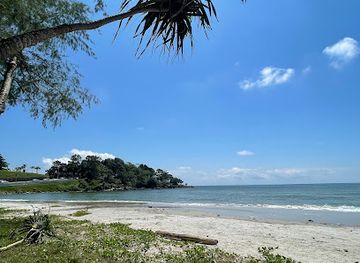
Sihanoukville’s most recognisable modern landmark is its deep-water port, the infrastructure that transformed the former Kampong Som area into Cambodia’s principal maritime gateway. It is primarily a working facility rather than a conventional sightseeing attraction, but its presence explains the city’s strategic importance and rapid growth. Wat Leu occupies a prominent hill above the urban area, with Khmer Buddhist architecture and elevated views across Sihanoukville and the coast. The beaches and headlands around Independence and Otres are geographical landmarks as well as recreational spaces, although their visual character continues to change through construction. Offshore, Koh Rong and Koh Rong Sanloem form the province’s defining natural landmarks, combining forested ridges, reefs and long beaches within the Gulf of Thailand. Ream National Park’s mangrove channels, estuaries and island-fringed coastline represent another important landscape landmark, showing the ecological setting that existed before large-scale coastal development. Kbal Chhay’s rocky stream and waterfall provide a contrasting inland feature, particularly during the rainy season when water flows through the surrounding forest.
-
Market
Phsar Leu Market
Immerse yourself in the vibrant culture of Sihanoukville at Phsar Leu Market, a bustling hub of local life, flavors, and unique finds.
-
Tourist attraction
Bokor Hill Station
Explore Bokor Hill Station: French colonial history, stunning mountain views, and cultural sites in Cambodia's Preah Monivong National Park.
-
National park
Preah Monivong Bokor National Park
Explore Cambodia's Preah Monivong Bokor National Park: Where history meets nature in a landscape of misty mountains and colonial ruins.
-
 Resort hotel
Sokha Beach Resort
Experience luxury and tranquility at Sokha Beach Resort, Sihanoukville's premier beachfront destination with pristine sands and Khmer hospitality.
Explore Preah Sihanouk on the map
Plan your trip on one map. See where the top cities, national parks and sights are, and book hotels and experiences in a few clicks.
Best hotels in Preah Sihanouk
Best restaurants in Preah Sihanouk
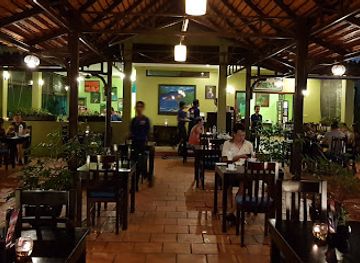
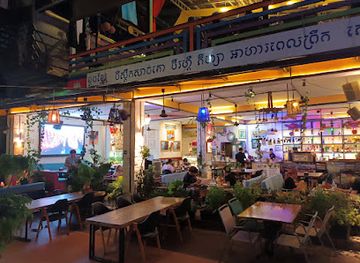
Dining in Preah Sihanouk reflects both Cambodia’s coastal food traditions and the province’s international visitor economy. Fresh seafood is central, with fish, squid, prawns, crab and shellfish appearing in grilled dishes, soups, stir-fries and Khmer preparations flavoured with lemongrass, lime, garlic, pepper and fermented fish. Sihanoukville’s markets and waterside restaurants offer the broadest choice, while beach settlements on Koh Rong and Koh Rong Sanloem tend to focus on seafood, Cambodian staples, Western comfort food and simple cafés. Amok, lok lak, noodle dishes, rice plates and fresh tropical fruit are widely available, though not all are specifically regional creations. Kampot pepper and other produce from Cambodia’s south-west may feature on menus without implying that they originate in Preah Sihanouk. In the city, Chinese, Southeast Asian and international restaurants reflect the province’s changing commercial connections, while smaller local eateries often provide the most economical meals. Standards and opening arrangements vary on the islands, so visitors with dietary requirements should communicate them clearly.
-
Restaurant
Sandan
Discover authentic Cambodian flavors at Sandan Restaurant in Preah Sihanouk - where every meal supports local youth empowerment.
-
Restaurant
Yasmine Restaurant
Experience exquisite dining at Yasmine Restaurant in Preah Sihanouk, blending local flavors with international cuisine amidst stunning coastal views.
-
Resort hotel
Thom Beach Bar
Rustic beachfront haven on Phú Quốc's wild Bãi Thơm, serving owner-caught seafood, cold beers, and serene sea views amid coconut groves and turquoise waves.
-
Restaurant
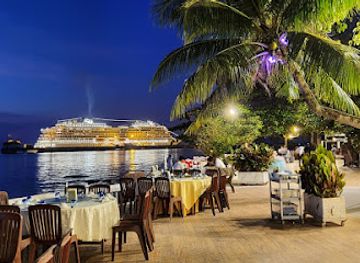
新金岸海鲜餐厅 New Beach Restaurant
Experience authentic Cambodian flavors at New Beach Restaurant in Preah Sihanouk – where every dish tells a story!
Best bars in Preah Sihanouk
Evening life varies sharply between Sihanoukville and the islands. The city has bars, hotel lounges, karaoke venues and restaurants serving visitors, workers and long-term residents, but its nightlife landscape has changed repeatedly with redevelopment and changing regulations. On Koh Rong, beach bars and casual restaurants provide the most concentrated evening activity, particularly around the main inhabited settlements, while Koh Rong Sanloem is generally quieter and more oriented towards relaxed drinks, dining and the night sky. Traditional Cambodian beer gardens and local eateries are common parts of the mainland evening scene, alongside establishments aimed at international travellers. Live music and informal beach gatherings may occur, but schedules and venues are not dependable year-round. In smaller coastal communities, nightlife is usually modest and centred on food, conversation and family or local social life rather than clubs. Drink responsibly, take care near the water after dark and arrange transport in advance where roads or boat services are limited.
-
Restaurant
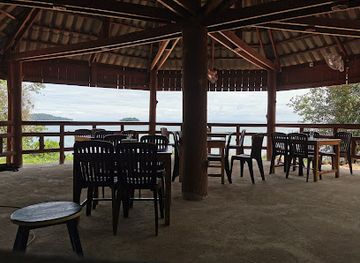
Angkor Beach Bar
Discover Angkor Beach Bar in Preah Sihanouk - a vibrant restaurant offering delicious cuisine and stunning ocean views in a lively atmosphere.
-
Bar
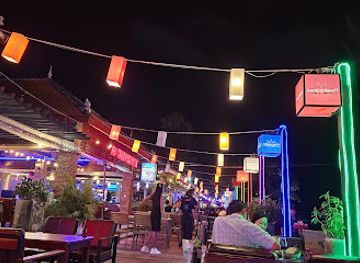
Jungle Bar and kitchen
Experience the vibrant flavors and lively music at Jungle Bar and Kitchen, Preah Sihanouk's ultimate destination for food, drinks, and fun in a tropical setting.
-
Restaurant
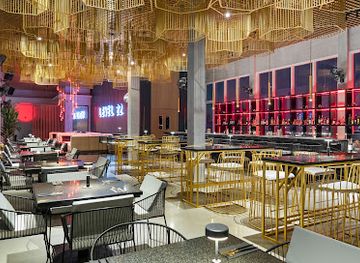
Level 22 Sihanoukville
Discover the breathtaking views and exquisite flavors of Level 22 Sihanoukville, a premier restaurant offering an unforgettable culinary experience.
-
Restaurant
Art's House Sky Bar & Archipel Tour
Discover breathtaking views and exquisite cuisine at Art's House Sky Bar & Archipel Tour, the perfect dining spot in Preah Sihanouk.

Best nightclubs in Preah Sihanouk
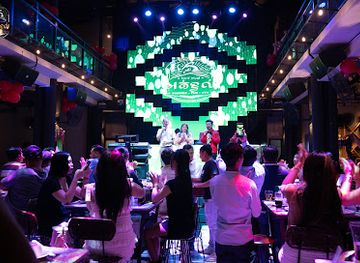
Evening life varies sharply between Sihanoukville and the islands. The city has bars, hotel lounges, karaoke venues and restaurants serving visitors, workers and long-term residents, but its nightlife landscape has changed repeatedly with redevelopment and changing regulations. On Koh Rong, beach bars and casual restaurants provide the most concentrated evening activity, particularly around the main inhabited settlements, while Koh Rong Sanloem is generally quieter and more oriented towards relaxed drinks, dining and the night sky. Traditional Cambodian beer gardens and local eateries are common parts of the mainland evening scene, alongside establishments aimed at international travellers. Live music and informal beach gatherings may occur, but schedules and venues are not dependable year-round. In smaller coastal communities, nightlife is usually modest and centred on food, conversation and family or local social life rather than clubs. Drink responsibly, take care near the water after dark and arrange transport in advance where roads or boat services are limited.
-
Disco club
Relax Pub
Experience the exhilarating nightlife at Relax Pub, Preah Sihanouk's top disco club, where music and culture blend seamlessly for an unforgettable night.
-
Disco club
អត់ខ្វល់ Ort Kvol PUB-KTV
Explore the lively nightlife at Ort Kvol PUB-KTV, a premier disco club in Preah Sihanouk with vibrant music, dance, and a welcoming atmosphere.
-
Karaoke bar
Lucky Night KTV
Dive into the vibrant nightlife of Preah Sihanouk at Lucky Night KTV, where unforgettable karaoke experiences await every music lover.
-
Night club
Bentley Club
Discover the vibrant nightlife at Bentley Club in Preah Sihanouk, where unforgettable parties and great music create the ultimate night out experience.


Best shops in Preah Sihanouk
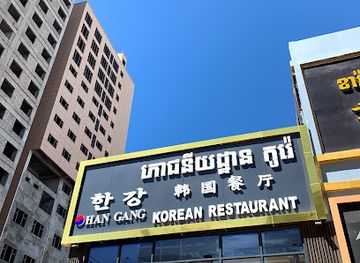
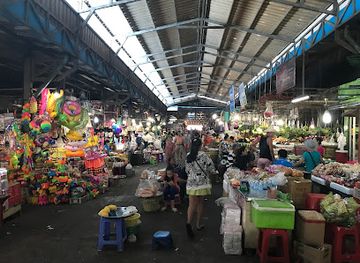
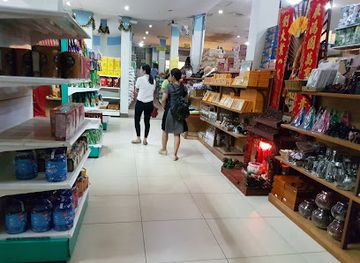
Shopping in Preah Sihanouk is practical and varied rather than concentrated in a single historic retail quarter. Sihanoukville has supermarkets, convenience shops, markets and independent businesses serving local residents, construction workers and tourists, while beach areas offer clothing, beach equipment, snacks, handicrafts and informal souvenirs. Mainland markets are useful for fruit, seafood, spices and everyday Cambodian ingredients, although hygiene and refrigeration standards differ between stalls. On Koh Rong and Koh Rong Sanloem, small shops and resort boutiques carry essentials, but prices can be higher and choice narrower because goods arrive by boat. Good regional purchases include Cambodian pepper, dried seafood, palm-based products, woven items, locally made crafts and packaged snacks, provided they are bought through legitimate sellers. Art galleries and craft shops are more likely to be found in larger urban areas than in rural coastal settlements. Visitors should avoid buying coral, shells, wildlife products or antiquities, and should carry reusable bags to reduce plastic waste in island communities.
-
Market
Phsar Leu Market
Discover the vibrant culture and culinary delights at Phsar Leu Market, a bustling hub in Preah Sihanouk, Cambodia.
-
Supermarket
Samudera Market
Explore the colorful aisles of Samudera Market in Preah Sihanouk, where local flavors and vibrant culture await every visitor.
-
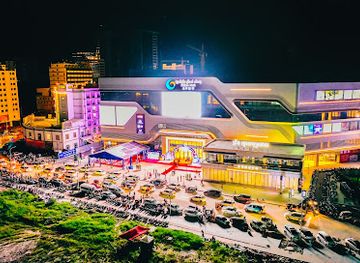
Shopping mall
U Mall Sihanoukville
Explore U Mall Sihanoukville: The ultimate shopping destination combining local charm and modern retail experience in the heart of Cambodia.
-
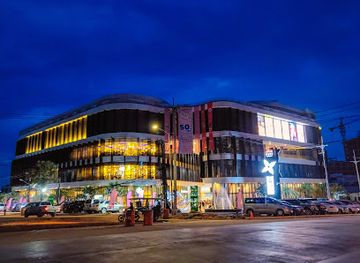
Shopping mall
FURI Times Square Mall
Discover a vibrant shopping experience at FURI Times Square Mall in Preah Sihanouk, blending local culture with international flair.
Get your free copy of our complete guide to Preah Sihanouk, delivered straight to you.
Everything on this page, from attractions and restaurants to essentials and local phrases, in one PDF you can read offline, print or share.
Already have an account? Sign in
Your Preah Sihanouk guide is ready.
We'll send it to · Not you? Sign out

Getting your guide ready…
We are putting together a fresh copy of the Preah Sihanouk guide. This can take up to a minute.
This can take a few moments. If your browser asks, choose Allow so the download can start. You'll find the guide in your Downloads folder.
Nothing happened? Download it again
Sorry, the guide is taking longer than usual. Please try again in a minute, or get it by email instead.
Preah Sihanouk essentials
Currency and Payment
Safety
Emergency Situations
Do's and Don'ts
Local Tips
From Eve
Local phrases worth knowing
You don't need to get them perfect. A few words go a long way, and locals appreciate the effort.
Basics
| English | Local | Say it |
|---|---|---|
| Hello | សួស្តី | [Suosdey] |
| Goodbye | លាហើយ | [Leahery] |
| Yes | បាទ / ចាស | [Bat / Chas] |
| No | ទេ | [Te] |
| Please/You're welcome | សូម / អរគុណ | [Soum / Orkun] |
| Thank you | អរគុណ | [Orkun] |
| Excuse me/Sorry | សូមអភ័យទោស | [Soum Aphaythos] |
| How are you? | សុខសប្បាយរបស់អ្នកទេ? | [Sok Sabay Robos Anak Te?] |
| Fine. And you? | សុខសប្បាយ។ និងអ្នក? | [Sok Sabay. Ning Anak?] |
| Do you speak English? | អ្នកនិយាយភាសាអង់គ្លេសទេ? | [Anak Niyay Pheasa Angkles Te?] |
| I don't understand | ខ្ញុំមិនយល់ទេ | [Khnhom Min Yol Te] |
Eating & Drinking
| English | Local | Say it |
|---|---|---|
| I'd like to see the menu, please | ខ្ញុំចង់មើលម៉ឺនុយ សូម | [Khnhom Jong Merl Menuy, Soum] |
| I don't eat meat | ខ្ញុំមិនញ៉ាំសាច់ទេ | [Khnhom Min Nhamm Sach Te] |
| Cheers! | ជាសុខសប្បាយ! | [Chea Sok Sabay!] |
| I would like to pay, please | ខ្ញុំចង់បង់ប្រាក់ សូម | [Khnhom Jong Bang Brak, Soum] |
Emergencies
| English | Local | Say it |
|---|---|---|
| Help! | ជួយ! | [Chouy!] |
| Go away! | ទៅឆាប់! | [Tov Chhap!] |
| Call the Police! | ទូរស័ព្ទទៅសមត្ថកិច្ច! | [Tuo Sap Teu Samathakich!] |
| Call a doctor! | ទូរស័ព្ទទៅគ្រូពេទ្យ! | [Tuo Sap Teu Krou Pet!] |
| I'm lost | ខ្ញុំបានខកខាន | [Khnhom Ban Khak Khean] |
| I'm ill | ខ្ញុំអាក្រក់ | [Khnhom Akrok] |
Shopping
| English | Local | Say it |
|---|---|---|
| I'd like to buy... | ខ្ញុំចង់ទិញ... | [Khnhom Jong Tinh...] |
| I'm just looking | ខ្ញុំគ្រាន់តែពិនិត្យ | [Khnhom Kran Te Pinith] |
| How much is it? | វាធ្លាយប៉ុន្មាន? | [Ve Thlay Ponman?] |
| That's too expensive | វាធ្លាយថ្លៃពេក | [Ve Thlay Thlai Peak] |
| Can you lower the price? | អ្នកអាចកាត់តម្លៃបានទេ? | [Anak Ach Kat Damlay Ban Te?] |
Time & Numbers
| English | Local | Say it |
|---|---|---|
| What time is it? | ម៉ោងប៉ុន្មានហើយ? | [Maong Ponman Hery?] |
| It's one o'clock | ម៉ោងមួយ | [Maong Muy] |
| Half past (10) | ម៉ោងដប់និងកន្លះ | [Maong Dop Ning Kanlah] |
| Morning | ព្រឹក | [Preuk] |
| Afternoon | ល្ងាច | [Lngach] |
| Evening | រាត្រី | [Reatrey] |
| Yesterday | ម្សិលមិញ | [Msil Minh] |
| Today | ថ្ងៃនេះ | [Thngai Nih] |
| Tomorrow | ថ្ងៃស្អែក | [Thngai Saek] |
| 1 | ១ | [Muoy] |
| 2 | ២ | [Peh] |
| 3 | ៣ | [Bey] |
| 4 | ៤ | [Buon] |
| 5 | ៥ | [Pram] |
| 6 | ៦ | [Pram Muoy] |
| 7 | ៧ | [Pram Peh] |
| 8 | ៨ | [Pram Bey] |
| 9 | ៩ | [Pram Buon] |
| 10 | ១០ | [Pram Pram] |
Transport & Directions
| English | Local | Say it |
|---|---|---|
| Where's a/the...? | នៅឯណា...? | [Nov Aeh Na...?] |
| What's the address? | អាសយដ្ឋានអ្វី? | [Aseyatthan Ave?] |
| Can you show me (on the map)? | អ្នកអាចបង្ហាញខ្ញុំ(លើផែនទី)? | [Anak Ach Bonghean Khnhom (Leu Phen Ti)?] |
| When's the next (bus)? | ម៉ោងដ៏ក្រោយ(ប៉ុស្តិ៍)? | [Maong Dor Kroy (Post)?] |
| A ticket (to ....) | សំបុត្រ(ទៅ....) | [Sambot (Tov....)] |
History of Preah Sihanouk
Early Maritime Trade on the Cambodian Coast
The coast around present-day Preah Sihanouk formed part of wider maritime networks linking mainland Southeast Asia with the Gulf of Thailand, the Malay Peninsula and beyond. Archaeological evidence from the broader Cambodian coastal zone points to long-standing movement of goods, people and technologies by sea, while rivers and estuaries connected coastal communities with inland settlements. The region was not always a political centre comparable with Angkor, but its sheltered waters, islands and access to maritime routes gave it continuing economic importance. Fishing and coastal trade remained fundamental activities long before modern tourism or port construction.
Kampong Som and the Khmer Coastal Kingdoms
For much of its recorded history, the area was known as Kampong Som and was connected to the shifting political and commercial world of Cambodian kingdoms. Its coastal communities operated within a landscape influenced by Khmer authority, neighbouring states and seaborne traders. The islands and mainland inlets were difficult to control continuously, yet they offered useful anchorages and access to forest and marine resources. Religious, linguistic and cultural influences travelled along the coast, leaving Preah Sihanouk linked to the wider history of Cambodia rather than isolated from it.
French Colonial Rule and Coastal Administration
During the French protectorate, Cambodia’s coast was incorporated into colonial administrative and commercial systems that prioritised mapping, resource extraction and regional transport. The territory did not become a major urban centre during this period, but colonial rule helped formalise administrative boundaries and strengthened links between the coast and Phnom Penh. The development of roads and communications also laid groundwork for later state-led investment. In the twentieth century, the coastal area’s strategic value became more pronounced as Cambodia sought a modern port capable of handling international trade.
The Creation of Modern Sihanoukville
The modern port and city were developed in the 1950s after Cambodia gained independence. The port, opened in the early 1960s, provided the country with an important maritime outlet and reduced reliance on routes through neighbouring states. The settlement increasingly became known as Sihanoukville, in honour of King Norodom Sihanouk, while Kampong Som remained an important historical name. Port construction, roads and public buildings transformed a lightly developed coastal area into a nationally significant city and helped establish the province as Cambodia’s principal gateway to the sea.
War, the Khmer Rouge and Reconstruction
The province was affected by the conflicts that engulfed Cambodia during the 1960s and 1970s. Its port and coastal position made it strategically important during the Vietnam War period, while the Khmer Rouge era brought violence, displacement and the collapse of normal economic life. The port city and surrounding communities suffered major disruption, as did the country’s transport and administrative systems. After the fall of the Khmer Rouge regime and the gradual restoration of national stability, Sihanoukville resumed its role as a port, industrial centre and coastal destination.
Tourism, Investment and Rapid Urban Change
From the late twentieth century, Sihanoukville’s beaches and islands attracted increasing numbers of Cambodian and international visitors. Tourism expanded particularly on Koh Rong and Koh Rong Sanloem, while the mainland saw port-related industry, hotels, roads and large construction projects. Chinese investment and casino development accelerated urban change during the 2010s, bringing employment and infrastructure alongside concerns about planning, environmental pressure and the displacement of established businesses. The province remains in transition, balancing a strategic port economy with marine conservation, local livelihoods and the long-term future of its island and beach tourism.
Preah Sihanouk in Photos
Browse through our photo collection highlighting the charm and character of the destination.
Neighbouring regions of Preah Sihanouk
The closest regions to Preah Sihanouk, if you have time for more than one.
-

-

-

-

-


Swipe for more regions
Explore more

Explore more of Cambodia
Discover Cambodia: From the ancient wonders of Angkor Wat to the vibrant streets of Phnom Penh, immerse yourself in a land of history, culture, and natural beauty.
Explore Cambodia