

Free Preah Vihear Travel Guide & Mobile App
Explore Preah Vihear with free travel guides. Discover regional history, expert tips, proposed trips, and audio guides on web or mobile app.


Explore Preah Vihear’s mountain temples, Koh Ker ruins, forested landscapes and remote northern Cambodian communities at a measured pace.
Read more about Preah Vihear
When is the best time to visit Preah Vihear?
Best: December–February · 31–32°C| Month | High (°C) | Rainfall (mm) |
|---|---|---|
| January (best) | 31 | 3 |
| February (best) | 32 | 5 |
| March | 35 | 20 |
| April | 36 | 50 |
| May | 35 | 120 |
| June | 33 | 170 |
| July | 32 | 220 |
| August | 32 | 220 |
| September | 32 | 200 |
| October | 32 | 140 |
| November | 31 | 50 |
| December (best) | 31 | 10 |
Getting to and around Preah Vihear
How to get there
Transportation
Top city travel guides in Preah Vihear
The cities of Preah Vihear, and the easiest places to base yourself.

Swipe for more cities
Destinations in Preah Vihear
Resorts, valleys and scenic spots worth a trip of their own.
-

-


Swipe for more destinations
Best attractions in Preah Vihear
Preah Vihear’s attractions are predominantly archaeological and landscape-based. The Temple of Preah Vihear is the defining site, reached through a sequence of monumental terraces on the Dangrek escarpment, while the surrounding upland setting provides a strong contrast with Cambodia’s lowland plains. Koh Ker offers a different experience: temples and reservoirs are distributed through woodland, with Prasat Thom providing the principal architectural focus and the wider complex showing how an imperial capital was organised beyond Angkor. Preah Khan of Kompong Svay is a more remote option for visitors with suitable transport and time, combining large enclosures, waterworks and forest-framed ruins. Around Tbeng Meanchey and Sra’em, the principal non-archaeological attractions are rural scenery, local markets and the changing views between upland roads and agricultural plains. The province is not organised around a dense chain of conventional museums or family attractions, so its appeal lies in understanding monumental remains in their landscapes, travelling through northern Cambodian communities and allowing enough time for road conditions and site distances.
-
Buddhist temple
Angkor Wat
Discover the grandeur of Angkor Wat, a UNESCO World Heritage site and the largest religious monument, steeped in history and architectural brilliance.
-
Buddhist temple
Bayon Temple
Discover the enchanting Bayon Temple, a historical Buddhist landmark in Siem Reap featuring stunning stone faces and intricate carvings that tell Cambodia's rich stories.
-
Buddhist temple
Ta Prohm Temple
Discover Ta Prohm, the Tomb Raider Temple: where nature embraces ancient Khmer architecture in a mesmerizing dance of roots and stones.
-
Performing arts theater
Phare, The Cambodian Circus
Discover the enchanting world of Phare, The Cambodian Circus, where traditional tales come to life through breathtaking performances in Siem Reap.


Best landmarks in Preah Vihear
The Temple of Preah Vihear is the province’s most recognisable landmark, not only because of its finely carved sandstone architecture but also because its long processional axis follows the crest and slope of the Dangrek Mountains. Its elevated position gives the monument historical and visual authority over the Cambodian plain. At Koh Ker, the pyramid of Prasat Thom is a distinctive landmark of the former Khmer capital, rising above surrounding woodland and illustrating the experimental monumental style of the tenth century. The wider Koh Ker reservoirs and temple remains add archaeological depth beyond the pyramid itself. Preah Khan of Kompong Svay is significant on a different scale: its extensive walls, sacred structures and water-management works reveal the size of the Angkorian administrative landscape. The Dangrek escarpment, with its forested ridges and steep transition to the plains, is also a geographical landmark, although views and access depend on weather, road conditions and official guidance near the frontier.
-
Historical landmark
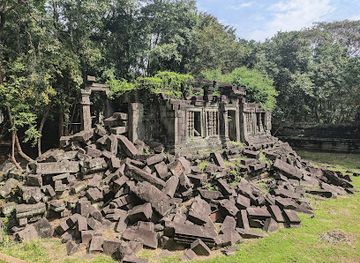
Prasat Beng Mealea
Explore the unrestored ruins of Prasat Beng Mealea, a mysterious jungle temple from the Khmer Empire, offering a unique and adventurous experience.
-
Buddhist temple
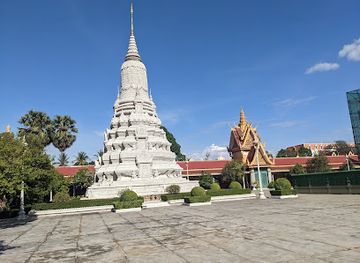
Silver Pagoda
Discover dazzling treasures and sacred history at Phnom Penh's Silver Pagoda, a glittering testament to Cambodian culture within the Royal Palace.
-
Hindu temple
Koh Ker Temple
Discover Koh Ker, Cambodia's hidden pyramid temple: a unique Khmer capital lost in the jungle, offering a glimpse into a forgotten era.
-
Tourist attraction
Preah Nimit Waterfall
Experience the raw beauty of Preah Nimit Waterfall, where the Mekong River crashes over the Cambodia-Laos border, creating a stunning natural spectacle.


Explore Preah Vihear on the map
Plan your trip on one map. See where the top cities, national parks and sights are, and book hotels and experiences in a few clicks.
Best hotels in Preah Vihear
Best restaurants in Preah Vihear
Dining in Preah Vihear is practical and predominantly Khmer, with the greatest choice found in Tbeng Meanchey and Sra’em. Small restaurants, market stalls and roadside kitchens commonly serve rice with grilled meat or fish, noodle soups, stir-fries, fresh vegetables and simple broths, while freshwater fish and locally available produce are important to everyday cooking. Breakfast options are often noodle-based or rice-based, and iced drinks and tropical fruit are useful in the heat. Food at remote temple sites is limited, so travellers should arrange meals or carry snacks and water before setting out. Rural eateries may have little English and menus may be absent, making visual selection or assistance from a driver useful. The dining scene is more about fresh, immediate Cambodian cooking and informal family-run establishments than destination restaurants, with occasional Western dishes more likely at accommodation serving international visitors.
-
Restaurant
Prey Pros Restaurant
Discover authentic Cambodian cuisine at Prey Pros Restaurant – where every dish offers a taste of tradition and local culture.
-
Restaurant
Phnom Tbaeng Restaurant
Experience authentic Cambodian flavors at Phnom Tbaeng Restaurant in Krong Preah Vihear – a culinary treasure waiting to be explored.
-
Restaurant
Ly Huot Restaurant
Experience authentic Cambodian flavors at Ly Huot Restaurant in Krong Preah Vihear - where tradition meets taste.
-
Cambodian
Moon Restaurant
Discover authentic Cambodian flavors at Moon Restaurant in Krong Preah Vihear, where tradition meets culinary excellence.


Best bars in Preah Vihear
Preah Vihear has a modest evening scene rather than a concentrated nightlife district. In Tbeng Meanchey and Sra’em, evenings centre on Khmer restaurants, small beer gardens, cafés and informal local establishments where residents meet after the heat of the day. Some guesthouses may provide a quiet place for a drink, but opening arrangements and available services vary. Remote archaeological areas have virtually no nightlife, and visitors staying near Koh Ker or the Temple of Preah Vihear should expect dark, quiet evenings rather than clubs or late entertainment. Beer is common in Cambodian social settings, but experiencing the province does not depend on drinking. Early starts are advisable for temples, so many visitors spend the evening eating locally, preparing for the following road journey and enjoying the rural atmosphere.
-
Restaurant
Phnom Tbaeng Restaurant
Discover the authentic flavors of Cambodia at Phnom Tbaeng Restaurant, the perfect dining spot in Krong Preah Vihear for tourists seeking local cuisine.
-
Restaurant
Thnot Cafe & Bakery - ត្នោតកាហ្វេ
Experience the perfect blend of artisanal coffee and homemade pastries at Thnot Cafe & Bakery, a must-visit destination in Krong Preah Vihear.
-
Restaurant
Coconut Houseផ្ទះដូង
Discover the authentic flavors of Cambodia at Coconut House, a must-visit restaurant in Krong Preah Vihear with a warm ambiance and friendly service.
-
Restaurant
Restaurant Preah Vihear Derm Mean
Experience the rich flavors of Cambodia at Restaurant Preah Vihear Derm Mean, a culinary gem in Krong Preah Vihear offering authentic local dishes.


Best nightclubs in Preah Vihear
Preah Vihear has a modest evening scene rather than a concentrated nightlife district. In Tbeng Meanchey and Sra’em, evenings centre on Khmer restaurants, small beer gardens, cafés and informal local establishments where residents meet after the heat of the day. Some guesthouses may provide a quiet place for a drink, but opening arrangements and available services vary. Remote archaeological areas have virtually no nightlife, and visitors staying near Koh Ker or the Temple of Preah Vihear should expect dark, quiet evenings rather than clubs or late entertainment. Beer is common in Cambodian social settings, but experiencing the province does not depend on drinking. Early starts are advisable for temples, so many visitors spend the evening eating locally, preparing for the following road journey and enjoying the rural atmosphere.
-
Night club
X-Bar
Discover the electrifying nightlife of Siem Reap at X-Bar, featuring live music, dancing, and a vibrant atmosphere for an unforgettable night.
-
Lounge
Sokkhak River Lounge
Discover the serene charm of Sokkhak River Lounge, where exquisite dining meets the enchanting sounds of live Cambodian music by the Siem Reap River.
-
Disco club
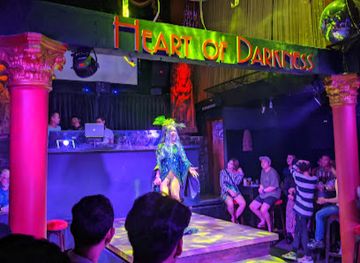
Heart Of Darkness
Experience the vibrant nightlife of Phnom Penh at Heart of Darkness, a disco club that promises unforgettable nights filled with music and dance.
-
Night club
Temple Club
Discover the pulse of Krong Siem Reap's nightlife at Temple Club, where local culture meets contemporary entertainment in a vibrant atmosphere.

Best shops in Preah Vihear
Shopping in Preah Vihear is concentrated in the markets and small commercial streets of Tbeng Meanchey and Sra’em rather than in dedicated tourist retail districts. Visitors can find Cambodian snacks, fruit, household goods, clothing, woven items and locally produced food for journeys, with the markets offering a more useful glimpse of daily life than a large souvenir selection. Small shops near accommodation may stock bottled water, toiletries and basic travel supplies, but provisions become limited on remote archaeological routes. Handicrafts and temple-themed souvenirs may appear through local sellers, although quality and provenance vary; buying from responsible vendors and avoiding anything resembling antiquities is important. Cambodian riel is useful for modest purchases, while US dollars are accepted in some larger businesses. Travellers seeking a broad selection of artisan goods, galleries or higher-end retail will generally find more choice in Siem Reap or Phnom Penh, both outside Preah Vihear.
-
Hindu temple
Prasat Preah Vihear
Discover the ancient beauty of Prasat Preah Vihear, a UNESCO World Heritage site and a masterpiece of Khmer architecture in Cambodia.
-
Gift shop
Sombai Cambodian Liqueur and souvenirs
Discover the essence of Cambodia at Sombai Cambodian Liqueur, where artisanal spirits and handcrafted souvenirs meet cultural heritage.
-
Historical landmark
Prasat Preah Khan of Kampong Svay
Explore the tranquil ruins of Prasat Preah Khan of Kampong Svay, a breathtaking archaeological site steeped in Cambodian history and rich cultural heritage.
-
 Hotel
Preah Vihear Boutique Hotel
Experience the serene charm of Preah Vihear Boutique Hotel in Sra'aem, Cambodia, your gateway to cultural exploration and relaxation.


Get your free copy of our complete guide to Preah Vihear, delivered straight to you.
Everything on this page, from attractions and restaurants to essentials and local phrases, in one PDF you can read offline, print or share.
Already have an account? Sign in
Your Preah Vihear guide is ready.
We'll send it to · Not you? Sign out

Getting your guide ready…
We are putting together a fresh copy of the Preah Vihear guide. This can take up to a minute.
This can take a few moments. If your browser asks, choose Allow so the download can start. You'll find the guide in your Downloads folder.
Nothing happened? Download it again
Sorry, the guide is taking longer than usual. Please try again in a minute, or get it by email instead.
Preah Vihear essentials
Currency and Payment
Safety
Emergency Situations
Do's and Don'ts
Local Tips
From Eve
Local phrases worth knowing
You don't need to get them perfect. A few words go a long way, and locals appreciate the effort.
Basics
| English | Local | Say it |
|---|---|---|
| Hello | សួស្តី | [Suosdey] |
| Goodbye | លាហើយ | [Leahaey] |
| Yes | បាទ/ចាស | [Bat/Chas] |
| No | ទេ | [Te] |
| Please/You're welcome | សូម/សូមស្វាគមន៍ | [Som/Som svakum] |
| Thank you | អរគុណ | [Arkoun] |
| Excuse me/Sorry | សូមទោស | [Som tos] |
| How are you? | អ្នកសុខសប្បាយទេ? | [Neak sok sabay te?] |
| Fine. And you? | សុខសប្បាយ។ និងអ្នក? | [Sok sabay. Ning neak?] |
| Do you speak English? | អ្នកនិយាយភាសាអង់គ្លេសទេ? | [Neak niyeay phea sa angkles te?] |
| I don't understand | ខ្ញុំមិនយល់ទេ | [Knhom min yol te] |
Eating & Drinking
| English | Local | Say it |
|---|---|---|
| I'd like to see the menu, please | ខ្ញុំចង់មើលមីនុយ សូម | [Knhom jong merl menu, som] |
| I don't eat meat | ខ្ញុំមិនបរិច្ឆេទសាច់ | [Knhom min borichhet sach] |
| Cheers! | ជំរាបសួរ! | [Chom reap suor!] |
| I would like to pay, please | ខ្ញុំចង់បង់ប្រាក់ សូម | [Knhom jong bang brac, som] |
Emergencies
| English | Local | Say it |
|---|---|---|
| Help! | ជួយ! | [Choy!] |
| Go away! | ចាកចេញ! | [Chak chenh!] |
| Call the Police! | ហៅប៉ូលីស! | [Hav polis!] |
| Call a doctor! | ហៅគ្រូពេទ្យ! | [Hav kru peth!] |
| I'm lost | ខ្ញុំស្រក់ | [Knhom srok] |
| I'm ill | ខ្ញុំមានជំងឺ | [Knhom mean jumner] |
Shopping
| English | Local | Say it |
|---|---|---|
| I'd like to buy... | ខ្ញុំចង់ទិញ... | [Knhom jong tynh...] |
| I'm just looking | ខ្ញុំកំពុងមើល | [Knhom kompong merl] |
| How much is it? | ថ្លៃប៉ុន្មាន? | [Thlai ponman?] |
| That's too expensive | ថ្លៃណាស់ | [Thlai nah] |
| Can you lower the price? | អ្នកអាចកាត់តម្លៃបានទេ? | [Neak ach kat tamlai ban te?] |
Time & Numbers
| English | Local | Say it |
|---|---|---|
| What time is it? | ម៉ោងប៉ុន្មាន? | [Maong ponman?] |
| It's one o'clock | ម៉ោងមួយ | [Maong muoy] |
| Half past (10) | មួយសាមសិប | [Muoy samseb] |
| Morning | ព្រឹក | [Preuk] |
| Afternoon | រសៀល | [Rasiel] |
| Evening | ល្ងាច | [Lngach] |
| Yesterday | ម្សិលមិញ | [Msil minh] |
| Today | ថ្ងៃនេះ | [Thngai nih] |
| Tomorrow | ថ្ងៃស្អែក | [Thngai saek] |
| 1 | ១ | [Muoy] |
| 2 | ២ | [Peh] |
| 3 | ៣ | [Bey] |
| 4 | ៤ | [Buoy] |
| 5 | ៥ | [Pram] |
| 6 | ៦ | [Pram muoy] |
| 7 | ៧ | [Pram peh] |
| 8 | ៨ | [Pram bey] |
| 9 | ៩ | [Pram buoy] |
| 10 | ១០ | [Pram dop] |
Transport & Directions
| English | Local | Say it |
|---|---|---|
| Where's a/the...? | តើមាន....នៅឯណា? | [Tae mean.... nov ae na?] |
| What's the address? | អាសយដ្ឋានអ្វី? | [Aseyathaan avay?] |
| Can you show me (on the map)? | អ្នកអាចបង្ហាញខ្ញុំ (នៅលើផែនទី)? | [Neak ach bonghean khnhom (nov ler phentti)?] |
| When's the next (bus)? | ម៉ោងបន្ទាប់(កៅស៊ូ)មកដល់? | [Maong bontob (kaosu) mok dol?] |
| A ticket (to ....) | ច្បាប់ (ទៅ....) | [Chbab (tov....)] |
History of Preah Vihear
Early Settlement and the Dangrek Frontier
The landscape around the Dangrek Mountains has long connected the Cambodian lowlands with territories to the north. Archaeological remains and ancient routes indicate settlement and movement before the rise of the Khmer Empire, although much of the early history is less fully documented than the later temple period. The escarpment’s height, water sources and strategic passes helped shape travel between the Khorat Plateau and the plains of Cambodia. This frontier character continued through later centuries, when political authority in the area varied and temple sites served religious, administrative and symbolic purposes.
The Khmer Empire and Preah Vihear Temple
The Temple of Preah Vihear developed over several centuries, principally between the ninth and twelfth centuries, as a major Shaivite sanctuary associated with the Khmer royal state. Its processional layout climbs the mountain towards the principal sanctuary, using long causeways, terraces and gopuras to turn the ascent into a religious journey. The temple was not simply an isolated monument: its construction depended on the roads, settlements and administrative networks of the Khmer Empire. Its surviving sandstone carvings and commanding position preserve the connection between royal patronage, sacred geography and frontier control.
Koh Ker, the Khmer Capital
Koh Ker served as the capital of the Khmer Empire for a relatively brief period in the tenth century, particularly under King Jayavarman IV and his successor. The centre was known in ancient sources as Chok Gargyar and was built around large reservoirs, ceremonial spaces and numerous temples. Prasat Thom, with its steep pyramid form, is the most recognisable surviving structure, but the archaeological area includes a much wider network of monuments in forested surroundings. Koh Ker demonstrates that Khmer political power was not permanently centred at Angkor and that royal capitals could shift in response to dynastic priorities and regional strategy.
Preah Khan of Kompong Svay
Preah Khan of Kompong Svay, also known as Bakan, was a substantial Angkorian religious and administrative complex in what is now Preah Vihear province. Its reservoirs, enclosure walls, roads and temple structures occupy a large area and reflect the logistical resources available to the Khmer state. The site is associated with different phases of construction and use, including the period of Jayavarman VII, whose reign saw extensive building across the empire. Its remote setting has limited mass tourism, but the scale and surviving infrastructure provide important evidence of how Angkorian authority operated beyond the principal capital.
Colonial Borders and the Modern Frontier
The modern political geography of northern Cambodia was shaped during the colonial period and by agreements between French Indochina and Siam, now Thailand. Mapping and boundary-making placed the Temple of Preah Vihear within Cambodia, while the surrounding frontier remained contested. After Cambodia became independent, the temple became a prominent symbol of sovereignty and national heritage. The International Court of Justice awarded sovereignty over the temple to Cambodia in 1962; a later interpretation in 2013 clarified the relationship between the ruling and the immediate promontory. The issue has continued to influence access, security and regional politics.
Conflict, Recovery and Heritage Protection
Preah Vihear province was affected by the conflicts that followed Cambodia’s independence, including fighting connected with the Khmer Rouge and later instability along the Thai border. Landmines and unexploded ordnance remain a serious legacy in some rural areas, making marked routes and official guidance essential. The Temple of Preah Vihear was inscribed on the UNESCO World Heritage List in 2008, while Koh Ker received World Heritage status in 2023. These designations recognise the province’s archaeological importance and have supported a gradual shift towards managed heritage tourism, although remoteness still shapes the visitor experience.
Preah Vihear in Photos
Browse through our photo collection highlighting the charm and character of the destination.
Neighbouring regions of Preah Vihear
The closest regions to Preah Vihear, if you have time for more than one.
-

-

-
-
-


Swipe for more regions
Explore more

Explore more of Cambodia
Discover Cambodia: From the ancient wonders of Angkor Wat to the vibrant streets of Phnom Penh, immerse yourself in a land of history, culture, and natural beauty.
Explore Cambodia