
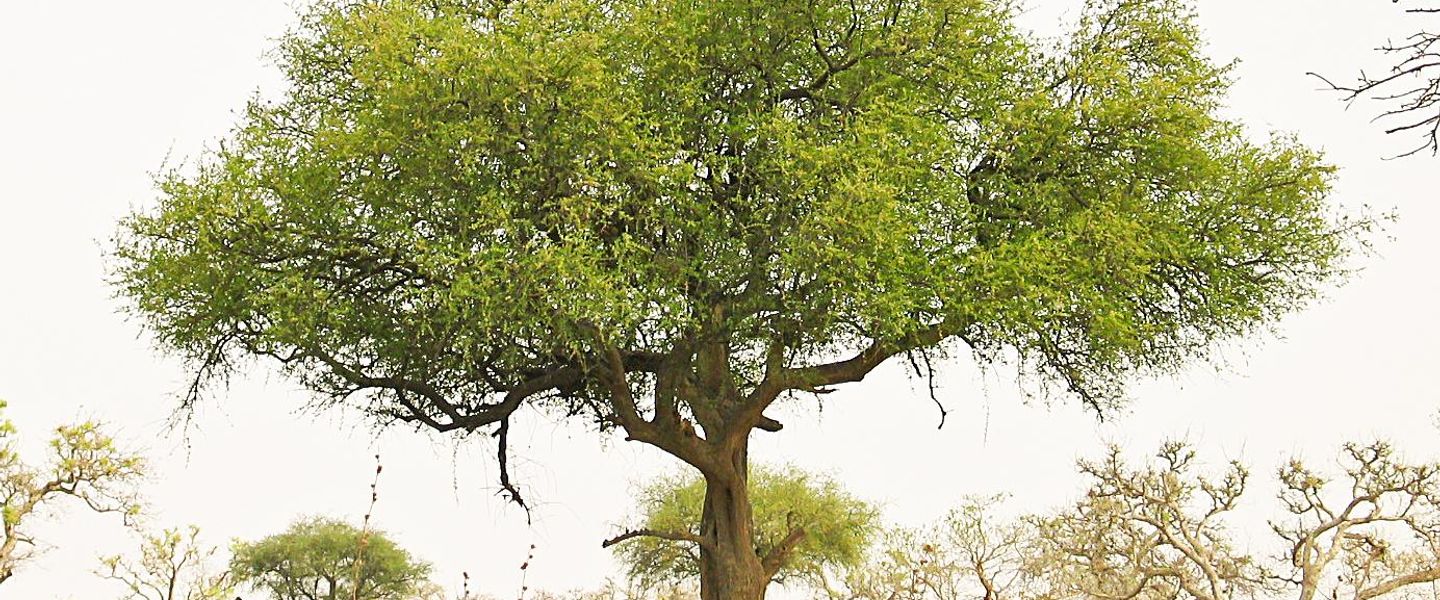
Mefou National Park, Cameroon Travel Guide
Discover Mefou National Park in Cameroon, a sanctuary for rescued primates and a haven of biodiversity, just a short drive from Yaoundé.
Mefou National Park is a unique gem in Cameroon, offering visitors an unparalleled experience of wildlife conservation and natural beauty. Located just a short drive from the bustling capital city of Yaoundé, this park is a sanctuary for rescued primates, including gorillas, chimpanzees, and mandrills. The park is managed by the Ape Action Africa organization, which is dedicated to the protection and rehabilitation of these incredible animals. As you wander through the lush forest trails, you'll have the chance to observe these primates in environments that closely resemble their natural habitats. The park's educational tours provide fascinating insights into the lives and behaviors of its residents. Knowledgeable guides share stories of each primate's journey to recovery and the ongoing efforts to protect them from threats such as poaching and habitat loss. This makes Mefou National Park not just a place for wildlife viewing, but also a learning experience that highlights the importance of conservation. In addition to the primates, the park is home to a variety of other wildlife and plant species, making it a biodiversity hotspot. Bird watchers will delight in the opportunity to spot colorful and rare bird species darting through the canopy. For those interested in botany, the park's diverse flora offers a rich tapestry of Cameroon's native plant life. A visit to Mefou National Park is both an adventure and a chance to contribute to the noble cause of wildlife preservation.

Know before you go
Hi, I'm Eve. Here are a few practical things to know before exploring Mefou National Park.
- Visit early in the morning when the animals are most active and the weather is cooler.
- Wear comfortable walking shoes and light clothing suitable for the tropical climate.
- Carry insect repellent to protect yourself from mosquitoes and other insects.
- Bring a camera with a good zoom lens for capturing close-up shots of the primates.
- Respect the park rules and do not feed or disturb the animals.
- Consider making a donation to Ape Action Africa to support their conservation efforts.
Explore Mefou National Park: Things to Do, Places to Eat, Hotels & More
Handpicked recommendations for top attractions, local dining, accommodations, and more

Best attractions in Mefou National Park
Top-rated picks
Best Attractions

Basilica of Mary Queen of Apostles
Explore the captivating beauty and spiritual essence of the Basilica of Mary Queen of Apostles in Yaoundé, a true gem of Cameroon's architectural heritage.

Site Touristique D'EBOGO
Explore the breathtaking beauty and rich culture of Ebogo, a hidden gem in Cameroon offering unforgettable natural adventures.

NATURO PARC (YAOUNDE)
Explore the lush landscapes and vibrant wildlife of Naturo Parc, an enchanting tourist attraction in the heart of Yaoundé, Cameroon.

Ecotouristique Goshen
Explore Ecotouristique Goshen in Mbalmayo for an unforgettable journey into the heart of Cameroon’s natural beauty and biodiversity.

Best landmarks in Mefou National Park
Top-rated picks
Best Landmarks

Cameroon Reunification Monument
Discover Cameroon's symbol of unity and independence at the Reunification Monument in Yaoundé, a landmark of historical significance and cultural pride.

Parc de la Méfou (Ape Action Africa)
A primate sanctuary near Yaoundé, Cameroon, offering guided tours to observe rescued gorillas, chimpanzees, and monkeys in a natural environment.

Best restaurants in Mefou National Park
Top-rated picks
Best Restaurants

Istanbul Turkish Restaurant
Savor authentic Turkish cuisine at Istanbul Turkish Restaurant in Yaoundé – where every bite takes you on a flavorful journey.

Boukarou Lounge
Discover Boukarou Lounge: A vibrant culinary destination in Yaoundé offering authentic Cameroonian dishes with modern flair.

Le Safoutier Restaurant
Experience culinary excellence at Le Safoutier Restaurant in Yaoundé's Hilton Hotel—where local flavors meet international cuisine.

The Famous
Experience authentic Cameroonian cuisine at The Famous Restaurant in Yaoundé - where flavors meet tradition.

Best bars in Mefou National Park
Top-rated picks
Best Bars

Nana Blaise Bar
Discover Nana Blaise Bar, a lively beer hall in Mefou Akono, where local culture meets refreshing drinks and vibrant nightlife.

Ndolo Guinness Bar, Yaoundé
Discover the vibrant Ndolo Guinness Bar in Yaoundé, where locals and tourists unite for a drink and a lively night out in Cameroon.

Sous Manguier Bar
Discover the lively ambiance of Sous Manguier Bar in Yaoundé, where local flavors and vibrant nightlife come together for an unforgettable experience.

STADE BAR
Discover Stade Bar in Mbalmayo, where vibrant nightlife meets local culture, perfect for enjoying drinks and socializing with friends.

Best nightclubs in Mefou National Park
Top-rated picks
Best Nightclubs

Sanza Night Club, Yaoundé
Experience the vibrant nightlife of Yaoundé at Sanza Night Club, where music, dance, and culture collide for an unforgettable night out.

Le Penalty Lounge
Experience the vibrant nightlife at Le Penalty Lounge in Odza, Yaoundé, where music, dance, and culture unite for an unforgettable evening.

Katios Night Club Yaoundé
Dive into the vibrant nightlife at Katios Night Club Yaoundé, where electrifying beats and a lively atmosphere await every visitor.

Parc de la Méfou (Ape Action Africa)
Explore the lush Parc de la Méfou, a wildlife refuge in Cameroon dedicated to the conservation of endangered primates and their natural habitats.

Best shops in Mefou National Park
Top-rated picks
Best Shops

Parc de la Méfou (Ape Action Africa)
Explore Parc de la Méfou, a wildlife refuge in Cameroon dedicated to primate rehabilitation and conservation, offering a unique nature experience.

Marché nkolmefou
Discover the essence of local culture and flavor at Marché Nkolmefou, a vibrant grocery store in the heart of Yaoundé, Cameroon.

AFIRI Shop
Discover authentic local crafts and souvenirs at AFIRI Shop in Mbalmayo, a unique shopping experience that showcases the region's rich culture.

JOINVENTURESS LTD OFFICIAL
Explore unique Cameroonian craftsmanship at JOINVENTURESS LTD, a boutique in Yaoundé offering handcrafted treasures for every traveler.

Explore Mefou National Park on the Map
A handpicked selection of must-see spots in Mefou National Park, mapped for you.
Mefou National Park Essentials
-
Mefou National Park is located approximately 45 kilometers from Yaoundé, the capital city of Cameroon. The easiest way to reach the park is by car, which takes about an hour. Visitors can either rent a car or hire a taxi from Yaoundé. Public transportation options are limited, but there are occasional buses and minibuses (bush taxis) that travel to Mfou town, from where you can take a local taxi to the park.
-
Within Mefou National Park, walking is the primary mode of transportation as it allows you to fully appreciate the natural beauty and wildlife. For longer distances, local guides often provide transportation services. If you plan to explore the outskirts of the park or nearby towns, hiring a taxi or renting a car is advisable. Bicycling is another option but be mindful of the rough terrains.
-
The official currency in Cameroon is the Central African CFA Franc (XAF). Credit cards are not widely accepted in and around Mefou National Park, so it is essential to carry cash. ATMs are available in Yaoundé, but they are scarce near the park. Make sure to withdraw enough money before heading to Mefou National Park.
-
Mefou National Park is generally safe for tourists, but it is essential to take standard precautions. Avoid traveling alone at night and keep your belongings secure. While the park itself is safe, some areas of Yaoundé have higher crime rates, particularly for crimes targeting tourists. Avoid the neighborhoods of Briqueterie and Mvog-Ada after dark.
-
In case of an emergency, dial 112 for immediate assistance. The nearest medical facilities are located in Yaoundé, about an hour away. It is highly recommended to have travel insurance that covers medical emergencies. For minor health issues, there are pharmacies in Yaoundé where you can purchase over-the-counter medications.
-
Fashion: Do dress modestly and wear comfortable, durable clothing suitable for hiking. Avoid wearing flashy jewelry. Religion: Do respect local customs and traditions, especially when visiting local communities. Public Transport: Do be respectful and patient; public transport can be crowded and slow. Don't eat or drink on public transport. Greetings: Do greet people with a handshake and a smile. A slight nod or bow of the head is also appreciated. Eating & Drinking: Do try local dishes and accept food and drink offerings graciously. Don't refuse hospitality, as it can be considered impolite.
-
To experience Mefou National Park like a local, consider hiring a local guide who can provide insights into the park's flora and fauna. Visit the park early in the morning or late in the afternoon when animals are most active. Engage with the local communities, as they are often willing to share their knowledge and stories about the area. Don't miss the opportunity to learn about the park's conservation efforts and the work being done to protect endangered species.
When is the best time to visit Mefou National Park?
Useful Local Phrases for Mefou National Park
You don't need to speak the language perfectly. Even learning a few simple words can make conversations warmer—and locals usually appreciate the effort.
— Eve

Here are the phrases I use most often in Mefou National Park. Try a few—you'll be surprised how far they go! 😊
❤️
-
- HelloMbote
[m-boh-teh] - GoodbyeNkwa
[n-kwah] - YesEe
[eh] - NoAa
[ah] - Please/You're welcomeMpe
[m-peh] - Thank youSiyeh
[see-yeh] - Excuse me/SorryNjai
[n-jai] - How are you?Wuli
[woo-lee] - Fine. And you?Nyam
[nyam] - Do you speak English?Wuli a lingala?
[woo-lee ah lin-gah-lah] - I don't understandNkozela
[n-ko-zeh-lah]
- HelloMbote
-
- I'd like to see the menu, pleaseA njo mbangi, mpe
[ah n-joh m-bang-ee, m-peh] - I don't eat meatA ko nyama
[ah koh nyah-mah] - Cheers!Ngonda!
[n-gohn-dah] - I would like to pay, pleaseA njo mbangi, mpe
[ah n-joh m-bang-ee, m-peh]
- I'd like to see the menu, pleaseA njo mbangi, mpe
-
- Help!Ngonde!
[n-gohn-deh] - Go away!Swe nde!
[s-weh n-deh] - Call the Police!Wuli a polis!
[woo-lee ah poh-lees] - Call a doctor!Wuli a dokita!
[woo-lee ah doh-kee-tah] - I'm lostA nyama wuli
[ah nyah-mah woo-lee] - I'm illA nyama mandi
[ah nyah-mah mahn-dee]
- Help!Ngonde!
-
- I'd like to buy...A njo toku...
[ah n-joh toh-koo] - I'm just lookingA ko nde
[ah koh n-deh] - How much is it?Mena nde?
[meh-nah n-deh] - That's too expensiveDzamen me nde
[dzah-men meh n-deh] - Can you lower the price?Wuli a nyama me nde?
[woo-lee ah nyah-mah meh n-deh]
- I'd like to buy...A njo toku...
-
- What time is it?Mangatika me nde?
[mahn-gah-tee-kah meh n-deh] - It's one o'clockMena melo me nde
[meh-nah meh-loh meh n-deh] - Half past (10)Mena melo me nde na mbeli
[meh-nah meh-loh meh n-deh nah m-beh-lee] - MorningMbaa
[m-bah] - AfternoonMelema
[meh-leh-mah] - EveningMeka
[meh-kah] - YesterdayMandu
[mahn-doo] - TodayNde
[n-deh] - TomorrowMbele
[m-beh-leh] - 1Melo
[meh-loh] - 2Me
[meh] - 3Mbia
[m-bee-ah] - 4Mbe
[m-beh] - 5Mvou
[m-voo] - 6Mfoum
[m-foom] - 7Mvondi
[m-von-dee] - 8Mvondo
[m-von-doh] - 9Mvouza
[m-voo-zah] - 10Mbeli
[m-beh-lee]
- What time is it?Mangatika me nde?
-
- Where's a/the...?Wuli mbe...
[woo-lee m-beh] - What's the address?Wuli mena nde?
[woo-lee meh-nah n-deh] - Can you show me (on the map)?Wuli a nyama mbe...
[woo-lee ah nyah-mah m-beh] - When's the next (bus)?Wuli mbe na nde...
[woo-lee m-beh nah n-deh] - A ticket (to ....)Mena nde...
[meh-nah n-deh]
- Where's a/the...?Wuli mbe...
History of Mefou National Park
-
Mefou National Park, located near the bustling city of Yaoundé in Cameroon, was established in the early 2000s as part of the country's efforts to protect its rich biodiversity and natural heritage. The park covers an area of approximately 1,000 hectares and is managed by the Ministry of Forestry and Wildlife in collaboration with various conservation organizations.
-
Before its establishment as a national park, the area now known as Mefou National Park was inhabited by indigenous communities such as the Ewondo and Bassa people. These communities practiced sustainable land use, relying on the forest for hunting, gathering, and small-scale agriculture. Their deep knowledge of the local flora and fauna played a crucial role in the conservation of the ecosystem.
-
One of the primary missions of Mefou National Park is to serve as a sanctuary for primates, particularly those rescued from the illegal pet trade and bushmeat markets. The park is home to the Ape Action Africa (AAA) project, which focuses on the rehabilitation and reintroduction of rescued gorillas, chimpanzees, and other primates back into their natural habitat. This initiative has significantly contributed to the preservation of endangered species in the region.
-
Mefou National Park boasts a rich biodiversity, including a variety of primates, reptiles, birds, and plant species. The park's dense, tropical rainforest ecosystem provides a unique opportunity for researchers and ecologists to study the interactions between different species and their environment. It is also an important site for conservation education, raising awareness about the importance of protecting Cameroon's natural heritage.
-
In recent years, Mefou National Park has become a popular destination for eco-tourism, attracting visitors from around the world. The park offers guided tours and educational programs that highlight the region's cultural heritage, including traditional practices, folklore, and the historical relationship between the local communities and the forest. These initiatives aim to promote sustainable tourism that benefits both the environment and the local economy.
Neighbouring destination travel guides
Browse our curated selection of top destinations, scenic points, and must-visit spots in the area.



Your all‑in‑one travel companion app
Explore expert travel guides, compare and book tours, experiences, hotels, and more—all from the palm of your hand. Download now for seamless trip planning wherever your wanderlust takes you.


Explore More of Centre Region

Looking beyond Mefou National Park? Discover Centre Region for broader travel guides, local hot-spots, and regional highlights.
Explore Centre RegionExplore More of Cameroon

Looking beyond Mefou National Park? Discover Cameroon for broader travel guides, local hot-spots, and regional highlights.
Explore CameroonMefou National Park in Photos
Browse through our photo collection highlighting the charm and character of the destination.


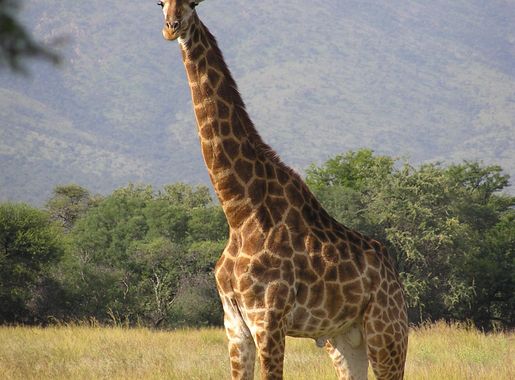

Mefou National Park: A Primate Haven in the Heart of Cameroon
Mefou National Park is a unique gem in Cameroon, offering visitors an unparalleled experience of wildlife conservation and natural beauty. Located just a short drive from the bustling capital city of Yaoundé, this park is a sanctuary for rescued primates, including gorillas, chimpanzees, and mandrills. The park is managed by the Ape Action Africa organization, which is dedicated to the protection and rehabilitation of these incredible animals. As you wander through the lush forest trails, you'll have the chance to observe these primates in environments that closely resemble their natural habitats. The park's educational tours provide fascinating insights into the lives and behaviors of its residents. Knowledgeable guides share stories of each primate's journey to recovery and the ongoing efforts to protect them from threats such as poaching and habitat loss. This makes Mefou National Park not just a place for wildlife viewing, but also a learning experience that highlights the importance of conservation. In addition to the primates, the park is home to a variety of other wildlife and plant species, making it a biodiversity hotspot. Bird watchers will delight in the opportunity to spot colorful and rare bird species darting through the canopy. For those interested in botany, the park's diverse flora offers a rich tapestry of Cameroon's native plant life. A visit to Mefou National Park is both an adventure and a chance to contribute to the noble cause of wildlife preservation.