

Free Maritimes Travel Guide & Mobile App
Explore Maritimes with free travel guides. Discover regional history, expert tips, proposed trips, and audio guides on web or mobile app.


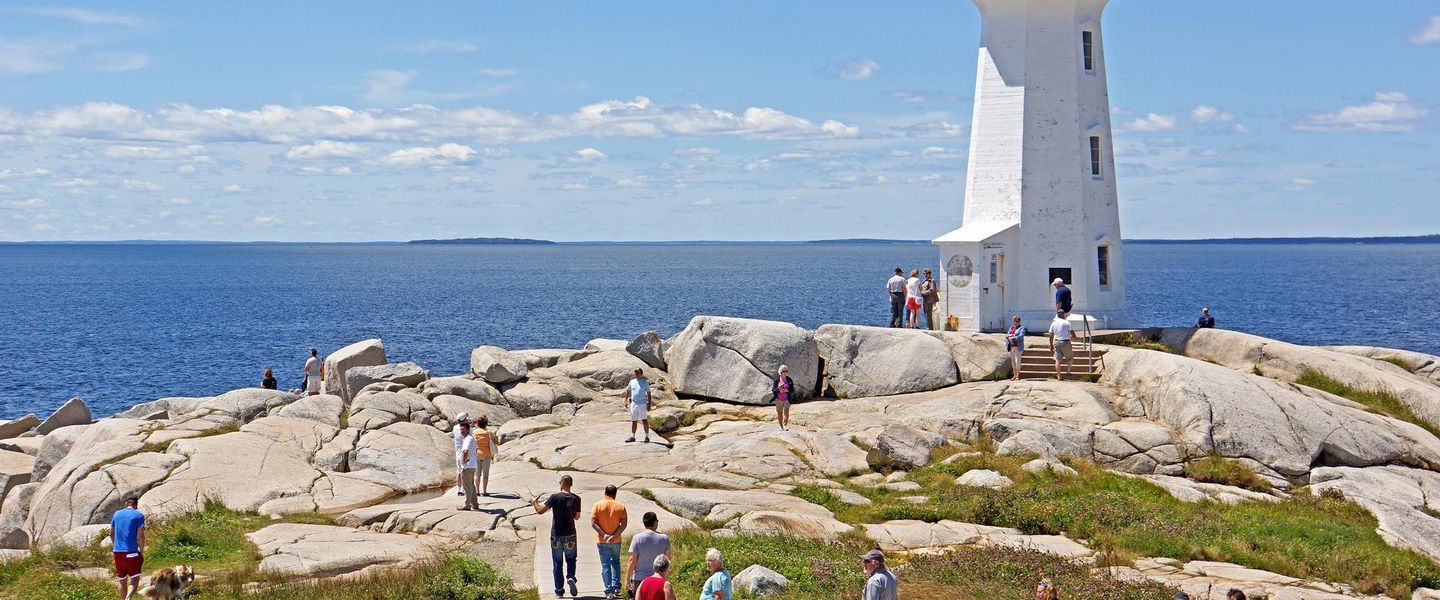


Explore Canada's Maritimes for Atlantic coastlines, historic ports, Acadian culture, seafood, forests, island scenery and dramatic Bay of Fundy tides.
Read more about Maritimes
When is the best time to visit Maritimes?
Best: June–August · 21–24°C| Month | High (°C) | Rainfall (mm) |
|---|---|---|
| January | 0 | 101 |
| February | 1 | 90 |
| March | 6 | 90 |
| April | 11 | 80 |
| May | 17 | 80 |
| June (best) | 21 | 80 |
| July (best) | 24 | 90 |
| August (best) | 24 | 90 |
| September | 20 | 90 |
| October | 14 | 100 |
| November | 9 | 110 |
| December | 2 | 110 |
Getting to and around Maritimes
How to get there
Transportation
Top city travel guides in Maritimes
The cities of Maritimes, and the easiest places to base yourself.
-

-


Swipe for more cities
Destinations in Maritimes
Resorts, valleys and scenic spots worth a trip of their own.
-

-

-

-


Swipe for more destinations
Best attractions in Maritimes
The Maritimes offer a varied attraction landscape built around coast, history and outdoor access. Halifax combines museums, harbour walks and the Halifax Citadel National Historic Site, while nearby communities and the South Shore provide historic ports, boatbuilding traditions and coastal scenery. Lunenburg is notable for its preserved colonial streetscape and seafaring heritage, and the Annapolis Valley brings orchards, vineyards, farms and historic settlements. In northern Nova Scotia, Cape Breton Highlands National Park and the Cabot Trail provide hiking, lookouts and mountain-to-sea landscapes. New Brunswick's attractions range from the Bay of Fundy coastline and Fundy National Park to the cultural institutions of Fredericton, Saint John and Moncton, with whale-watching and coastal excursions available in suitable seasons. Prince Edward Island adds sandy beaches, red cliffs, rural lanes and literary associations with Lucy Maud Montgomery. Across the region, museums, lighthouses, galleries, historic churches, Indigenous cultural interpretation, fishing harbours and provincial parks provide a more grounded experience than sightseeing from major cities alone.
-
Tourist attraction
Halifax Waterfront
Explore the vibrant Halifax Waterfront, a perfect blend of culture, history, and stunning seaside views in Nova Scotia.
-
Tourist attraction
Halifax Citadel National Historic Site
Discover the Halifax Citadel National Historic Site, where history, stunning views, and engaging experiences await every traveler.
-
Tourist attraction
Canadian Museum for Human Rights
Explore the Canadian Museum for Human Rights in Winnipeg – a transformative journey through the history and significance of human rights worldwide.
-
Tourist attraction
Maritime Museum of the Atlantic
Discover the maritime history of Nova Scotia at the Maritime Museum of the Atlantic, featuring fascinating exhibits and stunning waterfront views.
Best landmarks in Maritimes
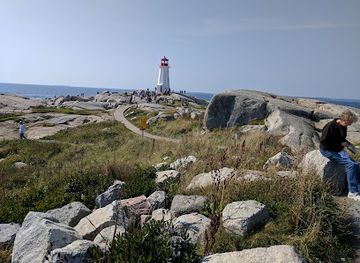
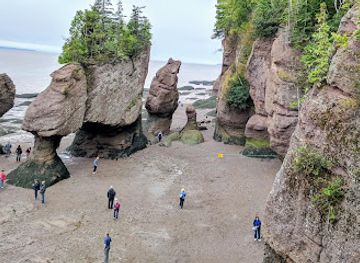
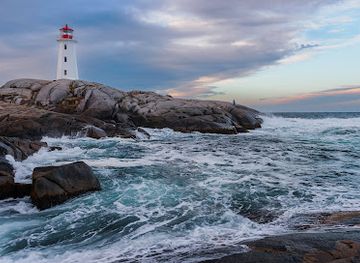
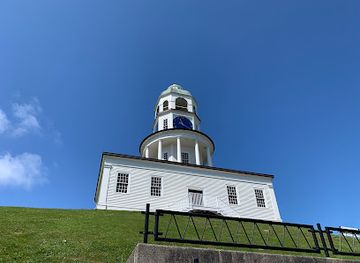
The Maritimes' most recognisable landmarks reflect defence, seafaring, tides and distinctive regional architecture. Halifax Citadel rises above the city as a nineteenth-century fortress overlooking one of the world's great natural harbours, while the Halifax waterfront preserves a strong connection with naval and commercial history. Lunenburg's historic townscape, with its orderly streets and colourful wooden buildings, expresses the importance of Atlantic shipbuilding and trade. In New Brunswick, the Hopewell Rocks on the Bay of Fundy coast are sculpted sea stacks seen most dramatically around low tide, although the tidal environment requires careful planning. The Reversing Falls area at Saint John illustrates the force of Fundy waters in a changing urban landscape. Prince Edward Island's Confederation Bridge links the island with New Brunswick across the Northumberland Strait, while red sandstone cliffs and beaches form natural landmarks throughout the island. Covered bridges, historic lighthouses, church spires and fishing wharves add smaller-scale markers of Maritime settlement across all three provinces.
-
Tourist attraction
Hopewell Rocks Provincial Park
Discover the incredible natural beauty of Hopewell Rocks Provincial Park, a stunning must-visit destination showcasing unique rock formations and the highest tides in the world.
-
Historical landmark
Peggy's Cove Lighthouse
Discover the stunning Peggy's Cove Lighthouse, a historic landmark offering breathtaking coastal views and an authentic maritime experience in Nova Scotia.
-
Historical landmark
Halifax Citadel National Historic Site
Explore Halifax Citadel: A historic fortress with stunning views, live re-enactments, and a glimpse into 19th-century military life.
-
Historical landmark
Signal Hill National Historic Site
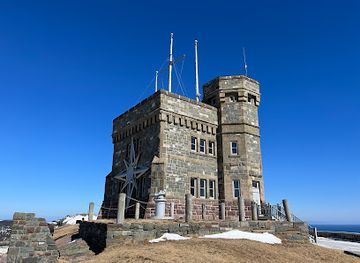
Discover the historic Signal Hill National Historic Site in St. John's, Newfoundland, blending stunning views with rich Canadian history.
Explore Maritimes on the map
Plan your trip on one map. See where the top cities, national parks and sights are, and book hotels and experiences in a few clicks.
Best hotels in Maritimes
Best restaurants in Maritimes
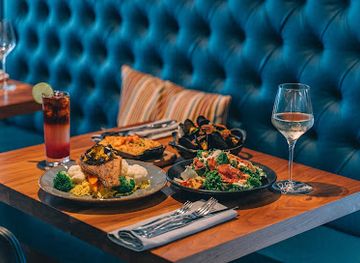
Maritime dining is closely connected to the Atlantic and the region's farms. Lobster, scallops, mussels, oysters, crab and haddock appear widely, although availability and quality vary by season and coast. Nova Scotia is associated with seafood, apples, blueberries and wines from the Annapolis Valley; Prince Edward Island is known for potatoes, shellfish and agricultural produce; and New Brunswick combines Bay of Fundy seafood with Acadian specialities such as fricot and pâté, alongside locally produced dairy, meat and vegetables. Menus range from fish-and-chips shops, lobster suppers and harbour cafés to contemporary restaurants in Halifax, Charlottetown, Saint John, Moncton and Fredericton. Rural inns, breweries, cider makers, bakeries and farmers' markets are useful places to encounter regional ingredients without treating every dish as a fixed tradition. Visitors should also look for French-language and Acadian influences, which give parts of the Maritimes a culinary character distinct from mainstream Canadian dining.
-
Italian
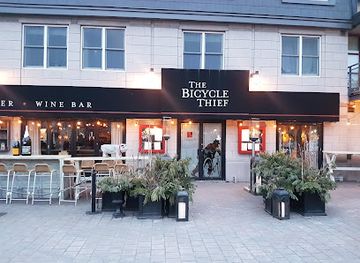
The Bicycle Thief
Experience exquisite Italian cuisine at The Bicycle Thief in Halifax - where culinary artistry meets fine dining.
-
Seafood
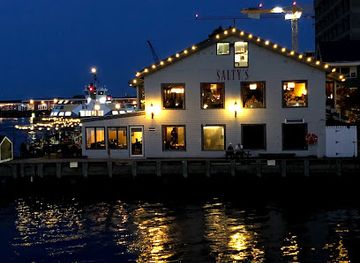
Salty's
Experience the best seafood in Halifax at Salty's, where fresh flavors meet stunning waterfront views.
-
Seafood
The Five Fishermen
Experience fine dining at The Five Fishermen – where fresh seafood meets rich history in Downtown Halifax.
-
 Hotel
HotelThe Algonquin Resort St. Andrews by-the-Sea, Autograph Collection
Discover timeless luxury at The Algonquin Resort in St. Andrews by-the-Sea, where history meets breathtaking coastal views.
Best bars in Maritimes
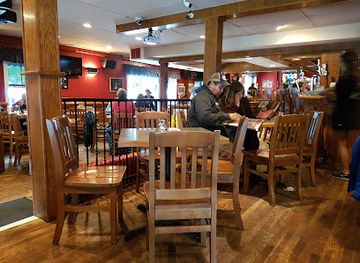
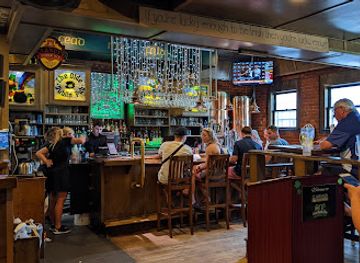
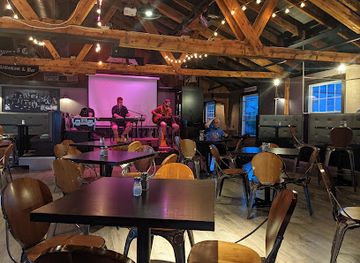
Evening life in the Maritimes varies sharply by location. Halifax has the region's broadest selection of pubs, cocktail bars, breweries, live-music rooms and late-night venues, concentrated around the downtown core and waterfront areas. Charlottetown, Fredericton, Saint John and Moncton offer smaller but active scenes built around restaurants, bars, theatres, local beer and touring music; Moncton also serves as an important nightlife centre for southeastern New Brunswick. In rural Nova Scotia, New Brunswick and Prince Edward Island, evenings more often centre on traditional pubs, inns, community performances, seasonal music and brewery taprooms than on large clubs. Acadian and Celtic musical traditions appear in different communities, but events and opening arrangements change, so check locally. Responsible drinking and arranging transport matter particularly on coastal and rural roads where taxis and public transport can be limited.
-
Irish pub
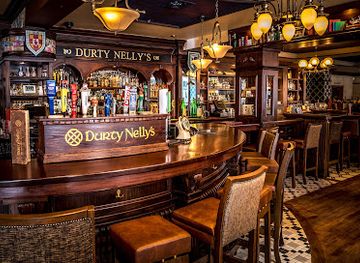
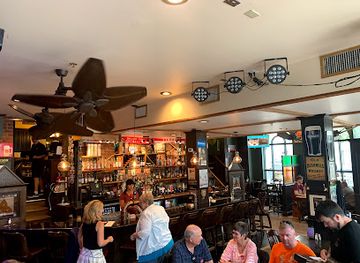
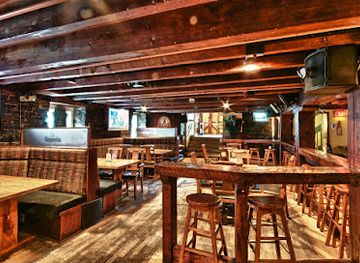
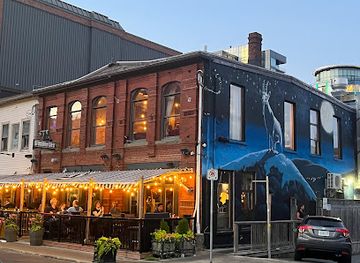
Durty Nelly's Irish Pub
Discover the heart of Halifax at Durty Nelly's Irish Pub, where authentic cuisine, live music, and a vibrant atmosphere await.
-
Irish pub
The Old Triangle Irish Alehouse
Discover the authentic Irish experience at The Old Triangle Irish Alehouse in Downtown Halifax, featuring traditional fare, live music, and a vibrant atmosphere.
-
Pub
The Lower Deck
Experience the vibrant atmosphere of The Lower Deck in Halifax, where delicious food, live music, and stunning waterfront views await every visitor.
-
Gastropub
The Stubborn Goat Gastropub
Discover the flavors of Halifax at The Stubborn Goat Gastropub, where local ingredients meet culinary creativity in a vibrant atmosphere.
Best nightclubs in Maritimes
Evening life in the Maritimes varies sharply by location. Halifax has the region's broadest selection of pubs, cocktail bars, breweries, live-music rooms and late-night venues, concentrated around the downtown core and waterfront areas. Charlottetown, Fredericton, Saint John and Moncton offer smaller but active scenes built around restaurants, bars, theatres, local beer and touring music; Moncton also serves as an important nightlife centre for southeastern New Brunswick. In rural Nova Scotia, New Brunswick and Prince Edward Island, evenings more often centre on traditional pubs, inns, community performances, seasonal music and brewery taprooms than on large clubs. Acadian and Celtic musical traditions appear in different communities, but events and opening arrangements change, so check locally. Responsible drinking and arranging transport matter particularly on coastal and rural roads where taxis and public transport can be limited.
-
Bar
Hunter's Ale House
Experience the vibrant atmosphere and local flavors at Hunter's Ale House, a premier bar and restaurant in the heart of Charlottetown, PE.
-
Pub
Olde Dublin Pub
Discover the lively spirit of Olde Dublin Pub in Charlottetown, where great food, drinks, and entertainment come together in a warm and welcoming atmosphere.
-
Night club
Peakes Quay Restaurant & Bar
Experience the vibrant culinary scene at Peakes Quay Restaurant & Bar, where seafood delights and nightlife converge in Charlottetown.
-
Bar
Pacifico
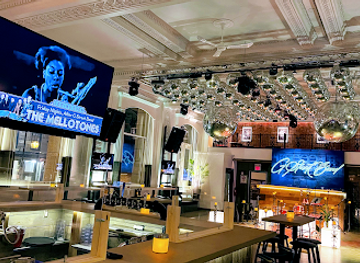
Discover the dynamic nightlife at Pacifico, a stylish bar and live music venue in the heart of Downtown Halifax, Nova Scotia.
Best shops in Maritimes
Shopping in the Maritimes is strongest in historic town centres, regional capitals, harbour districts and farmers' markets rather than in concentrated luxury precincts. Halifax offers independent boutiques, galleries, booksellers, craft breweries and food shops alongside larger retail areas, while Lunenburg and other South Shore communities are known for art, maritime-themed crafts and locally made goods. Charlottetown combines a compact historic centre with galleries, independent shops and island food products, and Fredericton and Saint John provide craft, design and book shopping in New Brunswick. Look for pottery, textiles, woodwork, jewellery, paintings, preserves, berries, maple products, seafood products and cider, checking customs rules before taking food across borders. Market schedules are seasonal and can vary, so verify days locally. Souvenirs with Indigenous designs should be purchased from reputable artists or retailers who identify the maker and support authentic community production.
-
Farmers' market
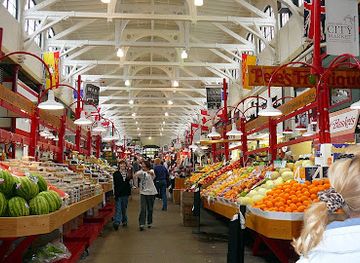
Saint John City Market
Explore the Saint John City Market: A vibrant farmers' market in the heart of New Brunswick, offering fresh produce, seafood, and local crafts.
-
Gift shop
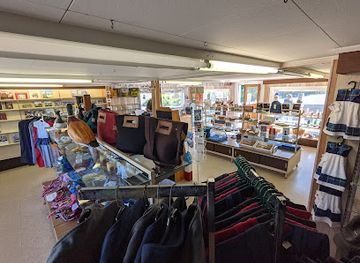
Peggy's Cove Gift Shop
Explore Peggy's Cove Gift Shop for unique souvenirs and local crafts that reflect the stunning maritime beauty of Nova Scotia.
-
Shopping mall
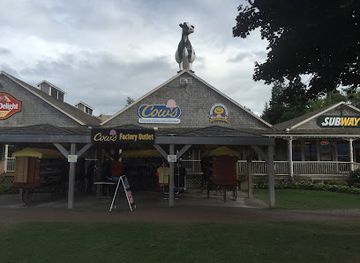
Cavendish Boardwalk
Experience the vibrant Cavendish Boardwalk, where shopping meets stunning coastal views and delightful local flavors await.
-
Shopping mall
East Point Shopping
Explore East Point Shopping Mall in Saint John for a diverse shopping experience, great dining options, and vibrant community events.

Get your free copy of our complete guide to Maritimes, delivered straight to you.
Everything on this page, from attractions and restaurants to essentials and local phrases, in one PDF you can read offline, print or share.
Already have an account? Sign in
Your Maritimes guide is ready.
We'll send it to · Not you? Sign out

Getting your guide ready…
We are putting together a fresh copy of the Maritimes guide. This can take up to a minute.
This can take a few moments. If your browser asks, choose Allow so the download can start. You'll find the guide in your Downloads folder.
Nothing happened? Download it again
Sorry, the guide is taking longer than usual. Please try again in a minute, or get it by email instead.
Maritimes essentials
Currency and Payment
Safety
Emergency Situations
Do's and Don'ts
Local Tips
From Eve
Local phrases worth knowing
You don't need to get them perfect. A few words go a long way, and locals appreciate the effort.
Basics
| English | Local | Say it |
|---|---|---|
| Hello | Howdy | [/ˈhaʊdi/] |
| Goodbye | Take care | [/teɪk kɛr/] |
| Yes | Aye | [/aɪ/] |
| No | Naw | [/nɔ/] |
| Please/You're welcome | No problem | [/noʊ ˈprɑːbləm/] |
| Thank you | Thanks a bunch | [/θæŋks ə bʌntʃ/] |
| Excuse me/Sorry | Excuse me | [/ɪkˈskjuz mi/] |
| How are you? | How's it goin'? | [/haʊz ɪt ˈɡoʊɪn/] |
| Fine. And you? | Good. You? | [/ɡʊd ju/] |
| Do you speak English? | Can ya speak English? | [/kæn jə spiːk ˈɪŋɡlɪʃ/] |
| I don't understand | I don’t get it | [/aɪ doʊnt ɡɛt ɪt/] |
Eating & Drinking
| English | Local | Say it |
|---|---|---|
| I'd like to see the menu, please | Can I see the menu, please? | [/kæn aɪ siː ðə ˈmɛnjuː pliːz/] |
| I don't eat meat | I don’t eat meat | [/aɪ doʊnt iːt miːt/] |
| Cheers! | Cheers! | [/tʃɪrz/] |
| I would like to pay, please | Can I get the bill, please? | [/kæn aɪ ɡɛt ðə bɪl pliːz/] |
Emergencies
| English | Local | Say it |
|---|---|---|
| Help! | Help! | [/hɛlp/] |
| Go away! | Get lost! | [/ɡɛt lɔst/] |
| Call the Police! | Call the cops! | [/kɔl ðə kɑps/] |
| Call a doctor! | Get a doctor! | [/ɡɛt ə ˈdɑktər/] |
| I'm lost | I’m lost | [/aɪm lɔst/] |
| I'm ill | I’m not feeling well | [/aɪm nɒt ˈfiːlɪŋ wɛl/] |
Shopping
| English | Local | Say it |
|---|---|---|
| I'd like to buy... | I’d like to buy... | [/aɪd laɪk tə baɪ/] |
| I'm just looking | Just browsing | [/dʒʌst ˈbraʊzɪŋ/] |
| How much is it? | What’s the price? | [/wʌts ðə praɪs/] |
| That's too expensive | That's a bit pricey | [/ðæts ə bɪt ˈpraɪsi/] |
| Can you lower the price? | Can ya make it cheaper? | [/kæn jə meɪk ɪt ˈtʃiːpər/] |
Time & Numbers
| English | Local | Say it |
|---|---|---|
| What time is it? | What time is it? | [/wʌt taɪm ɪz ɪt/] |
| It's one o'clock | It's one o'clock | [/ɪts wʌn əˈklɒk/] |
| Half past (10) | Half past ten | [/hæf pæst tɛn/] |
| Morning | Morning | [/ˈmɔrnɪŋ/] |
| Afternoon | Afternoon | [/ˌæftərˈnun/] |
| Evening | Evening | [/ˈiːvnɪŋ/] |
| Yesterday | Yesterday | [/ˈjɛstərdeɪ/] |
| Today | Today | [/təˈdeɪ/] |
| Tomorrow | Tomorrow | [/təˈmɔroʊ/] |
| 1 | One | [/wʌn/] |
| 2 | Two | [/tuː/] |
| 3 | Three | [/θriː/] |
| 4 | Four | [/fɔːr/] |
| 5 | Five | [/faɪv/] |
| 6 | Six | [/sɪks/] |
| 7 | Seven | [/ˈsɛvən/] |
| 8 | Eight | [/eɪt/] |
| 9 | Nine | [/naɪn/] |
| 10 | Ten | [/tɛn/] |
Transport & Directions
| English | Local | Say it |
|---|---|---|
| Where's a/the...? | Where's the...? | [/wɛrz ðə/] |
| What's the address? | What’s the address? | [/wʌts ði əˈdrɛs/] |
| Can you show me (on the map)? | Can you point it out? | [/kæn jə pɔɪnt ɪt aʊt/] |
| When's the next (bus)? | When's the next bus? | [/wɛn ʌs ðə nɛkst bʌs/] |
| A ticket (to ....) | A ticket to ... | [/ə ˈtɪkɪt tə/] |
History of Maritimes
Indigenous Homelands and Mi'kma'ki
The Maritimes are part of the historic and continuing homelands of the Mi'kmaq, Wolastoqiyik and Peskotomuhkati peoples. Mi'kma'ki encompasses much of Nova Scotia, Prince Edward Island and parts of New Brunswick, while the Wolastoqiyik are closely associated with the Wolastoq, or Saint John River, and the Peskotomuhkati with the southwest borderlands. Indigenous communities developed extensive knowledge of coastal waters, rivers, forests and seasonal resources long before European settlement. Their presence remains visible through contemporary governments, cultural centres, language work, art and interpretation, rather than belonging only to the region's distant past.
Acadian Settlement and Expulsion
French colonists established Acadian communities in parts of present-day Nova Scotia, New Brunswick and Prince Edward Island from the seventeenth century onwards. They adapted to tidal marshlands through dyke building and developed farming and fishing communities connected across the Bay of Fundy and Gulf of St Lawrence. During the mid-eighteenth-century Anglo-French conflicts, many Acadians were forcibly removed in the event remembered as the Great Deportation. Some later returned, and Acadian identity, French language, music, churches and community institutions remain particularly important in eastern and northern New Brunswick and parts of Nova Scotia and Prince Edward Island.
British Colonial Rule and Halifax
Britain founded Halifax in 1749 as a strategic naval and administrative centre on one of the world's great natural harbours. The settlement became central to British military power in Atlantic North America and to the wider contest with France and its allies. Fortifications, churches, warehouses and government buildings reflect the city's colonial development, while nearby sites such as the Halifax Citadel preserve later layers of defence. British rule also reshaped landholding, migration and relations with Indigenous and Acadian communities throughout the Maritimes.
Loyalist Migration and New Brunswick
After the American Revolution, thousands of Loyalists moved north into British North America, contributing to the creation of New Brunswick as a separate colony in 1784. Many settled along the Saint John River and the Bay of Fundy, strengthening towns such as Saint John and influencing architecture, administration and land settlement. Their arrival formed one part of a more complex population history that also included Indigenous peoples, earlier Acadian communities, Black Loyalists and later immigrants. The surviving historic streets of Saint John and Fredericton help illustrate the region's nineteenth-century colonial growth.
Shipbuilding, Fishing and Maritime Trade
During the nineteenth century, the Maritimes developed major shipbuilding, fishing and timber industries. Wooden sailing vessels were constructed in ports across Nova Scotia and New Brunswick and carried timber, fish and agricultural produce through Atlantic trade networks. Lunenburg, Saint John, Yarmouth and numerous smaller harbours grew through this maritime economy, while Prince Edward Island developed important fisheries and agricultural exports. Steam power, changing shipping technology and global competition later weakened traditional shipbuilding, but boatbuilding, fisheries, port work and seafaring remain important elements of regional identity.
Confederation and the Railway Age
Nova Scotia and New Brunswick joined the Canadian Confederation in 1867, while Prince Edward Island entered in 1873. Railways subsequently connected Maritime ports and towns with central Canada, encouraging migration, trade, tourism and industrial development. The Intercolonial Railway and later routes helped move coal, timber, fish and manufactured goods, although the region often remained economically dependent on decisions made beyond Atlantic Canada. Railway stations, bridges, port infrastructure and travelling cultural traditions still recall this period of closer national integration.
Modern Acadian and Regional Renewal
The twentieth and twenty-first centuries brought economic change as traditional fisheries, coal and manufacturing faced restructuring, while universities, public services, tourism, technology and cultural industries grew in importance. Acadian communities pursued stronger recognition of French-language rights and institutions, especially in New Brunswick, Canada's only officially bilingual province. Mi'kmaq, Wolastoqey and Peskotomuhkati communities have also advanced cultural revitalisation, language education and land and treaty discussions. Contemporary Maritime identity therefore combines inherited maritime traditions with active debates about language, Indigenous rights, rural change and sustainable coastal economies.
Maritimes in Photos
Browse through our photo collection highlighting the charm and character of the destination.
Neighbouring regions of Maritimes
The closest regions to Maritimes, if you have time for more than one.
-

-

-

-

-


Swipe for more regions
Explore more
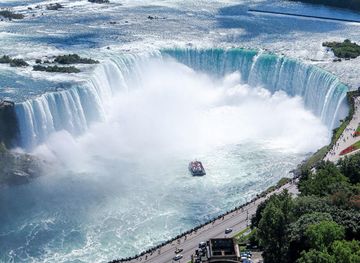
Explore more of Canada
Discover Canada's breathtaking landscapes, diverse cities, and rich cultural heritage. A must-visit destination for outdoor adventures and vibrant urban experiences.
Explore Canada