

Free Lanaudière Travel Guide & Mobile App
Explore Lanaudière with free travel guides. Discover regional history, expert tips, proposed trips, and audio guides on web or mobile app.


Discover Lanaudière, Quebec: A haven of natural beauty, rich history, and vibrant culture, perfect for outdoor adventures and authentic local experiences.
Read more about Lanaudière
When is the best time to visit Lanaudière?
Best: June–August · 24–27°C| Month | High (°C) | Rainfall (mm) |
|---|---|---|
| January | -3 | 70 |
| February | -1 | 60 |
| March | 6 | 70 |
| April | 13 | 80 |
| May | 20 | 90 |
| June (best) | 24 | 100 |
| July (best) | 27 | 110 |
| August (best) | 26 | 110 |
| September | 21 | 100 |
| October | 14 | 90 |
| November | 4 | 80 |
| December | -1 | 70 |
Getting to and around Lanaudière
How to get there
Transportation
Best attractions in Lanaudière
Lanaudière, nestled in the heart of Quebec, captivates visitors with its stunning blend of natural beauty and rich cultural heritage. Explore the breathtaking waterfalls of Parc des Chutes-Dorwin, where lush forests and scenic trails invite adventure. History enthusiasts will revel in the charming heritage villages like L'Assomption, with its quaint architecture and fascinating museums. For a taste of local culture, indulge in the region's vibrant festivals, such as the Festival de Lanaudière, Canada’s largest classical music festival, or savor the flavors of artisanal cheeses and maple syrup at local farms. Outdoor enthusiasts can immerse themselves in year-round activities from kayaking on the serene Lac Taureau to skiing in the picturesque Mont-Tremblant. With its diverse attractions, Lanaudière promises an unforgettable experience for every traveler.
-
Tourist attraction
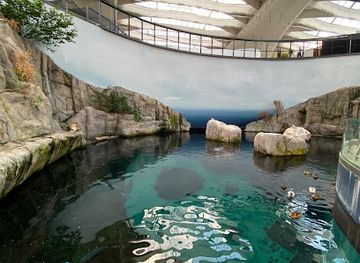
Montreal Biodome
Explore the Montreal Biodome: A remarkable journey through diverse ecosystems showcasing wildlife, conservation, and education in the heart of Montreal.
-
Tourist attraction
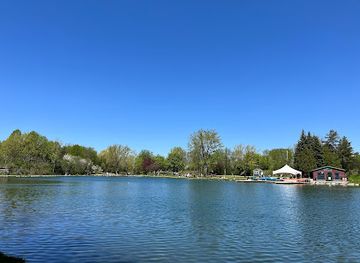
Nature Center
Explore the lush landscapes and diverse wildlife at the Nature Center in Laval, a perfect retreat for nature lovers and families seeking adventure.
-
Tourist attraction
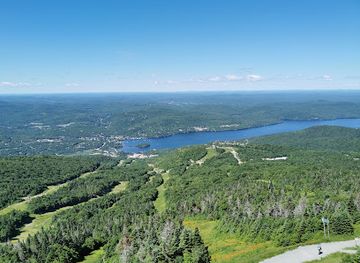
Parc national du Mont-Tremblant
Discover the breathtaking landscapes and outdoor adventures at Parc national du Mont-Tremblant, a stunning national park in Quebec, Canada.
-
National park
La Mauricie National Park
Experience the breathtaking landscapes and diverse wildlife of La Mauricie National Park, Quebec's natural paradise for outdoor adventures and tranquility.

Best landmarks in Lanaudière
Lanaudière, a charming region in Quebec, Canada, offers a tapestry of experiences that blend natural beauty with historical intrigue. Visitors can explore the majestic Parc régional des Chutes-Monte-à-Peine-et-des-Dalles, where cascading waterfalls and lush trails provide a serene escape into nature. History enthusiasts will revel in the stories of the past at the Sir Wilfrid Laurier National Historic Site, dedicated to Canada's first French-speaking Prime Minister. The enchanting village of Rawdon invites travelers to relax by the sparkling Dorwin Falls or indulge in the soothing waters of La Source Bains Nordiques. Cultural aficionados can enjoy the vibrant music festivals and artisan markets in Joliette, a town that harmonizes artistic expression with its picturesque riverside setting. Whether it's hiking, soaking in history, or immersing in local culture, Lanaudière promises an unforgettable adventure for every kind of traveler.
-
Tourist attraction
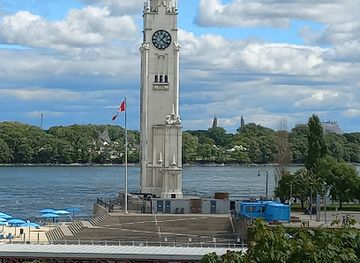
Vieux-Port de Montréal
Discover the historic allure and vibrant culture of Vieux-Port de Montréal, where the past meets the present along the stunning St. Lawrence River.
-
 Historical place
Parliament Hill
Discover Canada's history and democracy at Parliament Hill, an iconic Ottawa landmark with stunning architecture and free tours.
-
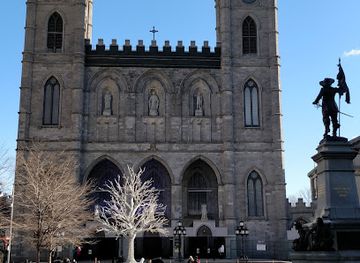
Basilica
Notre-Dame Basilica of Montreal
Discover the stunning Notre-Dame Basilica of Montreal, a historical masterpiece known for its breathtaking architecture and vibrant stained-glass windows.
-
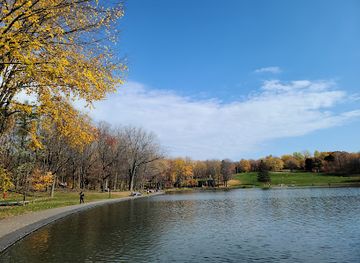
Park
Mount Royal Park
Explore Mount Royal Park, Montreal's urban retreat, offering stunning views, lush landscapes, and year-round outdoor activities for nature lovers.
Explore Lanaudière on the map
Plan your trip on one map. See where the top cities, national parks and sights are, and book hotels and experiences in a few clicks.
Best hotels in Lanaudière
Best restaurants in Lanaudière
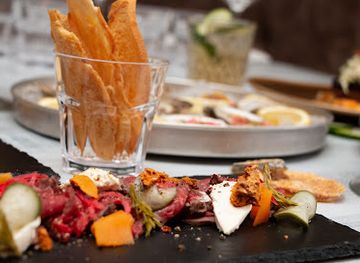
Lanaudière's dining scene is a delightful tapestry of flavors that reflect its rich cultural heritage and natural bounty. Visitors can expect an array of culinary experiences, from charming farm-to-table eateries that serve organic fare sourced from local farms, to elegant bistros offering sophisticated French-Canadian cuisine. The region is known for its artisanal cheeses, succulent game meats, and fresh river fish, all prepared with a touch of rustic charm and innovative flair. Cozy cafes and bakeries abound, where you can savor freshly baked pastries and aromatic coffee, while the microbreweries and cider houses invite you to sample exquisite local brews and ciders. Whether dining in a historic village inn or a contemporary lakeside restaurant, the culinary journey in Lanaudière promises to be as captivating as its scenic landscapes.
-
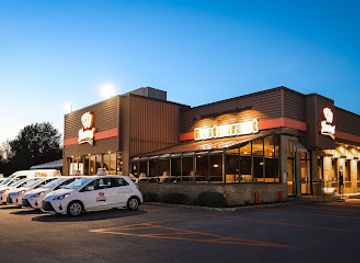
Restaurant
Restaurant Chez Henri
Experience fast food redefined at Restaurant Chez Henri – where quality meets affordability in Saint-Charles-Borromée.
-
Restaurant
Le Vice-Caché Bistro Urbain
Discover urban gastronomy at Le Vice-Caché Bistro Urbain in L'Assomption, where local flavors meet contemporary flair.
-
Restaurant
TABOO Cuisine Rebelle L’Assomption
Discover innovative fusion cuisine and creative cocktails at TABOO Cuisine Rebelle in L'Assomption – A must-visit dining experience in Quebec!
-
Grill
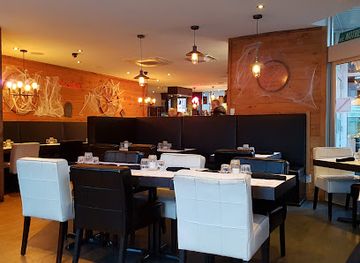
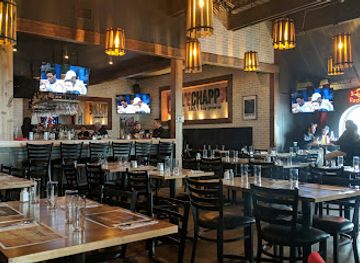
L'Échappée - Grill & Bar Sportif
Experience exquisite grilled cuisine at L'Échappée - Grill & Bar Sportif in Saint-Charles-Borromée, where flavor meets fun in every bite.
Best bars in Lanaudière
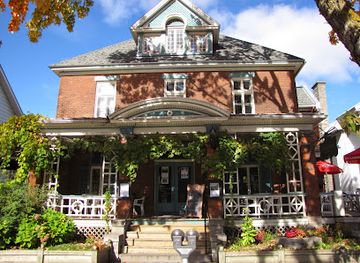
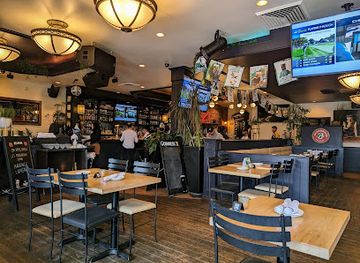
Lanaudière's nightlife is a captivating blend of rustic charm and vibrant energy, offering visitors a unique experience that echoes the region's rich cultural tapestry. As the sun sets over the picturesque landscapes, the area comes alive with an array of cozy pubs, lively bars, and intimate nightclubs. Music enthusiasts can revel in live performances ranging from traditional Quebecois folk tunes to contemporary beats at venues like La Chasse-Galerie in Lavaltrie, while craft beer aficionados can savor locally brewed ales at microbreweries such as the Broue Pub Brouhaha in Repentigny. Whether you're looking to dance the night away, enjoy a quiet drink by the fire, or immerse yourself in the local music scene, Lanaudière's nightlife promises a memorable and enchanting experience for every visitor.
-
Grill
Resto-Bar La Lanterne
Experience the vibrant flavors of Rawdon at Resto-Bar La Lanterne, a top destination for grill and bar enthusiasts.
-
Grill
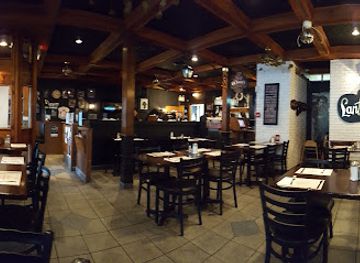
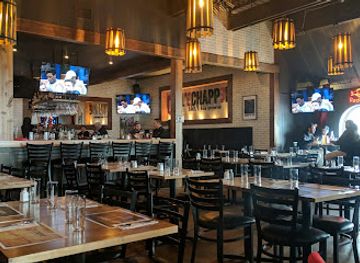
L'Échappée - Grill & Bar Sportif
Discover the vibrant grill cuisine at L'Échappée - Grill & Bar Sportif, where sports and great food collide in Saint-Charles-Borromée.
-
Restaurant
Brasserie artisanale Albion
Discover the perfect blend of local flavors and artisanal brews at Brasserie Artisanale Albion, a culinary gem in Joliette, Quebec.
-
Restaurant
Bières et Compagnie
Discover a blend of local craft beers and exquisite dishes at Bières et Compagnie, a unique restaurant experience in the heart of Terrebonne, Quebec.
Best nightclubs in Lanaudière
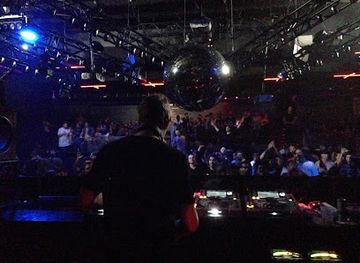
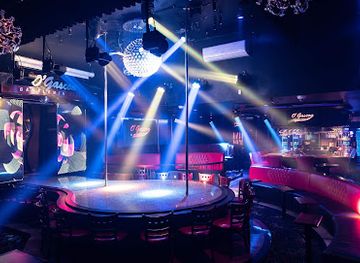
Lanaudière's nightlife is a captivating blend of rustic charm and vibrant energy, offering visitors a unique experience that echoes the region's rich cultural tapestry. As the sun sets over the picturesque landscapes, the area comes alive with an array of cozy pubs, lively bars, and intimate nightclubs. Music enthusiasts can revel in live performances ranging from traditional Quebecois folk tunes to contemporary beats at venues like La Chasse-Galerie in Lavaltrie, while craft beer aficionados can savor locally brewed ales at microbreweries such as the Broue Pub Brouhaha in Repentigny. Whether you're looking to dance the night away, enjoy a quiet drink by the fire, or immerse yourself in the local music scene, Lanaudière's nightlife promises a memorable and enchanting experience for every visitor.
-
Night club
Stereo
Discover the heart of Montreal's nightlife at Stereo, where exceptional sound meets an electrifying atmosphere for an unforgettable experience.
-
Night club
O'Gascon
Discover the electrifying atmosphere of O'Gascon Night Club, where music, dance, and entertainment come alive in Terrebonne, Quebec.
-
Disco club
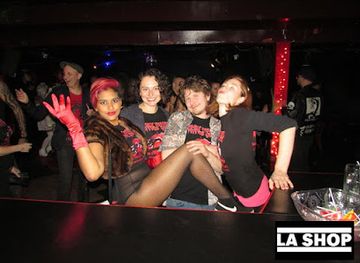
Bar La Shop
Discover the lively nightlife of Montreal at Bar La Shop, where dancing, drinks, and unforgettable memories await.
-
Lounge
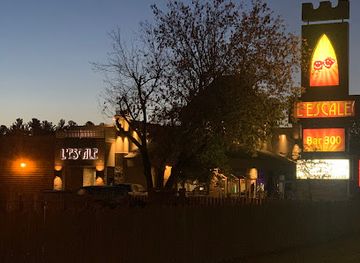
Bar 300
Experience the lively ambiance and delightful drinks at Bar 300, a premier lounge in Saint-Charles-Borromée, Quebec.
Best shops in Lanaudière
Lanaudière's shopping scene is a delightful mix of charming boutiques, artisanal shops, and vibrant markets that captivate the senses and offer unique finds. Visitors can expect to stroll through picturesque streets lined with locally-owned stores offering handcrafted goods, from exquisite pottery and fine jewelry to artisanal cheeses and freshly baked pastries. The region's rich cultural heritage is reflected in its array of specialty shops featuring traditional Quebecois crafts, while its bustling farmers' markets provide a feast for the eyes and palate with fresh produce, homemade preserves, and gourmet delicacies. For those seeking a more modern shopping experience, Lanaudière also boasts stylish fashion boutiques and contemporary home decor stores, ensuring that every taste is catered to in this diverse and enchanting shopping destination.
-
Shopping mall
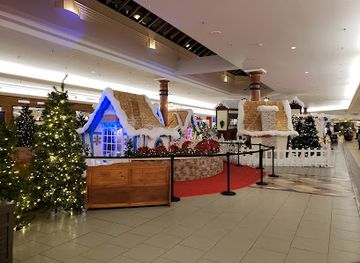
The Joliette Galleries
Discover endless shopping and dining possibilities at The Joliette Galleries, the ultimate shopping experience in Joliette, Quebec.
-
Shopping mall
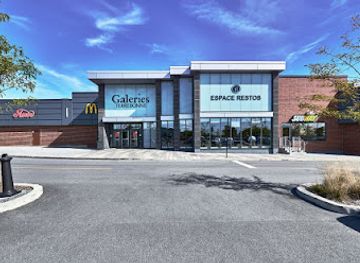
Galeries Terrebonne
Shop, dine, and enjoy at Galeries Terrebonne - a vibrant shopping hub in Quebec with diverse retail options and family-friendly entertainment.
-
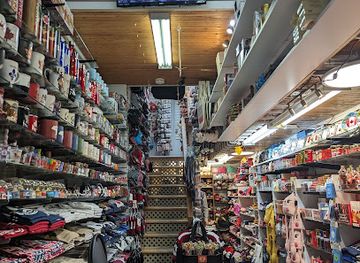
Souvenir store
Souvenir du Québec
Explore the charm of Quebec through unique souvenirs and local crafts at Souvenir du Québec, a must-visit treasure in Montreal.
-
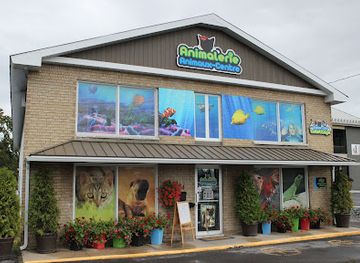
Pet store
Chico - Boutique d'animaux | Joliette
Chico - Your go-to pet store in Joliette for quality products and expert advice to pamper your furry friends.
Get your free copy of our complete guide to Lanaudière, delivered straight to you.
Everything on this page, from attractions and restaurants to essentials and local phrases, in one PDF you can read offline, print or share.
Already have an account? Sign in
Your Lanaudière guide is ready.
We'll send it to · Not you? Sign out

Getting your guide ready…
We are putting together a fresh copy of the Lanaudière guide. This can take up to a minute.
This can take a few moments. If your browser asks, choose Allow so the download can start. You'll find the guide in your Downloads folder.
Nothing happened? Download it again
Sorry, the guide is taking longer than usual. Please try again in a minute, or get it by email instead.
Lanaudière essentials
Currency and Payment
Safety
Emergency Situations
Do's and Don'ts
Local Tips
From Eve
Local phrases worth knowing
You don't need to get them perfect. A few words go a long way, and locals appreciate the effort.
Basics
| English | Local | Say it |
|---|---|---|
| Hello | Salut | [sah-loo] |
| Goodbye | Au revoir | [oh ruh-vwahr] |
| Yes | Oui | [wee] |
| No | Non | [noh] |
| Please/You're welcome | S'il vous plaît | [seel voo pleh] |
| Thank you | Merci | [mehr-see] |
| Excuse me/Sorry | Excusez-moi/Désolé | [ex-kew-zay mwah/day-zoh-lay] |
| How are you? | Comment ça va? | [koh-mahn sah vah] |
| Fine. And you? | Bien. Et toi? | [byehn. eh twah] |
| Do you speak English? | Parlez-vous anglais? | [par-lay voo ahn-glay] |
| I don't understand | Je ne comprends pas | [zhuh nuh kom-prahnd pah] |
Eating & Drinking
| English | Local | Say it |
|---|---|---|
| I'd like to see the menu, please | Je voudrais voir le menu, s'il vous plaît | [zhuh voo-dray vwah leuh meh-nu, seel voo pleh] |
| I don't eat meat | Je ne mange pas de viande | [zhuh nuh mahnj pah deh vyahnd] |
| Cheers! | Santé! | [sahn-tay] |
| I would like to pay, please | Je voudrais payer, s'il vous plaît | [zhuh voo-dray pay-ay, seel voo pleh] |
Emergencies
| English | Local | Say it |
|---|---|---|
| Help! | À l'aide! | [ah led] |
| Go away! | Allez-vous-en! | [ah-lay voo-zahn] |
| Call the Police! | Appelez la police! | [ah-peh-lay lah poh-lees] |
| Call a doctor! | Appelez un médecin! | [ah-peh-lay uhn may-deh-sin] |
| I'm lost | Je suis perdu | [zhuh swee pair-due] |
| I'm ill | Je suis malade | [zhuh swee mah-lahd] |
Shopping
| English | Local | Say it |
|---|---|---|
| I'd like to buy... | Je voudrais acheter... | [zhuh voo-dray ah-sheh-tay] |
| I'm just looking | Je regarde juste | [zhuh ruh-gard zhoost] |
| How much is it? | Combien ça coûte? | [kohm-byen sah koot] |
| That's too expensive | C'est trop cher | [seh troh shair] |
| Can you lower the price? | Pouvez-vous baisser le prix? | [poo-vay voo beh-say leuh pree] |
Time & Numbers
| English | Local | Say it |
|---|---|---|
| What time is it? | Quelle heure est-il? | [kel uhr eh-teel] |
| It's one o'clock | Il est une heure | [eel eh ewn uhr] |
| Half past (10) | Dix heures et demie | [dees uhr eh duh-mee] |
| Morning | Matin | [mah-tan] |
| Afternoon | Après-midi | [ah-preh mee-dee] |
| Evening | Soir | [swahr] |
| Yesterday | Hier | [ee-ehr] |
| Today | Aujourd'hui | [oh-zhoor-dwee] |
| Tomorrow | Demain | [duh-man] |
| 1 | Un | [uhn] |
| 2 | Deux | [duh] |
| 3 | Trois | [twah] |
| 4 | Quatre | [katr] |
| 5 | Cinq | [sank] |
| 6 | Six | [sees] |
| 7 | Sept | [set] |
| 8 | Huit | [weet] |
| 9 | Neuf | [nuhf] |
| 10 | Dix | [deez] |
Transport & Directions
| English | Local | Say it |
|---|---|---|
| Where's a/the...? | Où est un/une...? | [oo eh uhn/oon] |
| What's the address? | Quelle est l'adresse? | [kel eh la-dress] |
| Can you show me (on the map)? | Pouvez-vous me montrer (sur la carte)? | [poo-vay voo muh mohn-tray (sur lah kart)] |
| When's the next (bus)? | Quand est le prochain (autobus)? | [kahn eh luh pro-shen (oh-toe-boos)] |
| A ticket (to ....) | Un billet (pour ....) | [uhn bee-yay (poor ....)] |
History of Lanaudière
Indigenous Heritage
Before European settlers arrived, the region now known as Lanaudière was inhabited by Indigenous peoples, primarily the Algonquin and Iroquois nations. These communities thrived on the abundant natural resources, practicing fishing, hunting, and agriculture. Their rich cultural heritage continues to influence the area today, seen in local art, traditions, and place names.
The Arrival of European Settlers
The 17th century marked the arrival of French settlers in Lanaudière. Jesuit missionaries and fur traders were among the first Europeans to explore the region. The settlers established trading posts and small communities, paving the way for future development. The blending of French and Indigenous cultures during this period laid the foundation for Lanaudière's unique cultural landscape.
The Seigneurial System
In the 18th century, the seigneurial system was introduced in Lanaudière. Under this system, lands were divided into large estates owned by seigneurs, who would grant portions of their land to tenant farmers in exchange for rent and service. This system played a crucial role in shaping the agricultural and social structure of the region, with many of the seigneurial estates evolving into modern towns and villages.
Industrial Revolution and Economic Growth
The 19th century brought significant economic growth to Lanaudière, spurred by the Industrial Revolution. The establishment of sawmills, paper mills, and other industries in the area led to rapid urbanization. Towns like Joliette and Saint-Jean-de-Matha became industrial hubs, attracting workers and fostering economic development. The construction of railways further facilitated trade and travel, integrating Lanaudière more closely with the rest of Quebec.
Cultural Renaissance
The 20th century witnessed a cultural renaissance in Lanaudière. The region became known for its vibrant arts scene, particularly in music. The Lanaudière Festival, founded in 1977, is a testament to this cultural revival. It has grown into one of Canada’s most prestigious classical music festivals, attracting renowned artists and audiences from around the world. This period also saw a resurgence of interest in traditional crafts, cuisine, and folklore, preserving and celebrating the region’s rich cultural heritage.
Modern-Day Lanaudière
Today, Lanaudière is a thriving region that balances its historical roots with modern development. It is characterized by its picturesque landscapes, from rolling hills and vast forests to serene lakes and rivers. The region is also known for its commitment to sustainable development and eco-tourism, drawing visitors who seek both natural beauty and cultural depth. Modern Lanaudière continues to honor its diverse history while looking towards a progressive future.
Lanaudière in Photos
Browse through our photo collection highlighting the charm and character of the destination.
Neighbouring regions of Lanaudière
The closest regions to Lanaudière, if you have time for more than one.
-

-

-

-

-



Swipe for more regions
Explore more
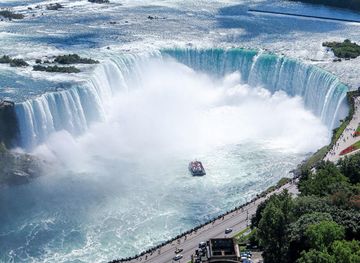
Explore more of Canada
Discover Canada's breathtaking landscapes, diverse cities, and rich cultural heritage. A must-visit destination for outdoor adventures and vibrant urban experiences.
Explore Canada