

Free Montérégie Travel Guide & Mobile App
Explore Montérégie with free travel guides. Discover regional history, expert tips, proposed trips, and audio guides on web or mobile app.


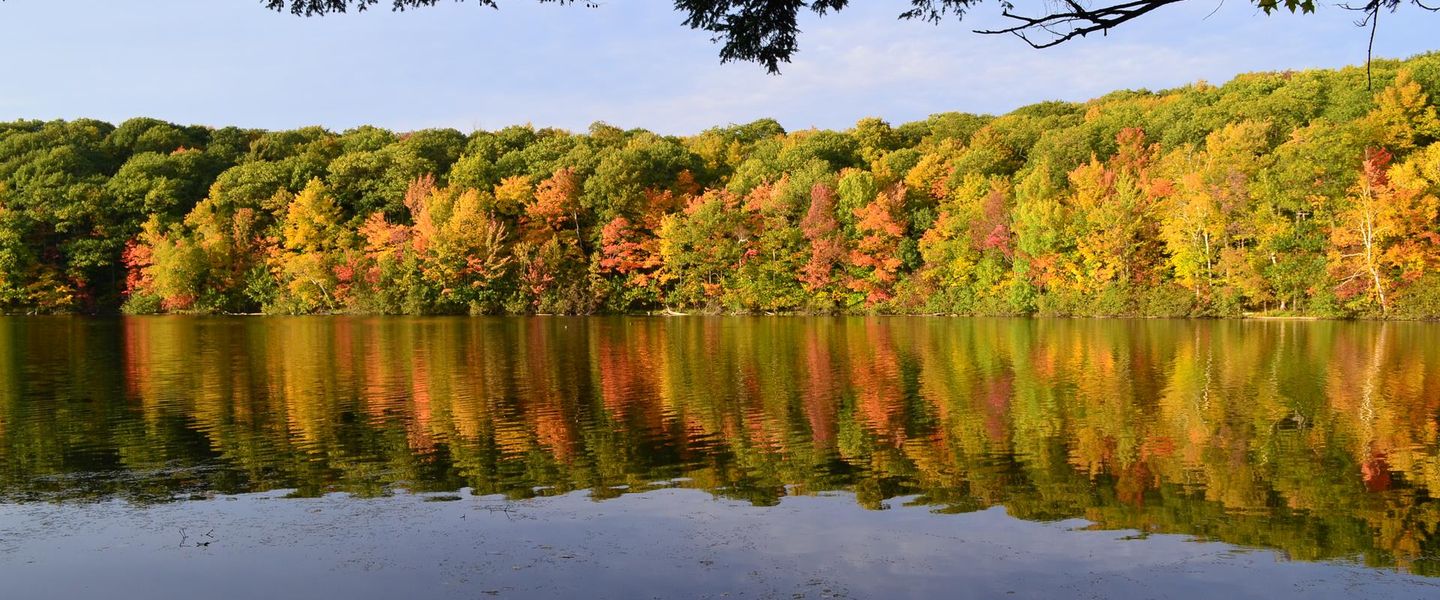


Explore Montérégie near Montréal for orchards, river landscapes, historic forts, cycling routes, farm shops and wooded Monteregian Hills.
Read more about Montérégie
When is the best time to visit Montérégie?
Best: June–August · 25–27°C| Month | High (°C) | Rainfall (mm) |
|---|---|---|
| January | -6 | 60 |
| February | -4 | 50 |
| March | 4 | 55 |
| April | 12 | 70 |
| May | 20 | 80 |
| June (best) | 25 | 90 |
| July (best) | 27 | 100 |
| August (best) | 26 | 100 |
| September | 21 | 90 |
| October | 14 | 80 |
| November | 6 | 70 |
| December | -2 | 60 |
Getting to and around Montérégie
How to get there
Transportation
Top city travel guides in Montérégie
The cities of Montérégie, and the easiest places to base yourself.

Swipe for more cities
Best attractions in Montérégie
Montérégie's attractions combine river landscapes, agricultural experiences, historic sites and accessible outdoor recreation. Fort Chambly and the Chambly Canal form one of the region's clearest heritage areas, linking military history with walking, cycling and boating along the Richelieu. Farther south, Fort Lennox on Île-aux-Noix adds a more isolated defensive setting, reached by seasonal arrangements. Near Longueuil, the Îles-de-Boucherville National Park protects river islands, wetlands and wooded habitats close to the metropolitan area, with trails and water-based activities. Mont Saint-Hilaire offers forest walks and viewpoints within the Gault Nature Reserve, while Mont Rougemont and the surrounding countryside are associated with orchards, cideries and autumn farm visits. In the western and central districts, the St Lawrence, Beauharnois Canal and Lake Saint-Louis create opportunities for cycling, boating and birdwatching. Museums and interpretation centres in communities such as Saint-Jean-sur-Richelieu, Sorel-Tracy and Salaberry-de-Valleyfield help explain military, industrial and maritime development. The attraction landscape is strongest when explored by theme—forts and canals, hills and orchards, or islands and waterways—rather than as a single concentrated sightseeing circuit.
-
Tourist attraction
Notre-Dame Basilica of Montreal
Discover the iconic Notre-Dame Basilica in Montreal, a masterpiece of Gothic Revival architecture featuring stunning stained glass and a rich historical narrative.
-
Tourist attraction
Mount Royal Park
Explore the natural beauty and vibrant culture of Mount Royal Park, Montreal's iconic urban oasis offering stunning views and year-round activities.
-
Tourist attraction
Jean Talon Market
Explore the vibrant Jean Talon Market in Montreal, where fresh local produce meets delightful culinary experiences in a bustling atmosphere.
-
Tourist attraction
Montreal Botanical Garden
Experience the vibrant flora and tranquil beauty of the Montreal Botanical Garden, an oasis of biodiversity in the heart of the city.
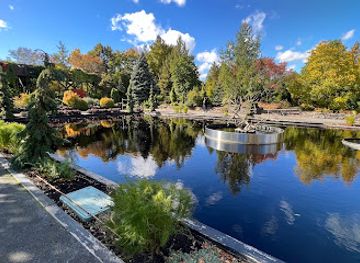
Best landmarks in Montérégie
The Richelieu River is Montérégie's defining historic corridor, and Fort Chambly is its most recognisable built landmark. The stone fort marks successive defensive structures established to control movement along the route towards Lake Champlain, while the nearby Chambly Canal represents the later engineering effort to navigate the river's rapids. Fort Lennox, on Île-aux-Noix near Saint-Paul-de-l'Île-aux-Noix, has a distinctive island setting and preserves British military planning from the early nineteenth century. Mont Saint-Hilaire and Mont Rougemont provide the region's most recognisable natural profiles, rising abruptly from the agricultural plain and shaping local orchard landscapes. The St Lawrence and its channels around Salaberry-de-Valleyfield form another important geographical landmark, with islands, canals and industrial waterways revealing the region's transport history. Historic village churches, long seigneurial farm lots and older riverside streets in communities such as Saint-Denis-sur-Richelieu and Saint-Charles-sur-Richelieu add architectural scale to the landscape. Together these places show how geology, military strategy, farming and navigation have shaped Montérégie's visual identity.
-
Tourist attraction
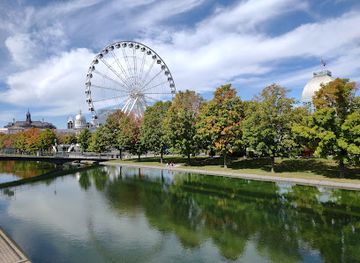
Vieux-Port de Montréal
Experience the historic charm and vibrant atmosphere of Vieux-Port de Montréal, where history meets modern attractions along the stunning waterfront.
-
Historical place
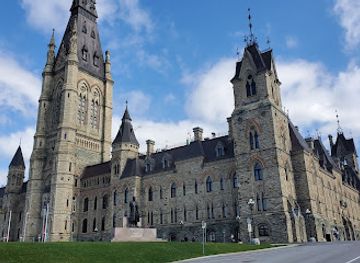
Parliament Hill
Explore the architectural beauty and rich history at Parliament Hill, the political heart of Canada, located in the vibrant city of Ottawa.
-
Basilica
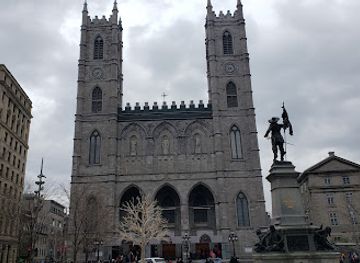
Notre-Dame Basilica of Montreal
Discover the awe-inspiring beauty and rich history of Notre-Dame Basilica, a must-see landmark in the heart of Montreal.
-
Park
Mount Royal Park
Explore Mount Royal Park, Montreal's urban oasis filled with stunning views, lush greenery, and endless recreational opportunities.
Explore Montérégie on the map
Plan your trip on one map. See where the top cities, national parks and sights are, and book hotels and experiences in a few clicks.
Best hotels in Montérégie
Best restaurants in Montérégie
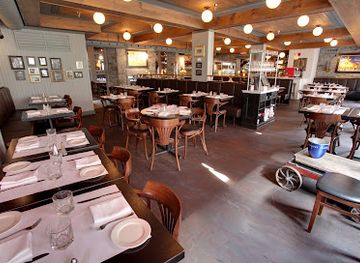
Dining in Montérégie reflects both its productive farmland and its proximity to Montréal. Restaurants and country inns draw on Québec staples such as local cheeses, maple products, seasonal vegetables, apples and berries, while farm shops and public markets provide direct access to regional produce. Around Rougemont, Mont Saint-Hilaire and other orchard districts, cider and apple products are important seasonal features, although individual producers vary in their opening arrangements. Riverside communities offer casual cafés, bistros and restaurants serving freshwater and imported seafood alongside familiar Québec and North American dishes. In Longueuil, Brossard and other larger centres, the choice broadens to include contemporary Québec cooking and international cuisines shaped by the metropolitan population. Traditional bakeries, sugar shacks in the appropriate season, roadside produce stalls and family restaurants provide a more rural food experience. Visitors should distinguish between products genuinely grown or made in Montérégie and dishes that belong to Québec's wider culinary tradition, while tasting menus and farm-to-table claims should be checked directly with individual establishments.
-
French
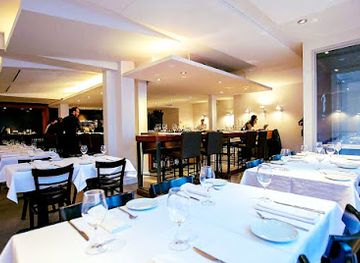
Modavie
Discover Modavie: A blend of authentic French cuisine and live jazz music in Old Montreal's vibrant setting.
-
French
Les Enfants Terribles
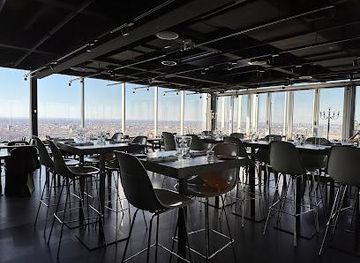
Montreal's highest rooftop brasserie: 44th-floor panoramas, French comfort classics, and festive vibes for unforgettable skyline dining.
-
Restaurant
Restaurant Grégoire & fils
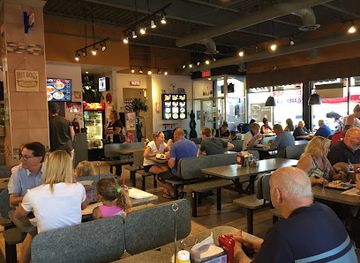
Discover Quebec's beloved fast food haven at Restaurant Grégoire & fils - home of the best poutine and burgers in Canada.
-
Restaurant
BOUILLON BILK
Discover Bouillon Bilk: A Modern French Restaurant in Montreal Offering Unique Dishes and Exceptional Service.
Best bars in Montérégie
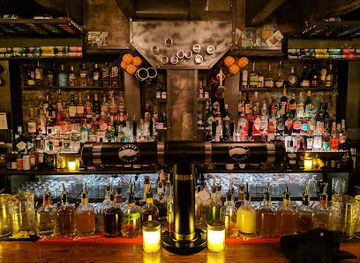
Montérégie's evening life is concentrated in its larger municipalities rather than spread evenly across the countryside. Longueuil and Brossard offer the broadest range of bars, cafés, restaurants and live entertainment, with easy access to Montréal for visitors seeking a much larger club and concert scene; Montréal is outside the region. Saint-Jean-sur-Richelieu, Sorel-Tracy, Salaberry-de-Valleyfield and other regional centres have local pubs, bars and restaurant terraces, while historic villages and rural districts tend towards inns, brewpub-style venues and quieter evenings. Craft breweries and cider producers contribute to the region's drinks culture, particularly in the agricultural belt, but many operate mainly as daytime or early-evening destinations rather than nightclubs. Summer brings outdoor terraces and waterside dining, whereas winter nightlife is more indoor and community-oriented. Opening hours and entertainment programmes vary considerably, especially outside the metropolitan fringe, so current arrangements should be confirmed before making a late-night journey.
-
Bar
Bar George
Discover Bar George, a modern British restaurant in Montreal, where exquisite cuisine meets a vibrant atmosphere for an unforgettable dining experience.
-
Cocktail bar
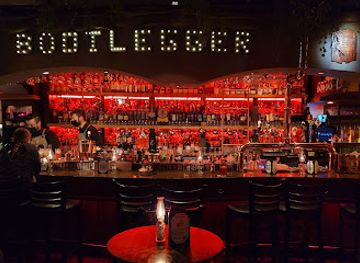
Bootlegger cocktail bar & cuisine
Discover the vibrant ambiance of Bootlegger cocktail bar in Montreal, where unique drinks, live jazz, and fresh oysters await you.
-
Pub
Pub Wolf & Workman
Discover Montreal's vibrant dining scene at Pub Wolf & Workman, where delicious food and great company await in a cozy atmosphere.
-
Cocktail bar
The Coldroom
Discover The Coldroom, Montreal's hidden cocktail bar, where innovative drinks and an intimate atmosphere redefine your nightlife experience.
Best nightclubs in Montérégie
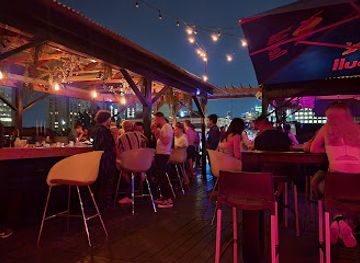
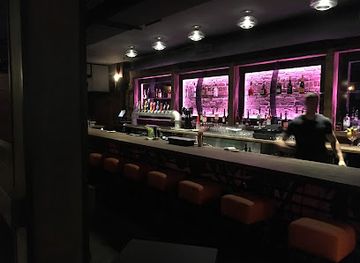
Montérégie's evening life is concentrated in its larger municipalities rather than spread evenly across the countryside. Longueuil and Brossard offer the broadest range of bars, cafés, restaurants and live entertainment, with easy access to Montréal for visitors seeking a much larger club and concert scene; Montréal is outside the region. Saint-Jean-sur-Richelieu, Sorel-Tracy, Salaberry-de-Valleyfield and other regional centres have local pubs, bars and restaurant terraces, while historic villages and rural districts tend towards inns, brewpub-style venues and quieter evenings. Craft breweries and cider producers contribute to the region's drinks culture, particularly in the agricultural belt, but many operate mainly as daytime or early-evening destinations rather than nightclubs. Summer brings outdoor terraces and waterside dining, whereas winter nightlife is more indoor and community-oriented. Opening hours and entertainment programmes vary considerably, especially outside the metropolitan fringe, so current arrangements should be confirmed before making a late-night journey.
-
Cabaret club
La Voûte
Discover the enchanting world of La Voûte, Montreal's premier cabaret club for exquisite dining and mesmerizing live performances.
-
Night club
Club Unity
Discover the vibrant nightlife of Montreal at Club Unity, where diverse music, themed events, and exciting dance floors create an unforgettable experience.
-
Gay night club
Complexe Sky
Discover Montreal's Complexe Sky, a vibrant gay nightclub offering delicious food, fabulous drinks, and unforgettable nights filled with dancing and entertainment.
-
Night club
Stereo
Dive into Montreal's nightlife at Stereo, where exceptional sound meets vibrant energy for an unforgettable night out.


Best shops in Montérégie
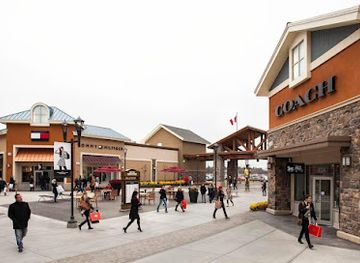
Shopping in Montérégie is closely tied to its market towns and agricultural producers rather than to a single regional retail quarter. Longueuil and Brossard provide the largest concentration of mainstream shops and services, while smaller centres such as Saint-Jean-sur-Richelieu, Sorel-Tracy and Salaberry-de-Valleyfield combine practical high-street retail with independent cafés, boutiques and galleries. In the countryside, farm stands, orchard shops and seasonal markets sell apples, cider, maple products, honey, vegetables, preserves, cheeses and baked goods; availability changes throughout the growing season. Around Mont Saint-Hilaire and the Richelieu Valley, visitors can also find work by local artists and craftspeople, including ceramics, paintings, textiles and small design goods, although individual studios may have limited hours. Autumn orchard visits are a popular time to buy regional produce, while public markets are useful for assembling a picnic rather than merely purchasing souvenirs. For specialist shopping and an extensive selection of international brands, Montréal is nearby but outside Montérégie.
-
Outlet mall
Premium Outlets Montréal
Discover unbeatable discounts at Premium Outlets Montréal, the ultimate shopping destination for fashion lovers and bargain hunters alike.
-
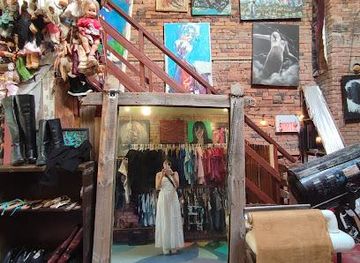
Used clothing store
Eva B.
Explore the vibrant world of vintage fashion at Eva B., Montreal’s premier used clothing store, showcasing unique styles and local artistry.
-
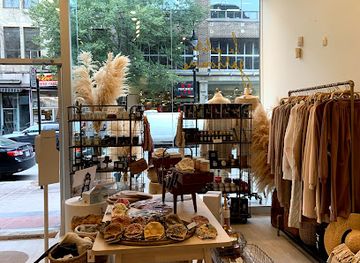
Women's clothing store
La petite garçonne | Jumpsuits minimalist fashion Montreal
Explore La Petite Garçonne, Montreal's chic boutique for minimalist women's fashion and unique jumpsuits.
-
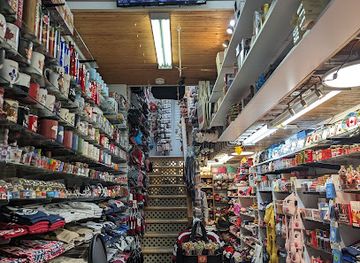
Souvenir store
Souvenir du Québec
Explore the heart of Quebec culture at Souvenir du Québec, where unique gifts and local artistry come together in Montreal's vibrant shopping scene.
Get your free copy of our complete guide to Montérégie, delivered straight to you.
Everything on this page, from attractions and restaurants to essentials and local phrases, in one PDF you can read offline, print or share.
Already have an account? Sign in
Your Montérégie guide is ready.
We'll send it to · Not you? Sign out

Getting your guide ready…
We are putting together a fresh copy of the Montérégie guide. This can take up to a minute.
This can take a few moments. If your browser asks, choose Allow so the download can start. You'll find the guide in your Downloads folder.
Nothing happened? Download it again
Sorry, the guide is taking longer than usual. Please try again in a minute, or get it by email instead.
Montérégie essentials
Currency and Payment
Safety
Emergency Situations
Do's and Don'ts
Local Tips
From Eve
Local phrases worth knowing
You don't need to get them perfect. A few words go a long way, and locals appreciate the effort.
Basics
| English | Local | Say it |
|---|---|---|
| Hello | Salut | [sah-loo] |
| Goodbye | Au revoir | [oh ruh-vwahr] |
| Yes | Oui | [wee] |
| No | Non | [noh] |
| Please/You're welcome | S'il vous plaît/De rien | [seel voo pleh/deh ree-ehn] |
| Thank you | Merci | [mehr-see] |
| Excuse me/Sorry | Excusez-moi/Désolé | [ehk-skew-zay mwah/deh-zoh-lay] |
| How are you? | Comment ça va? | [koh-mohn sah vah] |
| Fine. And you? | Bien. Et vous? | [byehn. eh voo] |
| Do you speak English? | Parlez-vous anglais? | [par-lay voo ahn-glay] |
| I don't understand | Je ne comprends pas | [zhuh nuh kohm-prahn pah] |
Eating & Drinking
| English | Local | Say it |
|---|---|---|
| I'd like to see the menu, please | Je voudrais voir le menu, s'il vous plaît | [zhuh voo-dray vwah leuh meh-nu, seel voo pleh] |
| I don't eat meat | Je ne mange pas de viande | [zhuh nuh mahnj pah deh vyahnd] |
| Cheers! | Santé! | [sahn-tay] |
| I would like to pay, please | Je voudrais payer, s'il vous plaît | [zhuh voo-dray pay-ay, seel voo pleh] |
Emergencies
| English | Local | Say it |
|---|---|---|
| Help! | Au secours! | [oh suh-koor] |
| Go away! | Allez-vous-en! | [ah-lay voo-zahn] |
| Call the Police! | Appelez la police! | [ah-peh-lay lah poh-lees] |
| Call a doctor! | Appelez un médecin! | [ah-peh-lay un meh-deh-sin] |
| I'm lost | Je suis perdu | [zhuh swee pair-due] |
| I'm ill | Je suis malade | [zhuh swee mah-lahd] |
Shopping
| English | Local | Say it |
|---|---|---|
| I'd like to buy... | Je voudrais acheter... | [zhuh voo-dray ah-sheh-tay] |
| I'm just looking | Je regarde juste | [zhuh ruh-gard zhoost] |
| How much is it? | C'est combien? | [seh kohm-byen] |
| That's too expensive | C'est trop cher | [seh troh shair] |
| Can you lower the price? | Pouvez-vous baisser le prix? | [poo-vay voo beh-say leuh pree] |
Time & Numbers
| English | Local | Say it |
|---|---|---|
| What time is it? | Quelle heure est-il? | [kehl uhr eh-teel] |
| It's one o'clock | Il est une heure | [eel eh ewn uhr] |
| Half past (10) | Dix heures et demie | [dees uhr eh duh-mee] |
| Morning | Matin | [mah-tahn] |
| Afternoon | Après-midi | [ah-pray mee-dee] |
| Evening | Soir | [swahr] |
| Yesterday | Hier | [ee-ehr] |
| Today | Aujourd'hui | [oh-zhoor dwee] |
| Tomorrow | Demain | [deh-mahn] |
| 1 | Un | [uhn] |
| 2 | Deux | [duh] |
| 3 | Trois | [trwah] |
| 4 | Quatre | [kahr] |
| 5 | Cinq | [sank] |
| 6 | Six | [sees] |
| 7 | Sept | [set] |
| 8 | Huit | [weet] |
| 9 | Neuf | [nuhf] |
| 10 | Dix | [dees] |
Transport & Directions
| English | Local | Say it |
|---|---|---|
| Where's a/the...? | Où est un/une...? | [oo eh uhn/oon] |
| What's the address? | Quelle est l'adresse? | [kehl eh luh-dress] |
| Can you show me (on the map)? | Pouvez-vous me montrer (sur la carte)? | [poo-vay voo muh mohn-tray (sur lah kart)] |
| When's the next (bus)? | Quand est le prochain (autobus)? | [kahn eh luh proh-shen (oh-toh-boos)] |
| A ticket (to ....) | Un billet (pour ....) | [uhn bee-yay (poor ....)] |
History of Montérégie
Indigenous waterways and early occupation
The St Lawrence and Richelieu river systems long supported Indigenous travel, fishing and exchange before European settlement. The region lies within the historic lands and travel networks of peoples including the Haudenosaunee and Abenaki, whose relationships with the waterways and fertile lowlands shaped movement through what is now southern Québec. Archaeological evidence across the St Lawrence Valley records occupation extending far beyond the colonial period. Visitors should understand Montérégie's forts, villages and agricultural landscapes as later layers imposed on an older Indigenous geography.
The Richelieu corridor and French colonisation
The Richelieu River became a strategic route between the St Lawrence and Lake Champlain after Samuel de Champlain's expedition reached the lake in 1609. French authorities later established forts along the corridor, including the early Fort Chambly, to protect settlements and control movement from the south. Seigneurial land grants encouraged farming along the river and St Lawrence, creating long, narrow properties oriented towards the waterways. Churches, village centres and field patterns in parts of Montérégie still reflect this colonial framework.
British rule and the War of 1812 era
After the British conquest of New France, the Richelieu Valley retained its military importance because it provided access towards Lake Champlain and the United States. Fort Lennox, built on Île-aux-Noix in the early nineteenth century, formed part of this defensive system, while canal and transport improvements responded to the same strategic concerns. The region consequently contains a mixture of French seigneurial settlement and British military infrastructure, a combination particularly visible around the Richelieu River and its islands.
The rebellions of 1837–38
Montérégie was central to the Lower Canada Rebellion, when the Patriotes challenged the colonial political system in 1837 and 1838. Saint-Charles-sur-Richelieu and Saint-Denis-sur-Richelieu were important sites in the conflict, and the battles and arrests left a lasting mark on Québec's political memory. The movement's demands for accountable government and greater political recognition were suppressed, but its legacy influenced subsequent constitutional change and the development of Québec's national historical narrative. Local commemorations and interpretive sites preserve this chapter.
Canals, railways and industrial growth
During the nineteenth and early twentieth centuries, canals, railways and improved roads connected Montérégie's farms and river ports with Montréal and markets farther afield. The Chambly Canal and the Beauharnois Canal reflect successive efforts to improve navigation around rapids and industrial sites. Sorel, Salaberry-de-Valleyfield and other communities developed manufacturing, shipping and processing industries, while agriculture became increasingly commercial. These transport corridors helped turn the region from a mainly local farming landscape into an integrated part of Québec's economy.
Agriculture, orchards and rural identity
Montérégie's fertile plain became one of Québec's major agricultural areas, producing grains, vegetables, dairy products and fruit for nearby urban markets. Orchard cultivation expanded particularly around the Monteregian Hills, where slopes and soils support apple production and seasonal agritourism. Maple operations, farm stands, cideries and food-processing businesses remain part of the regional economy. This agricultural development also shaped the visual identity of the countryside, where compact villages, church spires, shelterbelts and broad cultivated fields contrast with the metropolitan fringe.
Metropolitan expansion after the Second World War
After 1945, Montréal's growth spread across the St Lawrence and into the nearer parts of Montérégie. Longueuil, Brossard and other communities expanded through suburban housing, roads, employment zones and new commercial centres, while older agricultural areas faced continuing development pressure. Bridges and highway links made daily movement between the region and Montréal easier, but also produced a more fragmented landscape. Contemporary Montérégie therefore combines metropolitan municipalities with protected natural areas, productive farmland and historic river communities.
Montérégie in Photos
Browse through our photo collection highlighting the charm and character of the destination.
Neighbouring regions of Montérégie
The closest regions to Montérégie, if you have time for more than one.
-

-

-

-

-


Swipe for more regions
Explore more
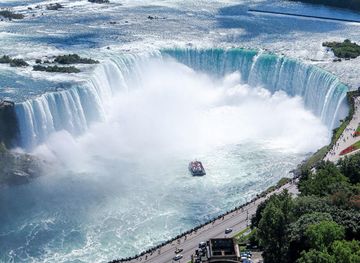
Explore more of Canada
Discover Canada's breathtaking landscapes, diverse cities, and rich cultural heritage. A must-visit destination for outdoor adventures and vibrant urban experiences.
Explore Canada