

Nunavut, Canada Travel Guide
Explore Nunavut: A remote Canadian Arctic paradise, home to breathtaking landscapes, rich indigenous culture, and unparalleled wildlife experiences.
Nunavut, the largest and northernmost territory of Canada, offers travelers a unique glimpse into the Arctic's untouched wilderness and rich indigenous culture. This remote destination is known for its striking landscapes, which include vast tundras, rugged coastlines, and ice-capped mountains. The natural beauty of Nunavut is unparalleled, with the endless days of the Midnight Sun in summer and the ethereal Northern Lights dancing across the winter sky. Visitors to Nunavut can immerse themselves in traditional Inuit culture, where oral histories, throat singing, and intricate carvings offer a deep connection to the land and its people. In towns like Iqaluit, the capital, and smaller communities such as Pangnirtung and Rankin Inlet, travelers can explore local museums, art galleries, and craft shops that showcase the region's artistic heritage. For the adventurous, Nunavut provides countless opportunities for outdoor recreation. Wildlife enthusiasts can witness polar bears, caribou, and narwhals in their natural habitats, while kayakers and hikers can traverse pristine waters and trails that few have ever seen. Whether you're interested in discovering historical sites, such as the remnants of the Franklin Expedition, or simply experiencing the serene beauty of the Arctic, Nunavut promises an unforgettable journey.

Know before you go
Hi, I'm Eve. Here are a few practical things to know before exploring Nunavut.
- Pack warm clothing, even in summer, as temperatures can be quite low.
- Learn a few basic Inuktitut phrases to connect better with the locals.
- Book flights and accommodations well in advance as options are limited.
- Respect local customs and traditions; always ask for permission before taking photos of people.
- Be prepared for limited internet and phone connectivity in remote areas.
Top City Travel Guides in Nunavut
The cities of Nunavut, and the easiest places to base yourself.

Explore Nunavut: Things to Do, Places to Eat, Hotels & More
Handpicked recommendations for top attractions, local dining, accommodations, and more

Top Attractions & Sightseeing in Nunavut
Top-rated picks
Best Attractions

Sirmilik National Park
Explore the breathtaking landscapes and rich wildlife of Sirmilik National Park, a hidden gem in the Arctic wilderness of Nunavut.

Ukkusiksalik National Park
Explore Ukkusiksalik National Park: Adventure through stunning tundra, rich wildlife, and Indigenous heritage in the heart of Nunavut, Canada.

Nunavut Parks and Special Places
Explore the breathtaking landscapes and rich cultural heritage of Nunavut Parks, a hidden gem in Canada's Arctic wilderness.

Apex Trail
Discover the breathtaking beauty of Apex Trail in Iqaluit, Nunavut, where stunning landscapes and unique wildlife await every adventurous hiker.

Best landmarks in Nunavut
Top-rated picks
Best Landmarks
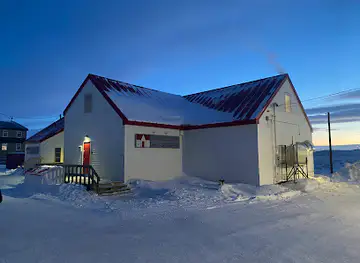
Nunatta Sunakkutaangit Museum ᓄᓇᑦᑕ ᓱᓇᒃᑯᑖᖏᑦ ᑕᑯᔭᒐᖃᕐᕕᒃ
Explore the rich heritage of the Inuit at the Nunatta Sunakkutaangit Museum, a treasure trove of culture and history in Iqaluit, Nunavut.

Auyuittuq National Park
Experience the stunning landscapes and rich culture of Auyuittuq National Park, a hidden gem in Nunavut, Canada, perfect for adventure seekers and nature lovers.

Carvings Nunavut Inc
Explore the heart of Inuit artistry at Carvings Nunavut Inc., where every piece tells a story of culture, tradition, and the beauty of the Arctic.

Unikkaarvik Visitor Centre ᐳᓚᕋᖅᑐᓄᑦ ᑐᑭᓯᒋᐊᕐᕕᒃ
Discover Nunavut's culture and plan your Arctic adventure at the Unikkaarvik Visitor Centre in Iqaluit. Your gateway to the North!

Best restaurants in Nunavut
Top-rated picks
Best Restaurants

Black Heart Café
Experience the warmth and flavors of Iqaluit at Black Heart Café - your go-to spot for delicious coffee and hearty meals.
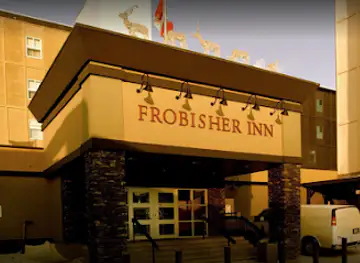
Frobisher Inn
Experience Arctic hospitality at Frobisher Inn - your perfect base for exploring Iqaluit's unique culture and breathtaking landscapes.

Yummy Shawarma
Discover authentic Middle Eastern flavors at Yummy Shawarma in Iqaluit – your go-to spot for delicious shawarmas and fast food delights.

The Storehouse Bar & Grill
Discover Northern flavors at The Storehouse Bar & Grill – where local ingredients meet exceptional dining in Iqaluit.

Best bars in Nunavut
Top-rated picks
Best Bars

Black Heart Café
Experience the warmth and community spirit at Black Heart Café, Iqaluit's charming coffee haven with delightful brews and cozy ambiance.

Frobisher Inn
Experience the welcoming charm of Frobisher Inn, a premier hotel in Iqaluit offering modern amenities and local hospitality for every traveler.

Yummy Shawarma
Discover the authentic taste of Middle Eastern cuisine at Yummy Shawarma in Iqaluit, where flavor meets convenience in a welcoming atmosphere.
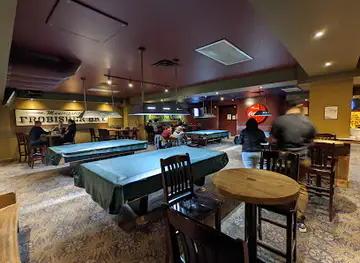
The Storehouse Bar & Grill
Discover the lively atmosphere and local flavors at The Storehouse Bar & Grill in Iqaluit, where unforgettable dining awaits every visitor.

Best nightclubs in Nunavut
Top-rated picks
Best Nightclubs

The Storehouse Bar & Grill
Discover the lively dining experience of The Storehouse Bar & Grill in Iqaluit, featuring local flavors and a vibrant atmosphere for all visitors.

The Chartroom Lounge
Experience the warm atmosphere and local flavors at The Chartroom Lounge, a cozy bar in the heart of Iqaluit, Nunavut.

Aqsarniit lounge
Discover the charm of Aqsarniit Lounge in Iqaluit, where local drinks and a cozy atmosphere create an unforgettable Arctic experience.

Ikaluktutiak Elks Lodge
Discover the warmth and camaraderie of Ikaluktutiak Elks Lodge in Cambridge Bay, where locals and visitors come together for drinks, laughter, and community spirit.

Best shops in Nunavut
Top-rated picks
Best Shops

Northmart
Discover local flavors and essentials at Northmart, Iqaluit's premier grocery store with a unique shopping experience.

Nunatta Sunakkutaangit Museum ᓄᓇᑦᑕ ᓱᓇᒃᑯᑖᖏᑦ ᑕᑯᔭᒐᖃᕐᕕᒃ
Immerse yourself in the Inuit culture and history at Nunatta Sunakkutaangit Museum, showcasing captivating artifacts and stunning photography.

Paleajook Co-Op
Experience the heart of Taloyoak at Paleajook Co-Op, your destination for local goods and a taste of Inuit culture in Nunavut.

Co-op Grocery
Explore the heart of Resolute at Co-op Grocery, your local source for essentials and Arctic specialties in Nunavut.

Explore Nunavut on the Map
A handpicked selection of must-see spots in Nunavut, mapped for you.
Nunavut Essentials
-
Nunavut, Canada’s northernmost territory, is accessible primarily by air. There are no roads connecting Nunavut to the rest of Canada. Major airlines like First Air and Canadian North offer flights to Iqaluit, the capital, from cities such as Ottawa, Montreal, and Yellowknife. During the summer months, some communities are also accessible by boat, including supply ships.
-
Within Nunavut, transportation options are limited. In larger communities like Iqaluit, taxis are available. For inter-community travel, small aircraft are the most common means of transportation. Snowmobiles and ATVs are frequently used by locals, especially in winter and on rough terrain. Walking is practical within smaller communities.
-
The official currency in Nunavut is the Canadian Dollar (CAD). Credit and debit cards are widely accepted in larger communities, but it is advisable to carry cash, particularly when visiting smaller or more remote areas. ATMs are available in Iqaluit and other major communities, but may be scarce in remote settlements.
-
Nunavut is generally safe for tourists, but it is important to take standard precautions. Petty theft can occur, so keep your belongings secure. While Nunavut does not have specific high-crime areas targeting tourists, it is best to stay vigilant. The extreme weather conditions can also pose safety risks; always be prepared for sudden changes in weather.
-
In case of emergency, dial 911 for immediate assistance. Medical facilities are available in larger communities like Iqaluit, Rankin Inlet, and Cambridge Bay. For remote areas, it is crucial to have travel insurance that covers medical evacuation. Keep a list of local emergency contacts, including the local police and health centers.
-
Fashion: Do dress in layers and wear weather-appropriate clothing. Avoid flashy or revealing outfits. Religion: Do respect local customs, including Inuit traditions and practices. Public Transport: Do be patient and respectful when using taxis or community shuttles. Don't expect extensive public transport networks. Greetings: Do greet people with a smile and a nod. Handshakes are less common. Eating & Drinking: Do try local foods like Arctic char and bannock. Don’t waste food, as supplies can be limited in remote areas.
-
To experience Nunavut like a local, participate in community events and festivals such as Toonik Tyme in Iqaluit. Visit local markets to buy traditional Inuit crafts and carvings. Engage with locals to learn about Inuit culture and heritage. Enjoy local outdoor activities like dog sledding, ice fishing, and viewing the Northern Lights.
When is the best time to visit Nunavut?
Useful Local Phrases for Nunavut
You don't need to speak the language perfectly. Even learning a few simple words can make conversations warmer—and locals usually appreciate the effort.
— Eve

Here are the phrases I use most often in Nunavut. Try a few—you'll be surprised how far they go! 😊
❤️
-
- Helloᐊᔭᕙᒃᓴᖅ
[Ayahaksaq] - Goodbyeᐊᔭᖅᑐᖅ
[Ayagtuq] - Yesᐊᖏᑐᖅ
[Angituk] - Noᐊᖏᖅ
[Angiq] - Please/You're welcomeᐊᒻᒪᖅ
[Ammaq] - Thank youᐊᕐᕌᒍᖅ
[Ardagaq] - Excuse me/Sorryᐊᖏᖅᑐᖅ
[Angiqtuq] - How are you?ᐊᔭᕙᖅᑐᖅ?
[Ayahaqtuq?] - Fine. And you?ᐊᔭᕙᖅᑐᖅ. ᐊᔭᕙᖅ?
[Ayahaqtuq. Ayahaq?] - Do you speak English?ᐊᖅᑐᖅ ᐊᕐᕌᒍᖅ?
[Aqtuq Ardaguq?] - I don't understandᐱᖃᓪᓗᖅᑐᖅ
[Piqalluqtuq]
- Helloᐊᔭᕙᒃᓴᖅ
-
- I'd like to see the menu, pleaseᐊᒻᒪᖅ ᐅᕙᓂᖅ ᑎᑎᒪᖅᖅᑐᖅ
[Ammaq uvaniq titimaarqtuq] - I don't eat meatᐱᖃᓪᓗᖅᑐᖅ ᐅᒥᖅ
[Piqalluqtuq umiq] - Cheers!ᐊᕐᕌᒍᖅ!
[Ardaguq!] - I would like to pay, pleaseᐊᒻᒪᖅ ᐊᖏᖅᑐᖅ ᐱᖃᓪᓗᖅᑐᖅ
[Ammaq angiqtuq piqalluqtuq]
- I'd like to see the menu, pleaseᐊᒻᒪᖅ ᐅᕙᓂᖅ ᑎᑎᒪᖅᖅᑐᖅ
-
- Help!ᐊᔭᖅᑐᖅ!
[Ayaktoq!] - Go away!ᖃᐅᔭᖅ!
[Qaujiaq!] - Call the Police!ᐊᔭᕙᖅ ᐱᐅᓯᒪᑦ!
[Ayahaq Piqsimat!] - Call a doctor!ᐊᔭᕙᖅ ᐊᑭᖅᑐᖅ!
[Ayahaq Akituq!] - I'm lostᐊᖏᖅᑐᖅ ᐊᖑᖅᑐᖅ
[Angiqtuq Akquqtuq] - I'm illᐊᖏᖅᑐᖅ ᐊᖅᑐᖅ
[Angiqtuq Aqtuq]
- Help!ᐊᔭᖅᑐᖅ!
-
- I'd like to buy...ᐊᒻᒪᖅ ᐊᖏᖅᑐᖅ ...
[Ammaq angiqtuq ...] - I'm just lookingᐊᖏᖅᑐᖅ ᐅᖃᐅᓯᖅᑐᖅ
[Angiqtuq uqaasiqtuq] - How much is it?ᐊᖏᖅᑐᖅ ᐊᖏᕐᕕᐊᖅ?
[Angiqtuq angirviq?] - That's too expensiveᐊᖏᖅᑐᖅ ᐊᖕᒪᖅᖃᖅ
[Angiqtuq angmaqaq] - Can you lower the price?ᐊᖏᖅᑐᖅ ᐊᖏᕐᕕᐊᖅ?
[Angiqtuq angirviq?]
- I'd like to buy...ᐊᒻᒪᖅ ᐊᖏᖅᑐᖅ ...
-
- What time is it?ᐊᖏᖅᑐᖅ ᐊᖅᑐᖅ?
[Angiqtuq Aqtuq?] - It's one o'clockᐊᖏᖅᑐᖅ ᐊᔭᕙᖅ
[Angiqtuq Ayahaq] - Half past (10)ᐊᖏᖅᑐᖅ ᐊᕙᓘᖅ ᐊᖏᒪᖅ
[Angiqtuq Avaniq Angmalq] - Morningᐊᕙᖅᑐᖅ
[Avaqtuq] - Afternoonᑯᕕᖅᑐᖅ
[Kuviktuq] - Eveningᐊᔭᖅᑐᖅ
[Ayahqtuq] - Yesterdayᐊᖏᖅᑐᖅ ᐊᔭᖅᑐᖅ
[Angiqtuq Ayahqtuq] - Todayᐊᖏᖅᑐᖅ ᐊᕙᖅᑐᖅ
[Angiqtuq Aavatuq] - Tomorrowᐊᖏᖅᑐᖅ ᐊᔭᖅᑐᖅ
[Angiqtuq Ayahqtuq] - 1ᑎᒃ
[Tiq] - 2ᐊᖅᑯ
[Aqku] - 3ᖃᑭ
[Qaqi] - 4ᐅᑭ
[Uqii] - 5ᖃᓕᒃ
[Qalir] - 6ᓱᒃ
[Suk] - 7ᖑᖅ
[Uqaq] - 8ᑕᒪᖅ
[Tamaq] - 9ᐅᖅᑎᒃ
[Uqtiq] - 10ᐅᑐ
[Utu]
- What time is it?ᐊᖏᖅᑐᖅ ᐊᖅᑐᖅ?
-
- Where's a/the...?ᓇᓗᒍᑦ ᐊᖏᖅᑐᖅ ...?
[Nalugut angiqtuq ...?] - What's the address?ᖃᑭᖅᑐᖅ ᐊᔭᖅᑐᖅ?
[Qaqiqtuq Ayahqtuq?] - Can you show me (on the map)?ᐊᖏᖅᑐᖅ ᐊᑭᖅᑐᖅ?
[Angiqtuq Akituq?] - When's the next (bus)?ᐊᖏᖅᑐᖅ ᐊᖑᖅᑐᖅ?
[Angiqtuq Akquqtuq?] - A ticket (to ....)ᒪᓯᖅᑐᖅ (ᐊᖏᖅᑐᖅ ...)
[Masiqtuq (Angiqtuq ...)]
- Where's a/the...?ᓇᓗᒍᑦ ᐊᖏᖅᑐᖅ ...?
History of Nunavut
-
The history of Nunavut is deeply intertwined with the Inuit and Thule peoples who have inhabited the region for thousands of years. The Thule people, ancestors of today's Inuit, migrated from Alaska around 1000 AD and adapted to the harsh Arctic environment, developing specialized tools and techniques for hunting and living in the icy conditions.
-
European exploration of Nunavut began in earnest in the late 15th and early 16th centuries. Explorers like Martin Frobisher and John Davis sought the Northwest Passage, a fabled sea route to Asia. Although they did not find the passage, their journeys marked the beginning of European interest and eventual influence in the Arctic.
-
In the 17th and 18th centuries, the fur trade became a significant economic activity in the Arctic. The Hudson's Bay Company and other trading outfits established posts in the region, trading with Inuit communities for furs. This period saw increased interactions and exchanges between the Inuit and Europeans, leading to significant cultural and economic changes.
-
Nunavut was officially established as a distinct territory on April 1, 1999, following a land claims agreement between the Inuit and the Canadian government. This historic event marked the culmination of decades of negotiations and efforts by Inuit leaders to gain political autonomy and control over their land and resources. The creation of Nunavut was a significant milestone in Canadian history, representing a step towards reconciliation and self-determination for Indigenous peoples.
-
The cultural heritage of Nunavut is rich and vibrant, deeply rooted in the traditions of the Inuit people. Traditional practices such as throat singing, drum dancing, and storytelling are central to Inuit culture. The art of Inuit carving and printmaking is renowned worldwide, with artists drawing inspiration from their natural surroundings and traditional myths. Festivals and community gatherings continue to play a vital role in preserving and celebrating Inuit culture.
-
Today, Nunavut is a vibrant and dynamic territory, balancing modernity with tradition. Communities are working to address contemporary challenges such as climate change, economic development, and social issues while maintaining their cultural identity and heritage. The establishment of Nunavut's government, educational institutions, and cultural organizations has empowered Inuit to shape their future and preserve their unique way of life.
Neighbouring Regions of Nunavut
The closest regions to Nunavut, if you have time for more than one.
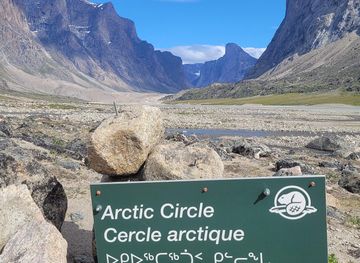




Your all‑in‑one travel companion app
Explore expert travel guides, compare and book tours, experiences, hotels, and more—all from the palm of your hand. Download now for seamless trip planning wherever your wanderlust takes you.


Explore More of Canada
Looking beyond Nunavut? Discover Canada for broader travel guides, local hot-spots, and regional highlights.
Explore CanadaNunavut in Photos
Browse through our photo collection highlighting the charm and character of the destination.


Nunavut: The Arctic's Untouched Wilderness
Nunavut, the largest and northernmost territory of Canada, offers travelers a unique glimpse into the Arctic's untouched wilderness and rich indigenous culture. This remote destination is known for its striking landscapes, which include vast tundras, rugged coastlines, and ice-capped mountains. The natural beauty of Nunavut is unparalleled, with the endless days of the Midnight Sun in summer and the ethereal Northern Lights dancing across the winter sky. Visitors to Nunavut can immerse themselves in traditional Inuit culture, where oral histories, throat singing, and intricate carvings offer a deep connection to the land and its people. In towns like Iqaluit, the capital, and smaller communities such as Pangnirtung and Rankin Inlet, travelers can explore local museums, art galleries, and craft shops that showcase the region's artistic heritage. For the adventurous, Nunavut provides countless opportunities for outdoor recreation. Wildlife enthusiasts can witness polar bears, caribou, and narwhals in their natural habitats, while kayakers and hikers can traverse pristine waters and trails that few have ever seen. Whether you're interested in discovering historical sites, such as the remnants of the Franklin Expedition, or simply experiencing the serene beauty of the Arctic, Nunavut promises an unforgettable journey.